

The Art of Education
Methodology and Didactics
GA 294
4 September 1919, Stuttgart
Translate the original German text into any language:
Versions Available:
Practical Course for Teachers, tr. Collison
Dreizehnter Vortrag
13. On Drawing up the Time-table
[ 1 ] Sie haben gesehen, daß wir uns in diesen Vorträgen, die methodischdidaktischer Natur sind, allmählich der Einsicht genähert haben, die uns den eigentlichen Lehrplan geben soll. Nun habe ich Ihnen schon verschiedentlich erzählt, daß wir ja mit Bezug auf dasjenige, was wir in unserer Schule aufnehmen und wie wir es aufnehmen, Kompromisse schließen müssen mit dem, was heute schon einmal da ist. Denn wir können ja vorläufig nicht zu der Waldorfschule hinzu auch die übrige soziale Welt schaffen, in welche diese Waldorfschule eigentlich hineingehört. Und so wird aus dieser umliegenden sozialen Welt heraus dasjenige strahlen, was uns auch den eventuellen Ideallehrplan der Waldorfschule immerfort durchkreuzen wird. Aber wir werden doch nur dann gute Lehrer in der Waldorfschule sein, wenn wir die Beziehungen kennen zwischen dem Ideallehrplan und dem, was unser Lehrplan zunächst noch sein muß wegen des Einflusses der äußeren sozialen Welt. Da werden sich uns gleich im Anfang der Volksschulzeit die bedeutsamsten Schwierigkeiten bei den Schülern, den Kindern ergeben, auf die wir daher zuerst hinweisen müssen, bei den Schülern, den Kindern gleich im Anfang der Volksschulzeit und dann wiederum am Ende. Gleich am Anfang der Volksschulzeit werden sich ja die Schwierigkeiten ergeben, weil Lehrpläne der Außenwelt vorliegen. In diesen Lehrplänen werden allerlei Lehrziele verlangt, und wir werden es nicht riskieren können, daß unsere Kinder, wenn sie das 1., das 2. Schuljahr absolviert haben, noch nicht so dastehen wie die draußen erzogenen und unterrichteten Kinder. Wenn das 9. Lebensjahr erreicht ist, dann werden ja nach unserer Methode unsere Kinder viel besser dastehen, aber in den Zwischenzeiten könnte es sein, daß verlangt würde, sagen wir, unsere Kinder sollen am Ende des 1. Schuljahres irgendwie vor einer Kommission der Außenwelt zeigen, was sie können. Nun ist es für die Kinder nicht gut, daß sie gerade dasjenige können, was heute eine Kommission in der Außenwelt verlangt. Und unser Ideallehrplan müßte eigentlich auf anderes hinarbeiten, als von einer solchen Kommission verlangt wird. So macht uns dasjenige, was von der Außenwelt diktiert ist, den Ideallehrplan zum Teil zunichte. So ist es am Anfang unseres Unterrichts in der Waldorfschule; in den oberen Klassen der Waldorfschule haben wir es ja mit Kindern, mit Schülern zu tun, welche schon aus den äußeren Unterrichtsanstalten hereinkommen, welche also schon methodisch und didaktisch nicht so unterrichtet worden sind, wie sie unterrichtet werden sollten.
[ 1 ] You will have seen from these lectures, which lay down methods of teaching, that we are gradually nearing the mental insight from which should spring the actual timetable. Now I have told you on different occasions already that we must agree, with regard to what we accept in our school and how we accept it, to compromise with conditions already existing. For we cannot, for the time being, create for the Waldorf School the entire social world to which it really belongs. Consequently, from this surrounding social world there will radiate influences which will continually frustrate the ultimate ideal time-table of the Waldorf School. But we shall only be good teachers of the Waldorf School if we know in what relation the ideal time-table stands to the time-table which we will have to use at first because of the ascendancy of the social world outside. This will result for us in the most vital difficulties which we must therefore mention before going on, and these will arise in connection with the pupils, with the children, immediately at the beginning of the elementary school period and then again at the end. At the very beginning of the elementary school course there will, of course, be difficulties, because there exist the time-tables of the outside world. In these time-tables all kinds of educational aim are required, and we cannot risk letting our children, after the first or second year at school, fall short of the learning shown by the children educated and taught outside our school. After nine years of age, of course, by our methods our children should have far surpassed them, but in the intermediate stage it might happen that our children were required to show in some way, let us say, at the end of the first year in school, before a board of external commissioners, what they can do. Now it is not a good thing for the children that they should be able to do just what is demanded to-day by an external commission. And our ideal time-table would really have to have other aims than those set by a commission of this kind. In this way the dictates of the outside world partially frustrate the ideal time-table. This is the case with the beginning of our course in the Waldorf School. In the upper classes 1Dr. Steiner refers to the beginning of the Waldorf School when the higher classes were from the ages of 12 to 14. of the Waldorf School, of course, we are concerned with children, with pupils who have come in from other educational institutions, and who have not been taught on the methods on which they should have been taught.
[ 2 ] Der hauptsächlichste Fehler, der dem Unterricht zwischen dem 7. und 12. Jahr heute anhaftet, ist ja der, daß viel zu sehr intellektuell unterrichtet wird. Wenn auch immer gepredigt wird gegen das Intellektuelle, es wird viel zu sehr nach dem Intellekt hingearbeitet. Wir werden daher Kinder hereinbekommen, welche schon einen stark greisenhaften Zug in sich haben, welche viel mehr Greisenhaftes in sich haben, als Kinder im 13., 14. Jahr haben sollten. Daher kommt es ja auch, daß — wenn heute unsere Jugend selber reformatorisch auftritt, wie bei den Pfadfindern und ähnlichen Bewegungen, wo sie selber verlangt, wie sie erzogen und unterrichtet werden soll - sie dann die greulichsten Abstraktionen, das heißt Greisenhaftes zutage bringt. Und gerade indem unsere Jugend immer fordert, wie es die Wandervögel fordern, recht jugendlich unterrichtet zu werden, verlangt sie, nach greisenhaften Grundsätzen unterrichtet zu werden. Das erleben wir ja wirklich. Wir haben es selbst bei einer Kulturratssitzung recht anschaulich erlebt, wo solch ein junger Wandervogel oder Angehöriger einer Jugendbewegung aufgetreten ist. Er fing an, seine ganz langweiligen Abstraktionen abzulesen, wie nun die Jugend verlange, unterrichtet und erzogen zu werden. Das war einigen zu langweilig, weil es lauter Selbstverständlichkeiten waren, aber Selbstverständlichkeiten, die etwas an Altersschwäche litten. Da wurden die Zuhörer unruhig, und der junge Redner schleuderte in die Menge hinein: Ich konstatiere, daß heute das Alter die Jugend nicht versteht. — Bloß das lag aber vor, daß dieses halbe Kind zu stark greisenhaft war wegen einer quergegangenen Erziehung und eines quergegangenen Unterrichtes.
[ 2 ] The chief mistake attendant to-day on the teaching of children between seven and twelve is, of course, the fact that they are taught far too intellectually. However much people may hold forth against intellectualism, the intellect is considered far too much. We shall consequently get children coming in with already far more pronounced characteristics of old age—even senility—than children between twelve and fourteen should show. That is why when, in these days, our youth itself appears in a reforming capacity, as with the Scouts (Pfadfinder) and similar movements, where it makes its own demands as to how it is to be educated and taught, it reveals the most appalling abstractness, that is, senility. And particularly when youth desires, as do the Wandervögel, to be taught really youthfully, it craves to be taught on senile principles. That is an actual fact to-day. We came up against it very sharply ourselves in a commission on culture, where a young Wandervögel, or member of some youth movement, got up to speak. He began to read off his very tedious abstract statements of how modern youth desires to be taught and educated. They were too boring for some people because they were nothing but platitudes; moreover, they were platitudes afflicted with senile decay. The audience grew restless, and the young orator hurled into its midst: “I declare that the old folks to-day do not understand youth.” The only fact in evidence, however, was that this half-child was too much of an old man because of a thwarted education and perverted teaching.
[ 3 ] Das ist es, was besonders wiederum stark berücksichtigt werden muß bei den Kindern, die wir mit 12 bis 14 Jahren in die Schule bekommen und denen wir sozusagen vorläufig den letzten Schliff geben sollten. Am Anfang und am Ende der Schuljahre entstehen für uns die großen Fragen. Wir müssen so viel als möglich tun, um unserem Ideallehrplan gerecht zu werden, und wir müssen so viel als möglich tun, um die Kinder nicht dem heutigen Leben zu stark zu entfremden.
[ 3 ] Now this will have to be taken most seriously into account with the children who come into the school at twelve to fourteen, and to whom, for the time being, we are to give, as it were, the finishing touch. The great problems for us arise at the beginning and end of the school years. We must do our utmost to do justice to our ideal time-table, and we must do our utmost not to estrange children too greatly from modern life.
[ 4 ] Nun tritt ja gerade im 1. Schuljahr im Lehrplan etwas sehr Verhängnisvolles zutage. Da wird verlangt, daß die Kinder schon das Ziel erreichen, möglichst viel lesen zu können, woneben sie wenig schreiben lernen. Das Schreiben wird gewissermaßen im Anfang erhalten, und das Lesen soll schon im 1. Schuljahr so weit gebracht werden, daß die Kinder wenigstens solche Lesestücke sowohl in deutscher wie in lateinischer Schrift lesen können, die schon mit ihnen zusammen gelesen oder vorgelesen worden sind. Aber immerhin in deutscher und lateinischer Schrift, während im Schreiben verhältnismäßig wenig verlangt wird. Wir würden, wenn wir idealiter erziehen könnten, selbstverständlich von den Formen, so wie wir das besprochen haben, ausgehen, und die Formen, die wir aber aus sich selbst entwickeln, die würden wir allmählich von dem Kinde in die Schreibbuchstaben umwandeln lassen. Wir werden das tun; wir werden uns nicht abhalten lassen, mit einem Zeichen- und Malunterricht zu beginnen und die Schreibbuchstaben aus diesem Zeichen- und Malunterricht herauszuholen, und wir werden erst dann zur Druckschrift übergehen. Wir werden, wenn das Kind gelernt hat, die geschriebenen Buchstaben zu erkennen, zur Druckschrift übergehen. Da werden wir einen Fehler machen, weil wir ja im 1. Schuljahr nicht die Zeit haben werden, beide Schriftarten, deutsche und lateinische Schrift, fertig herauszugestalten und dann noch deutsche und lateinische Schrift lesen zu lehren. Das würde das 1. Schuljahr zu sehr belasten. Daher werden wir den Weg vom malenden Zeichnen zum Deutschschreiben machen müssen, werden dann übergehen müssen von den deutschgeschriebenen Buchstaben zu deutschgedruckten Buchstaben im einfachen Lesen. Wir werden dann, ohne daß wir erst die lateinischen Buchstaben auch zeichnerisch erreicht haben, von der deutschen zur lateinischen Druckschrift übergehen. Das werden wir also als ein Kompromiß gestalten: Damit wir der wirklichen Pädagogik Rechnung tragen, werden wir das Schreiben aus dem Zeichnen entwickeln, aber, damit wir auf der andern Seite das Kind wiederum so weit bringen, wie es der Lehrplan verlangt, werden wir es auch zum elementaren Lesen der lateinischen Druckschrift bringen. Das wird also unsere Aufgabe bezüglich des Schreibens und Lesens sein.
[ 4 ] Not translated
[ 5 ] Ich habe in diesen didaktischen Vorträgen schon darauf hingewiesen, daß, wenn wir die Formen der Buchstaben bis zu einem gewissen Grade entwickelt haben, wir schneller vorgehen müssen.
[ 5 ] Not translated
[ 6 ] Dann müssen wir aber vor allen Dingen suchen, daß im 1. Schuljahr viel von dem getrieben wird, was einfaches Sprechen mit den Kindern ist. Wir lesen ihnen womöglich wenig vor, sondern bereiten uns so gut vor, daß wir ihnen alles, was wir an sie heranbringen wollen, erzählen können. Wir versuchen dann zu erreichen, daß die Kinder nach dem von uns Erzählten, Gehörten nacherzählen können. Wir verwenden aber nicht Lesestücke, die die Phantasie nicht anregen, sondern wir verwenden möglichst Lesestücke, die recht stark die Phantasie anregen, namentlich Märchenerzählungen. Möglichst viel Märchenerzählungen. Und wir versuchen, indem wir lange mit dem Kinde dieses Erzählen und Nacherzählen getrieben haben, es dann ein wenig dahin zu bringen, in kurzer Art Selbsterlebtes nachzuerzählen. Wir lassen uns zum Beispiel irgend etwas, was das Kind gern selbst erzählt, von dem Kinde erzählen. Bei all diesem Erzählen, Nacherzählen, Erzählen von Selbsterlebtem entwickeln wir ohne Pedanterie die Überleitung des Dialekts in die gebildete Umgangssprache, indem wir einfach die Fehler, die das Kind macht - zuerst macht es ja lauter Fehler, nachher wohl immer weniger —, korrigieren. Wir entwickeln beim Kind im Erzählen und im Nacherzählen den Übergang von dem Sprechen des Dialektes zur gebildeten Umgangssprache. Das können wir machen, und trotzdem wird das Kind am Ende des 1. Schuljahres das Lehrziel erreicht haben, das heute von ihm verlangt wird.
[ 6 ] But above all we must seek to include in the first school year a great deal of simple talking with the children. We read to them as little as possible, but prepare our lessons so well that we can tell them everything that we want to teach them. We aim at getting the children to tell again what they have heard us tell them. But we do not adapt reading-passages which do not fire the fantasy; we use, wherever possible, reading-passages which excite the imagination profoundly; that is, fairy tales. As many fairy tales as possible. And after practising for some time with the child this telling of stories and retelling of them, we encourage him a little to tell very shortly his own experiences. We let him tell us, for instance, about something which he himself likes to tell about. In all this telling of stories, and telling them over, and telling about personal experiences, we guide, quite un-pedantically, the dialect into the way of educated speech, by simply correcting the mistakes which the child makes—at first he will do nothing but make mistakes, of course; later on, fewer and fewer. We show him, by telling stories and having them retold, the way from dialect to educated conversation. We can do all this, and in spite of it the child will have reached the standard demanded of him at the end of the first school year.
[ 7 ] Dann müssen wir allerdings etwas einfügen, was im allerersten Schuljahre am besten doch wegbliebe und was etwas das kindliche Gemüt Belastendes ist: wir müssen dem Kinde beibringen, was ein Selbstlaut und was ein Mitlaut ist. Wenn wir dem idealen Lehrplan folgen könnten, würden wir das im 1. Schuljahre noch nicht tun. Aber dann könnte irgendein Inspektor am Ende des 1. Schuljahres kommen und das Kind fragen, was ein i ist und was ein l ist und das Kind wüßte nicht, daß das eine ein Selbstlauter, das andere ein Mitlauter ist. Und man würde uns sagen: Nun ja, dies Nichtwissen ist das Ergebnis der Anthroposophie. - Deshalb müssen wir dafür sorgen, daß das Kind Selbstlaute von Mitlauten unterscheiden kann. Wir müssen auch dem Kinde beibringen, was ein Hauptwort ist, was ein Artikel ist. Und nun kommen wir in eine rechte Kalamität hinein. Denn wir sollten nach dem hiesigen Lehrplan die deutschen Ausdrücke gebrauchen und nicht Artikel sagen. Da müssen wir zu dem Kinde nach der hiesigen Vorschrift statt Artikel Geschlechtswort sagen, und da kommt man ja natürlich in eine Kalamität hinein. Besser wäre es, wenn man da nicht pedantisch wäre und das Wort Artikel beibehalten könnte. Nun habe ich Ihnen ja schon Andeutungen darüber gemacht, wie man für das Kind Hauptwort von Eigenschaftswort unterscheidet, indem man das Kind anleitet zu sehen, wie das Hauptwort sich bezieht auf das, was draußen im Raum steht, für sich steht. Man muß da versuchen, dem Kinde zu sagen: Sieh einmal — Baum! Baum ist etwas, was im Raume stehen bleibt. Aber schau dir einen Baum im Winter an, schau dir einen Baum im Frühling an, und schau dir ihn im Sommer an. Der Baum ist immer da, aber er schaut anders aus im Winter, anders im Sommer, anders im Frühling. Wir sagen im Winter: Er ist braun. Wir sagen im Frühling: Er ist grün. Wir sagen im Sommer: Er ist bunt. Das sind seine Eigenschaften. — So bringen wir dem Kinde zuerst den Unterschied zwischen dem Bestehenbleibenden und den wechselnden Eigenschaften bei und sagen ihm dann: Wenn wir ein Wort brauchen für das Bestehenbleibende, ist es ein Hauptwort, wenn wir ein Wort brauchen für das, was an dem Bestehenbleibenden wechselt, ist es ein Eigenschaftswort. — Dann bringen wir dem Kinde den Begriff der Tätigkeit bei. Setz dich einmal auf deinen Stuhl. Du bist ein braves Kind. Brav ist ein Eigenschaftswort. Aber jetzt steh auf und laufe. Da tust du etwas. Das ist eine Tätigkeit. Diese Tätigkeit bezeichnen wir durch ein Tätigkeitswort. — Wir versuchen also, das Kind an die Sache heranzubringen, und dann gehen wir von der Sache zu den Worten über. Auf diese Weise werden wir, ohne zuviel Schaden anzurichten, dem Kinde beibringen können, was ein Hauptwort, ein Artikel, ein Eigenschaftswort, ein Zeitwort ist. Zu verstehen, was ein Artikel ist, das ist ja am allerschwierigsten, weil das Kind noch nicht recht die Beziehung des Artikels zum Hauptwort einsehen kann. Da werden wir ziemlich im Abstrakten herumplätschern, wenn wir dem Kinde beibringen wollen, was ein Artikel ist. Aber es muß es eben lernen. Und es ist viel besser, da im Abstrakten herumzuplätschern, weil es ohnedies etwas Unnatürliches ist, als allerlei künstliche Methoden auszusinnen, um auch den Artikel in seiner Bedeutung und Wesenheit dem Kinde klarzumachen, was ja unmöglich ist.
[ 7 ] Then, indeed, we must make room for something which would be best absent from the very first year of school and which is only a burden on the child's soul: we shall have to teach him what a vowel is, and what a consonant is. If we could follow the ideal time-table we would not do this in the first school year. But then some inspector might turn up at the end of the first year and ask the child what “i” is, what “l” is, and the child would not know that one is a vowel and the other a consonant. And we should be told: “Well, you see, this ignorance comes of Anthroposophy.” For this reason we must take care that the child can distinguish vowels from consonants. We must also teach him what a noun is, what an article is. And here we find ourselves in a real dilemma. For according to the prevailing time-table we ought to use German terms and not say artikel. We have to talk to the child, according to current regulations, of Geschlechtswort (gender-words) instead of artikel, and here, of course, we find ourselves in the dilemma. It would be better at this point not to be pedantic and to retain the word artikel. Now I have already indicated how a noun should be distinguished from an adjective by showing the child that a noun refers to objects in space around him, to self-contained objects. You must try here to say to him: “Now take a tree: a tree is a thing which goes on standing in space. But look at a tree in winter, look at a tree in spring, and look at a tree in summer. The tree is always there, but it looks different in winter, in summer, in spring. In winter we say: ‘It is brown.’ In spring we say: ‘It is green.’ In summer we say: ‘It is leafy.’ These are its attributes.” In this way we first show the child the difference between something which endures and its attributes, and say: “When we use a word for what persists, it is a noun; when we use a word for the changing quality of something that endures it is an adjective.” Then we give the child an idea of activity: “Just sit down on your chair. You are a good child. Good is an adjective. But now stand up and run. You are doing something. That is an action.” We describe this action by a verb. That is, we try to draw the child up to the thing, and then we go from the thing over to the words. In this way, without doing the child too much harm, we shall be able to teach him what a noun is, an article, an adjective, a verb. The hardest of all, of course, is to understand what an article is, because the child cannot yet properly understand the connection of the article with the noun. We shall flounder fairly badly in an abstraction when we try to teach him what an article is. But he has to learn it. And it is far better to flounder in abstractions over it because it is unnatural in any case, than to contrive all kinds of artificial devices for making clear to the child the significance and the nature of the article, which is, of course, impossible.
[ 8 ] Kurz, es wird für uns schon gut sein, wenn wir mit vollem Bewußtsein unterrichten, daß wir etwas Neues in den Unterricht hineinbringen. Dazu wird sich uns im 1. Schuljahr reichlich Gelegenheit bieten. Noch in das 2. Schuljahr wird vieles in dieser Beziehung hineinspuken. Wir werden aber im 1. Schuljahr viel darin haben, was eine große Wohltat für das heranwachsende Kind ist. Wir werden im 1. Schuljahr nicht nur das Schreiben darin haben, sondern ein elementares, primitives Malen und Zeichnen, denn davon gehen wir ja behufs des Schreibunterrichts aus. Wir werden im 1. Schuljahr nicht bloß das Singen drin haben, sondern auch ein elementares Erlernen des Musikalischen am Instrument. Wir werden das Kind von Anfang an nicht nur singen lassen, sondern es zum Instrument hinführen. Das wird wiederum eine große Wohltat für das Kind sein. Wir werden ihm die ersten Elemente des Hörens von Tonzusammenhängen beibringen. Und wir werden versuchen, das Gleichgewicht zu halten zwischen dem Hervorbringen des Musikalischen durch den Gesang von innen und dem Hören des Tonlichen von außen oder dem Erzeugen des Tonlichen durch das Instrument.
[ 8 ] In short, it will be a good thing for us to teach with complete awareness that we are introducing something new into teaching. The first school year will afford us plenty of opportunity for this. Even in the second year a good deal of this awareness will invade our teaching. But the first year will include much that is of great benefit to the growing child. The first school year will include not only writing, but an elementary, primitive kind of painting-drawing, for this is, of course, our point of departure for teaching writing. The first school year will include not only singing, but also an elementary training in the playing of a musical instrument. From the first we shall not only let the child sing, but we shall take him to the instrument. This, again, will prove a great boon to the child. We teach him the elements of listening by means of sound-combinations. And we try to preserve the balance between the production of music from within by song, and the hearing of sounds from outside, or by making them on the instrument.
[ 9 ] Diese Dinge, das malende Zeichnen, das zeichnende Malen, das Sich-Hineinfinden in das Musikalische, das wird uns besonders für das 1. Schuljahr ein wunderbares Element der Willensbildung abgeben können, jener Willensbildung, die der heutigen Schule fast ganz fernliegt. Und führen wir dann für die Knirpse auch noch das gewöhnliche Turnen über in die Eurythmie, dann werden wir die Willensbildung ganz besonders fördern.
[ 9 ] These elements, painting-drawing, drawing with colours, finding the way into music, will provide for us, particularly in the first school year, a wonderful element of that will-formation which is almost quite foreign to the school of to-day. And if we further transform the little mite's physical training into Eurhythmy we shall contribute in a quite exceptional degree to the formation of the will.
[ 10 ] Es ist mir hier ein Lehrplan für das 1. Schuljahr vorgelegt worden. Der enthält:
[ 10 ] I have been presented with the usual time-table for the first school year. It consists of:
[ 11 ] Religion in 2 Stunden
Deutsch in 11 Stunden
Schreiben, da ist keine Stundenzahl angegeben, aber das
Schreiben wird eben im Deutschunterricht ausführlich
gelehrt, dann
Heimatkunde 2 Stunden
Rechnen 4 Stunden
Singen und Turnen zusammen 1 Stunde wöchentlich.
[ 11 ] Religion—two hours a week.
The mother tongue—eleven hours a week.
Writing—there is no figure given for the number of hours, for it is included in the mother tongue.Then:
Local geography—two hours 2The word hours is the translation of Schulstunden—50 minutes with intervals between. a week.
Arithmetic—four hours a week.
Singing and gymnastics together—one hour a week.
[ 12 ] Das werden wir nicht tun, denn da würden wir zu stark gegen das Wohl des heranwachsenden Kindes sündigen. Sondern wir werden, so gut wir nur können, das Gesanglich-Musikalische und das TurnerischEurythmische auf den Nachmittag verlegen, das andere auf den Vormittag verlegen, und wir werden - in mäßiger Weise allerdings, bis wir fühlen sollten, es ist zuviel — das Gesanglich-Musikalische und Turnerisch-Eurythmische mit den Kindern nachmittags üben. Denn 1 Stunde wöchentlich dazu zu verwenden, ist geradezu eine Lächerlichkeit. Das beweist Ihnen schon, daß der ganze Unterricht aufs Intellektuelle hin dressiert ist.
[ 12 ] We shall not be guilty of this, for we should then sin too gravely against the well-being of the growing child. But we shall arrange, as far as ever it is in our power, for the singing and music and the gymnastics and Eurhythmy to be in the afternoon, and the rest in the morning, and we shall take, in moderation—until we think they have had enough—singing and music and gymnastics and Eurhythmy with the children in the afternoon. For to devote one hour a week to these subjects is quite ludicrous. That alone proves to you how the whole of teaching is now directed towards the intellect.
[ 13 ] Man hat es ja heute im 1. Elementarschuljahr mit sechsjährigen Kindern zu tun oder mit solchen, die höchstens ein paar Monate nach dem 6. Jahr sind. Mit solchen Kindern kann man ganz gut die Elemente des Zeichnerisch-Malerischen, des Musikalischen treiben und auch ganz gut Turnen und Eurythmie treiben; aber wenn man mit ihnen im heutigen Stile Religion treibt, dann erteilt man ihnen überhaupt keinen Religionsunterricht, sondern lediglich einen Gedächtnisunterricht, und das ist noch das Gute dabei. Denn es ist einfach unsinnig, zu dem sechsbis siebenjährigen Kinde von den Begriffen zu sprechen, die in der Religion eine Rolle spielen. Das kann es nur seinem Gedächtnis einprägen. Das Gedächtnispflegen ist ja ganz gut, aber man muß sich dessen bewußt sein, daß man da eigentlich mit allerlei an das Kind herantritt, wofür es in dieser Zeit nicht das allergeringste Verständnis hat.
[ 13 ] In the first year in the elementary school we are concerned, after all, with six-year-old children or with children at the most a few months over six. With such children you can quite well study the elements of painting and drawing, of music, and even of gymnastics and Eurhythmy; but if you take religion with them in the modern manner you do not teach them religion at all; you simply train their memory and that is the best that can be said about it. For it is absolutely senseless to talk to children of six to seven of ideas which play a part in religion. They can only be stamped on his memory. Memory training, of course, is quite good, but one must be aware that it here involves introducing the child to all kinds of things which have no meaning for the child at this age.
[ 14 ] Ein anderes noch, was hier schon für das erste Schuljahr steht, wird uns veranlassen, mindestens im praktischen Unterricht eine andere Ansicht darüber zu gewinnen, als man gewöhnlich hat. Im 2. Schuljahr tritt es ja dann noch in einer besonderen Weise auf, sogar als ein besonderer Unterrichtsgegenstand: das ist das Schönschreiben. Wir werden, indem wir das Schreiben aus dem malenden Zeichnen herausholen, doch gar nicht nötig haben, bei dem Kinde extra zu pflegen das Häßlichschreiben und das Schönschreiben. Wir werden uns bemühen, zwischen dem Häßlichschreiben und dem Schönschreiben keinen Unterschied zu machen und allen Schreibunterricht so zu gestalten — und das werden wir trotz des äußeren Lehrplanes können -, daß das Kind immer schön schreibt, so schön, als es notwendig ist, daß es niemals den Unterschied macht zwischen Schönschreiben und Häßlichschreiben. Und wenn wir uns bemühen, dem Kinde ziemlich lange zu erzählen und es nacherzählen zu lassen und uns dabei auch bemühen, richtig zu sprechen, dann werden wir das Rechtschreiben auch nur korrigierend zunächst zu treiben brauchen. Wir werden also auch nicht das Rechtschreiben und Unrechtschreiben als zwei besondere Strömungen des Schreibenletnens anzuführen brauchen.
[ 14 ] Another feature of the time-table for the first year will provoke us to an opinion different from the usual one, at least in practice. This feature reappears in the second year in a quite peculiar guise, even as a separate subject, as Schönschreiben (literally, pretty writing = calligraphy). In evolving writing from “painting-drawing” we shall obviously not need to cultivate “ugly writing” and “pretty writing” as separate subjects. We shall take pains to draw no distinction between ugly writing and pretty writing and to arrange all written work—and we shall be able to do this in spite of the outside time-table—so that the child always writes beautifully, as beautifully as he can, never suggesting to him the distinction between good writing and bad writing. And if we take pains to tell the child stories for a fairly long time, and to let him repeat them, and pay attention all the time to correct speaking on our part, we shall only need to take spelling at first from the point of view of correcting mistakes. That is, we shall not need to introduce correct writing, Rechtschreiben (spelling), and incorrect writing as two separate branches of the writing lesson.
[ 15 ] Sehen Sie, in dieser Beziehung müssen wir natürlich sehr auf uns selber achtgeben. Uns Österreichern ist das beim Unterricht eine ganz besondere Schwierigkeit. Denn in Osterreich gab es außer den zwei Sprachen, dem Dialekt und der gebildeten Umgangssprache, noch eine dritte. Das war die besondere österreichische Schulsprache. Da sprach man alle langen Vokale kurz und alle kurzen Vokale lang, und während man im Dialekt richtig sagt «d’Sun», sagt die österreichische Schulsprache nicht etwa die Sonne, sondern «die Sohne», und das gewöhnt man sich unwillkürlich an. Man fällt immer wieder zurück wie die Katze auf die Pfoten. Aber auch für den Lehrer hat es etwas sehr Störendes. Immer mehr gerät man in dieses Übel hinein, je weiter man von Nord nach Süd kommt. In Südösterreich grassiert das Übel am allerstärksten. Der Dialekt sagt ganz richtig «der Suu»; die Schulsprache lehrt uns sagen «der Son». So daß man sagt «der Son» für den Knaben und «die Sohne» für das, was am Himmel scheint. Das ist nur das alleräußerste Extrem. Aber wenn wir uns bemühen, im Erzählen alles wirklich Lange lang und alles Kurze kurz, alles Scharfe scharf, alles Gedehnte gedehnt, alles Weiche weich zu halten und beim Kinde wieder achtgeben und fortwährend korrigieren, daß es richtig spricht, dann werden wir ihm die Vorbedingungen auch für ein richtiges Schreiben schaffen. Im 1. Schuljahr brauchen wir uns nicht viel mehr als die richtigen Vorbedingungen dazu zu schaffen. So können wir wir brauchen das Kind noch nicht Dehnungen und Schärfungen schreiben zu lassen, weil das ja auch der Schulplan gestattet - in bezug auf die Rechtschreibung möglichst lange beim bloßen Sprechen bleiben und erst zu allerletzt das Schreiben in das Rechtschreiben einlaufen lassen. Das ist so etwas, was wir beachten müssen, wenn es sich darum handelt, die Kinder richtig zu behandeln, die im Anfang ihrer Schulzeit stehen.
[ 15 ] You see in this connection we must naturally pay great attention to our own accuracy. This is especially difficult for us Austrians in teaching. For in Austria, besides the two languages, the dialect and the educated everyday speech, there was a third. This was the specific “Austrian School Language.” In this all long vowels were pronounced short and all short vowels long, and whereas the dialect quite correctly talked of “Die Sonne” (the sun), the Austrian school language did not say Die Sonne but Die Sohne, and this habit of talking becomes involuntary; one is constantly relapsing into it, as a cat lands on his paws. But it is very unsettling for the teacher too. The further one travels from north to south the more does one sink in the slough of this evil. It rages most virulently in Southern Austria. The dialect talks rightly of Der Suu; the school language teaches us to say Der Son. So that we say Der Son for a boy and Die Sohne for what shines in the sky. That is only the most extreme case. But if we take care, in telling stories, to keep all really long sounds long and all short ones short, all sharp ones sharp, all drawn-out ones prolonged, and all soft ones soft, and to take notice of the child's pronunciation, and to correct it constantly, so that he speaks correctly, we shall be laying the foundations for correct writing. In the first year we do not need to do much more than lay right foundations. Thus, in dealing with spelling, we do not yet need to let the child write lengthening or shortening signs, as even permitted in the usual school time-table—we can spend as long as we like over speaking, and only in the last instance introduce the various rules of spelling. This is the kind of thing to which we must pay heed when we are concerned with the right treatment of children at the beginning of their school life.
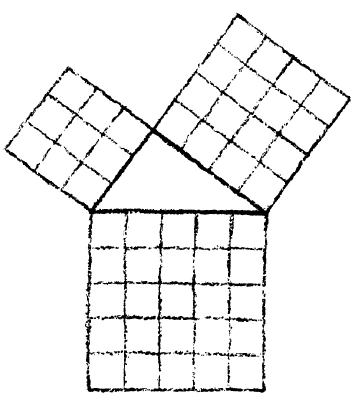
[ 16 ] Die Kinder, die am Ende ihrer Schulzeit stehen, die dreizehn- bis vierzehnjährigen, die bekommen wir intellektualistisch verbildet. Es ist zuviel bei dem Unterricht auf ihre Intellektualität Rücksicht genommen worden. Sie haben viel zu wenig die Wohltat der Willens- und Gemütsbildung erfahren. Daher werden wir, was sie zu wenig erfahren haben, gerade in diesen letzten Jahren nachholen müssen. Wir werden daher bei jeder Gelegenheit den Versuch machen müssen, Wille und Gemüt in das bloß Intellektuelle hineinzubringen, indem wir vieles, was die Kinder rein intellektuell aufgenommen haben, dann in dieser Zeit noch in ein solches umwandeln, das sich an den Willen und ans Gemüt richtet. Wir können unter allen Umständen annehmen, daß die Kinder, die wir da in diesem Jahre bekommen, zum Beispiel den pythagoräischen Lehrsatz falsch gelernt haben, daß sie ihn nicht in der richtigen Weise gelernt haben, wie wir das besprochen haben. Es fragt sich, wie wir uns da helfen, so daß wir gewissermaßen nicht nur das geben, was das Kind nicht erhalten hat, sondern daß wir ihm noch mehr geben, so daß gewisse Kräfte, die schon abgetrocknet und abgedorrt sind, wieder belebt werden, soweit sie wieder belebt werden können. Daher versuchen wir zum Beispiel dem Kinde noch einmal den pythagoräischen Lehrsatz ins Gedächtnis zurückzurufen. Wir sagen: Du hast ihn gelernt. Sage mir, wie heißt er? — Sieh einmal, du hast mir jetzt den pythagoräischen Lehrsatz gesagt: das Quadrat der Hypotenuse ist gleich der Summe der Quadrate über den zwei Katheten. Aber es ist ganz gewiß seelisch in dem Kinde das nicht darin, was von dem Erlernen dieses pythagoräischen Lehrsatzes darin sein sollte. Daher tue ich ein übriges. Ich mache ihm nicht nur die Sache anschaulich, sondern ich mache ihm die Anschauung auch noch genetisch. Ich lasse ihm die Anschauung auf eine ganz besondere Weise entstehen. Ich sage: Kommt einmal, drei von euch, heraus. Der erste überdeckt diese Fläche hier mit der Kreide: gebt acht, daß er nur so viel Kreide verwendet, als notwendig ist, um die Fläche mit Kreide zu bedecken. Der zweite bedeckt diese Fläche mit Kreide, er nimmt ein anderes Kreidestück; der dritte diese, wiederum mit einem andern Kreidestück. — Und jetzt sage ich dem Jungen oder dem Mädchen, welches das Hypotenusenquadrat bedeckt hat: Sieh einmal, du hast gerade so viel Kreide gebraucht wie die beiden andern zusammen. Du hast auf das Quadrat so viel draufgeschmiert, wie die beiden zusammen, weil das Quadrat der Hypotenuse gleich ist der Summe der Quadrate der Katheten. - Ich lasse ihm also die Anschauung entstehen durch den Kreideverbrauch, Da legt es sich mit der Seele noch tiefer hinein, wenn es auch noch daran denkt, daß da von der Kreide etwas abgeschunden ist, was nicht mehr an der Kreide ist, was jetzt da auf der Tafel ist. Und jetzt gehe ich noch dazu über, zu sagen: Sieh einmal, ich teile die Quadrate ab, das eine in 16 Quadrate, das andere in 9 Quadrate, das andere in 25. In die Mitte von jedem Quadrat stelle ich jetzt einen von euch hinein, und ihr denkt euch, das ist ein Acker und ihr müßt den Acker umgraben. — Die Kinder, welche die 25 kleinen Quadrate auf dieser Fläche bearbeitet haben, haben dann gerade so viel gearbeitet wie die in der Fläche mit 16 Quadraten und die in der Fläche mit 9 Quadraten zusammen. Aber durch eure Arbeit ist das Quadrat über der Hypotenuse umgegraben worden; durch eure Arbeit das über der einen Kathete, und durch eure Arbeit das über der andern Kathete. - So verbinde ich mit dem pythagoräischen Lehrsatz etwas, was wollend ist in dem Kinde, was wenigstens die Vorstellung hervorruft, daß es mit seinem Willen sinnvoll in der äußeren Welt drinnensteht, und ich belebe ihm das, was ziemlich unlebendig in seinen Schädel hineingekommen ist.
[ 16 ] The children near the end of the school life, at the age of thirteen to fourteen, come to us maltreated by the intellectual process. The teaching they have received has been too much concerned with the intellect. They have experienced far too few of the benefits of will- and feeling-training. Consequently, we shall have to make up for lost ground, particularly in these last years. We shall have to attempt, whenever opportunity offers, to introduce will and feeling into the exclusively intellectual approach, by transforming much of what the children have absorbed purely intellectually into an appeal to the will and feelings. We can assume at any rate that the children whom we get at this age have learnt, for instance, the theorem of Pythagoras the wrong way, that they have not learnt it in the way we have discussed. The question is how to contrive in this case not only to give the child what he has missed but to give him over and above that, so that certain powers which are already dried up and withered are stimulated afresh as far as they can be revived. So we shall try, for instance, to recall to the child's mind the theorem of Pythagoras. We shall say: “You have learnt it. Can you tell me how it goes? Now you have said the theorem of Pythagoras to me. The square on the hypotenuse is equal to the sum of the squares on the other two sides.” But it is absolutely certain that the child has not had the experience which learning this should give his soul. So I do something more. I do not only demonstrate the theorem to him in a picture, but I show how it develops. I let him see it in a quite special way. I say: “Now three of you come out here. One of you is to cover this surface with chalk: all of you see that he only uses enough chalk to cover the surface. The next one is to cover this surface with chalk; he will have to take another piece of chalk. The third will cover this, again with another piece of chalk.” And now I say to the boy or girl who has covered the square on the hypotenuse: “You see, you have used just as much chalk as both the others together. You have spread just as much on your square as the other two together, because the square on the hypotenuse is equal to the sum of the squares on the other two sides.” That is, I make it vivid for him by the use of chalk. It sinks deeper still into his soul when he reflects that some of the chalk has been ground down and is no longer on the piece of chalk but is on the board. And now I go on to say: “Look, I will divide the squares; one into sixteen, the other into nine, the other into twenty-five squares. Now I am going to put one of you into the middle of each square, and you are to think that it is a field and you have to dig it up. The children who have worked at the twenty-five little squares in this piece will then have done just as much work as the children who have turned over the piece with sixteen squares and the children who have turned over the piece with nine squares together. But the square on the hypotenuse has been dug up by your labour; you, by your work, have dug up the square on one of the two sides, and you, by your work, have dug up the square on the other side.” In this way I connect the child's will with the theorem of Pythagoras. I connect at least the idea with an exercise rooted significantly in his will in the outside world, and I again bring to life what his cranium had imbibed more or less dead.
[ 17 ] Nehmen wir nun an, das Kind habe schon Lateinisch, Griechisch gelernt. Jetzt versuche ich, die Kinder dahin zu bringen, daß sie nicht nur lateinisch und griechisch sprechen, sondern daß sie sich auch anhören, methodisch sich anhören, wenn der eine lateinisch, der andere griechisch spricht. Und ich versuche, ihnen anschaulich, lebendig zu machen, welches der Unterschied ist im Leben des Griechischen und im Leben des Lateinischen. Das würde ich bei dem gewöhnlichen Unterricht nicht brauchen, denn das ergibt sich von selbst im Ideallehrplan. Aber bei den Kindern, die wir bekommen, brauchen wir das, weil das Kind fühlen soll: Wenn es griechisch spricht, so spricht es eigentlich nur mit dem Kehlkopf und der Brust; wenn es lateinisch spricht, so tönt immer etwas mit vom ganzen Menschen. Darauf muß ich das Kind aufmerksam machen. Ich werde dann auch das Kind aufmerksam machen auf das Lebendige, wenn es französisch spricht, das dem Lateinischen sehr ähnlich ist. Wenn es englisch spricht, spuckt es die Buchstaben fast aus; da ist die Brust weniger daran beteiligt als beim Französischsprechen, da wird viel, viel abgeworfen. Es werden namentlich manche Silben geradezu ausgespuckt, bevor sie vollständig wirken. Sie brauchen den Kindern nicht zu sagen ausgespuckt, aber Sie werden ihm begreiflich machen, wie das Wort gegen sein Ende hin erstirbt gerade in der englischen Sprache. So werden Sie versuchen, das artikulierende Element besonders scharf hineinzubringen in den Sprachunterricht für die Kinder im 13., 14. Lebensjahr, die Sie übernommen haben aus der gegenwärtigen Schule.
[ 17 ] Now let us suppose the child has already learnt Latin or Greek. I try to make the children not only speak Latin and Greek but listen to one another as well, listen to each systematically when one speaks Latin, another Greek. And I try to make the difference live vividly for them which exists between the nature of the Greek and Latin languages. I should not need to do this in the ordinary course of teaching, for this realization would result of itself with the ideal time-table. But we need it with the children from outside, because the child must feel: when he speaks Greek he really only speaks with the larynx and chest; when he speaks Latin there is something of the whole being accompanying the sound of the language. I must draw the child's attention to this. Then I will point out to him the living quality of French when he speaks that, and how it resembles Latin very closely. When he talks English he almost spits the sounds out. The chest is less active in English than in French. In English a tremendous amount is thrown away and sacrificed. In fact, many syllables are literally spat out before they work. You need not say “spat out” to the children, but make them understand how, in the English language particularly, the word is dying towards its end. You will try like this to emphasize the introduction of the element of articulation into your language teaching with those children of twelve to fourteen whom you have taken over from the schools of to-day.