

Michael's Message
The True Mysteries of Human Natur
GA 194
12 December 1919, Dornach
Translate the original German text into any language:
Versions Available:
Michael's Message: The True Mysteries of Human Nature, tr. SOL
Neunter Vortrag
Ninth Lecture
[ 1 ] Da sich unsere Abreise noch um einige Tage verzögert hat, bin ich heute, morgen und übermorgen in der Lage, hier zu Ihnen zu sprechen. Es gereicht mir das zur besonderen Befriedigung, da eine Anzahl Freunde aus England hier angekommen sind, zu denen ich auf diese Weise auch noch vor der Abreise einiges werde sprechen können.
[ 1 ] Since our departure has been delayed by a few days, I am able to speak to you here today, tomorrow, and the day after tomorrow. This gives me particular satisfaction, as a number of friends from England have arrived here, and in this way I will be able to say a few words to them before we leave.
[ 2 ] Diese Freunde werden gesehen haben, daß unser Bau des Goetheanum in den schweren Jahren fortgeschritten ist. Er konnte ja allerdings bis zum heutigen Tage nicht vollendet werden, und wir können auch kaum heute irgendeinen Zeitpunkt seiner Vollendung mit Bestimmtheit voraussagen. Aber dasjenige, was heute schon vorhanden ist, wird Ihnen zeigen, aus welchen geistigen Grundlagen heraus dieser Bau erwachsen ist und wie er zusammenhängt mit der geistigen Bewegung, die hier vertreten wird. Daher wird es gerade bei dieser Gelegenheit, wo ich nach langer Zeit auch wiederum zu unseren englischen Freunden in größerer Zahl sprechen kann, gestattet sein, heute den Ausgangspunkt der Betrachtungen gerade von unserem Bau selbst zu nehmen. Wir werden dann in den beiden folgenden Tagen an dasjenige, was im Zusammenhang mit dem Bau gesagt werden kann, einiges andere anschließen können, von dem behauptet werden darf, daß es vielleicht gerade in der Gegenwart wichtig ist ausgesprochen zu werden.
[ 2 ] These friends will have seen that construction of the Goetheanum has progressed during these difficult years. It has not, of course, been completed to this day, and we can hardly predict with any certainty at this time when it will be finished. But what already exists today will show you the spiritual foundations from which this building has grown and how it is connected to the spiritual movement represented here. Therefore, on this occasion in particular—when, after a long time, I am once again able to speak to a large number of our English friends—it will be appropriate to take our building itself as the starting point for our reflections today. Over the next two days, we will then be able to add to what can be said about the building some other points that, it may be argued, are particularly important to address at this very moment.
[ 3 ] Wer unseren Bau, der ja heute wenigstens seiner Idee nach schon zu überschauen ist, betrachtet, dem wird der eigentümliche Zusammenhang dieses Baues mit unserer geistigen Bewegung auffallen, und er wird einen Eindruck bekommen, vielleicht gerade aus diesem Bau, dieser Repräsentanz unserer Geistesbewegung, welcher Art diese Bewegung sein will. Denken Sie, wenn irgendeine, wenn auch noch so ausgebreitete sektiererische Bewegung in die Notwendigkeit sich versetzt gefühlt hätte, für ihre Versammlungen ein solches Haus zu bauen, was würde geschehen sein? Nun, es würde, entsprechend den Bedürfnissen dieser Gesellschaft oder Vereinigung, ein mehr oder weniger großer Bau aufgeführt worden sein in diesem oder jenem Baustile, und Sie hätten vielleicht innerhalb dieses Baues durch das eine oder durch das andere mehr oder weniger sinnbildliche Zeichen einen Hinweis gefunden auf dasjenige, was in diesem Bau gemacht werden soll. Sie hätten vielleicht auch da oder dort ein Bild gefunden, das hingewiesen hätte auf das, was in diesem Bau beabsichtigt wird gelehrt oder sonst vorgebracht zu werden. Das alles, werden Sie bemerkt haben, hat sich so für diesen Bau des Goetheanum nicht vollzogen. Dieser Bau ist nicht nur in äußerlicher Weise zum Gebrauche der anthroposophischen Bewegung oder der Anthroposophischen Gesellschaft hingestellt worden, sondern so wie er dasteht, in allen seinen Einzelheiten, ist er herausgeboren aus dem, was in geistiger Beziehung und auch sonst unsere Bewegung vor der Welt vorstellen will. Diese Bewegung konnte sich nicht damit begnügen, ein Haus aufzurichten in diesem oder jenem Baustile, diese Bewegung fühlte sich in dem Augenblicke, in dem die Rede sein konnte von dem Bau eines solchen eigenen Hauses, gedrungen, einen eigenen Stil aus den Grundlagen unserer Geisteswissenschaft heraus zu finden, einen Stil, durch den in allen Einzelheiten ausgedrückt ist dasjenige, was als geistige Substanz durch diese unsere Bewegung fließt. Hier zum Beispiel wäre undenkbar gewesen, ein beliebiges Haus in einem beliebigen Baustil gerade für diese unsere Bewegung etwa herstellen zu lassen. Daraus sollte man von vornherein schließen, wie weit abstehend dasjenige ist, was mit dieser Bewegung gedacht ist, von irgendwelcher, sei es auch noch so stark verbreiteten sektiererischen oder ähnlichen Bewegung. Wir hatten nötig, nicht bloß ein Haus zu bauen, sondern einen Baustil zu finden, der genau dasselbe ausspricht, was durch jedes Wort, durch jeden Satz unserer anthroposophisch orientierten Geisteswissenschaft ausgesprochen wird.
[ 3 ] Anyone who looks at our building—which, at least in concept, can already be grasped today—will notice the unique connection between this building and our spiritual movement, and will gain an impression, perhaps precisely from this building, this representation of our spiritual movement, of the nature of this movement. Consider this: if any sectarian movement—no matter how widespread—had felt compelled to build such a house for its gatherings, what would have happened? Well, a building of greater or lesser size, in one architectural style or another, would have been erected according to the needs of that society or association, and you might have found within it, through one or another more or less symbolic sign, a hint as to what is intended to take place there. You might also have found a picture here or there that would have alluded to what is intended to be taught or otherwise presented within this building. All of this, as you will have noticed, did not come to pass in the case of the Goetheanum. This building was not merely erected in an external sense for the use of the anthroposophical movement or the Anthroposophical Society; rather, just as it stands, in all its details, it has emerged from what our movement seeks to present to the world—both in spiritual terms and in other respects. This movement could not be content merely to erect a building in this or that architectural style; the moment the possibility of building such a home of our own arose, this movement felt compelled to find its own style based on the foundations of our spiritual science—a style through which, in every detail, is expressed that which flows as spiritual substance through our movement. Here, for example, it would have been unthinkable to simply have any house built in any architectural style specifically for our movement. From this one should conclude from the outset just how far removed what is intended by this movement is from any other movement—be it a sectarian one or similar—no matter how widespread it may be. We needed not merely to build a house, but to find an architectural style that expresses exactly the same thing as is expressed by every word, by every sentence of our anthroposophically oriented spiritual science.
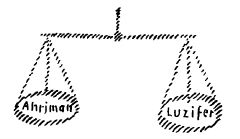
[ 4 ] Ja, ich habe die Überzeugung, daß wenn man hinlänglich eingehen wird auf das, was in den Formen dieses Baues wirklich empfunden werden kann — beachten Sie, ich sage: empfunden werden kann, nicht spintisiert werden kann —, daß der, welcher dies empfinden kann, aus den empfundenen Formen dieses Baues wird ablesen können dasjenige, was sonst ausgesprochen wird durch das Wort.
[ 4 ] Yes, I am convinced that if one delves sufficiently into what can truly be felt in the forms of this building—note that I say “can be felt,” not “can be imagined”—then those who can feel this will be able to read from the felt forms of this building that which is otherwise expressed through words.
[ 5 ] Dies ist keine Äußerlichkeit, dies ist etwas, was innerlichst zusammenhängt mit der ganzen Art, wie diese geistige Bewegung gedacht ist. Diese geistige Bewegung will etwas anderes sein, als namentlich jene geistigen Bewegungen, welche in der Menschheit nach und nach heraufgekommen sind seit dem Beginne der fünften nachatlantischen Kulturperiode, sagen wir, seit der Mitte des 15. Jahrhunderts. Und die Überzeugung liegt zugrunde, daß es heute, daß es dieser Gegenwart notwendig ist, etwas anderes in die Evolution der Menschheit hineinzustellen, als sich bisher seit der Mitte des 15. Jahrhunderts in diese Menschheitsevolution hineingestellt hat. Das Charakteristischste für alles dasjenige, was sich in der zivilisierten Menschheit in den letzten drei bis vier Jahrhunderten vollzogen hat, scheint mir das Folgende zu sein: Die äußere Lebenspraxis im weitesten Umkreise, die sich ja im starken Maße mechanisiert hat, bildet heute ein Reich für sich. Sie bildet ein Reich für sich, welches gewissermaßen wie ein Monopol in Anspruch nehmen diejenigen, die sich einbilden Lebenspraktiker zu sein. Neben dieser äußeren Lebensprazis, die sich auf allen Gebieten des sogenannten praktischen Lebens ausgestaltet hat, haben wir eine Summe von geistigen Anschauungen, Weltanschauungen, Philosophien oder wie man es nennen will, die im Grunde genommen nach und nach, aber insbesondere im Laufe der letzten drei bis vier Jahrhunderte, lebensfremd geworden sind, die gewissermaßen in dem, was sie dem Menschen geben an Gefühlen, an Empfindungen, über der eigentlichen Lebenspraxis schweben. Und so kraß ist die Differenz zwischen diesen beiden Strömungen, daß man sagen kann: Mit unserer Gegenwart ist die Zeit angebrochen, in der sich diese zwei Strömungen durchaus nicht mehr verstehen, oder vielleicht besser gesagt, in denen sie keine Anknüpfungspunkte finden, um gegenseitig aufeinander zu wirken. Wir versorgen heute unsere Fabriken, wir bringen unsere Eisenbahnen zum Fahren über dieSchienen und wir schicken unsere Dampfschiffe über dieMeere, wir lassen unsere Telegraphen und Telephone spielen, wir tun das alles, indem wir gewissermaßen die Lebensmechanik automatisch ablaufen lassen und uns selber hineinspannen lassen in diese Lebensmechanik. Und wir predigen daneben. Man predigt eigentlich viel. Die alten Kirchenbekenntnisse predigen in den Kirchen, die Politiker predigen in den Parlamenten, die verschiedenen Bestrebungen auf den verschiedenen Gebieten reden von den Forderungen des Proletariats, von den Forderungen der Frauen. Viel, viel wird gepredigt, und der Inhalt dieses Predigens, er ist ja im Sinne des heutigen Menschheitsbewußtseins etwas gewiß klar Gewolltes. Aber wenn wir uns fragen würden: Wo ist die Brücke zwischen dem, was wir predigen und dem, was unser äußerliches Leben in seiner Praxis zimmert, so würden wir, wenn wir ehrlich und wahrheitsgemäß antworten wollten, eine richtige Antwort nicht finden aus der gegenwärtigen Zeitbewegung heraus.
[ 5 ] This is not a superficial matter; it is something that is deeply connected to the very nature of how this spiritual movement is conceived. This spiritual movement aims to be something different from, in particular, those spiritual movements that have gradually emerged within humanity since the beginning of the fifth post-Atlantean cultural epoch—let us say, since the middle of the 15th century. And underlying this is the conviction that today—that in the present—it is necessary to introduce something different into the evolution of humanity than what has been introduced into this human evolution since the mid-15th century. The most characteristic feature of everything that has taken place in civilized humanity over the last three to four centuries seems to me to be the following: External life practices in the broadest sense—which have, after all, become highly mechanized—now constitute a realm of their own. They form a realm of their own that is, in a sense, claimed as a monopoly by those who imagine themselves to be practitioners of life. Alongside these external life practices, which have taken shape in all areas of so-called practical life, we have a body of spiritual views, worldviews, philosophies, or whatever one wishes to call them, which have, in essence, gradually—but especially over the course of the last three to four centuries—become alienated from life; which, in a sense, hover above the actual practice of life in terms of the feelings and sensations they impart to human beings. And so stark is the difference between these two currents that one can say: With our present age, a time has dawned in which these two currents no longer understand one another at all—or perhaps better said, in which they find no common ground upon which to interact with one another. Today we run our factories, we keep our railroads running on the tracks, and we send our steamships across the seas; we operate our telegraphs and telephones—we do all this by, so to speak, letting the mechanics of life run automatically and allowing ourselves to be drawn into these mechanics. And alongside all this, we preach. In fact, there is a great deal of preaching. The old creeds are preached in churches; politicians preach in parliaments; the various movements in different fields speak of the demands of the proletariat and the demands of women. There is much, much preaching, and the content of this preaching is, in the sense of today’s human consciousness, certainly something clearly intended. But if we were to ask ourselves: Where is the bridge between what we preach and what our outward life actually builds in practice?—then, if we wanted to answer honestly and truthfully, we would not find a proper answer within the current movement of our times.
[ 6 ] Nur deshalb erwähne ich die folgende Erscheinung, weil dies am anschaulichsten durch diese Erscheinung zutage tritt: Sie wissen ja, es gibt für die heutige Menschheit außer allen übrigen Gelegenheiten zu predigen allerlei Geheimgesellschaften. Nehmen wir von diesen Geheimgesellschaften, sagen wir, die gewöhnlichen Freimaurerlogen, auch diejenigen mit ihren allertiefsten Graden oder höchsten Graden, da finden wir eine Symbolik: Dreieck, Kreis, Winkelmaß und ähnliches. Wir finden sogar ein in solchen Zusammenhängen häufig gebrauchtes Wort: Der Baumeister aller Welten.
[ 6 ] The only reason I mention the following phenomenon is because it is most clearly illustrated by this example: As you know, in addition to all other opportunities to preach, there are all sorts of secret societies for humanity today. If we take, for example, the ordinary Masonic lodges—including those with their deepest or highest degrees—we find a set of symbols: the triangle, the circle, the square, and the like. We even find a term frequently used in such contexts: “the Architect of the Universe.”
[ 7 ] Was ist das alles? Ja, wenn wir zurückgehen ins 9., 10., 11. Jahrhundert und uns die zivilisierte Welt ansehen, innerhalb welcher diese Geheimgesellschaften, diese Freimaurerlogen wie eine Cr&me in der Zivilisation sich ausbreiteten, da finden wir, daß all die Instrumente, die heute als Symbol auf dem Altare dieser Freimaurerlogen liegen, verwendet worden sind zum Hausbau und zum Kirchenbau. Man hat Winkelmaße, man hat Kreise, das heißt Zirkel gehabt, hat Wasserwaagen gehabt, Lote, man hat sie verwendet in der äußeren Lebenspraxis. In den Freimaurerlogen hält man, in Anknüpfung an die Dinge, die ihren Zusammenhang mit der Lebenspraxis vollständig verloren haben, Reden und sagt allerlei schöne Sachen darüber, die ja gewiß sehr schön sind, die aber dem äußeren Leben, der äußeren Lebenspraxis vollständig fremd sind. Wir sind zu Ideen gekommen, zu Gedankengebilden gekommen, denen die Stoßkraft fehlt, um ins Leben einzugreifen. Wir sind allmählich dahin gekommen, daß unsere Menschen vom Montag bis Samstag arbeiten und sonntags sich die Predigt anhören. Diese zwei Dinge haben nichts miteinander zu tun. Und wir brauchen oftmals, indem wir predigen, die Dinge, die in älteren Zeiten mit der äußeren Lebenspraxis in innigem Zusammenhang gestanden haben, als Symbole für das Schöne, für das Wahre, sogar für das Tugendhafte. Aber die Dinge sind lebensfremd. Ja, wir sind soweit gekommen zu glauben, daß, je lebensfremder unsere Predigten sind, sie sich desto mehr in die geistigen Welten erheben. Die gewöhnliche profane Welt, die ist etwas Minderwertiges. Und heute sieht man hin auf allerlei Forderungen, die aus den Tiefen der Menschheit aufsteigen, aber man versteht diese Forderungen in ihrem Wesen eigentlich nicht. Denn was ist wohl oftmals für ein Zusammenhang zwischen jenen Gesellschaftspredigten, die in mehr oder weniger schönen Zimmern gesprochen werden darüber, wie der Mensch gut ist, darüber, wie man, nun, sagen wir, alle Menschen liebt ohne Unterschied von Rasse, Nation und so weiter, Farbe sogar, was ist denn für ein Zusammenhang zwischen diesen Predigten und dem, was äußerlich geschieht und was wir mit dadurch fördern, was wir mit dadurch treiben, daß wir unsere Coupons abschneiden und uns auszahlen lassen unsere Renten aus den Banken, die damit die äußere Lebenspraxis versorgen, mit wahrhaftig ganz anderen Prinzipien also als diejenigen sind, von denen wir als den Prinzipien der guten Menschen sprechen in unseren Stuben. Wir begründen zum Beispiel theosophische Gesellschaften, in denen wir für alle Menschen gerade von Brüderlichkeit reden, aber wir haben in dem, was wir reden, nicht die geringste Stoßkraft, um dasjenige irgendwie zu beherrschen, was auch durch uns geschieht, wenn wir unsere Coupons abschneiden. Denn indem wir die Coupons abschneiden, setzen wir eine ganze Summe von volkswirtschaftlichen Dingen in Bewegung. Unser Leben zerfällt ganz und gar in diese zwei voneinander getrennten Strömungen.
[ 7 ] What is all this? Yes, if we go back to the 9th, 10th, and 11th centuries and look at the civilized world—within which these secret societies, these Masonic lodges, spread like the cream of civilization—we find that all the tools that today lie as symbols on the altars of these Masonic lodges were used for building houses and churches. They had protractors, they had compasses, they had spirit levels, plumb lines—they used them in their practical daily lives. In the Masonic lodges, drawing on things that have completely lost their connection to practical life, people give speeches and say all sorts of beautiful things about them—things that are certainly very beautiful, but which are completely alien to external life and practical living. We have arrived at ideas, at mental constructs, that lack the driving force to intervene in life. We have gradually reached a point where our people work from Monday through Saturday and listen to the sermon on Sundays. These two things have nothing to do with one another. And often, when we preach, we use the things that in earlier times were intimately connected with the practical realities of life as symbols of beauty, of truth, and even of virtue. But these things are alien to life. Indeed, we have come to believe that the more detached from life our sermons are, the more they rise into the spiritual realms. The ordinary, secular world is something inferior. And today we look upon all manner of demands rising from the depths of humanity, but we do not truly understand the essence of these demands. For what connection is there, after all, between those social sermons—delivered in more or less beautiful rooms—about how good human beings are, about how one should, well, let’s say, love all people without distinction of race, nation, and so on, or even color—what connection is there between these sermons and what happens outwardly, and what we thereby promote, what we thereby do, when we clip our coupons and have our pensions paid out by the banks, which use these funds to sustain outward life—according to principles that are truly quite different from those we speak of as the principles of good people in our living rooms? For example, we establish theosophical societies in which we speak of brotherhood for all people, yet what we say lacks even the slightest impetus to somehow control what also happens through us when we clip our coupons. For by clipping the coupons, we set in motion a whole series of economic processes. Our lives are completely divided into these two separate currents.
[ 8 ] So kann es vorkommen — ich erzähle nicht ein Schulbeispiel, sondern ein Beispiel aus dem Leben —, es kann vorkommen, ist sogar vorgekommen, daß eine Dame mich aufsuchte und sagte: Ja, da kommt jemand und fordert von mir einen Beitrag, der aber dann verwendet wird dazu, Leute zu unterstützen, die Alkohol trinken. Das kann ich doch als’Theosophin nicht tun! — So sagte die Dame. Ich konnte nur antworten: Sehen Sie, Sie sind Rentiere, wissen Sie denn, wieviel Brauereien mit Ihrem Vermögen gegründet und unterhalten werden? — Es handelt sich für dasjenige, auf was es ankommt, nicht darum, daß wir auf der einen Seite predigen zur wollüstigen Befriedigung unserer Seele, und auf der anderen Seite uns ins Leben hineinstellen so wie es die Lebensroutine, die durch die letzten drei bis vier Jahrhunderte heraufgekommen ist, einmal fordert. Wenige Menschen sind heute überhaupt geneigt, auf dieses Grundproblem der Gegenwart einzugehen. Woher kommt dieses? Es kommt daher, daß wirklich dieser Dualismus ins Leben getreten ist — und am stärksten geworden ist in den letzten drei bis vier Jahrhunderten — zwischen dem äußeren Leben und zwischen unseren sogenannten geistigen Bestrebungen. Die meisten Menschen reden, wenn sie heute vom Geiste reden, von etwas ganz Abstraktem, Weltenfremdem, nicht von etwas, das in das alltägliche Leben einzugreifen vermag.
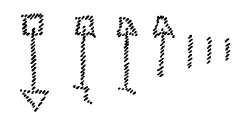
[ 8 ] So it can happen—I’m not telling a textbook example, but a real-life one—it can happen, and it has even happened, that a lady came to see me and said: “Yes, someone comes along and asks me for a donation, but then it’s used to support people who drink alcohol.” “As a Theosophist, I simply cannot do that!”—that’s what the lady said. All I could reply was: “Look, you’re a pensioner; do you have any idea how many breweries are founded and maintained with your wealth?” — What really matters is not that, on the one hand, we preach for the sensual satisfaction of our souls, and on the other hand, we throw ourselves into life just as the routine of daily life—which has developed over the last three to four centuries—demands. Few people today are even inclined to address this fundamental problem of our time. Where does this come from? It stems from the fact that this dualism has truly taken hold—and has become most pronounced over the last three to four centuries—between our external life and our so-called spiritual aspirations. When most people speak of the spirit today, they speak of something entirely abstract, something alien to the world, not of something capable of intervening in everyday life.
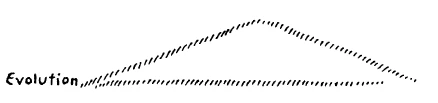
[ 9 ] Die Frage, das Problem, auf das damit hingedeutet wird, das muß an seiner Wurzel angepackt werden. Wäre hier auf diesem Hügel im Sinne dieser Bestrebungen der letzten drei bis vier Jahrhunderte gehandelt worden, dann hätte man sich vielleicht an einen beliebigen Architekten gewendet, einen berühmten Architekten und hätte einen schönen Bau hier aufführen lassen, der ja gewiß hätte sehr schön sein können aus irgendeinem Baustil heraus. Darum konnte es sich nie handeln. Denn wir wären dann hineingegangen in diesen Bau, wir wären umgeben gewesen von allem möglichen Schönen aus diesem oder jenem Stil, und wir hätten drinnen Dinge gesprochen, die zu diesem Bau gepaßt hätten, ungefähr so, wie eben all die schönen Reden, die heute gehalten werden, passen zu der äußeren Lebenspraxis, welche die Menschen pflegen. Das konnte nicht so sein, denn so war nicht die Geisteswissenschaft gemeint, die sich anthroposophisch orientieren will. Diese war vom Anfang an anders gemeint. Die war so gemeint, daß nicht aufgerichtet wurde der alte falsche Gegensatz zwischen Geist und Materie, wobei dann vom Geiste in abstracto gehandelt wird und dieser Geist keine Möglichkeit hat, in das Wesen und Weben der Materie unterzutauchen. Wann spricht man berechtigt vom Geiste, wann spricht man in Wahrheit vom Geiste? Nur dann spricht man in Wahrheit vom Geiste, spricht man berechtigt vom Geiste, wenn man den Geist als Schöpfer meint desjenigen, was materiell ist. Es ist schlimmste Rede vom Geiste, wenn auch diese schlimmste Rede vom Geiste oftmals heute als die schönste angesehen wird, wenn man von dem Geiste als im Wolkenkuckucksheim spricht, in einer solchen Weise spricht, daß dieser Geist gar nicht berührt werden sollte von dem Materiellen. Nein, von dem Geiste muß man so sprechen, daß man den Geist meint, der die Kraft hat unmittelbar unterzutauchen in das Materielle. Und wenn man von der Geisteswissenschaft spricht, so darf diese nicht nur so gedacht werden, daß sie sich bloß erhebt über die Natur, sondern daß sie zu gleicher Zeit vollwertige Naturwissenschaft ist. Wenn man vom Geiste spricht, so muß der Geist gemeint sein, mit dem sich der Mensch verbinden kann so, daß dieser Geist auch in das soziale Leben durch die Vermittlung des Menschen hinein sich verweben kann. Ein Geist, von dem man bloß im Salon spricht als dem, welchem man durch das Gutsein und durch die Bruderliebe wohlgefallen will, und der sich wohl hütet unterzutauchen in das unmittelbare Leben, ein solcher Geist ist nicht der wahre Geist. Ein solcher Geist ist eine menschliche Abstraktion, und die Erhebung zu ihm ist nicht die Erhebung zum wirklichen Geist, sondern sie ist gerade der letzte Ausfluß des Materialismus.
[ 9 ] The question—the problem to which this alludes—must be addressed at its root. If action had been taken here on this hill in keeping with the aspirations of the last three to four centuries, then perhaps one would have turned to any architect—a famous architect—and had a beautiful building erected here, which could certainly have been very beautiful in any architectural style. That could never have been the point. For then we would have entered this building, we would have been surrounded by all manner of beauty from this or that style, and we would have spoken words inside that would have suited this building—much as all the fine speeches delivered today suit the outward way of life that people practice. That could not be the case, for that was not the intention of spiritual science, which seeks to be guided by anthroposophy. From the very beginning, it was conceived differently. It was conceived in such a way that the old, false opposition between spirit and matter was not erected—an opposition in which spirit is then treated in the abstract and has no possibility of immersing itself in the essence and interplay of matter. When is it justified to speak of the spirit, and when does one truly speak of the spirit? One speaks truly of the spirit—and justifiably so—only when one regards the spirit as the creator of that which is material. The worst kind of talk about the spirit—even though this worst kind of talk is often regarded today as the most beautiful—is when one speaks of the spirit as existing in a cloud-cuckoo-land, in such a way that this spirit should not be touched at all by the material. No, one must speak of the spirit in such a way that one means the spirit that has the power to immerse itself directly into the material. And when one speaks of spiritual science, it must not be conceived merely as something that rises above nature, but as a fully-fledged natural science at the same time. When one speaks of the spirit, one must mean the spirit with which human beings can connect in such a way that this spirit can also weave itself into social life through human mediation. A spirit of which one speaks merely in the salon as the one whom one seeks to please through goodness and brotherly love, and who is careful to avoid immersing himself in immediate life—such a spirit is not the true spirit. Such a spirit is a human abstraction, and the elevation to it is not an elevation to the true spirit, but is, in fact, the ultimate manifestation of materialism.
[ 10 ] Daher mußten wir einen Bau aufrichten, der in allen seinen Einzelheiten herausgedacht ist, herausgeschaut ist aus demjenigen, was sonst auch in unserer anthroposophisch orientierten Geisteswissenschaft lebt. Und damit hängt es auch zusammen, daß in dieser schweren Zeit hervorgegangen ist eine Behandlung der sozialen Frage aus dieser Geisteswissenschaft, die nicht im Wolkenkuckucksheim weilen will, sondern die Lebenssache sein wollte vom Anfange ihres Wirkens an, die gerade das Entgegengesetzte sein wollte von jeder Art von Sektiererei, die ablesen wollte dasjenige, was in den großen Forderungen der Zeit liegt, und die dienen wollte diesen Forderungen der Zeit. Gewiß, an diesem Bau ist vieles nicht gelungen. Aber es handelt sich heute wahrhaftig auch nicht darum, daß alles gleich gelinge, sondern es handelt sich darum, daß in gewissen Dingen ein Anfang, ein notwendiger Anfang gemacht werde. Und dieser notwendige Anfang scheint mir wenigstens mit diesem Bau gemacht worden zu sein. So werden wir, wenn dieser Bau einstmals fertig sein wird, nicht in irgend etwas, was uns als fremdartige Wände umgibt, dasjenige vollziehen, was wir zu vollziehen haben werden, sondern so wie die Nußschale zur Nußfrucht gehört und in ihrer Form ganz angepaßt ist dieser Nußfrucht, so wird angepaßt sein jede einzelne Linie, jede einzelne Form und Farbe dieses Baues demjenigen, was durch unsere geistige Bewegung fließt.
[ 10 ] Therefore, we had to establish a structure that has been carefully conceived in every detail, drawing upon what is otherwise alive in our anthroposophically oriented spiritual science. And this is also connected to the fact that, in these difficult times, an approach to the social question has emerged from this spiritual science—one that does not wish to dwell in a fantasy world, but rather sought to be a matter of life from the very beginning of its work; one that sought to be the exact opposite of any kind of sectarianism; one that sought to discern what lies in the great demands of the times; and one that sought to serve these demands of the times. Certainly, much has not gone well with this building. But today it is truly not a matter of everything succeeding at once; rather, it is a matter of making a start—a necessary start—in certain things. And it seems to me that this necessary start has at least been made with this building. Thus, when this building is one day completed, we will not be carrying out what we must accomplish within something that surrounds us like alien walls, but just as the nut shell belongs to the nut and is perfectly adapted in its form to that nut, so too will every single line, every single form and color of this building be perfectly suited to that which flows through our spiritual movement.
[ 11 ] Es wäre schon notwendig, daß in der Gegenwart wenigstens von einer Anzahl von Menschen dieses Wollen eingesehen werde, denn auf dieses Wollen kommt es an.
[ 11 ] It is essential that at least some people today recognize this desire, for it is this desire that matters.
[ 12 ] Ich muß noch einmal zurückkommen auf manches Charakteristische, das in den letzten drei bis vier Jahrhunderten in der Evolution der zivilisierten Menschheit zutage getreten ist. Wir haben in dieser Evolution der zivilisierten Menschheit Erscheinungen, die uns so recht charakteristisch ausdrücken die tieferen Grundlagen desjenigen, was sich in der Gegenwart im Leben der Menschen ad absurdum führt; denn ein Adabsurdum-Führen ist es. Es ist zwar so, daß heute ein großer Teil der Menschenseelen eigentlich schläft, wirklich schläft. Ist man irgendwo, wo gewisse Dinge, die heute, ich möchte sagen, als wirkliche Widerbilder, Gegenbilder alles zivilisierten Lebens sich abspielen, ist man irgendwo, wo diese Gegenbilder einem nicht direkt vor Augen treten, aber doch in zahlreichen Gegenden der heutigen zivilisierten Welt sich abspielen und bedeutungsvoll, symptomatisch sind für dasjenige, was immer weiter und weiter um sich greifen muß, dann findet man: Ja, die Menschen sind mit ihren Seelen draußen, außerhalb der wichtigsten Zeitereignisse. Die Menschen leben in den Alltag hinein, ohne sich klar vor Augen zu halten, was eigentlich in der Gegenwart vorgeht, solang sie nur nicht unmittelbar berührt werden von diesen Vorgängen. Aber allerdings, es liegen auch die eigentlichen Impulse dieser Vorgänge in den Tiefen des unterbewußten oder unbewußten Seelenlebens der Menschen.
[ 12 ] I must return once more to certain characteristic features that have come to light in the evolution of civilized humanity over the last three to four centuries. In this evolution of civilized humanity, we find phenomena that so characteristically express the deeper foundations of that which is currently being driven to absurdity in human life; for it is indeed a driving to absurdity. It is true that today a large part of the human soul is actually asleep—truly asleep. If one is somewhere where certain things—which today, I would say, are true counter-images, opposites of all civilized life—are taking place; if one is somewhere where these counter-images do not appear directly before one’s eyes, but are nonetheless unfolding in numerous regions of today’s civilized world and are significant and symptomatic of what is bound to spread further and further, then one finds: Yes, people’s souls are out there, outside the most important events of the times. People go about their daily lives without clearly keeping in mind what is actually happening in the present, as long as they are not directly affected by these events. But indeed, the actual impulses of these events also lie in the depths of people’s subconscious or unconscious soul life.
[ 13 ] Zugrunde liegend dem Dualismus, den ich angeführt habe, ist ja heute ein anderer: der Dualismus, der sich zum Beispiel ausspricht — ich meine ein charakteristisches Beispiel anzuführen — durch Miltons «Verlorenes Paradies». Aber es ist das nur ein äußeres Symptom für etwas, was durch das ganze moderne Denken, Empfinden, Fühlen und Wollen geht. Wir haben im neueren Menschheitsbewußtsein das Gefühl eines Gegensatzes zwischen dem Himmel und der Hölle, andere nennen es Geist und Materie. Es sind nur im Grunde genommen Gradunterschiede zwischen dem Himmel und der Hölle des Bauern draußen auf dem Lande und zwischen Materie und Geist des sogenannten aufgeklärten Philosophen unserer Tage. Die eigentlichen Denkimpulse, die zugrunde liegen, sind genau die gleichen. Der eigentliche Gegensatz ist der zwischen Gott und Teufel, zwischen dem Paradies und der Hölle. Sicher ist es den Menschen: Das Paradies ist gut, und es ist schrecklich, daß die Menschen aus dem Paradiese herausgekommen sind; das Paradies ist etwas Verlorenes, es muß wieder gesucht werden, und der Teufel ist ein schrecklicher Widersacher, der entgegensteht all denjenigen Mächten, die man verbindet mit dem Begriff des Paradieses. Menschen, die keine Ahnung davon haben, wie Seelengegensätze walten bis in die äußersten Ranken unserer sozialen Gegensätze und sozialen Forderungen hinein, die können sich gar nicht vorstellen, welche Tragweite in diesem Dualismus liegt zwischen Himmel und Hölle oder zwischen dem verlorenen Paradiese und der Erde. Man muß heute schon recht Paradoxes sagen, wenn man die Wahrheit sagen will, man kann eigentlich kaum heute über manche Dinge die Wahrheit sagen, ohne daß diese Wahrheit wie ein Wahnsinn oftmals unseren Zeitgenossen erscheint. Aber so wie im paulinischen Sinne die Weisheit der Menschen eine Torheit vor Gott sein kann, so könnte die Weisheit der Menschen von heute, oder der Wahnsinn der Menschen von heute, auch Wahnsinn sein für die Anschauung der Menschen der Zukunft. Die Menschen haben sich allmählich in einen solchen Gegensatz zwischen der Erde und dem Paradiese hineingeträumt, sie bringen das Paradiesische zusammen mit dem, was als das eigentlich Menschlich-Göttliche anzustreben ist, und wissen nicht, daß das Anstreben dieses Paradiesischen ebenso schlimm für den Menschen ist, wenn er es ohne weiteres will, als das Anstreben des Gegensatzes wäre. Denn wenn man die Struktur der Welt so vorstellt, wie sie als Vorstellung zugrunde liegt dem «Verlorenen Paradies» von Milton, dann tauft man um eine der Menschheit abträgliche Macht, wenn sie einseitig angestrebt wird, in die göttlich-gute Macht und stellt ihr einen Gegensatz gegenüber, der kein wahrer Gegensatz ist: den Gegensatz des Teufels, den Gegensatz desjenigen, was in der menschlichen Natur an dem Guten Widerstrebendem liegt.
[ 13 ] Underlying the dualism I have mentioned is, in fact, a different one today: the dualism that finds expression, for example—and I mean to cite a characteristic example—in Milton’s Paradise Lost. But this is merely an outward symptom of something that pervades all of modern thinking, perception, feeling, and volition. In the modern human consciousness, we have a sense of a contrast between heaven and hell; others call it spirit and matter. Fundamentally, there are only differences of degree between the heaven and hell of the farmer out in the countryside and between the matter and spirit of the so-called enlightened philosopher of our day. The actual thought impulses underlying them are exactly the same. The real opposition is that between God and the devil, between paradise and hell. One thing is certain to people: Paradise is good, and it is terrible that humans have left Paradise; Paradise is something lost, it must be sought again, and the Devil is a terrible adversary who opposes all those forces associated with the concept of Paradise. People who have no idea how spiritual opposites extend all the way to the outermost reaches of our social oppositions and social demands cannot even imagine the far-reaching significance of this dualism between heaven and hell or between the lost Paradise and the earth. Today one must speak in rather paradoxical terms if one wishes to speak the truth; in fact, it is often nearly impossible to speak the truth about certain things without that truth appearing to our contemporaries as madness. But just as, in the Pauline sense, the wisdom of humans can be folly before God, so too might the wisdom of today’s humans—or the madness of today’s humans—appear as madness to the perspective of future generations. People have gradually deluded themselves into seeing such a contrast between the earth and paradise; they equate paradise with what is actually the human-divine ideal to which one should aspire, and do not realize that striving for this paradise is just as harmful to human beings—if they seek it uncritically—as striving for its opposite would be. For if one conceives of the structure of the world as it underlies the Milton’s Paradise Lost, then one is effectively rebranding a power that is detrimental to humanity—when pursued one-sidedly—as a divinely good power, and setting it against a contrast that is no true contrast: the contrast of the Devil, the contrast of that which in human nature resists the good.
[ 14 ] Der Protest gegen diese Anschauung soll liegen in jener Gruppe, die im Osten unseres Baues innen aufgestellt werden soll, eine neuneinhalb Meter hohe Holzgruppe, in der an die Stelle, oder durch die an die Stelle des luziferischen Gegensatzes zwischen Gott und dem Teufel dasjenige gesetzt wird, was dem Menschheitsbewußtsein der Zukunft zugrunde liegen muß: die Trinität zwischen dem Luziferischen, dem ChristusGemäßen und dem Ahrimanischen.
[ 14 ] The protest against this view is to be embodied in the group that is to be placed inside the eastern part of our building—a nine-and-a-half-meter-tall wooden sculpture in which, in place of—or rather, replacing—the Luciferic opposition between God and the Devil, is placed that which must underlie the consciousness of humanity in the future: the trinity of the Luciferic, the Christ-like, and the Ahrimanic.
[ 15 ] Von dem Geheimnis, das da zugrunde liegt, hat die neuere Zivilisation so wenig ein Bewußtsein, daß man das Folgende sagen kann. Wir haben aus gewissen Gründen, über die ich vielleicht auch noch hier wiederum sprechen werde, diesen Bau «Goetheanum» genannt, als bauend auf Goethescher Kunst- und Erkenntnisgesinnung. Aber zu gleicher Zeit muß gerade hier gesagt werden: In dem Gegensatze, den Goethe in seinem «Faust» aufgerichtet hat zwischen den guten Mächten und dem Mephistopheles, liegt derselbe Irrtum wie in Miltons «Verlorenem Paradies»: auf der einen Seite die guten Mächte, auf der anderen Seite die schlechte Macht Mephistopheles. In diesem Mephistopheles hat Goethe bunt durcheinandergeworfen das Luziferische auf der einen Seite, das Ahrimanische auf der anderen Seite, so daß in der Goetheschen Mephistopheles-Figur für den, der die Sache durchschaut, zwei geistige Individualitäten durcheinandergemischt sind, unorganisch durcheinandergemischt sind. Erkennen muß der Mensch, wie sein wahres Wesen nur ausgedrückt werden kann durch das Bild des Gleichgewichtes: Wie der Mensch auf der einen Seite versucht ist, gewissermaßen über seinen Kopf hinauszuwollen, hinauszuwollen in das Phantastisch-Schwärmerische hinein, hinauszuwollen in das falsch Mystische hinein, hinauszuwollen in all dasjenige, was phantastisch ist. Das ist die eine Macht. Die andere Macht ist diese, die den Menschen gewissermaßen herunterzieht in das Materialistische, in das Nüchterne, Trockene und so weiter. Nur dann verstehen wir den Menschen, wenn wir ihn auffassen seinem Wesen nach als strebend nach dem Gleichgewichte zwischen, sagen wir, auf dem einen Waagebalken dem Ahrimanischen, auf dem anderen Waagebalken dem Luziferischen. (Siehe Zeichnung, S. 165.)
[ 15 ] Modern civilization is so unaware of the mystery that underlies this that the following can be said. For certain reasons—which I may well return to here—we have named this building the “Goetheanum,” as it is founded on Goethe’s approach to art and knowledge. But at the same time, it must be said here: In the contrast that Goethe established in his Faust between the good powers and Mephistopheles lies the same error as in Milton’s Paradise Lost: on the one hand, the good powers; on the other, the evil power of Mephistopheles. In this Mephistopheles, Goethe has jumbled together the Luciferic on one side and the Ahrimanic on the other, so that in Goethe’s figure of Mephistopheles, for those who see through the matter, two spiritual individualities are mixed together—mixed together in an inorganic way. Human beings must recognize how their true nature can only be expressed through the image of balance: how, on the one hand, human beings are tempted, so to speak, to reach beyond their heads—to reach into the realm of the fantastical and the dreamy, into the realm of the false mystical, into all that is fantastical. That is one power. The other force is the one that, so to speak, pulls a person down into the materialistic, into the sober, the dry, and so on. We can only understand a person when we conceive of their nature as striving for a balance between, let us say, the Ahrimanic on one side of the scale and the Luciferic on the other. (See illustration, p. 165.)
[ 16 ] Der Mensch hat fortwährend die Gleichgewichtslage zwischen diesen beiden Mächten anzustreben, zwischen demjenigen, das ihn hinausführen möchte über sich selbst, und demjenigen, das ihn herabziehen möchte unter sich selbst. Nun hat die neuere Geisteszivilisation verwechselt das Phantastisch-Schwärmerische des Luziferischen mit dem Göttlichen. So daß in dem, was als Paradies geschildert wird, in der Tat die Schilderung des Luziferischen vorliegt, und daß man die furchtbare Verwechselung begeht zwischen dem Luziferischen und dem Göttlichen, weil man nicht weiß, daß es darauf ankommt, die Gleichgewichtslage zwischen zwei den Menschen nach der einen oder nach der anderen Seite hin zerrenden Mächten zu halten.
[ 16 ] Human beings must constantly strive to maintain a balance between these two forces: the one that seeks to lift them above themselves, and the one that seeks to drag them down below themselves. Now, modern spiritual civilization has confused the fanciful and enthusiastic nature of the Luciferic with the Divine. Consequently, what is described as paradise is in fact a depiction of the Luciferic, and people commit the terrible error of confusing the Luciferic with the Divine because they do not realize that what matters is maintaining a balance between two forces that pull human beings in opposite directions.
[ 17 ] Diese Tatsache mußte zunächst aufgedeckt werden. Wenn der Mensch streben soll nach demjenigen, was man das Christliche nennt, worunter aber heute sonderbare Dinge oftmals verstanden werden, dann muß er sich klar sein, daß dies nur ein Streben sein kann in der Gleichgewichtslage zwischen dem Luziferischen und dem Ahrimanischen, und daß namentlich die drei bis vier letzten Jahrhunderte so sehr ausgeschaltet haben die Erkenntnis des wirklichen Menschenwesens, daß man von dem Gleichgewichte wenig weiß und das Luziferische umgetauft hat in das Göttliche in dem «Verlorenen Paradies», und einen Gegensatz gemacht hat aus dem Ahrimanischen, der kein Ahriman mehr ist, aber der zum modernen Teufel oder zur modernen Materie oder zu irgend etwas dergleichen geworden ist. Dieser Dualismus, der in Wirklichkeit ein Dualismus ist zwischen Luzifer und Ahriman, dieser Dualismus spukt im Bewußtsein der modernen Menschheit als der Gegensatz zwischen Gott und dem Teufel. Und das «Verlorene Paradies» müßte eigentlich aufgefaßt sein als eine Schilderung des verlorenen luziferischen Reiches, es ist nur umgetauft.
[ 17 ] This fact had to be revealed first. If a person is to strive for what is called “Christianity”—a term that today is often understood to mean strange things— then they must be clear that this can only be a striving toward a state of balance between the Luciferic and the Ahrimanic, and that the last three or four centuries, in particular, have so thoroughly obscured the knowledge of the true human nature that little is known of this balance, and the Luciferic has been rebranded as the Divine in Paradise Lost, and has turned the Ahrimanic into an antithesis—one that is no longer Ahriman, but has become the modern devil, or modern matter, or something of the sort. This dualism—which is in reality a dualism between Lucifer and Ahriman—haunts the consciousness of modern humanity as the opposition between God and the devil. And “Paradise Lost” should actually be understood as a depiction of the lost Luciferic realm; it has merely been renamed.
[ 18 ] So stark muß man heute in den Geist der neueren Zivilisation hineinweisen, weil es nötig ist, daß die Menschheit sich klar werde darüber, wie sie auf eine abschüssige Bahn — es ist eine historische Notwendigkeit, aber Notwendigkeiten sind doch auch dazu da, daß man sie begreift —, wie sie auf eine abschüssige Bahn gekommen ist und, wie gesagt, nur durch die radikalste Kur wiederum aufwärts kommen kann. Oftmals versteht man heute unter der Schilderung der geistigen Welt eine Darstellung dessen, was übersinnlich ist, was aber nicht lebt hier auf unserer Erde. Man möchte mit einer geistigen Anschauung flüchten von dem, was uns hier auf unserer Erde umgibt. Man weiß nicht, daß man — indem man also flieht in ein abstraktes geistiges Reich — gerade nicht den Geist, sondern die luziferische Region findet. Und manches, was sich heute Mystik nennt, was sich heute Theosophie nennt, ist ein Aufsuchen der luziferischen Region. Denn das bloße Wissen von einem Geiste, das kann dem heutigen Geistesstreben der Menschen nicht zugrunde liegen, weil es angemessen ist diesem heutigen, diesem gegenwärtigen Geistesstreben, zu erkennen den Zusammenhang zwischen den geistigen Welten und der Welt, in die wir hineingeboren werden, um zwischen der Geburt und dem Tode in ihr zu leben.
[ 18 ] Today, it is so important to point people toward the spirit of modern civilization because humanity needs to become clear about how it has strayed onto a downward path—it is a historical necessity, but necessities are also meant to be understood—how it has strayed onto a downward path and, as I said, can only find its way back up again through the most radical course of action. Today, the description of the spiritual world is often understood as a depiction of what is supersensory, but which does not live here on our Earth. People wish to use a spiritual vision to escape from what surrounds us here on our Earth. People do not realize that—by fleeing into an abstract spiritual realm—they find not the spirit, but the Luciferic region. And much of what is called mysticism today, what is called theosophy today, is a seeking out of the Luciferic region. For mere knowledge of a spirit cannot underlie people’s spiritual striving today, because it is appropriate to this present-day spiritual striving to recognize the connection between the spiritual worlds and the world into which we are born to live between birth and death.
[ 19 ] Diese Frage sollte uns vor allen Dingen dann gerade berühren, wenn wir den Blick nach geistigen Welten richten: Warum werden wir aus den geistigen Welten heraus in diese physische Welt hineingeboren? — Nun, wir werden in diese physische Welt hineingeboren — und ich werde morgen und übermorgen dasjenige, was ich heute skizziere, genauer ausführen —, weil es hier auf dieser Erde Dinge zu erfahren, Dinge zu erleben gibt, die in den geistigen Welten nicht erlebt werden können, sondern um diese zu erleben, muß man heruntersteigen in diese physische Welt, und man muß aus dieser physischen Welt die Ergebnisse dieses Erlebens hinauftragen in die geistigen Welten. Man muß, um das zu erreichen, aber auch in diese physische Welt untertauchen, muß gerade mit seinem Geist erkenntnismäßig in diese physische Welt untertauchen. Um der geistigen Welt willen muß man in diese physische Welt untertauchen.
[ 19 ] This question should particularly strike a chord with us when we turn our gaze toward the spiritual worlds: Why are we born from the spiritual worlds into this physical world? — Well, we are born into this physical world—and tomorrow and the day after tomorrow I will elaborate in greater detail on what I am outlining today—because here on this Earth there are things to experience, things to live through, that cannot be experienced in the spiritual worlds; rather, in order to experience them, one must descend into this physical world, and one must carry the results of these experiences from this physical world back up into the spiritual worlds. To achieve this, however, one must also immerse oneself in this physical world; one must immerse one’s spirit in this physical world through knowledge. For the sake of the spiritual world, one must immerse oneself in this physical world.
[ 20 ] Nehmen wir einmal, um es radikal zu sagen, was ich aussprechen will, einen normalen Menschen der Gegenwart, der sich redlich ernährt, seine gehörige Anzahl von Stunden schläft, frühstückt, zu Mittag und zu Abend ißt und so weiter, und der auch geistige Interessen hat, sogar hohe geistige Interessen, der Mitglied, sagen wir, einer theosophischen Gesellschaft wird, weil er geistige Interessen hat, da alles mögliche treibt, um zu wissen, was in den geistigen Welten vorgeht. Nehmen wir einen solchen Menschen, der sozusagen im kleinen Finger alles dasjenige hat, was in dieser oder jener theosophischen Literatur der Gegenwart notifiziert wird, der aber sonst nach den gewöhnlichen Usancen des Lebens lebt. Nehmen wir ihn, diesen Menschen! Was bedeutet all sein Wissen, das er sich aneignet mit seinen höheren geistigen Interessen? Es bedeutet etwas, was hier auf dieser Erde ihm einige innerliche seelische Wollust bereiten kann, so einen richtigen luziferischen Genuß, wenn es auch ein raffinierter, verfeinerter Seelengenuß ist. Es wird nichts davon durch des Todes Pforte getragen, gar nichts davon wird durch des Todes Pforte getragen. Denn es kann unter solchen Menschen — und sie sind sehr häufig — solche geben, die, trotzdem sie im kleinen Finger haben, was ein Astralleib, ein Ätherleib und so weiter ist, keine Ahnung davon haben, was vorgeht, wenn eine Kerze brennt. Sie haben keine Ahnung davon, welche Zauberkunststücke aufgeführt werden, damit draußen die Tramway fährt. Sie fahren zwar damit, aber sie wissen nichts davon. Aber noch mehr: sie haben zwar im kleinen Finger, was Astralleib, Ätherleib ist, Karma, Reinkarnation, aber sie haben keine Ahnung davon, was gesprochen wird, angestrebt wird zum Beispiel heute in den Versammlungen proletarischer Menschen. Es interessiert sie nicht. Es interessiert sie nur, wie der Ätherleib ausschaut, wie der Astralleib ausschaut, es interessiert sie nicht, welche Wege das Kapital macht, indem es seit dem Beginne des 19. Jahrhunderts die eigentlich herrschende Macht geworden ist. Das Wissen vom Ätherleib, Astralleib, das nützt nichts, wenn die Menschen gestorben sind. Gerade das muß man aus einer wirklichen Erkenntnis der geistigen Welt heraus sagen. Es hat erst dann einen Wert, wenn dieses geistige Erkennen das Instrument wird, um unterzutauchen in das materielle Leben und da im materiellen Leben dasjenige aufzunehmen, was in den geistigen Welten selber nicht aufgenommen werden kann, was aber hineingetragen werden muß.
[ 20 ] Let’s take, to put it in radical terms—which is what I want to say—a normal person of today who eats a healthy diet, gets his fair share of sleep, eats breakfast, lunch, and dinner, and so on, and who also has spiritual interests—even lofty spiritual interests—and who becomes a member, let’s say, of a theosophical society because of those interests, and who goes to great lengths to find out what is happening in the spiritual worlds. Let’s take such a person, who, so to speak, has at his fingertips everything that is reported in this or that contemporary theosophical literature, but who otherwise lives according to the ordinary customs of life. Let us take this person! What does all the knowledge he acquires through his higher spiritual interests actually mean? It means something that can provide him with a certain inner, soulful pleasure here on Earth—a truly Luciferic delight, even if it is a refined, sophisticated pleasure of the soul. None of it is carried through the gate of death; absolutely none of it is carried through the gate of death. For among such people—and they are very common—there may be those who, even though they have in their little finger what an astral body, an etheric body, and so on are, have no idea what is going on when a candle burns. They have no idea what magical feats are being performed so that the streetcar can run out there. They ride it, yes, but they know nothing about it. But there’s more: although they know all too well what an astral body, an etheric body, karma, and reincarnation are, they have no idea what is being discussed or strived for, for example, in today’s gatherings of working-class people. They aren’t interested. They’re only interested in what the etheric body looks like, what the astral body looks like; they aren’t interested in the paths capital has taken since becoming the de facto ruling power at the beginning of the 19th century. Knowledge of the etheric body and the astral body is of no use once people have died. This is precisely what must be said based on a genuine understanding of the spiritual world. It has value only when this spiritual understanding becomes the instrument for immersing oneself in material life and, there in material life, taking in that which cannot be taken in within the spiritual worlds themselves, but which must be carried into them.
[ 21 ] Wir haben heute eine Naturwissenschaft, die wird an unseren Universitäten auf den verschiedensten Gebieten gelehrt. Es wird experimentiert, es wird geforscht und so weiter. Da kommt die Naturwissenschaft zustande. Mit dieser Naturwissenschaft speisen wir unsere Technik, mit dieser Naturwissenschaft heilen wir heute auch schon die Menschen, tun alles mögliche. Daneben gibt es kirchliche Bekenntnisse. Aber ich frage Sie, haben Sie schon Kenntnis genommen von dem Inhalte so gewöhnlicher Sonntagnachmittagspredigten, wo zum Beispiele gesprochen wird von dem Reich Christi und so weiter? Welche Beziehung ist zwischen der Naturwissenschaft und dem, was da gesprochen wird? Zumeist gar keine. Beide Dinge gehen nebeneinander her. Die einen glauben, sie haben die rechte Kraft, um über Gott und den Heiligen Geist und alles mögliche zu reden. Wenn sie auch sagen, sie empfänden die Dinge, sie reden doch in abstrakten Formen, in abstrakten Anschauungen darüber. Die anderen reden von einer geistlosen Natur. Keine Brücke wird geschlagen! Dann haben wir in der neueren Zeit selbst allerlei theosophische Anschauungen bekommen, mystische Anschauungen bekommen. Ja, diese mystischen Anschauungen, sie reden über alles mögliche Lebensferne, aber sie reden nicht vom Menschenleben, weil sie nicht die Kraft haben, unterzutauchen in das Menschenleben. Ich möchte einmal fragen, ob denn im rechten Sinne von einem Weltenschöpfer geredet wäre, wenn man ihn so ausdächte, daß er ja ein sehr interessanter schöner Geist wäre, aber niemals hätte zur Weltschöpfung kommen können? Die geistigen Mächte, von denen heute oftmals geredet wird, die hätten niemals zur Weltschöpfung kommen können, denn die Gedanken, die wir über diese entwickeln, die sind nicht einmal imstande einzugreifen in dasjenige, was unser Wissen über die Natur oder unser Wissen über das soziale Leben der Menschen ist.
[ 21 ] Today we have the natural sciences, which are taught at our universities in a wide variety of fields. Experiments are conducted, research is carried out, and so on. That is how the natural sciences come about. We use these natural sciences to advance our technology; with them, we are already healing people today and doing all sorts of things. Alongside this, there are church creeds. But I ask you: Have you ever paid attention to the content of such ordinary Sunday afternoon sermons, where, for example, they speak of the Kingdom of Christ and so on? What connection is there between the natural sciences and what is being said there? For the most part, none at all. The two run parallel to one another. Some believe they possess the right authority to speak about God, the Holy Spirit, and all manner of things. Even if they say they feel these things, they still speak of them in abstract terms, through abstract concepts. Others speak of a spiritless nature. No bridge is built! Then, in more recent times, we have even encountered all sorts of theosophical and mystical views. Yes, these mystical views speak of all manner of things far removed from life, but they do not speak of human life, because they lack the power to immerse themselves in human life. I would like to ask: would one truly be speaking of a Creator of the world in the proper sense if one conceived of him as a very interesting and beautiful spirit who could never have brought about the creation of the world? The spiritual powers that are often spoken of today could never have brought about the creation of the world, for the ideas we form about them are not even capable of intervening in what constitutes our knowledge of nature or our knowledge of human social life.
[ 22 ] Ich darf vielleicht, ohne unbescheiden zu werden, an einem Beispiel erläutern, was ich meine. In einem meiner letzten Bücher — «Von Seelenrätseln» — habe ich darauf aufmerksam gemacht, und ich habe es ja öfter in mündlichen Vorträgen ausgesprochen, welcher Unsinn gelehrt wird in der heutigen Physiologie, also auch einer Naturwissenschaft: der Unsinn, daß es zweierlei Nerven im Menschen gibt, motorische Nerven, die dem Willen zugrunde liegen, und sensitive Nerven, die den Wahrnehmungen, den Empfindungen zugrunde liegen. Nun, seit es Telegraphie gibt, hat man ja das Bild von der Telegraphie. Also: vom Auge geht der Nerv zum Zentralorgan, dann vom Zentralorgan aus geht er wiederum zu irgendeinem Gliede. Wir sehen irgend etwas sich da bewegen als ein Glied, da geht der Telegraphendraht von diesem Organ, vom Auge, zum Zentralorgan, das setzt den Bewegungsnerv in Tätigkeit, dann wird die Bewegung ausgeführt.
[ 22 ] Perhaps I may, without being immodest, illustrate what I mean with an example. In one of my most recent books—On the Mysteries of the Soul — I drew attention to this, and I have often spoken about it in lectures: the nonsense taught in modern physiology—which is, after all, a natural science—namely, the notion that there are two kinds of nerves in humans: motor nerves, which underlie the will, and sensory nerves, which underlie perceptions and sensations. Well, ever since the advent of telegraphy, we’ve had this image of how it works. So: a nerve runs from the eye to the central organ, and then from the central organ it runs back to some limb. We see something moving there—a limb—so the telegraph wire runs from this organ, the eye, to the central organ, which activates the motor nerve, and then the movement is carried out.
[ 23 ] Diesen Unsinn läßt man die Naturwissenschaft lehren. Man muß sie ihn lehren lassen, denn man redet in einer abstrakten geistigen Anschauung von allem möglichen, nur entwickelt man nicht solche Gedanken, die positiv eingreifen können in das Naturgetriebe. Man hat nicht die Stärke in dem, was die geistigen Anschauungen sind, um ein Wissen über die Natur selbst zu entwickeln. Es gibt nämlich nicht einen Unterschied zwischen motorischen und sensitiven Nerven, sondern dasjenige, was man Willensnerven nennt, sind auch sensitive Nerven, sie sind nur dazu da, um unsere eigenen Glieder dann wahrzunehmen, wenn Bewegungen ausgeführt werden sollen. Das Schulbeispiel der Tabes, das beweist gerade das Gegenteil dessen, was bewiesen werden soll. Ich will nicht weiter darauf eingehen, weil unter Ihnen nicht entsprechende physiologische Vorkenntnisse sind. Ich würde allerdings über diese Dinge im Kreise von physiologisch, biologisch vorgebildeten Leuten einmal sehr gerne darüber reden. Hier will ich aber nur darauf aufmerksam machen, daß wir auf der einen Seite eine Naturwissenschaft haben, auf der anderen Seite ein Reden und Predigen von geistigen Welten, das nicht eindringt in irgendwelche realen Welten, die uns in der Natur vorliegen. Das aber brauchen wir. Wir brauchen eine Erkenntnis des Geistes, die so stark ist, daß sie zu gleicher Zeit Naturwissenschaft werden kann. Die werden wir nur erlangen, wenn wir das Wollen berücksichtigen, auf das ich Sie heute hier aufmerksam machen wollte. Hätten wir eine sektiererische Bewegung begründen wollen, die nur auch irgendeine Dogmatik über das Göttliche und Geistige hat und die einen Bau braucht, so hätten wir irgendeinen Bau aufgeführt, respektive aufführen lassen. Da wir das nicht wollten, sondern da wir schon in dieser äußeren Handlung andeuten wollten, daß wir untertauchen wollen in das Leben, mußten wir uns auch diesen Bau ganz aus dem Wollen der Geisteswissenschaft heraus selber bauen. Und an den Einzelheiten..dieses Baues wird man einmal sehen, daß tatsächlich wichtige Prinzipien, die heute unter dem Einflusse der erwähnten zwei Dualismen in das falscheste Licht gerückt werden, auf ihre gesunde Grundlage gestellt werden können. Ich möchte Sie nur auf eines heute noch aufmerksam machen.
[ 23 ] They let the natural sciences teach this nonsense. One must let it teach this, for people speak in abstract, intellectual terms about all manner of things, yet they do not develop thoughts that can positively intervene in the workings of nature. Intellectual concepts lack the power to develop knowledge of nature itself. For there is, in fact, no difference between motor and sensory nerves; rather, what are called “volitional nerves” are also sensory nerves—they exist solely to enable us to perceive our own limbs when movements are to be carried out. The textbook example of tabes proves precisely the opposite of what is supposed to be proven. I do not wish to go into this further, because you lack the necessary prior knowledge of physiology. I would, however, very much like to discuss these matters at some point with a group of people who have a background in physiology and biology. Here, though, I simply want to point out that, on the one hand, we have the natural sciences, and on the other, talk and preaching about spiritual worlds that do not penetrate any of the real worlds present to us in nature. But that is precisely what we need. We need an understanding of the spirit that is so strong that it can simultaneously become natural science. We will attain this only if we take into account the will to which I wanted to draw your attention here today. If we had wanted to found a sectarian movement that merely espouses some dogmatism about the divine and the spiritual and that requires a building, we would have erected some building—or had one erected. Since we did not want that—but rather wanted to indicate, even in this outward act, that we wish to immerse ourselves in life—we had to build this structure ourselves, entirely out of the will of spiritual science. And in the details… of this building, one will one day see that truly important principles—which today, under the influence of the two dualisms mentioned, are cast in the most false light—can be placed on a sound foundation. I would just like to draw your attention to one thing today.
[ 24 ] Sehen Sie sich einmal die aufeinanderfolgenden sieben Säulen an, die auf jeder Seite unseres Hauptbaues stehen (es wird gezeichnet): Da haben Sie darüber Kapitäle, darunter Sockel. Die sind nicht gleich, sondern jeder folgende entwickelt sich aus dem vorhergehenden. So daß Sie eine Anschauung bekommen des zweiten Kapitäls, wenn Sie sich lebensvoll in das erste und seine Formen hineinversetzen, lebendig werden lassen den Gedanken der Metamorphose als Organisches, und jetzt wirklich einen so lebendigen Gedanken haben, daß dieser Gedanke nicht abstrakt ist, sondern daß er dem Wachsen folgt. Dann können Sie das zweite Kapitäl aus dem ersten entwickelt sehen, das dritte aus dem zweiten, das vierte aus dem dritten und so weiter bis zum siebenten. So ist versucht worden, in lebendiger Metamorphose ein Kapitäl, ein Architravstück und so weiter aus dem anderen heraus zu entwickeln, nachzubilden dasjenige Schaffen, das als geistiges Schaffen in der Natur selber lebt, indem die Natur eine Gestalt aus der anderen hervorgehen läßt. Ich habe das Gefühl, daß kein Kapitäl anders sein könnte als es nun ist.
[ 24 ] Take a look at the seven consecutive columns standing on each side of our main building (it is drawn): Above them are capitals, and below them are bases. They are not identical; rather, each subsequent one develops from the preceding one. So that you can gain a sense of the second capital if you immerse yourself fully in the first and its forms, bring to life the idea of metamorphosis as an organic process, and now truly have such a vivid idea that this thought is not abstract, but rather follows the process of growth. Then you can see the second capital develop from the first, the third from the second, the fourth from the third, and so on up to the seventh. In this way, an attempt has been made to develop one capital, one architrave, and so on from another through living metamorphosis, to replicate the creative process that lives as spiritual creation within nature itself, as nature brings one form forth from another. I have the feeling that no capital could be any different from what it is now.
[ 25 ] Aber dabei hat sich etwas sehr Merkwürdiges herausgestellt. Wenn heute die Leute von Evolution reden, da sagen sie oftmals: Entwickelung, Entwickelung, Evolution, erst das Unvollkommene, dann das etwas weiter Vollkommene, das mehr Differenzierte und so fort, und immer werden die vollkommeneren Dinge auch die komplizierteren. Das konnte ich nicht durchführen, als ich die sieben Kapitäle auseinander entstehen ließ nach der Metamorphose, sondern als ich zum vierten Kapitäl kam, ergab sich mir, daß ich dieses vierte, da ich nun das nächste, das fünfte, das vollkommener sein sollte, als das vierte, auszubilden hatte als das komplizierteste. Das heißt, als ich nicht wie Haeckel oder Darwin nur in Gedanken die abstrakten Dinge verfolgte, sondern als ich die Formen so machen mußte, wie die Form hervorgeht aus dem Vorhergehenden — so wie in der Natur selbst eine Form nach der anderen aus den Vitalkräften hervorgeht —, da war ich genötigt, zwar die fünfte Form in ihren Flächen kunstvoller zu machen als die vierte, aber nicht komplizierter, sondern einfacher wurde die ganze Form. Und die sechste wurde wieder einfacher und die siebente wieder einfacher. Und so stellte sich mir heraus, daß Evolution nicht ein Fortschreiten zu immer Differenzierterem und Differenzierterem ist (es wird die Gerade an die Tafel gezeichnet), sondern daß Evolution ein Ansteigen ist zu einem höheren Punkte, dann aber wiederum ein Fallen in Einfacheres und Einfacheres.
[ 25 ] But something very strange has come to light in this regard. When people talk about evolution today, they often say: development, development, evolution—first the imperfect, then the somewhat more perfect, the more differentiated, and so on—and the more perfect things always become the more complicated ones. I couldn’t follow that approach when I was developing the seven chapters based on metamorphosis; but when I got to the fourth chapter, it became clear to me that I had to make this fourth chapter—since I now had to develop the next one, the fifth, which was supposed to be more perfect than the fourth—the most complex one. That is to say, when I was not, like Haeckel or Darwin, merely pursuing abstract concepts in my mind, but when I had to create the forms in such a way that each form emerged from what preceded it—just as in nature itself one form follows another from the vital forces— I was compelled, while making the fifth form more artful in its surfaces than the fourth, to ensure that the entire form became simpler rather than more complicated. And the sixth became simpler again, and the seventh even simpler still. And so it became clear to me that evolution is not a progression toward ever greater and greater differentiation (a straight line is drawn on the board), but rather that evolution is an ascent to a higher point, followed by a descent into ever simpler and simpler forms.
[ 26 ] Das ergab sich einfach aus dem Arbeiten selbst. Und ich konnte sehen, wie dieses im künstlerischen Arbeiten sich ergebende Prinzip der Evolution dasselbe ist, wie das Prinzip der Evolution in der Natur.
[ 26 ] This simply emerged from the work itself. And I could see how this principle of evolution that arises in artistic work is the same as the principle of evolution in nature.
[ 27 ] Denn betrachten Sie das menschliche Auge, so ist es ja sicher vollkommener als die Augen mancher Tiere. Aber die Augen mancher Tiere sind komplizierter als das Menschenauge. Sie haben zum Beispiel innen eingeschlossen gewisse bluterfüllte Organe, den Schwertfortsatz, den Fächer, die beim Menschen nicht da sind, gewissermaßen aufgelöst sind. Das menschliche Auge ist wieder vereinfacht gegenüber den Formen mancher Tieraugen. Verfolgen wir die Entwickelung des Auges, so finden wir: es ist zuerst primitiv, einfach, dann wird es immer komplizierter und komplizierter, dann aber vereinfacht es sich wiederum, und das Vollkommenste ist nicht das Komplizierteste, sondern wiederum ein Einfacheres als das in der Mitte Stehende.
[ 27 ] For if you consider the human eye, it is certainly more perfect than the eyes of some animals. But the eyes of some animals are more complex than the human eye. For example, they contain certain blood-filled organs—the sword-shaped process and the fan—which are not present in humans; they have, so to speak, been eliminated. The human eye, in turn, is simpler compared to the structures of some animal eyes. If we trace the evolution of the eye, we find that it is primitive and simple at first, then becomes increasingly complex, but eventually simplifies again; and the most perfect form is not the most complex, but rather one that is simpler than the intermediate form.
[ 28 ] Und man war dazu genötigt, es selbst so zu machen, indem man künstlerisch das ausbildete, was eine innere Notwendigkeit auszubilden hieß. Nicht wurde hier angestrebt über etwas zu forschen, sondern die Verbindung mit den Vitalkräften selbst wurde angestrebt. Und in unserem Bau hier wurde angestrebt die Formen so zu gestalten, daß in diesem Gestalten dieselben Kräfte drinnen liegen, die als der Geist der Natur dieser Natur zugrunde liegen. Ein Geist wird gesucht, der nun tatsächlich schöpferisch ist, der in den Produktionen der Welt drinnen lebt, der nicht bloß predigt. Das ist das Wesentliche. Das ist auch der Grund, warum es manches absetzte hier gegenüber denen, die auch unseren Bau ausgestalten wollten mit allen möglichen Symbolen und dergleichen. Es ist kein einziges Symbol im Bau, sondern alles sind die Formen, die dem Schaffen vom Geist in der Natur selbst nachgebildet sind.
[ 28 ] And one was compelled to do it this way, by artistically giving form to what an inner necessity demanded be given form. The aim here was not to conduct research into something, but rather to establish a connection with the vital forces themselves. And in our building here, the aim was to shape the forms in such a way that these very forces—which, as the spirit of nature, underlie nature itself—are embodied within them. We seek a spirit that is truly creative, that lives within the world’s creations, and that does not merely preach. That is the essence. That is also the reason why there was some friction here with those who wanted to adorn our building with all sorts of symbols and the like. There is not a single symbol in the building; rather, everything consists of forms modeled after the creative work of the spirit in nature itself.
[ 29 ] Damit aber ist der Anfang eines Wollens gegeben, das seine Fortsetzung finden muß. Und zu wünschen wäre es, daß gerade dieser Gesichtspunkt der Sache verstanden würde, daß verstanden würde, wie in der Tat gesucht werden sollen Urquellen menschlichen Intendierens, menschlichen Schaffens, die auf allen Gebieten notwendig sind für die neuere Menschheit. Wir leben ja heute mitten in Forderungen. Aber es sind alles einzelne Forderungen, aus den verschiedenen Lebenskreisen heraus sprießen diese Forderungen auf. Wir brauchen aber auch eine Zusammenfassung. Sie kann nicht von irgend etwas kommen, was nur im Umkreise des äußeren sichtbaren Daseins schwebt, denn allem Sichtbaren liegt das Übersichtbare zugrunde, und dieses muß man heute erfassen. Ich möchte sagen: Man sollte gar sehr hinhören auf die Dinge, die heute geschehen, und man wird finden, daß es gar kein so absurder Gedanke ist, daß das Alte zusammenfällt. Dann muß aber etwas da sein, das an die Stelle treten kann. Doch um mit diesem Gedanken sich zu befreunden, braucht man einen gewissen Mut, der nicht im äußeren Leben erworben wird, sondern der innerlichst erworben werden muß.
[ 29 ] This, however, marks the beginning of a desire that must be carried forward. And it would be desirable for this very aspect of the matter to be understood—for people to understand how, in fact, we should seek the original sources of human intention and human creativity, which are necessary in all areas for modern humanity. After all, we live today amidst a multitude of demands. But these are all individual demands; they spring up from various spheres of life. Yet we also need a synthesis. It cannot come from anything that merely hovers within the sphere of external, visible existence, for everything visible is grounded in the comprehensible, and this is what we must grasp today. I would like to say: One should listen very closely to the things happening today, and one will find that it is not such an absurd idea that the old is collapsing. But then there must be something that can take its place. Yet to come to terms with this idea, one needs a certain courage that is not acquired in external life, but must be acquired from within.
[ 30 ] Dieser Mut, ich möchte ihn nicht definieren, möchte ihn charakterisieren. Die schlafenden Seelen von heute werden ganz gewiß entzückt sein, wenn da oder dort irgend jemand auftritt und so malen kann wie Raffael oder wie Leonardo. Das ist begreiflich. Aber wir müssen heute den Mut haben zu sagen, nur derjenige hat ein Recht Raffael und Leonardo zu bewundern, der weiß, daß heute nicht so geschaffen werden kann und darf, wie Raffael und Leonardo geschaffen haben. Schließlich kann man etwas sehr Philiströses sagen, um das zu veranschaulichen: Nur derjenige hat ein Recht heute, die geistige Tragweite des pythagoräischen Lehrsatzes anzuerkennen, der nicht glaubt, daß der pythagoräische Lehrsatz heute erst entdeckt werden soll. Ein jegliches Ding hat seine Zeit, und aus der konkreten Zeit heraus müssen die Dinge begriffen werden.
[ 30 ] This courage—I do not wish to define it, but rather to characterize it. The slumbering souls of today will certainly be delighted if, here and there, someone appears who can paint like Raphael or Leonardo. That is understandable. But today we must have the courage to say that only those who know that it is neither possible nor permissible today to create as Raphael and Leonardo did have the right to admire them. Finally, one can say something quite philistine to illustrate this: Only those who do not believe that the Pythagorean theorem is something to be discovered anew today have the right to recognize its intellectual significance. Every thing has its time, and things must be understood within the context of their specific time.
[ 31 ] Man braucht heute tatsächlich mehr, als manche Leute aufbringen möchten, wenn sie sich auch irgendeiner geistigen Bewegung anschließen: man braucht heute die Erkenntnis, daß wir vor eine Erneuerung des Daseins der Menschheitsentwickelung uns stellen müssen. Es ist billig, zu sagen, unsere Zeit ist eine Übergangszeit. Jede Zeit ist eine Übergangszeit, es kommt nur darauf an, daß man weiß, was übergeht. Also diese Trivialität möchte ich nicht aussprechen, daß unsere Zeit eine Übergangszeit ist, aber das andere möchte ich sagen: Immerfort spricht man davon, die Natur und das Leben machen keine Sprünge. Man ist sehr weise, wenn man das ausspricht: Sukzessive Entwickelung, nirgends Sprünge! — Nun, die Natur macht fortwährend Sprünge. (Es wird gezeichnet:) Sie bildet stufenweise aus das grüne Laubblatt, sie bildet es um zum andersartigen Kelchblatt, zum farbigen Blumenblatt, zu den Staubgefäßen, zum Stempel.
[ 31 ] Today, one actually needs more than some people are willing to muster, even when they join some kind of spiritual movement: today, one needs the realization that we must face a renewal of the very nature of human development. It is facile to say that our time is a time of transition. Every era is a time of transition; what matters is knowing what is changing. So I do not wish to state this truism—that our time is a time of transition—but I would like to say this instead: People are constantly saying that nature and life do not make leaps. It is very wise to say: “Gradual development, no leaps anywhere!” — Well, nature is constantly making leaps. (A diagram is drawn:) It gradually forms the green leaf, transforming it into the different-shaped sepal, into the colorful petal, into the stamens, into the pistil.
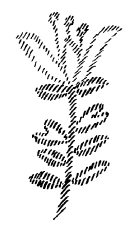
[ 32 ] Die Natur macht fortwährend Sprünge, indem sie ein einzelnes Gebilde bildet; das größere Leben macht fortwährend Umschwünge. Wir sehen im Menschenleben, wie sich mit dem Zahnwechsel ganz neue Verhältnisse einstellen, wie sich mit der Geschlechtsreife ganz neue Verhältnisse einstellen. Und würde die Beobachtungsgabe der gegenwärtigen Menschen nicht so grob sein, so würde man um das zwanzigste Jahr herum eine dritte Epoche und so weiter, und so weiter im Menschenleben wahrnehmen können.
[ 32 ] Nature constantly makes leaps by forming a single structure; higher life constantly undergoes transformations. We see in human life how the change of teeth brings about entirely new circumstances, and how sexual maturity brings about entirely new circumstances. And if the powers of observation of people today were not so limited, one would be able to perceive a third epoch around the age of twenty, and so on and so forth, in human life.
[ 33 ] Aber auch die Geschichte selbst ist ein Organismus, und solche Sprünge finden statt. Man geht an ihnen vorüber. Die Menschen haben heute kein Bewußtsein davon, welch bedeutungsvoller Sprung geschehen ist um die Wende des 14. und 15. Jahrhunderts, oder eigentlich in der Mitte des 15. Jahrhunderts. Aber dasjenige, was sich damals eingeleitet hat, das will in der Mitte unseres Jahrhunderts sich erfüllen. Und es ist wahrhaftig keine Spintisiererei, sondern etwas, was sich allen exakten Wahrheiten an die Seite stellen kann, wenn man davon spricht, daß die Ereignisse, die die Menschheit so bewegen, und die solche Kulmination in der letzten Zeit erlangt haben, hintendieren nach etwas, das man wirklich herausfinden kann als sich vorbereitend und als stark hereinbrechend in die Menschheitsevolution für die Mitte dieses Jahrhunderts. Auf solche Dinge muß derjenige eingehen, der nicht aus irgendwelcher Willkür heraus Ideale für die Menschheitsentwickelung aufstellen will, sondern der mit den schaffenden Kräften der Welt Geisteswissenschaft finden will, die dann auch einlaufen kann in das Leben.
[ 33 ] But history itself is also an organism, and such leaps do occur. People simply pass them by. People today have no awareness of what a significant leap took place at the turn of the 14th and 15th centuries—or, more precisely, in the middle of the 15th century. But what was set in motion back then is destined to come to fruition in the middle of our century. And it is truly no mere speculation, but something that can stand alongside all exact truths, when one speaks of how the events that so stir humanity—and which have reached such a culmination in recent times—point toward something that can truly be identified as preparatory and as breaking in with great force upon human evolution by the middle of this century. Anyone who does not wish to establish ideals for human development out of mere caprice, but who seeks to find spiritual science through the creative forces of the world—a science that can then flow into life—must address such matters.