

Anthroposophical Pedagogy
and its Prerequisites
GA 309
15 April 1924, Bern
Translate the original German text into any language:
Versions Available:
Anthroposophical Pedagogy and its Prerequisites, tr. SOL
Dritter Vortrag
Third Lecture
[ 1 ] Daß es sich darum handelt für einen Erzieher und Unterrichtenden, die Aufmerksamkeit vor allen Dingen zu lenken auf solche Lebensumschwünge, Lebensmetamorphosen, wie sie mit dem Zahnwechsel und der Geschlechtsreife eintreten, darauf habe ich schon in den verflossenen Vorträgen wiederholt hingewiesen. Die Aufmerksamkeit bei diesen Dingen wird gewöhnlich dadurch nicht voll entfaltet, weil man eben heute gewöhnt ist, die groben äußeren Offenbarungen der menschlichen Natur nach sogenannten Naturgesetzen allein ins Auge zu fassen, während dasjenige, was für den Erzieher in Betracht kommt, von dem innersten Mittelpunkt, vom innersten Zentrum des Menschen heraus wirkt, und auch wiederum dasjenige, was der Erzieher tut, in das innerste Zentrum des Menschen hineinwirkt. Und so ist es notwendig, daß man bei diesem Lebensumschwung, der mit dem Zahnwechsel eintritt, ganz besonders darauf aufmerksam wird, wie da das Seelische selbst ein ganz anderes wird.
[ 1 ] I have repeatedly pointed out in previous lectures that it is essential for educators and teachers to direct their attention, above all, to those life transitions and metamorphoses that occur with the change of teeth and the onset of puberty. Attention to these matters is usually not fully developed because people today are accustomed to focusing solely on the gross, external manifestations of human nature according to so-called laws of nature, whereas what is of concern to the educator arises from the innermost core, from the innermost center of the human being, and, in turn, what the educator does also works its way into the innermost center of the human being. And so it is necessary, during this turning point in life that occurs with the change of teeth, to pay very special attention to how the soul itself becomes something entirely different.
[ 2 ] Man braucht nur eine Einzelheit aus diesem Gebiet des Seelischen einmal recht ins Auge zu fassen: die Gedächtnis-, die Erinnerungsfähigkeit. Dieses Gedächtnis, diese Erinnerungsfähigkeit ist im Grunde genommen bei dem Kinde bis zum Zahnwechsel etwas ganz anderes als später. Nur sind beim Menschen die Übergänge natürlich langsam und allmählich, und ein solcher einzelner fixierter Zeitpunkt, der ist sozusagen nur der annähernde. Aber das, was vorgeht, das muß doch, weil sich dieser Zeitpunkt sozusagen in die Mitte der Entwickelung hineinstellt, ganz intensiv berücksichtigt werden. Wenn man nämlich das am ganz kleinen Kinde beobachtet, findet man, daß sein Gedächtnis, seine Erinnerungsfähigkeit eigentlich das ist, was man nennen könnte ein gewohnheitsmäßiges Verhalten der Seele. Wenn das Kind sich an etwas erinnert innerhalb der ersten Lebensepoche bis zum Zahnwechsel, so ist dieses Erinnern eine Art Gewohnheit oder Geschicklichkeit; so daß man sagen kann: Wie ich gelernt habe, irgendeine Verrichtung zu erreichen, zum Beispiel zu schreiben, so tue ich sehr vieles aus einer gewissen Geschmeidigkeit meiner physischen Organisation heraus, die ich mir allmählich angeeignet habe. - Oder beobachten Sie einen Menschen, wie er irgend etwas angreift in seinem kindlichen Alter, so werden Sie sehen, daß daran der Begriff der Gewohnheit gewonnen werden kann. Man kann die Art und Weise sehen, in die sich der Mensch hineingefunden hat, seine Glieder in der einen oder anderen Art zu bewegen. Das wird Gewohnheit, das wird Geschicklichkeit. Und so wird bis in die feinere Organisation des Kindes hinein Geschicklichkeit das Verhalten der Seele gegenüber dem, was das Kind getan hat aus der Nachahmung heraus. Es hat heute irgend etwas nachahmend getan, macht es morgen, übermorgen wieder, macht es nicht nur in bezug auf die äußeren körperhaften Verrichtungen, sondern macht es bis in das innerste Wesen des Körpers hinein. Da wird Gedächtnis daraus. Es ist nicht wie das, was später, nach dem Zahnwechsel, Gedächtnis ist. Nach dem Zahnwechsel gliedert sich das Geistig-Seelische ab von dem Körper, emanzipiert sich, wie ich früher schon gesagt habe. Dadurch kommt erst das zustande, daß ein unkörperlicher Bildinhalt, eine Bildgestaltung des seelisch Erlebten im Menschen entsteht. Und immer wieder, wenn der Mensch entweder äußerlich herantritt an dasselbe Ding oder denselben Vorgang, oder wenn eine innerliche Veranlassung ist, das Bild als solches hervorzurufen, so wird dieses Bild als solches hervorgerufen. Das Kind hat für sein Gedächtnis kein Bild, es rückt noch nicht ein Bild heraus. Nach dem Zahnwechsel tritt ein erlebter Begriff, eine erlebte Vorstellung als erinnerter Begriff, als erinnerte Vorstellung wieder auf; vor dem Zahnwechsel lebt man in Gewohnheiten, die nicht innerlich verbildlicht werden. Das hängt zusammen mit dem ganzen Leben des Menschen über dieses Lebensalter des Zahnwechsels hinaus.
[ 2 ] One need only take a close look at a single aspect of this realm of the psyche: memory, the ability to recall. This memory, this ability to recall, is fundamentally quite different in a child until the time of tooth replacement than it is later on. However, in humans, these transitions are naturally slow and gradual, and such a single, fixed point in time is, so to speak, only an approximation. But what is taking place must be considered very carefully, precisely because this point in time, so to speak, falls right in the middle of development. For when one observes this in a very young child, one finds that the child’s memory—its ability to recall—is actually what one might call a habitual mode of behavior of the soul. When a child remembers something during the first stage of life up to the time of tooth replacement, this remembering is a kind of habit or skill; so that one can say: Just as I have learned to perform a certain task—for example, writing—I do many things out of a certain suppleness of my physical constitution that I have gradually acquired. - Or observe a person as they attempt to do something in childhood, and you will see that the concept of habit can be derived from this. One can see the way in which the person has become accustomed to moving their limbs in one way or another. This becomes habit; this becomes dexterity. And so, even within the child’s finer constitution, dexterity becomes the soul’s response to what the child has done through imitation. What the child has done today by imitation, it does again tomorrow and the day after; it does this not only in relation to external physical actions but extends into the very innermost essence of the body. This becomes memory. It is not like what memory becomes later, after the teeth have been replaced. After the teeth have been replaced, the spiritual-soul aspect separates from the body and emancipates itself, as I have said before. Only then does an incorporeal image content—a pictorial representation of what has been experienced in the soul—come into being within the human being. And time and again, whether the person encounters the same object or event externally, or when an inner impulse arises to evoke the image as such, this image is evoked as such. The child has no image for its memory; it does not yet bring forth an image. After the change of teeth, an experienced concept or an experienced mental image reappears as a remembered concept or a remembered mental image; before the change of teeth, one lives in habits that are not internalized as images. This is connected to the whole of a person’s life beyond this stage of the change of teeth.
[ 3 ] Wenn man mit denjenigen Mitteln des inneren Anschauens, des Seelenauges, des Seelengehörs, von denen gestern gesprochen wurde, den Menschen in seinem Werden beobachtet, dann sieht man, wie der Mensch nicht nur besteht aus diesem physischen Leib, den äußere Augen sehen, den Hände greifen können, wie er besteht aus übersinnlichen Gliedern. Ich habe schon gestern aufmerksam gemacht auf den ersten übersinnlichen Menschen sozusagen im physisch-sinnlichen Menschen drin: das ist der ätherische Mensch. Wir haben aber weiter ein drittes Glied der menschlichen Natur - man braucht sich nicht an Ausdrücken zu stoßen, eine Terminologie muß überall vorhanden sein -, wir haben den astralischen Leib des Menschen, der die Empfindungsfähigkeit entwickelt. Die Pflanze hat noch einen ätherischen Leib; das Tier hat einen astralischen Leib mit dem Menschen gemein, es hat Empfindungsfähigkeit. Der Mensch hat als Krone der Erdenschöpfung, als Geschöpf, das einzig dasteht, als viertes Glied die Ich-Organisation. Diese vier Glieder der menschlichen Natur sind nun total voneinander unterschieden. Aber sie werden nicht unterschieden in der gewöhnlichen Beobachtung, weil sie ineinander wirken, und weil eigentlich die gewöhnliche Beobachtung nur bis an irgendeine Offenbarung der menschlichen Natur aus der ätherischen Leibesorganisation, der astralischen oder der Ich-Organisation kommt. Ohne daß man diese Dinge wirklich kennt, ist eigentlich ein Unterrichten und Erziehen doch nicht möglich. Man entschließt sich sogar schwer, heute einen solchen Satz auszusprechen, weil er für die weitesten Kreise der heutigen zivilisierten Menschen grotesk wirkt, paradox wirkt. Aber es ist eben die Wahrheit; es läßt sich, wenn wirkliche unbefangene Menschenerkenntnis erworben wird, nichts gegen eine solche Sache einwenden.
[ 3 ] If one observes human beings in their development using the means of inner contemplation—the eye of the soul and the ear of the soul—that were discussed yesterday, one sees that human beings do not consist solely of this physical body that the outer eyes see and that the hands can grasp, but also of supersensible members. I already drew attention yesterday to the first supersensible human being, so to speak, within the physical-sensory human being: this is the etheric human being. But we also have a third aspect of human nature—one need not take offense at the terms; terminology must exist everywhere—we have the astral body of the human being, which develops the capacity for sensation. The plant also has an etheric body; the animal shares an astral body with the human being and possesses the capacity for sensation. As the crown of earthly creation, as a being that stands alone, the human being has, as a fourth component, the “I” organization. These four components of human nature are now completely distinct from one another. But they are not distinguished in ordinary observation, because they interact with one another, and because ordinary observation actually only extends as far as some manifestation of human nature arising from the etheric body, the astral body, or the “I.” Without truly knowing these things, teaching and education are, in fact, not possible. It is even difficult to bring oneself to utter such a statement today, because it seems grotesque—even paradoxical—to the vast majority of civilized people today. But it is simply the truth; once a genuine, unbiased understanding of human nature has been acquired, there is nothing that can be objected to in such a matter.
[ 4 ] Nun ist gerade das besonders eigentümlich, wie die menschliche Natur wirkt durch die ätherische, astralische und die Ich-Organisation. Das ist für das Erziehen und Unterrichten ins Auge zu fassen. Wie Sie wissen, lernen wir den physischen Leib kennen, wenn wir solche Beobachtungen entfalten, wie wir sie gewohnt sind am lebenden Menschen oder noch am Leichnam, und wenn wir benützen den an die Gehirnorganisation gebundenen Verstand, mit dem wir uns zurechtlegen dasjenige, was wir durch die Sinne wahrnehmen. Aber so lernt man nicht die höheren Glieder der menschlichen Natur kennen. Die entziehen sich der bloßen Sinnesbeobachtung wie auch dem Verstande. Mit einem Denken, das in den gewöhnlichen Naturgesetzen lebt, kann man zum Beispiel dem ätherischen Leibe nicht beikommen. Daher müßten in die Seminarbildung und in die Universitätsbildung nicht nur diejenigen Methoden aufgenommen werden, die den Menschen befähigen, lediglich den physischen Leib zu beobachten und mit einem Verstande zu beobachten, der an das Gehirn gebunden ist; sondern es müßte, damit eine gewisse Fähigkeit einträte, wirklich hinzuschauen auf die Art und Weise, wie sich zum Beispiel der Ätherleib im Menschen zeigt, eine ganz andere Art von Seminar- und Universitätsbildung da sein. Die wäre notwendig sowohl für den Lehrer auf allen Gebieten, wie namentlich auch für den Mediziner. Und die würde zunächst darin bestehen, daß man lernt, wirklich von innen heraus, aus der Entfaltung der menschlichen Natur heraus bildhauerisch zu modellieren, so daß man in die Lage käme, Formen aus ihrer inneren Gesetzmäßigkeit heraus zu schaffen. Sehen Sie, die Form eines Muskels, die Form eines Knochens wird nicht begriffen, wenn man sie so begreifen will, wie man es in der heutigen Anatomie und Physiologie tut. Formen werden erst begriffen, wenn man sie aus dem Formensinn heraus begreift. Ja, da tritt aber sogleich etwas ein, was für den Menschen der Gegenwart so ist, daß man es für halben Wahnsinn ansieht. Aber für den Kopernikanismus war es auch einmal so, daß er für halben Wahnsinn angesehen wurde, und eine gewisse Kirchengemeinschaft hat bis zum Jahre 1828 die kopernikanische Lehre als etwas Unsinniges angesehen, was verboten werden muß den Gläubigen. — Es handelt sich um das Folgende.
[ 4 ] Now, what is particularly distinctive is precisely how human nature functions through the etheric, astral, and ego organizations. This must be taken into account in education and teaching. As you know, we come to know the physical body when we carry out the kinds of observations we are accustomed to making on living human beings or even on corpses, and when we use the intellect—which is linked to the brain—to make sense of what we perceive through the senses. But this is not how one comes to know the higher aspects of human nature. These elude mere sensory observation as well as the intellect. With a way of thinking rooted in the ordinary laws of nature, one cannot, for example, gain access to the etheric body. Therefore, teacher training and university education should not only incorporate methods that enable people to observe merely the physical body—and to do so with an intellect bound to the brain— but—in order to develop a certain ability to truly perceive, for example, the way the etheric body manifests itself in human beings—a completely different kind of seminar and university education would be required. This would be necessary both for teachers in all fields and, in particular, for physicians. And this would consist, first and foremost, in learning to sculpt truly from within, out of the unfolding of human nature, so that one would be able to create forms based on their inner laws. You see, the form of a muscle, the form of a bone, is not understood if one tries to grasp it the way it is done in today’s anatomy and physiology. Forms are only understood when one grasps them through a sense of form. Yes, but then something immediately arises that, for people today, is regarded as bordering on madness. But Copernicanism, too, was once regarded as half-madness, and a certain church community considered the Copernican doctrine, right up until the year 1828, to be something nonsensical that must be forbidden to the faithful. — The matter at hand is as follows.
[ 5 ] Betrachten wir den physischen Leib: er ist zum Beispiel schwer, er wiegt etwas, er ist der Schwerkraft unterworfen. Der ätherische Leib ist nicht der Schwerkraft unterworfen; im Gegenteil, er will fortwährend fort, er will sich in die Weiten des Weltalls zerstreuen. Das tut er auch unmittelbar nach dem Tode. Die erste Erfahrung nach dem Tode ist, die Zerstreuung des Ätherleibes zu erfahren. Man erfährt also, daß der Leichnam ganz den Gesetzen der Erde folgt, wenn er dem Grabe übergeben wird; oder wenn er verbrannt wird, verbrennt er so, wie jeder andere Körper verbrennt nach physischen Gesetzen. Beim ätherischen Leib ist das nicht der Fall. Der ätherische Körper strebt ebenso von der Erde weg, wie der physische Körper nach der Erde hinstrebt. Und dieses Wegstreben, das ist nicht ein beliebiges Wegstreben nach allen Seiten hin oder ein gleichförmiges Wegstreben. Aber da kommt das, was grotesk wirkt, was aber wahr ist, was eine wahre Wahrnehmung ist für die Beobachtung, von der ich gesprochen habe.
[ 5 ] Let us consider the physical body: for example, it is heavy, it has weight, and it is subject to gravity. The etheric body is not subject to gravity; on the contrary, it constantly strives to move away, to disperse into the vastness of the universe. It does so immediately after death. The first experience after death is to experience the dispersion of the etheric body. One thus experiences that the physical body follows the laws of the earth entirely when it is laid to rest in the grave; or when it is cremated, it burns just as any other body burns according to physical laws. This is not the case with the etheric body. The etheric body strives away from the earth just as the physical body strives toward the earth. And this striving away is not a random striving in all directions or a uniform striving. But here comes what seems grotesque, yet is true—a true perception for the observation I have spoken of.
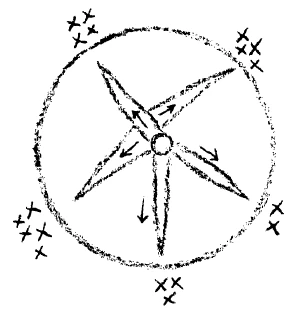
[ 6 ] Wenn Sie den Umkreis der Erde nehmen: wir finden da draußen eine Sternansammlung, da wieder eine andere Sternansammlung, da eine, die wieder anders ist, und so sind überall bestimmte Sternansammlungen. Diese Sternansammlungen, die sind es, die den Ätherleib des Menschen anziehen, die ihn hinausziehen in die Weiten. Nehmen wir an, er wäre da — schematisch gezeichnet -, dann wird der Ätherleib von dieser Sternansammlung, die stark wirkt, angezogen; er will stark hinaus. Von dieser Sternansammlung wird er weniger stark angezogen, von anderen Sternansammlungen wird er wieder anders angezogen, so daß der Ätherleib nicht nach allen Seiten gleich gezogen wird, sondern nach den verschiedenen Seiten wird er verschieden gezogen. Es entsteht nicht eine sich ausbreitende Kugel, sondern indem der Ätherleib sich ausbreiten will, entsteht dasjenige, was durch die von den Sternen ausgehenden kosmischen Kräfte an einer bestimmten Form des Menschen gewirkt werden kann, solange wir leben auf Erden und den Ätherleib in uns tragen. Wir sehen, wie in einem Oberschenkel dasjenige, was den Muskel formt, aus den Sternen heraus, ebenso das, was den Knochen formt, aus den Sternen heraus kommt. Man muß nur kennenlernen, wie aus den verschiedensten Richtungen des Weltenraumes her Formen entstehen können. Man muß das Plastilin nehmen können und eine Form bilden können, bei der, sagen wir, die kosmische Kraft in die Länge wirkt, aber bei einer bestimmten Kraft so, daß sich eine Form früher abrundet als bei anderen Kräften. Man bekommt bei den Formen, die früher sich abrunden, den runden Knochen, bei den anderen einen Röhrenknochen.
[ 6 ] If you consider the Earth’s orbit: out there we find one cluster of stars, then another, then one that is different again, and so on—there are specific clusters of stars everywhere. It is these clusters of stars that attract the human etheric body, drawing it out into the vastness of space. Let’s assume he were there—drawn schematically—then the etheric body is drawn toward this star cluster, which exerts a strong influence; it wants to move out strongly. It is drawn less strongly toward this star cluster, and toward other star clusters it is drawn differently, so that the etheric body is not pulled equally in all directions, but is pulled differently in different directions. What emerges is not an expanding sphere, but rather, as the etheric body seeks to expand, what arises is that which the cosmic forces emanating from the stars can shape into a specific human form, as long as we live on Earth and carry the etheric body within us. We see how, in a thigh, that which forms the muscle comes from the stars, just as that which forms the bone comes from the stars. One need only learn how forms can arise from the most diverse directions of the cosmos. One must be able to take modeling clay and form a shape in which, let us say, the cosmic force acts lengthwise, but in such a way that, with a certain force, the shape rounds off sooner than with other forces. The shapes that round off sooner result in round bones, while the others result in tubular bones.
[ 7 ] Und so muß man eigentlich als Bildhauer ein Gefühl entwickeln für die Welt. Dieses Gefühl war schon ursprünglich in einem instinktiven Bewußtsein der Menschheit vorhanden. Und wir können es, während es im Orientalismus der vorhistorischen Jahrtausende ganz deutlich ausgesprochen war, auch noch im Griechentum verfolgen. Denken Sie nur, wie die heutigen naturalistischen Künstler oftmals verzweifelt sind gegenüber den Formen der griechischen Menschen in der Bildhauerei. Warum sind sie verzweifelt? Weil sie glauben, die Griechen haben nach Modellen gearbeitet. Sie haben den Eindruck, man habe dort bei den Griechen den Menschen nach allen Seiten beobachten können. Aber die Griechen hatten noch das Gefühl, wie der Mensch aus dem Kosmos heraus kommt, wie der Kosmos selber den Menschen formt. Die Griechen haben, wenn sie eine Venus von Milo gemacht haben, die die heutigen Bildhauer zur Verzweiflung bringt, das, was aus dem Kosmos heraus kommt, was nur etwas gestört wird durch die irdische Bildung, das hatten sie zum Teil wenigstens in die menschliche Organisation hineinverlegt. So handelt es sich darum, daß man einsehen muß: Will man den Menschen der Natur nachschaffen, so kann man gar nicht sich sklavisch halten an die Modelle, wie man Modelle heute in Ateliers hineinstellt und den Menschen sklavisch danach formt. Man muß sich wenden können an den großen kosmischen Plastiker, der die Form aus dem heraus erschafft, was dem Menschen werden kann als Raumgefühl. Das muß erst entwickelt werden: Raumgefühl!
[ 7 ] And so, as a sculptor, one must actually develop a sense of the world. This sense was originally present in humanity’s instinctive consciousness. And while it was expressed quite clearly in the Oriental art of prehistoric millennia, we can also trace it in Greek art. Just think how today’s naturalistic artists are often at a loss when faced with the forms of the Greek human figure in sculpture. Why are they at a loss? Because they believe the Greeks worked from models. They have the impression that the Greeks were able to observe human beings from every angle. But the Greeks still had a sense of how the human being emerges from the cosmos, how the cosmos itself shapes the human being. When the Greeks created a Venus de Milo—which drives today’s sculptors to despair—they incorporated into the human form, at least in part, that which emerges from the cosmos, a form only slightly disturbed by earthly development. So the point is that one must realize: If one wishes to recreate human beings in accordance with nature, one cannot slavishly adhere to the models—the kind of models placed in studios today—and slavishly shape human beings after them. One must be able to turn to the great cosmic sculptor, who creates form out of what can become a sense of space for human beings. This must first be developed: a sense of space!
[ 8 ] Da glaubt man eigentlich gewöhnlich, man kann eine Linie durch den Menschen durchziehen, eine Linie durch die ausgebreiteten Arme so und eine Linie so ziehen (es wird gezeichnet). Das sind die drei Raumesdimensionen. Man zeichnet ganz sklavisch den Menschen in die drei Raumesdimensionen. Das ist alles Abstraktion. Wenn ich durch den Menschen eine richtige Linie ziehe, habe ich ganz andere Zugkräfte so, ganz andere so und so, überall in den Raum hinein. Dieser geometrische Raum, der der Kantische Raum geworden ist, über den Kant so unglückliche Definitionen und Theorien gegeben hat, ein rein ausgedachtes Hirngespinst, ist in Wirklichkeit ein Organismus, der nach allen Seiten andere Kräfte hat. Weil der Mensch nur die groben Sinne entwickelt, deshalb entwickelt er nicht dieses feine Raumgefühl. Das kann man nach allen Seiten haben. Läßt man es walten, dann kommt wirklich der Mensch zustande. Aus dem innerlichen Erfühlen heraus kommt der Mensch zustande bildhauerisch. Und hat man ein Gefühl für dieses tastende Behandeln der weichen plastischen Masse, dann liegt in diesem Behandeln der weichen plastischen Masse die Bedingung für das Verstehen des Ätherleibes, so wie in dem Verstande, der an das Gehirn gebunden ist, und den Sinnesorganen die Bedingungen für das Verstehen des physischen Leibes liegen.
[ 8 ] People usually think you can draw a line through a person—a line through their outstretched arms like this, and a line like that (he draws). These are the three spatial dimensions. People slavishly map the human figure onto these three spatial dimensions. It’s all abstraction. If I draw a true line through a person, I have entirely different forces pulling this way, entirely different ones that way, and so on, extending into all parts of space. This geometric space—which has become “Kantian space,” about which Kant offered such unfortunate definitions and theories, a purely contrived figment of the imagination—is in reality an organism that possesses different forces in every direction. Because human beings develop only their coarse senses, they do not develop this subtle sense of space. One can have this in every direction. If one allows it to take effect, then the human being truly comes into being. The human being comes into being sculpturally out of inner feeling. And if one has a feeling for this tactile handling of the soft, malleable mass, then this handling of the soft, malleable mass provides the basis for understanding the etheric body, just as the intellect—which is bound to the brain—and the sense organs provide the basis for understanding the physical body.
[ 9 ] Es handelt sich darum, daß man erst die Erkenntnismethode schaffen muß: nämlich plastische Anschauung, die immer etwas verbunden ist mit plastischer innerer Tätigkeit. Sonst hört die Menschenerkenntnis beim physischen Leibe auf, denn der Ätherleib ist nicht in Begriffen, sondern in Bildern zu erfassen, die man doch nur begreift, wenn man sie in gewisser Weise nachformen kann, wie sie aus dem Kosmos heraus sind.
[ 9 ] The point is that one must first establish the method of cognition: namely, plastic perception, which is always linked in some way to plastic inner activity. Otherwise, human cognition stops at the physical body, for the etheric body is not to be grasped in concepts but in images, which one can only comprehend if one can, in a certain way, recreate them as they are in the cosmos.
[ 10 ] Dann kommen wir zu dem, was das nächste Glied der menschlichen Wesenheit ist. Wie gehen die Dinge heute? Da sind auf der einen Seite die herrschenden naturwissenschaftlichen Anschauungen und ihre Träger, die der heutigen Menschheit autoritativ das Richtige beibringen. Da stehen vereinsamt in der Welt ihrer Seelen verdrehte Anthroposophen, die auch davon sprechen, daß ein Ätherleib, ein Astralleib vorhanden ist. Sie erzählen die Dinge, die über den Ätherleib und den Astralleib zu erzählen sind. Da wollen die Leute, die gewöhnt sind an naturwissenschaftliches Denken, den Astralleib mit demselben Denken und denselben Methoden ergreifen wie den physischen Leib. Das geht nicht. Der Astralleib äußert sich im physischen Leibe; seine Außerung im physischen Leibe kann nach Naturgesetzen begriffen werden. Aber ihn selber nach seiner inneren Wesenheit und Wirksamkeit kann man nicht nach Naturgesetzen begreifen. Man kann den Astralleib begreifen, wenn man nicht nur äußeres, sondern inneres Musikverständnis hat, wie es auch vorhanden war im Orient, abgedämpft in der griechischen Zeit, in neuerer Zeit gar nicht mehr vorhanden ist. Geradeso wie der ätherische Leib aus der kosmischen Plastik heraus wirkt, so wirkt der astralische Leib aus der kosmischen Musik, aus kosmischen Melodien heraus. Im astralischen Leib ist irdisch nur der Takt; Rhythmus und Melodie wirken ganz aus dem Kosmos heraus. Und der astralische Leib besteht in Rhythmus und Melodie. Man kann nur nicht mit dem an den astralischen Leibherankommen, was man aus Naturgesetzen gewonnen hat, sondern man muß mit dem an den astralischen Leib herankommen, was man sich aneignet, wenn man ein inneres Musikverständnis hat. Dann wird man zum Beispiel finden, wenn eine Terz angeschlagen wird: Da ist etwas vorhanden, was vom Menschen erlebt, empfunden wird wie in seinem Inneren. Daher kann es da noch geben eine große und eine kleine Terz. So kann im menschlichen Gefühlsleben durch diese Gliederung der Skala ein beträchtlicher Unterschied hervorgerufen werden. Das ist noch etwas Inneres. Wenn wir zur Quint kommen, wird diese erlebt an der Oberfläche; das ist gerade eine Grenze des Menschen; da fühlt sich der Mensch, wie wenn er gerade noch darinnensteckte. Kommt er zur Sext oder zur Septime, dann fühlt er, wie wenn die Sext oder Septime außer ihm verlaufen will. Er geht in der Quint aus sich heraus, und er kommt, indem er in die Sext und Septime hineinkommt, dahin, daß er das, was da vorgeht in Sext oder Septime, als etwas Äußeres empfindet, während er die Terz als etwas eminent Inneres empfindet. Das ist der wirkende Astralleib, der ein Musiker in jedem Menschen ist, der die Weltenmusik nachahmt. Und alles, was im Menschen ist, ist im Menschen wiederum tätig und bildet sich aus in der menschlichen Form. Das ist etwas, was dann, wenn man einmal überhaupt herankommt an eine solche Betrachtung, geradezu erschütternd wirken kann im Begreifen der Welt.
[ 10 ] Then we come to what constitutes the next link in the human being. How do things stand today? On the one hand, there are the prevailing scientific views and their proponents, who authoritatively teach modern humanity what is correct. Standing isolated in the world are the anthroposophists, whose souls have been distorted, who also speak of the existence of an etheric body and an astral body. They recount what there is to be said about the etheric body and the astral body. People accustomed to scientific thinking want to grasp the astral body with the same thinking and the same methods as they use for the physical body. That is not possible. The astral body manifests itself in the physical body; its manifestation in the physical body can be understood according to the laws of nature. But the astral body itself, in terms of its inner nature and activity, cannot be understood according to the laws of nature. One can understand the astral body if one possesses not only an external but also an inner understanding of music—as was also present in the East, subdued during the Greek era, and no longer present at all in more recent times. Just as the etheric body acts out of cosmic plasticity, so the astral body acts out of cosmic music, out of cosmic melodies. In the astral body, only the meter is earthly; rhythm and melody arise entirely from the cosmos. And the astral body consists of rhythm and melody. One cannot approach the astral body with what has been derived from the laws of nature, but must approach it with what one acquires through an inner understanding of music. Then one will find, for example, that when a third is played: there is something present that is experienced and felt by the human being as if it were within them. Hence, there can still be a major third and a minor third. In this way, a considerable difference can be brought about in human emotional life through this structure of the scale. This is still something inner. When we come to the fifth, it is experienced on the surface; this is precisely a boundary for the human being; there the human being feels as if they were just barely still within it. When they reach the sixth or the seventh, they feel as if the sixth or seventh were trying to move outside of them. In the fifth, they step outside themselves, and as they enter the sixth and seventh, they come to perceive what is happening in the sixth or seventh as something external, whereas they perceive the third as something eminently internal. This is the active astral body—the musician within every human being—that imitates the music of the worlds. And everything that is within the human being is, in turn, active within the human being and takes shape in the human form. This is something that, once one is able to approach such a contemplation at all, can have a truly shattering effect on one’s understanding of the world.
[ 11 ] Sehen Sie, das, was aus dem astralischen Leib in die Form übergeht, was aber nicht schon in der kosmischen Plastik begründet wird, sondern dadurch entsteht, daß der Musikimpuls vom Astralleib aus den Menschen durchzieht, das kann man auch direkt studieren, nur muß man mit Musikverständnis dem Menschen entgegenkommen wie vorher mit plastischem Verständnis, wenn man die Wirkungen des Ätherleibes studieren will. Wenn Sie den Teil des menschlichen Organismus nehmen, der von den Schulterblättern an beginnt und bis zu den Armen hin geht, so ist das eine Wirkung der im Menschen lebendigen Prim, des Grundtones; und kommen Sie zur Sekund, so ist diese im Oberarm gelegen. Die Dinge kommen durch Eurythmie zum Vorschein. Gehen wir zum Unterarm, so haben wir die Terz, haben wir in der Musik die große und die kleine Terz. Indem wir vorrücken bis zum Terzintervall, bekommen wir zwei Knochen im Unterarm; das geht so weiter selbst bis hinein in die Finger. Das sieht phrasenhaft aus; es ist aber durch eine wirkliche geisteswissenschaftliche Beobachtung des Menschen so fest zu durchschauen, wie für den Mathematiker das mathematische Problem zu durchschauen ist. Es ist nicht etwas, was durch schlechte Mystik herbeigeführt wird, sondern es ist exakt zu durchschauen. So daß, um diese Dinge zu begreifen, die Seminar- und Medizinbildung eigentlich von einem inneren Musikverständnis ausgehen müßte, von jenem inneren Musikverständnis, das in voller Besonnenheit wieder zu dem kommen muß, was selbst vor dem Griechentum das orientalische Musikverständnis war. Orientalische Baukunst begreifen wir nur, wenn wir begreifen, wie die religiöse Wahrnehmung in die Form hineingeschossen ist. Wie die musikalische Kunst nur in zeitlichen Erfahrungen sich ausdrückt, so die Baukunst in räumlichen. Den Menschen muß man seinem Ätherleib und seinem Astralleib nach ebenso begreifen. Und das Empfindungsleben, das Leben in Leidenschaft kann nicht begriffen werden, wenn man nach den Naturgesetzen, wie man sagt «psychologisch» begreifen will, sondern nur, wenn man mit denselben Seelenformen an den Menschen herangeht, die man im Musikalischen gewahrt. Es wird eine Zeit kommen, wo man nicht so sprechen wird, wie die heutigen Psychologen oder Seelenlehrer über irgendeine krankhafte Empfindung sprechen, sondern, wenn eine krankhafte Empfindung vorliegt, wird man so sprechen wie gegenüber einem verstimmten Klavier: in musikalischer Ausdrucksweise.
[ 11 ] You see, what passes from the astral body into the physical form—but which is not already grounded in cosmic plasticity, rather arises from the musical impulse flowing through the human being from the astral body—can also be studied directly; one must simply approach the human being with an understanding of music, just as one previously approached them with an understanding of plasticity when studying the effects of the etheric body. If you take the part of the human organism that begins at the shoulder blades and extends down to the arms, this is an effect of the “prim,” the fundamental tone, that lives within the human being; and when you come to the “second,” it is located in the upper arm. These things become apparent through eurythmy. Moving on to the forearm, we have the “third”; in music, we have the major and minor thirds. As we move on to the third interval, we find two bones in the forearm; this pattern continues all the way down into the fingers. It may look like a figure of speech; but through genuine observation of the human being by Spiritual Science, it can be understood as clearly as a mathematician understands a mathematical problem. It is not something brought about by shoddy mysticism, but rather something that can be understood with precision. Thus, in order to grasp these things, seminary and medical education would actually have to be based on an inner understanding of music—that inner understanding of music which, with full deliberation, must return to what was the Eastern understanding of music even before the time of the Greeks. We can only understand Oriental architecture if we understand how religious perception has been imprinted into its form. Just as musical art expresses itself only through temporal experiences, so does architecture through spatial ones. One must understand human beings in the same way with regard to their etheric and astral bodies. And the life of feeling, the life of passion, cannot be understood by attempting to grasp it “psychologically”—as they say—according to the laws of nature, but only by approaching human beings with the same soul forms that one perceives in music. A time will come when people will no longer speak as today’s psychologists or teachers of the soul do about any pathological sensation; rather, when a pathological sensation is present, they will speak as one would about an out-of-tune piano: in musical terms.
[ 12 ] Glauben Sie nicht, daß die Anthroposophie nicht selber einsehen kann, wo die Schwierigkeit ihres Erfassens in der Gegenwart liegt; ich kann durchaus begreifen, daß es viele Menschen gibt, die so etwas, wie ich es da dargestellt habe, zunächst für phantastisch, ja für halb wahnsinnig halten. Aber mit dem, was heute vernünftig ist, ist eben leider der Mensch nicht zu begreifen, sondern man muß schon hinausgehen zu einem weiteren Vernünftigsein.
[ 12 ] Do not think that anthroposophy itself cannot recognize where the difficulty in understanding it lies at the present time; I can certainly understand that there are many people who, at first glance, consider something like what I have described here to be fanciful, even borderline insane. But unfortunately, what is considered reasonable today is simply not enough to understand the human being; rather, one must go beyond to a broader form of reason.
[ 13 ] In dieser Beziehung sind die Menschen heute ganz merkwürdig, wie sie entgegenkommen der Anthroposophie. Sie können sich gar nicht vorstellen, daß etwas über ihr Fassungsvermögen vorläufig hinausgeht, und daß ihr Fassungsvermögen in Realität daran nicht herankommen kann. Jüngst habe ich da ein sehr interessantes Buch gesehen. Maeterlinck hat ein Buch geschrieben, es ist auch deutsch erschienen, und da ist auch ein Kapitel über mich, und das schließt in merkwürdiger Weise und auch furchtbar humoristisch. Er sagt: Wenn man die Steinerschen Bücher liest, so sind die ersten Kapitel logisch korrekt, durchaus verständig abgewogen und wissenschaftlich gestaltet. Dann aber kommt man, wenn man über die ersten Kapitel hinausliest, in etwas hinein, wo man sich denken muß, daß der Verfasser wahnsinnig geworden ist. — Das ist das gute Recht Maeterlincks. Warum soll er nicht den Eindruck haben können: Der ist ein Gescheiter, während er die ersten Kapitel geschrieben hat, er ist verrückt geworden, während er die folgenden Kapitel geschrieben hat. — Aber nun nehmen Sie die Realität dazu. Nun, Maeterlinck findet, daß in den Büchern die ersten Kapitel gescheit sind, in den folgenden Kapiteln wird der Verfasser wahnsinnig. Nun muß die merkwürdige Tatsache da sein: Er schreibt hintereinander Bücher, und bei den ersten Kapiteln macht er sich gescheit, bei den folgenden macht er sich wahnsinnig, dann wieder gescheit, dann wieder wahnsinnig und so weiter. Denken Sie, wie grotesk, wenn man so absieht von der Realität. Die Leute merken es gar nicht, wenn es solche mit Recht berühmte Schriftsteller schreiben, was für Wahnsinn darin steckt. Gerade an so erleuchteten Geistern wie Maeterlinck kann man studieren, wie schwer es ist, heute an die Wirklichkeit heranzukommen. Man muß auf dem Boden der Anthroposophie reden von einer Wirklichkeit, die heute als unwirklich angesehen wird.
[ 13 ] In this regard, people today are quite peculiar in the way they approach anthroposophy. They cannot even form a mental image of what might, for the time being, be beyond their comprehension—and that, in reality, their comprehension cannot even begin to grasp it. I recently came across a very interesting book. Maeterlinck wrote a book—it has also been published in German—and it includes a chapter about me that concludes in a strange and terribly humorous way. He says: When you read Steiner’s books, the first chapters are logically sound, thoroughly well-considered, and scientifically structured. But then, when you read beyond the first chapters, you enter into something where you have to think that the author has gone mad.” — Maeterlinck is perfectly entitled to that opinion. Why shouldn’t he be allowed to have the impression: “He was a smart man while writing the first chapters; he went mad while writing the following chapters.” — But now consider reality. Well, Maeterlinck finds that in his books the first chapters are sensible, but in the subsequent chapters the author goes mad. Now here must be the strange fact: He writes books one after another, and in the first chapters he acts sensible, in the following ones he acts mad, then sensible again, then mad again, and so on. Just think how grotesque it is when one disregards reality in this way. People don’t even notice—when such rightly famous writers write this way—just how much madness is contained within it. It is precisely in the works of such enlightened minds as Maeterlinck that one can study how difficult it is today to approach reality. One must speak, on the basis of anthroposophy, of a reality that is regarded today as unreal.
[ 14 ] Nun kommen wir auf die Ich-Organisation. Es handelt sich darum: Diese Ich-Organisation kann zunächst in ihrer Wesenhaftigkeit studiert werden - so wie der Astralleib in der Musik - in der Sprache. Also wird man sagen, alle, auch die Mediziner und Lehrer - bei den Lehrern wird dies schon zugegeben -—, müssen bei der heutigen Sprachformung stehenbleiben. Können sie dann auch die innere Konfiguration der Sprache verstehen? Nein, das kann nur derjenige, der die Sprache nicht als das ansieht, was unser Mechanismus daraus gebildet hat, sondern als etwas, in dem der Sprachgenius als etwas Lebendiges geistig wirkt. Der kann es, der sich übt, die Art und Weise zu verstehen, wie ein Wort konfiguriert wird. In den Worten liegt außerordentlich und ungeheuer viel von Weisheit. Der Mensch kommt dieser Weisheit gar nicht nach. Die ganze Eigentümlichkeit der Menschen kommt heraus in der Art und Weise, wie sie ein Wort bilden. Man kann die Eigenart der Völker aus der Sprache erkennen. Nehmen Sie zum Beispiel das Wort «Kopf». Das ist ursprünglich zusammenhängend mit dem Runden, das man auch am Kohl, den man auch Kohlkopf nennt, findet. Es wird aus der Gestalt heraus das Wort für den Kopf empfunden. Das ist eine ganz andere Verfassung des Ich, als zum Beispiel bei dem romanischen Worte «Testa», das von dem Zeugnisablegen, Testieren herkommt. Also aus ganz anderer Quelle heraus ist der Anlaß genommen worden, empfindungsgemäß das Wort zu bilden.
[ 14 ] Now we come to the “I” organization. The point is this: This “I” organization can first be studied in its essential nature—just as the astral body is studied in music—through language. So one might say that everyone—including doctors and teachers (though teachers already acknowledge this)—must limit themselves to the current form of language. Can they then also understand the inner configuration of language? No, that is possible only for those who do not view language as what our mechanisms have made of it, but rather as something in which the genius of language acts spiritually as a living force. This is possible for those who train themselves to understand the way in which a word is configured. There is an extraordinary and immense amount of wisdom in words. Human beings do not do justice to this wisdom at all. The entire character of human beings is revealed in the way they form a word. One can recognize the distinctive character of peoples from their language. Take, for example, the word “head.” It is originally connected to the round shape found in cabbage, which is also called a “cabbage head.” The word for “head” is derived from its shape. This reflects a completely different state of the “I” than, for example, the Romance word “testa,” which comes from the act of bearing witness or testifying. Thus, the word was formed intuitively from a completely different source.
[ 15 ] Wenn man in dieser inneren Weise die Sprache versteht, dann schaut man hinein, wie die Ich-Organisation wirkt. Es gibt Gegenden, in denen der Blitz nicht «Blitz» genannt wird, sondern «Himlizzer». Das sind Menschen, die Himlizzer sagen, die nicht das einfache schnelle Hinschießen des Blitzes, sonder das schlangenhaft Gegliederte sehen. Wer «Blitz» sagt, sieht das Hinschießen; wer «Himlizzer» sagt, sieht den Blitz in dieser Zickzackweise geformt. So lebt der Mensch seinem Ich nach eigentlich in der Sprache. Nur ist er als heutiger zivilisierter Mensch aus der Sprache herausgekommen; die Sprache ist abstrakt geworden. Ich sage nicht, daß derjenige, der so die Sprache versteht, schon inneres hellseherisches Bewußtsein hat, durch das er in Wesenheiten hineinschaut, die gleich sind der menschlichen Ich-Organisation; aber man kommt auf den Weg, in diese Wesenheiten hineinzuschauen, wenn man mit dem inneren Verstehen das Sprechen begleitet.
[ 15 ] When one understands language in this inner way, one looks into how the “I” organization functions. There are regions where lightning is not called “Blitz” but “Himlizzer.” These are people who say “Himlizzer”—they see not the simple, rapid flash of lightning, but its serpentine, segmented form. Those who say “lightning” see the flash; those who say “Himlizzer” see the lightning formed in this zigzag pattern. Thus, in accordance with their “I,” human beings actually live within language. However, as civilized people of today, they have stepped outside of language; language has become abstract. I am not saying that anyone who understands language in this way already possesses an inner clairvoyant consciousness through which they can look into beings that are similar to the human “I” organization; but one sets out on the path to looking into these beings when one accompanies speech with inner understanding.
[ 16 ] So soll sowohl an der medizinischen Schule wie an den Lehrerseminarien in der Richtung Bildung gepflegt werden, wie man sie haben muß, wenn man innerlich bestrebt ist, plastisch zu wirken, wenn Plastik aus dem Raumgefühl, inneres musikalisches Verständnis und inneres Sprachverständnis getrieben werden kann. Nun werden Sie sagen: Die Hörsäle sind ohnehin so leer, man machte am Ende die Seminarien schon auch noch so leer, wenn alles das hineinkäme. Wohin käme man da? — Man will das medizinische Studium fortwährend verlängern. Wenn das mit der Methode, wie es heute geschieht, fortgesetzt wird, wird es noch dazu führen, daß man im 60. Jahr fertig wird mit dem Medizinstudium! Das rührt nicht her von inneren Bedingungen, sondern davon, daß diese inneren Bedingungen nicht erfüllt sind. Geht man nicht über von abstrakten Begriffen zum plastischen Begreifen, zum musikalischen Begreifen, zum Weltenworte-Verstehen, dann wird, wenn man stehenbleibt beim abstrakten Begreifen, der Horizont ein unendlicher; man kann immer weiter gehen, weil man an keine Grenze kommt, von der aus man die Sache übersehen kann. Durch das innere Verständnis, das auftritt, wenn Plastik- und Musikbegreifen hinzukommt, wird der Mensch, weil er innerlich rationeller wird, in seinem Bildungsgang wahrhaftig nicht verzögert, sondern innerlich beschleunigt werden. So werden wir aus dem inneren Gang eine methodische Bildung der Pädagogen haben, wo die Lehrer und diejenigen gebildet werden, die in der heutigen Pädagogik ganz besonders mitzureden haben: die Ärzte.
[ 16 ] Thus, both at medical schools and at teacher training colleges, education should be conducted in the manner required when one is inwardly striving to create a vivid artistic effect—when artistic expression can be driven by a sense of space, an inner understanding of music, and an inner understanding of language. Now you will say: The lecture halls are already so empty; in the end, the seminars would become just as empty if all of that were included. Where would that lead? — There is a constant push to extend the duration of medical studies. If this continues with the current method, it will even lead to students not completing their medical studies until they are 60 years old! This does not stem from internal conditions, but rather from the fact that these internal conditions are not being met. If one does not move from abstract concepts to plastic understanding, to musical understanding, to an understanding of the world through language, then—if one remains stuck at the level of abstract understanding—the horizon becomes infinite; one can go on and on because one never reaches a boundary from which one can survey the whole. Through the inner understanding that arises when a vivid and musical grasp is added, the individual—because they become more rational inwardly—will truly not be delayed in their educational journey, but rather accelerated inwardly. In this way, we will develop a methodical training program for educators based on this inner process, one that educates both teachers and those who have a particularly important role to play in today’s pedagogy: physicians.
[ 17 ] Nachdem wir in den einleitenden Vorträgen gesehen haben, wie zusammenhängt mit dem ganzen Gesundheitszustand des Menschen die Art, wie erzogen und unterrichtet wird, ist es ohne weiteres klar, daß eine wirkliche Pädagogik gar nicht ohne eine Berücksichtigung einer wirklichen Medizin sich entwickeln kann. Es ist ganz unmöglich; der Mensch muß eben nach seinen gesunden und kranken Verhältnissen beurteilt werden können von demjenigen, der ihn erzieht und unterrichtet; sonst kommt dasjenige heraus, was man auch schon fühlt: Man fühlt schon, daß der Arzt notwendig ist in der Schule. Man fühlt es stark und schickt den Arzt von außen hinein. Aber das ist die schlechteste Methode, die man wählen kann. — Wie steht der Arzt zu den Kindern? Er kennt sie nicht; er kennt auch nicht die Fehler, die zum Beispiel vom Lehrer gemacht werden und so weiter. Die einzige Möglichkeit ist diese, daß man eine solche pädagogische Kunst betreibt, wo so viel Medizinisches drin ist, daß der Lehrer konstant die gesundenden oder kränkenden Wirkungen seiner Maßnahmen am Kinde einsehen kann. Aber wenn man von außen den Arzt in die Schule hineinschickt, dadurch ist noch keine Reform durchgeführt, auch wenn man sagt, der Arzt ist notwendig. Wenn die Bildung der Ärzte so ist wie heute, wissen die Ärzte nicht, was sie zu tun haben, wenn sie in die Schule hineingeschickt werden. In dieser Beziehung muß man einfach die Bildung kennenlernen, wenn man auf eine pädagogische Kunst hinstrebt, die auf der Grundlage der Menschheitserkenntnis steht. - Man scheut sich, indem man die Dinge ausspricht, aus dem Grunde, weil man weiß, wie schwer sie erfaßt und begriffen werden können. Aber gerade dieses zu glauben, daß man mit einigen aus der naturwissenschaftlichen Weltanschauung gewonnenen Begriffen den Menschen verstehen kann, ist ein Irrtum, und dieses einzusehen, ist eine der Lebensbedingungen in der Entwickelung der pädagogischen Kunst.
[ 17 ] Now that we have seen in the introductory lectures how the way people are raised and educated is connected to their overall state of health, it is immediately clear that a true pedagogy cannot develop without taking genuine medicine into account. It is quite impossible; the person must simply be able to be assessed according to their state of health and illness by the one who educates and instructs them; otherwise, the result is what one already senses: One already feels that a doctor is necessary in school. One feels this strongly and brings in a doctor from outside. But that is the worst method one could choose. — What is the doctor’s relationship to the children? He does not know them; nor does he know the mistakes made, for example, by the teacher, and so on. The only possibility is to practice a form of pedagogy that incorporates enough medical knowledge so that the teacher can constantly discern the healing or harmful effects of his or her actions on the child. But simply sending a doctor into the school from outside does not constitute a reform, even if one says the doctor is necessary. If the training of doctors is as it is today, doctors do not know what to do when they are sent into the school. In this regard, one must simply become familiar with that training if one is striving for a pedagogical art grounded in an understanding of humanity. - People shy away from speaking these things aloud precisely because they know how difficult they are to grasp and comprehend. But it is a mistake to believe that one can understand human beings using a few concepts derived from a natural-scientific worldview, and recognizing this is one of the essential conditions for the development of the art of education.
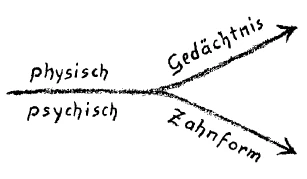
[ 18 ] Erst wenn man solche Anschauungen hat, wird man einsehen können, wie radikal in die Menschennatur das eingreift, was zum Beispiel zur Zeit des Zahnwechsels geschieht, wenn eigentlich das Gedächtnis bildhaft wird, nicht mehr am physischen Leibe hängt, sondern nunmehr am ätherischen Leibe hängt. Denn welche Tatsache bringt eigentlich die zweiten Zähne hervor? Die Tatsache, daß bis zum Zahnwechsel der ätherische Leib dicht, ganz dicht mit dem physischen Leibe verbunden ist. Dann sondert er sich etwas ab; würde er sich nicht absondern, so würden wir alle 7 Jahre Zähne bekommen. Es wäre ja für den heutigen Menschen, der seine Zähne so rasch aufbraucht, ja schon notwendig; ich denke, die Zahnärzte würden schon eine andere Beschäftigung bekommen. Wenn der Ätherleib sich abgesondert hat, wirkt das, was früher im physischen Leib gewirkt hat, auf seelische Art. Für denjenigen, der solche Dinge betrachten kann, ist das der Fall, wenn er einem Kinde in den Mund schauen kann, ohne daß es das bemerkt. Es ist immer am besten, wenn es vom Kinde nicht bemerkt wird. Deshalb hat die Experimentalpsychologie so wenig Erfolg, weil sie vom Kinde so bemerkt wird. Man sieht die zweiten Zähne des Kindes: sie sind aus dem Ätherleib heraus gebildet und werden dann zum plastischen Bild des Gedächtnisses. An der Zahnkonfiguration kann man beobachten, was für ein Gedächtnis der Ätherleib veranlagt hat. Die Zähne kann man nicht anders machen; man kann da oder dort etwas abfeilen, aber man kann sie nicht anders machen. Etwas könnte man sie auch ändern, wenn die Medizin so gestaltet würde, wie sie Professor Römer gerade auf Grundlage anthroposophischer Einblicke, die er sich zu eigen gemacht hat, in seiner Schrift über Zahnheilkunde ausgesprochen hat — etwas könnte schon getan werden, wenn auch die zweiten Zähne gebildet sind. Aber sehen wir davon ab. Dasjenige, was im Seelischen hauptsächlich bleibt, die Gedächtnisbildung, das kann, abgesondert von dem, was physische Organisation ist, wenn der Ätherleib für sich ist, gerade den Erzieher und Unterrichtenden auf die richtige Fährte bringen. Nicht wahr, bis zum Zahnwechsel ist eine Einheit des Seelisch-Geistigen und des Physisch-Ätherischen da. Dasjenige, was physisch war und zusammengewirkt hat mit dem Psychischen, das kommt in der Zahnform zum Ausdruck. Was früher mitgebildet hat bei der Bildung der Zahnform, das sondert sich ab in idealer Steigerung der Kraft, wird Gedächtnisbildung, Gedächtnistreue und so weiter.
[ 18 ] Only when one holds such views will one be able to understand how radically human nature is affected by what happens, for example, during the period of tooth replacement, when memory actually becomes pictorial, no longer attached to the physical body but now attached to the etheric body. For what is the actual cause of the emergence of the second set of teeth? It is the fact that, until the change of teeth, the etheric body is closely—very closely—connected to the physical body. Then it separates somewhat; if it did not separate, we would get new teeth every seven years. For modern people, who wear out their teeth so quickly, this would indeed be necessary; I think dentists would certainly find themselves with a different line of work. Once the etheric body has separated, what previously acted within the physical body now acts in a soul-related way. For those who can observe such things, this is evident when they look into a child’s mouth without the child noticing. It is always best when the child does not notice it. That is why experimental psychology has so little success—because the child is so aware of it. One sees the child’s second set of teeth: they are formed from the etheric body and then become the plastic image of memory. From the configuration of the teeth, one can observe what kind of memory the etheric body has predisposed the child to. The teeth cannot be altered; one can file down a bit here or there, but one cannot change their fundamental structure. It would be possible to alter them somewhat if medicine were organized as Professor Römer has outlined in his treatise on dentistry—based precisely on the anthroposophical insights he has made his own—and something could indeed be done even after the permanent teeth have formed. But let us leave that aside. That which remains primarily in the soul—the formation of memory—can, when separated from the physical organization, when the etheric body stands on its own, set educators and teachers on the right track. Isn’t it true that, up until the change of teeth, there is a unity of the soul-spiritual and the physical-etheric? That which was physical and interacted with the psychic is expressed in the form of the teeth. What previously contributed to the formation of the tooth’s shape separates itself in an ideal intensification of power, becoming the formation of memory, fidelity of memory, and so on.
[ 19 ] Wenn man so hineinsieht in die menschliche Natur, kann man vieles schauen und aufnehmen in das Erziehen und Unterrichten. Man wird vor allen Dingen, wenn man ganz lebendig durchdrungen ist von einer solchen Menschenerkenntnis, wenn man den Menschen anschaut, dasjenige bekommen als Didaktik und Pädagogik, was einen wirklich innerlich enthusiasmiert, was einen als Lehrer innerlich begeistert, was übergeht in die Handhabung. Das, was sich richtet nach Regeln, die in den pädagogischen Anleitungsbüchern stehen, ist eine abstrakte innere Tätigkeit der Seele; dasjenige, was man bekommt aus wirklicher anthroposophischer Menschenerkenntnis, das geht über in das Wirken, in das Wollen; das wird Impuls des Tatsächlichen, das der Lehrer vollbringt in der Klasse. Man wird seelisch organisiert als Lehrer durch eine lebendige Menschenerkenntnis, während man durch dasjenige, was aus bloßer naturwissenschaftlicher Weltanschauung hervorgeht, eben zwar sehr gescheit wissen kann, was man mit dem Kinde tun soll, aber es nicht kann, weil es nicht in die Geschicklichkeit und lebendige Handhabung des lebendigen Geistes seitens des physischen Lehrers hineingeht. Und kann man das in sich durch eine wirkliche Menschenerkenntnis beleben, dann merkt man, wie dieser Ätherleib wirklich frei wird nach dem Zahnwechsel, wie aus dem Inneren des Kindes heraus das Bedürfnis da ist, alles in Bildern zu empfangen, denn innerlich will es Bild werden. In der ersten Lebensepoche bis zum Zahnwechsel wollen die Eindrücke nicht Bild werden, sondern Gewohnheit, Geschicklichkeit; das Gedächtnis selber war Gewohnheit, Geschicklichkeit. Das Kind will mit seinen Bewegungen nachmachen, was es gesehen hat; es will nicht ein Bild entstehen lassen. Dann kann man beobachten, wie das Erkennen anders wird; dann will das Kind in sich etwas empfinden, was wirkliche seelische Bilder sind; daher muß man jetzt im Unterricht alles in die Bildhaftigkeit hineinbringen. Der Lehrer muß selber dieses Bildlichmachen von allem verstehen.
[ 19 ] When one looks deeply into human nature in this way, one can observe many things and incorporate them into education and teaching. Above all, when one is deeply imbued with such an understanding of human nature—when one observes human beings—one gains, in terms of didactics and pedagogy, that which truly inspires one from within, that which fills one with inner enthusiasm as a teacher, and that which translates into one’s teaching practice. What is based on rules found in pedagogical manuals is an abstract inner activity of the soul; what one gains from genuine anthroposophical understanding of human nature flows into action, into will; it becomes the impulse behind what the teacher actually accomplishes in the classroom. As a teacher, one is spiritually organized through a living understanding of human nature, whereas what arises from a purely scientific worldview may indeed provide very clever knowledge of what to do with a child, but one cannot actually do it because it does not enter into the physical teacher’s dexterity and lively application of the living spirit. And if one can enliven this within oneself through a genuine understanding of human nature, then one notices how this etheric body truly becomes free after the change of teeth, how there is a need arising from within the child to receive everything in images, for inwardly it wants to become an image. In the first stage of life, up to the change of teeth, impressions do not want to become images, but rather habits and skills; memory itself was habit and dexterity. The child wants to imitate what it has seen through its movements; it does not want to create an image. Then one can observe how perception changes; then the child wants to feel within itself what are true soul images; therefore, one must now bring everything into the realm of imagery in the classroom. The teacher must himself understand this process of making everything into images.
[ 20 ] Da stoßen wir aber sogleich, wenn wir anfangen, die Tatsachen zu betrachten, auf Widersprüche. Dem Kinde soll das Lesen und Schreiben beigebracht werden; wenn es an die Schule herankommt, denkt man selbstverständlich, daß man mit dem Lesen beginnen muß und das Schreiben damit in Verbindung haben muß. Aber sehen Sie, was sind heute unsere Schriftzeichen, die wir mit der Hand auf das Papier machen, wenn wir schreiben, um den Sinn von etwas, was in unserer Seele lebt, auszudrücken? Und was sind unsere Lettern erst, die in Büchern stehen, zu einem ursprünglichen Bildempfinden? Wie wurden diese Dinge uns beigebracht? Was hat denn in aller Welt dieses Zeichen «A», das dem Kinde beigebracht werden soll, oder gar dieses Zeichen «a», was hat das in aller Welt zu tun mit dem Laut A? Zunächst gar nichts. Es ist kein Zusammenhang zwischen diesem Zeichen und dem Laute A. Das war in jenen Zeiten, in denen das Schriftwesen entstanden ist, etwas ganz anderes. Da waren in gewissen Gegenden die Zeichen bildhaft. Da wurde eine Art — wenn sie auch später konventionell geworden ist — bildhafter Malerei gemacht, Zeichnungen, die die Empfindung, den Vorgang in gewisser Weise nachahmten, so daß man wirklich auf dem Papier etwas hatte, was wiedergab dasjenige, was in der Seele lebte. Daher ist es ja gekommen, daß, als dann primitivere Menschen diese sonderbaren Zeichen - für die Kinder sind sie ja natürlich sonderbar -, die wir heute als Schriftzeichen haben, zu Gesicht bekamen, sie ganz eigentümlich auf sie gewirkt haben. Als die europäischen Zivilisierten bei den Indianern in Amerika ankamen, waren die Indianer ganz besonders betroffen über diese Zeichen, die da die Menschen auf das Papier machten, wodurch sie sich etwas vergegenständlichten. Die Indianer konnten das nicht begreifen; sie sahen das als Teufelswerk an, als kleine Dämonen. Wie Dämonen fürchteten sie diese kleinen Zeichen; sie hielten die Europäer für schwarze Magier. Immer, wenn man jemand nicht versteht, hält man ihn für einen schwarzen Magier.
[ 20 ] But as soon as we begin to examine the facts, we immediately encounter contradictions. Children are to be taught to read and write; when they start school, it is taken for granted that one must begin with reading and that writing must be linked to it. But consider: what are the symbols we make with our hands on paper today when we write to express the meaning of something that lives in our souls? And what do the letters in books have to do with an original sense of imagery? How were these things taught to us? What on earth does this symbol “A”—which is supposed to be taught to a child—or even this symbol “a” have to do with the sound “A”? At first, absolutely nothing. There is no connection between this symbol and the sound “A.” In the times when writing first emerged, it was something entirely different. In certain regions, the symbols were pictorial. A kind of—even if it later became conventional—pictorial art was created: drawings that imitated the sensation, the process, in a certain way, so that one truly had something on paper that reflected what lived in the soul. That is why, when more primitive people came across these strange symbols—which, of course, seem strange to children—that we now call written characters, they had a very peculiar effect on them. When the civilized Europeans arrived among the Native Americans in the Americas, the Native Americans were particularly struck by these symbols that people were making on paper, through which they objectified themselves. The Native Americans could not comprehend this; they regarded it as the work of the devil, as little demons. They feared these little symbols as if they were demons; they considered the Europeans to be black magicians. Whenever one does not understand someone, one considers them a black magician.
[ 21 ] Nun nehmen Sie die Sache so: Ich weiß, eine Verwunderung wird ausgedrückt, indem man ausbricht in den Laut A. Es ist nun etwas ganz Naturgemäßes, wenn der Mensch mit seiner vollen Körperlichkeit nachzumachen sucht dieses A und es so auszudrücken sucht mit dieser Geste der beiden Arme. Nun machen Sie das einmal nach. (Die beiden Arme schräg nach oben gehoben.) Da wird schon ein A daraus! Und wenn Sie ausgehen beim Kinde von der Verwunderung und anfangen den Unterricht zu geben in malendem Zeichnen, dann können Sie inneres Erlebnis und äußeres Erlebnis in malendes Zeichnen und zeichnendes Malen hineinbringen.
[ 21 ] Now look at it this way: I know that amazement is expressed by letting out the sound “A.” It is only natural, then, for a person to try to imitate this “A” with their whole body and to express it with this gesture of both arms. Now try it yourself. (Both arms raised diagonally upward.) That already forms an “A”! And if you start with the child’s sense of wonder and begin teaching drawing as painting, then you can incorporate inner experience and outer experience into drawing as painting and painting as drawing.
[ 22 ] Denken Sie das Folgende: Ich erinnere das Kind an einen Fisch und veranlasse es, wenn das auch unbequem ist, den Fisch zu malen. Man muß da mehr Sorgfalt anwenden, als man sonst in bequemer Weise gern getan hätte. Man veranlaßt es, den Fisch so zu malen, daß es da den Kopf vor sich hat und da den übrigen Teil. Das Kind malt den Fisch; jetzt hat es ein Zeichen durch malendes Zeichnen, durch zeichnendes Malen herausgebracht. Nun lassen Sie es aussprechen das Wort «Fisch». Sie sprechen F-isch. Jetzt lassen Sie weg das isch. Sie haben von «Fisch» übergeleitet zu seinem ersten Laute «F». Jetzt versteht das Kind, wie zustande kommt so eine Bilderschrift, wie sie zustandegekommen ist und übergegangen ist in späterer Zeit in die Schrift.
[ 22 ] Consider the following: I remind the child of a fish and encourage the child—even if it’s uncomfortable—to draw the fish. You have to take more care here than you would otherwise have liked to in a more comfortable way. You have the child draw the fish so that the head is here and the rest of the body there. The child draws the fish; now it has produced a symbol through drawing-while-painting, through painting-while-drawing. Now let the child say the word “fish.” The child says F-ish. Now have them omit the “isch.” They have transitioned from “Fisch” to its first sound, “F.” Now the child understands how such pictographic writing came about, how it developed and later evolved into written language.
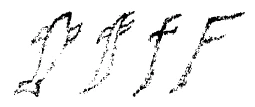
[ 23 ] Das ist nachgeahmt worden, das andere ist weggelassen worden. Dadurch entsteht das Zeichen des Lautes. Man braucht nicht Studien zu machen, um diese Dinge herauszufischen aus der Art und Weise, wie die Dinge sich entwickelt haben. Das ist nicht unbedingt notwendig für den Lehrer. Er kann es bloß, wenn er durch Intuition, ja mit Phantasie die Dinge entwickelt.
[ 23 ] One aspect has been imitated, while the other has been omitted. This gives rise to the symbol for the sound. One does not need to conduct studies to discern these things from the way events have unfolded. This is not strictly necessary for the teacher. He can do so only if he develops these insights through intuition—indeed, through imagination.
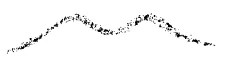
[ 24 ] Er sieht zum Beispiel den Mund; versucht, daß die Kinder die Oberlippe malen, daß es zum Malen der Oberlippe kommt. Jetzt bringt man es dahin, das Wort «Mund» auszusprechen. Wenn man jetzt das «und» wegläßt, hat man das «M». So kann man aus der Wirklichkeit heraus die ganzen Schriftzeichen erhalten. Und das Kind bleibt in fortwährender Lebendigkeit. Da lehrt man das Kind zuerst schreiben, indem sich die abstrakten Zeichen der heutigen Zivilisation aus dem Konkreten heraus entwickeln. Wenn man das Kind so an das Schreiben heranbringt, ist es als ganzer Mensch dabei beschäftigt. Läßt man es gleich lesen, so wird die Kopforganisation auch nur abstrakt beschäftigt; man beschäftigt nur einen Teil des Menschen. Geht man zuerst an das Schreiben, so nimmt man die Hand mit; der ganze Mensch muß in Regsamkeit kommen. Das macht, daß der Unterricht, wenn er aus dem Schreiben hervorgeht — nämlich einem Schreiben, das aus zeichnendem Bilden, aus bildendem Zeichnen entwickelt wird -, an den ganzen Menschen herankommt. Dann geht man über zum Lesenlernen, so daß dann auch wirklich mit dem Kopfe verstanden werden kann, was aus dem ganzen Menschen heraus im zeichnenden Malen, im malenden Zeichnen entwickelt worden ist. Da wird man etwas länger brauchen zum Schreiben- und Lesenlernen; allein es ist dabei auch die viel gesundere Entwickelung für das ganze Erdenleben von der Geburt bis zum Tode berücksichtigt.
[ 24 ] For example, he sees the mouth; he tries to get the children to draw the upper lip, so that they end up drawing the upper lip. Now he guides them to say the word “mouth.” If you now omit the “and,” you are left with the “M.” In this way, you can derive all written characters from reality. And the child remains in a state of constant liveliness. Here, the child is first taught to write by allowing the abstract symbols of modern civilization to develop from the concrete. When you introduce the child to writing in this way, the child is engaged as a whole person. If you have the child read right away, the mental processes are engaged only abstractly; you are engaging only a part of the human being. If you begin with writing, you involve the hand; the whole person must become active. This ensures that instruction, when it arises from writing—namely, writing that develops out of drawing-as-forming and forming-as-drawing—reaches the whole person. Then one moves on to learning to read, so that what has been developed from the whole person through drawing-as-painting and painting-as-drawing can then truly be understood with the mind. This means it will take a little longer to learn to write and read; yet this approach also takes into account the much healthier development for the entire earthly life, from birth to death.
[ 25 ] Das ist so, wenn die Handhabung des Unterrichtes fließt aus wirklicher Menschenerkenntnis. Die wird durch ihre eigene Kraft zur Methode in der Schule. Das ist es, was gerade heute in den Wünschen drinnen lebt, die sich nach einer anderen Erziehungskunst sehnen, was aber in seiner Wesenhaftigkeit nur gefunden werden kann, wenn man sich nicht scheut, auf eine volle Menschenerkenntnis nach Leib, Seele und Geist wirklich einzugehen.
[ 25 ] This is the case when the conduct of the lesson flows from a genuine understanding of human nature. This, through its own power, becomes the method in the school. This is precisely what lives today in the aspirations that yearn for a different art of education—but its true essence can only be found if one does not shy away from truly engaging with a full understanding of the human being—body, soul, and spirit.
Fragenbeantwortung
FAQ
Frage: Sind krankmachende Wirkungen von Erziehungsfehlern im Erwachsenenalter zu überwinden?
Question: Can the harmful effects of parenting mistakes be overcome in adulthood?
[ 26 ] Gewiß kann der Erwachsene Krankheitskeime, die ihm in der Kindheit anerzogen worden sind, überwinden; aber es handelt sich doch eigentlich darum, daß diese Arbeit dem Erwachsenen erspart werden kann, wenn man eben richtig erzieht. Natürlich ist es etwas anderes, wenn man, sagen wir, in der Kindheit so erzogen wird, daß auf dem Umweg durch das Seelische zum Beispiel Gichtkeime in den Menschen gelegt werden. Wenn man nicht gichtig wird, kann man etwas anderes tun, als sich der Gicht widmen in den Vierzigerjahren. Das ist gewiß angenehmer! Man betrachte nur diejenigen Menschen, die an solchen Dingen leiden, was alles sie damit zu tun haben! Natürlich muß dann alles dasjenige getan werden, was diese Dinge beseitigen kann — aber die eigentliche pädagogische Frage berührt das ja nicht. Es scheint mir, daß es von vornherein unbedingt einleuchten muß, daß, wenn man seelisch und geistig die Zusammenhänge erkennt, man so erziehen muß, daß der Körper durch die Erziehung zu solchen Anlagen nicht kommt. Dasjenige, was so keimhaft veranlagt ist, muß, wenn es ausbricht in einem späteren Lebensalter, dann natürlich physisch-therapeutisch geheilt werden, und man sollte nicht allzuviel halten von seelisch-geistigen Kuren, die im hohen Alter angewandt werden. Es gehört viel dazu; insbesondere solche Keime, die so gründlich im Organismus sitzen, wie die durch die Erziehung aufgenommenen, sind außerordentlich schwer auszumerzen, obwohl sie wie alles Krankhafte bekämpft werden sollen.
[ 26 ] Certainly, an adult can overcome pathogens that were instilled in them during childhood; but the real point is that adults can be spared this effort if they are raised properly. Of course, it is a different matter if, let’s say, one is raised in childhood in such a way that, through the psychological realm, the seeds of gout, for example, are planted within a person. If one does not develop gout, one can do something other than devote oneself to treating gout in one’s forties. That is certainly more pleasant! Just consider those people who suffer from such conditions—all the things they have to deal with! Of course, everything that can eliminate these conditions must then be done—but that does not touch upon the actual pedagogical question. It seems to me that it must be absolutely clear from the outset that, if one recognizes the connections on a psychological and spiritual level, one must educate in such a way that the body does not develop such predispositions through upbringing. Any predisposition that is latent in this way must, if it manifests later in life, naturally be treated with physical therapy, and one should not place too much stock in psychological or spiritual remedies applied in old age. It takes a great deal; in particular, such seeds that are so deeply rooted in the organism—such as those acquired through upbringing—are extraordinarily difficult to eradicate, although, like all pathological conditions, they must be combated.
Frage: Hat das Kind keine Kräfte des Ausgleiches in sich gegen die Schäden der Erziehung?
Question: Doesn't the child have any innate ability to counteract the negative effects of upbringing?
[ 27 ] Die hat es schon in sich. Gerade in einer sachgemäßen Schule werden solche Kräfte des Ausgleiches wirklich entwickelt. Die Keime können aufgehen, müssen es aber nicht. Diese Kräfte müssen aber in Wirklichkeit aus den Anlagen des Kindes hervorgerufen werden. Frage: Wie sind Linkshänder in das Schreiben einzuführen?
[ 27 ] That’s quite a challenge. It is precisely in a well-run school that such balancing forces are truly developed. The seeds may sprout, but they may not. In reality, however, these forces must be drawn out of the child’s innate abilities. Question: How should left-handed children be introduced to writing?
[ 28 ] Bei einem Linkshänder ist es schon notwendig, daß man versucht, möglichst viel dazu zu tun, ihn in einen Rechtshänder umzuwandeln. Nur wenn man sieht in der Praxis, daß es gar nicht gelingt, muß man natürlich mit der Linkshändigkeit fortarbeiten. Aber das einzig wünschenswerte ist, solche Linkshänder in Rechtshänder umzuwandeln; und das wird im wesentlichen ganz besonders mit Bezug auf das Schreiben, das zeichnende Schreiben meistens gelingen. Es ist im allgemeinen natürlich notwendig, daß man ein solches Kind, das man versucht, vom Linkshändigen zum Rechtshändigen überzuführen, sehr stark beobachtet; beobachtet namentlich, wie sehr leicht in einem gewissen Stadium, wenn man eine Zeitlang Anstrengungen gemacht hat, um die Linkshändigkeit in Rechtshändigkeit überzuführen, da gewisse Ideenflüchtigkeiten eintreten; daß das Kind auch unter Umständen wegen zu schnellen Denkens sich fortwährend im Denken ins Stolpern bringt, und dergleichen. Das muß man sorgfältig beachten und dann gerade die Kinder aufmerksam machen auf solche Dinge, weil es viel wesentlicher ist für die Entwickelung des ganzen Menschen, wie dieser Zusammenhang ist zwischen Arm- und Handentwickelung und Sprachzentrumentwickelung, als man gewöhnlich denkt; und vieles andere hat darauf einen Einfluß, ob ein Kind links- oder rechtshändig ist.
[ 28 ] In the case of a left-hander, it is indeed necessary to do everything possible to convert him into a right-hander. Only when one sees in practice that this is not at all successful should one, of course, continue working with the left-handedness. But the only desirable course of action is to convert such left-handers into right-handers; and this will generally succeed, particularly with regard to writing—specifically, cursive writing. In general, of course, it is necessary to observe such a child—whom one is trying to convert from left-handed to right-handed—very closely; observing, in particular, how easily—at a certain stage, after efforts have been made for some time to convert left-handedness to right-handedness—certain lapses in concentration occur; that the child, under certain circumstances, may constantly stumble in their thinking due to thinking too quickly, and the like. One must pay careful attention to this and then specifically draw the children’s attention to such things, because the connection between the development of the arm and hand and the development of the speech center is far more essential to the development of the whole person than is generally thought; and many other factors influence whether a child is left- or right-handed.
Frage: Ist es empfehlenswert, Kinder von 10 bis 12 Lebensjahren in der Spiegelschrift sich üben zu lassen?
Question: Is it a good idea to have children ages 10 to 12 practice writing in mirror writing?
[ 29 ] Warum es eigentlich irgend empfehlenswert sein soll, einem Kinde von 10 bis 12 Jahren in Spiegelschrift Schreiben und Lesen beizubringen, ist mir nicht verständlich. Ich kann nicht annehmen, daß das aus irgendeiner Ecke des Lebens heraus irgend wünschenswert sein sollte. Die Sache ist so, daß wenn man zum geistigen Schauen aufsteigt, so bekommt man in der Regel für alles dasjenige, was noch wie eine Nachwirkung aus dem physischen Leben da ist, ein Spiegelbild. Es ist durchaus so, daß wenn man hinaufträgt in die geistige Welt ein Geschriebenes, so hat man oben ein Spiegelbild. Nehmen wir ein Beispiel: Jemand versuchte — ich will über diese Dinge ganz frank und frei sprechen - sich an eine Menschenwesenheit, die durch den Tod gegangen ist, an eine post mortem lebende Persönlichkeit zu wenden, und zu dem, was man da erlebt mit dieser Persönlichkeit, hätte man nötig irgendein Geschriebenes aus dem physischen Leben zum Vergleichen. Dann erscheint diese Schrift, die man sonst kennt, so wie sie geschrieben ist, so, wie wenn man sie in Spiegelschrift durchlesen würde. Es übersetzt sich das physisch in normaler Weise Geschriebene, wenn man ins Geistige hinüberschaut, in das Spiegelbild seiner selbst. Würde man einem Kinde künstlich Spiegelschrift beibringen, so würde man sehr viel tun, um das Kind erdenfremd zu machen, vor allen Dingen, um es fremd des Gebrauches seines Kopfes zu machen. Das sollte man nicht tun; es könnte das unter Umständen enden mit bedeutsamen seelischen und geistigen Störungen. Gerade die anthroposophische Erziehungskunst ist darauf bedacht, die Menschen nicht hinaufzuführen in Wolkenkuckucksheime, sondern sie auf das physische Leben vorzubereiten. Herausreißen könnte das Kind aus dem physischen Leben eine solche Maßnahme, es Spiegelschrift schreiben und lesen zu lehren.
[ 29 ] I cannot understand why it should actually be considered advisable to teach a child aged 10 to 12 to read and write in mirror writing. I cannot imagine that this could be desirable in any aspect of life. The fact is that when one ascends to spiritual vision, one generally receives a mirror image of everything that still remains as an aftereffect from physical life. It is certainly true that when one carries a written text up into the spiritual world, one has a mirror image of it up there. Let’s take an example: Someone attempted—I want to speak quite frankly and freely about these things—to address a human being who has passed through death, a personality living in the afterlife, and in order to make sense of what one experiences with this personality, one would need some written text from physical life for comparison. Then this writing, which one otherwise knows, appears just as it is written—as if one were reading it in mirror writing. What is written in the physical world in the normal way is transformed, when one looks into the spiritual realm, into a mirror image of itself. If one were to artificially teach a child to write in mirror writing, one would be doing a great deal to make the child alienated from reality—above all, to make the child alienated from the use of its own mind. One should not do this; under certain circumstances, it could result in significant psychological and spiritual disturbances. Anthroposophical education, in particular, is concerned not with leading people up into a fantasy world, but with preparing them for physical life. Teaching a child to write and read in mirror writing could tear the child away from physical life.
Frage: Warum ist die Schreibrichtung in den europäischen Sprachen von links nach rechts, im Hebräischen von rechts nach links, im Chinesischen von oben nach unten?
Question: Why is the writing direction in European languages from left to right, in Hebrew from right to left, and in Chinese from top to bottom?
[ 30 ] Was die Anordnung der Schrift betrifft, Schreiben von links nach rechts und so weiter, so führt das in sehr starke Tiefen der Kulturgeschichte hinein. Es kann höchstens eine kleine Andeutung gegeben werden. Es handelt sich darum, daß in früheren Zeiten der menschlichen Entwickelung ein instinktives Schauen bei den Menschen vorhanden war, daß die Menschen die physischen Erscheinungen tatsächlich nicht so intensiv gesehen haben, wie sie das heute tun, dafür aber das in den physischen Erscheinungen lebende Geistige. Man stellt sich gewöhnlich nicht klar genug vor, wie anders der Mensch in alten Zeiten in die Welt geschaut hat als heute. Die Menschen denken so leicht, ein alter Grieche habe etwa zum Himmel hinaufgeschaut und habe die Bläue, weil das südliche Blau noch intensiver ist als das nördliche, in derselben Schönheit gesehen, wie es der heutige Grieche sieht. Das ist nicht der Fall. Das griechische Auge hat noch nicht so einen lebendigen Eindruck von dem Blau haben können. Das läßt sich nachweisen durch das Wort, das den Griechen fehlt. Die Griechen haben alles in mehr nach dem Rot und Gelb hinneigenden Nuancen gesehen, haben den Himmel mehr grünlich als bläulich gesehen. Das ganze Seelenleben der Menschen, insofern es auch von den Sinnen abhängig ist, hat sich im Laufe der Zeiten geändert. - Weil das Hebräische mit Recht genannt werden kann eine derjenigen Sprachen, die den lebendigen Zusammenhang haben mit der menschlichen Urschrift, so haben sie gerade dieses noch erhalten, den Zug von rechts nach links, der sich bei uns nur noch erhalten hat in dem Rechnen, das wir zwar auch als eine alte Erbschaft in unserer Zivilisationsära haben - eine viel ältere Erbschaft als unsere Handschrift -, von dem wir es aber nur nicht bemerken. Wenn Sie addieren oder subtrahieren, also rechnen — was aus morgenländischer Anschauung stammt -, so schreiben Sie zwar zunächst die Zahlen von links nach rechts, aber die Natur der Zahlen selbst erfordert von Ihnen, daß sie von rechts nach links die Rechnung machen. Daraus können Sie noch gut ablesen, wie unser Zahlensystem viel älteren Ursprungs ist als unser Schriftsystem. Das ist dasjenige, was darüber etwa zu sagen ist. Wenn Sie dann die Schrift nehmen im Chinesischen: Nun, da brauchen Sie nur den ganzen Habitus der chinesischen Kultur ins Auge zu fassen, die darauf angelegt ist, statt desjenigen, was wir ganz lebendig haben im Kosmos oder aus dem Kosmos — das Umkreisen um die Erde, die Richtung von links nach rechts oder von rechts nach links -, das hat der Chinese in seinem Gefühl nicht so. Er hat in der Richtung von unten nach oben oder von oben nach unten die zunächst älteste Richtung, in die sich das menschliche Fühlen hineinversetzen kann.
[ 30 ] As for the direction of writing—from left to right and so on—this takes us into the very depths of cultural history. At most, only a brief hint can be given. The point is that in earlier times of human development, people possessed an instinctive way of seeing; they did not, in fact, perceive physical phenomena as intensely as they do today, but rather the spiritual aspect living within those physical phenomena. People usually do not realize clearly enough how differently human beings viewed the world in ancient times compared to today. People so easily imagine that an ancient Greek, for example, looked up at the sky and saw the blue—since the southern blue is even more intense than the northern blue—with the same beauty as a modern Greek sees it. That is not the case. The Greek eye could not yet have had such a vivid impression of the blue. This can be demonstrated by the word that is missing from the Greek language. The Greeks perceived everything in shades tending more toward red and yellow; they saw the sky as more greenish than bluish. The entire inner life of human beings, insofar as it also depends on the senses, has changed over the course of time. - Because Hebrew can rightly be called one of those languages that have a living connection to the original human script, it has preserved precisely this feature: the direction of writing from right to left, which has survived among us only in arithmetic—a practice we indeed also possess as an ancient legacy in our era of civilization—a legacy far older than our handwriting—but one we simply do not notice. When you add or subtract—that is, when you do arithmetic—which stems from an Eastern perspective—you do indeed write the numbers from left to right at first, but the nature of the numbers themselves requires that you perform the calculation from right to left. From this, you can clearly see how our number system has much older origins than our writing system. That is essentially what can be said about it. If you then consider Chinese writing: Well, there you need only take into account the entire character of Chinese culture, which is structured in such a way that, instead of what we experience so vividly in the cosmos or from the cosmos—the orbiting around the Earth, the direction from left to right or from right to left—the Chinese do not perceive it that way in their sensibility. For them, the direction from bottom to top or from top to bottom is the oldest direction into which human feeling can project itself.
Frage: Zur Frage des Religionsunterrichts.
Question: Regarding religious education.
[ 31 ] Ich habe schon erwähnt, daß wir in der Waldorfschule das so eingerichtet haben, daß wir den Religionsunterricht der katholischen Kinder durch den katholischen Priester, den der evangelischen Kinder durch den Pastor besorgen lassen, daß wir nur diejenigen Kinder freireligiös erziehen, deren Eltern dies wünschen. Für diese Kinder ist zu nächst eine Art von Pädagogik-Didaktik für den Religionsunterricht auszuarbeiten gewesen. Für die Pflege des katholischen und evangelischen Unterrichtes sind die betreffenden Lehrer maßgebend. Dasjenige, was in unserem freien Religionsunterricht gepflegt wird, unterliegt ganz denselben Gesetzen wie der übrige Unterricht, insofern sie auf geistiger Menschenerkenntnis überhaupt beruhen. Man richtet den Religionsunterricht so ein, daß man vor allen Dingen davon ausgeht, das im Kinde seelisch-geistig entwickeln zu lassen in der zweiten Lebensepoche, was in der ersten Lebensepoche naturhaft vorhanden ist. Ich habe auseinandergesetzt, wie in der ersten Lebensepoche der Leib des Kindes sich naturhaft-religiös zu der Umgebung verhält. Das tritt dann zurück ins Seelische, indem der Leib sich emanzipiert, und man muß nun im Seelisch-Geistigen wiedererwecken diese Hingabe an die Umgebung. Das erreicht man am besten, wenn man versucht, ein Gefühl vor allen Dingen in dem Kinde zu entwickeln für das, was man ihm märchenhaft, legendenhaft übermittelt. Darum handelt es sich vor allen Dingen, daß man versucht, in ihm die Empfindung der Dankbarkeit für das Dasein, für die Schönheiten, die die Welt bietet, zu erwecken. Ist man in der Lage, die Dankbarkeit zu erwecken, dann geht dieses schon allmählich über in das Gefühl der Liebe. Daraus läßt sich das Moralische entwickeln.
[ 31 ] I have already mentioned that at the Waldorf School we have arranged things so that religious instruction for Catholic children is provided by a Catholic priest and for Protestant children by a pastor, and that we provide a non-denominational religious education only to those children whose parents request it. For these children, it was first necessary to develop a specific pedagogical and didactic approach for religious education. The respective teachers are responsible for conducting the Catholic and Protestant instruction. What is taught in our non-denominational religious education is subject to exactly the same principles as the rest of the curriculum, insofar as it is based on spiritual understanding of human nature. Religious education is structured in such a way that, above all, it aims to allow the child to develop—in the second stage of life—what is naturally present in the first stage of life, in a spiritual and soulful way. I have explained how, in the first stage of life, the child’s body relates to its surroundings in a naturally religious way. This then recedes into the soul as the body becomes emancipated, and one must now reawaken this devotion to the surroundings in the soul and spirit. This is best achieved by trying, above all, to develop in the child a feeling for what is conveyed to them through fairy tales and legends. Above all, the aim is to try to awaken in the child a sense of gratitude for existence and for the beauties the world offers. If one is able to awaken this gratitude, it will gradually give way to a feeling of love. From this, morality can develop.
Frage: Zur pädagogisch-didaktischen Behandlung der Temperamente.
Question: On the pedagogical and didactic treatment of the temperaments.
[ 32 ] Das sanguinische Kind hat seine Eigentümlichkeit darin, daß es aus einer inneren Anlage heraus von einem Eindruck zum anderen überspringt, bei einem Eindruck nicht lange festgehalten werden kann, aber diesen Eindruck doch lebendig aufnimmt. Das Kind kann tatsächlich am besten dadurch behandelt werden, daß man zunächst als Lehrer und Erzieher versucht, dieser Eigentümlichkeit des Kindes nachzugeben. Man versucht, dasselbe Tempo einzuhalten im Überspringen von einem Eindruck zu dem anderen; und versucht dann die Sache noch zu erhöhen, so daß man schneller, als das Kind eigentlich aus seinem sanguinischen Temperament heraus nach neuen Eindrücken verlangt, ihm solche neuen Eindrücke bringt, Eindrücke, die es ganz gut interessieren, bis zu einem Momente, wo sich etwas in dem Kinde regt. Man wird es immer bemerken, daß sich so etwas in dem Kinde regt, so daß es zu der Empfindung kommt: man soll nicht so schnell vorwärtsgehen, soll etwas länger verweilen bei dem einen Eindruck. Hat man es so weit gebracht, daß das sanguinische Kind gewissermaßen übersanguinisiert worden ist, daß es das empfunden hat, wird man sehr leicht finden, wie in der Tat dieses sanguinische Kind, wenn man das bemerklich macht: eigentlich wollte man schneller vorwärtsgehen, als es mitkann, wird man also allmählich bemerken — natürlich müssen solche Dinge mit großer Konsequenz durchgeführt werden -, wie gesundend man so allmählich auf das sanguinische Kind wirken kann. Wie man überhaupt gegenüber den Temperamenten des Kindes beachten muß, daß man als Lehrer, als Erzieher die Dinge so zu behandeln hat, daß man Gleiches durch Gleiches korrigiert; daß man einen richtigen Eindruck hat von der besonderen Art des Kindes, und daß man dann Gleiches durch Gleiches korrigiert, indem man die Dinge steigert. Alles kommt darauf an, daß man als Lehrer und Erzieher sich wirklich in die Kinder hinüberversetzen kann, in ihnen aufgehen kann: mit dem sanguinischen Kinde sanguinisch, mit dem cholerischen Kinde cholerisch, mit dem melancholischen Kinde melancholisch, mit dem phlegmatischen Kinde phlegmatisch sein kann. Das phlegmatische Kind wird am besten dadurch kuriert, daß man mit ihm phlegmatisch wird, und es dadurch in einer phlegmatischen Selbsterkenntnis auf sein Temperament aufmerksam wird. Man wird finden, daß Regeln nicht viel nützen; daß es sich in dieser Schulpraxis vielmehr darum handelt, mit dem Kinde cholerisch, phlegmatisch und so weiter werden zu können. — Es ist notwendig, daß man über ein ausgesprochenes Temperament, das man als Lehrer selber hat, hinauskommen kann. Ein Lehrer, der immer dasselbe zornmütige Gesicht hat und die Kinder immer anfährt, oder der sanguinisch ist und das in der Schule auslebt, wird nicht imstande sein, in das Temperament des Kindes überzugehen. Das zu können, ist aber wichtiger als alle Regeln, die man sonst geben kann.
[ 32 ] The sanguine child is characterized by an innate tendency to leap from one impression to another; he cannot hold his attention on a single impression for long, yet he absorbs that impression vividly. In fact, the best way to deal with this child is for the teacher and educator to first try to accommodate this particular trait. One tries to maintain the same pace as the child jumps from one impression to the next; and then tries to take it a step further, so that—faster than the child’s sanguine temperament actually demands new impressions—one provides the child with such new impressions, impressions that interest the child quite a bit, until a moment comes when something stirs within the child. One will always notice that something stirs within the child, leading it to the realization: one should not move forward so quickly; one should linger a little longer on a single impression. Once one has brought the child to the point where the sanguine child has, so to speak, become “over-sanguine”—that is, once the child has sensed this—one will very easily discover that, in fact, when one points out to this sanguine child: “Actually, one wanted to move forward faster than the child can keep up,” one will gradually notice—of course, such things must be carried out with great consistency—how healing one can gradually be to the sanguine child. In general, when dealing with a child’s temperament, one must bear in mind that as a teacher or educator, one must handle matters in such a way that one corrects like with like; that one has a correct impression of the child’s particular nature, and that one then corrects like with like by intensifying the activities. It all comes down to the teacher and educator truly being able to put themselves in the children’s shoes, to become one with them: to be sanguine with the sanguine child, choleric with the choleric child, melancholic with the melancholic child, and phlegmatic with the phlegmatic child. The phlegmatic child is best guided by becoming phlegmatic with him or her, thereby helping the child become aware of his or her own temperament through phlegmatic self-awareness. One will find that rules are of little use; rather, this school practice is about being able to become choleric, phlegmatic, and so on with the child. — It is necessary to be able to transcend one’s own pronounced temperament as a teacher. A teacher who always has the same angry expression and is constantly snapping at the children, or who is sanguine and acts on that in school, will not be able to attune to the child’s temperament. Being able to do so, however, is more important than any rules one might otherwise lay down.
Frage: Wie stellt sich anthroposophische Pädagogik zur Anwendung des Dialektes in der Volksschule für die unteren oder die oberen Klassen?
Question: What is the anthroposophical approach to the use of dialect in elementary school, specifically for the lower or upper grades?
[ 33 ] Es ist im allgemeinen da, wo ein Dialekt lebt, von außerordentlich großer Wichtigkeit, ihn in der Schule zu pflegen; sonst ist es so, daß das Kind zu einer Sprache, die ihm fremd ist, ein abstraktes Verhältnis gewinnt, während es das konkrete Verhältnis zum Dialekt hat. Man sollte erst einmal aus dem Dialekt heraus dasjenige entwickeln, was sich in der allgemeinen Sprache, wie man sie nennen kann, findet; aus dem Dialekt, der auch gewöhnlich innerlich lebendiger, reicher ist. Wenn ein Kind im Dialekt lebt, nimmt man ihm etwas von dem lebendigen Verbundensein mit dem inneren Sprachgenius, wenn man seinen Dialekt nicht respektiert und das Kind in eine andere Sprache einführt.
[ 33 ] Wherever a dialect is spoken, it is generally of extraordinary importance to cultivate it in school; otherwise, the child develops an abstract relationship to a language that is foreign to him, while he maintains a concrete relationship to the dialect. One should first develop, from the dialect, those elements found in what might be called the standard language—from the dialect, which is usually more vibrant and richer in its inner life. When a child lives in a dialect, failing to respect that dialect and introducing the child to another language robs the child of some of that vibrant connection to the inner genius of language.
Frage: Ist es bedeutsam, ob man mehrere Sprachen vor oder nach dem Zahnwechsel an das Kind heranbringt?
Question: Does it matter whether a child is introduced to multiple languages before or after losing their baby teeth?
[ 34 ] Wir haben es in der Waldorfschule so, daß wir mit den Kindern, die in die Schule kommen, sogleich nicht nur die deutsche, sondern auch die englische und die französische Sprache pflegen; so daß das Kind, vom Zahnwechsel angefangen, sich sogleich in die anderen Sprachen hineinfindet. Es findet sich das Kind, weil in diesem Lebensalter die innere plastische Tätigkeit am größten ist, dann am leichtesten hinein. Fraglich ist es, ob es für das Kind gut ist, wenn es etwas vor dem Zahnwechsel die verschiedenen Sprachen nebeneinander lernt, aus dem Grunde, weil das innere Verbundensein mit der Sprache etwas außerordentlich Gutes ist. Es wird der ganze Mensch mit Leib, Seele und Geist mit der Sprache verbunden. Das Kind will ja sich an der Sprache erziehen. Wenn das Kind sogleich alle möglichen Sprachen lernt, kann diese Erziehung zu sehr auseinanderfallen.
[ 34 ] At the Waldorf School, we begin cultivating not only German but also English and French with the children as soon as they enter school; this way, starting from the time their baby teeth begin to fall out, the child immediately finds their way into the other languages. The child finds it easiest to do so at this age because inner plasticity is at its peak. It is questionable whether it is good for the child to learn different languages side by side before losing their baby teeth, for the reason that the inner connection with language is something extraordinarily good. The whole person—body, soul, and spirit—becomes connected to language. After all, the child wants to educate itself through language. If the child learns all kinds of languages at once, this education can become too fragmented.