

Physiological Therapeutics
based on Spiritual Science
GA 314
9 October 1920, Dornach
Translate the original German text into any language:
Versions Available:
Physiological Therapeutics based on Spiritual Science, tr. SOL
Physiologisch-therapeutisches auf Grundlage der Geisteswissenschaft IV
Physiological Therapy Based on the Spiritual Science IV
[ 1 ] Heute abend möchte ich Ihnen noch einzelne Ergänzungen geben zu jenen Vorträgen, die ich in diesen Tagen hier unfreiwillig habe halten müssen. Ich möchte gewissermaßen aphoristisch auf einiges hindeuten, das doch aufklärend noch wirken kann auf dasjenige, was als Prinzipien für eine Befruchtung gerade des medizinisch-therapeutischen Studiums durch die Geisteswissenschaft dienen kann. Es wird ja selbstverständlich aus den Gründen, die ich schon heute morgen angedeutet habe, nicht sehr in Details eingegangen werden können, nicht so sehr wegen der Kürze der Zeit — das auch natürlich —, sondern vor allen Dingen darum, weil dennoch die Detailerkenntnisse einer eigentlichen fachlichen Auseinandersetzung vorbehalten werden müssen, wiederum aus den Gründen, die ich schon heute morgen vorgebracht habe. Jedoch möchte ich gerade nach dieser Richtung hin einiges noch beitragen, welches zum allgemeinen Verständnis des medizinischen Wesens führen kann, so daß gerade eine Art sozialer Wirkung aus diesem Teile geisteswissenschaftlich medizinischer Betrachtung hervorgehen kann, nämlich die Begründung eines gewissen Vertrauens zwischen Publikum und Ärzteschaft. Je besser das Verständnis sein wird, das man dem medizinischen Wesen wird entgegenbringen können, desto besser wird auch dieses medizinische Wesen wirken können.
[ 1 ] This evening, I would like to offer you a few additional remarks on the lectures I have been compelled to give here over the past few days. I would like, in a sort of aphoristic way, to point out a few things that may still serve to shed light on what can function as principles for enriching the study of medicine and therapy through the Spiritual Science. Of course, for the reasons I already indicated this morning, it will not be possible to go into great detail—not so much because of the limited time available—though that is certainly a factor—but above all because detailed knowledge must be reserved for a proper specialized discussion, again for the reasons I already mentioned this morning. However, I would like to contribute a few more thoughts in this direction, which may lead to a general understanding of the nature of medicine, so that a kind of social impact may emerge from this aspect of Spiritual Science medical consideration—namely, the establishment of a certain trust between the public and the medical profession. The better the understanding people can bring to the nature of medicine, the more effectively this nature of medicine will be able to function.
[ 2 ] Nun habe ich Sie heute morgen darauf aufmerksam gemacht, wie eigentlich das Leben des menschlichen Organismus darinnen besteht, daß in völlig entgegengesetzter Weise das Nerven-Sinnessystem, kurz, das Kopfsystem und das Gliedmaßen-Stoffwechselsystem wirken, die dann durch das rhythmische System ihren Ausgleich erfahren. Es wird gewissermaßen alles dasjenige, was die Abbauprozesse sind, die ganz notwendigen Abbauprozesse des Nerven-Sinnessystems, fortwährend in Einklang und Austausch gebracht mit dem, was die Aufbauprozesse sind des Gliedmaßen-Stoffwechselsystems. Sie können sich denken — und man kann das im einzelnen nachweisen —, daß daher die beiden Systeme des menschlichen Organismus durchaus im entgegengesetzten Sinne wirken, daß sie auch gewissermaßen aufeinander so wirken, daß, was in dem einzelnen, zum Beispiel im Gliedmaßen-Stoffwechselsystem vorgeht, nicht zu stark dadurch beeinträchtigt werden darf, daß gewissermaßen mit einem Unberücksichtigtlassen des rhythmischen Systems diejenige Tätigkeit, die eigentlich nur geeignet ist für das Kopfsystem, hereinwirkt in das Gliedmaßen-Stoffwechselsystem. Und wenn man einmal in einer hinreichenden Weise durchschaut hat, um was es sich da handelt, wird man auch begreiflich finden, wie allerdings solche Übergriffe des einen Systems auf das andere stattfinden können, wie, mit anderen Worten, das Kopfsystem, das Nerven-Sinnessystem — in dem ja auch Stoffwechselprozesse vor sich gehen müssen, wie ich Ihnen auseinandergesetzt habe —, einmal auch überwuchert werden kann von solchen Stoffwechselprozessen, so daß gewissermaßen diese Stoffwechselprozesse das Kopfsystem innerlich funktionell verähnlichen dem Gliedmaßen-Stoffwechselsystem. Und das Umgekehrte kann stattfinden. Es kann, weil ja im Gliedmaßen-Stoffwechselsystem durchaus auch, wenn auch im normalen Leben in untergeordneter Weise, dasselbe Funktionensystem wirksam ist wie im Kopfe, einmal übergreifen, gewissermaßen eine zu große Intensität gewinnen im Stoffwechsel-Gliedmaßensystem diejenige Tätigkeit, die dort nur ein bestimmtes Maß erreichen sollte und ihre eigentliche Bedeutung im Haupte hat.
[ 2 ] This morning I drew your attention to how the life of the human organism actually consists of the nervous-sensory system—in short, the head system—and the limb-metabolic system functioning in completely opposite ways, which are then balanced by the rhythmic system. In a sense, all the processes of breakdown—the absolutely necessary processes of breakdown in the nervous-sensory system—are continually brought into harmony and exchange with the processes of building up in the limb-metabolic system. You can imagine—and this can be demonstrated in detail—that the two systems of the human organism therefore function in entirely opposite ways, and that they also interact with one another in such a way that what takes place in one system, for example in the limb-metabolic system, must not be unduly impaired by the fact that—in a sense, by disregarding the rhythmic system—the activity that is actually suited only for the head system influences the limb metabolic system. And once one has sufficiently grasped what is at stake here, one will also find it understandable how such encroachments of one system upon the other can indeed occur—how, in other words, the head system—the nervous-sensory system—in which metabolic processes must also take place, as I have explained to you—can at times become overrun by such metabolic processes, so that, in a sense, these metabolic processes make the head system functionally similar to the limb-metabolic system. And the reverse can occur. This is possible because, since the same functional system is at work in the limb metabolic system—albeit in a subordinate manner in normal life—as in the head, the activity in the limb metabolic system that is supposed to reach only a certain level there and has its true significance primarily in the head can, at times, spill over and, so to speak, gain excessive intensity.
[ 3 ] Es kann, mit anderen Worten, einmal die Nerven-Sinnestätigkeit, die auch vorhanden ist im Gliedmaßen-Stoffwechselsystem, dadurch, daß auf sie stark imprägnierend die Kopftätigkeit wirkt, zum Beispiel im Unterleibe eine überwiegende werden, oder besser gesagt eine solche werden, deren Intensität zu groß ist. Dann wird dasjenige in den Organen des Unterleibes vor sich gehen, was normalerweise als Abbauprozesse nur im Nerven-Sinnessystem vor sich gehen soll. Es wird natürlich im Unterleibssystem eine andere Gestalt annehmen, aber es wird dort, ich möchte sagen, sein Unwesen treiben. Wir können in der Tat, wenn wir so hineinblicken in die Organisation des Menschenwesens, in dem, was ich eben beschrieben habe, die Entstehung einer schweren menschlichen Erkrankung erkennen, nämlich des Typhus abdominalis. Der Typhus kann gewiß äußerlich empirisch beobachtet werden hinsichtlich seiner Erscheinung, aber verstanden und hineingestellt in die ganze menschliche Organisation kann er nur werden, wenn man in dieser Weise, ich möchte sagen, vom Standpunkt einer rationellen Medizin aus — um diese goethesche Bezeichnungsweise zu gebrauchen — das Menschenwesen durchschaut. Ich habe Ihnen dann auch heute morgen gezeigt, wie man übergehen kann vom Physiologisch-Pathologischen zum Therapeutischen, indem man nicht nur dasjenige zu durchschauen versucht, was im Menschenwesen vor sich geht, sondern mit zu durchschauen versucht dasjenige, was in der äußeren Natur vor sich geht. In der äußeren Natur finden Prozesse statt, die, wenn man sie in der richtigen Weise durchschaut, eingeführt werden können durch Übertragung der entsprechenden Stoffe in den menschlichen Organismus, und die dort, weil in einer gewissen Weise die äußere Natur, sagen wir, die Pflanzennatur durch ihr Emporstrebendes im entgegengesetzten Sinne wirkt wie das Hinunterstrebende der Menschenwesenheit, dort gewisse Prozesse aufhalten, die in unrichtiger Weise spielen zwischen den drei Systemen des menschlichen Organismus.
[ 3 ] In other words, the nervous-sensory activity—which is also present in the metabolic system of the limbs—can, due to the strong influence of the activity of the head, become predominant in the lower abdomen, for example, or, to put it better, become one whose intensity is too great. Then what normally occurs as catabolic processes only within the nervous-sensory system will take place in the organs of the lower abdomen. It will, of course, take on a different form in the lower abdominal system, but it will, I might say, wreak havoc there. In fact, when we look into the organization of the human being in this way, we can recognize in what I have just described the development of a serious human disease, namely abdominal typhoid. Typhoid fever can certainly be observed empirically from the outside in terms of its symptoms, but it can only be understood and placed within the context of the entire human organism if one, I would say, from the standpoint of rational medicine—to use this Goethean term—sees through the human being in this way. I also showed you this morning how one can move from the physiological-pathological to the therapeutic by attempting not only to penetrate what is taking place within the human being, but also to penetrate what is taking place in the external natural world. In the external natural world, processes take place which, if understood correctly, can be introduced into the human organism through the administration of the corresponding substances, and which, because in a certain sense external nature—let us say, the nature of plants—acts in the opposite direction through its upward striving compared to the downward striving of the human being, can halt certain processes there that are operating incorrectly between the three systems of the human organism.
[ 4 ] Interessant ist zu beobachten, wie dasjenige, was ich Ihnen heute morgen mehr dargestellt habe für die pflanzliche Welt und ihren Zusammenhang mit dem Menschen, auch für die mineralische Welt durchschaut werden kann. Da müssen wir aber, um für die mineralische Welt die Sache zu durchschauen, zu gewissen anthroposophischen Erkenntnissen über den Menschen greifen.
[ 4 ] It is interesting to observe how what I described to you in greater detail this morning regarding the plant world and its connection to human beings can also be understood in relation to the mineral world. However, in order to understand this in relation to the mineral world, we must draw upon certain anthroposophical insights about human beings.
[ 5 ] Im Menschen wirkt das Geistig-Seelische, das Ätherische, das Physische. Dieses Geistig-Seelische wirkt so — Sie haben es ja durch die Auseinandersetzung dieser Vorträge erkennen können —, daß es durchdrungen sein kann von dem vollen Ich-Bewußtsein. Dann ist der Mensch gewissermaßen in seiner normalen Organisation. Oder es kann auch das Ich-Bewußtsein irgendwie abgelähmt sein, zurücktreten. Wenn dann das Geistig-Seelische in irgendeiner Weise rumort, seine eigenen Wege geht, ohne daß es in der richtigen Weise von dem Ich durchdrungen wird, dann entstehen die verschiedenen Gebiete der sogenannten geistigen Erkrankung. Aber alles dasjenige, was geistig-seelisch am Menschen ist, sowohl, ich möchte sagen, das, was man, anthroposophisch benannt, unter dem Astralischen versteht — das ist das mehr unterbewußte, traumhafte oder aber ganz unbewußte Seelenleben —, als auch dasjenige, was man unter der IchWirksamkeit — das ist das vollbewußte Seelenleben — versteht, alles das hat in gewisser Weise seinen physischen Träger, durch den es im physischen Leben wirkt. So daß wir sagen können: Wir müssen, wenn wir den Menschen betrachten, nicht bloß unseren Blick hinwenden auf dasjenige, was zum Beispiel die Ich-Tätigkeit, die eine rein geistige ist, ausmacht, sondern wir müssen auch unseren Blick werfen auf dasjenige, was im Organismus der eigentliche Träger dieser IchTätigkeit ist. Und da finden wir, daß der eigentliche Träger dieser Ich-Tätigkeit im wesentlichen im Blute verankert ist.
[ 5 ] In human beings, the spiritual-soul aspect, the etheric aspect, and the physical aspect are at work. This spiritual-soul aspect functions in such a way—as you have been able to recognize through the analysis in these lectures—that it can be permeated by full ego-consciousness. Then the human being is, so to speak, in his or her normal state. Or the sense of self may also be somehow dulled or recede. When the spiritual-soul aspect then stirs in some way, going its own way without being properly permeated by the sense of self, this gives rise to the various forms of so-called mental illness. But everything that is spiritual-soul in the human being—both, I would say, what is understood in anthroposophical terms as the astral—that is, the more subconscious, dreamlike, or even entirely unconscious life of the soul—as well as what is understood as ego activity—that is, the fully conscious life of the soul—all of this has, in a certain sense, its physical vehicle through which it acts in physical life. So we can say: When we consider the human being, we must not merely turn our gaze to what, for example, constitutes the “I-activity”—which is a purely spiritual activity—but we must also turn our gaze to what, within the organism, is the actual vehicle of this “I-activity.” And there we find that the actual vehicle of this “I” activity is essentially anchored in the blood.
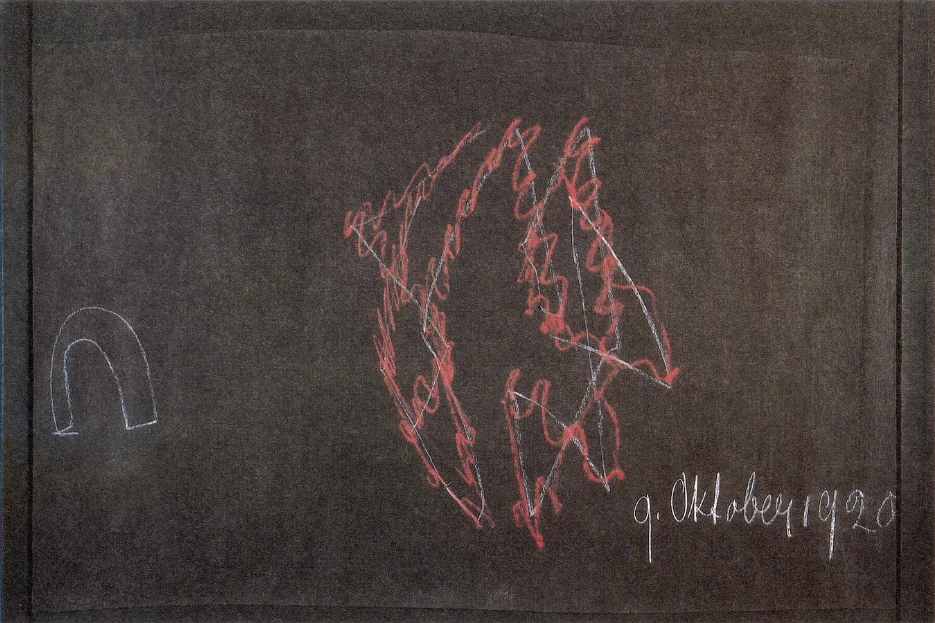
[ 6 ] Es würde sehr weit führen, wenn ich — was durchaus sein könnte — Ihnen im einzelnen zeigen wollte, wie gerade durch die besondere Wirksamkeit des Blutes, durch das Zusammenwirken der Stoffwechseltätigkeit im Blute mit der rhythmischen Tätigkeit im Blute, das Ich mit dem übrigen Seelischen zusammenwirkt. Was uns aber jetzt in diesem Augenblicke mehr interessieren soll, das ist die Brücke vom Physiologisch-Pathologischen hinüber ins Therapeutische. Und da finden wir denn etwas außerordentlich Wichtiges. Wir können gewissermaßen das physische Gerüste, den physischen Träger eines Geistig-Seelischen, also sagen wir des vollbewußten Ich, so beeinflussen durch irgendwelche Prozesse, die wir in ihm verursachen, daß er sich gewissermaßen der Ich-Tätigkeit entzieht, daß er aber eine ähnliche Funktion ausführt, wie sonst nur unter dem Einflusse der Ich-Tätigkeit. Ich will einen besonderen Fall nach dieser Richtung hervorholen. Bitte denken Sie sich einmal — ich will jetzt schematisch zeichnen — durch das menschliche Blutsystem gewissermaßen gerüstförmig, in einem Kräftegerüste aufgebaut dasjenige, was als Ich-Tätigkeit wirkt. Die Ich-Tätigkeit selbst möchte ich dadurch bezeichnen, daß ich längs der Linie dieses Kräftegerüstes farbige Streifen zeichne, welche dann das Geistig-Seelische der Ich-Tätigkeit bilden (siehe Zeichnung, rot). Wenn man nun in einer gewissen Weise die der Ich-Tätigkeit zugrunde liegende Kräfteorganisation beeinflussen kann, so kann es sein, daß diese Kräfteorganisation sich gewissermaßen verselbständigt, sich herausreißt und als physische Wirksamkeit, als ein Gerüste von physischen Wirkungskräften sich heraussondert aus dem Geistig-Seelischen, aber dennoch gewissermaßen wie ein Abbild desjenigen, was die geistig-seelische Tätigkeit ist, doch bloß physisch wirkt. Man gliedert sich dann in gewisser Weise eine Art Doppelgänger ein, der im tief Unterbewußten drunten wirkt, der aber ähnlich wirkt, nur eben im Raume, das heißt nur physisch, wie er sonst wirkt, wenn er lediglich hingebungsvoll das Werkzeug für die Ich-Tätigkeit ist.
[ 6 ] It would take us too far afield if I were to show you in detail—as I certainly could—how the “I” interacts with the rest of the soul precisely through the special efficacy of the blood, through the interplay of metabolic activity in the blood with its rhythmic activity. But what should interest us more at this very moment is the bridge from the physiological-pathological realm over into the therapeutic realm. And there we find something extraordinarily important. We can, so to speak, influence the physical framework—the physical vehicle of a spiritual-soul aspect, that is, let us say, the fully conscious “I”—through certain processes we induce within it, so that it, as it were, withdraws from “I”-activity, yet performs a function similar to that which it would otherwise perform only under the influence of “I”-activity. I would like to highlight a specific case along these lines. Please imagine—I will now draw a schematic diagram—that what functions as “I-activity” is structured, so to speak, like a framework within the human circulatory system, built up as a framework of forces. I would like to denote the “I-activity” itself by drawing colored stripes along the line of this framework of forces, which then constitute the spiritual-psychic aspect of the “I-activity” (see drawing, red). If one can now, in a certain way, influence the organization of forces underlying the “I-activity,” it may be that this organization of forces takes on a life of its own, so to speak, breaks away, and separates itself from the spiritual-psychic realm as a physical force—as a framework of physical forces—yet still acts, in a sense, as a reflection of what spiritual-psychic activity is, albeit purely in the physical realm. In a certain sense, a kind of doppelgänger then becomes integrated, one that acts deep down in the subconscious, but which acts in a similar way—only in space, that is, only physically—as it otherwise acts when it is merely the devoted instrument of ego activity.
[ 7 ] Man kann das hervorrufen — man braucht es nicht zu tun, man kann es in elementaren Fällen schon selbst, man kann immer den Punkt, den Goethe bezeichnet als denjenigen, hinter dem die Natur ihr offenbares Geheimnis enthüllt, schon finden, wenn man nur die entsprechenden Wege geht —, man kann dadurch, daß der Mensch zuviel Phosphor in sich bekommt, oder daß er mit einer starken Phosphordosis behandelt wird, diesen Zustand hervorrufen. Man kann gewissermaßen dasjenige, was im Leibe der Träger der IchTätigkeit ist, aus dieser Ich-Tätigkeit heraussondern, so daß im Leibe für sich diese Ich-Tätigkeit wie in einem Abbilde vollführt würde. Und was würde die Folge sein? Die Folge würde dann sein, daß gerade unter der Einwirkung der Phosphorkräfte die Blutstätigkeit ihr gewöhnliches Maß überwiegen würde, namentlich im Knochentrakte, und im Knochentrakte gewissermaßen eine Art Hyperämie eintreten würde. Auf diese Weise, durch diese Hyperämie würde dann dasjenige, was nun solch einer übertriebenen Blutgefäßtätigkeit vom Knochenknorpel benachbart ist, wuchern, und es würde dem Verkalkungsprozeß der Knochen entgegengewirkt werden.
[ 7 ] One can bring this about—one need not do so; in simple cases, one can achieve it on one’s own; one can always find the point that Goethe describes as the one beyond which nature reveals its manifest secret, provided one follows the appropriate paths— one can induce this state by having a person ingest too much phosphorus or by treating them with a strong dose of phosphorus. One can, so to speak, separate from this “I”-activity that which is the very essence of the “I” within the body, so that this “I”-activity would be carried out within the body as if in a mirror image. And what would be the result? The consequence would then be that, precisely under the influence of the forces of phosphorus, blood activity would exceed its normal level, particularly in the skeletal system, and a kind of hyperemia would, so to speak, set in within the skeletal system. In this way, through this hyperemia, the tissue adjacent to the bone cartilage—which is affected by such excessive vascular activity—would proliferate, and the process of bone calcification would be counteracted.
[ 8 ] Ich habe Ihnen geschildert, was eintreten könnte durch eine Behandlung des Menschen, innerhalb welcher er zuviel Phosphor bekommt, das heißt innerhalb welcher die Funktion, die der Phosphor im menschlichen Organismus vollziehen kann, zu stark ausgeführt wird. Aber diejenigen Kräfte, die draußen in der Welt sind, die in den einzelnen Mineralien verankert sind, sie sind gewissermaßen in einer anderen Form, sagen wir, in einer übersinnlichen Form im Menschen auch vorhanden, und sie können ja im Menschen tätig sein. Der Mensch ist in gewisser Beziehung ein Mikrokosmos. Wenn nun diese Kräfte, die sonst draußen in der Natur im Phosphor verankert sind, wenn diese Kräfte in der Menschenwesenheit wirken, was namentlich im frühen Lebensalter der Fall sein kann, dann entsteht die Erkrankung der Rachitis. Und wir haben dadurch, daß wir so den Zusammenhang des Menschen mit der Weltumgebung durchschauen, die Erkenntnis dann zu gewinnen, daß Entstehung der Rachitis im menschlichen Organismus ein ähnlicher Prozeß ist wie derjenige, der sich in der Entstehung des Phosphors draußen in der Natur vollzieht. Ich deute Ihnen hier aphoristisch und selbstverständlich so, daß nicht alle Glieder einer Beweiskette zusammengeschlossen werden können, in einem bestimmten Falle an, welches eigentlich die Wegrichtung ist, durch die man geisteswissenschaftlich diesen Zusammenhang des Menschen mit der übrigen Welt sucht.
[ 8 ] I have described to you what could happen as a result of a treatment in which a person receives too much phosphorus—that is, in which the function that phosphorus can perform in the human organism is carried out too intensely. But those forces that exist out in the world, which are anchored in the individual minerals, are also present in the human being, so to speak, in another form—let us say, in a supersensible form—and they can indeed be active within the human being. In a certain sense, the human being is a microcosm. When these forces—which are otherwise anchored in phosphorus out in nature—act within the human being, as can be the case especially in early childhood, the disease of rickets develops. And by gaining this insight into the connection between the human being and the surrounding world, we come to realize that the development of rickets in the human organism is a process similar to that which takes place in the formation of phosphorus out in nature. I am presenting this to you here in aphoristic form—and, of course, in a way that does not connect all the links in a chain of evidence—to indicate, in a specific case, the general direction in which Spiritual Science seeks to understand this connection between the human being and the rest of the world.
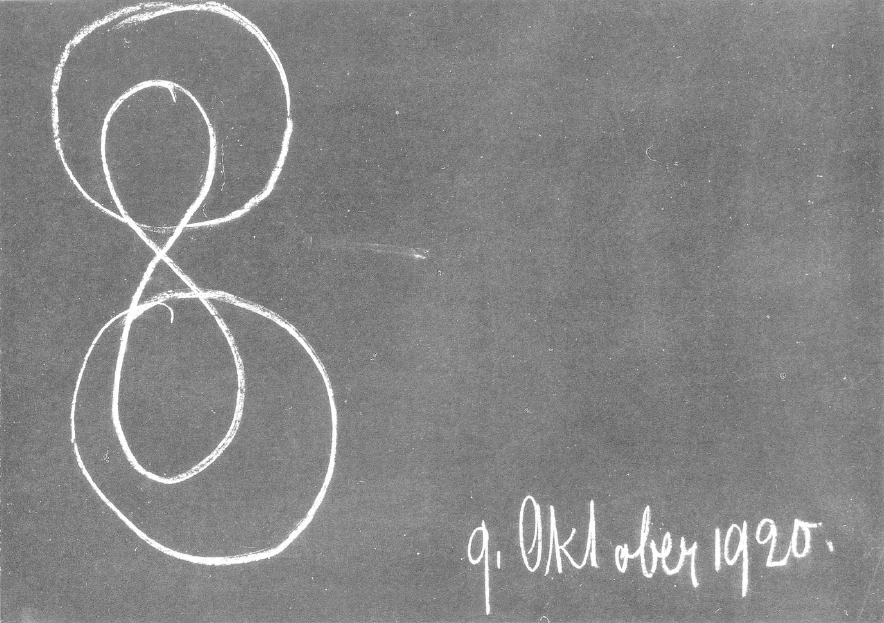
[ 9 ] Nun kann man aber weitergehen. Ich habe Ihnen heute früh gezeigt, wie zusammenwirkt in einer Weise, die ich so angedeutet habe, daß ich das Gliedmaßen-Stoffwechselsystem auf der einen Seite, das Nerven-Sinnessystem auf der anderen Seite hatte und das ausgleichende rhythmische System dazu, diese beiden Systeme zusammenwirken (siehe Zeichnung). Sehen Sie, da ist es nun so, daß in der Tat dasjenige, was im Gliedmaßen-Stoffwechselsystem unregelmäßig, kränkend wirkt, gerade das Gesundmachende im Kopfsystem ist. Daher haben wir im Kopfsystem des Menschen immer gewisse Funktionen, die vom Phosphor herrühren, aber von einer sehr geringen Menge Phosphor, die sich im Gehirn des Menschen findet. Diese Phosphortätigkeit, man lernt sie auf der anderen Seite kennen in der Art, wie ich Ihnen das jetzt beschrieben habe, im Stoffwechsel-Gliedmaßenorganismus als den richtigen Abbau in die Verkalkungsprozesse hinein hemmend. Aber sie müssen vorhanden sein, diese Phosphorprozesse im Gehirn, wo der Abbau vorhanden sein soll, und wo vor allen Dingen dieser Abbau fortwährend fortwirken soll. Mit anderen Worten: Weil wir im Gehirn den Phosphorprozeß anwesend haben, haben wir im Gehirn fortwährend, ich möchte sagen, einen naszierenden Zustand, haben wir eine Art Rachitisentstehung. Darauf beruht gerade unsere Gehirntätigkeit, daß fortwährend der Knochen gebildet sein will, aber fortwährend diese Knochenbildung verhindert wird, nachdem einmal die Schädeldecke ordentlich herumgebildet ist um dieses menschliche Gehirn. Wir haben im menschlichen Gehirn — das ergibt sich der menschlichen Anschauung — ein fortwährendes Hinstreben zur Knochenbildung. Aber diese Knochenbildung ist einmal abgeschlossen in einem bestimmten Lebensalter. Dann wird diese Knochenbildetätigkeit aufgehalten. Also wir haben wirklich hier ein Krankmachendes, das ausgeglichen wird von der anderen Seite, vom anderen Pol des Organismus her, wir haben ein fortwährendes Hinstreben zur Rachitis.
[ 9 ] But we can go further. Earlier today I showed you how these systems interact in a way I described by placing the limb-metabolic system on one side, the nervous-sensory system on the other, and the balancing rhythmic system alongside them, so that these two systems work together (see diagram). You see, it is actually the case that whatever acts irregularly or harmfully in the limb-metabolic system is precisely what promotes health in the head system. That is why we always have certain functions in the human head system that stem from phosphorus—but from a very small amount of phosphorus found in the human brain. This phosphorus activity—as you come to understand it, in the way I have just described—acts in the metabolic limb system to inhibit the proper breakdown processes involved in calcification. But these phosphorus processes must be present in the brain, where this breakdown is to occur, and where, above all, this breakdown must continue to operate continuously. In other words: Because the phosphorus process is present in the brain, we have—I would say—a constantly nascent state in the brain, a kind of incipient rickets. Our brain activity is based precisely on the fact that bone formation is constantly striving to occur, yet this bone formation is constantly prevented once the skull has been properly formed around the human brain. In the human brain—as is evident from the human perspective—there is a constant striving toward bone formation. But this bone formation is completed at a certain age. Then this bone-forming activity is halted. So we really have here a pathogenic factor that is balanced out from the other side, from the other pole of the organism; we have a constant tendency toward rickets.
[ 10 ] Nun ist das Merkwürdige, daß ein solcher Rhythmus, wie er hier sich im Menschen beobachten läßt, auch in der ganzen übrigen Natur, nur in gewisser Beziehung entgegengesetzt, wiederum vorhanden ist. Wenn wir auf die merkwürdige Bedeutung des Phosphors für das menschliche Gehirn hinblicken, so müssen wir uns ja sagen: Indem der Phosphor aufgenommen wird, wird er verarbeitet bis zum Haupte hinauf. Da macht er innerhalb des menschlichen Organismus selber Veränderungen durch. Er folgt jener Richtung, die die Wachstumsrichtung des Menschen ist. Er gliedert sich ein in diese Wachstumsrichtung des Menschen. Und dieses Eingliedern reduziert gewissermaßen seine Wirksamkeit auf ein Minimum, das verdünnt ihn, und in dieser Verdünnung wirkt er so, daß eben die aufgehaltene Rachitis des Kopfes Träger sein kann gerade derjenigen seelischgeistigen Prozesse, die durch Vermittlung des menschlichen Hauptes ausgeführt werden müssen.
[ 10 ] Now, what is remarkable is that a rhythm such as the one observed here in human beings is also present throughout the rest of nature—albeit in a certain sense in reverse. When we consider the remarkable significance of phosphorus for the human brain, we must say to ourselves: As phosphorus is absorbed, it is processed all the way up to the head. There, within the human organism itself, it undergoes transformations. It follows the direction of human growth. It integrates itself into this direction of human growth. And this integration, in a sense, reduces its effectiveness to a minimum; it dilutes it, and in this diluted state, it acts in such a way that the rickets of the head, which has been halted, can serve as the very vehicle for those soul-spiritual processes that must be carried out through the mediation of the human head.
[ 11 ] Nun stellt sich das Eigentümliche heraus, wenn man sehr kleine Dosen Phosphor, statt etwas größerer, gewöhnlich wahrnehmbarer Dosen Phosphor, dem Menschen in der richtigen Weise beibringt, dann hat man gewissermaßen auch in den Funktionen des Phosphors schon etwas anderes erreicht. Bringt man diese kleinen Dosen dem menschlichen Organismus bei, so wirken diese kleinen Dosen nun im Menschen so, wie der Phosphor wirkt in dem menschlichen Gehirn. Sie wirken dort nun im übrigen Organismus als kleine Dosen aufhaltend den Rachitisprozeß, wenn er bei Kindern begonnen hat. Daher ist in diesem Falle der Phosphor in kleiner Menge, in kleinsten Dosen ein Heilmittel gegen die Rachitis, und in weitergehendem Sinne ist der Phosphor überhaupt ein Heilmittel gegen alles dasjenige, was das Ich-Gerüste, das physische Ich-Gerüste, das ich da (siehe Zeichnung Seite 57, weiß) unter dem Roten gezeichnet habe, das im Organismus durch Kranksein emanzipiert ist von der eigentlichen seelischen Tätigkeit, wiederum zurückbringt zur Seelentätigkeit, das heißt, es wiederum ins Normale hin umkehrt.
[ 11 ] Now, something peculiar becomes apparent: if one introduces very small doses of phosphorus to the human being in the proper way—rather than somewhat larger, ordinarily perceptible doses—then, in a sense, one has already achieved something different in the functions of phosphorus. When these small doses are introduced into the human organism, they act within the person in the same way that phosphorus acts in the human brain. They act there—and throughout the rest of the organism—as small doses that halt the process of rickets once it has begun in children. Therefore, in this case, phosphorus in small quantities—in the smallest of doses—is a remedy for rickets, and in a broader sense, Phosphorus is, in general, a remedy for everything that causes the “I-structure”—the physical “I-structure,” which I have drawn there (see illustration on page 57, in white) beneath the red—which, through illness, has become emancipated from the actual soul activity within the organism, to be brought back to soul activity; that is to say, restores it to its normal state.
[ 12 ] Ich mußte Ihnen eine sehr komplizierte Auseinandersetzung geben über das menschliche Wesen, damit Sie aus dem sehen, was eigentlich zugrunde liegt dem Streite zwischen Allopathen und Homöopathen. Auf gewissen Gebieten, kann man sagen, zeigt sich dasjenige, was in der Homöopathie zutage tritt, ganz eklatant, wie hier in diesem Falle, den ich Ihnen angedeutet habe. Mit gewissen kleinen Dosen von Phosphor oder auch von Schwefel, kurz, von etwas Verbrennlichem — ich komme darauf noch zurück -—, ist durchaus die Rachitis, sind überhaupt auch sonstige entzündliche Zustände zu heilen, die von einer, ich möchte sagen, von der Ich-Wesenheit emanzipierten Bluttätigkeit kommen.
[ 12 ] I had to present you with a very complex discussion of human nature so that you could see what actually underlies the dispute between allopaths and homeopaths. In certain areas, one might say, what comes to light in homeopathy is quite striking, as in this case I have outlined for you. With certain small doses of phosphorus or sulfur—in short, of something combustible (I will return to this later)—it is entirely possible to cure rickets, as well as other inflammatory conditions in general, which arise from a blood circulation that is, I would say, emancipated from the “I”-essence.
[ 13 ] Sie sehen, wenn man sich einläßt darauf, den Menschen so zu betrachten, wie Geisteswissenschaft einen anleitet, dann wird, wie in diesem Falle, der Zusammenhang des Menschen auch mit der äußeren unorganischen Natur durchsichtig. Und was ich hier angeführt habe, kann durchaus ausgedehnt werden auf andere unorganische Stoffe. Nur muß man ins Detail gehen. Und gerade diese Art, den Zusammenfluß von Pathologie, Physiologie und Therapie zu bewirken, erfordert ein hingebungsvolles Studium der innermenschlichen und der außermenschlichen Welt. Wir können den Phosphor, den Schwefel verbrennliche Stoffe nennen. Diese verbrennlichen Stoffe, sie stellen sich, wenn man nun wirklich die Betrachtung ausdehnt, als diejenigen heraus, die durchaus in ähnlicher Weise wirken, wie das eben vom Phosphor beschrieben worden ist. Sie wirken so, daß sie gewissermaßen das emanzipierte Ich-Gerüste wiederum hineinstellen in die Ich-Tätigkeit.
[ 13 ] You see, if one is willing to view human beings in the way that Spiritual Science guides us to do, then—as in this case—the connection between human beings and the external inorganic natural world also becomes clear. And what I have outlined here can certainly be extended to other inorganic substances. One simply has to go into detail. And it is precisely this approach—bringing together pathology, physiology, and therapy—that requires a dedicated study of both the inner and outer worlds. We can call phosphorus and sulfur combustible substances. These combustible substances—if one truly broadens the scope of consideration—turn out to be those that act in a manner quite similar to what has just been described regarding phosphorus. They act in such a way that they, so to speak, reinsert the emancipated “I”-structures back into “I”-activity.
[ 14 ] In umgekehrter Weise wirken gewisse Salze, dasjenige, was also nicht verbrennlich ist, sondern dasjenige, was sich im Wasser auflöst und bei der Erkaltung des Wassers wiederum abscheidet. Diese Salze, kohlensaure, andere Salze, wirken so, daß sie umgekehrt eine zu starke Verbindung des Geistig-Seelischen, namentlich der IchTätigkeit, mit dem Gerüste hervorrufen, also daß sie nicht das Gerüste ablösen, sondern daß sie gewissermaßen das Geistig-Seelische zu stark hineindrücken. Und sie können daher wiederum dann als Heilmittel angewendet werden, wenn durch irgend etwas diese Verbindung eine zu lose ist. So können wir sagen: Verstehen wir dasjenige, was eigentlich vorgeht durch irgendeinen Stoff, den wir in den Organismus hineinbringen, verstehen wir, wie er die ganze Organisation beeinflußt, dann verstehen wir, wie wir entgegenwirken können irgendeinem Prozeß, der abnorm verläuft und dem entgegengewirkt werden muß.
[ 14 ] Certain salts have the opposite effect—that is, not those that are combustible, but those that dissolve in water and precipitate again when the water cools. These salts—carbonic acid salts and others—act in such a way that they, conversely, cause an excessive binding of the spiritual-soul aspects, namely the activity of the “I,” to the physical body; that is, they do not detach the physical body, but rather, in a sense, press the spiritual-soul aspects too strongly into it. And they can therefore be used as remedies when, for whatever reason, this connection is too loose. Thus we can say: If we understand what actually happens when we introduce a substance into the organism—if we understand how it influences the entire organism—then we understand how we can counteract any process that is proceeding abnormally and must be counteracted.
[ 15 ] Insbesondere wirksam sind für gewisse Prozesse, wie zum Beispiel für jenen Prozeß, welcher der früher Lungenschwindsucht genannten Krankheit zugrunde liegt, gerade solche salzartige Körper, also lösliche Körper. Denn dasjenige, was Lungenschwindsucht ist, erfordert eben, daß man einem Prozesse entgegenwirkt, der im menschlichen Organismus der entgegengesetzte Prozeß ist desjenigen, der stattfindet, wenn in einer Lösung sich Salz eben auflöst. Und so handelt es sich darum, daß einen die Ausbreitung seiner Erkenntnisse über die ganze menschliche Wesenheit hineinführt in den Zusammenhang des Menschen mit seiner ganzen äußeren weltlichen Umgebung.
[ 15 ] Such salt-like substances—that is, soluble substances—are particularly effective for certain processes, such as the one underlying the disease formerly known as pulmonary consumption. For what pulmonary tuberculosis is requires counteracting a process in the human organism that is the opposite of the process that takes place when a salt dissolves in a solution. And so the point is that the expansion of one’s understanding across the entire human being leads one into the context of the human being’s relationship with his or her entire external, worldly environment.
[ 16 ] Dasjenige, was ich jetzt ausgeführt habe — ich kann nur immer beispielsweise sprechen in diesen ergänzenden aphoristischen Betrachtungen —, läßt sich noch durch andere Beispiele illustrieren. Nehmen wir irgendwoher, wir können, ich möchte sagen, ja überall solche Beispiele finden, aber nehmen wir einmal Beispiele aus einem Gebiete, das uns zu gleicher Zeit in den ganzen Zusammenhang des Geistig-Seelischen mit dem Physischen hineinführen kann. Dasjenige, was durch das Nerven-Sinnessystem vermittelt wird, das stellt sich ja im Menschenleben so dar, daß es vom Aufwachen bis zum Einschlafen das bewußte Leben des Menschen bedeutet. So daß wir geradezu sagen können: Das Kopfsystem ist der Ausdruck für das bewußte Leben des Menschen. Aber das Stoffwechsel-Gliedmaßensystem, das ist nicht in gleicher Weise der Ausdruck für das bewußte Leben des Menschen. Wir gehen sozusagen durch die Welt mit bewußtem Kopf, aber doch mit unbewußten Gliedern. Diese Glieder werden nur bewußt, wenn sie in irgendeiner Weise berührt werden, wenn sie einen Insult erleiden und dergleichen. So daß wir sagen können: Der normale Zustand für das Kopf-, für das Nerven-Sinnessystem ist im wachenden Zustand die Bewußtheit, für das entgegengesetzte System des Menschen die Unbewußtheit.
[ 16 ] What I have just explained—I can only ever speak in terms of examples in these supplementary aphoristic reflections—can be further illustrated by other examples. Let us take examples from somewhere—we can, I would say, find such examples everywhere—but let us take examples from a field that can simultaneously introduce us to the entire connection between the spiritual-soul and the physical. What is mediated by the nervous-sensory system manifests itself in human life in such a way that, from waking to falling asleep, it constitutes a person’s conscious life. So we can say quite literally: The head system is the expression of a person’s conscious life. But the metabolic-limb system is not, in the same way, the expression of a person’s conscious life. We go through the world, so to speak, with a conscious head, but with unconscious limbs. These limbs only become conscious when they are touched in some way, when they suffer an injury, and so on. So we can say: The normal state for the head—for the nervous-sensory system—is consciousness while awake, whereas for the opposite system of the human being, it is unconsciousness.
[ 17 ] Aber man kann in einer gewissen Weise im Menschen künstlich eine Art Bewußtheit erzeugen für das andere, für das StoffwechselGliedmaßensystem. Und das geschieht zum Beispiel durch die Massage. Worinnen besteht denn die Massage? Sie besteht darinnen, daß man durch äußere Maßnahmen dasjenige bewußt macht, was sonst unbewußt bleibt. Es handelt sich dann darum, daß man verursachen kann, daß ein zu geringer Zusammenhang zwischen dem Geistig-Seelischen und dem Physischen durch diese Massage gebessert werden kann. Nehmen wir an, der Mensch wäre krankhaft so organisiert, daß er von seinem Geistig-Seelischen aus eine zu geringe Neigung hat, dieses Geistig-Seelische voll hineinzutreiben in sein Stoffwechsel-Gliedmaßensystem. Dann unterstützt man das Physische dieses Stoffwechsel-Gliedmaßensystems, indem man es massiert, indem man es also bis zu einem gewissen Grade von dem Zustande des Geistigen in den Zustand der Bewußtheit herauferhebt, man unterstützt dieses System in seiner Wirksamkeit, und dadurch ruft man ein stärkeres Durchströmtsein dieses Systems mit dem Geistig-Seelischen herbei. Und versteht man dann, wie dieses Stoffwechsel-Gliedmaßensystem wirkt, weiß man zum Beispiel, daß dasjenige, was in den Armen und Händen pulsiert, was da als GeistigSeelisches pulsiert, daß das sich innerlich fortsetzt und den innerlichen Stoffwechsel des Menschen beherrscht, dann wird man auch wissen, was es bedeutet, partielle Bewußtheit herbeizuführen durch Massage in den Armen und Händen. Es bedeutet das eine Förderung des Geistig-Seelischen im Stoffwechselsystem, aber in demjenigen Stoffwechselsystem, das im Menschen nach innen hinein aufbauend, Verdauung bewirkend, den Stoff aufnehmend, die Verdauung in der Weise bewirkt, daß sie stoffaufnehmend wirkt.
[ 17 ] But in a certain way, it is possible to artificially create a kind of awareness in a person for the other aspect—the metabolic-limb system. And this happens, for example, through massage. What, then, does massage consist of? It consists of using external measures to bring into consciousness what would otherwise remain unconscious. The point is that this massage can help improve a connection that is too weak between the spiritual-soul aspect and the physical aspect. Let us suppose that a person is constitutionally so organized that, from the perspective of their spiritual-soul aspect, they have too little inclination to fully infuse this spiritual-soul aspect into their metabolic-limb system. In that case, one supports the physical aspect of this metabolic-limb system by massaging it—that is, by raising it to a certain degree from the state of the spiritual into the state of consciousness. One supports this system in its effectiveness, and thereby brings about a stronger flow of the spiritual-soul aspect through this system. And once one understands how this metabolic-limb system functions—knowing, for example, that what pulses in the arms and hands, that which pulses there as a spiritual-soul element, continues inwardly and governs the human being’s internal metabolism—one will also understand what it means to induce partial consciousness through massage of the arms and hands. It means promoting the spiritual-soul aspect within the metabolic system—but specifically within that part of the metabolic system that, working inwardly within the human being, builds up the body, facilitates digestion, absorbs nutrients, and carries out digestion in a way that promotes nutrient absorption.
[ 18 ] So kann man sagen: Findet man, daß der Mensch innerlich organisch an Stoffwechselstörungen leidet, an Stoffwechselstörungen aber, die sich etwa darauf beziehen, daß seine Nahrung nicht ordentlich in den Körper sich einfügt, oder daß die Verarbeitung dieser Nahrung in dem Aufbauprozesse sich nicht ordentlich vollzieht, kurz, daß der nach innen gehende Stoffwechsel nicht in Ordnung ist, dann kann in gewissen Fällen — man muß natürlich jetzt Detailkenntnisse haben, um das in der richtigen Weise zu sehen — die Arm- und Händemassage eine Hilfe sein. Sie beruht darauf, daß man das Geistig-Seelische durch den Grad von Bewußtheit, den man durch die Massage hervorbringt, in seiner Wirksamkeit unterstützt. Massiert man Beine und Füße, dann wird etwas anderes eintreten. Dasjenige, was als Geistig-Seelisches Beine und Füße durchdringt, das steht wiederum in einem Zusammenhange organisch mit Ausscheidungsprozessen, mit Abbauprozessen. Daher wird man, wenn die Verdauung nach der Richtung nicht in Ordnung ist, daß die Ausscheidungsprozesse nicht in der richtigen Weise sich vollziehen, mit einer Massage unter Umständen an Beinen und Füßen etwas helfen können.
[ 18 ] So one can say: If it is found that a person suffers internally from metabolic disorders—but metabolic disorders that relate, for example, to the fact that their food is not properly assimilated into the body, or that the processing of this food in the body’s building processes is not proceeding properly— in short, that the internal metabolism is not functioning properly, then in certain cases—one must, of course, have detailed knowledge to assess this correctly—massaging the arms and hands can be helpful. This is based on the fact that the spiritual-psychic aspect is supported in its effectiveness through the degree of consciousness brought about by the massage. If one massages the legs and feet, something different will occur. That which permeates the legs and feet as a spiritual-psychic force is, in turn, organically connected to excretory processes and processes of breakdown. Therefore, if digestion is not functioning properly—such that the excretory processes are not proceeding as they should—a massage of the legs and feet may, under certain circumstances, provide some relief.
[ 19 ] Aber Sie sehen, wenn man in dieser Weise geisteswissenschaftlich durchleuchtet das medizinische Wesen, dann vollbringt man solche Dinge nicht nur ganz zufällig empirisch, wenn sie sich gerade der Empirie darbieten, sondern man kann ganz bewußt auf eine Bearbeitung des Zusammenhanges zwischen Physiologie, Pathologie und Therapie auf den verschiedensten Gebieten eben hinarbeiten. Ich möchte Ihnen, wie gesagt, diese Dinge sagen, nur um zu beleuchten die Richtungen, nach denen man gehen muß. Und ich weiß ganz gut, wieviel gerade an solchen Dingen frappiert, weil ja natürlich nicht alle Einzelheiten herbeigetragen werden können.
[ 19 ] But you see, when one examines the nature of medicine in this way through the lens of Spiritual Science, one does not merely accomplish such things by chance through empirical observation—whenever they happen to present themselves to empirical inquiry—but one can consciously work toward understanding the relationship between physiology, pathology, and therapy in a wide variety of fields. As I said, I would like to share these thoughts with you simply to shed light on the directions we must take. And I am well aware of how much such matters may strike one as surprising, since, of course, not all the details can be presented here.
[ 20 ] Nimmt man zum Beispiel eine Erkrankung, die auch dem Mediziner sehr viel Sorge machen kann, sagen wir zum Beispiel die Zuckerharnruhr, den Diabetes mellitus, dann müssen wir wiederum hinblicken auf den Zusammenhang des Geistig-Seelischen, und zwar des bewußten Geistig-Seelischen, des Ich-durchzogenen GeistigSeelischen und des physischen Trägers dieser Ich-Tätigkeit. Nur kommt jetzt etwas anderes zustande als in dem heute zuerst erwähnten Fall. Nehmen wir an, diese Ich-Tätigkeit wird eine zu große im menschlichen Organismus. Sie dehnt sich über ihr Maß aus. Dann können solche abnorme Ausscheidungsprozesse stattfinden, wie sie stattfinden bei dem Diabetiker. Da haben wir es also zu tun gewissermaßen mit einer übertriebenen Ich-Tätigkeit im Organischen selber. Da haben wir es mit einem zu tiefen Sichhineinsenken des Ich in das Organische zu tun, so daß durch dieses tiefe Einsenken eben dasjenige herausgetrieben wird, was gerade bei dem Diabetiker erscheint.
[ 20 ] If we take, for example, a disease that can be a source of great concern even to physicians—let us say, for instance, diabetes mellitus—then we must once again consider the connection between the spiritual-soul aspects—specifically, the conscious spiritual-soul aspects, the “I”-permeated spiritual-soul aspects—and the physical vehicle of this “I”-activity. However, what occurs here is different from the case mentioned earlier today. Let us assume that this “I”-activity becomes excessive within the human organism. It expands beyond its proper measure. Then abnormal excretory processes can take place, such as those observed in a diabetic. So here we are dealing, so to speak, with an exaggerated “I” activity within the organic system itself. We are dealing with the “I” sinking too deeply into the organic system, so that this deep sinking drives out precisely what appears in the case of the diabetic.
[ 21 ] Nun können wir wiederum den Blick ablenken von dem, was da im Innern des Menschen vorgeht, und ihn hinlenken zu dem, was in der menschlichen Außenwelt vorgeht. Da haben wir in der Außenwelt Pflanzen, von denen wir ja heute morgen schon erkannt haben, wie sie in einer gewissen Weise von unten nach oben einen Prozeß entwickeln, den der Mensch von oben nach unten entwickelt. In der Tat verläuft dasjenige, was, ich möchte sagen, als hypertrophe Ich-Tätigkeit in den Organismus hineinarbeitet bei dem Diabetes, entgegen der Richtung des Pflanzenwachstums. Wenn wir dann gerade die richtige Funktion bei der wachsenden Pflanze auffinden, dann können wir unter Umständen ein Verhältnis herstellen zwischen dem, was gerade beim Diabetiker nach unten wirkt und was bei der Pflanze nach oben wirkt. Wir müssen nur die Pflanze so auffassen, daß wir uns sagen: Die Pflanze ist ein Wesen, physisch ist sie auch; sie wächst, sie pflanzt sich fort, also hat sie einen ätherischen Leib. Sie hat auch einen ätherischen Leib für die geisteswissenschaftliche Anschauung. Aber sie bringt es nicht bis zur inneren seelischen Beweglichkeit; sie hat also kein Astralisches, sie hat auch keine Ich-Tätigkeit. Aber sie wächst doch der Ich-Tätigkeit, der astralischen Tätigkeit entgegen. Dasselbe, was die Pflanze nach oben entfaltet, entfaltet der Mensch von oben nach unten.
[ 21 ] Now we can once again turn our attention away from what is happening within the human being and direct it toward what is happening in the human external world. In the external world, we have plants, which, as we recognized this morning, develop a process from the bottom up in a certain way—a process that humans develop from the top down. In fact, what I would describe as hypertrophic “I”-activity working its way into the organism in the case of diabetes proceeds in the opposite direction of plant growth. If we then identify the precise function in the growing plant, we may be able to establish a relationship between what acts downward in the diabetic and what acts upward in the plant. We need only understand the plant in such a way that we say to ourselves: The plant is a being—it is also physical; it grows, it reproduces, and thus it has an etheric body. It also has an etheric body from the perspective of Spiritual Science. But it does not attain inner soul mobility; thus, it has no astral body, nor does it have any “I” activity. Yet it grows toward “I” activity and astral activity. What the plant unfolds upward, the human being unfolds from above downward.
[ 22 ] Wenn wir nun zu beobachten vermögen, was da eigentlich in der Pflanze vorgeht, indem sie derjenigen Richtung entgegenwächst, in der der Mensch gerade nun entgegengesetzt, von oben nach unten sein Ich ausbildet, so finden wir, wie dasjenige im Pflanzlichen entsteht, was nun eine innere Beziehung haben kann gerade zu dieser inneren Ich-Tätigkeit dadurch, daß es auch mit der Verbrennlichkeit etwas zu tun hat. Ich habe früher auf verbrennliche Körper aufmerksam gemacht. Jetzt sehen wir verbrennliche, flüchtige, dem Verbrennlichen nahe Körperlichkeit sich herausbilden aus der Pflanze in den ätherischen Olen. Wenn wir die ätherischen Ole in gewissen Pflanzen entstehen sehen, dann ergibt sich nun für eine solche Betrachtung, wie ich sie eben angedeutet habe, daß das die entgegengesetzte Tätigkeit ist derjenigen gegenüber, welche zum Beispiel die hineingepreßte, in den menschlichen Organismus hineingepreßte Ich-Tätigkeit ausübt, wodurch der Mensch Diabetiker wird. Und man kann dann, wenn man nur in der richtigen Weise dasjenige, was man in der Außenwelt als das Entgegengesetzte hat, an den Menschen heranbringt, man kann der Zuckerharnruhr entgegenarbeiten.
[ 22 ] If we are now able to observe what is actually taking place within the plant as it grows in the direction opposite to that in which the human being is currently developing his or her “I”—from top to bottom—we find that what arises in the plant can have an inner relationship precisely to this inner “I” activity, in that it also has something to do with combustibility. I have previously drawn attention to combustible substances. Now we see combustible, volatile, and nearly combustible physicality emerging from the plant in the form of essential oils. When we observe the formation of essential oils in certain plants, it becomes clear from the kind of consideration I have just outlined that this is the opposite activity to that which, for example, exerts the “I” activity that has been forced into the human organism—an activity that causes a person to develop diabetes. And if one brings to the human being—in the right way—that which exists in the external world as its opposite, one can counteract diabetes.
[ 23 ] Man muß es so machen, daß man allerdings in diesem Falle wirklich entgegenwirkt, das heißt, daß man zum Beispiel in Bäder die ätherischen Öle oder auch die Pflanzen selber, die ätherisches Ol entwickeln, bringt, und den Menschen in solchen Bädern eben baden läßt. Dadurch wirken diese Kräfte, die die Pflanze entfaltet in den ätherischen Olen, von außen nach innen entgegen den Kräften, welche die Zuckerharnruhr bewirken. Wir können auf diese Weise gerade durch solche Bäder dem Menschen helfen.
[ 23 ] One must proceed in such a way that, in this case, one truly counteracts the condition; that is to say, one adds, for example, essential oils or even the plants themselves—which produce essential oils—to the bathwater, and allows the person to bathe in such waters. In this way, the forces that the plant releases in the essential oils act from the outside in, counteracting the forces that cause dysentery. We can help people in this way precisely through such baths.
[ 24 ] Ich führe eben nur einzelne Beispiele aus der reichen Fülle an, die vorgebracht werden können, von denen ich eine große Anzahl im heurigen Frühjahr für Fachärzte vorgebracht habe. Ich führe es hier nur an in bezug auf Prinzipielles, aber Sie können daraus sehen, wie das medizinische Wesen allmählich rationell gemacht wird, so daß exemplifiziert wird, daß man wirklich den Prozeß im Innern des Menschen sieht, und den Prozeß in der äußeren Natur sieht, und sieht, wie sich diese beiden Prozesse entweder unterstützen, tragen oder entgegenwirken, wie also ein Prozeß, der im menschlichen Organismus ist, aufgehalten werden kann und wie nach der Heilung hingestrebt werden kann. Wir kommen, wenn wir eine solche Betrachtungsweise ausdehnen, ich möchte sagen, in der Erkenntnis des physischen Menschen und seiner Zusammenhänge mit dem geistigseelischen Menschen immer weiter. Sie wissen ja, daß in der modernen medizinischen naturwissenschaftlichen Anschauung eine große Rolle das Vererbungsproblem spielt. Allein dieses Vererbungsproblem wird durchwegs in einer sehr abstrakten und äußerlichen Weise behandelt. Es kann eben durch die äußere Wissenschaft nur wenig in Zusammenhang gebracht werden mit dem, was im Menschenwesen eigentlich wirkt. Denn der Mensch ist ja tatsächlich — und jetzt möchte ich etwas vor Sie hinstellen, was aus einer reichen anthroposophischen Forschung heraus gewonnen werden muß, was ich aber als ein Ergebnis hinstellen möchte — aus der ganzen übrigen Welt, die zu ihm gehört als irdische Welt und auch als außerirdische Welt, herausgebildet. Und er ist in einer verschiedenen Weise herausgebildet.
[ 24 ] I am simply citing a few examples from the wealth of material that can be presented—many of which I presented to medical specialists this past spring. I mention this here only in terms of principle, but you can see from this how the medical field is gradually being made more rational, so that it is demonstrated that one truly sees the process within the human being and the process in the external natural world, and sees how these two processes either support, sustain, or counteract one another—that is, how a process within the human organism can be halted and how healing can be pursued. If we expand this line of thought, we proceed ever further—I would say—in our understanding of the physical human being and its connections to the spiritual-soul human being. As you know, the problem of heredity plays a major role in the modern, scientifically based view of medicine. Yet this problem of heredity is consistently treated in a very abstract and superficial manner. Through external science, it can be connected only to a limited extent with what actually operates within the human being. For the human being is in fact—and now I would like to present to you something that must be derived from a wealth of anthroposophical research, but which I would like to present as a conclusion—formed out of the entire rest of the world that belongs to him, both as the earthly world and as the extraterrestrial world. And he has been formed in a distinct way.
[ 25 ] Wir finden zum Beispiel, daß der weibliche Organismus so herausgebildet ist, sagen wir, aus der Natur oder aus dem Kosmos, daß beim weiblichen Organismus mehr diejenigen Kräfte vorkommen, welche gewissermaßen weniger an die Kräfte der Erde gebunden sind. Beim weiblichen Organismus ist etwas stark Außerirdisches vorhanden. Beim männlichen Organismus sind vorzugsweise diejenigen Kräfte entwickelt, die nun mit dem irdischen Leben zusammenhängen. Das kommt im gewöhnlichen Leben sonst nicht so stark in Betracht, aber es kommt in Betracht bei dem, was Fortpflanzung ist. Da handelt es sich darum, daß diejenigen Kräfte, die im weiblichen Organismus wirken und zur Fortpflanzung beitragen, tatsächlich die Übertragung desjenigen sind, was als Außerirdisches sich in die gesamte menschliche Wesenheit einorganisiert. Dasjenige aber, was den Menschen herunterholt in die irdische Welt hinein, ist vorzugsweise im männlichen Organismus organisiert. Und nun betrachten wir dasjenige am Menschen, was eigentlich durch diese seine Erdenumgebung in ihm ist. Das Auffälligste, was in ihm ist durch seine Erdenumgebung, ist ja die Ich-Tätigkeit. Diese IchTätigkeit, sie gibt ja geradezu der Erdenentwickelung des Menschen ihren vollen Sinn. Wir müssen uns von anderen Welten in die Erdenwelt hereinentwickeln, um die Ich-Tätigkeit in unserem Geistig-Seelischen voll ausbilden zu können. Diese Ich-Tätigkeit, ich habe sie Ihnen aufgewiesen, wie sie gebunden ist an das Kräftegerüste, das durch das Blut vermittelt ist. So müßten wir also sagen: Dasjenige, was vorzugsweise dem Blute einorganisiert wird, was vorzugsweise nach der Ich-Tätigkeit hin wirkt, das wird auf dem Wege der Fortpflanzung von der männlichen Persönlichkeit her bewirkt; dasjenige, was mehr das Außerirdische im Menschen organisiert, was erst von der Ich-Tätigkeit durchzogen werden muß, das kommt mehr von der weiblichen Seite her.
[ 25 ] We find, for example, that the female organism is shaped—let us say—by nature or by the cosmos in such a way that it possesses more of those forces that are, so to speak, less bound to the forces of the Earth. There is something strongly extraterrestrial present in the female organism. In the male organism, on the other hand, the forces that are connected to earthly life are predominantly developed. This is not usually taken into account to such a great extent in everyday life, but it does come into play in the context of reproduction. Here, the point is that the forces active in the female organism that contribute to reproduction are, in fact, the transmission of that which, as an extraterrestrial element, becomes integrated into the entire human being. But that which draws the human being down into the earthly world is primarily organized within the male organism. And now let us consider that aspect of the human being which is actually present within him through his earthly environment. The most striking feature within him that stems from his earthly environment is, of course, the activity of the “I.” It is precisely this activity of the “I” that gives the human being’s earthly development its full meaning. We must evolve from other worlds into the earthly world in order to be able to fully develop the “I”-activity in our spiritual-soul life. This “I”-activity—I have shown you how it is bound to the framework of forces mediated through the blood. We must therefore say: That which is primarily organized into the blood, that which primarily works toward “I”-activity, is brought about through procreation by the male personality; that which organizes the more “extraterrestrial” aspect of the human being—which must first be permeated by “I”-activity—comes more from the female side.
[ 26 ] Nun finden wir also in dieser Weise zusammenwirken Männliches und Weibliches in der Fortpflanzung, und wir können dadurch erst richtige Begriffe von der Vererbung gewinnen, wenn wir dieses einsehen. Nun wird zunächst berührt von dem männlichen Einfluß der weibliche Same, der weibliche Keim. Und dieser weibliche Keim hat eine gewisse Selbständigkeit im weiblichen Organismus. Wir müssen sagen, wenn wir einen ausgewachsenen weiblichen Organismus vor uns haben, wirkt dieses Außerirdische vorzugsweise im übrigen weiblichen Organismus. In demjenigen Teile des weiblichen Organismus, der zur Keimbildung die Veranlassung gibt, wirkt das nicht mit, wirkt insbesondere nicht mit nach der Konzeption. So daß gerade der weibliche Keim, der durch die Konzeption gegangen ist, eine gewisse Selbständigkeit hat, also dasjenige, was er als Vermittler der Ich-Tätigkeit bedeutet, in bezug auf den Nachkommen in einer gewissen Weise selbständig überträgt. Wenn man diese Dinge weiß, dann kann man sie so anwenden, daß Erscheinungen in der Außenwelt einem entgegenkommen wie illustrierend dasjenige, was man zuerst im geistigen Schauen gewonnen hat. Man gewinnt im geistigen Schauen die Erkenntnis, daß in der Tat im weiblichen Organismus ein Außerirdisches verankert ist, daß das Irdische, das also gerade an der Bluttätigkeit haftet, durch den männlichen Organismus vermittelt wird, daß durch diese Vermittlung der weibliche Eikeim eine gewisse Selbständigkeit erlangt, gewissermaßen abgesondert vom übrigen außerirdischen weiblichen Organismus sich durch die Befruchtung entwickelt.
[ 26 ] Thus, we find the male and female forces interacting in this way in reproduction, and we can only gain a true understanding of heredity once we recognize this. First, the male influence acts upon the female seed, the female germ. And this female germ possesses a certain degree of autonomy within the female organism. We must note that when we are dealing with a fully developed female organism, this “foreign” element acts primarily within the rest of the female organism. In that part of the female organism that initiates germ formation, this external influence does not participate—and in particular, it does not participate after conception. Thus, the female germ that has undergone conception possesses a certain degree of independence; that is, it transmits—in a certain way—its role as a mediator of “I”-activity to the offspring. When one knows these things, one can apply them in such a way that phenomena in the external world appear as if to illustrate what one has first gained through spiritual vision. Through spiritual vision, one gains the insight that something extraterrestrial is indeed anchored in the female organism, that the earthly element—which is specifically bound up with blood activity—is mediated by the male organism, and that through this mediation the female germ acquires a certain independence, and, as it were, separated from the rest of the extraterrestrial female organism, develops through fertilization.
[ 27 ] Solch einen Vorgang, den man geistig-seelisch erkennt, hat man dann im Hintergrunde, wenn man eine so merkwürdige Erscheinung wie die der Hämophilen, der Bluter, erklären will. Da tritt ja die merkwürdige Tatsache zutage, daß es Menschen gibt, welche an einer mangelnden Gerinnung des Blutes so leiden, daß sie bei der geringsten Körperverletzung, oftmals ohne daß eine solche nachweisbar ist, reichlich Blut absondern, dadurch zum Verbluten neigen. Diese Bluterkrankheit, sie hat etwas höchst Eigentümliches an sich: Aus Bluterfamilien stammende Männer bekommen die Blutungen nicht, wenn sie geboren werden von Frauen, die von Nichtbluterfamilien herstammen, sie bekommen sie dann als Männer nicht, diese Bluterkrankheit, aber wenn Frauen Nachkommenschaft bekommen, die aus Bluterfamilien stammen, dann bekommen sie selber nicht durch Vererbung die Bluterkrankheit; dagegen bekommen die von ihnen abstammenden Männer die Bluterkrankheit. Das heißt, die Bluterkrankheit geht durch die Frau durch. Das weist uns hin auf jene Selbständigkeit des Keimes, von der ich eben gesprochen habe. Und es deutet uns die äußere Erscheinung gewissermaßen illustrierend auf dasjenige hin, was wir durch Geistesschau gewinnen.
[ 27 ] One has such a process—which is recognized on a mental and emotional level—in the background when attempting to explain a phenomenon as remarkable as that of hemophiliacs, or those who suffer from hemophilia. Here, the remarkable fact comes to light that there are people who suffer from a lack of blood clotting to such an extent that, at the slightest physical injury—often without any such injury being detectable—they bleed profusely and are thus prone to bleeding to death. This hemophilia has something highly peculiar about it: Men descended from families of hemophiliacs do not develop the bleeding disorder if they are born to women who come from families without hemophilia; as men, they do not inherit this condition. However, when women have children who come from families of hemophiliacs, they themselves do not inherit the condition; on the other hand, the men descended from them do develop the condition. This means that hemophilia is transmitted through the woman. This points us to the independence of the germ I just spoke of. And this external manifestation, in a sense, illustrates what we gain through spiritual insight.
[ 28 ] Nun, ich habe Ihnen heute gewissermaßen nur erzählend einiges vorgeführt, was in der folgenden Richtung verläuft. Ich habe Ihnen gezeigt, wie man auf der einen Seite durch Geistesschau hineinblicken kann in das Wesen des Menschen, in das konkrete Wesen des Menschen, in seine Aufbau- und Abbauprozesse, in seine Gesundungs- und Erkrankungsprozesse, die eigentlich in ständiger Wechselwirkung stehen, und zwischen denen ein Ausgleich gesucht werden muß. Ich habe Ihnen gezeigt, wie man durch Geistesschau das Wechselverhältnis des Menschen mit seiner Umgebung finden kann, wie man dadurch die Brücke schlagen kann von Physiologie und Pathologie zu der Therapie. Und ich habe Ihnen zuletzt an einem besonderen Beispiel veranschaulichen wollen, wie man — ich habe einen extremen Fall gewählt, den der Bluterkrankheit und den der Vererbungsverhältnisse bei der Bluterkrankheit —, wenn man in der richtigen Weise die Natur ansieht in den Fällen, wo die Natur ihr offenbares Geheimnis enthüllt, überall die Illustration desjenigen bekommt, was man erst geisteswissenschaftlich erkannt hat. So daß es den Einwand gar nicht gibt, der etwa so lautete, daß derjenige, der doch nicht hineinschauen könne in die geistige Welt, daß der gar keinen Weg habe, um irgendwelche Beweise für dasjenige zu finden, was der Geisteswissenschafter behauptet. Nein, so liegt die Sache nicht, sondern es handelt sich darum, daß man ja die geisteswissenschaftlichen Resultate, ich möchte sagen, auf der einen Seite ohne Dogmatismus und Autoritätsglauben aufnehmen kann, und auf der anderen Seite sie aber auch ohne vorgefaßten, vorurteilsvollen Skeptizismus aufnehmen kann. Man nimmt sie einfach auf. Man sagt sich zunächst nicht: Ich glaube sie — man lehnt sie aber auch nicht leichtsinnig ab, man nimmt sie und prüft sie an der äußeren Wirklichkeit.
[ 28 ] Well, today I have, so to speak, merely presented to you in narrative form a few things that follow this line of thought. I have shown you, on the one hand, how one can use spiritual insight to look into the nature of the human being—into the concrete nature of the human being, into the processes of building up and breaking down, into the processes of healing and illness, which are actually in constant interaction with one another and between which a balance must be sought. I have shown you how, through spiritual insight, one can discern the interrelationship between the human being and their environment, and how this allows one to bridge the gap between physiology and pathology to therapy. And finally, I sought to illustrate to you, using a specific example—I chose an extreme case, that of hemophilia and the patterns of inheritance in hemophilia—that when one observes nature in the right way in those instances where nature reveals its obvious mystery, one finds everywhere an illustration of what has first been recognized through Spiritual Science. So there is no room for the objection that goes something like this: that someone who cannot see into the spiritual world has no way at all of finding any evidence for what the Spiritual Science scientist asserts. No, that is not the case; rather, the point is that one can indeed accept the findings of Spiritual Science, I would say, on the one hand, without dogmatism or blind faith in authority, and on the other hand, without preconceived, prejudiced skepticism. One simply accepts them. At first, one does not say, “I believe them”—nor does one recklessly reject them; rather, one accepts them and tests them against external reality.
[ 29 ] Sie werden sehen, wenn Sie dasjenige, was Ihnen zunächst paradox, oftmals sogar phantastisch erscheint, indem es heruntergeholt wird aus der geistigen Welt durch übersinnliches Schauen in der Geistesforschung, wenn Sie es im Leben anwenden, wenn Sie das Leben fragen, daß es bestätigt wird an den Punkten, worauf es ankommt. Sie werden finden, überall liefert die Empirie die Bestätigungen für dasjenige, was die Geistesforschung findet. Diejenigen Menschen, die heute unter der Ausrede, daß sie ja nicht in die geistige Welt schauen können, die Erkenntnisse dieser geistigen Welt ablehnen, gleichen jenem Menschen, der ein so geformtes Eisen (es wird gezeichnet) sieht und sagt: Damit beschlage ich mein Pferd, das ist ein Hufeisen. — Der andere aber, der sagt ihm: Es ist schade, damit das Pferd zu beschlagen, denn das hat magnetische Kräfte in sich, das ist ein Magnet —, und wenn ihm erwidert wird: Ich sehe nichts von magnetischer Kraft, für mich ist das ein Hufeisen.
[ 29 ] You will see that when you take what at first seems paradoxical—and often even fantastical—to you—that is, when it is brought down from the spiritual world through supersensory perception in spiritual research—and apply it to life, and ask life to confirm it in the points that really matter, You will find that everywhere, empirical evidence provides confirmation for what spiritual research discovers. Those people who today reject the insights of the spiritual world under the pretext that they cannot see into it are like the person who sees a piece of iron shaped in this way (it is drawn) and says: “I’ll use this to shoe my horse; it’s a horseshoe.” — But the other person says to him: “It’s a shame to use that to shoe the horse, because it possesses magnetic forces; it’s a magnet”—and when he is told in reply: “I see no magnetic force; to me, it’s a horseshoe.”
[ 30 ] Ja, die Sache liegt so, daß in allem Materiellen das Geistige ist, daß wir jetzt in dem Zeitalter leben, wo dieses Geistige gesucht werden muß. Derjenige, der, in der Materie forschend, fragen will, ohne den Geist zu suchen, der gleicht demjenigen, der ein Hufeisen, einen Magneten zum Pferdebeschlagen gebraucht, der also nicht weiß, wie eigentlich die Dinge gerade in der materiellen Welt anzuwenden sind. So lückenhaft aphoristisch dasjenige sein mußte, was ich Ihnen heute nur ergänzend zu dem Vortrage sagen konnte, es sollte ja auch nur die Richtung zeigen, in welcher in Zukunft gerade das medizinische Studienwesen verlaufen muß. Denn dieses medizinische Studienwesen hängt so innig zusammen mit dem sozialen Wesen. Geradeso, wie die Menschenwelt sozial nur gesunden kann, wenn in das soziale Urteil die geistige Erkenntnis hineingetragen wird, so kann eigentlich unsere Medizin nur gesunden, wenn in sie hineingetragen wird das geistige Schauen.
[ 30 ] Yes, the fact is that the spiritual is present in all material things, and that we are now living in an age in which this spiritual must be sought. Anyone who, while investigating matter, seeks to ask questions without seeking the spirit is like someone who uses a horseshoe or a magnet to shoe a horse—someone who therefore does not know how things are actually to be applied in the material world. As fragmentary and aphoristic as what I was able to say to you today—merely as a supplement to the lecture—may have been, it was intended only to point the direction in which medical education in particular must proceed in the future. For medical education is so intimately connected with the social order. Just as the human world can only become socially healthy when spiritual insight is incorporated into social judgment, so too can our medicine only become healthy when spiritual insight is incorporated into it.
[ 31 ] Sie sehen, Phantasten sind wir auf keinem Gebiete. Dilettanten wollen wir wenigstens auf keinem Gebiete sein. Es handelt sich um ernstes Forschen, nur eben um ein Forschen, welches jenen Grundsatz entwickelt hat, der heute vielfach angewendet wird. Wenn heute da oder dort eine Hypothese ausgehängt wird, dann sagt man, sie bedeutet eine bequeme Handhabe, um die Erscheinungen zu überschauen. Man kommt ja auch schon dazu, in der Mathematik sogar solche Hypothesen oder Gedankenrichtungen auszuhecken. Geisteswissenschaft steht auf dem Boden, daß nichts gescheut werden darf, um alles dasjenige, was für den Fortschritt des Menschenlebens notwendig ist zu erreichen, daß nichts gescheut werden darf an Aufwendung von Kräften in der Richtung dieser Notwendigkeit. Und deutlich vernimmt man heute aus dem Gang der Menschheitsentwickelung die Zeichen der Zeit, welche uns sagen: In den alten Richtlinien ist nicht mehr vorwärtszukommen.
[ 31 ] As you can see, we are not dreamers in any field. At the very least, we do not want to be amateurs in any field. This is serious research—only research that has developed the principle which is widely applied today. When a hypothesis is put forward here or there today, people say it provides a convenient tool for understanding phenomena. In mathematics, one even goes so far as to devise such hypotheses or lines of thought. Spiritual Science is founded on the principle that no effort must be spared to achieve everything necessary for the progress of human life, and that no effort must be spared in directing our energies toward this necessity. And today, from the course of human development, we clearly hear the signs of the times telling us: We can no longer move forward with the old guidelines.
[ 32 ] Nun wohl, dieses Dornach ist nur aus dem Grunde entstanden, weil in den alten Richtlinien nicht mehr vorwärtszukommen ist, und es soll hier dasjenige gesucht werden, was die neuen Richtlinien sind. Spezialisiert haben wir uns genug. Jetzt handelt es sich darum, daß wir die einzelnen Spezialitäten wiederum zusammenbringen. Vielleicht werden Sie gerade an diesem Kurs sehen, wie aus einem Zentrum heraus die geistigen Kräfte fließen sollen, die diese einzelnen Spezialitäten zusammenbringen. Dazu müssen allerdings jene bequemen Wege verlassen werden, die man heute so vielfach sucht. Aber die Früchte werden vor allen Dingen in der Richtung des Fortschrittes der Menschheit liegen. Gerade aus diesem Grunde hätte ich daher vor allen Dingen gern gehabt, wenn wirklich alles dasjenige, was hier geisteswissenschaftlich gesagt werden kann, auch von Spezialisten gesagt worden wäre. Und es war mir daher gar nicht recht, daß ich selber gerade für ein wichtigstes Gebiet, für das medizinische Gebiet, vor Ihnen hier eintreten mußte. Aber da die Dinge nun einmal so gekommen sind, blieb eben nichts anderes übrig, und Sie müssen damit vorlieb nehmen. Dasjenige aber, worauf es unter allen Umständen angekommen wäre, ob nun ein Spezialist oder ein allgemeiner Betrachter hier das Nötige vorgebracht hätte, wäre eben dasjenige gewesen, zu zeigen, daß auch auf diesem schwierigen Gebiete der Medizin ein Fortschritt nur durch die Befruchtung von der Geistesforschung heraus möglich ist. Es würde sich, ich möchte sagen, recht anschaulich gezeigt haben, wenn auch für dieses Gebiet jemand aufgetreten wäre, der aus den Traditionen der Zeit heraus, aus alledem, was die Zeit selbst den Medizinern liefern konnte, auf der anderen Seite durch einen offenen Sinn für die Geisteswissenschaft hätte zeigen können: Man kann zu gleicher Zeit auf der vollen Höhe der heutigen medizinischen Wissenschaft, der offiziellen medizinischen Wissenschaft stehen und doch ein so guter Geisteswissenschafter sein, daß man nur glauben kann, man könne sogar diese Medizin heute nur ertragen, wenn man sie geisteswissenschaftlich durchleuchten kann. Ob Ihnen das hervorgehen konnte in einer genügend intensiven Weise dadurch, daß schon einmal die Tatsache sich herausstellte, daß ich den Fachmediziner ersetzen mußte, das weiß ich nicht. Aber ich hoffe, daß noch öfter Gelegenheit ist, in einer solchen Weise, wie es auch der Zeit einleuchtet durch die äußeren Umstände, zu zeigen: Auch die Medizin kann nur in die Zukunft hineingeführt werden, wenn der Geist in sie eindringt, wie er gemeint ist, wie er wenigstens angestrebt wird hier in diesem Goetheanum, wenn Goethescher Geist in die Medizin einzieht.
[ 32 ] Well then, this Dornach came into being solely because it is no longer possible to make progress within the old guidelines, and the aim here is to seek out what the new guidelines are. We have specialized enough. Now the task at hand is to bring these individual specializations back together again. Perhaps you will see in this very course how spiritual forces are to flow from a single center to bring these individual specializations together. To achieve this, however, we must abandon those comfortable paths that are so often sought today. But the fruits will lie, above all, in the direction of human progress. Precisely for this reason, I would have preferred, above all else, that everything that can be said here from a perspective of Spiritual Science had been said by specialists. And so I was not at all pleased that I myself had to speak here before you specifically on one of the most important fields—the field of medicine. But since things have turned out this way, there was simply no other option, and you will have to make do with it. However, what would have been essential under any circumstances—whether a specialist or a general observer had presented the necessary points here—would have been to show that even in this difficult field of medicine, progress is possible only through the inspiration provided by spiritual research. It would have been demonstrated, I might say, quite vividly, if someone had emerged in this field as well—someone who, drawing from the traditions of the age and from all that the age itself could provide to physicians, yet at the same time possessing an open mind toward Spiritual Science—could have shown: One can stand at the very pinnacle of today’s medical science—official medical science—and yet be such a skilled practitioner of Spiritual Science that one can only believe one can even endure this medicine today if one can examine it through the lens of Spiritual Science. I do not know whether this became sufficiently clear to you through the fact that it had already transpired that I had to replace the specialist physician. But I hope there will be more opportunities to demonstrate—in a way that also makes sense to the times given the external circumstances—that medicine, too, can only be led into the future if the spirit penetrates it as it is intended, as it is at least strived for here at this Goetheanum, when the spirit of Goethe enters into medicine.