

On Health and Illness
GA 348
8 January 1923, Dornach
Translate the original German text into any language:
Versions Available:
On Health and Illness, tr. SOL
Zwölfter Vortrag
Twelfth Lecture
[ 1 ] Dr. Steiner: Hat vielleicht jemand von Ihnen eine Frage auf dem Herzen?
[ 1 ] Dr. Steiner: Does anyone here have a question they'd like to ask?
Fragestellung in bezug auf die Wirkung des Alkohols, seine schädlichen Wirkungen und so weiter.
Questions regarding the effects of alcohol, its harmful effects, and so on.
[ 2 ] Sie meinen, inwiefern der Alkohol überhaupt schädlich ist für die Gesundheit?
[ 2 ] You mean, in what ways is alcohol harmful to health at all?
[ 3 ] Nun, nicht wahr, mit dem Alkohol ist es ja so, daß Sie seine erste Wirkung ganz offenbar sehen dadurch, daß er gerade auf dasjenige im Menschen wirkt, was wir jetzt immer beschrieben haben: auf die ganze Seelenverfassung. Das erste ist ja, daß der Mensch durch den Alkohol in eine Art geistiger Verwirrung kommt, die so stark wirkt, daß vor allen Dingen der Mensch dann Leidenschaften ausgesetzt ist, die sonst schwach in ihm sind und leichter durch den Verstand unterdrückt werden können, so daß er dann, wenn er nicht Alkohol getrunken hat, vernünftiger erscheint, als er erscheint, wenn er Alkohol getrunken hat. Dann wirkt der Alkohol zunächst anfeuernd auf sein Blut, und es tritt eine erhöhte Blutzirkulation ein. Das ist das erste; dadurch wird das Leidenschaftsleben erregt. Er kommt zum Beispiel leichter in Zorn, während er sonst den Zorn leichter zurückdrängen kann. Also Sie sehen, die erste Wirkung des Alkohols ist diejenige, die ausgeübt wird auf den Menschen in seinem Verstandes- und überhaupt in seinem Seelenleben.
[ 3 ] Well, isn’t it true that with alcohol, you can quite clearly see its initial effect in that it acts precisely on that aspect of the human being we have been describing all along: the entire state of the soul. The first thing is that alcohol plunges a person into a kind of mental confusion that is so powerful that, above all, the person is then exposed to passions that are otherwise weak within them and can be more easily suppressed by the intellect—so that when they haven’t drunk alcohol, they appear more reasonable than they do when they have. Then, alcohol initially stimulates the blood, leading to increased blood circulation. That is the first effect; it stirs up the emotional life. For example, a person becomes angry more easily, whereas otherwise they can more easily suppress that anger. So you see, the first effect of alcohol is the one exerted on a person’s intellectual life and, indeed, on their entire soul life.
[ 4 ] Wenn der Alkohol dann eine Zeitlang im Organismus geblieben ist, dann bewirkt er ja auch eine Erscheinung, die Sie sehr gut kennen und die man Katzenjammer nennt. Gerade aus der Entstehung des Katzenjammers aber ersehen Sie, daß der Alkohol zunächst so wirkt, daß sich der ganze Organismus dagegen sträubt. Was heißt das, der Mensch hat Katzenjammer? Das heißt eben nichts anderes, als daß der Mensch dadurch, daß er am Abend, sagen wir, betrunken war — der Katzenjammer tritt ja in der Regel am Morgen auf, nachdem der Mensch betrunken war am Abend - und sein Blut in einer besonders starken Bewegung war, sehr viele Kräfte verbraucht hat, die dadurch verbraucht worden sind, daß er schnell seinen Körper in Bewegung gebracht hat, während sonst dieselben Bewegungen sich viel langsamer vollzogen hätten.
[ 4 ] Once the alcohol has remained in the body for a while, it causes a condition that you know very well—one called a hangover. But it is precisely from the onset of a hangover that you can see that alcohol initially has the effect of causing the entire body to resist it. What does it mean when a person has a hangover? It means nothing other than that, because the person was, say, drunk the previous evening—the hangover usually occurs in the morning after the person was drunk the night before—and their blood was in a state of particularly intense circulation, they have expended a great deal of energy; this energy was expended because they rapidly set their body in motion, whereas otherwise the same movements would have taken place much more slowly.
[ 5 ] Also merken Sie sich einmal diese Sache ganz genau. Nehmen Sie an, der Körper will in vierundzwanzig Stunden eine gewisse Tätigkeit verrichten. Wenn nun einer sein gehöriges Maß Alkohol trinkt, so wird dieselbe Tätigkeit vielleicht schon sogar in zwölf oder sechs Stunden verrichtet. Dadurch nimmt sich der Körper innere Tätigkeit weg. Es ist daher bei den Leuten, die gewöhnt sind, sich ab und zu ein kleines Räuschchen anzutrinken, eine instinktmäßige Handlung, daß sie dann hinterher, bevor der Katzenjammer kommt, kräftig essen. Warum tun sie das? Ja, wenn sie kräftig essen, so wird entweder der Katzenjammer ganz vermieden, er kommt gar nicht, oder aber er kommt mindestens schwächer, so daß sie nachher, am nächsten Tag, arbeiten können.
[ 5 ] So keep this point clearly in mind. Suppose the body needs to perform a certain activity within twenty-four hours. If someone drinks a fair amount of alcohol, that same activity might even be completed in as little as twelve or six hours. In doing so, the body deprives itself of its internal processes. That is why people who are accustomed to getting a little tipsy now and then instinctively eat a hearty meal afterward, before the hangover sets in. Why do they do that? Well, if they eat a hearty meal, either the hangover is avoided entirely—it doesn’t come at all—or at least it’s milder, so that they can work the next day.
[ 6 ] Was geschieht denn, wenn einer sich also ein wahrnehmbares Räuschchen angetrunken hat und nachher, sagen wir, eine Bratwurst ißt? Dann bringt er seinen Körper wieder in Tätigkeit und ersetzt dasjenige, was durch die zu schnelle Tätigkeit aufgebraucht worden ist. Wenn aber der Mensch das nicht tut, wenn er also nicht schon ein ziemlich abgehärteter Trinker ist — die abgehärteten tun ja das, wenn er das nicht ist, sondern vergißt, die Bratwurst zu essen, dann kriegt er den Katzenjammer, aus dem Grunde, weil dann sein Körper nicht mehr imstande ist, eine höhere Tätigkeit innerlich auszuüben. Wenn aber die Tätigkeit nicht richtig ausgeübt wird, so lagern sich überall Unratsprodukte ab, namentlich Harnsäureprodukte. Die lagern sich namentlich im Kopfe ab, weil der am schwersten zu versorgen ist. Und so geht dann ein Mensch, der in der Nacht seine körperliche Tätigkeit, seine innere körperliche Tätigkeit durch Alkoholtrinken verbraucht hat, am nächsten Morgen so herum, daß eigentlich sein Kopf so ist, wie sonst seine Gedärme sind: Unrat ist drinnen abgelagert. Und das schließt ein, daß der Körper sofort revoltiert, wenn ihm also durch den Alkoholgenuß zu viel Tätigkeit abgefordert wird.
[ 6 ] So what happens if someone has had a few drinks and feels a bit tipsy, and then, let’s say, eats a bratwurst? Then he gets his body going again and replenishes what was used up by the rapid activity. But if a person doesn’t do that—that is, if he isn’t already a fairly hardened drinker (since hardened drinkers do just that)—and instead forgets to eat the bratwurst, then he gets a hangover, for the reason that his body is then no longer able to carry out higher internal functions. But if this activity is not carried out properly, waste products—namely uric acid products—accumulate everywhere. They accumulate especially in the head, because that is the hardest part of the body to supply. And so a person who has exhausted his physical activity—his internal physical activity—during the night by drinking alcohol goes about the next morning in such a state that his head is actually like his intestines usually are: waste is deposited inside. And this means that the body immediately rebels when too much activity is demanded of it through alcohol consumption.
[ 7 ] Nun ist das ja so, daß der Mensch, wie ich Ihnen schon einmal bei den Vorträgen gesagt habe, eigentlich viel mehr vertragen kann - ich meine jetzt nicht in bezug auf Alkohol, sondern überhaupt -, viel mehr, als man gewöhnlich voraussetzt. Es kann das nämlich lange Zeit hindurch wiederum ausgeglichen werden. Und Sie finden ja sogar ein sehr trügerisches, ein sehr verdächtiges Gegenmittel gegen den Katzenjammer bei manchen Leuten. Wenn sie am nächsten Morgen mit einem riesigen Katzenjammer wieder aufstehen oder wieder nach Hause kommen — was tun sie dann? Nun, das werden Sie auch schon erlebt haben: sie saufen weiter nämlich am nächsten Morgen; sie machen den Frühschoppen zu einer besonderen Kur, sie saufen dann weiter.
[ 7 ] Now, the fact is—as I’ve already told you during my lectures—that people can actually handle much more—and I don’t mean in terms of alcohol, but in general—much more than is usually assumed. This is because it can be balanced out over a long period of time. And you’ll even find a very deceptive, very suspicious remedy for a hangover in some people. When they get up the next morning with a massive hangover or come home—what do they do then? Well, you’ve probably seen this yourself: they just keep drinking the next morning; they turn their morning drink into a special “cure,” and then they keep drinking.
[ 8 ] Und was ist das, daß sie dann weiter saufen? Ja, sehen Sie, dem Körper ist in der Nacht Tätigkeit entzogen worden dadurch, daß das Blut in besondere Wallungen gebracht worden ist. Nun fehlt diese Tätigkeit am Morgen. Aber der Körper wird noch einmal aufgestachelt durch das Weitersaufen, daß die letzten Reste von Tätigkeit, die er noch haben kann, auch noch aufgebraucht werden. Weil die letzten Reste den hauptsächlichsten Unrat noch wegschaffen, geht der Katzenjammer bis zu einem gewissen Grade aus dem Kopfe fort, bleibt aber erst recht im übrigen Körper vorhanden. Nur, dasjenige, was dann erst recht im übrigen Körper vorhanden ist, das spüren dann die Leute weniger. So daß das Weitersaufen am Morgen eigentlich dazu führt, daß der Katzenjammer unbewußt in den übrigen Organismus übergeht. Und dann erst, wenn das geschieht, dann fängt das wahre Elend für den Körper an. Diejenigen Säufer sind am schlimmsten dran, die den Katzenjammer mit Weitersaufen vertreiben. Denn dann wird nach und nach, wenn sich das wiederholt, der ganze Körper ruiniert.
[ 8 ] And why is it that they then continue drinking? Well, you see, the body has been deprived of activity during the night because the blood has been set into a state of agitation. Now this activity is missing in the morning. But the body is stirred up once again by continued drinking, so that the last remnants of activity it still possesses are also used up. Because these last remnants clear away the bulk of the waste products, the hangover subsides to a certain extent in the head, but remains all the more present in the rest of the body. However, people are less aware of what remains in the rest of the body. Thus, continuing to drink in the morning actually causes the hangover to unconsciously spread to the rest of the body. And only when that happens does the real misery for the body begin. The worst-off are those drinkers who try to chase away their hangover by drinking more. Because then, little by little, as this repeats itself, the entire body is ruined.
[ 9 ] Aber noch immer ist es so, daß es fast unmöglich ist — weil der Mensch eben viel vertragen kann —, den Körper gleich ohne weiteres zu ruinieren. Daher ist das erste bei einem richtigen Säufer, daß er eine Art Delirium bekommt, den Säuferwahnsinn. Es geht da noch nicht ins Ruinieren hinein. Wenn dieses sogenannte Delirium tremens, wie man es in der Medizin nennt, eintritt, dann sehen die Menschen überall eine Art Tiere herumlaufen, Mäuse und so weiter. Sie kriegen eine Art Verfolgungswahn. Das Delirium tremens ist ja damit verknüpft, daß die Menschen sich überall verfolgt fühlen von kleinen Tieren, von Mäusen namentlich. Das ist ja etwas, was sogar geschichtlich geworden ist. Es gibt Mäusetürme. Die haben meistens ihren Namen davon, daß da in früheren Zeiten irgendeiner eingesperrt war, der Säuferwahnsinn hatte, und der da drinnen von Mäusen geplagt worden ist, die er sich bloß vorgestellt hat — es werden schon auch welche drinnen gewesen sein —, denn der, der drinnen war, hat überall um sich herum, überall, Tausende und Tausende von Mäusen gesehen, die nicht da waren.
[ 9 ] But it is still the case that—precisely because the human body can withstand a great deal—it is almost impossible to ruin the body right away. That is why the first thing that happens to a true drunkard is that he enters a kind of delirium, the madness of drunkenness. It hasn’t reached the point of ruin yet. When this so-called delirium tremens—as it’s called in medicine—sets in, people see all sorts of animals running around everywhere—mice and so on. They develop a kind of persecution complex. Delirium tremens is, after all, associated with people feeling persecuted everywhere by small animals, mice in particular. This has even become part of history. There are “mouse towers.” They usually get their name from the fact that, in earlier times, someone suffering from alcohol-induced delirium was locked up there and tormented by mice—which he had only created as a mental image, though there may well have been some inside as well—because the person inside saw thousands upon thousands of mice all around him, everywhere, even though they weren’t really there.
[ 10 ] Sie sehen also, man kann dasjenige, was im Menschen wirkt, wenn er sich durch Alkohol ruiniert, sogar sehr schwer in den Körper ganz hineintreiben. Es sträubt sich der Körper durchaus lange Zeit gegen diese Geschichte, die durch den Alkohol angerichtet wird.
[ 10 ] So you see, it is actually very difficult to force what happens inside a person when they ruin themselves with alcohol all the way into the body. The body resists for quite a long time what alcohol does to it.
[ 11 ] Und das Interessante ist ja das, daß dann bei den Leuten sich das Gewissen regt. Sagen wir, sie haben eine Zeitlang gesoffen, frühmorgens weiter gesoffen, und dann regt sich plötzlich das Gewissen und sie hören auf zu saufen, sie haben sich noch dieses bißchen Energie aufbewahrt, daß sie nun aufhören. Was geschieht dann? Wenn sie früher noch nicht den Säuferwahnsinn gehabt haben, kriegen sie ihn dann. Das ist die interessanteste Tatsache, daß manchmal derjenige, der lange Zeit getrunken hat, wenn er nun aufhört zu trinken, gerade den Säuferwahnsinn kriegt.
[ 11 ] And the interesting thing is that people’s consciences then start to stir. Let’s say they’ve been drinking for a while, kept drinking early in the morning, and then suddenly their conscience stirs and they stop drinking; they’ve saved up just enough energy to be able to stop now. What happens then? If they hadn’t yet developed the madness of a drunkard, they get it then. That is the most interesting fact: that sometimes the person who has been drinking for a long time, when he stops drinking, is the one who develops the madness of a drunkard.
[ 12 ] Das ist eines der wichtigsten Zeichen dafür, daß der Mensch so angesehen werden muß, daß der Kopf anders wirkt - ich habe Ihnen das in den letzten Vorträgen für viele Dinge angeführt - als der übrige Körper. Solange nämlich der Mensch die Säuferkrankheit im Kopfe erhält, da geht es ihm noch passabel; da hat er die Sache noch nicht im übrigen Körper drinnen. Wenn er sie aber drinnen hat und nachher den Alkohol sich abgewöhnt, dann revoltiert erst recht der übrige Körper durch den Kopf herauf, und dann kriegt er gerade durchs Abgewöhnen erst recht den Säuferwahnsinn.
[ 12 ] This is one of the most important indications that human beings must be viewed in such a way that the head functions differently—I have cited this to you in previous lectures in connection with many things—than the rest of the body. For as long as a person harbors the disease of alcoholism in the head, they are still doing reasonably well; the condition has not yet spread to the rest of the body. But once it has spread and they subsequently give up alcohol, the rest of the body rebels all the more through the head, and it is precisely through this process of giving up alcohol that they develop the madness of alcoholism.
[ 13 ] So kann man sagen: Im Blut des Menschen ist das körperliche Gegenstück für die wichtigsten Seelenverrichtungen. Sie wissen ja vielleicht, daß manche Leute an Verfolgungswahn leiden dadurch, daß sie allerlei Gestalten sehen, die nicht da sind. In früheren Zeiten namentlich - und es war das eine ganz gesunde Kur — hat man ihnen dann zur Ader gelassen. Man darf gar nicht glauben, daß alle Leute früher so abergläubisch waren, als man es heute annimmt. Aderlassen ist nicht etwas, was vom Aberglauben gekommen ist. Man hat ihnen zur Ader gelassen; namentlich hat man ihnen irgendwo Blutegel aufgesetzt, die ihnen das Blut abgezapft haben. Dann ist das Blut weniger tätig gewesen. Nicht gerade bei Säufern, aber bei anderen Wahnsinnsanfällen ist das Blut dann weniger tätig gewesen. Dann ist es ihnen besser gegangen.
[ 13 ] So one could say: Human blood contains the physical counterpart to the soul’s most important functions. You may know that some people suffer from paranoia, seeing all sorts of figures that aren’t really there. In earlier times, in particular—and it was actually a quite healthy treatment—they would have them bled. One must not assume that people in the past were as superstitious as is commonly believed today. Bloodletting is not something that stemmed from superstition. They were treated by bloodletting; specifically, leeches were applied to them, which drew off their blood. This caused the blood to become less active. Not exactly in the case of alcoholics, but in other cases of madness, the blood became less active. Then they felt better.
[ 14 ] Was außerordentlich verwandt ist mit alledem, was die Grundlagen der seelischen Eigenschaften des Menschen sind, das Nervensystem, habe ich Ihnen ja auch angeführt, aber das ist namentlich für den Willen des Menschen viel weniger wichtig; es ist wichtig für den Verstand, aber es ist für den Willen des Menschen viel weniger wichtig als das Blut.
[ 14 ] I have, of course, also mentioned to you the nervous system, which is closely related to all that constitutes the foundation of human psychological qualities; however, it is far less important, particularly for the human will; it is important for the intellect, but it is far less important for the human will than the blood.
[ 15 ] Nun, wenn Sie aber gerade sehen, daß der Alkohol das Blut im eminentesten Sinne angreift, so ist daraus zu erkennen, daß das Blut, weil der Körper so stark revoltiert gegen das, was der Alkohol anrichtet, sehr geschützt ist dagegen. Das Blut ist wirklich außerordentlich stark geschützt gegen die Angriffe des Alkohols im Menschen. Und da müssen wir uns fragen: Wodurch ist denn eigentlich das Blut im Menschen so außerordentlich stark geschützt gegen die Angriffe? Da müssen wir weiter fragen: Wo entstehen denn eigentlich die wichtigsten Dinge, die im Blut drinnen sind?
[ 15 ] Well, if you observe that alcohol attacks the blood in the most profound sense, it follows that the blood is very well protected against it—precisely because the body reacts so strongly against the damage caused by alcohol. The blood is truly extraordinarily well protected against the attacks of alcohol in humans. And so we must ask ourselves: What is it that actually makes the blood in humans so extraordinarily well protected against these attacks? We must ask further: Where do the most important substances found in the blood actually originate?
[ 16 ] Erinnern Sie sich, ich habe Ihnen gesagt: Das Blut besteht aus den roten Blutkörperchen, die eisenhaltig sind, die im sogenannten Blutserum herumschwimmen, und dann besteht es aus den weißen Blutkörperchen. Ich habe Ihnen gesagt, die wichtigsten Bestandteile des Blutes sind rote und weiße Blutkörperchen — diejenigen Blutkörperchen, die mit der Milztätigkeit zusammenhängen, die wir bei unseren Untersuchungen in Stuttgart die sogenannten Regulatoren genannt haben, berücksichtigen wir jetzt nicht. Es sind ja viele Körperchen drinnen im Blute; wir wollen jetzt nur auf die roten und auf die weißen Blutkörperchen sehen und wollen uns fragen: Wo entstehen denn im Körper eigentlich diese Blutkörperchen? Ja, sehen Sie, diese Blutkörperchen, die entstehen nämlich an einem ganz besonderen Ort. Wenn Sie sich hier einen Oberschenkelknochen denken vom Becken aus bis zum Knie, irgendwie einen Knochen denken, einen Armknochen, irgendeinen Hohlknochen, so werden Sie in diesem Knochen drinnen überall das sogenannte Knochenmark finden. Da ist das Mark drinnen, das Knochenmark. Und sehen Sie, meine Herren, in diesem Knochenmark entstehen die roten und weißen Blutkörperchen und marschieren dann erst ein in die Blutadern. Der menschliche Körper ist so organisiert, daß in den inneren Höhlungen seiner Knochen sein Blut erzeugt wird — eigentlich das Wichtigste in ihm.
[ 16 ] Remember, I told you: Blood consists of red blood cells, which contain iron and float around in what is called blood serum, and then it consists of white blood cells. I told you that the most important components of blood are red and white blood cells—we’re not going to consider those blood cells related to spleen activity, which we called “regulators” during our research in Stuttgart. There are, of course, many types of cells in the blood; but for now, let’s focus only on the red and white blood cells and ask ourselves: Where in the body are these blood cells actually produced? Well, you see, these blood cells are produced in a very special place. If you picture a thigh bone here, extending from the pelvis to the knee—or any bone, such as an arm bone or any hollow bone—you will find what is called bone marrow throughout the inside of that bone. That’s where the marrow is—the bone marrow. And you see, gentlemen, it is in this bone marrow that the red and white blood cells are produced and then enter the blood vessels. The human body is organized in such a way that its blood is produced in the inner cavities of its bones—which is actually the most important thing in it.
[ 17 ] Wenn das der Fall ist, dann können Sie sich sagen: Das Blut ist in seiner Erzeugung wirklich außerordentlich stark geschützt gegen die Ruinierung, denn da muß der Alkohol tatsächlich schon sehr lange genossen werden und sehr schlimm genossen werden, wenn er auch noch die Knochen soweit kaputt machen soll, daß er bis in ihr Innerstes, bis in ihr Mark hineindringt und sie dort kaputt macht, das Knochenmark ruiniert, so daß keine roten und weißen Blutkörperchen mehr erzeugt werden. Und da beginnt erst für die Menschen, die den Alkohol genießen, die eigentlich verderbliche Sache, wenn sie so weit gekommen sind, daß der Alkohol bis ins Knochenmark hinein gewirkt hat.
[ 17 ] If that is the case, then you can tell yourself: The blood is, in its production, truly exceptionally well protected against destruction, for one would actually have to consume alcohol for a very long time—and in very excessive amounts—for it to damage the bones to the point where it penetrates to their very core, into their marrow, and destroys them there, ruining the bone marrow so that no more red and white blood cells are produced. And it is only then—when alcohol has penetrated as far as the bone marrow—that the truly destructive consequences begin for people who consume alcohol.
[ 18 ] Nun ist es so, daß zwar die Menschen in bezug auf ihren Verstand, in bezug auf ihre seelischen Eigenschaften vielfach gleich sind, aber in bezug auf das Blut sind die Menschen nach Mann und Weib, nach Mann und Frau, sehr verschieden voneinander. Das ist eine unbewußte Verschiedenheit, die aber sehr deutlich zutage tritt. Die Blutkörperchen nämlich, die da im Innern der Knochenhöhle erzeugt werden, also die roten Blutkörperchen und die weißen, die haben auf den Menschen einen solchen Einfluß, daß die roten Blutkörperchen wichtiger sind bei der Frau, die weißen Blutkörperchen wichtiger sind beim Mann. Das ist sehr wichtig: die roten Blutkörperchen sind wichtiger bei der Frau, die weißen wichtiger beim Mann.
[ 18 ] Now, while people are in many ways alike in terms of their intellect and their psychological characteristics, they are very different from one another—men and women—in terms of their blood. This is an unconscious difference, but one that becomes very clearly apparent. Namely, the blood cells produced inside the bone marrow—that is, the red blood cells and the white blood cells—have such an influence on human beings that the red blood cells are more important in women, while the white blood cells are more important in men. This is very important: the red blood cells are more important in women, and the white blood cells are more important in men.
[ 19 ] Daher ist das so: Die Frau hat, wie Sie wissen, alle vier Wochen ihre Periode, die im wesentlichen in einer Tätigkeit des menschlichen Körpers besteht, etwas auszuscheiden, was ausgeschieden werden muß an roten Blutkörperchen. Der Mann hat keine Periode, und Sie wissen ja auch, daß der Same des Mannes so ist, daß er nicht gerade vom roten Blut seine Abkunft verrät. Er hat seine Abkunft von den weißen Blutkörperchen. Die ändern sich vielfach um, aber sie werden zuletzt zu dem, was im männlichen Samen das Wichtigste ist. So müssen wir bei dem, was auf die menschliche Fortpflanzung Bezug hat, bis zu dem geschützten Knochenmark gehen, wenn wir überhaupt prüfen wollen, wodurch die menschliche Fortpflanzungsfähigkeit physisch beeinflußt werden kann. Die menschliche Fortpflanzungsfähigkeit kann eben durch das Knochenmark im Innern der Knochen physisch beeinflußt werden.
[ 19 ] Here’s why: As you know, a woman has her period every four weeks, which essentially consists of the human body expelling something that needs to be expelled—namely, red blood cells. Men do not have periods, and as you know, male semen is such that it does not directly reveal its origin in red blood cells. It derives from white blood cells. These undergo many transformations, but ultimately become what is most important in male semen. Thus, when it comes to human reproduction, we must go as far as the protected bone marrow if we are to examine at all what can physically influence human reproductive capacity. Human reproductive capacity can indeed be physically influenced by the bone marrow inside the bones.
[ 20 ] Nun kommen aber natürlich die roten und die weißen Blutkörperchen, wenn sie in den Knochen drinnen erzeugt sind, ins Blut hinein. Wenn nun die Frau Alkohol trinkt, so werden natürlich ganz besonders die roten Blutkörperchen beeinflußt. Die roten Blutkörperchen enthalten Eisen, sind etwas schwer, haben die Schwere der Erde in sich. Wenn also die Frau säuft, so bewirkt sie, daß zu viel Schwere in ihr ist. Die Folge davon ist, daß, wenn die Frau säuft, das Kind, das sich ausbilden soll, zu schwer wird, also innerlich seine Organe nicht richtig entwickeln kann. Es wird innerlich nicht ausgestaltet, hat seine innerlichen Organe nicht in Ordnung. Und auf diesem Umweg, meine Herren, geschieht der schädliche Einfluß durch den Alkohol bei der Frau.
[ 20 ] But of course, once red and white blood cells are produced inside the bones, they enter the bloodstream. When a woman drinks alcohol, the red blood cells are particularly affected. Red blood cells contain iron; they are somewhat heavy and carry within them the heaviness of the earth. So when a woman drinks excessively, she causes too much heaviness to accumulate within her. The result is that when a woman drinks excessively, the child she is carrying becomes too heavy, meaning its internal organs cannot develop properly. It is not fully formed internally; its internal organs are not functioning properly. And this, gentlemen, is the indirect way in which alcohol exerts its harmful influence on a woman.
[ 21 ] Beim Manne ist es so, daß durch den Alkohol vorzugsweise die weißen Blutkörperchen beeinflußt werden. Und wenn dann unter dem Einfluß des Alkohols oder überhaupt unter dem Einfluß des Körpers, der alkoholisch verseucht ist, Befruchtung eintritt, dann wird der Same in der Weise ruiniert, daß er zu zappelig wird. Denn die Befruchtung geschieht ja so, daß vom mütterlichen Organismus dieses kleine Ei abgesondert wird. Das kann man nur mit dem Mikroskop sehen in dem Zustande, wie es ist, wenn die Befruchtung stattfindet. Also das Ei wird abgesondert. Vom Manne wird abgesondert eine ganze Menge solcher Samenkörperchen; die haben alle solch einen Schwanzfaden an sich. In der Samenflüssigkeit sind unzählige solcher Samenkörperchen drinnen. Und dieser Schwanzfaden, den sie da an sich haben, der ist ein Flimmerhärchen. Und durch dieses Flimmerhärchen sind diese Samenkörperchen ohnedies furchtbar zappelig. Sie machen die kompliziertesten Bewegungen, und natürlich, eines muß zuerst ankommen beim weiblichen Ei. Dasjenige, das nun zuerst ankommt, das wird aufgenommen vom weiblichen Ei. Es ist viel kleiner als das weibliche Ei; trotzdem das weibliche Ei auch nur mit dem Mikroskop wahrgenommen werden kann, ist das männliche Samenkörperchen noch viel kleiner. Das wird aufgenommen. Und in dem Augenblicke, wo es in das Ei aufgenommen ist, bildet sich sogleich eine Haut um das Ei herum, und alle die, die nachkommen, werden zurückgestoßen durch diese Haut. Es kann nur eines herein. Denn sofort, wenn eins drinnen ist, wird eine Haut um das Ei gebildet, und die andern müssen abziehen.
[ 21 ] In men, alcohol primarily affects the white blood cells. And if fertilization occurs under the influence of alcohol—or, more generally, under the influence of a body contaminated by alcohol—the sperm is damaged in such a way that it becomes too restless. For fertilization occurs when this tiny egg is released from the mother’s body. You can only see this under a microscope in the state it’s in when fertilization takes place. So the egg is released. The man releases a whole host of such sperm cells; they all have a tail-like filament attached to them. There are countless such sperm cells in the seminal fluid. And this tail-like filament they have is a cilia. And because of this cilia, these sperm cells are incredibly active anyway. They make the most complicated movements, and of course, one must reach the female egg first. The one that arrives first is taken in by the female egg. It is much smaller than the female egg; even though the female egg can only be seen under a microscope, the male sperm cell is still much smaller. It is taken in. And the moment it is absorbed into the egg, a membrane immediately forms around the egg, and all those that follow are repelled by this membrane. Only one can enter. For as soon as one is inside, a membrane forms around the egg, and the others must withdraw.
[ 22 ] Sie sehen also, das ist außerordentlich geistreich eingerichtet. Nun sind diese Samenkörperchen außerordentlich zappelig eingerichtet. Durch den Alkohol aber werden sie noch viel zappeliger gemacht. So daß also die Befruchtung eintritt unter dem Einfluß des männlichen Samenwesens, das außerordentlich beweglich ist. Und die Folge davon ist, daß durch die Befruchtung beim Menschen dann besonders auf sein Nervensystem und Sinnessystem gewirkt wird, wenn der Mann säuft. So daß, wenn die Frau säuft, die inneren Organe ruiniert werden durch die Schwere; wenn der Mann säuft, dann wird das Nervensystem des Kindes ruiniert. Die ganze Tätigkeit wird ruiniert, die in der richtigen Weise da sein soll, wenn das Kind eben heranwächst.
[ 22 ] So you see, this is ingeniously designed. Now, these sperm cells are extremely restless by nature. But alcohol makes them even more restless. Thus, fertilization occurs under the influence of the male sperm, which is extremely mobile. And the consequence of this is that, in humans, fertilization has a particular effect on the nervous system and sensory system when the man drinks. So that when the woman drinks, her internal organs are ruined by the burden; when the man drinks, the child’s nervous system is ruined. The entire activity that should be functioning properly as the child grows up is ruined.
[ 23 ] Man kann also sagen: Durch die Frau wird das Irdische am Menschen ruiniert, wenn sie säuft, und durch den Mann, wenn er säuft, wird das Bewegliche, das Luftige, was im Umkreis der Erde ist und was der Mensch auch in sich trägt, ruiniert. So wird also von zwei verschiedenen Seiten her die Frucht ruiniert, wenn beide saufen. Natürlich, dann ist schon gar keine ordentliche Befruchtung, das heißt, Befruchtüng ist wohl möglich, aber es ist wirklich kein ordentliches Wachstum der Frucht möglich. Denn auf der einen Seite will dann das Ei seine Schwere geltend machen, und auf der anderen Seite ist darinnen alles in einer Zappelbewegung, und es widerspricht eines dem andern. Das Männliche widerspricht dem Weiblichen bei einer solchen Befruchtung, wo alle beide saufen. So daß also bei demjenigen, der den ganzen Zusammenhang versteht, klar ist, daß bei gewohnheitsmäßigen Trinkern tatsächlich in die Frucht außerordentliche Schädlichkeiten hineinkommen. Aber das glauben einem ja die Leute nicht, weil der Einfluß des Saufens der Männer und Frauen verhältnismäßig doch noch nicht so sichtbar ist. Aber dies ist eben nur deshalb, weil das Blut so geschützt ist, sogar im Knochenmark darinnen erst erzeugt wird, weil also die Menschen schon sehr viel tun müssen, wenn sie die Nachkommenschaft stark beeinflussen wollen. Und das schwache Beeinflussen, das gestehen sich die Leute heute eben einfach nicht.
[ 23 ] So one can say: Through the woman, the earthly aspect of the human being is ruined when she drinks, and through the man, when he drinks, the mobile, the ethereal—that which surrounds the Earth and which the human being also carries within—is ruined. Thus, the fruit is ruined from two different sides when both drink. Of course, in that case there is certainly no proper fertilization—that is to say, fertilization is indeed possible, but proper growth of the fruit is truly impossible. For on the one hand, the egg then seeks to assert its heaviness, and on the other hand, everything inside is in a state of restless agitation, and the two contradict one another. The masculine contradicts the feminine in such a fertilization, where both are drinking. So it is clear to anyone who understands the whole context that, in the case of habitual drinkers, extraordinary harm actually enters the fetus. But people don’t believe this, because the influence of men’s and women’s drinking is, relatively speaking, not yet that visible. But this is precisely because the blood is so well protected—it is even produced deep within the bone marrow—so people have to go to great lengths if they want to significantly influence their offspring. And people today simply do not admit to this subtle influence.
[ 24 ] Nicht wahr, wenn ein Kind mit einem Wasserkopf geboren wird, so prüft man in der Regel nicht, ob die Befruchtung gerade in einer Nacht war, nachdem die Mutter bei einem Souper war und dort Rotwein getrunken hat, währenddem es sich herausstellen würde, wenn man es nachprüfte, weil da die Schwere zu stark wird. Dann wird das Kind mit einem Wasserkopf geboren. Wenn dagegen das Kind mit einem Gesichtsmuskelzucken geboren wird, dann wiederum prüft man auch nicht, ob der Mann etwa am Abend zu stark getrunken hat. Die Dinge, die im kleinen, möchte ich sagen, sind, die prüft man eben nicht. Und daher kommt es, daß die Leute glauben, es sei kein Einfluß da. Er ist schon immer da. Aber die ganz schädlichen Einflüsse, die geschehen bei Gewohnheitstrinkern. Und da ist auch wiederum ein Auffälliges, ein sehr Merkwürdiges vorhanden.
[ 24 ] Isn’t it true that when a child is born with hydrocephalus, one does not usually investigate whether conception occurred on the very night after the mother attended a dinner party and drank red wine there—even though it would become clear if one were to investigate, because the severity of the condition would be too great. Then the child is born with hydrocephalus. If, on the other hand, the child is born with a facial twitch, then again, people don’t investigate whether the man perhaps drank too much that evening. The things that are, shall I say, minor—those are simply not investigated. And that is why people believe there is no influence. It has always been there. But the truly harmful influences occur in habitual drinkers. And there, too, there is something conspicuous, something very peculiar.
[ 25 ] Sehen Sie, wenn zum Beispiel, sagen wir, der Mann säuft, so kann es sich herausstellen, daß die Kinder irgendwo in ihrem Nervensystem schwach werden und, sagen wir zum Beispiel, Anlage haben zu Lungenschwindsucht. Es braucht gar nicht das, was auf die Kinder vererbt wird, zusammenhängen mit dem Alkoholgenuß des Mannes. Sie brauchen zum Beispiel nicht Anlage zu haben zur Kopfverwirrung, sondern zu Lungenschwindsucht oder zu Magenverstimmung und dergleichen. Also das ist eben das Heimtückische, daß dasjenige, was durch den Alkohol verbrochen wird, einfach auf ganz andere Körperteile beim Menschen übergeht.
[ 25 ] You see, if, for example, let’s say the man drinks, it may turn out that the children develop weaknesses somewhere in their nervous system and, let’s say, have a predisposition to tuberculosis. What is passed on to the children doesn’t necessarily have to be related to the man’s alcohol consumption. They don’t, for example, have to be predisposed to mental confusion, but rather to pulmonary tuberculosis or stomach upset and the like. So that’s precisely what’s so insidious—that the damage caused by alcohol simply transfers to entirely different parts of the human body.
[ 26 ] Nun muß man bei diesen Dingen wirklich immer berücksichtigen, wie großen Einfluß kleine Mengen von Stoffen auf die menschliche Entwickelung überhaupt haben. Und nicht nur das, sondern man muß überall berücksichtigen, wie diese Stoffe an den Menschen herangebracht werden. Bedenken Sie zum Beispiel das Folgende: Wir haben in unseren Knochen eine ziemliche Menge phosphorsauren Kalk. Wir haben in unserem Gehirn auch Phosphor, und Sie werden aus früheren Vorträgen wissen, daß der Phosphor nützlich ist, denn ohne Phosphor könnte man das Gehirn eigentlich gar nicht zum Denken benützen. Also wir haben Phosphor in uns.
[ 26 ] Now, when it comes to these matters, one really must always take into account just how great an influence even small amounts of substances have on human development in general. And not only that, but one must also consider in every instance how these substances are introduced into the human body. Consider the following, for example: We have a considerable amount of calcium phosphate in our bones. We also have phosphorus in our brains, and you will know from previous lectures that phosphorus is useful, because without it, we would not actually be able to use our brains for thinking. So we have phosphorus within us.
[ 27 ] Ich habe Ihnen sogar einmal gesagt: Der Phosphor ist dann günstig, wenn er mit den Nahrungsmitteln in der richtigen Menge aufgenommen wird, damit er überall mit derselben Schnelligkeit verdaut wird, die in dem Menschen überhaupt ist. Wenn man dem Menschen eine Menge Phosphor in den Magen hineinbringt und er schnell hineingeht, dann ist er nicht nützlich, dann ist er schädlich.
[ 27 ] I even told you once: Phosphorus is beneficial when it is ingested with food in the right amount, so that it is digested everywhere at the same rate that occurs naturally in the human body. If you put a large amount of phosphorus into a person’s stomach and it is absorbed quickly, then it is not beneficial—it is harmful.
[ 28 ] Aber es kommt noch etwas anderes in Betracht. Sie wissen, daß man früher Phosphorzündhölzchen gemacht hat; sie sind jetzt etwas seltener geworden. Aber wenn man einmal Gelegenheit hat, so etwas zu beobachten, wie es zum Beispiel bei mir als Bube schon der Fall war, so kann man folgendes erleben: Von unserer Wohnung mußte ich täglich eine Stunde zur Schule gehen, so mit dreizehn, vierzehn, fünfzehn Jahren, und in der Hälfte des Weges war eine Zündwarenfabrik. Da arbeiteten also die Arbeiter daran, die Zündhölzchen, die Phosphorhölzchen herzustellen. Ja, meine Herren, da erlebte man es, daß eine Anzahl dieser Arbeiter — das war in den siebziger Jahren des vorigen Jahrhunderts — immer mit zerfressenen Kiefern herumliefen, daß sie also zerfressene Kiefer kriegten, und vom Kiefer aus wurde ihr Körper zerstört. Am Ober- und Unterkiefer, namentlich aber am Oberkiefer fing es an, daß die Knochen zerfressen wurden.
[ 28 ] But there’s something else to consider. You know that phosphorus matches used to be made; they’ve become somewhat rarer now. But if you ever have the opportunity to observe something like this—as I did, for example, when I was a boy—you might experience the following: I had to walk an hour from our home to school every day when I was thirteen, fourteen, or fifteen years old, and halfway along the route there was a match factory. There, the workers were busy making matches—phosphorus matches. Yes, gentlemen, one witnessed that a number of these workers—this was in the 1870s—always walked around with their jaws eaten away; that is, their jaws were being eaten away, and from there their bodies were being destroyed. The bones began to be eaten away in the upper and lower jaws, but especially in the upper jaw.
[ 29 ] Wer das weiß, was der Phosphor für einen schädlichen Einfluß auf den Menschen haben kann, der wird finden, daß eine solche Zündwarenfabrik tatsächlich zu dem Mörderischsten gehört, was man nur haben kann. Es ist bei den Dingen, die der menschlichen Zivilisation angehören, immer auch notwendig, daß man hinschaut auf die zahlreichen Schädigungen, die der Mensch dadurch zugleich erleiden kann. Immer ging eine Anzahl von diesen Arbeitern in diese Zändwarenfabrik hinein mit zugebundenen Kiefern. So fing die Sache an. Und dann, nicht wahr, breitete sich das aus. Nun, auch im Oberkiefer selbstverständlich ist ja der Phosphor schon drinnen gewesen. Aber was für ein Phosphor?
[ 29 ] Anyone who knows what a harmful effect phosphorus can have on humans will find that such a fireworks factory is indeed one of the most deadly things one can imagine. When it comes to the products of human civilization, it is always necessary to consider the numerous harms that people can simultaneously suffer as a result. A number of these workers would always enter the match factory with their jaws clenched. That’s how it began. And then, didn’t it, it spread. Well, of course, the phosphorus was already present in the upper jaw as well. But what kind of phosphorus?
[ 30 ] Sehen Sie, der Phosphor, der mit den Nahrungsmitteln zunächst in den Magen hineingekommen ist, dann den ganzen Weg von innen aus zu den Kiefern gemacht hat, der ist nicht schädlich, wenn er nicht zu viel eingetrieben wird. Dagegen werden die Zündhölzchen so fabriziert: Zuerst werden sie zu langen Stäbchen geformt, und dann werden sie mit Schneidemaschinen zu den kleinen Stäbchen gemacht. Dann werden sie in Rahmen gespannt, da bleibt ein kleines Stückchen heraus, und da werden sie dann zuerst in ein Schwefelbad getaucht, und dann in das Phosphorbad. Das hielt ja der Arbeiter einfach in seiner Hand. Es kamen also immer Spritzer auf den Rahmen. Nun denken Sie, wie oft im Tag sich der Mensch, da er sich nicht immer waschen kann, bei der Arbeit einfach hier irgendwie ins Gesicht streicht. Es sind ganz gewiß außerordentlich geringe Mengen von Phosphor, die da an den Menschen herankommen, aber sie kommen heran, jetzt nicht von innen heraus, sondern von außen hinein. Und das ist ja das Geheimnis der menschlichen Natur: Dasjenige, was oftmals außerordentlich nützlich sein kann, wenn der Mensch es von innen aufnimmt und es erst durch den Körper verarbeitet wird, das kann das größte Gift sein, wenn es von außen an den Körper herankommt. Sehen Sie, von innen ist der menschliche Organismus so weise eingerichtet, daß er dasjenige, was zu viel Phosphor ist, mit dem Urin oder mit den Fäkalien wieder absondert. Er läßt nur die kleine Menge, die notwendig ist, in die Knochen kommen. Er rangiert dasjenige aus, was überflüssig ist.
[ 30 ] You see, the phosphorus that first enters the stomach with food and then makes its way all the way from the inside to the jaws is not harmful unless it is consumed in excess. In contrast, matches are manufactured as follows: First, they are shaped into long sticks, and then they are cut into small sticks using cutting machines. Then they are clamped into frames, with a small piece sticking out, and they are first dipped into a sulfur bath and then into a phosphorus bath. The worker simply held this in his hand. So there were always splashes on the frames. Now think about how often a person, since they can’t always wash, simply wipes their face here or there while working. These are certainly extremely small amounts of phosphorus that come into contact with the person, but they do come into contact—not from the inside out, but from the outside in. And that is the secret of human nature: what can often be extremely beneficial when a person absorbs it from within and it is first processed by the body can be the greatest poison when it comes into contact with the body from the outside. You see, internally, the human organism is so wisely designed that it excretes excess phosphorus in the urine or feces. It allows only the small amount that is necessary to enter the bones. It eliminates what is superfluous.
[ 31 ] Aber um das, was von außen kommt, wieder abzusondern, dafür hat ja der Mensch kein Interesse. Gewiß, man kann ja nachhelfen. Man könnte zum Beispiel allerdings schon dadurch eine große Wohltat hervorrufen — aber denken Sie doch, wie wenig noch in den siebziger Jahren überhaupt an Humanität gedacht worden ist! -, man könnte schon dadurch Abhilfe schaffen, daß man ein heißes Bad einrichtete, in dem jeder Arbeiter sich baden müßte, wenn er weggeht. Durch eine solche Einrichtung würde natürlich schon ungeheuer viel erzielt werden können. Aber solche Sachen werden eben einfach nicht gemacht.
[ 31 ] But people have no interest in filtering out what comes from the outside. Of course, one can help the process along. For example, one could bring about a great benefit simply by doing this—but just think how little attention was paid to humanity even in the 1970s! — one could already remedy the situation simply by setting up a hot bath that every worker would have to take before leaving. Such a facility would, of course, achieve an enormous amount. But things like that just aren’t done.
[ 32 ] Nun, ich wollte Ihnen dadurch nur zeigen, wie der menschliche Körper eingerichtet ist, daß er so eingerichtet ist, daß durch ganz kleine Schädigungen von außen, sogar durch dieselben Stoffe, die er sonst zu seinem Aufbau braucht, durch ganz kleine Schädigungen dasjenige eintreten kann, was also dazu führt, daß die ganze Gesundheit des Menschen, überhaupt die ganze Organisation des Menschen untergraben wird.
[ 32 ] Well, I just wanted to show you how the human body is designed—that it is designed in such a way that even very minor damage from external sources, even from the very substances it otherwise needs for its development, can lead to a situation where a person’s overall health—indeed, the entire human organism—is undermined.
[ 33 ] Nun kann der Mensch viel aushalten. Aber von einem gewissen Momente ab jedoch versagt dann der Organismus. Und beim Alkoholtrinken ist es so, daß der Organismus von dem Momente an versagt, wo der Alkohol irgendwie verhindert, daß die Lebenstätigkeit, die unsichtbare Lebenstätigkeit in der richtigen Weise verläuft.
[ 33 ] Humans can endure a great deal. But at a certain point, the organism breaks down. And when it comes to drinking alcohol, the organism breaks down at the very moment when the alcohol somehow prevents the life processes—the invisible life processes—from functioning properly.
[ 34 ] Wenn man den Menschen einer Phosphorvergiftung aussetzt, so weiß man, daß da einfach die innere Tätigkeit untergraben wird, die sonst den Phosphor verarbeitet; sie wird von außen untergraben. Nun, beim Alkohol ist es eigentlich, ich möchte sagen, ganz ähnlich. Beim Alkohol ist es so: Wenn der Mensch zu viel Alkohol trinkt, und immer wieder und wiederum trinkt, so daß, wie man sagt, der Alkoholgenuß nicht akut bloß ist, sondern chronisch wird, so kommt es eben so weit, daß der Alkohol im Menschen als Alkohol wirkt.
[ 34 ] When a person is exposed to phosphorus poisoning, we know that the internal activity that normally processes the phosphorus is simply undermined; it is undermined from the outside. Well, with alcohol, it is actually—I would say—quite similar. With alcohol, it is this: When a person drinks too much alcohol, and drinks again and again, so that, as they say, alcohol consumption is not merely acute but becomes chronic, it reaches the point where the alcohol acts as alcohol within the person.
[ 35 ] Wie wirkt er denn aber als Alkohol? Nun, da möchte ich Sie daran erinnern, daß ich Ihnen einmal gesagt habe: die Mengen Alkohol, die der Mensch braucht, die erzeugt er sich selber. Ich sagte Ihnen: In den Stoffen, die in den Gedärmen sind, wird immer eine gewisse Menge Alkohol erzeugt durch die gewöhnlichen Nahrungsmittel, weil der Mensch diese kleinen Mengen Alkohol braucht. Wozu braucht er diese? Nun, da brauchen Sie sich nur zu erinnern, wenn Sie einmal in irgendeinem anatomischen Kabinett gewesen sind und die Präparate gesehen haben: die sind in Alkohol, weil sie sonst verfaulen würden. Der Alkohol hindert dasjenige, was lebendiger Körper ist, vor dem Verfaulen. So wirkt aber der Alkohol, der im Menschen selbst erzeugt wird, auch im menschlichen Organismus: er hindert das Faulen gewisser Stoffe, die der Mensch braucht. So daß der Mensch durch seine innere Organisation eigentlich vorgeschrieben hat, wieviel Alkohol er haben soll, denn er hat einfach in sich gewisse Stoffe, die sonst faulen würden, die aber im Körper sein müssen, und die müssen eben konserviert werden.
[ 35 ] But how does it actually act as alcohol? Well, I’d like to remind you that I once told you: the amount of alcohol a person needs, he produces himself. I told you: In the substances found in the intestines, a certain amount of alcohol is always produced by ordinary foods, because humans need these small amounts of alcohol. Why does the human body need this? Well, you need only recall, if you’ve ever been to an anatomy lab and seen the specimens: they’re preserved in alcohol because otherwise they would decompose. Alcohol prevents living tissue from decomposing. The alcohol produced within the human body itself acts in the same way in the human organism: it prevents the decay of certain substances that the human body needs. Thus, through its internal organization, the human body has essentially determined how much alcohol it needs, because it simply contains certain substances that would otherwise decay, but which must be present in the body and must therefore be preserved.
[ 36 ] Aber bedenken Sie jetzt: der Mensch trinkt zu viel Alkohol. Dann wird zu viel konserviert, dann wird dasjenige, was eigentlich abgehen soll, konserviert und im Körper erhalten! Wenn der Mensch jetzt immer wieder und wieder sein Blut, das im Körper zirkuliert, dem Alkohol aussetzt, dann konserviert er sich dieses Blut im Körper darinnen. Und was ist die Folge? Die Folge davon ist, daß dieses Blut die Kanäle in den Knochen verstopft, weil es gegenwirkt. Es wird nicht schnell genug wiederum durch die Poren und so weiter herausbefördert. Es bleibt zu lange im Körper. Dadurch wird das Mark in der Knochenhöhlung zu wenig veranlaßt, neues Blut zu bilden und wird schwach dadurch. Dasjenige, was eintritt beim sogenannten chronischen Alkoholiker, das ist, daß das Knochenmark schwach wird mit der Zeit. Und dann erzeugt es eben bei der Frau nicht mehr die richtigen roten Blutkörperchen, und beim Mann nicht mehr die richtigen weißen Blutkörperchen.
[ 36 ] But consider this: people drink too much alcohol. As a result, too much is retained—what should actually be eliminated is instead retained and preserved in the body! If a person repeatedly exposes the blood circulating in their body to alcohol, they end up retaining that blood inside the body. And what is the consequence? The consequence is that this blood clogs the channels in the bones because it counteracts the natural process. It is not expelled quickly enough through the pores and so on. It remains in the body for too long. As a result, the bone marrow inside the bone cavity is not stimulated enough to produce new blood and consequently weakens. What happens in the so-called chronic alcoholic is that the bone marrow weakens over time. And then it no longer produces the proper red blood cells in women, nor the proper white blood cells in men.
[ 37 ] Sehen Sie, ich muß immer wieder bei solchen Gelegenheiten eines sagen: Nicht wahr, es ist ja ganz schön, wenn die Menschen soziale Reformen ausdenken, sagen wir zum Beispiel Alkoholverbote und so weiter, Gewiß, es ist sehr schön. Aber ich meine folgendes: Sehen Sie, selbst solch ein gelehrter Mann wie der Professor Benedikt, von dem ich Ihnen einmal erzählt habe, daß er die Schädel der Verbrecher sammelte, und daß dann die ungarischen Verbrecher gesagt haben, sie wollen ihre Schädel nicht nach Wien gesandt haben, weil sie dann nicht zusammenfinden mit ihren übrigen Knochen am Jüngsten Tag — dieser Mann hat mit Recht gesagt: Nun ja, da reden die Leute gegen den Alkohol; aber viel mehr Leute sind durch Wasser zugrunde gegangen als durch Alkohol! — Das ist natürlich im allgemeinen auch wahr, weil das Wasser, wenn es Verunreinigungen enthält, gleich in viel größeren Mengen auftritt; so daß, wenn man es einfach statistisch betrachtet, man natürlich sagen kann: Viel mehr Leute sind durch das Wasser zugrunde gegangen als durch den Alkohol.
[ 37 ] You see, I have to say one thing time and again on such occasions: Isn’t it true that it’s all very well when people come up with social reforms—let’s say, for example, alcohol bans and so on? Certainly, it’s very well. But here’s what I mean: You see, even a learned man like Professor Benedikt—whom I once told you about, the one who collected the skulls of criminals, and about whom the Hungarian criminals said they didn’t want their skulls sent to Vienna because then they wouldn’t be reunited with the rest of their bones on Judgment Day—this man rightly said: Well, yes, people speak out against alcohol; but far more people have perished from water than from alcohol! — That is, of course, generally true as well, because water, when it contains impurities, occurs in much greater quantities; so that, if one looks at it purely statistically, one can naturally say: Far more people have perished from water than from alcohol.
[ 38 ] Aber es kommt etwas anderes in Betracht. Und da möchte ich sagen: Beim Alkohol ist es so, wie bei der Geschichte, die bei «Leberecht Hühnchen» steht; ich weiß nicht, ob Sie sie kennen. Es ist die Geschichte von einem armen Schlucker, einem armen Teufel, der sich nur ein Ei kaufen kann; aber er hat eine große Phantasie zu diesem Ei dazu, und da denkt er sich, wenn dieses Ei jetzt nicht beim Krämer gewesen wäre, sondern richtig gebrütet worden wäre, so wäre daraus eine Henne entstanden. Wenn ich also nun dieses Ei esse, so esse ich eigentlich die ganze Henne. In seiner Phantasie stellt er sich das nun vor: Nun bin ich eigentlich doch ein richtiger reicher Kerl, der sein Huhn essen kann! — Aber seine Phantasie war damit noch immer nicht befriedigt, sondern er dachte weiter. Er sagte: Ja, aber das Huhn, das ich jetzt esse, das hätte ja wiederum so und so viele Eier legen können, aus denen wiederum Hühner hätten auskriechen können; und diese Hühner alle, die esse ich! Und schließlich rechnete er sich aus, wie viel Millionen und Millionen Hühner das wären. Dann sagte er sich: Hieße das nicht schllampampen?
[ 38 ] But there’s something else to consider. And here I’d like to say: With alcohol, it’s just like the story in *Leberecht Hühnchen*; I don’t know if you’re familiar with it. It’s the story of a poor wretch, a poor devil, who can only afford to buy one egg; but he has a vivid imagination when it comes to that egg, and so he thinks to himself: If this egg hadn’t been at the grocer’s, but had been properly incubated, it would have hatched into a hen. So if I eat this egg now, I’m actually eating the whole hen. In his imagination, he creates a mental image like this: “Well, I’m actually a real rich guy who can eat his own chicken!” — But his imagination still wasn’t satisfied with that; instead, he kept thinking. He said: “Yes, but the chicken I’m eating now could have laid so many eggs, from which more chickens could have hatched; and I’m eating all those chickens!” And finally, he calculated how many millions and millions of chickens that would be. Then he said to himself: “Wouldn’t that be wasteful?”
[ 39 ] Sehen Sie, so ist die Geschichte nun nicht im Spaß wie in dieser Erzählung, sondern im Ernst beim Alkohol. Gewiß, wenn man statistisch, sagen wir, die Zeit von 1870 bis 1880 aufnimmt und prüft, wieviele Menschen da an Wasser zugrunde gegangen sind auf der ganzen Erde und wie viele an Alkohol, dann überwiegt die Menge von Leuten, die an Wasser zugrunde gegangen sind. Dazumal starben ja die Leute an Typhus und so weiter viel mehr als heute; also der Typhus kann ja mit der Verunreinigung des Wassers vielfach zusammenhängen. Ja, meine Herren, da kann man leicht ausrechnen, daß viel mehr an Wasser zugrundegehen.
[ 39 ] You see, the story isn’t a joke like in this tale, but a serious matter when it comes to alcohol. Certainly, if one takes, say, the period from 1870 to 1880 and examines statistically how many people around the world died from water-related causes and how many from alcohol, then the number of people who died from water-related causes outweighs the other. Back then, people died of typhoid and such much more frequently than they do today; so typhoid can often be linked to water contamination. Yes, gentlemen, it’s easy to calculate that far more people perish from water.
[ 40 ] Aber man muß anders denken. Man muß wissen, daß der Alkohol nach und nach bis ins Knochenmark hineingeht und nach und nach das Blut ruiniert. Dadurch, daß er dann die Nachkommenschaft ruiniert, ist die ganze nachkommende Familie ruiniert! Wenn ein Mensch also, sagen wir, drei Kinder hat, so sind diese drei Kinder zunächst ein bißchen ruiniert; aber diejenigen, die wieder von diesen dreien entstehen, die sind stark ruiniert. Und so ruiniert man für lange Zeiten hinaus die Menschen durch den Alkohol. Und vieles, was heute an Schwäche in der Menschheit vorhanden ist, ist einfach dadurch vorhanden, daß die Vorfahren zu viel getrunken haben. Da ist es wirklich so, daß man sich vorstellen muß: Da ist ein Mann und eine Frau. Der Mann säuft; die Nachkommenschaft wird dadurch schwach im Körper. Nun denken Sie sich einmal, was das schon nach einem Jahrhundert bedeutet oder gar nach mehreren Jahrhunderten! Also da nützt es nichts, wenn man einfach die Zeit aufnimmt, sagen wir von 1870 bis 1880, und sagt: es sind da mehr Menschen an Wasser zugrunde gegangen als an Alkohol. Da muß man über Zeiträume hinüberschauen. Und das ist dasjenige, was die Leute heute nicht gerne machen, höchstens eben im Spaße, wie der Verfasser von «Leberecht Hühnchen», der natürlich auch über große Zeiträume hinüberschauen muß, wenn er sich denken will, wie er schlampampt.
[ 40 ] But we must think differently. We must realize that alcohol gradually penetrates into the bone marrow and gradually ruins the blood. Because it then ruins one’s offspring, the entire future family is ruined! So if a person has, say, three children, those three children are initially somewhat ruined; but those who are born of these three are severely ruined. And in this way, alcohol ruins people for generations to come. And much of the weakness found in humanity today exists simply because their ancestors drank too much. It really is the case that you have to create a mental image: There is a man and a woman. The man drinks heavily; as a result, their offspring are physically weak. Now just imagine what that means after a single century—or even after several centuries! So it’s no use simply looking at a specific time period, say from 1870 to 1880, and saying: more people died from dehydration than from alcohol. You have to look across long periods of time. And that’s what people today don’t like to do—at most just for fun, like the author of *Leberecht Hühnchen*, who of course also has to look across long periods of time if he wants to imagine how he’s slacking off.
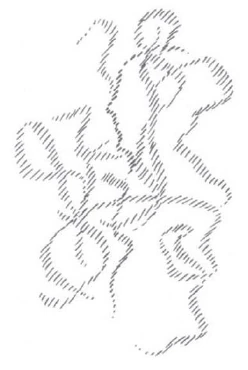
[ 41 ] Also solche Gedanken, die über das Allernächste hinausschauen, die muß man haben, wenn man über diese Sache sozial denkt. Und da, muß ich sagen, ist meine Meinung diese: Verbieten kann man ja den Alkohol, aber sehen Sie, dann treten merkwürdige Erscheinungen auf. Sie wissen ja zum Beispiel, daß heute die Menschen in vielen Erdgegenden dazu gekommen sind, den Alkoholverkauf einzuschränken oder ganz zu verbieten; aber ich mache Sie darauf aufmerksam, was für ein Übel in der letzten Zeit eingetreten ist: der Kokaingenuß nämlich, der auch von den Leuten gemacht wird, um sich zu betäuben. Und gegen das, was der Kokaingenuß anstellen wird, namentlich an Zerstörung der menschlichen Fortpflanzungskräfte, ist der Alkohol noch Gold! Der eine oder der andere, der das Kokain frißt, wird das nicht einmal dafür verantwortlich halten. Aber schon an den äußeren Symptomen können Sie sehen, wie viel schlimmer der Kokaingenuß ist als der Alkoholgenuß. Wenn einer durch den Alkohol das Delirium tremens kriegt, so äußert sich dies durch eine Art Verfolgungswahn. Er sieht überall Mäuse, die ihn verfolgen. Wenn aber einer Kokain genießt, dann kommen Schlangen überall aus seinem Körper heraus! Wenn ein solcher Mensch, der Kokain genießt, sich selber anschaut, dann sieht er: Erst betäubt er sich — das ist angenehm, das ist eine Art von Wollust -, aber wenn er dann längere Zeit kein Kokain gegessen hat, dann schaut er so aus (siehe Zeichnung S. 225): überall kommen aus seinem Körper Schlangen heraus, und er läuft nur rasch, um wiederum Kokain zu genießen, damit die Schlangen für eine Zeitlang aufhören. Denn die Furcht, die er vor den Schlangen hat, die ist noch viel größer als die Furcht, die er vor den Mäusen hat im Delirium tremens.
[ 41 ] So, when thinking about this issue from a social perspective, one must have thoughts that look beyond the immediate. And there, I must say, my opinion is this: One can, of course, ban alcohol, but you see, then strange phenomena occur. You know, for example, that in many parts of the world today, people have come to restrict or completely ban the sale of alcohol; but I’d like to draw your attention to the evil that has emerged recently: namely, the use of cocaine, which people also use to numb themselves. And compared to the damage caused by cocaine use—specifically the destruction of human reproductive faculties—alcohol is still a blessing! Some who use cocaine won’t even hold it responsible for this. But even from the outward symptoms alone, you can see how much worse cocaine use is than alcohol consumption. When someone experiences delirium tremens from alcohol, it manifests as a kind of persecution delusion. They see mice everywhere, chasing after them. But when someone uses cocaine, snakes come out of their body from everywhere! When such a person who uses cocaine looks at himself, he sees: First he numbs himself—that’s pleasant, it’s a kind of sensual pleasure—but when he hasn’t used cocaine for a long time, he looks like this (see illustration on p. 225): snakes are coming out of his body everywhere, and he just runs quickly to take cocaine again so that the snakes will stop for a while. For the fear he has of the snakes is even greater than the fear he has of the mice during delirium tremens.
[ 42 ] Und so kann man wohl allerlei verbieten, aber die Menschen kommen dann auf allerlei anderes, was in der Regel nicht gescheiter ist, sondern schlimmer ist. Und da glaube ich, daß Aufklärungen, wie der Alkohol wirkt, in der Weise, wie wir es heute zum Beispiel vor uns hingestellt haben, wirklich viel mehr wirken können, gerade Aufklärungen, die den Menschen allmählich dazu bringen, den Alkohol selber zu lassen. Sie beeinträchtigen nicht die menschliche Freiheit, aber Sie erzeugen zugleich das, daß der Mensch sich sagt: Das ist aber unheimlich! Bis in die Knochen herein werde ich ruiniert! Das wirkt dann als Gefühl, während Gesetze nur für den Verstand wirken. Die richtigen Wahrheiten, die richtigen Erkenntnisse, die sind eben solche, die bis ins Gefühl hinein wirken. Deshalb ist meine Überzeugung: Zu einer wirksamen Sozialreform — denn auf anderen Gebieten ist es ähnlich, fast geradeso wie hier - kommen wir doch nur, wenn wir in weitesten Kreisen für eine wirkliche Aufklärung sorgen.
[ 42 ] And so, sure, you can ban all sorts of things, but then people will come up with all sorts of other things—which, as a rule, aren’t any smarter, but are actually worse. And that is why I believe that education about the effects of alcohol—in the way we have presented it here today, for example—can actually be far more effective, especially education that gradually leads people to give up alcohol on their own. It does not infringe on human freedom, but at the same time it causes people to say to themselves: “That’s terrifying! I’ll be ruined to the very core!” This then takes effect as a feeling, whereas laws appeal only to the intellect. The true truths, the true insights, are precisely those that penetrate deep into the feelings. That is why I am convinced that we can only achieve effective social reform—for the situation is similar in other areas, almost exactly as it is here—if we ensure genuine education reaches the widest possible circles.
[ 43 ] Aber diese wirkliche Aufklärung kann man ja erst dann schaffen, wenn etwas da ist, mit dem man aufklären kann. Denn, sehen Sie, wenn Sie heute sich irgendwo einen Vortrag halten lassen über die Schädlichkeit des Alkohols — so werden Sie die Sache nicht dargestellt finden, wie ich sie Ihnen jetzt dargestellt habe, obwohl das nicht einmal so besonders schwer ist; denn die Tatsachen kennen die Leute. Sie wissen nur nicht in der gehörigen Weise über diese Tatsachen zu denken. Die Tatsachen kennen sie schon. Sie gehen meistens aus einem solchen Vortrag, der da gehalten wird von einem heutigen Dutzendgelehrten, heraus und wissen nicht recht etwas Besonderes damit anzufangen. Und wenn sie besonders gutmütig sind, so sagen sie: Na, Gott, man ist halt nicht vorbereitet, man hat die Geschichte nicht verstanden. Der gelehrte Herr weiß das alles. Man kann als einfacher Mensch nicht alles verstehen! Aber der Grund ist, daß er selber es nicht versteht. Wenn man nämlich eine Wissenschaft hat, die wirklich auf die Fundamente geht, auf die Grundlagen geht, dann kann man es nämlich schon zum Verständnis bringen, auch den einfachen Menschen.
[ 43 ] But this true enlightenment can only be achieved when there is something with which to enlighten. You see, if you attend a lecture somewhere today on the harmful effects of alcohol—you won’t find the issue presented the way I’ve just presented it to you, even though that isn’t particularly difficult; for people already know the facts. They simply don’t know how to think about these facts in the proper way. They already know the facts. They usually walk out of such a lecture—given by one of today’s run-of-the-mill scholars—and don’t really know what to make of it. And if they’re particularly good-natured, they’ll say: “Well, I guess I just wasn’t prepared; I didn’t understand the story.” The learned gentleman knows all of this. As an ordinary person, one cannot understand everything! But the reason is that he himself does not understand it. For if one has a science that truly goes down to the foundations, to the basics, then one can indeed make it understandable, even to ordinary people.
[ 44 ] Wenn heute die Wissenschaft so wenig wirklich ist, so ist es eben das, daß sie eigentlich mit Ausschluß der wirklichen Menschlichkeit entstanden ist. Die Leute werden immer zuerst Privatdozent, dann außerordentlicher Professor, dann ordentlicher Professor. Die Studenten sagen dann: Ein ordentlicher Professor weiß nichts Außerordentliches, und ein außerordentlicher Professor, der weiß nichts Ordentliches. — Die Studenten haben das im Gefühl, meine Herren. So geht der ganze Schlendrian weiter. Und in sozialen Reformen wirkt die Wissenschaft eigentlich nichts, während sie in der allertätigsten Weise wirken könnte. Und deshalb muß jemand, der es ehrlich meint mit dem sozialen Leben, immer wieder darauf zurückkommen: Stroherne, papierene Gesetze sind viel weniger wichtig, natürlich braucht man sie auch, aber sie sind viel weniger wichtig als eine durchgreifende Aufklärung. Diese Aufklärung, die braucht man. Dann würden wir erst richtig weiterkommen.
[ 44 ] If science today is so lacking in authenticity, it is precisely because it actually arose through the exclusion of true humanity. People always start out as private lecturers, then become associate professors, then full professors. The students then say: A full professor knows nothing extraordinary, and an associate professor knows nothing ordinary. — The students sense this, gentlemen. And so the whole shambles goes on. And when it comes to social reforms, science actually has no effect, even though it could have the most active impact. And that is why anyone who is sincere about social life must keep coming back to this point: Laws made of straw or paper are far less important—of course, we need them too—but they are far less important than a thorough enlightenment. That is the enlightenment we need. Only then would we really make progress.
[ 45 ] Gerade so etwas, wie man es studieren kann beim Alkohol, das läßt sich überall begreiflich machen. Und dann kommt man zu dem, was ich immer sage zu den Leuten. Nicht wahr, die Leute kommen und fragen: Ist es besser, keinen Alkohol zu trinken, oder ist es besser, Alkohol zu trinken? Ist es besser, Vegetarier zu sein, oder besser, Fleisch zu essen? Ich sage überhaupt niemals einem Menschen, ob er den Alkohol lassen soll oder ob er ihn trinken soll, ob er Pflanzen essen soll oder Fleisch essen soll, sondern ich sage zu dem Menschen: der Alkohol wirkt so und so. Ich stelle es ihm einfach dar, wie er wirkt; dann mag er sich entschließen, zu trinken oder nicht. Und so mache ich es schließlich auch beim Pflanzen- und Fleischessen. Ich sage: so wirkt das Fleisch, so wirken die Pflanzen. Und die Folge davon ist, daß der Mensch sich selber entschließen kann.
[ 45 ] It’s exactly the kind of thing you can study—like with alcohol—and it’s something anyone can understand. And then you come to what I always tell people. Don’t you see, people come and ask: Is it better not to drink alcohol, or is it better to drink it? Is it better to be a vegetarian, or better to eat meat? I never tell anyone whether they should give up alcohol or drink it, or whether they should eat plants or meat; instead, I tell them: alcohol has such-and-such an effect. I simply explain to them how it works; then they can decide for themselves whether to drink or not. And that’s exactly how I handle the issue of eating plants and meat as well. I say: “This is how meat affects you, and this is how plants affect you.” And the result is that people can decide for themselves.
[ 46 ] Das ist das, was man vor allen Dingen in der Wissenschaft haben muß: Respekt vor der menschlichen Freiheit. So daß man gar nicht das Gefühl hat, man will irgendeinem Menschen etwas gebieten oder verbieten, sondern man sagt ihm die Tatsachen. Wenn er weiß, wie der Alkohol wirkt, dann kommt er von selbst darauf, was das Richtige ist. Damit kommen wir am allerweitesten. Da kommen wir dazu, daß freie Menschen sich ihre Richtung selber geben können. Und das müssen wir anstreben. Dann erst kommen wir zu richtigen sozialen Reformen.
[ 46 ] That is what is needed above all else in science: respect for human freedom. So that one does not even have the feeling that one wants to command or forbid anyone to do anything, but rather simply states the facts. If they know how alcohol works, they’ll figure out for themselves what the right thing to do is. That’s how we’ll make the most progress. That’s how we’ll reach a point where free people can chart their own course. And that’s what we must strive for. Only then will we achieve true social reforms.
[ 47 ] Wenn ich am Mittwoch da bin, werden wir dann den nächsten Vortrag haben können.
[ 47 ] If I'm there on Wednesday, we'll be able to have the next lecture.