

Spiritual and Social Transformations
in Human Evolution
GA 196
18 January 1920, Dornach
Translate the original German text into any language:
Versions Available:
Spiritual and Social Transformations in Human Evolution, tr. SOL
Sechster Vortrag
Sixth Lecture
[ 1 ] Es ist unmöglich, daß der Mensch von der Gegenwart ab in die Zukunft hinein zu einer wirklichen Selbsterkenntnis, zu einem Selbstgefühl auch von seinem Wesen komme, ohne daß er in Beziehung tritt zur Wissenschaft der Initiation, aus dem Grunde, weil in allem, was der Mensch hier in dieser Welt erfahren kann, ohne daß er Rücksicht nimmt auf die Wissenschaft der Initiation, die Kräfte nicht darinstecken, aus denen heraus das menschliche Wesen wirklich geformt ist. Sie müssen nur, um sich eine entsprechende Vorstellung von dem zu machen, was ich damit eigentlich sagen will, an manches denken, was Ihnen ja geläufig ist aus unseren anthroposophischen Betrachtungen. Sie müssen daran denken, daß der Mensch außer dem, daß er hier sein Leben zwischen der Geburt und dem Tode durchmacht, immer wiederum Leben durchmacht zwischen dem Tode und einer neuen Geburt. Geradeso wie wir hier die Erlebnisse haben durch die Werkzeuge unseres leiblichen Wesens, so haben wir die Erlebnisse zwischen dem Tode und einer neuen Geburt, und diese Erlebnisse sind durchaus nicht ohne Bedeutung für das, was wir hier tun, während wir im physischen Leibe unser irdisches Dasein verbringen. Diese Erlebnisse sind aber auch nicht ohne Bedeutung für dasjenige, was überhaupt auf der Erde geschieht. Denn nur ein Teil, und zwar ziemlich der geringere Teil desjenigen, was hier auf der Erde geschieht, rührt von den im physischen Leibe Lebenden her. Die Toten wirken ja fortwährend herein in unsere physische Welt. Und die Kräfte, von denen der Mensch heute im materialistischen Zeitalter gar nicht sprechen will, sind doch da. Es sind fortwährend aus der geistigen Welt nicht nur von den Wesen der höheren Hierarchien ausgehende Kräfte hier in der physischen Welt vorhanden, welche unsere physische Umgebung konfigurieren, durchdringen, sondern es sind auch Kräfte hinein imprägniert in das, was uns umgibt, was uns ergreift, die von den toten Menschen ausgehen. So daß über das Menschenleben ein Vollständiges ja nur erfahren werden kann, wenn man über das hinausblickt, was die
[ 1 ] It is impossible for human beings to move from the present into the future toward true self-knowledge—toward a sense of self that includes an understanding of their very nature—without engaging with the science of initiation, for the reason that in everything human beings can experience here in this world without taking the science of initiation into account, the forces from which the human being is truly formed are not present. To gain a proper understanding of what I actually mean by this, you need only think of certain things that are familiar to you from our anthroposophical reflections. You must remember that, in addition to living out his life here between birth and death, the human being also repeatedly experiences life between death and a new birth. Just as we have experiences here through the instruments of our physical being, so do we have experiences between death and a new birth, and these experiences are by no means without significance for what we do here while we spend our earthly existence in the physical body. Nor, however, are these experiences without significance for what happens on Earth in general. For only a part—and indeed, the smaller part—of what happens here on Earth originates from those living in physical bodies. The dead, after all, continually influence our physical world. And the forces that people today, in this materialistic age, do not even want to speak of are nevertheless present. Not only are there forces constantly emanating from the spiritual world—not just from beings of the higher hierarchies—that are present here in the physical world, shaping and permeating our physical environment; but there are also forces imbued within what surrounds us and affects us that emanate from the dead. Thus, a complete understanding of human life can only be attained by looking beyond what the
[ 2 ] Sinneserfahrung und auch die historische Erfahrung hier auf der Erde geben kann. Das, was vorhanden ist an solchen Kräften, ist aber schließlich auch einzig und allein das, was überhaupt den ganzen Menschen, den ganzen Gang der menschlichen Entwickelung über die Erde hin verständlich macht. Es wird ein Jahr kommen in der physischen Erdenentwickelung, dieses Jahr wird, sagen wir, ungefähr das Jahr 5700 und einiges sein, in diesem Jahre, oder um dieses Jahr herum, wird der Mensch, wenn er seine richtige Entwickelung über die Erde hin vollzieht, nicht mehr die Erde so betreten, daß er sich verkörpert in Leibern, die von physischen Eltern abstammen. Ich habe öfters gesagt, die Frauen werden in diesem Zeitalter unfruchtbar. Die Menschenkinder werden dann nicht mehr in der heutigen Weise geboren, wenn die Entwickelung über die Erde hin normal verläuft.
[ 2 ] sensory experience and also historical experience here on Earth. Ultimately, however, the extent of such forces is the very thing that makes the whole human being—and the entire course of human development on Earth—understandable at all. A year will come in the physical evolution of the Earth—this year will be, let us say, around the year 5700 and a few—and in that year, or around that year, human beings, if they complete their proper evolution on Earth, will no longer come to Earth in such a way that they incarnate in bodies descended from physical parents. I have often said that women will become infertile in this age. Human children will then no longer be born in the manner they are today, provided that development on Earth proceeds normally.
[ 3 ] Über eine solche Tatsache darf man sich keinen Mißverständnissen hingeben. Es könnte zum Beispiel auch folgendes eintreten: Es könnten die ahrimanischen Mächte, welche unter dem Einfluß der gegenwärtigen Menschenimpulse sehr stark werden, die Erdenentwickelung verkehren; sie könnten die Erdenentwickelung in gewissem Sinne pervers machen. Dadurch würde — gar nicht zum Menschenheile — über diese Jahre im 6. Jahrtausend hinaus die Menschheit in demselben physischen Leben erhalten werden können. Sie würde nur sehr stark vertieren; aber sie würde in diesem physischen Leben erhalten werden können. Das ist eine der Bestrebungen der ahrimanischen Mächte, die Menschheit länger an die Erde zu fesseln, um sie dadurch von ihrer Normalentwickelung abzubringen. Aber wenn die Menschheit wirklich das ergreift, was in ihren besten Entwickelungsmöglichkeiten liegt, so kommt einfach im 6. Jahrtausend diese Menschheit zum Irdischen in eine Beziehung, die für weitere zweieinhalb Jahrtausende so ist, daß der Mensch zwar noch mit der Erde ein Verhältnis haben wird, aber ein Verhältnis, das sich nicht mehr darin ausdrückt, daß physische Kinder geboren werden. Der Mensch wird gewissermaßen als Geist-Seelenwesen — um es anschaulich auszudrücken, will ich sagen: in den Wolken, im Regen, in Blitz und Donner rumoren in den irdischen Angelegenheiten. Er wird gewissermaßen die Naturerscheinungen durchvibrieren; und in einer noch späteren Zeit wird das Verhältnis zum Irdischen noch geistiger werden.
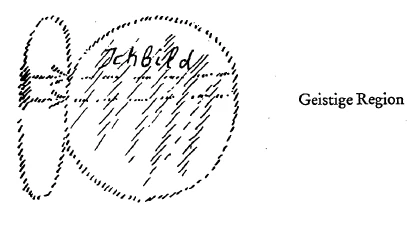
[ 3 ] One must not allow oneself to be misled by such a fact. For example, the following could also occur: The Ahrimanic forces, which are growing very strong under the influence of present-day human impulses, could reverse the course of Earth’s evolution; they could, in a certain sense, pervert it. As a result—and certainly not for the benefit of humanity—humanity could be preserved in the same physical life beyond these years into the sixth millennium. It would become increasingly animal-like; but it could be preserved in this physical life. This is one of the aims of the Ahrimanic forces: to bind humanity to the Earth for longer, thereby diverting it from its normal development. But if humanity truly seizes upon what lies within its best possibilities for development, then in the sixth millennium this humanity will simply enter into a relationship with the earthly realm that, for the next two and a half millennia, will be such that human beings will still have a relationship with the Earth, but one that is no longer expressed through the birth of physical children. Human beings will, so to speak, as spirit-soul beings—to put it vividly, I would say: in the clouds, in the rain, in lightning and thunder—stir up earthly affairs. They will, so to speak, vibrate through natural phenomena; and at an even later time, the relationship to the earthly realm will become even more spiritual.
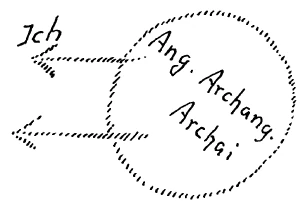
[ 4 ] Von allen diesen Dingen kann heute nur erzählt werden, wenn man einen Begriff hat von dem, was geschieht zwischen dem Tode und einer neuen Geburt. Obzwar nicht eine vollständige Gleichheit herrscht zwischen der Art und Weise, wie der Mensch heute zwischen dem Tode und einer neuen Geburt zu den irdischen Verhältnissen in Beziehung steht, und der Art, wie er dann, wenn er sich gar nicht mehr physisch verkörpern wird, dazu in Beziehung stehen wird, so ist doch eine Ähnlichkeit vorhanden. Wir werden gewissermaßen, wenn wir verstehen, der Erdenentwickelung ihren wirklichen Sinn zu geben, dann dauernd in ein solches Verhältnis zu den irdischen Angelegenheiten kommen, wie wir jetzt dazu bloß stehen, wenn wir zwischen dem Tod und einer neuen Geburt leben. Es ist das jetzige Leben zwischen dem Tod und einer neuen Geburt nur etwas, ich möchte sagen, geistiger, als es dann sein wird, wenn der Mensch dauernd in diesen Verhältnissen sein wird.
[ 4 ] Today, one can speak of all these things only if one has an understanding of what happens between death and a new birth. Although there is not complete equivalence between the way a person relates to earthly conditions today between death and a new birth, and the way they will relate to them when they are no longer physically incarnated, there is nevertheless a similarity. In a sense, if we understand how to give earthly development its true meaning, we will then enter into a lasting relationship with earthly affairs—the same kind of relationship we now have to them only when we live between death and a new birth. The present life between death and a new birth is, I would say, merely somewhat more spiritual than it will be when the human being is permanently in these circumstances.
[ 5 ] Aber man kann zum Verständnis dieser Dinge noch lange nicht aufsteigen ohne die Wissenschaft der Initiation. Die meisten Menschen glauben heute noch immer, das Wesentliche im Aneignen der Wissenschaft der Initiation bestehe darin, daß man allerlei geistige Erfahrungen sammelt, aber nicht auf dem Wege, der uns einmal beschieden ist im physischen Leibe. Man schätzt heute selbst die Erfahrungen, die auf spiritistischem Wege gewonnen werden, höher als das, was mit dem gesunden Menschenverstand eingesehen werden kann. Das rührt nur davon her, daß man diesen gesunden Menschenverstand eben heute gar nicht in einer irgendwie gesunden Weise verwendet. Alles, was durch einen Initiierten erkundet wird und mitgeteilt werden kann, ist, wenn man sich nur die nötige Mühe gibt, durch den gewöhnlichen, wirklich richtig gebrauchten gesunden Menschenverstand einzusehen. Auch der Initiierte hat die Aufgabe, vor allen Dingen das, was er erkunden kann aus der geistigen Welt, in die Sprache des gesunden Menschenverstandes zu übersetzen. Es hängt viel mehr davon ab, daß diese Übersetzung in die Sprache des gesunden Menschenverstandes richtig ist, als davon, daß man Erfahrungen in der geistigen Welt macht. Natürlich kann man nichts in den gesunden Menschenverstand übertragen, wenn man nicht diese Erfahrungen macht. Aber die unverarbeiteten Erfahrungen, die einfach gewonnen werden, ohne daß man den gesunden Menschenverstand zum Interpreten benützt, sind eigentlich wertlos, haben eigentlich nicht die richtige Bedeutung für das Menschenleben. Wenn noch so viele übersinnliche Erfahrungen gewonnen werden könnten und die Menschen es verschmähen würden, den gesunden Menschenverstand in richtiger Weise anzuwenden, so würden diese Erfahrungen für die Zukunft gar nichts der Menschheit nützen. Im Gegenteil, diese Erfahrungen würden der Menschheit erheblich schaden. Denn brauchbar ist eine übersinnliche Erfahrung erst dann, wenn sie umgesetzt ist in die Sprache des gesunden Menschenverstandes. Und das eigentliche Übel unserer Zeit liegt nicht darin, daß die Menschen nicht übersinnliche Erfahrungen haben. Übersinnliche Erfahrungen könnten die Menschen genug haben, wenn sie sie haben wollten; die sind da. Man wendet nur den gesunden Menschenverstand nicht an, um zu ihnen zu kommen. Was heute fehlt, das ist gerade die Anwendung des gesunden Menschenverstandes.
[ 5 ] But one is still far from being able to rise to an understanding of these things without the science of initiation. Most people today still believe that the essence of mastering the science of initiation lies in gathering all kinds of spiritual experiences, but not in the way that is destined for us in the physical body. Even today, people value experiences gained through spiritualism more highly than what can be understood through common sense. This stems solely from the fact that, today, common sense is simply not being used in any healthy way. Everything that is explored by an initiate and can be communicated can, if one only makes the necessary effort, be understood through ordinary, properly applied common sense. The initiate, too, has the task, above all, of translating what he can explore from the spiritual world into the language of common sense. It depends far more on this translation into the language of common sense being correct than on having experiences in the spiritual world. Of course, one cannot convey anything to common sense without having these experiences. But unprocessed experiences—those simply gained without using common sense as an interpreter—are actually worthless; they do not hold the proper significance for human life. Even if countless extrasensory experiences could be gained, and people were to refuse to apply common sense correctly, these experiences would be of no use whatsoever to humanity in the future. On the contrary, these experiences would cause considerable harm to humanity. For a supersensible experience is useful only when it has been translated into the language of common sense. And the real evil of our time does not lie in the fact that people do not have supersensible experiences. People could have plenty of supersensible experiences if they wanted them; they are there. People simply fail to apply common sense to make sense of them. What is lacking today is precisely the application of common sense.
[ 6 ] Es ist ja natürlich nicht bequem, das einem Zeitalter und Geschlecht sagen zu müssen, das sich gerade besonders viel einbildet auf die Handhabung dieses gesunden Menschenverstandes. Aber, womit es am schlechtesten bestellt ist in der Gegenwart, das ist nicht etwa die übersinnliche Erfahrung; womit es am schlechtesten in der Gegenwart bestellt ist, das ist die gesunde Logik, das ist wirklich gesundes Denken, das ist vor allen Dingen auch die Kraft der Wahrhaftigkeit. In dem Augenblick, wo Unwahrhaftigkeit sich geltend macht, schmelzen die übersinnlichen Erfahrungen ab, da kommen die Menschen nicht zu einem Verständnis der übersinnlichen Erfahrungen. Das wollen die Menschen nur immer nicht glauben. Es ist aber doch so. Die erste Anforderung, um überhaupt mit der übersinnlichen Welt zurechtzukommen, ist die, daß man die peinlichste Wahrhaftigkeit mit Bezug auf die sinnlichen Erfahrungen anwendet. Wer es mit den sinnlichen Erfahrungen nicht genau nimmt, der kann nie zur richtigen Erfassung der übersinnlichen Welt kommen. Man kann noch so viel hören über die übersinnliche Welt, es bleibt leeres Wortgeschelle, wenn nicht vorhanden ist die peinlichste Gewissenhaftigkeit im Formulieren dessen, was hier in der physischen Welt vor sich geht. Wer aber die Menschheit heute beobachtet, wie sie umgeht mit der sinnenfälligen Wahrheit, der wird natürlich zu dem allertrübsten Bilde kommen. Denn eigentlich handelt es sich den meisten Menschen heute gar nicht darum, irgend etwas, was sie erlebt haben, so zu formulieren, daß die Formulierung ein Abbild desjenigen ist, was sie erlebt haben, sondern es handelt sich für die Menschen darum, die Dinge so zu formulieren, wie sie sie haben wollen, wie es ihnen bequem ist, und die Menschen wissen gar nicht, wie die Impulse vorhanden sind, um nach der einen oder nach der andern Richtung hin abzuirren von einer getreulichen Formulierung des physisch Erlebten. Wenn wir von Kleinem absehen, brauchen wir heute nur auf alle die Impulse zu sehen, welche aus den gewöhnlichen menschlichen Zusammenhängen kommen, aus denen die Menschen dies oder jenes in bezug auf die Wahrheit frisieren möchten. Ferner brauchen wir nur darauf hinzusehen, daß heute über gewisse Dinge die meisten Menschen überhaupt nicht das Wahre sagen, weil sie irgendwie national oder dergleichen engagiert sind. Wer national engagiert ist nach der einen oder nach der andern Richtung, kann über gewisse Dinge überhaupt nicht die Wahrheit denken oder sagen in dem Sinne, wie sie heute aufzufassen ist. Daher wird über die Ereignisse der letzten vier bis fünf Jahre fast gar nicht die Wahrheit gesagt, weil die Leute überall sie von diesem oder jenem Punkt des nationalen Interesses aus sprechen. Daß von solchen Dingen Unendliches abhängt, wenn man sich der übersinnlichen Welt nähern will, das einzusehen ist notwendig. In einem Zeitalter, in dem solches möglich ist, wie ich Ihnen gestern am Schlusse charakterisiert habe — glauben Sie, daß da viele Zugänge zur Wahrheit offenliegen? Das tun sie nicht. Denn diejenigen Menschen, die in solchen Sümpfen von Unwahrheit drinnenstecken, wie wir sie gestern konstatieren konnten, die verbreiten Dunst und Nebel, der niemals das durchläßt, was als übersinnliche Wahrheit vom gesunden Menschenverstand begriffen werden soll. Ebensowenig wollen die Menschen in Wahrheit, in Wirklichkeit einsehen, daß ein gerades Verhältnis zwischen Mensch und Mensch notwendig ist, wenn die übersinnlichen Wahrheiten in entsprechender Weise ins soziale Leben eingreifen sollen. Man kann nicht auf der einen Seite die Wahrheit «frisieren» und auf der andern Seite übersinnliche Angelegenheiten verstehen wollen.
[ 6 ] Of course, it is not easy to have to say this to an age and generation that currently prides itself so much on its use of this common sense. But what is in the worst state today is not, by any means, supersensible experience; what is in the worst state today is sound logic, truly sound thinking, and above all, the power of truthfulness. The moment untruthfulness asserts itself, supersensible experiences fade away; people are then unable to come to an understanding of them. People simply refuse to believe this. Yet it is indeed the case. The first requirement for coming to terms with the supersensible world at all is to apply the most scrupulous truthfulness with regard to sensory experiences. Anyone who is not meticulous with sensory experiences can never arrive at a true understanding of the supersensible world. No matter how much one hears about the supersensible world, it remains empty rhetoric if there is not the utmost conscientiousness in describing what is taking place here in the physical world. But anyone who observes humanity today and how it deals with sensory truth will naturally arrive at the bleakest of pictures. For in reality, most people today are not at all concerned with formulating anything they have experienced in such a way that the formulation is a true reflection of what they have experienced; rather, people are concerned with formulating things as they wish them to be, as it is convenient for them, and people are completely unaware of the impulses that cause them to stray in one direction or another from a faithful description of what they have physically experienced. If we set aside minor details, we need only look today at all the impulses arising from ordinary human contexts, out of which people wish to distort this or that in relation to the truth. Furthermore, we need only observe that today, regarding certain matters, most people do not speak the truth at all because they are somehow committed to a national cause or the like. Anyone who is nationally committed in one direction or another cannot think or speak the truth about certain things at all in the sense in which it is to be understood today. Consequently, almost nothing true is being said about the events of the last four to five years, because people everywhere speak of them from this or that standpoint of national interest. It is essential to realize that an infinite amount depends on such matters if one wishes to approach the supersensible world. In an age in which such a thing is possible—as I described to you at the end of yesterday’s talk—do you believe that many paths to the truth lie open? They do not. For those people who are mired in such swamps of untruth, as we observed yesterday, spread a haze and fog that never allows through what, as supersensible truth, is meant to be grasped by common sense. Nor do people truly and genuinely want to recognize that a proper relationship between one person and another is necessary if supersensible truths are to influence social life in an appropriate way. One cannot, on the one hand, “doctored” the truth and, on the other hand, claim to want to understand supersensible matters.
[ 7 ] Wenn man diese Dinge ausspricht, so erscheinen sie fast selbstverständlich, aber sie sind tatsächlich so wenig selbstverständlich, daß sie heute eigentlich fortwährend jeder vor sich selbst wiederholen sollte. Denn nur dadurch ist allmählich das zu erreichen, was auf diesem Felde zu erreichen notwendig ist. Man muß nur bedenken, daß völlig ernst zu nehmen ist, was ich in diesen Tagen hier sagte über das Hauptprinzip des sozialen Zusammenlebens: Es muß auf Vertrauen begründet sein in dem Sinne, wie ich das hier charakterisiert habe. In vieler Beziehung wird dieses Vertrauen auch in der Zukunft notwendig sein mit Bezug auf die Erkenntniswege, mit Bezug darauf, daß tatsächlich diejenigen, die in der Lage sind, etwas zu sprechen über die Wissenschaft der Initiation, so behandelt werden, daß man wirklich ihre Aussagen nur mit dem gesunden Menschenverstand prüft, nicht mit Sympathie und Antipathie und dergleichen, auch nicht durch den Spiegel des einen oder des andern persönlichen Gefühles. Immer wieder und wiederum sollte es durchaus klar sein, daß diese Anthroposophische Gesellschaft ein wahrhaftiger Träger der übersinnlichen Wahrheiten in die Welt werden sollte. Dadurch könnte sie außerordentlich Notwendiges und außerordentlich Bedeutungsvolles wirken für die Menschheitsentwickelung.
[ 7 ] When these things are put into words, they seem almost self-evident, but in fact they are so far from self-evident that everyone should actually be repeating them to themselves constantly today. For only in this way can we gradually achieve what must be achieved in this field. One need only bear in mind that what I have said here in recent days about the main principle of social coexistence must be taken entirely seriously: it must be based on trust in the sense that I have characterized it here. In many respects, this trust will also be necessary in the future with regard to the paths of knowledge, and with regard to ensuring that those who are actually able to speak about the science of initiation are treated in such a way that their statements are truly examined only with common sense—not with sympathy or antipathy or the like, nor through the lens of one personal feeling or another. Time and again, it should be absolutely clear that this Anthroposophical Society is meant to become a true bearer of supersensible truths into the world. In this way, it could have an extraordinarily necessary and extraordinarily significant impact on human development.
[ 8 ] Nun muß aber bedacht werden, daß Erfahrungen sammeln in übersinnlichen Welten durchaus eine offenbar ernste Angelegenheit ist. Ich. habe Ihnen vor einiger Zeit hier davon gesprochen, wie ein Freund unserer Sache kurz vor seinem Tode, der infolge Kriegsverwundung eingetreten ist, Zeilen niedergeschrieben hat, in denen er im Angesichte des Todes davon spricht, wie die Luft graniten wird, hart wird. Ich habe damals darauf aufmerksam gemacht, wie das eine durchaus wahre Erfahrung ist. Denn nehmen Sie nur die allerelementarsten Dinge, die in Betracht kommen beim Übertritt über die Schwelle der geistigen Welt, so können Sie den ganzen Ernst der Sache daran ermessen. Wenn wir hier in unserem Tagesleben sind — oder meinetwillen auch in unserem Nachtleben, denn da ist ja elektrisches Licht —, so bescheint die Sonne, das Sonnenlicht die Dinge um uns herum. Die Dinge sind uns durch das Sonnenlicht sichtbar. Die andern Sinne nehmen auf ähnliche Weise die Dinge um uns herum wahr. In dem Augenblick, in welchem die Schwelle überschritten wird, da muß der Mensch, wenn ich mich auf das Beispiel des Sonnenlichtes beschränke, in seinem inneren Wesen eins werden mit dem Lichte. Er kann nicht durch das Licht die Dinge sehen, weil er ja in das Licht hineinkriechen muß. Man kann nur so lange die Dinge mit Hilfe des Lichtes sehen, als das Licht außerhalb ist. Wenn man mit dem Lichte sich selbst bewegt, kann man nicht mehr die Dinge sehen, die das Licht bescheint. Nun merkt man aber erst dann, wenn man mit seinem Seelenwesen also im Lichte sich bewegt, daß eigentlich unser Denken eine Einheit ist mit dem in der Welt webenden Lichte.
[ 8 ] However, it must be borne in mind that gaining experience in the supernatural realms is clearly a serious matter. Some time ago, I spoke to you here about how a friend of our cause, shortly before his death—which occurred as a result of a war wound—wrote a few lines in which, in the face of death, he describes how the air turns to granite, becomes hard. At that time, I pointed out how this is a thoroughly true experience. For if you consider even the most elementary things that come into play when crossing the threshold into the spiritual world, you can gauge the full gravity of the matter. When we are here in our daily life—or, for that matter, in our nighttime life, since there is electric light then—the sun, the sunlight, illuminates the things around us. Things are visible to us through the sunlight. The other senses perceive the things around us in a similar way. The moment the threshold is crossed—to stick with the example of sunlight—a person must, in their inner being, become one with the light. They cannot see things through the light, because they must, after all, enter into the light itself. One can see things with the help of light only as long as the light remains outside. When one moves with the light itself, one can no longer see the things that the light illuminates. But it is only then—when one moves with one’s soul within the light—that one realizes that our thinking is, in fact, one with the light weaving through the world.
[ 9 ] Es ist ja zunächst nur für das physische Leben richtig, daß wir ein Denken haben, das an unseren Leib gebunden ist. In dem Augenblick, wo wir diesen Leib verlassen, haben wir kein abgerundetes Denken, sondern das, was Denken ist, verwebt sich mit dem Lichte, lebt im Lichte und ist eins mit dem Lichte. In dem Augenblick aber, wo so das Licht unser Denken aufnimmt, hört die Möglichkeit auf, auf so bequeme Weise ein Ich zu haben, wie der Mensch dieses Ich zwischen der Geburt und dem Tode hat. Er tut Ja gar nichts dazu. Sein Leib ist so eingerichtet, daß sich sein Wesen durch diesen Leib spiegelt, und dieses Spiegelbild nennt er sein Ich. Es ist ein richtiges Spiegelbild des wahren Ich, aber es ist eben ein Spiegelbild; es ist ein bloßes Bild. Es ist ein Bild-Gedanke, ein Gedanken-Bild. Und das fließt in dem Momente, in welchem die Schwelle überschritten wird, in das Licht aus. Würde man jetzt nicht einen andern Halt für das Ich finden, so würde man überhaupt kein Ich haben. Denn dieses Ich, das man hier zwischen Geburt und Tod hat, hat man durch den Leib zupräpariert. Man verliert es in dem Augenblicke, in welchem man den Leib verläßt, und man kann dann nur ein Ich dadurch erleben, daß man eins wird mit dem, was man nennen kann die Kräfte des Planeten, namentlich mit den verschiedenen Variationen der Schwerkraft des Planeten. Man muß dann tatsächlich so eins werden mit dem Planeten, mit der Erde, daß man sich so als ein Glied der Erde empfindet, wie sich der Finger als ein Glied unseres Organismus empfindet. Dann findet man mit der Erde zusammen die Möglichkeit, wiederum ein Ich zu haben. Und dann merkt man, daß so, wie man sich jetzt des Denkens bedient im physischen Leib, man sich so nachher des Lichtes bedienen kann. So daß man sagen müßte vom Gesichtspunkte der Initiation aus: Man lebt mit der Erdenschwere und beschäftigt sich leuchtend mit der Welt. — Das wäre dieselbe Tatsache für das Erleben jenseits der Schwelle, wie wenn man hier sagt: Man lebt in seinem Leibe und denkt über die Dinge. — Im Leben zwischen Geburt und Tod sagt man: Man lebt im Leibe und beschäftigt sich denkend mit Dingen. Sobald man den Leib verläßt, muß man sagen: Man lebt mit der Schwerkraft oder mit ihren Variationen, Elektrizität, Magnetismus der Erde, und beschäftigt sich leuchtend, indem man im Lichte lebt, mit den Dingen der Welt.
[ 9 ] It is true, at first, only for physical life that we have a form of thinking bound to our body. The moment we leave this body, we no longer have a complete form of thinking; rather, what thinking is becomes interwoven with the light, lives in the light, and is one with the light. But the moment the light thus absorbs our thinking, the possibility ceases of having a “self” in such a convenient way as a human being has this “self” between birth and death. He does absolutely nothing to bring this about. His body is arranged in such a way that his being is reflected through this body, and he calls this reflection his “self.” It is a true reflection of the true “I,” but it is, after all, a reflection; it is merely an image. It is an image-thought, a thought-image. And that flows out into the light the moment the threshold is crossed. If one were not to find another anchor for the “I” at that point, one would have no “I” at all. For this “I” that one possesses here between birth and death has been prepared through the body. One loses it the moment one leaves the body, and one can then experience an “I” only by becoming one with what one might call the forces of the planet—namely, with the various variations of the planet’s gravitational force. One must then truly become so one with the planet, with the Earth, that one feels oneself to be a limb of the Earth, just as a finger feels itself to be a limb of our organism. Then, together with the Earth, one finds the possibility of having a “self” once again. And then one realizes that just as one now makes use of thought in the physical body, one can subsequently make use of light. So that, from the point of view of initiation, one would have to say: One lives with the Earth’s gravity and engages with the world in a luminous way. — That would be the same reality for the experience beyond the threshold as when we say here: One lives in one’s body and thinks about things. — In the life between birth and death, one says: One lives in the body and engages with things through thought. As soon as one leaves the body, one must say: One lives with gravity or with its variations—electricity, the Earth’s magnetism—and engages with the things of the world in a luminous way, living in the light.
[ 10 ] Dann aber, wenn man das ausspricht, was man auf diese Weise erleuchtet, so wie man sonst im Leben die Dinge erdenkt, dann ist es durchaus erfaßbar und begreiflich für den gesunden Menschenverstand. Und auch der Initiierte hat gar nichts von seinen übersinnlichen Erfahrungen, wenn er nicht den gesunden Menschenverstand richtig entwickelt. Wenn heute einer so denkt — bitte betrachten Sie das, was ich jetzt sage, als etwas wirklich sehr Ernstes —, daß er möglichst gut jene Anforderungen zufriedenstellt, die heute bei unseren Schulprüfungen gestellt werden an die Menschen, wenn er sich solche Denkgewohnheiten aneignet, daß er dem heutigen Professorentum in der befriedigendsten Weise Prüfungen ablegen kann, dann ist sein gesunder Menschenverstand so verschroben, daß er, wenn auch Millionen von Erfahrungen der übersinnlichen Welt ihm auf dem Präsentierteller gereicht würden, er sie ebensowenig sehen würde, wie Sie in einem finsteren Zimmer physisch das sehen können, was in diesem finsteren Zimmer sich befindet. Denn durch dasjenige, was die Menschen für das materialistische Zeitalter heute tauglich macht, verfinstern sie sich den Raum, in dem ihnen entgegentreten die übersinnlichen Welten. Die Menschen werden heute gewöhnt, so zu denken, wie nur in Gemäßheit der Funktionen des Leibes gedacht werden kann. Das wird den Menschen von Jugend auf eingewöhnt. Aber der gesunde Menschenverstand ist nicht das, was sich auf der Grundlage des Leibes entwickelt. Der gesunde Menschenverstand ist das, was sich entwickelt in freier Geistigkeit. Aber die freie Geistigkeit wird den Menschen heute schon in unseren niedersten Schulen aberzogen. Schon die Lehrmittel sind so, daß die Menschen verhindert werden, eine wirklich freie Geistigkeit zu entwickeln. Was würde es nützen, wenn diese wichtigen Zeitwahrheiten einfach vor den Menschen verhüllt werden ? Die Menschen würden ja doch nicht einsehen, warum man es sich so angelegen sein läßt, so etwas wirklich ins Werk zu setzen wie die Stuttgarter Waldorfschule. Aber durch diese Stuttgarter Waldorfschule soll wenigstens zunächst einem Teil von Menschenkindern die Möglichkeit geboten werden, aus der Verschrobenheit des Zeitalters herauszukommen und wirklich die Möglichkeit zu gewinnen, im freien Denkelemente sich zu bewegen. Ehe nicht die Dinge von dem Gesichtspunkt dieses Ernstes aus betrachtet werden, kommen wir ja nicht vorwärts.
[ 10 ] But when one expresses what one has come to understand in this way—just as one normally conceives of things in life—it becomes entirely comprehensible and understandable to common sense. And even the initiate gains nothing from his supersensory experiences if he has not properly developed his common sense. If someone today thinks—please take what I am about to say very seriously—that he should satisfy as well as possible the requirements placed on people in our school exams today, if he adopts habits of thought that allow him to pass exams set by today’s professors in the most satisfactory way, then his common sense is so warped that even if millions of experiences from the supersensible world were served up to him on a silver platter, he would be just as unable to perceive them as you are physically unable to see what is in a dark room. For through the very thing that makes people fit for today’s materialistic age, they darken the space in which the supersensible worlds meet them. People today are accustomed to thinking in a way that is limited to the functions of the body. This is instilled in them from childhood onward. But common sense is not what develops on the basis of the body. Common sense is what develops through free spirituality. Yet free spirituality is already being weaned away from people today, even in our lowest schools. Even the teaching materials are designed in such a way that people are prevented from developing a truly free spirit. What good would it do if these important truths of our time were simply concealed from people? People would not understand, after all, why such great effort is being made to actually bring something like the Stuttgart Waldorf School into being. But through this Stuttgart Waldorf School, at least some of the children of humanity are to be offered the opportunity to break free from the eccentricity of the age and truly gain the ability to move within a realm of free thought. Until things are viewed from the perspective of this seriousness, we will not make any progress.
[ 11 ] Die Tendenz ist heute noch viel zu allgemein, die etwa in dem Folgenden besteht. Die Leute möchten Anthroposophie oder so etwas Ähnliches, weil sie der gewöhnlichen Form des Alten überdrüssig sind. So möchten sie etwas Neues haben. Aber dieses Neue soll womöglich nach irgendeiner Richtung hin doch wiederum «eingeschleimt» werden in alle alten Menschheitsvorurteile. Ich habe viele Leute kennengelernt — es ist nämlich gar nicht unangebracht, sich über diese Dinge gar keiner Täuschung hinzugeben —, die haben wahrgenommen, daß anthroposophisch orientierte Geisteswissenschaft etwas Richtiges über das Christentum, über das Mysterium von Golgatha verbreiten will. Aber es gab darunter solche Menschen, denen das nur aus dem Grunde recht war, weil sie dadurch wiederum weniger anstößig wurden in der Kirche, die deshalb die anthroposophische Geisteswissenschaft opportuner gefunden haben als eine andere irgendwie geartete Geisteswissenschaft, die zum Christentum anders steht. Bei ihr handelt es sich allerdings nur um die Wahrheit; aber den Menschen, die das hingenommen haben, hat es sich nicht immer um die Wahrheit gehandelt, sondern oft nur um die Opportunität. Es ist ja natürlich in der Gegenwart unbequem, sich gestehen zu müssen, wie die Vertreter der Bekenntniskirchen es äußerlich mit der Wahrheit nehmen und schließlich ihre Bekennerschaft erst recht. Das färbt auch ab auf die Ungläubigen. Diese kulturhistorische Erscheinung muß durchaus ins Auge gefaßt werden.
[ 11 ] The trend today is still far too widespread, and it consists, for example, of the following. People want anthroposophy or something similar because they are weary of the conventional forms of the past. So they want something new. But this new thing is, if possible, to be “smoothed over” in some way and fitted back into all of humanity’s old prejudices. I have met many people—and it is by no means out of place to be under no illusions about these things—who have realized that anthroposophically oriented spiritual science seeks to convey something true about Christianity and the Mystery of Golgotha. But among them were some who accepted this only because it made them less of a nuisance in the church; they therefore found anthroposophical spiritual science more expedient than any other kind of spiritual science that takes a different stance toward Christianity. For it, however, it is solely a matter of the truth; but for the people who accepted it, it was not always a matter of the truth, but often merely a matter of expediency. It is, of course, uncomfortable in the present day to have to admit how the representatives of the confessional churches outwardly regard the truth—and, ultimately, their own confessional identity all the more so. This also rubs off on non-believers. This cultural-historical phenomenon must certainly be taken into account.
[ 12 ] Man muß zum Beispiel, wenn man sich in der richtigen Weise den übersinnlichen Welten nähern will, Interesse für alle Dinge haben, aber für nichts Neugierde. Den Menschen ist es aber so angenehm, ihre Neugierde mit dem Interesse zu verwechseln. Man muß sich in der Tat angewöhnen, über alle Dinge nicht nur anders denken zu lernen, sondern anders fühlen zu lernen. Wenn schließlich anthroposophisch orientierte Geisteswissenschaft ein Mäntelchen bekommt, durch das sie in der Gesinnungsatmosphäre der Kaffeeklatsche figurieren kann oder dessen, was in unserer Zeit ähnlich ist den Kaffeeklatschen, dann ist das nicht zur Förderung dieser anthroposophisch orientierten Geisteswissenschaft, so daß diese ihre Aufgabe wirklich erfüllen kann. Denn diese Aufgabe ist eine durchaus ernste.
[ 12 ] For example, if one wishes to approach the supersensible worlds in the right way, one must have an interest in all things, but no curiosity about anything. Yet it is so easy for people to confuse their curiosity with interest. One must, in fact, accustom oneself not only to thinking differently about all things, but also to feeling differently about them. If, ultimately, anthroposophically oriented spiritual science is given a veneer that allows it to appear within the atmosphere of a coffee-house gossip session—or whatever in our time is similar to such gatherings—then this does not serve to promote this anthroposophically oriented spiritual science so that it can truly fulfill its task. For this task is a thoroughly serious one.
[ 13 ] Die Gegnerschaften, die in der heutigen Zeit sich in einer so schmierigen Weise geltend machen, die rühren lediglich davon her, daß man merkt: Hier handelt es sich nicht um eine Sekte, um so eine «bessere Familiengesellschaft», die viele Leute haben möchten, sondern hier handelt es sich darum, daß etwas wirklich sich erheben will zu den Impulsen, die die Zeit notwendigerweise braucht. Aber was interessieren die meisten Menschen heute die Impulse, die die Zeit braucht? — Wenn sie nur die Wollust empfinden können, auch irgend etwas von einer neuen Religion zu haben! — Dieser seelische Egoismus, der sehr viele zur anthroposophisch orientierten Geisteswissenschaft treibt, muß überwunden werden. Man muß, wenn man heute richtig diese anthroposophisch orientierte Geisteswissenschaft auffassen will, ein tatsächliches Interesse für die großen Angelegenheiten der Menschheit haben. Es müssen einen die großen Angelegenheiten der Menschheit interessieren. Sie treten durchaus auf in den scheinbar kleinsten Angelegenheiten des Lebens, diese großen Angelegenheiten und Zusammenhänge des Menschheitslebens. Aber nach einer Richtung hin muß das ganze Empfindungsgefüge unseres Menschenwesens sich ändern, wenn wir den gesunden Menschenverstand so orientieren wollen, daß er, ich möchte sagen, in der richtigen Strömung der Geisteswissenschaft läuft. Ich möchte nur das noch einmal sagen: Es muß das ganze Gefüge unseres Seelenlebens sich nach einer bestimmten Richtung hin ändern, wenn unser gesunder Menschenverstand sich so orientieren soll, daß er in der Strömung läuft, welche über die Menschheit durch anthroposophisch orientierte Geisteswissenschaft kommen soll. Denn wie sind wir hier durch diejenige Menschheitskultur, die in den Materialismus hineingedampft ist, zunächst orientiert ?
[ 13 ] The antagonisms that are making themselves felt in such a sordid way in our time stem solely from the realization that: This is not a sect, nor is it the kind of “better family society” that many people would like to have; rather, it is about something that truly seeks to rise to the level of the impulses that our time necessarily requires. But what do most people today care about the impulses that our time needs? — As long as they can feel the pleasure of having even a little something of a new religion! — This spiritual selfishness, which drives so many toward anthroposophically oriented spiritual science, must be overcome. If one wishes to truly understand this anthroposophically oriented spiritual science today, one must have a genuine interest in the great affairs of humanity. One must be interested in the great concerns of humanity. These great concerns and interconnections of human life certainly manifest themselves even in the seemingly smallest matters of daily life. But the entire structure of our human sensibility must shift in a certain direction if we are to orient our common sense in such a way that it, I might say, flows within the right current of spiritual science. I would just like to say this once more: The entire structure of our soul life must change in a certain direction if our common sense is to be oriented in such a way that it flows within the current that is to come to humanity through anthroposophically oriented spiritual science. For how are we initially oriented here by the very culture of humanity that has become mired in materialism?
[ 14 ] Wir sind so orientiert, daß wir uns fühlen als leibliche Menschen. Da stehen wir nun mit unseren Knochen, mit unseren Muskeln, mit unseren Nerven. Wir fühlen uns als leibliche Menschen. Und so, wie unser Leib funktioniert, macht er es wie ein Spiegel, daß er uns unser Ich entgegenwirft, schematisch gezeichnet:
[ 14 ] We are oriented in such a way that we feel ourselves to be physical human beings. There we stand, with our bones, our muscles, and our nerves. We feel ourselves to be physical human beings. And the way our body functions is like a mirror, reflecting our “I” back to us, as illustrated schematically:
[ 15 ] Ja, sehen Sie, Ihr wahres Wesen, das ist ja irgendwo in geistigen Regionen. Da ist Ihr Leib. Dieser Leib wird zum Spiegel und wirft Ihnen von sich aus das Ich-Bild zurück (siehe Zeichnung). Das Ich ist da, aber das Ich-Bild wird Ihnen zurückgeworfen vom Leib. Sie wissen von diesem Ich-Bild, wenn Sie dahin [auf den Leib] blicken, mit dem Menschen hinblicken, von dem die meisten Menschen der Gegenwart nichts wissen, in dem sie aber leben. So wird Ihnen vom Leibe Ihr Ich zurückgespiegelt und ebenso die Gedanken und Gefühle und Willensimpulse. Das wird zurückgespiegelt. Und hinter diesem Ich-Bild, da ist dann der Leib (siehe Zeichnung), und der Mensch nennt diese Bilder, die ihm da entgegengespiegelt werden, seine Seele, und hinter der Seele erblickt er den Leib. Auf den stützt er sich. Aber dieses Bild: Da drunter ist der Leib; da taucht das Ich heraus — dieses Bild muß sich ganz ändern. Das ist ein ganz passiv empfundenes Bild, das man nur dadurch so empfindet, daß der Leib hinter ihm ist. Man muß anders empfinden lernen. Man muß sich empfinden lernen: Da bist du in einer geistigen Welt; da sind nicht die Pflanzen, die Mineralien, die Tiere, da sind Angeloi und Archangeloi und Archai und die andern Wesen der Hierarchien, in denen lebt man drinnen. Und dadurch, daß einen diese durchimprägnieren, strahlt man das Ich aus (siehe Zeichnung S. 100).
[ 15 ] Yes, you see, your true nature lies somewhere in the spiritual realms. There is your body. This body becomes a mirror and, of its own accord, reflects the image of the “I” back to you (see drawing). The “I” is there, but the image of the “I” is reflected back to you by the body. You become aware of this image of the “I” when you look there [at the body], looking with the human being of whom most people today know nothing, yet within whom they live. Thus, your “I” is reflected back to you by the body, as are your thoughts, feelings, and impulses of will. All of this is reflected back. And behind this image of the “I,” there is the body (see drawing), and the human being calls these images, which are reflected back to him, his soul, and behind the soul he perceives the body. He relies on it. But this image—with the body beneath it and the “I” emerging from it—must change completely. It is an image perceived entirely passively, one that is perceived in this way only because the body lies behind it. One must learn to perceive differently. One must learn to perceive oneself: There you are in a spiritual world; there are not plants, minerals, or animals, but rather angels, archangels, archai, and the other beings of the hierarchies—within them one lives. And because they permeate one, one radiates the “I” (see drawing on p. 100).
[ 16 ] Dieses Ich strahlt man aus der geistigen Welt hin. Dieses Ich muß man fühlen lernen, man muß fühlen lernen, daß) man jenes Ich in sich hat, hinter dem die Hierarchien ebenso stehen, wie hinter diesem Ich, das nur ein Bild ist, der Leib steht, der aus den drei Naturreichen zusammen gesetzt ist. Man muß aus der Passivität des Erlebens in die völlige Aktivität übergehen. Man muß fühlen lernen: Du machst aus der geistigen Welt heraus dein wirkliches Ich. — Dann lernt man auch fühlen: Dir wird dein Ich-Spiegelbild gemacht aus dem dem physischen Sein angehörigen Leibe heraus.
[ 16 ] One radiates this “I” out from the spiritual world. One must learn to feel this “I”; one must learn to feel that one has that “I” within oneself, behind which the hierarchies stand just as the body—which is composed of the three kingdoms of nature—stands behind this “I,” which is merely an image. One must move from the passivity of experience into complete activity. One must learn to feel: You create your true “I” from within the spiritual world. — Then one also learns to feel: Your “I” is reflected back to you through the body, which belongs to physical existence.
[ 17 ] Das ist eine Umkehrung des innerlichen Erfühlens, und in diese Umkehrung des innerlichen Erfühlens muß man sich einleben. Das ist das Wichtige, nicht Daten sammeln. Die ergeben sich reichlich, wenn man nur zunächst die Umkehrung des Erfühlens erlebt hat. Dann, wenn man so aktiv denkt, kommen diejenigen Gedanken, die auch das soziale Denken befruchten können. Wenn man nur das Ich spiegeln läßt, kommen immer nur diejenigen sozialen Dinge in Betracht, die so, wie ich gestern gesagt habe, durch Umlagerung der Sprache entstehen. Erst wenn man aktiv sein will in seinem Ich, dann faßt man auch freie Gedanken.
[ 17 ] This is a reversal of inner feeling, and one must become attuned to this reversal of inner feeling. That is what is important, not collecting data. The data will come in abundance once one has first experienced this reversal of feeling. Then, when one thinks in this active way, thoughts arise that can also enrich social thinking. If one merely allows the “I” to be reflected, the only social matters that come into consideration are those that, as I said yesterday, arise through the rearrangement of language. Only when one seeks to be active within one’s “I” does one also conceive of free thoughts.
[ 18 ] Dieses freie Denken ist in früheren Jahrhunderten, die gar nicht so weit hinter uns liegen, allerdings aus atavistischen alten Seelenanlagen heraus, noch in den Menschen gewesen. Die Menschen haben es nur eben aus Instinkt heraus als ein Ideal betrachtet, zu diesem freien Denken aufzusteigen. Wir müssen es in der Zukunft auf bewußte Weise tun. Dafür gibt es einen äußeren Beweis. Nehmen Sie sich nur einmal von den mitteleuropäischen Universitäten die Doktordiplome vor. Die Leute werden gewöhnlich nicht bloß zu Doktoren promoviert, sondern sie werden promoviert zu «Doktoren» und «Magistern der sieben freien Künste», Arithmetik, Dialektik, Rhetorik und so weiter. Das hat heute gar keinen Sinn mehr, denn nirgends gibt es im Universitätsleben heute noch die sieben freien Künste. Das ist ein Überbleibsel, eine Erbschaft aus alten Zeiten, wo durch das Universitätsleben angestrebt wurde die Befreiung des Denkens, das Ergreifen eines Seelenlebens, das zu wirklich freiem Denken sich erheben kann. Man versteht gar nicht mehr, was freie Künste sind. Sie heißen schon deshalb «Künste», weil sie in einer jenseits des bloßen Sinneslebens liegenden Sphäre getrieben wurden, so wie man das künstlerische Phantasieleben frei und unabhängig von der Sinnlichkeit entwickelt. Das, was da noch auf diesen Universitätsdiplomen figuriert, das hat es einmal gegeben, wie es überhaupt vieles gegeben hat, was heute noch in den Formeln des Universitätslebens existiert. Dieser «Magister artium liberalium» ist ein sehr charakteristisches Ding.
[ 18 ] In earlier centuries—which are not so far behind us—this free thinking was still present in people, albeit stemming from atavistic, ancient dispositions of the soul. People simply regarded it as an ideal, driven by instinct, to rise to this level of free thinking. In the future, we must do so consciously. There is external evidence for this. Just take a look at the doctoral diplomas from Central European universities. People are usually not merely awarded doctoral degrees; rather, they are awarded degrees as “Doctors” and “Masters of the Seven Liberal Arts”—arithmetic, dialectic, rhetoric, and so on. This no longer makes any sense today, for nowhere in university life today do the seven liberal arts still exist. This is a remnant, a legacy from ancient times, when university life sought to liberate thought and to cultivate a spiritual life capable of rising to truly free thinking. People no longer understand what the liberal arts are. They are called “arts” precisely because they were cultivated in a sphere beyond mere sensory life, just as one develops the artistic life of the imagination freely and independently of sensuality. What still appears on these university diplomas once existed—just as many other things that still exist today in the formal structures of university life once did. This “Magister artium liberalium” is a very characteristic example.
[ 19 ] Und so müssen Sie sich darüber klar sein, daß wieder errungen werden muß dieses Sich-Erfassen in Lebendigkeit. Aber es ist unbequem, denn die Leute möchten heute nicht mit ihren Beinen, sondern auf Krücken gehen. Das ist allerdings das, was die Leute heute als ein Ideal betrachten; sie möchten, daß ihnen überall von der äußeren sinnlichen Wirklichkeit das entgegengetragen wird, was sie denken sollen. Daß das, was eigentlich gedacht werden soll, in freier Geistigkeit erlebt werden muß, das finden die Menschen unbequem, weil es wirklich ein Losreißen aus der Bequemlichkeit des Lebens erfordert, ein Losreißen von alledem, was als Stütze, als Krücke uns durch das Seelenleben führt. Und wenn einmal vom Gesichtspunkte eines Denkens aus gesprochen wird, das wirklich gar nichts mit der Sinneswelt zu tun hat, sondern das ganz frei aus Intuitionen heraus schöpft, dann verstehen das die Menschen nicht. Deshalb wurde meine «Philosophie der Freiheit» nicht verstanden, weil sie nur begriffen werden kann von einem Menschen, der nun freie Gedanken wirklich entwickeln will, der wirklich in einer neuen Art ein «Magister der freien Künste» ist.
[ 19 ] And so you must realize that this sense of self-awareness in aliveness must be regained. But it is uncomfortable, because people today do not want to walk on their own two feet, but rather on crutches. That, however, is what people today regard as an ideal; they want the external sensory reality to constantly present them with exactly what they are supposed to think. People find it uncomfortable that what is actually meant to be thought must be experienced in free spirituality, because it truly requires a breaking away from the comforts of life—a breaking away from everything that serves as a support, as a crutch, guiding us through our soul life. And when one speaks from the standpoint of a kind of thinking that truly has nothing to do with the sensory world, but rather draws entirely freely from intuitions, then people do not understand it. That is why my Philosophy of Freedom was not understood, because it can only be grasped by a person who truly wants to develop free thoughts, who is truly, in a new sense, a “Master of the Liberal Arts.”
[ 20 ] Das sind die Dinge, die heute verstanden werden müssen mit dem richtigen Gefühle und mit dem richtigen Ernste. Insbesondere möchte ich zu den englischen Freunden, die jetzt nur auf kurze Zeit hier sitzen, sagen: Es ist notwendig, dieses Wahrzeichen unseres Baues, das hier auf diesem Hügel aufgeführt worden ist, eben als ein äußeres Wahrzeichen aufzufassen für die so gekennzeichneten Zeichen unserer Zeit. Da soll dieser Bau stehen, damit durch ihn in der Welt gesagt werden kann: Ihr möget denken in der alten Weise, wie ihr es seit vier Jahrhunderten gewohnt worden seid in euren Wissenschaften, ihr werdet damit die Menschheit zugrunde richten. Ihr mögt in der bequemen Weise durch Krücken nach Sozialismen suchen, ihr werdet damit nur dasjenige gewahren, was schon den Tod in sich schließt. Notwendig ist heute, ein so freies Denken für das Seelenleben zu finden, wie die Formen frei sind, aus denen als architektonische oder plastische oder malerische Formen versucht worden ist, diesen Bau herauszugestalten. Daß an einem Punkt der Erde dies gesagt werde, gesagt werde nicht bloß durch Worte, gesagt werde auch durch Formen, darum handelt es sich hier! Und fühlen sollte man es, daß hier durch diese Formen etwas anderes gesagt werden soll, als sonst heute in der Welt gehört werden kann, daß aber dieses hier Gesagte in erster Linie zu dem gehört, was für die Fortentwickelung der Menschheit in erkenntnismäßiger und in sozialer Beziehung in bezug auf alle Wissenschaften und alle Zweige des sozialen Lebens eminent notwendig ist.
[ 20 ] These are the things that must be understood today with the right sentiment and the right sense of gravity. In particular, I would like to say to our English friends, who are here only for a short time: It is necessary to view this landmark of our building, which has been erected here on this hill, precisely as an outward symbol of the defining characteristics of our time. Let this building stand so that through it a message may be sent to the world: You may think in the old way, as you have been accustomed to doing for four centuries in your sciences, but in doing so you will bring about the ruin of humanity. You may seek socialism in a comfortable way, relying on crutches, but in doing so you will only perceive that which already contains death within itself. What is necessary today is to find a way of thinking for the life of the soul that is as free as the forms from which—whether architectural, sculptural, or painterly—an attempt has been made to shape this building. That this be said at a single point on Earth—not merely through words, but also through forms—that is what is at stake here! And one should sense that through these forms something different is to be expressed here than what is otherwise heard in the world today—but that what is said here belongs first and foremost to what is eminently necessary for the further development of humanity, both in terms of knowledge and in social relations, with regard to all sciences and all branches of social life.
[ 21 ] Nun möchte ich — selbstverständlich auch zu den andern, aber in erster Linie jetzt zu unseren englischen Freunden — das Folgende sagen: Sehen Sie, es ist die Möglichkeit vorhanden, daß jenes Interesse, welches da war, als man an den Bau hier ging, daß dieses Interesse erlahmt, daß dieses Interesse in der Zukunft, in der allernächsten Zukunft nicht in der entsprechenden Weise da ist. Was würde dann geschehen ? Dieser Bau würde unvollendet bleiben, denn dieser Bau braucht noch große Opfer. Ohne große Opfer ist er nicht zu Ende zu führen. Dieser Bau würde unvollendet bleiben, dieser Bau würde dastehen als ein Torso. Das könnte durchaus sein, daß dieser Bau dastehen bleiben müßte als ein Torso. Daß er nicht ein Torso bleibt, das wird davon abhängen, daß man das richtige Verständnis dem Wollen entgegenbringt, dem dieser Bau dienen soll, das ich in der verschiedensten Weise gerade in diesen Betrachtungen hier vor Ihnen wollte zum Ausdrucke bringen.
[ 21 ] Now I would like to say the following—to everyone, of course, but first and foremost to our English friends: You see, there is a possibility that the interest that existed when construction began here might wane, that this interest will not be present to the necessary extent in the future—in the very near future. What would happen then? This building would remain unfinished, for it still requires great sacrifices. Without great sacrifices, it cannot be completed. This building would remain unfinished; it would stand as a torso. It is entirely possible that this building would have to remain standing as a torso. Whether it does not remain a torso will depend on whether people bring the right understanding to the purpose this building is intended to serve—a purpose I have sought to express in various ways precisely in these reflections here before you.
[ 22 ] Betrachten Sie es nicht als ein Abirren vom Idealismus oder von der Spiritualität, wenn gesagt wird, es ist notwendig, daß dieser Bau auch mit äußeren Geldmitteln gebaut wird, und wenn darauf aufmerksam gemacht wird, daß diese äußeren Geldmittel eben vorhanden sein müssen. Gewiß, Sie können sagen, das ist Materialismus, die richtige Spiritualität besteht darinnen, daß man sich um das Materielle nicht kümmert. Aber wenn Sie zum Beispiel jetzt nach England zurückgehen, würde es ein falscher Standpunkt sein, wenn Sie dort ankommen würden und nur davon reden würden im gegenwärtigen Augenblicke, wo so viel davon abhängt, erstens, daß dieser Bau vollendet werde, wo aber so sehr die Möglichkeit vorliegt, daß er Torso bleiben könnte, es würde völlig falsch sein, wenn Sie sagen würden: Ja, es kommt ja doch darauf an, daß man das Geistige fördert! — Nein, es kommt bei dem Idealismus und bei der Spiritualität nicht etwa noch darauf an, daß man dann Geiz entfaltet in bezug auf materielle Opfer. Geizigkeit in bezug auf materielle Opfer ist noch kein Zeichen von Spiritualität. Und wenn man auch nicht so recht zugesteht dasjenige, worauf ich jetzt ziele — so ein bißchen im Hintergrund haben es viele Menschen: Weil das eine spirituelle Sache ist, so braucht man für sie nicht materielle Opfer zu bringen! Da kann man sich schon gönnen, die Spiritualität zu bewundern, zu verehren, ihr anzuhängen, aber die Taschen fest verschließen. — Es geht eben nicht, daß wir unsere Spiritualität dadurch betätigen, daß wir die Taschen fest verschließen! Wir werden im Gegenteil zeigen, daß wir wirklich Verständnis haben für dasjenige, was hier geschehen soll, wenn wir unseren Idealismus und unsere Spiritualität dadurch bekunden, daß wir nicht sagen: Wir können gut spirituell und idealistisch sein bei fest verschlossenen Taschen —,sondern wenn wir diese Taschen öffnen. Denn von den offenen Taschen hängt tatsächlich vieles ab: Das Materielle ist ja doch wirklich, nicht wahr, dabei das Unbedeutende. Also betrachten wir es nicht ganz so bedeutend, sagen wir, die Tasche zuzulassen. Betrachten wir es mit der nötigen Unbedeutendheit, dann wird sich die Sache finden. Aber wir brauchen dazu ein wenig Kraft, denn natürlich, wir müssen zu den Leuten gehen und müssen sie veranlassen, daß sie Opferwilligkeit entfalten. Das wollen sie nicht sogleich. Es ist auch nicht damit getan, daß wir den Leuten die Sache beibringen in der Art, wie sie sie schon verstehen. Man stellt an uns jetzt vielfach die Anforderungen: wir sollten für diese oder jene Leute, die vielleicht dann ihre Taschen aufmachen — ich glaube zwar nicht, daß sie sie sehr stark aufmachen würden —, aber die dann vielleicht ihre Taschen aufmachen, wir sollten möglichst, ja, so wie man die Leimspindeln macht, wenn die Vögel sich daran fangen sollen, man sollte möglichst, damit die Leute verstehen, wir sollen dies und das. — Aber darum handelt es sich gerade, daß wir den Leuten ein neues Verständnis beibringen sollen und daß sie für das entflammt werden sollen, daß sie die Taschen aufmachen nämlich, was ein sehr starkes Entflammen bei vielen Menschen notwendig macht! Es handelt sich darum, daß sie für etwas Neues, das sie noch nicht verstehen, die Taschen aufmachen sollen, und daß sie wirklich auch einmal für das Geistige die Taschen aufmachen sollen.
[ 22 ] Do not regard it as a departure from idealism or spirituality when it is said that it is necessary for this building to be constructed with external funding, and when attention is drawn to the fact that this external funding must indeed be available. Certainly, you might say that this is materialism, and that true spirituality consists in not concerning oneself with material matters. But if, for example, you were to return to England now, it would be a mistaken stance if, upon arriving there, you were to speak only of this at the present moment—when so much depends, first of all, on this building being completed, yet there is such a strong possibility that it might remain an unfinished structure—it would be completely wrong for you to say: “Yes, after all, what matters is promoting the spiritual!” — No, when it comes to idealism and spirituality, it is not a matter of then becoming stingy with regard to material sacrifices. Stinginess regarding material sacrifices is not yet a sign of spirituality. And even if one doesn’t quite admit to what I’m getting at now—many people have this idea lurking in the background: Since this is a spiritual matter, there’s no need to make material sacrifices for it! One can certainly allow oneself to admire spirituality, to revere it, to be devoted to it, but keep one’s purse strings tight. — It simply won’t do to practice our spirituality by keeping our wallets tightly closed! On the contrary, we will show that we truly understand what is supposed to happen here when we express our idealism and spirituality not by saying, “We can be spiritual and idealistic even with our wallets tightly closed,” but by opening those wallets. For a great deal actually depends on those open pockets: after all, the material aspect is really, isn’t it, the insignificant part here. So let’s not regard it as all that significant—let’s just say, let’s allow for the pocket. If we regard it with the necessary sense of its insignificance, then things will fall into place. But we need a little strength for this, because, of course, we have to go to the people and encourage them to develop a willingness to make sacrifices. They don’t want to do that right away. Nor is it enough simply to teach people about this matter in a way they already understand. People are now making many demands on us: we should do this or that for these or those people who might then open their wallets—though I don’t believe they’d open them very widely—but who might then open their wallets; we should, as much as possible—yes, just as one sets up glue traps when birds are to be caught in them—we should, as much as possible, so that people understand, do this and that. — But that is precisely the point: that we are to instill a new understanding in people and that they are to be inspired to open their wallets—which requires a very strong sense of inspiration in many people! The point is that they should open their wallets for something new that they do not yet understand, and that they should truly open their wallets for the spiritual as well.
[ 23 ] Sehen Sie, ich rede scheinbar auch materiell. Aber, meine lieben Freunde, nicht gesagt habe ich dasjenige, was ich heute sage, schon jahrelang, und ich kann Ihnen die Versicherung geben: das Nichtsagen hat meistens viel weniger geholfen, als ich hoffen möchte, daß jetzt einmal das Sagen hilft. Ich würde ja gerne einmal das Sagen unterlassen von solchen Dingen, wenn das Nichtsagen geholfen hätte! Und darauf kommt es doch an, daß geholfen werde. Und es ist heute sehr nötig, meine lieben Freunde. Glauben Sie aber nicht, daß ich etwa damit behaupten will: Gehen Sie jetzt nach England, und sagen Sie bloß den Leuten, die in Dornach wollen zunächst Geld; das meine ich gar nicht, sondern es handelt sich schon darum, daß das Geld ganz gleichgültig und wertlos ist, wenn es nicht verwendet wird im Dienste des Allerspirituellsten, wenn es nicht verwendet wird dahingehend, daß gerade dasjenige, was hier spirituell gewollt wird, durch die Welt vibriert. Wenn das nicht wäre, wenn das nicht sein könnte, daß gerade der Geist, der hier verkörpert sein soll, durch die Welt vibriert, dann brauchen wir den Bau nicht, dann mag er Torso bleiben!
[ 23 ] You see, I seem to be speaking in material terms as well. But, my dear friends, I haven’t said what I’m saying today for years, and I can assure you: remaining silent has, for the most part, helped far less than I hope that speaking up will help now. I would gladly refrain from speaking about such things if my silence had helped! And that is what matters, after all—that it helps. And it is very necessary today, my dear friends. But do not think that I am trying to claim: Go to England now and simply tell the people that those in Dornach want money first and foremost; that is not what I mean at all. Rather, the point is that money is completely meaningless and worthless if it is not used in the service of the most spiritual of all, if it is not used to ensure that precisely what is spiritually intended here resonates throughout the world. If that were not the case—if it were not possible for the very spirit that is to be embodied here to vibrate through the world—then we have no need for the building; let it remain a torso!
[ 24 ] Also auf der einen Seite mit ganzer Hingabe gerade dem Spirituellen dienen, das hier gewollt wird, auf der andern Seite aber eben möglich machen, daß dieses Spirituelle auch in der Welt sein kann. Ich kann Ihnen die Versicherung geben: Ich würde diesen Appell heute nicht an Sie gerichtet haben, wenn er nicht notwendig wäre. Haben Sie wenigstens so viel Vertrauen zu mir, daß Sie glauben, daß ich mich entschlossen habe zu diesem Appell aus einer gewissen Notwendigkeit heraus, weil ich einsehe, daß es notwendig ist, daß Sie, indem Sie über den Kanal fahren, nicht nur denken: Wir verbreiten jetzt die spirituellen Lehren, im übrigen mögen die in Dornach sehen, wie sie ihren Bau fertig kriegen, denn das ist ja doch nur etwas Materielles —, es wäre mir ja angenehm, wenn ich so sprechen könnte, aber es geht heute nicht, denn es ist dringend notwendig, ich muß schon noch einmal ganz trocken realistisch das sagen, es ist dringend notwendig, meine lieben Freunde, verzeihen Sie, daß ich es ganz trocken ausspreche, daß wir in der nächsten Zeit für alles das, was zu geschehen hat, viel, viel Geld erhalten, recht viel. Das sage ich jetzt wahrhaftig nicht aus Geldgier, sondern ich sage es aus dem Grunde, weil nur das deutliche Aussprechen desjenigen, was ich eben jetzt deutlich aussprechen mußte, uns verhindern wird, dasjenige, was hier begonnen wird, einen Torso sein zu lassen. Also insbesondere möchte ich mich an die englischen Freunde richten, daß Sie, wenn Sie nach der grünen Insel wieder hinüberkommen, nicht vergessen, bei Ihren Freunden und so weiter, auch in derjenigen, mir etwas unbehaglichen Richtung zu wirken, die ich jetzt in einem bestimmten Ton angeschlagen habe. Es ist sehr, sehr notwendig. Nächsten Freitag um sieben Uhr werden wir den nächsten Vortrag haben. — Ich möchte nur noch hinzufügen, ich habe aber auch neben bei für diejenigen gesprochen, die nicht in nächster Zeit über den Kanal fahren.
[ 24 ] So, on the one hand, serve the spiritual—which is what is intended here—with complete devotion; on the other hand, however, make it possible for this spiritual aspect to exist in the world as well. I can assure you: I would not have addressed this appeal to you today if it were not necessary. Have at least enough trust in me to believe that I have decided to make this appeal out of a certain necessity, because I realize that it is necessary for you, as you cross the Channel, not to think merely: ‘We are now spreading the spiritual teachings; as for the rest, let those in Dornach figure out how to finish their building, since that is, after all, just something material’—it would be nice if I could speak that way, but it is not possible today, for it is urgently necessary; I must say this once again in a very matter-of-fact, realistic way: it is urgently necessary, my dear friends—please forgive me for stating this so bluntly—that in the near future we receive a great deal of money for everything that needs to be done, quite a lot. I truly am not saying this out of greed, but rather because only by clearly stating what I just had to state clearly will we prevent what is being begun here from becoming a half-finished project. So I would like to address my English friends in particular: when you return from the Emerald Isle, please do not forget to work among your friends and so on—even in that direction which is somewhat uncomfortable for me, the one I have now set forth in a certain tone. It is very, very necessary. Next Friday at seven o’clock we will have the next lecture. — I would just like to add that I have also spoken on behalf of those who will not be crossing the Channel in the near future.