

The Spiritual Backgrounds of the Outer World
The Fall of the Spirits of Darkness
GA 201
9 May 1920, Dornach
Translate the original German text into any language:
Versions Available:
Correspondences Between the Microcosm and the Macrocosm, tr. SOL
Dreizehnter Vortrag
Thirteenth Lecture
[ 1 ] Wir haben nun die verschiedensten Dinge zusammengetragen, welche dazu führen können, eine Empfindung zu bekommen von dem Bau des Weltenalls in seinen Verhältnissen zum Menschen. Wir haben gesehen — und darauf muß ja immer wieder aufmerksam gemacht werden —, daß das Weltenall ohne den Menschen nicht begriffen werden kann; das heißt also, daß ein Begreifen des Weltenalls an sich, ohne daß man den Menschen dazurechnet und das Verhältnis des Weltenalls zum Menschen ins Auge faßt, nicht möglich ist. Wenn Sie sich, ich möchte sagen, in einer ganz populären Weise eine Vorstellung darüber bilden wollen, wie der Mensch zusammenhängt mit dem Weltenall, dann brauchen Sie ja nur an dasjenige zu denken, was Gegenstand der elementarsten Astronomie ist, nämlich die sogenannte Schiefe der Ekliptik, das heißt die schiefe Stellung der Erdachse gegenüber der Linie, der Kurve, die sich dutch den Tierkreis ziehen läßt. Diese Schiefe der Ekliptik, man mag sie auffassen, wie man will, man mag sie auch interpretieren, wie man will, bei solchen Interpretationen kommt es zunächst gar nicht darauf an, ob man mit dem, was man interpretiert, die Wirklichkeit trifft oder nicht, sondern darauf kommt es an, daß man sich dadurch etwas, sagen wit, nahebringen kann. Wenn auf der Ebene, die man durch die Tierkreis-Ekliptik legen kann, die Erdachse, das heißt diejenige Achse, um die man die täglichen Umdrehungen der Erde ausgeführt denken kann, senkrecht stünde, so wären über die ganze Erde hin fortwährend das ganze Jahr hindurch Nacht und Tag gleich. Läge die Erdachse in der Ekliptik drinnen, so wäre über die ganze Erde hin ein halbes Jahr Tag, ein halbes Jahr Nacht. Beide Extreme sind ja in einer gewissen Weise erfüllt am Äquator und an den Polen. Dazwischen aber liegen diejenigen Gebiete, welche verschieden lange Tage im Laufe des Jahres haben. Und Sie brauchen nur einmal ein wenig diese ganze Sache zu überdenken, so wird Ihnen sogleich beikommen, welche ungeheure Bedeutung für die ganze Kulturentwickelung der Erde diese Stellung der Erdachse im Weltenraume hat. Denken Sie nur einmal, daß wir ja alle Eskimos wären über die ganze Erde hin, wenn die Erdachse in der Ekliptik läge, und denken Sie sich einmal, daß die ganze Erde erfüllt sein müßte genau von derjenigen Kultur, die am Äquator ist, wenn die Erdachse senkrecht stehen würde auf der Ekliptik.
[ 1 ] We have now compiled a wide variety of insights that can help us gain a sense of the structure of the universe in its relationship to humankind. We have seen—and this must be emphasized time and again—that the universe cannot be understood without humanity; that is to say, it is not possible to understand the universe in and of itself without taking humanity into account and considering the relationship between the universe and humanity. If you wish to form—I would say—a very popular conception of how humanity is connected to the universe, then you need only think of what is the subject of the most elementary astronomy, namely the so-called obliquity of the ecliptic—that is, the oblique position of the Earth’s axis relative to the line, or curve, that can be drawn through the zodiac. This obliquity of the ecliptic—however one chooses to understand it, however one chooses to interpret it—in such interpretations it does not matter at first whether what one interprets corresponds to reality or not; rather, what matters is that one can thereby, so to speak, bring something closer to oneself. If, on the plane that can be drawn through the zodiacal ecliptic, the Earth’s axis—that is, the axis around which one can conceive of the Earth’s daily rotations—were perpendicular, then night and day would be equal throughout the entire Earth, all year round. If the Earth’s axis were located within the ecliptic, there would be day for half a year and night for half a year across the entire Earth. Both of these extremes are, in a certain sense, realized at the equator and at the poles. In between, however, lie those regions that experience days of varying lengths throughout the year. And if you just take a moment to reflect on this whole matter, you will immediately realize the immense significance that the Earth’s axial orientation in space has for the entire cultural development of the Earth. Just imagine for a moment that we would all be Eskimos spread across the entire Earth if the Earth’s axis were aligned with the ecliptic, and imagine that the entire Earth would be filled exclusively with the culture found at the equator if the Earth’s axis were perpendicular to the ecliptic.
[ 2 ] Zum Verständnis der Wirklichkeit kommt es natürlich darauf an, wie man sich etwas interpretiert. Aber um sich nahezubringen, welch ein Zusammenhang zwischen dem Menschen, seiner Kultur und Zivilisation und dem Bau des Weltenalls ist, genügt ja jede Interpretation, und es zwingt einfach die Tatsache, mag sie nun welche immer sein, die hinter dieser Interpretation steht, diese Tatsache zwingt dazu, den Menschen und die Erde als etwas Einheitliches aufzufassen — nicht den Menschen, insofern er ein physisches Wesen ist, als etwas aufzufassen, was man nur für sich ansehen könne. Das kann man eben nicht. Der Mensch ist als physisches Wesen nicht eine Wirklichkeit für sich, sondern er ist ein physisches Wesen mit der ganzen Erde zusammen. Ebensowenig wie Sie eine Hand, die Sie abtrennen vom menschlichen Organismus, als irgend etwas Reales ansehen können — sie stirbt ab, sie ist nur denkbar im Zusammenhange mit dem Organismus —, ebensowenig wie Sie eine Rose, die gepflückt ist, als etwas Reales ansehen können — sie stirbt ab, sie ist nur denkbar im Verein mit dem ganzen in der Erde wurzelnden Rosenstock —, ebensowenig kann man auch den Menschen, wenn man ihn in seiner Ganzheit, Totalität beurteilen will, als bloß in den Grenzen seiner Haut eingeschlossen betrachten.
[ 2 ] Of course, understanding reality depends on how one interprets things. But to grasp the connection between human beings, their culture and civilization, and the structure of the universe, any interpretation will suffice, and the fact—whatever it may be—that underlies this interpretation simply compels us to view human beings and the Earth as a unified whole—not to view human beings, insofar as they are physical beings, as something that can be considered in isolation. That is simply not possible. As a physical being, humanity is not a reality in and of itself, but rather a physical being in conjunction with the entire Earth. Just as you cannot regard a hand, severed from the human organism, as anything real—it withers away; it is conceivable only in connection with the organism— just as you cannot regard a rose that has been plucked as anything real—it withers; it is conceivable only in union with the entire rosebush rooted in the earth—just as, if one wishes to assess a human being in his wholeness and totality, one cannot regard him as confined merely within the limits of his skin.
[ 3 ] Man muß also dasjenige, was der Mensch auf der Erde erlebt, so im Zusammenhange betrachten mit der Erdachse, wie man in anderer Hinsicht eine gewisse Art von Intelligenz schon im Zusammenhange betrachtet mit dem Gesichtskreis oder dem Gesichtswinkel des Menschen. Darauf kommt es ja an bei einer Weltanschauung, die auf Wirklichkeit ausgeht, daß nicht dasjenige, was nur Teilwirklichkeit ist, als eine volle Wirklichkeit aufgefaßt werde. Und man kommt gerade dazu, jene Totalität, die der Mensch als GeistSeelen-Wesen ist, in ihrer Wirklichkeit zu erfassen, wenn man den Menschen als physisches Wesen nicht als in sich abgeschlossene Wirklichkeit betrachtet. Als Geist-Seelen-Wesen ist der Mensch eine Wirklichkeit, eine in sich abgeschlossene Wirklichkeit, eine wirkliche Individualität. Dasjenige aber, was er bewohnt zwischen Geburt und Tod — der physische und der Ätherleib —, das sind für sich keine Realitäten, das sind Glieder des Erdenganzen und, wie wir gleich sehen werden, sogar noch eines anderen Ganzen.
[ 3 ] One must therefore consider what human beings experience on Earth in relation to the Earth’s axis, just as, in other respects, one already considers a certain kind of intelligence in relation to a person’s field of vision or visual angle. After all, what matters in a worldview grounded in reality is that what is only a partial reality not be regarded as a complete reality. And one is able to grasp the reality of that totality which the human being is as a spirit-soul being precisely when one does not regard the human being as a physical being as a reality closed in on itself. As a spirit-soul being, the human being is a reality, a self-contained reality, a true individuality. But what the human being inhabits between birth and death—the physical and etheric bodies—are not realities in themselves; they are parts of the earthly whole and, as we shall soon see, even of another whole.
[ 4 ] Sehen Sie, damit kommen wir dann auf etwas, was noch in genauerem Sinne beachtet werden muß. Ich muß immer wiederum auf eines hinweisen: Die Vorstellungen, die man sich über den Menschen macht, sie gehen, ich möchte sagen, unbewußt fast immer darauf hin, wenigstens nahezu, den Menschen als eine Art festen Körper zu betrachten. Gewiß, man ist sich ja bewußt, daß der Mensch nicht gerade ein harter Körper ist, daß er gewissermaßen ein bildsamer Körper ist; aber man wird sich gewöhnlich nicht bewußt, daß der Mensch ja bis zu mehr als 75 Prozent aus Flüssigkeit besteht und nur zu dem Reste eigentlich als ein Wesen, das MineralischFestes in sich enthält, aufgefaßt werden darf. Der Mensch ist zu 75 Prozent eigentlich ein Wasserwesen. Nun, geht es denn an, frage ich Sie, diesen menschlichen Organismus so zu schildern, wie man das gewöhnlich tut; in scharf konturierten Bildern zu sagen: da hat man diesen Lappen des Gehirns, da hat man das Organ und so weiter, und dann so zu tun, als ob diese fest umrissenen Organe in ihrer Betätigung zusammen bewirkten, was als die Betätigung des ganzen menschlichen Organismus zustande kommt? Das hat ja im Grunde genommen eigentlich gar keinen Sinn. Es handelt sich doch darum, daß wir auch ins Auge fassen, daß der Mensch innerhalb der Grenzen seiner Haut so etwas ist wie ein wogendes Wasser, daß also auch dasjenige eine Bedeutung hat, was bloß innerlich wogende Flüssigkeit ist, daß wir also nicht so schildern sollten, als ob der Mensch mehr oder weniger doch ein fester Körper wäre. Das hat geisteswissenschaftlich betrachtet eine ganz tiefe Bedeutung. Denn gerade wenn wir auf das Feste sehen, das mit dem äußerlichen Mineralischen in einer gewissen Weise zusammenhängt, so hat dieses Feste im menschlichen Organismus eine gewisse Beziehung zur Erde. Wir haben die verschiedensten Beziehungen des Menschen zur Umwelt konstatiert; wir wollen jetzt dasjenige konstatieren, was Beziehung seines Festen zur Erde ist. Diese Beziehung ist da. Aber was wässeriges Element im Menschen ist, das hat zunächst keine Beziehung des Menschen zur Erde, sondern das hat Beziehung des Menschen zum außerirdischen planetarischen Weltenall, vorzugsweise aber zum Monde. Geradeso wie der Mond, wenn auch nicht direkte, so indirekte Beziehungen hat zu dem Entstehen von Ebbe und Flut, also zu gewissen Konfigurationen des flüssigen Teiles der Erde, so hat der Mond auch seine Beziehungen zu dem, was im flüssigen Teile des menschlichen Organismus vor sich geht. Und wenn ich Ihnen gestern geschildert habe, daß wir auf der einen Seite eine gewisse Astronomie haben, die da gilt für die Sonne — sie gilt auch für die Erde —, so sind wir selbst in diese Astronomie als Organismus, der Festes in sich schließt, eingegliedert. Aber die Mondenastronomie ist eine andere. Und in diese Mondenastronomie sind wir so eingegliedert, daß sie mit dem flüssigen Bestandteil unseres Organismus zu tun hat. Sie sehen also, in unseren physisch-festen und in unseren physisch-flüssigen Leib wirken hinein die Kräfte des Kosmos.
[ 4 ] You see, this brings us to something that needs to be considered in even greater detail. I must point out one thing again and again: The ideas we form about human beings—I would say—almost always, unconsciously, tend to view the human being, at least to a large extent, as a kind of solid body. Of course, people are aware that a human being is not exactly a hard body, that it is, so to speak, a malleable body; but they usually do not realize that a human being consists of more than 75 percent liquid and can only be regarded, for the remainder, as a being that contains mineral solids within itself. In fact, 75 percent of a human being is actually a water-based being. Now, is it really appropriate, I ask you, to describe the human organism as is usually done—to use sharply defined images to say: here is this lobe of the brain, here is that organ, and so on—and then to act as if these clearly delineated organs, in their functioning, collectively bring about what is perceived as the activity of the entire human organism? That actually makes no sense at all, when you get right down to it. The point is that we must also consider that, within the confines of the human skin, the human being is something like surging water—that is, even what is merely an internally surging fluid has significance—and that we should therefore not describe the human being as if it were, more or less, a solid body. From a spiritual scientific perspective, this has a very profound significance. For precisely when we look at the solid element—which is connected in a certain way to the external mineral realm—this solid element in the human organism has a certain relationship to the Earth. We have established the various relationships between the human being and the environment; we now wish to establish the relationship between the human being’s solid element and the Earth. This relationship exists. But the watery element within the human being has, at first, no relationship to the Earth; rather, it has a relationship to the extraterrestrial planetary cosmos, and particularly to the Moon. Just as the Moon has—if not direct, then indirect—relationships to the occurrence of tides, that is, to certain configurations of the Earth’s liquid component, so too does the Moon have relationships to what takes place in the liquid component of the human organism. And when I described to you yesterday that, on the one hand, we have a certain kind of astronomy that applies to the Sun—and also to the Earth—we ourselves are integrated into this astronomy as an organism that contains solid matter within itself. But lunar astronomy is different. And we are integrated into this lunar astronomy in such a way that it relates to the liquid component of our organism. So you see, the forces of the cosmos act upon both our physically solid and our physically liquid bodies.
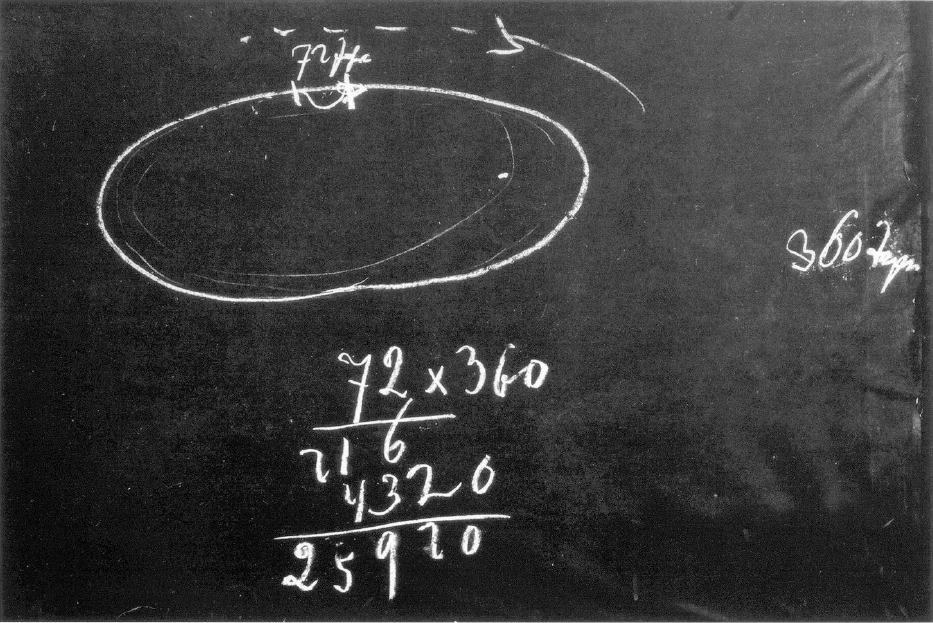
[ 5 ] Das hat aber noch eine viel größere Bedeutung, die darinnen besteht, daß zunächst auf unseren festen Menschen unmittelbar dasjenige einen Einfluß hat, was wir unser Ich nennen, daß aber auf unseren flüssigen Menschen einen unmittelbaren — unmittelbaren, sage ich — Einfluß hat dasjenige, was wir unsern Astralleib nennen, so daß also auch dasjenige, was vom Seelisch-Geistigen auf unsere Organisation wirkt, durch unsere Leiblichkeit in Beziehung kommt zu all dem, was die Kräfte und die Bewegungen des Kosmos sind. Diese Bewegungen des Kosmos sind von den verschiedensten Weltanschauungsgesichtspunkten aus immer Gegenstand der Beobachtung gewesen. Wenn wir hinschauen auf die persische, die urpersische Kultur — da gab es schon Untersuchungen über die Bewegungen im Weltenall; es gab solche bei den Chaldäern, es gab auch solche bei den Ägyptern. Und es ist nicht uninteressant, gerade einmal — ich habe schon dergleichen erwähnt bei Betrachtungen, die mit diesen zusammenhängen — hinzusehen auf die Art, wie sich die Ägypter zu den Bewegungen des Weltenalls verhalten haben. Die Ägypter haben ja namentlich Veranlassung gehabt, aus zunächst scheinbar ganz materiellen Gründen, den Zusammenhang der Erde mit dem außerirdischen Kosmos zu studieren. Denn ihr Land hing ab von den Überschwemmungen des Nil, und die traten ein, wenn die Sonne eine bestimmte Lage im Weltenall hatte. Und diese Lage der Sonne konnte nach der Sirius-Stellung bestimmt werden, so daß die Ägypter schon dazu gekommen waren, über die Stellung der Sonne zu den Sternen, die wit heute Fixsterne nennen, sich Vorstellungen zu machen. Namentlich. waren in ägyptischen Priesterkolonien, in ägyptischen Priestermysterien ausgedehnte Untersuchungen betrieben worden über das Verhältnis der Sonne zu den anderen Sternen, zu den Sternen, die wir heute die fixen Sterne nennen. Das habe ich eben schon erwähnt, daß die Ägypter schon genau wußten, daß die Sonne mit jedem Jahre gegenüber den anderen Sternen am Himmel verschoben erscheint. So daß, wenn die Ägypter damit rechneten, daß die Sterne — ob scheinbar oder wirklich, ist uns gleichgültig — am Himmel herumgehen, so merkten sie, daß das Herumgehen der Sterne in Tagen eine gewisse Geschwindigkeit hat, das Herumgehen der Sonne auch eine gewisse Geschwindigkeit hat, aber keine ganz so große, wie das für die übrigen Sterne der Fall war. Die Sonne bleibt immer etwas zurück. Die Ägypter wußten und verzeichneten das, daß die Sonne in 72 Jahren um einen Tag zurückbleibt, daß also, wenn ein bestimmter Stern, mit dem zugleich die Sonne in einem bestimmten Jahre aufgegangen ist, nach 72 Jahren wiederum aufgeht, die Sonne mit ihm nicht zugleich aufgeht, sondern daß sie dann erst 24 Stunden später aufgeht. Der Stern, der der Fixsternwelt angehört, der ist in 72 Jahren der Sonne um einen Tag, um einen vollen Tag vorausgeeilt. Das ist der Weg, den die Sterne machen und den die Sonne macht (Tafel 24, oben). Aber die Sonne bleibt in 72 Jahren um einen Tag zurück. Wenn ich mit 360 multipliziere, so bekomme ich 25 920 Jahre. Das ist die Zahl, die uns öfter begegnet ist. Es ist die Zeit, welche die Sonne braucht, um dutch ihr Zurückbleiben dahin zu kommen, daß sie wiederum zum Ausgangspunkt kommt, daß sie also um den ganzen Tierkreis herumgegangen ist. Sie ist also in 72 Jahren gerade um einen Grad zurückgeblieben, denn ein Kreis hat ja, wie Sie wissen, 360 Grade. Nach diesen teilten die Ägypter das große Jahr, das eigentlich 25 920 Jahre umfaßt, in 360 Tage. Aber ein solcher Tag ist 72 Jahre lang, und 72 Jahre, was ist denn das? Das ist im Durchschnitt auch die höchste Lebensdauer des Menschen. Gewiß werden einzelne älter, andere nicht so alt, aber es ist eine obere Grenze für das menschliche Leben. So daß man also sagen kann, dieser ganze Zusammenhang ist im Weltenall daraufhin konstruiert, daß er ein Menschenleben erhält durch einen Sonnentag hindurch, der 72 Jahre lang ist. Allerdings, der Mensch ist davon emanzipiert. Er kann immer geboren werden. Er ist davon emanzipiert, zu gewissen Zeiten geboren zu werden, aber sein Leben hier als physischer Mensch zwischen Geburt und Tod richtet sich nach diesem Sonnentag ein. Wenn man nun in der Geschichte nachliest, so wird man meistens finden, daß die Ägypter auch das gewöhnliche Jahr zu 360 Tagen angenommen haben, nicht zu 365¼ Tagen, wie es wirklich ist, bis später die Sache mit dem Gang der Sterne so wenig gestimmt hat, daß man die anderen fünf Tage eingeschoben hat. Aber wodurch ist es denn gekommen, daß die Ägypter ursprünglich das Jahr zu 360 Tagen angenommen haben? Da ist schon ein merkwürdiges Mißverständnis entstanden. Es ist das Mißverständnis entstanden, daß die Priester von einem großen Weltenjahr gesprochen haben. Für dieses Weltenjahr ist wirklich ein Grad, das heißt, der 360. Teil, ein Weltentag von 72 Jahren. So daß also in den ägyptischen Priestermysterien gelehrt worden ist: der Mensch hängt mit dem Kosmos so zusammen, daß seine Lebensdauer ein Tag des Weltenjahres ist. Da wurde der Mensch angegliedert an den Kosmos; es wurde ihm seine Beziehung zum Kosmos klargemacht.
[ 5 ] But this has an even greater significance, which lies in the fact that, first of all, what we call our “I” has a direct influence on our solid human being, whereas what we call our astral body has a direct—direct, I say — influence from what we call our astral body; thus, what acts upon our organism from the soul-spiritual realm is connected, through our physicality, to all the forces and movements of the cosmos. ¼¼¼ movements of the cosmos have always been the subject of observation from a wide variety of worldview perspectives. If we look at Persian, specifically the ancient Persian culture—there were already studies there concerning the movements of the cosmos; there were such studies among the Chaldeans, and there were also such studies among the Egyptians. And it is not without interest—I have already mentioned something similar in reflections related to these—to examine the way the Egyptians related to the movements of the universe. The Egyptians, in particular, had reason—initially for what seemed to be entirely material reasons—to study the connection between the Earth and the extraterrestrial cosmos. For their land depended on the flooding of the Nile, and these floods occurred when the sun was in a specific position in the cosmos. And this position of the sun could be determined by the position of Sirius, so that the Egyptians had already come to form concepts about the sun’s position relative to the stars that we today call fixed stars. In particular, extensive research had been conducted in Egyptian priestly colonies and within the Egyptian priestly mysteries regarding the relationship of the sun to the other stars—the stars we today call fixed stars. As I just mentioned, the Egyptians already knew precisely that the sun appears to shift in position relative to the other stars in the sky each year. So when the Egyptians calculated that the stars—whether apparently or actually, it matters little to us—move across the sky, they noticed that the stars’ movement has a certain speed measured in days, and that the Sun’s movement also has a certain speed, though not quite as great as that of the other stars. The sun always lags slightly behind. The Egyptians knew and recorded that the sun lags behind by one day over the course of 72 years; that is, when a particular star—with which the sun rose simultaneously in a given year—rises again after 72 years, the sun does not rise at the same time as that star, but rather rises 24 hours later. The star, which belongs to the world of fixed stars, has, over the course of 72 years, raced ahead of the Sun by one day—a full day. This is the path that the stars follow and that the Sun follows (Plate 24, top). But the Sun lags behind by one day over the course of 72 years. If I multiply by 360, I get 25,920 years. This is the number we have encountered frequently. It is the time the Sun needs, due to its lag, to return to its starting point—that is, to complete a full circuit of the zodiac. Thus, over 72 years, it has lagged behind by exactly one degree, for, as you know, a circle has 360 degrees. Based on this, the Egyptians divided the Great Year—which actually spans 25,920 years—into 360 days. But such a day lasts 72 years, and 72 years—what does that amount to? On average, that is also the maximum human lifespan. Certainly, some individuals live longer, while others do not reach that age, but it represents an upper limit for human life. So one can say that this entire cosmic order is structured in such a way that it spans a human lifetime through a solar day that lasts 72 years. However, human beings are emancipated from this. They can be born at any time. They are free from being born at specific times, but their life here as physical human beings, between birth and death, is aligned with this solar day. If one looks back at history, one will usually find that the Egyptians also assumed the ordinary year to be 360 days, not 365 days as it actually is, until later, when the alignment with the movement of the stars became so inaccurate that the other five days were inserted. But how did it come about that the Egyptians originally assumed the year to consist of 360 days? A curious misunderstanding arose here. The misunderstanding arose that the priests spoke of a great world year. For this “world year,” one degree—that is, the 360th part—is indeed a “world day” of 72 years. Thus, it was taught in the Egyptian priestly mysteries that human beings are connected to the cosmos in such a way that the span of their lives is one day of the world year. In this way, human beings were linked to the cosmos; their relationship to the cosmos was made clear to them.
[ 6 ] Aber dutch Verhältnisse, die in der Dekadenz der ganzen Entwickelung des ägyptischen Volkes liegen, wurde den breiten Massen des ägyptischen Volkes — und das ist dort am charakteristischsten zutage getreten — nicht mitgeteilt dasjenige, was Wesenheit des Menschen ist, was Zusammenhang des Menschen mit dem Kosmos ist. Man sagte sich: Wissen einmal alle Menschen, daß sie eine Wesenheit sind, die so eingegliedert ist in den ganzen Kosmos, daß ihre eigene Lebensdauer ein Glied ist in der Lebensdauer eines Sonnenumganges, dann werden diese Menschen, die sich fühlen als in das Weltenall eingegliedert, sich nicht regieren lassen, dann betrachtet sich jeder als ein Glied des Weltenalls. — Es sollten nur diejenigen wissen, daß es so ist, die man zum Führen berufen glaubte. Die anderen Menschen, die sollten nicht ein solches Weltenwissen, sondern ein Tageswissen haben. Das hängt zusammen mit der ganzen Dekadenz der ägyptischen Kulturentwickelung. Und was in bezug auf viele andere Dinge allerdings notwendig war, die unreife Menschheit in gewisse Mysterien nicht einzuweihen, das wurde ausgedehnt gerade von der ägyptischen Kultur auf solche Dinge, die den Führenden, den Regierenden Macht gaben.
[ 6 ] But due to circumstances—rooted in the decadence of the entire development of the Egyptian people—the broad masses of the Egyptian people were not made aware of what constitutes the essence of the human being or of the human being’s connection to the cosmos; and this is what became most strikingly evident there. People said to themselves: Once all human beings know that they are beings so integrated into the entire cosmos that their own lifespan is a link in the lifespan of a solar cycle, then these people, who feel themselves to be integrated into the universe, will not allow themselves to be ruled; then everyone will regard themselves as a link in the universe. — Only those whom one believed to be called to lead were to know that this is so. The rest of humanity should not possess such knowledge of the universe, but rather knowledge of daily life. This is connected to the overall decadence of Egyptian cultural development. And what was indeed necessary in many other respects—not to initiate immature humanity into certain mysteries—was extended by Egyptian culture specifically to those things that gave power to the leaders and rulers.
[ 7 ] Nun ist vieles von dem, was heute unsere Menschenseele durchdringt, aus orientalischen Quellen gekommen. Und auch das traditionelle Christentum enthält viel, was von orientalischen Quellen stammt. Aber ein starker Einschlag ist gerade in das römische Christentum von dem Ägyptertum hergekommen. So wie das ägyptische Volk unaufgeklärt hat bleiben sollen über seinen Zusammenhang mit dem Kosmos, so herrscht in gewissen Kreisen gerade des Romanismus die Anschauung: das Volk muß unaufgeklärt bleiben über seine Beziehung zum Kosmos, wie sie durch das Mysterium von Golgatha eingetreten ist. — Und deshalb jener heftige Kampf, wenn aus einer Kultur- und inneren Notwendigkeit heraus darauf aufmerksam gemacht wird, daß das Ereignis von Golgatha nicht bloß irgend etwas ist, was außer Zusammenhang gedacht werden müßte mit der übrigen Weltanschauung, sondern daß dieses Ereignis von Golgatha sachgemäß in die übrige Weltanschauung hineingestellt werden muß; wenn darauf aufmerksam gemacht wird, daß wirklich dasjenige, was zu Golgatha geschehen ist, mit dem ganzen Weltenall und seiner Konstitution etwas zu tun hat. Es wird daher als die ärgste Ketzerei aufgefaßt, wenn der Christus in dem Sinne, wie wir es getan haben, als der Sonnengeist bezeichnet wird.
[ 7 ] Much of what permeates the human soul today has come from Eastern sources. And traditional Christianity, too, contains much that originates from Eastern sources. But Roman Christianity, in particular, has been strongly influenced by Egyptian culture. Just as the Egyptian people were meant to remain uninformed about their connection to the cosmos, so too does the view prevail in certain circles of Roman Catholicism that the people must remain uninformed about their relationship to the cosmos, as it came about through the Mystery of Golgotha. — And that is why there is such a fierce struggle whenever, out of a cultural and inner necessity, attention is drawn to the fact that the event of Golgotha is not merely something that must be conceived of in isolation from the rest of the worldview, but that this event of Golgotha must be properly integrated into the rest of the worldview; when it is pointed out that what actually happened at Golgotha truly has something to do with the entire universe and its constitution. It is therefore regarded as the worst heresy when Christ is described, as we have done, as the Sun Spirit.
[ 8 ] Man soll nur nicht glauben, daß dasjenige, um was es sich dabei handelt, gewissen, in erster Linie führenden Leuten nicht bekannt sei, die da bekämpfen dasjenige, was ich jetzt angedeutet habe. Es ist ihnen selbstverständlich gut bekannt. Aber geradeso wie die ägyptischen Priester genau gewußt haben, daß das gewöhnliche Jahr nicht 360 Tage, sondern 365¼ Tage hat, so wissen gewisse Leute sehr gut, daß es sich bei dem Christus-Geheimnis zugleich um das Sonnenmysterium handelt. Aber es soll verhindert werden, daß dieses der gegenwärtigen Menschheit notwendige Wissen wirklich der gegenwärtigen Menschheit mitgeteilt werde. Denn es ist schon einmal wahr, was ich gestern sagte: Die materialistische Weltanschauung ist jener Seite viel lieber als die Geisteswissenschaft. Denn die materialistische Weltanschauung, sie hat ja auch ihre praktischen Folgen. Sie hat praktische Folgen, die, ich möchte sagen, wiederum an einem Vergleich der gegenwärtigen Zeit mit dem alten Ägyptertum studiert werden können. Ich machte darauf aufmerksam, die Ägypter als solche waren abhängig von dem Gang der Sonne, also von dem Zusammenhang des Irdischen mit dem Himmlischen mit Bezug auf ihre äußere Kultur. Es bedeutete eine gewisse Macht in den Händen des untergehenden ägyptischen Priestertums, wenn das Wissen von dem Zusammenhange der Weltenerscheinungen und ihrer Wirkung auf die ägyptische Landkultur geheimgehalten blieb. Dadurch war derjenige, welcher als Arbeiter wirken sollte in Ägypten, angewiesen darauf, seine Direktiven sich geben zu lassen von den Priestern, die das entsprechende Wissen hatten.
[ 8 ] One should not think, however, that certain people—primarily those in leadership positions—are unaware of what is at stake here, as they are fighting against precisely what I have just alluded to. They are, of course, well aware of it. But just as the Egyptian priests knew exactly that the common year has not 360 days but 365¼ days, so certain people know very well that the Christ Mystery is at the same time the Mystery of the Sun. But they want to prevent this knowledge—which is necessary for present-day humanity—from actually being communicated to present-day humanity. For what I said yesterday is certainly true: that side much prefers the materialistic worldview to spiritual science. For the materialistic worldview does, after all, have its practical consequences. It has practical consequences that, I would say, can in turn be studied by comparing the present age with ancient Egypt. I pointed out that the Egyptians, as such, were dependent on the course of the sun—that is, on the connection between the earthly and the heavenly in relation to their external culture. It conferred a certain power upon the waning Egyptian priesthood when knowledge of the connection between worldly phenomena and their effect on Egyptian agriculture was kept secret. As a result, anyone who was to work as a laborer in Egypt was dependent on receiving his instructions from the priests, who possessed the relevant knowledge.
[ 9 ] Wenn nun der Charakter europäischer und amerikanischer Zivilisation so bleiben würde, wie er ist, wenn man beibehalten würde nur die materialistische kopernikanische Weltanschauung mit ihrem Sprößling, der Kant-Laplaceschen Theorie, dann würde notwendigerweise auch für die irdischen Erscheinungen, die biologischen, die physikalischen, die chemischen Erscheinungen ein materialistisches Weltenbild entstehen müssen. Dieses materialistische Weltenbild hat keine Möglichkeit, die moralische Weltordnung in ihre Struktur einzubeziehen. Sie hat auch keine Möglichkeit, das Christus-Ereignis in ihre Struktur einzubeziehen; denn daß man zu gleicher Zeit Bekenner der maternalistischen Weltanschauung und zu gleicher Zeit Christ ist, das ist eine innerliche Lüge, das ist etwas, was nicht sein kann, wenn man ehrlich und aufrichtig ist. Daher mußten sich in der europäischen und amerikanischen Kultur ganz notwendigerweise die praktischen Folgen zeigen dieses Zwiespaltes zwischen dem Materialismus auf der einen Seite und dem ohne Zusammenhang mit dem materialistischen Weltenbild stehenden moralischen Weltenbilde und auch den Glaubensinhalten. Und diese Konsequenz zeigte sich darin, daß die Menschen, die nicht durch äußere Gründe Veranlassung hatten, innerlich unehrlich zu sein, daß diese den Glauben über Bord warfen und das materialistische Weltenbild auch für das Menschenleben statuierten. Dadurch wurde das materialistische Weltenbild soziales Weltenbild. Das aber würde sich im weiteten Verfolge unserer europäischen und amerikanischen Kultur so ergeben, daß eben die Menschen nur ein materialistisches Weltenbild haben würden, nichts wissen würden von einem Zusammenhang der Erde mit den Weltenmächten, so wie wir es gestern und in diesen Stunden schon öfter betrachtet haben. Aber einer gewissen Priesterkaste würde bleiben das Wissen von dem Zusammenhang mit dem Weltenbilde, geradeso wie den ägyptischen Priestern das Wissen von dem platonischen Jahr, dem großen Weltenjahr und dem großen Weltentag geblieben ist. Und Hoffnung könnte diese Priesterkaste haben, das Volk, welches unter dem Materialismus barbarisch verkommt, dann zu beherrschen.
[ 9 ] If the character of European and American civilization were to remain as it is, if only the materialistic Copernican worldview were to be retained along with its offshoot, the Kant-Laplacean theory, then a materialistic worldview would necessarily emerge even for earthly phenomena—biological, physical, and chemical phenomena. This materialistic worldview has no way of incorporating the moral world order into its structure. Nor does it have any way of incorporating the Christ event into its structure; for to be at once a proponent of the materialistic worldview and at the same time a Christian is an inner lie—it is something that cannot be if one is honest and sincere. Consequently, the practical consequences of this conflict between materialism on the one hand and the moral worldview—as well as the tenets of faith—which stand apart from the materialistic worldview, were bound to manifest themselves in European and American culture. And this consequence manifested itself in the fact that people who had no external reason to be inwardly dishonest cast their faith aside and established the materialistic worldview as the standard for human life as well. As a result, the materialistic worldview became the social worldview. However, as our European and American culture continued to develop, this would result in people having only a materialistic worldview and knowing nothing of the Earth’s connection to the cosmic forces, just as we have already considered several times yesterday and in recent hours. But a certain priestly caste would retain the knowledge of this connection to the cosmic order, just as the Egyptian priests retained the knowledge of the Platonic year, the great cosmic year, and the great cosmic day. And this priestly caste might hope to then rule over the people, who are barbarically degenerating under materialism.
[ 10 ] Es ist natürlich, daß solche Dinge heute nur gesagt werden aus einem Pflichtgefühl gegenüber der Wahrheit; aber sie müssen aus dem Pflichtgefühl gegenüber der Wahrheit durchaus gesagt werden. Es handelt sich heute schon darum, meine lieben Freunde, daß eine Anzahl von Menschen erfahre, daß es nötig ist, dem Mysterium von Golgatha seine kosmologische Bedeutung zu geben. Diese kosmologische Bedeutung muß von einer Anzahl von Menschen eingesehen werden, die dann ihrerseits eine gewisse Verantwortung dafür übernehmen, daß der Menschheit der Erde nicht verborgen bleibt die Tatsache, daß sie zusammenhängt mit einem außerirdischen Geist, der in dem Menschen Jesus im Beginn unserer Zeitrechnung in Palästina gewandelt hat. Es ist notwendig, daß diese Erkenntnis von dem Hereindringen des Christus aus außerirdischen Welten in den Menschen Jesus von Nazareth von einer Anzahl von Menschen durchschaut werde. Es gehört heute zu einem solchen Durchschauen ja tatsächlich ein Überwinden jener Unehrlichkeit, die heute in Weltanschauungs- und Bekenntnisfragen eigentlich gang und gäbe ist. Denn was tut man heute? Man läßt sich auf der einen Seite erzählen, die Erde bewegt sich in einer Ellipse um die Sonne und hat sich entwickelt im Sinne der Kant-Laplaceschen Theorie, und unterschreibt dieses; und dann läßt man sich erzählen, im Beginne unserer Zeitrechnung habe in Palästina das und das stattgefunden. Man nimmt diese beiden Dinge, ohne sie miteinander in Beziehung zu bringen, man nimmt sie hin, und man denkt, das sei ohne Folge. Es ist nicht ohne Folge, denn wenn die Lüge bewußt aufgefaßt wird, dann ist es weniger schlimm, als wenn die Lüge unbewußt figuriert und den Menschen herunterbringt, ihn barbarisiert. Denn wenn Sie die Lüge betrachten, wie sie im Bewußtsein ist, so geht sie mit dem Bewußtsein jedesmal beim Einschlafen aus dem physischen und Ätherleib heraus, ist vorhanden im raumlosen, zeitlosen Sein, in dem ewigen Sein, wenn der Mensch im traumlosen Schlafe ist. Da wird vorbereitet alles dasjenige, was aus der Lüge werden kann in der Zukunft, das heißt, es wird vorbereitet alles dasjenige, was die Lüge wieder verbessern kann, wenn die Lüge im Bewußtsein sitzt. Wenn die Lüge aber im Unbewußten ist, dann bleibt sie im Bette liegen mit dem physischen und dem Ätherleib. Da gehört sie, während der Mensch nicht seinen physischen und seinen Ätherleib ausfüllt, dem Kosmos, nicht bloß dem irdischen Kosmos, sondern dem ganzen Kosmos an. Da arbeitet sie an der Zerstörung des Kosmos, vor allen Dingen an der Zerstörung der ganzen Menschheit, denn da beginnt die Zerstörung in der Menschheit selber.
[ 10 ] It is natural that such things are spoken of today only out of a sense of duty to the truth; but they must certainly be spoken of out of that sense of duty to the truth. The point today, my dear friends, is that a number of people come to realize that it is necessary to ascribe a cosmological significance to the Mystery of Golgotha. This cosmological significance must be understood by a number of people, who will then, in turn, assume a certain responsibility to ensure that the fact—that humanity on Earth is connected to an extraterrestrial spirit who walked in the person of Jesus in Palestine at the beginning of our era—is not kept hidden from humanity. It is necessary that this insight—into the entry of the Christ from extraterrestrial worlds into the human being Jesus of Nazareth—be grasped by a number of people. Indeed, such an understanding today actually requires overcoming the dishonesty that is, in fact, commonplace in matters of worldview and faith. For what do people do today? On the one hand, people are told that the Earth moves in an ellipse around the Sun and has evolved according to the Kant-Laplace theory, and they accept this; and then they are told that such-and-such took place in Palestine at the beginning of our era. They take these two things without relating them to one another; they accept them and think this has no consequences. It is not without consequence, for when a lie is consciously accepted, it is less harmful than when the lie operates unconsciously, degrading and barbarizing the human being. For when you consider the lie as it exists in consciousness, it leaves the physical and etheric bodies every time consciousness falls asleep; it is present in the spaceless, timeless Being, in the eternal Being, when a person is in dreamless sleep. There, everything that can arise from the lie in the future is prepared—that is, everything that can rectify the lie is prepared when the lie resides in consciousness. But when the lie is in the unconscious, it remains in bed with the physical and etheric bodies. There, while the human being does not inhabit his physical and etheric bodies, it belongs to the cosmos—not merely the earthly cosmos, but the entire cosmos. There it works toward the destruction of the cosmos, above all toward the destruction of all humanity, for that is where destruction begins within humanity itself.
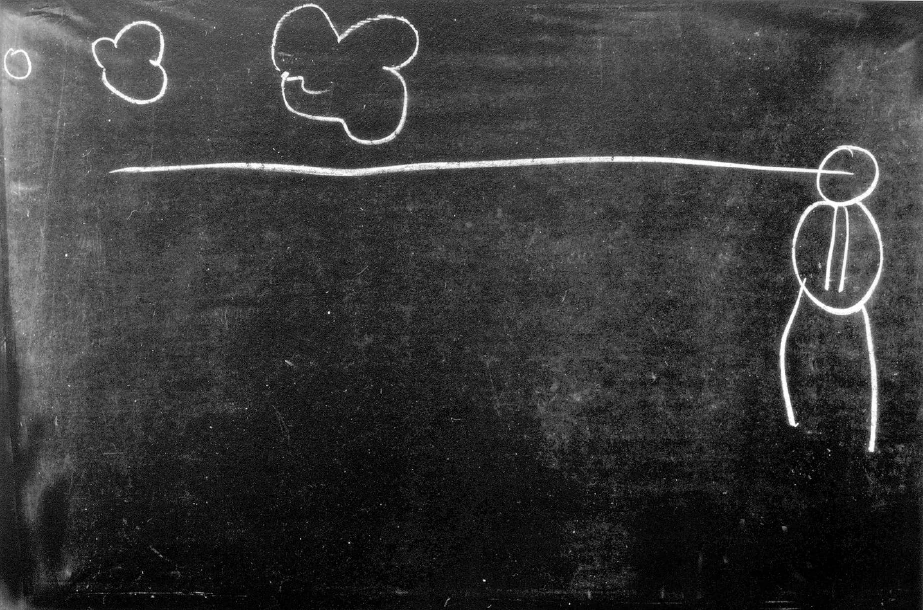
[ 11 ] Dem, was da der Menschheit droht, entgeht man durch nichts anderes als durch das Anstreben innerer Wahrheit in bezug auf solche höchsten Fragen des Daseins. Es ist also gewissermaßen heute eine Art Aufforderung aus unseren Zeitimpulsen heraus an die Menschheit, einzusehen, daß nicht weiter eine Astronomie materialistischer Art existieren darf, die nichts weiß davon, daß in einem bestimmten Zeitpunkte das Ereignis von Golgatha sich bildet. Aber jede Astronomie, welche einschließt in die Weltstruktur den Mond ebenso wie die Sonne und die Erde, statt die beiden in ihren Strömungen ineinanderlaufen zu lassen, so aber, daß sie gesonderte Strömungen sind, jede solche Astronomie ist nichts anderes als eine heidnische Astronomie, keine christliche Astronomie. Daher muß vom christlichen Standpunkte aus jede Evolutionslehre abgelehnt werden, die nur gewissermaßen einheitlich die Welt schildert. Verfolgen Sie meine «Geheimwissenschaft», so werden Sie sehen, wie, indem ich schildere Saturnzeit, Sonnenzeit, die Strömung sich teilt in zwei Strömungen, die dann ineinanderwirken. Da haben Sie die beiden Strömungen. Wenn man aber so schildert, wie gemeiniglich geschildert wird, dann schildert man mit den Begriffen, die durchaus im Sinne der heidnischen Fortentwickelung sind. Das geht bis in die Einzelheiten hinein. Denken Sie nur, wenn der heutige Evolutionstheoretiker so richtig darwinistischer Färbung schildert die Entwickelung der organischen Form, da sagt er: Erst waren einfache organische Formen, dann kamen kompliziertere, dann wiederum kompliziertere und so weiter bis herauf zum Menschen (Tafel 25, oben). — So ist es nicht, sondern, wenn Sie den Menschen nehmen, dreigliedern, so ist nur sein Haupt die Ausbildung der niederen Tierformen (Zeichnung, rechts). Was der Mensch als Haupt hat, das ist die Ausbildung der niederen Tierformen. Dasjenige, was an das Haupt angegliedert ist, das ist später entstanden. So daß wir nicht sagen dürfen, in unserem Rückenmark haben wir etwas, was sich zum Kopfe umbildet, sondern wir müssen sagen: Unser Haupt, unser Kopf ist ja gewiß aus früheren Gebilden entstanden, die Rückgrat-ähnlich waren; aber das heutige Rückgrat hat nichts zu tun mit dieser Entwickelung, sondern ist ein späterer Ansatz; und von einem anders geformten Rückgrat stammt dasjenige, was heute Kopforganisation ist.
[ 11 ] The only way to escape what threatens humanity is by striving for inner truth with regard to such supreme questions of existence. So, in a sense, the impulses of our time are issuing a kind of call to humanity to recognize that a materialistic form of astronomy—one that is unaware that the event of Golgotha takes shape at a specific point in time—can no longer be allowed to exist. But any astronomy that includes the Moon in the structure of the world alongside the Sun and the Earth—instead of allowing the two to converge in their currents, yet in such a way that they remain distinct currents—any such astronomy is nothing other than pagan astronomy, not Christian astronomy. Therefore, from a Christian standpoint, any theory of evolution that depicts the world as, so to speak, a unified whole must be rejected. If you follow my *Secret Science*, you will see how, as I describe the Saturn era and the Sun era, the current divides into two currents that then interact with one another. There you have the two currents. But if one describes it as is commonly done, then one uses concepts that are entirely in line with the pagan conception of evolution. This extends right down to the details. Just consider this: when today’s evolutionary theorist—one with a distinctly Darwinian bent—describes the development of organic forms, he says: First there were simple organic forms, then more complex ones, then even more complex ones, and so on up to human beings (Plate 25, top). — That is not the case; rather, if you take the human being and divide it into three parts, only the head represents the development of the lower animal forms (drawing, right). What humans have as a head is the evolution of the lower animal forms. That which is attached to the head arose later. So we cannot say that we have something in our spinal cord that transforms into the head; rather, we must say: Our head certainly arose from earlier structures that were spine-like; but today’s spine has nothing to do with this development—it is a later addition; and what is now the head structure originated from a differently shaped spine.
[ 12 ] Das erwähne ich für diejenigen, die sich schon etwas mit Deszendenztheorie beschäftigt haben. Ich erwähne es deshalb, damit Sie sehen, daß eine gerade Linie von kosmischen Betrachtungen zu Betrachtungen dessen führt, was in der Menschheitsentwickelung ist, und damit Sie sehen, daß es notwendig ist, daß Geisteswissenschaft hineinleuchte in alle einzelnen Wissens- und Lebensgebiete; daß einfach die Sache nicht so fortgehen kann, wie sich die Wissenschaft in den letzten Jahrhunderten unter dem Einflusse der materialistischen Weltanschauung, die wiederum ein Kind der materialistischen Auffassung des Christentums ist, entwickelt hat. Verdankt wird der Materialismus dem Materialistisch-Werden der christlichen Weltanschauung. Die Lehre von dem kosmischen Christus muß wieder hergestellt werden gegen die Vermaterialisierung dieser Lehre. Das ist die allerwichtigste Aufgabe der Zeit. Und ehe man nicht einsehen wird, daß dies die allerwichtigste Aufgabe der Zeit ist, wird man auf keinem Gebiete klar sehen können.
[ 12 ] I mention this for those who have already studied the theory of descent to some extent. I mention this so that you may see that a direct line of cosmic observations leads to observations of what is happening in human evolution, and so that you may see that it is necessary for spiritual science to shed light on all individual areas of knowledge and life; that things simply cannot continue as they have in recent centuries, with science developing under the influence of the materialistic worldview—which is itself a product of the materialistic interpretation of Christianity. Materialism owes its existence to the materialization of the Christian worldview. The doctrine of the cosmic Christ must be restored in the face of the materialization of this doctrine. This is the most important task of our time. And until people realize that this is the most important task of our time, they will not be able to see clearly in any field.
[ 13 ] Ich habe Ihnen heute etwas anführen wollen, aus dem Sie, ich möchte sagen, intimer erkennen können, warum böswillige Gegner mit solcher Heftigkeit sich gegen dasjenige wenden, was aus einer inneren Notwendigkeit heraus vor die Welt heute hintreten muß. Und ich mußte diese ganze Betrachtung anknüpfen gewissermaßen an eine Art Kosmologie. Wir werden mit dieser Kosmologie am nächsten Freitag um acht Uhr hier fortfahren.
[ 13 ] Today I wanted to present something to you that would allow you, I might say, to gain a deeper understanding of why malicious opponents are so vehemently opposed to what, out of an inner necessity, must now step forward into the world. And I had to link this entire line of thought, so to speak, to a kind of cosmology. We will continue with this cosmology here next Friday at 8:00 p.m.