

The Spiritual Backgrounds of the Outer World
The Fall of the Spirits of Darkness
GA 201
15 May 1920, Dornach
Translate the original German text into any language:
Versions Available:
Correspondences Between the Microcosm and the Macrocosm, tr. SOL
Fünfzehnter Vortrag
Fifteenth Lecture
[ 1 ] Aus den Betrachtungen, die wir hier angestellt haben, werden Sie gesehen haben, wie nötig es ist, den Menschen in seiner Ganzheit zu betrachten, um darauf zu kommen, wie genau eigentlich der Mensch in all seiner Beschaffenheit ein Abbild ist der Gesamtwelt. Dies aufzunehmen ist außerordentlich bedeutsam, nicht nur in die verstandesmäßige Erkenntnis, sondern auch in die gefühlsmäßige Erkenntnis, in die willensmäßige Erkenntnis. Denn nur dadurch, daß man den Menschen in seiner Gesamtheit herausgeboren ansieht aus der Gesamtwelt, wird man ein tieferes Verständnis gewinnen können auch für dasjenige, was nun im Fundamente das Christentum der Welt sein will. Man kann sehr leicht einwenden: Ja, da wird von der modernen Menschheit ein kompliziertes Verstehen der Einzelheiten der Welt gefordert und auch ein kompliziertes Verstehen der Einzelheiten des Menschen, um gewissermaßen dadurch erst in seinem Bewußtsein ein ganzer Mensch zu sein. Aber bedenken Sie doch nur, daß diese Forderung, die jetzt wie eine Kardinalforderung an die Menschheit herantritt, nicht etwa bloß der jetzt auftretenden Geisteswissenschaft eigen ist. Um auf dasjenige hinzuweisen, was ich meine, möchte ich Ihnen zunächst die Frage aufwerfen: Was alles hat denn eigentlich das Christentum bei seinem Auftreten gebracht? Das Christentum hat ja gebracht im Grunde genommen die Anforderung eines Weltverständnisses, das wirklich ein recht ausgebreitetes war. Und dieses Weltverständnis, das angeknüpft hat an die alten heidnischen Vorstellungen, dieses Weltverständnis, das ist im Laufe der Zeit eigentlich völlig vergessen worden. Bedenken Sie doch nur einmal, was den Menschen im Laufe der Zeit allmählich gegeben worden ist von den Fundamentalanschauungen, den Fundamentalideen des Christentums. Das Christentum trat ja so auf, daß man es nur verstehen konnte, wenn man zum Beispiel die Trinität verstand, wenn man verstand das Wesen des Vatergottes, des Sohnesgottes, das heißt des Christus Jesus, und des Geistes. In dem Sinne, wie das Christentum diese drei Aspekte des GöttlichGeistigen verstand, gehörte nicht weniger dazu, als zum Verständnis von solchen Dingen, wie sie heute durch die Geisteswissenschaft vorgebracht werden. Nur hat man allmählich dasjenige, was zum Verständnis dieser Ideen führte, des Vaters, des Sohnes, des Geistes, man hat das allmählich eliminiert, man hat es herausgeworfen aus dem Verständlichen und hat behalten leere Worte, leere Worthülsen. Und durch Jahrhunderte hindurch haben die Menschen leere Worthülsen gehabt. Das ist so weit gekommen, daß dann die Menschen sogar, nachdem sie zuerst dogmatisch zurückgewiesen haben die leeren Worthülsen, dann angefangen haben, über diese leeren Worthülsen zu spotten. Beste Menschen haben über diese leeren Worthülsen gespottet. Man bedenke nur einmal, was alles für Spott ergossen worden ist etwa in der Form, daß man gesagt hat, die Dogmatik fordert, daß Eins Drei und Drei Eins sei. Es ist ja eine furchtbare Illusion, es ist ja eine bloße Täuschung, wenn die Menschen glauben, das, was einstmals das Christentum in seiner Strömung geführt hat, erfordere weniger Verständnis, weniger hingebungsvolle Erkenntnis als dasjenige, was — um das Christentum wiederum zu erobern — die heutige Geisteswissenschaft gibt. Allerdings, die wichtigsten, die fundamentalsten Dinge sind ja aus dem Christentum herausgeworfen worden, und wenn man davon absieht, daß sie in den einzelnen Bekenntnissen als Worte fortleben, so kann man fragen: Was ist denn eigentlich von den Fundamentalbegriffen des Christus selber den Menschen in Wirklichkeit verblieben? Wie unterscheidet denn der moderne Mensch — ich habe Sie darauf aufmerksam gemacht, daß nicht einmal Theologen wie Harnack es unterscheiden — dasjenige, was der Christus ist, von dem, was ein allgemeiner Weltengott ist, den man auch treffen würde mit dem Begriff des Jahve oder Jehova? Und erst, wie viele Menschen machen sich denn heute klar, was zu verstehen ist unter dem Geiste oder dem Heiligen Geiste? Die Menschen sind ja allmählich solche Abstraktlinge geworden, daß sie eben zufrieden sind mit den leeren Worthülsen, daß sie entweder, wenn sie in dem Bekenntnis stehenbleiben, eben zufrieden sind, oder wenn sie, wie man dies dann nennt, aufgeklärt werden, daß sie dann spotten. Aber niemals wird dasjenige, was da aufgebracht wird in den leeren Worthülsen, die Macht erringen können, Licht hineinzubringen in die einzelnen Betätigungen der menschlichen Erkenntnis.
[ 1 ] From the reflections we have made here, you will have seen how necessary it is to consider the human being in his or her entirety in order to realize just how precisely the human being, in all his or her nature, is a reflection of the entire world. It is of extraordinary importance to take this in—not only intellectually, but also emotionally and through the will. For only by viewing the human being in his or her entirety as emerging from the totality of the world can one gain a deeper understanding of what Christianity fundamentally seeks to be for the world. One might very easily object: Yes, modern humanity is required to have a complex understanding of the details of the world and also a complex understanding of the details of the human being, so that, in a sense, one may first become a whole human being in one’s consciousness. But just consider that this demand, which now presents itself as a cardinal requirement for humanity, is by no means unique to the spiritual science that has recently emerged. To illustrate what I mean, I would first like to pose the following question: What, in fact, did Christianity actually bring with it when it first emerged? Christianity, after all, essentially brought with it the demand for an understanding of the world that was truly quite comprehensive. And this worldview, which built upon the ancient pagan conceptions—this worldview has, in fact, been completely forgotten over time. Just consider for a moment what has gradually been given to people over time of the fundamental views, the fundamental ideas of Christianity. Christianity presented itself in such a way that one could only understand it if, for example, one understood the Trinity—if one understood the nature of God the Father, God the Son (that is, Jesus Christ), and the Holy Spirit. In the sense that Christianity understood these three aspects of the Divine-Spiritual, this required no less than the understanding of such things as are presented today by spiritual science. But gradually, what led to an understanding of these ideas—of the Father, the Son, and the Holy Spirit—was gradually eliminated; it was cast out of the realm of the comprehensible, and all that remained were empty words, empty phrases. And for centuries, people have been left with these empty phrases. This has gone so far that people, after first dogmatically rejecting these empty phrases, have even begun to mock them. Even the best of people have mocked these empty phrases. Just consider all the mockery that has been poured out, for example, in the form of the claim that dogmatics demands that one be three and three be one. It is indeed a terrible illusion, a mere delusion, when people believe that what once guided the course of Christianity requires less understanding, less devoted insight than what—in order to reclaim Christianity—today’s spiritual science offers. Admittedly, the most important, the most fundamental things have been cast out of Christianity, and if one disregards the fact that they live on as words in the various creeds, one may ask: What, in reality, has actually remained for people of the fundamental concepts of Christ himself? How, then, does modern man—I have pointed out to you that not even theologians like Harnack make this distinction—distinguish between what Christ is and what a general world god is, whom one might also encounter under the concept of Yahweh or Jehovah? And, for that matter, how many people today truly grasp what is meant by the Spirit or the Holy Spirit? People have, after all, gradually become so abstract-minded that they are content with empty phrases; that is, either they are satisfied when they remain at the level of creedal belief, or, when they are—as it is then called—“enlightened,” they scoff. But what is expressed in these empty phrases will never be able to gain the power to shed light on the individual activities of human cognition.
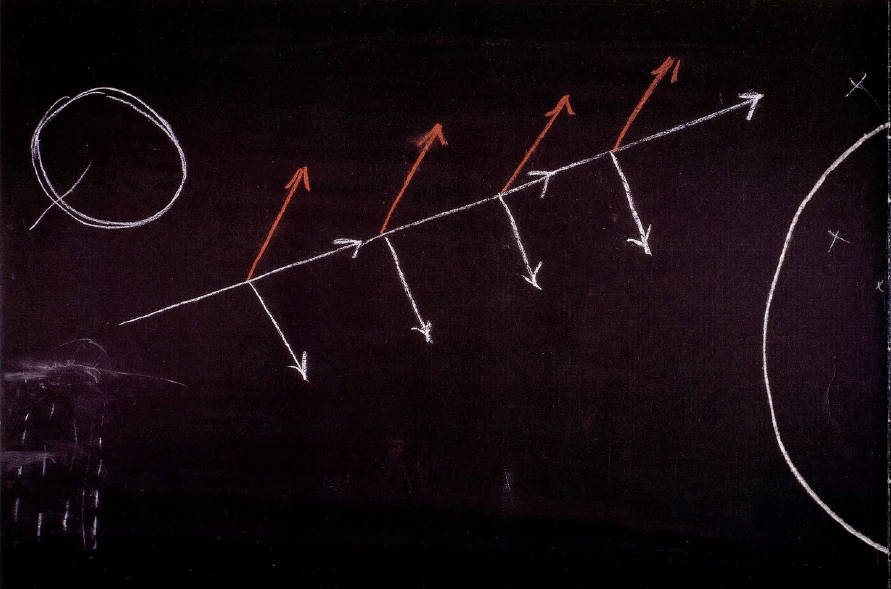
[ 2 ] Bedenken Sie nur, wie weit wir in dieser Beziehung eigentlich gekommen sind. Alles, was noch in älteren griechischen Zeiten Erkenntnis war, war zu gleicher Zeit Inhalt eines Heilprinzipes. Der Heiler war Priester und war zu gleicher Zeit der Lehrer des Volkes. Daß der Lehrer des Volkes, daß der Priester zugleich Heiler ist, das setzt voraus, daß irgend etwas Krankes vorausgesetzt wird in dem ganzen Kulturprozesse. Sonst hätte man ja keine Berechtigung, vom Heiler zu sprechen. Man sprach vom Heiler, weil man aus instinktiver Erkenntnis heraus noch in einer gewissen Beziehung einen umfassenderen, einen intensiveren Begriff von dem ganzen Weltenprozeß hatte, als man heute hat. Heute stellt man sich den Weltenprozeß so vor, daß er eben abläuft und das Spätere immer die Wirkung des Vorhergehenden ist. Aber so ist es in Wirklichkeit nicht. Und eine ältere, instinktive Erkenntnis hat das gewußt, daß es in Wirklichkeit nicht so ist. Man stellt sich heute vor, und insbesondere diejenigen, die von einem abstrakten Fortschritt sprechen, sie stellen sich vor: Na, es geht halt die Entwickelung immer aufwärts. — Diese Anschauung von einer solchen aufwärtsgehenden Entwickelung (Tafel 28, Mitte; Schräge, darin Pfeile) finden wir ja selbst bei der oberflächlich gewordenen Philosophie der neueren Zeit. Ein solcher Mensch, der einfach emporgetragen worden ist von dem Gesamtvorurteil der Zeit, wie Wilhelm Wundt, der Unphilosoph, der zu dem Zeitphilosophen für viele Menschen geworden ist, ein solcher Mensch spricht auch als angeblicher Philosoph von einem solchen allgemeinen Fortschritte, ohne die geringste Erkenntnis, was eigentlich in der wirklichen Strömung des Menschenwerdens liegt. Wir müssen uns aber vorstellen, daß in der wirklichen Strömung des Menschenwerdens fortwährend liegt ein Bestreben zu entarten. Es ist nicht eine Tendenz des Fortschrittes da, vor allen Dingen nicht in der Geschichte. Es ist eine fortwährende Tendenz da zur Entartung (Pfeile nach unten). Und nur dadurch, daß ständig dieser Tendenz zu entarten entgegengewirkt wird von dem, was wir Lehre, Erkenntnis und so weiter nennen, dadurch wird dasjenige, was sonst in die Tiefen hinunterziehen würde, hinaufgehoben. Und nur dadurch entsteht ein Fortschritt (Pfeile nach oben, rot).
[ 2 ] Just consider how far we have actually come in this regard. Everything that was considered knowledge in ancient Greek times was, at the same time, part of a healing principle. The healer was a priest and, at the same time, the teacher of the people. The fact that the teacher of the people—that the priest—is also a healer presupposes that something “sick” is assumed to exist within the entire cultural process. Otherwise, there would be no justification for speaking of a healer. People spoke of the healer because, out of instinctive insight, they still had—in a certain sense—a more comprehensive, more intense understanding of the entire world process than we do today. Today, people imagine the world process as simply unfolding, with what comes later always being the effect of what came before. But that is not how it really is. And an older, instinctive understanding knew that this is not actually the case. People today imagine—and especially those who speak of abstract progress—that development simply moves ever upward. — We find this view of such an upward development (Plate 28, center; diagonal line with arrows) even in the now-superficial philosophy of modern times. Such a person, who has simply been carried along by the prevailing prejudice of the age—like Wilhelm Wundt, the non-philosopher who has become, for many people, the philosopher of the age—such a person, even as a so-called philosopher, speaks of such general progress without the slightest understanding of what actually lies in the true current of human development. But we must realize that within the true current of human development there lies a constant tendency toward degeneration. There is no tendency toward progress—especially not in history. There is a constant tendency toward degeneration (arrows pointing down). And only by constantly counteracting this tendency toward degeneration through what we call teaching, knowledge, and so on is that which would otherwise be dragged down into the depths lifted up. And only through this does progress arise (arrows pointing up, red).
[ 3 ] Sehen wir von diesem Gesichtspunkte aus einmal an, wie es sich verhält mit. dem Kinde. Das Kind wird geboren. Man spricht von Vererbungen. Ja aber, vererbt wird nur dasjenige, was zum Niedergange führen würde, was in die Dekadenz führen würde. Würde nicht das Kind erzogen werden schon durch die ganze Umgebung und später durch die Schule, durch das Leben, so würde das Kind entarten. Erziehung ist also in Wirklichkeit Bewahrung vor dem Entarten. Also, das wirkt Heilung. Als ein Heilungsprozeß wurde noch von der instinktiven Menschenerkenntnis aus alles angesehen, womit Erkenntnis, womit Erziehung, womit Priestertum irgend etwas zu tun hat. Für ältere Anschauungen war der Arzt vom Priester gar nicht zu trennen, war eines und dasselbe; erst die neuere Entwickelung hat Naturwissen und geist-seelisches Wissen so auseinandergetrennt, wie ich das gestern auseinandergesetzt habe. So daß man dem naturwissenschaftlichen Arzt überläßt, alles dasjenige zu heilen, was nach Ju/ius Robert Mayers Anschauung nichts zu tun hat mit dem, was Menschenziele sind und so weiter, sondern nur zu tun hat mit so etwas, wie die Aufwendung der umgewandelten Pferdekräfte in die Erhitzung der Pferde, der Wagenachsen, die Erhitzung der Straße, über die das Rad geht und so weiter. Das ungefähr überläßt man dem physischen Arzt. Und Leute wie Ruder in Berlin, der ja aber nur der Repräsentant dieser Richtung ist, die berechnen dasjenige, was der Mensch zum Leben nötig hat, ungefähr so, wie wenn der Mensch eine Art von komplizierterem Ofen wäre.
[ 3 ] Let us consider, from this perspective, what happens with the child. The child is born. People speak of heredity. Yes, but only that which would lead to decline, that which would lead to decadence, is inherited. If the child were not educated—first by its entire environment and later by school and life itself—it would degenerate. Education is therefore, in reality, protection against degeneration. Thus, it has a healing effect. Based on instinctive human understanding, everything related to knowledge, education, and the priesthood was once viewed as a healing process. In earlier views, the physician could not be separated from the priest at all; they were one and the same; it was only with more recent developments that knowledge of nature and knowledge of the spirit and soul were separated, as I explained yesterday. Thus, one leaves it to the physician trained in the natural sciences to heal everything that, according to Julius Robert Mayer’s view, has nothing to do with human goals and so on, but rather has to do only with such things as the conversion of horsepower into the heating of the horses, the wagon axles, the heating of the road over which the wheel rolls, and so on. That, roughly speaking, is left to the physical physician. And people like Ruder in Berlin—who is, after all, merely a representative of this school of thought—calculate what a person needs to live in much the same way as if a person were a kind of more complicated stove.
[ 4 ] Ziehen Sie nun die sozial-ethische Konsequenz einer solchen Anschauung, ziehen Sie sie so, daß Sie erkennen, wenn alles, was da in der Umwandelung der Kräfte vor sich geht, nur zu Nebeneffekten dasjenige hat, was da überhaupt geschieht als die Absichten und Ziele der Menschen, dann ist ja die Möglichkeit, die Denkmöglichkeit da, daß die Welt auch ohne diese Nebenabsichten bestehe. Und im Grunde genommen ist das ja die eigentlich geheime Meinung des neueren Menschen, daß das Wirkliche nur in dem Physikalischen bestehe und das andere Nebeneffekte sind.
[ 4 ] Now draw the socio-ethical conclusion from such a view—draw it in such a way that you recognize: if everything that is taking place in the transformation of forces is merely a side effect of what is actually happening in terms of people’s intentions and goals, then the possibility—the intellectual possibility—exists that the world could exist even without these secondary intentions. And, when it comes down to it, that is actually the secret opinion of modern people—that reality consists solely of the physical, and that everything else is merely a side effect.
[ 5 ] Sehen Sie, gegenüber einer solchen Anschauung wäre es einzig und allein konsequent, das Christentum streng abzulehnen, wie es die Materialisten um die Mitte des 19. Jahrhunderts getan haben. Diese Materialisten um die Mitte des 19. Jahrhunderts — ich habe einzelnes von ihnen angeführt im Basler öffentlichen Vortrage — sind nun wirklich bis zu den Konsequenzen der materialistischen Weltanschauung gegangen. Sie haben die Konsequenzen gezogen, indem sie gesagt haben: Ist der Naturalismus richtig, dann bleibt nichts anderes übrig, als es lächerlich zu finden, einen Unterschied zu machen zwischen dem Verbrecher und dem guten Menschen, denn selbstverständlich verwandelt sich in dem Verbrecher genau ebenso die aufgewendete Kraft in Wärme wie in dem guten Menschen. Die Fragen, die heute die Welt durchzucken, sind im Grunde genommen vielfach Fragen der Ehrlichkeit, des Mutes, der Konsequenz. In einer Zeit allerdings, in der man nicht solche Ehrlichkeit in bezug auf die äußeren Dinge des Lebens hat, ist es ja nicht verwunderlich, daß in®bezug auf diese Kardinalfragen diese Ehrlichkeit nicht da ist.
[ 5 ] You see, given such a view, the only consistent course of action would be to strictly reject Christianity, as the materialists did in the mid-19th century. These materialists of the mid-19th century—I cited some of them in my public lecture in Basel—truly took the materialist worldview to its logical conclusion. They drew these conclusions by saying: If naturalism is correct, then there is no choice but to find it ridiculous to make a distinction between a criminal and a good person, for it goes without saying that in a criminal, the energy expended is transformed into heat just as it is in a good person. The questions that are shaking the world today are, at their core, often questions of honesty, courage, and consistency. However, in an age when people lack such honesty regarding the external aspects of life, it is hardly surprising that this honesty is absent when it comes to these fundamental questions.
[ 6 ] Und so kommt es, daß die heutige Menschheit noch von Christus redet, ohne eigentlich wirklich etwas davon zu wissen, daß dieser Christus sich wirklich unterscheiden muß von einem allgemeinen Gott, der der ganzen Natur zugrunde liegt. Wenn allmählich die Christus-Vorstellung übergeht in die bloße Gottes-Vorstellung, dann bedeutet das einen Rückschritt der Menschheit hinter das Mysterium von Golgatha zurück. Um aber das Christentum wirklich zu fassen, dazu ist notwendig, daß dieses Prinzip der Entartung ernst genommen werde und daß diesem Prinzip der Entartung ernst gegenübergestellt werde die Notwendigkeit, aus etwas ganz anderem heraus zu arbeiten, als aus dem, was den Keim der Entartung in sich trägt. Die gegenwärtige Menschheit wird aufmerksam darauf werden müssen, daß in dem Zeitpunkte, in dem die Erde sich hinbewegte — mit der Menschheit selbstverständlich — zu dem Mysterium von Golgatha, durch das Mysterium von Golgatha innerhalb des Erdengeschehens sich etwas abspielte, was nicht bloß ein Rationalistisches des Menschlichen bedeutet hat, sondern was ein Rationalistisches bedeutet hat für das ganze Erdenleben.
[ 6 ] And so it is that humanity today still speaks of Christ without really knowing anything about the fact that this Christ must truly be distinguished from a general God who underlies all of nature. When the concept of Christ gradually merges into the mere concept of God, this signifies a regression of humanity back beyond the Mystery of Golgotha. But in order to truly grasp Christianity, it is necessary to take this principle of degeneration seriously and to seriously contrast this principle of degeneration with the necessity of working from something entirely different than that which carries the seed of degeneration within itself. Contemporary humanity will have to become aware that at the moment when the Earth—along with humanity, of course—was moving toward the Mystery of Golgotha, something took place within earthly events through the Mystery of Golgotha that signified not merely a rational aspect of the human, but a rational aspect for the entire life of the Earth.
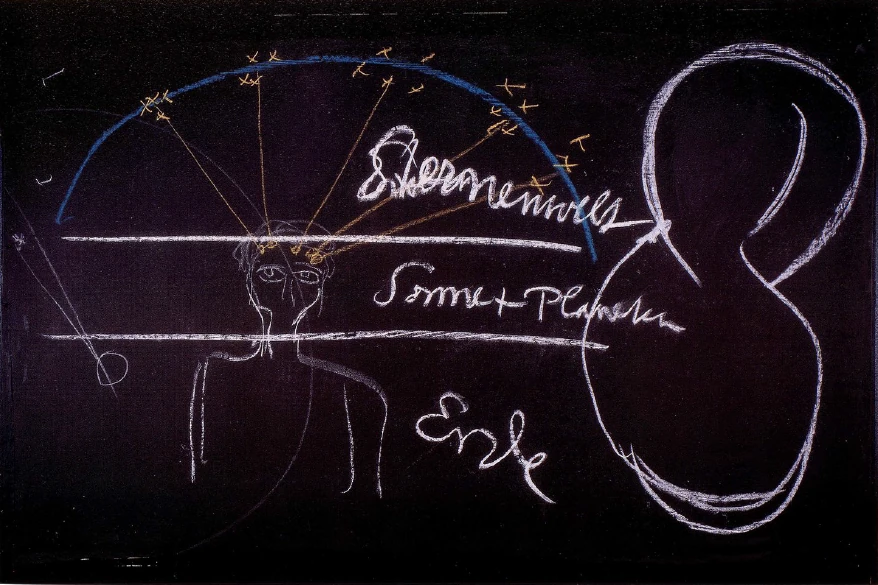
[ 7 ] Allerdings, will man dieses einsehen, dann muß man Natur und Geist in einer viel intensiveren Weise studieren, als das in der Neigung der heutigen Menschheit liegt. Um uns zu verständigen, möchte ich Sie zurückweisen auf etwas, was im Bewußtsein der Menschheit vielleicht bis zum 8. vorchristlichen Jahrhunderte lebte. Der Mensch bis zum 8. vorchristlichen Jahrhunderte fühlte sich in der Tat nicht als ein so isoliertes, abgeschlossenes Wesen, wie er sich heute fühlt. Heute fühlt sich ja der Mensch eigentlich nur als das Wesen, das innerhalb seiner Haut eingeschlossen ist. Der Mensch bis zum 7. oder 8. vorchristlichen Jahrhunderte fühlte sich einmal als ein Glied des ganzen Weltenalls, und er fühlte sich auch hineingestellt in das Geschehen des ganzen Weltenalls. Er fühlte nicht in einer solchen intensiven Weise — die Sache erscheint dem heutigen Menschen fast grotesk, aber es ist so —, der Mensch dieser alten Zeiten fühlte nicht so, wie der heutige Mensch, sein Haupt streng abgeschlossen durch die Schädeldecke, sondern er fühlte, daß dasjenige, was in seinem Haupte lebte, eine Fortsetzung hat hinaus in die Welt und hinzugehört zu dem gesamten Sternenhimmel (Tafel 29, links; Himmelsbogen blau, Sterne und Strahlen gelb). Der Mensch — so sonderbar es dem heutigen Menschen erscheint — fühlte sein Haupt so, daß es lebendig zusammenhing mit den Sternen. So daß er sich sagte: Indem sich über mir der Nachthimmel wölbt, bin ich es eigentlich, der da in lebendiger Kommunikation meines Hauptes mit den Sternen lebt. — Und er sagte sich: Wenn ich nun weitergehe im Zeitenlaufe, wenn nach der Nacht der Tag erscheint, die Sterne, die erst auf der einen Seite heraufgekommen sind, auf der anderen Seite hinuntergehen, dann tritt an die Stelle der Sterne die Sonne. Da wirkt nicht mehr in meinem Haupte die Konfiguration des Sternenhimmels, sondern da vertritt die Sonne die Stelle des Sternenhimmels, und der Sonne zugeordnet sind meine Augen. — Und nun, indem er das empfand: Der Sonne zugeordnet sind meine Augen, wenn ich während des Tages mich auf der Erde beschäftige, — indem er das lebendig empfand, sagte er sich: So wie jetzt, da es ein Erdendasein gibt, meine Augen zugeordnet sind der Sonne, so war in demjenigen Dasein, das der Erde voranging — wir nennen es Mondendasein —, mein ganzes Haupt eine Art Auge; nur sah dieses Auge nicht so wie jetzt eben nur in zweifacher, die Gegenstände zusammenfassender Weise, sondern es sah hinaus in den Weltenraum, es waren gewissermaßen in mir, in meinem Gehirn, so viele kleine Augen, als Sterne sind. Aus diesen kleinen Augen ist alles dasjenige geworden, was jetzt in meinem Gehirn lebt, und meine Sinnesaugen sind spätere Produkte, die der Sonne zugeordnet sind, wie mein Gehirn zugeordnet war dem Sternenhimmel. Mein Gehirn ist daher ein späteres Entwickelungsprodukt eines Auges, oder eigentlich vieler Teilaugen, so vieler Teilaugen, als Sonnen da draußen leuchten zur Nachteszeit. Aus dem Sinn ist mein Gehirn geworden. Und was jetzt im Erdendasein mein Auge ist, wodurch ich mit dem, was in meiner irdischen Umgebung lebt, in Kommunikation stehe, das wird Innenorgan sein, wie jetzt mein Gehirn, wenn die Erde einmal von einem zukünftigen Planetenzustand abgelöst ist — Sie wissen, wir nennen das Jupiterzustand. Was jetzt äußerlich an meiner Oberfläche ist, das zieht in mein Inneres dann ein. Die Menschen werden anders ausschauen. Was sie jetzt als korrespondierend mit der Umgebung haben, das wird in der Zukunft Innenorgan sein. — So hat instinktiv eine alte Menschheit gefühlt, hat gesagt: Licht dringt dutch mein Sinnesauge; aber in meinem Inneren bewahre ich das Licht der alten Zeiten; das wirkt in mir als Gedanke. Der Gedanke war Sinneswahrnehmung, als noch nicht Erde war, als die Erde noch ein anderer Planet war. Und meine Sinneswahrnehmung wird Gedanke der Zukunft sein. — Das alles empfand man in alten Zeiten als eine Weisheit, die — wir sagen heute — instinktiv empfunden wurde. Die Alten haben nicht mit dem Wort «instinktiv» so unverständig herumgeworfen, wie die gegenwärtige Menschheit das tut, sondern die Alten haben gesagt: Das ist die Weisheit, die uns die Götter vom Himmel auf die Erde gebracht haben. — Dasjenige, was in ihnen instinktiv aufgegangen ist von Vergangenheit, Gegenwart und Zukunft, von dem haben sie gesagt: Das haben uns gebracht die Unsterblichen. — Und sie haben es sich vorgestellt im Bilde. Und das Isis-Bild, was sagt es denn? «Ich bin das All. Ich bin die Vergangenheit, die Gegenwart und die Zukunft. Meinen Schleier hat noch kein Sterblicher gelüftet.» Die Interpretation, die die neuere Menschheit gibt, ist eigentlich eine sonderbare. Denn die neuere Menschheit denkt bei einem solchen Satze, in dem ja «Sterblicher» steht, schon materialistisch. Sie denkt eigentlich bei dem Isis-Satze nicht: «Ich bin die Vergangenheit, ich bin die Gegenwart, ich bin die Zukunft. Meinen Schleier hat noch kein Sterblicher gelüftet», sondern sie denkt eigentlich: «Ich bin die Vergangenheit, die Gegenwart und die Zukunft. Meinen Schleier hat noch kein Mensch gelüftet.» So denkt die moderne Menschheit. Sie denkt gar nicht daran, daß sie ja auf der andern Seite sich selbst für unsterblich hält, und daß sie daher das «Meinen Schleier hat noch kein Sterblicher gelüftet» gar nicht als eine abschließende Sache betrachten kann. Novalis hat gesagt: Nun gut, dann müssen wir eben Unsterbliche werden, um den Schleier der Isis zu lüften!
[ 7 ] However, if one is to understand this, one must study nature and the spirit in a much more intensive way than is typical of humanity today. To make this clear, I would like to refer you to something that may have lived in the consciousness of humanity up until the 8th century B.C. Indeed, up until the 8th century B.C., human beings did not feel themselves to be such isolated, self-contained beings as they do today. Today, human beings essentially feel themselves to be nothing more than beings enclosed within their own skin. Until the 7th or 8th century B.C., human beings felt themselves to be a part of the entire universe, and they also felt themselves to be placed within the events of the entire universe. They did not feel—in such an intense way—that the matter seems almost grotesque to people today, but it is so— people of those ancient times did not feel, as people do today, that their head was strictly enclosed by the skull; rather, they felt that what lived within their head had a continuation out into the world and belonged to the entire starry sky (Plate 29, left; blue celestial vault, yellow stars and rays). Human beings—as strange as it may seem to people today—felt that their heads were alive and connected to the stars. So they said to themselves: As the night sky arches above me, it is actually I who live there in the living communion of my head with the stars. — And they said to themselves: “As I move forward through the course of time, when day follows night, and the stars that first rose on one side set on the other, the sun takes the place of the stars. Then the configuration of the starry sky no longer acts within my head; instead, the sun takes the place of the starry sky, and my eyes are associated with the sun.” — And now, as he sensed this: My eyes are attuned to the sun when I go about my business on Earth during the day—as he vividly sensed this, he said to himself: Just as now, since there is an earthly existence, my eyes are attuned to the sun, so in the existence that preceded the Earth—we call it the lunar existence—my entire head was a kind of eye; only this eye did not see, as it does now, merely in a dual way that synthesizes objects, but it looked out into the expanse of the universe; there were, so to speak, within me, in my brain, as many small eyes as there are stars. From these little eyes has come to be everything that now lives in my brain, and my sensory eyes are later products, associated with the sun, just as my brain was associated with the starry sky. My brain is therefore a later product of the evolution of an eye—or, more accurately, of many partial eyes—as many partial eyes as there are suns shining out there at night. My brain has come into being from the sense. And what is now my eye in earthly existence—through which I communicate with what lives in my earthly surroundings—will become an internal organ, just as my brain is now, once the Earth has been replaced by a future planetary state—you know, we call this the Jupiter state. What is now externally on my surface will then move into my interior. People will look different. What they now have as corresponding to their surroundings will, in the future, be an internal organ. — This is how ancient humanity instinctively felt; they said: Light penetrates through my sensory eye; but within me I preserve the light of ancient times; it works within me as thought. Thought was sensory perception when the Earth did not yet exist, when the Earth was still another planet. And my sensory perception will be the thought of the future. — All of this was perceived in ancient times as a wisdom that—as we say today—was instinctively sensed. The ancients did not throw the word “instinctive” about so thoughtlessly as present-day humanity does; rather, the ancients said: This is the wisdom that the gods have brought to us from heaven to Earth. — Regarding that which had instinctively dawned upon them concerning the past, present, and future, they said: “This is what the immortals have brought us.” — And they imagined it in an image. And what does the image of Isis say? “I am the universe. I am the past, the present, and the future. No mortal has yet lifted my veil.” The interpretation offered by modern humanity is actually a strange one. For when faced with such a statement—which, after all, contains the word “mortal”—modern humanity already thinks in materialistic terms. When considering the Isis statement, it does not actually think: “I am the past, I am the present, I am the future. No mortal has yet lifted my veil,” but rather: “I am the past, the present, and the future. No human has yet lifted my veil.” That is how modern humanity thinks. It does not even consider that, on the other hand, it regards itself as immortal, and that it therefore cannot regard the statement “No mortal has yet lifted my veil” as a conclusive matter at all. Novalis said: “Very well, then we must simply become immortals in order to lift the veil of Isis!”
[ 8 ] Man denke sich nur, welchen Untergedanken diese moderne materialistische Menschheit hervorgebracht hat. Aber es tut ihr auch wohl; denn indem sie denkt: «Ich bin das All. Ich bin die Vergangenheit, die Gegenwart und die Zukunft. Meinen Schleier hat noch kein Mensch gelüftet», so erspart sie sich die Anstrengung, um den Schleier zu lüften, und ihre Philosophen können tradieren, daß der Mensch ja die Grenzen der Erkenntnis hat. In Wahrheit meinen diese Philosophen, daß der Mensch zu faul ist, um den Erkenntnisweg zu gehen. Aber das mögen sie nicht sagen. Daher sagen sie, der Mensch habe Grenzen der Erkenntnis. Und in unserer Zeit, die autoritätsfrei sein will, nimmt man diese Dinge hin. Sie dürfen in der Zukunft nicht hingenommen werden, wenn die Menschheit nicht in die Dekadenz fallen will. Und es darf nicht übersehen werden, daß niemand das Recht hat, sich einen Christen zu nennen, der nur an einen allgemeinen Fortschritt glaubt, der sich nicht darüber klar ist, daß, wenn die Erde sich seit dem Mysterium von Golgatha selbst überlassen wäre, sie in die Dekadenz verfallen würde. So daß wir nötig haben, der Dekadenz etwas entgegenzusetzen, das wir nicht von der Erde nehmen können, nicht aus dem nehmen können, woraus die Erde ist, nicht aus dem Vatergotte nehmen können, sondern nehmen müssen von dem Sohnesgotte, es einimpfen müssen demjenigen, was fortlaufende Menschheitsentwickelung ist. Es ist durchaus ein Ablenken der Menschheit von dem, was ihre jetzige Aufgabe ist, wenn man immerzu nicht zugeben will, daß das Weltenall in Zusammenhang zu bringen ist mit dem Christus-Ereignis. Denken Sie nur, was es eigentlich heißt, wenn von katholischer und evangelischer Bekenntnisseite dagegen gewettert wird, daß durch die Geisteswissenschaft geltend gemacht werde, es müsse der ChristusGedanke an den Kosmos-Gedanken angeknüpft werden, wenn dagegen immer wieder gesagt wird, es hätte diese Geisteswissenschaft keinen Begriff davon, daß der Christus zunächst nur als etwas Ethisches aufzufassen ist, als etwas, was sich nur in die moralische Weltenordnung hineinstellt. Ja, wenn man die moralische Weltenordnung nur als einen Nebeneffekt der Umwandelung der Kräfte hat, dann stellt sich der Christus-Gedanke, wenn er sich nur in die moralische Weltenordnung hineinstellt, auch eben als ein Nebeneffekt der Weltenordnung dar.
[ 8 ] Just imagine what kind of underlying thought this modern, materialistic humanity has produced. But it does her good, too; for as she thinks: “I am the universe. I am the past, the present, and the future. No one has yet lifted my veil,” it spares itself the effort of lifting the veil, and its philosophers can maintain that human beings do indeed have limits to their knowledge. In truth, these philosophers believe that human beings are too lazy to walk the path of knowledge. But they do not want to say that. Therefore, they say that human beings have limits to knowledge. And in our time, which wants to be free of authority, these things are accepted. They must not be accepted in the future if humanity does not want to fall into decadence. And it must not be overlooked that no one has the right to call themselves a Christian who believes only in general progress, who is not clear about the fact that, if the earth had been left to its own devices since the Mystery of Golgotha, it would have fallen into decadence. Thus, we need to counter decadence with something we cannot take from the earth, cannot take from the very substance of which the earth is made, cannot take from God the Father, but must take from God the Son—we must instill it into the ongoing development of humanity. It is indeed a distraction for humanity from its present task if one constantly refuses to admit that the universe must be brought into connection with the Christ event. Just consider what it actually means when both Catholic and Protestant confessions rail against the claim made by spiritual science that the Christ idea must be linked to the idea of the cosmos—while at the same time it is repeatedly claimed that this spiritual science has no concept of the fact that Christ must first be understood solely as something ethical, as something that fits only into the moral world order. Indeed, if the moral world order is regarded merely as a side effect of the transformation of forces, then the idea of Christ—if it is situated solely within the moral world order—also appears as nothing more than a side effect of that world order.
[ 9 ] Das war also eines, worauf eine sogenannte instinktive Erkenntnis der Menschheit hingewiesen hat, wie das menschliche Gehirn im Zusammenhange steht mit der Sternensphäre, wie das menschliche Auge in gewisser Weise zugeordnet ist der Sonnensphäre. Wenn Sie zurückgehen in gewisse ältere Zeiten, wo man noch eine qualitative Erkenntnis gehabt hat von astronomischen Dingen und auch von irdisch-elementarischen Dingen, so werden Sie sehen, daß man da das Licht in eine gewisse Beziehung bringt mit dem, was um unsere Erde zunächst herum ist, mit der Luft. Die Alten in ihrer instinktiven Erkenntnis konnten sich das Licht ohne die Luft nicht denken. Die Neueren in ihrer Abstraktionserkenntnis sondern so etwas, was sie sich als Licht auslegen — allerdings, sie schildern es als schwingende Bewegung des Äthers und sie schildern es in einer ganz sonderbaren Weise —, sie sondern es von der Luft ab und können es mit der Luft nicht anders zusammenbringen, als daß sie höchstens die Luft als ein Mittel betrachten, durch welches das Licht durchgeht. Aber sehen Sie, es ist ja eigentlich höchst merkwürdig, wie wenig die Menschen nachdenken über dasjenige, was ihnen, ich möchte sagen, vorgemacht wird: Erde, der unendliche Weltenraum, Sterne. (Tafel 29, ganz links; Umkreis zum Teil auf der anderen Tafel.) Ja, unter diesen Sternen sind solche, von denen das Licht Millionen von Jahren braucht, um auf die Erde herunterzukommen. Jetzt wird es Nacht. Da ist ein Stern, da braucht das Licht kürzere Zeit, um auf die Erde herunterzukommen. Nehmen Sie nun einmal an, was haben Sie denn in den Lichtstrahlen? Doch wahrhaftig nicht den Stern, wenn Sie hinausschauen in der Richtung des Lichtstrahles. Der Lichtstrahl, der da in Ihr Auge fällt nach dieser Theorie, der kommt ja von etwas, was Jahrmillionen zurückliegt; das kann sogar schon längst kaputt gegangen sein, da kommt noch immer das Licht her. Was da eigentlich in der Welt draußen ist, von dem sollte ja nicht geredet werden. Es sollte ja eigentlich nur davon geredet werden, daß da Lichtkanäle ankommen, die vielleicht noch zu irgendwelchen existierenden Sternen führen können, aber auch zu solchen, die gar nicht mehr da sind.
[ 9 ] This, then, was something to which humanity’s so-called instinctive insight had pointed: how the human brain is connected to the celestial sphere, and how the human eye is, in a certain way, related to the solar sphere. If you go back to certain earlier times, when people still had a qualitative understanding of astronomical phenomena and also of earthly, elemental phenomena, you will see that they related light in a certain way to what immediately surrounds our Earth—namely, the air. The ancients, in their instinctive understanding, could not conceive of light without air. Modern thinkers, with their abstract understanding, separate what they interpret as light—though they describe it as a vibrating movement of the ether and depict it in a very peculiar way—from the air, and can’t reconcile it with the air except by regarding the air, at most, as a medium through which light passes. But you see, it is actually most remarkable how little people reflect on what is, I might say, presented to them: the Earth, the infinite expanse of the universe, the stars. (Plate 29, far left; part of the circumference on the other plate.) Yes, among these stars are some whose light takes millions of years to reach the Earth. Now it’s getting dark. There’s a star—the light from it takes less time to reach Earth. Now suppose for a moment: what do you actually see in those rays of light? Certainly not the star itself, if you look out in the direction of the ray. The ray of light that enters your eye, according to this theory, comes from something that existed millions of years ago; it may even have ceased to exist long ago, yet the light is still coming from it. What is actually out there in the world—that is not what we should be talking about. We should really only be talking about the fact that light channels are arriving that might still lead to some existing stars, but also to those that are no longer there at all.
[ 10 ] Wir müssen uns durchaus befreunden damit, wie ja für uns Lichterscheinungen als solche sich in der Lufterscheinung darstellen. Wenn auch das Licht durch den scheinbar luftleeren Raum geht, für uns stellt es sich nicht im luftleeren Raume dar, sondern im lufterfüllten Raume, denn nur da können wir sein. Und so lebt sich für uns zusammen Licht und Luft. Dadurch kommt man dann, indem man, ich möchte sagen, in Licht und Luft zusammen lebt, in der Menschenkonstitution tiefer. Man kommt um ein Stück tiefer; man kommt am menschlichen Haupte vom Auge zur Nase. Die Nase ist ja zunächst — und die orientalische Philosophie wußte viel davon dasjenige, wodurch man ein- und ausatmet. Das Auge ist das Aufnahmeorgan für das Licht. Nase und Auge teilen sich. Die Nase paßt sich der Luft an, und alles, was sich da der Luft anpaßt, das verlängert sich hinaus in die Planetenwelt. Die Sonne macht den Anfang, indem sie auf unser Auge wirkt. Aber das übrige wirkt auf unsere übrige Konstitution, und wir kommen herunter aus der Sternenwelt in die Welt der Sonne und Planeten und sind beim Menschen als dem auf seine Nase hin Konstituierten angekommen. Und dann kommen wir gar zur Erde herunter und gehen von der Nase zum Munde, zum Geschmacksorgan, und nehmen da die Stoffe der Erde auf durch das Geschmacksorgan, kommen von der planetarischen Welt in die Erdenwelt herein. Und wir haben den übrigen Menschen wie ein Anhängsel, den Kopf als ein Anhängsel der Augen, die Brust als ein Anhängsel der Nase, den ganzen übrigen Menschen, den Gliedmaßenmenschen, den Stoffwechselmenschen im ganzen als ein Anhängsel des Geschmacksorgans. Und wir haben den Menschen zugeteilt, wenn wir ihn nun in seiner Gesamtheit auffassen, der Sternenwelt, der Sonnen- und Planetenwelt, der Erdenwelt (diese Gebiete werden in die Zeichnung links, Tafel 29, eingezeichnet). Wir haben den Menschen hineingestellt in das ganze Weltenall, und wir sehen in dem menschlichen Haupte, insofern es der Träger des Gehirnes ist — innerlich, nicht äußerlich, nicht durch physische Anatomie, sondern dutch inneres Wissen — ein unmittelbares Abbild der Sternenwelt. Wir sehen in alledem, was von der Nase sich verlängert zur Lunge und so weiter, ein Abbild des Planetensystems mit der Sonne. Und wenn wir dann dasjenige, was vom Menschen übrigbleibt, ins Auge fassen, dann sehen wir in dem dasjenige, was vom Menschen so erdgebunden ist, wie zum Beispiel das Tier erdgebunden ist. Auf diese Art kommen wir erst auf den wirklichen Parallelismus zwischen dem Menschen und der übrigen Welt. Wir sehen ihn herausgedeutet aus dieser übrigen Welt. Und so sollte man den Menschen auch im einzelnen verstehen.
[ 10 ] We must certainly come to terms with the fact that, for us, light phenomena as such manifest themselves within the phenomenon of air. Even though light passes through what appears to be a vacuum, for us it does not appear in a vacuum but in a space filled with air, for that is the only place where we can exist. And so, for us, light and air coexist. Through this—by, I would say, living together in light and air—one penetrates more deeply into the human constitution. One goes a little deeper; one moves from the eye to the nose on the human head. The nose is, after all—and Eastern philosophy knew a great deal about this—the organ through which we inhale and exhale. The eye is the organ that receives light. The nose and the eye are distinct. The nose adapts to the air, and everything that adapts to the air there extends out into the planetary world. The sun marks the beginning by acting upon our eye. But the rest acts upon the rest of our constitution, and we descend from the world of the stars into the world of the sun and planets, arriving at the human being as a being constituted through the nose. And then we descend all the way to the earth and move from the nose to the mouth—the organ of taste—where we take in the substances of the earth through the organ of taste, entering the earthly world from the planetary world. And we have the rest of the human being as an appendage: the head as an appendage of the eyes, the chest as an appendage of the nose, and the entire rest of the human being—the human being of the limbs, the human being of metabolism—as a whole, as an appendage of the organ of taste. And we have assigned the human being—when we now consider him in his entirety—to the world of the stars, the world of the sun and planets, and the earthly world (these regions are depicted in the drawing on the left, Plate 29). We have placed the human being within the entire universe, and we see in the human head—insofar as it is the bearer of the brain—internally, not externally, not through physical anatomy but through inner knowledge—a direct reflection of the world of the stars. In everything that extends from the nose to the lungs and so on, we see a reflection of the planetary system with the Sun. And when we then consider what remains of the human being, we see in it that which is as bound to the Earth as, for example, the animal is bound to the Earth. In this way, we arrive at the true parallelism between the human being and the rest of the world. We see it interpreted from this rest of the world. And this is how we should also understand human beings in detail.
[ 11 ] Bedenken Sie einmal, wenn Sie den Blutkreislauf betrachten, wie, sagen wir, zunächst das von der äußeren Luft umgewandelte Blut in die linke Herzvorkammer geht, dann von da in die linke Herzkammer, von da abzweigend dutch die Hauptschlagader, durch die Aorta in den Organismus (Zeichnung rechts). Wir können sagen: Blut von der Lunge zum Herzen, von da in den übrigen Organismus, aber mit einer Abzweigung zum Haupte. Das Blut, das durch den Organismus durchgeht, nimmt aber dann die Nahrung auf. In sie ist eingeschaltet alles dasjenige, was von der Erde abhängig ist. Was da als der Verdauungsapparat eingeschaltet ist in den Blutkreislauf, das ist irdisch; was eingeschaltet ist dadurch, daß wir atmen, wo wir in die Blutbahn den Sauerstoff hineinbringen, das ist planetarisch; und dann haben wir jenen Blutkreislauf, der in unser Haupt geht, der alles dasjenige umschließt, was unser Haupt ist. Wie der Lungenkreislauf mit der Sauerstoffaufnahme, Kohlensäureabgabe, dem Planetarischen zugeteilt ist, wie dasjenige, was in unserem Blut eingefügt wird durch unseren Verdauungsapparat, der Erde zugeteilt ist, so ist dasjenige, was da in dem kleinen Kreislauf nach oben sich abzweigt, der Sternenwelt zugeteilt. Das wird gewissermaßen herausgezogen aus der Aorta und strömt dann wiederum zurück, vereinigt sich mit dem vom übrigen Organismus zurückströmenden Blute, so daß das Blut von oben und unten gemeinsam zum Herzen zurückströmt. Dies, was da oben abgezweigt ist, das sagt gewissermaßen zu dem ganzen übrigen Kreislauf: Ich mache nicht mit, weder den Sauerstoffprozeß noch den Verdauungsprozeß, sondern ich sondere mich aus, ich stülpe mich da drüber. — Das ist dasjenige, was mit der Sternenwelt zusammenhängt. Ebenso könnte man es für das Nervensystem verfolgen. Man bekommt keine Anschauung von dem Menschen, wenn man glaubt, man könne bloß den Menschen nehmen, wie man ihn sinnlich vor sich hat, und könne ihn da studieren. Da findet man jenen Brei innerhalb der Schädelhöhle, welchen unsere physische Anatomie beschreibt. In Wahrheit ist dasjenige, was unsere physische Anatomie beschreibt, eben ein Nichts, denn es ist der Zusammenfluß von Kräften des Sternenhimmels. Und es ist geradeso unsinnig, dieses physische Gehirn für sich zu beschreiben, wie wenn man eine Rose für sich beschreiben wollte. Es hat doch keinen Sinn, eine Rose für sich zu beschreiben, denn sie ist kein Wesen für sich. Sie kann nicht abgesondert gedacht werden vom Rosenstock. Sie geht ja zugrunde, wenn sie abgesondert ist vom Rosenstock. Sie ist nichts, vom Rosenstock abgesondert. So ist das menschliche Gehirn nichts, vom Sternenhimmel abgesondert.
[ 11 ] Consider, for a moment, the circulatory system: how, for example, the blood—which has been transformed by the outside air—first enters the left atrium, then flows from there into the left ventricle, and from there branches off through the aorta into the rest of the body (see illustration on the right). We can say: blood from the lungs to the heart, from there to the rest of the body, but with a branch leading to the brain. The blood flowing through the body then absorbs nutrients. Involved in this process is everything that depends on the Earth. What is involved in the blood circulation through the digestive system is earthly; what is involved through our breathing, by which we introduce oxygen into the bloodstream, is planetary; and then we have that blood circulation that flows into our head, encompassing everything that constitutes our head. Just as the pulmonary circulation—with its uptake of oxygen and release of carbon dioxide—is assigned to the planetary realm, and just as what is introduced into our blood by our digestive system is assigned to the Earth, so too is that which branches off upward in the small circulation assigned to the world of the stars. This is, so to speak, drawn out of the aorta and then flows back again, uniting with the blood flowing back from the rest of the organism, so that the blood from above and below flows back to the heart together. This part that branches off upward, so to speak, says to the rest of the circulatory system: I am not participating—neither in the oxygenation process nor in the digestive process—but I separate myself; I cover myself over it. — This is what is connected to the world of the stars. One could follow the same pattern for the nervous system. One cannot gain any insight into the human being if one believes one can simply take the human being as one perceives him or her with the senses and study him or her in that way. There one finds that pulp inside the cranial cavity described by our physical anatomy. In truth, what our physical anatomy describes is nothing at all, for it is the confluence of forces from the starry heavens. And it is just as nonsensical to describe this physical brain in isolation as it would be to try to describe a rose in isolation. After all, it makes no sense to describe a rose in and of itself, for it is not a being in and of itself. It cannot be conceived of separately from the rosebush. Indeed, it perishes when separated from the rosebush. It is nothing when separated from the rosebush. Likewise, the human brain is nothing when separated from the starry sky.
[ 12 ] Aber jetzt erinnern wir uns an dasjenige, was ja eigentlich die Sonne ist. Ich habe Ihnen immer wieder und wiederum betont, die Physiker würden sehr erstaunt sein, wenn sie einen Luftballon ausrüsten könnten, wie es ja jedenfalls in ihrem Ideale liegt, und da hinausfahren könnten zur Sonne in der Vermutung, einen glühenden Gasball zu finden. Den würden sie nicht finden, sondern sie fänden eine Saugsphäte, etwas, was allerdings alles mögliche in sich aufsaugen will, aber was eigentlich leerer Raum ist, und noch mehr leer ist als leerer Raum, negative Materie. Innerhalb des Umkreises der Sonne liegt nichts, was sich vergleichen ließe mit unserer Materie. Das ist nicht nur leer, das ist weniger als leer, das ist ausgespart gegenüber der übrigen Materie. Es handelt sich eben durchaus darum, daß man nun wirklich nicht in der heutigen Zeit beginnt, wirklichkeitsungemäß über die Dinge der Welt zu spekulieren, sondern daß man sich erfülle mit Wirklichkeitsgeist. Ich habe Ihnen ja vor kurzer Zeit ein hübsches Stückchen von der Relativitätstheorie gesagt. Sie erinnern sich an den Kasten, den ich Ihnen da vorgeführt habe, den Einsteinschen Kasten, wodurch die Gravitationslehre überwunden werden soll. Ein anderes ist das, was Einstein ja auch geltend gemacht hat, daß auch die Ausdehnung eines Körpers etwas bloß Relatives ist, und daß sie abhängt von der Schnelligkeit der Bewegung, daß also auch, nach der Einsteinschen Theorie, ein Mensch, wenn er sich mit einer gewissen Geschwindigkeit durch den Weltenraum bewegt, nicht mehr die Dicke hat von vorne nach hinten, die er hat, sondern wenn er sich mit der nötigen Geschwindigkeit bewegt, so dünn wird wie ein Papier. Das ist etwas, was da ernsthaftig besprochen wird unter den Einsteinern, unter diesen Leuten mit der epochemachenden Erfindung der Relativitätstheorie. Solches Verweilen in wirklichkeitsfremden Gedanken, das bildet ja heute schon Wissenschaft. Und das ist der Gegenpol für dasjenige, was auf der anderen Seite Bekenntnis ist.
[ 12 ] But now let us recall what the Sun actually is. I have emphasized to you time and again that physicists would be very surprised if they could equip a balloon—as is, in any case, their ideal—and travel out to the Sun, expecting to find a glowing ball of gas. They would not find that; instead, they would find a “suction sphere”—something that, admittedly, seeks to absorb everything within it, but which is actually empty space, and even emptier than empty space: negative matter. Within the Sun’s sphere, there is nothing that could be compared to our matter. It is not merely empty; it is less than empty; it is a void in relation to the rest of matter. The point is precisely that we must not, in this day and age, begin to speculate about the things of the world in a way that is out of touch with reality, but rather that we must fill ourselves with the spirit of reality. I did, after all, tell you a little while ago about a nice little bit of the theory of relativity. You recall the box I demonstrated to you—Einstein’s box—which is intended to overcome the theory of gravity. Another point, which Einstein himself also asserted, is that the dimensions of a body are merely relative and depend on the speed of motion; thus, according to Einstein’s theory, a person, when moving through space at a certain speed, no longer has the front-to-back thickness that he normally has, but rather, if he moves at the necessary speed, becomes as thin as a sheet of paper. This is something that is being seriously discussed among the Einsteinians, among these people with the epoch-making invention of the theory of relativity. Such dwelling on thoughts divorced from reality—that is what constitutes science today. And that is the antithesis of what, on the other hand, is a confession of faith.
[ 13 ] Der Arzt ist verwiesen worden auf das bloß Physische, der Priester auf das bloß Seelische. Das Geistige ist ja abgeschafft. Der Priester ist verwiesen auf das bloß Seelische. Aber denken Sie nur, wenn das sich so fortentwickelt, daß alles, was außerhalb des Physischen liegt, Nebeneffekte sind! Pferde, Wagen, real den physischen Sinnen, die aufgewendeten Pferdekräfte, sie wandeln sich um in das Heißerwerden der Pferde, der Wagenachse, das Heißerwerden der Straßenfurchen; das andere ist — ja, man kann nicht sagen, das fünfte Rad am Wagen, denn es ist ja weniger als das fünfte Rad am Wagen, es ist ein bloßer Nebeneffekt, der eigentlich nicht zur Realität dazugehört. Und während der Arzt sich bloß mit der Umwandelung der Kräfte befaßt, beschäftigt sich dann mit dem Nebeneffekt der Priester. Der ist also auch eigentlich, man kann nicht einmal mehr sagen, das fünfte Rad am Wagen innerhalb der modernen Weltanschauung, denn was erzielt der denn noch, wenn das alles Nebeneffekte sind? Es ist schon so, wenn Ärzte wie Julius Robert Mayer Philosophie machen, dann wird das Physik, und wenn die Anhänger der Seelensubstanz, oder was es dann halt ist, wenn die Philosophie machen, so werden es abstrakte Begriffe, und die zwei Weltenströmungen stehen einander so fremd gegenüber, wie die materialistischen Ärzte von der Mitte des 19. Jahrhunderts und die predigenden Pfarrer. Die haben sich wahrhaftig nicht verstanden, auch nicht geachtet, sondern — nun, vielleicht sich höchstens politisch bekämpft. Nun ist allerdings eine Zeit heraufgestiegen, in der man weniger ehrlich, weniger konsequent ist, und die nun ganz ernsthaftig überwunden werden muß. Aber — ernsthaftig muß das schon geschehen.
[ 13 ] The doctor has been confined to the merely physical, the priest to the merely spiritual. The spiritual has, after all, been abolished. The priest is confined to the purely psychological. But just think: if this continues to develop in such a way that everything outside the physical realm is reduced to mere side effects! Horses, carriages—real to the physical senses—the horsepower expended—all of this is transformed into the heating up of the horses, the carriage axle, and the ruts in the road; the other aspect is—well, one cannot say the fifth wheel on the wagon, for it is, after all, less than the fifth wheel on the wagon; it is a mere side effect that does not actually belong to reality. And while the doctor is concerned solely with the transformation of forces, the priests deal with the side effect. So the priest is actually—one can’t even say he’s the fifth wheel on the wagon within the modern worldview—because what does he accomplish, if all of this is just a side effect? It’s true that when doctors like Julius Robert Mayer engage in philosophy, it becomes physics; and when the adherents of the substance of the soul—or whatever it may be—engage in philosophy, it becomes abstract concepts; and these two world currents stand as alien to one another as the materialist doctors of the mid-19th century and the preaching pastors. They truly did not understand one another, nor did they respect one another; rather—well, perhaps they fought one another politically at most. Now, however, a time has dawned in which people are less honest, less consistent, and this must now be overcome in all seriousness. But—it must indeed be done in all seriousness.
[ 14 ] Wir haben nicht nur zu kämpfen gegen bösen Willen, sondern schon auch, was ja vielleicht doch auch in die Waagschale fällt, gegen alle Standpunkte der Dummheit und der Unkenntnis. Nun ja, so sind die Dinge. Dann darf ich noch persönlich betonen, daß ich ja aus einem gewissen Antriebe heraus zu Pfingsten sprechen werde in drei Vorträgen am Samstag, Sonntag und Montag über die Philosophie des Thomas von Aquino, am Samstag über den Augustinismus und am Sonntag über den Thomismus als solchen, über das Wesen des Thomismus, und am Pfingstmontag über den Thomismus und die Gegenwart. Ich weiß nicht, ob dann unsere Gegner nicht auch damit anfangen werden, daß sie uns das Recht absprechen, uns hier über den Thomismus zu unterhalten, zu belehren. Aber es ist vielleicht doch am besten, dem Gerede, das aus jener Ecke herkommt, einmal eine ernsthafte Betrachtung des Thomismus entgegenzusetzen. Sie wissen ja, daß durch eine Enzyklika Leo XII. der Thomismus zu der offiziellen Philosophie des Katholizismus erklärt worden ist, und ich weiß nicht, ob nun dasjenige, was hier als Thomismus wird vorgetragen werden, nun auch als eine unberechtigte Propaganda, die von Dornach ausgeht, wird bezeichnet werden. Wollen wir einmal sehen, was daraus wird.
[ 14 ] We must fight not only against ill will, but also—and this may well tip the scales—against all forms of stupidity and ignorance. Well, that’s just the way things are. I’d also like to personally emphasize that, driven by a certain impulse, I will be speaking at Pentecost in three lectures on Saturday, Sunday, and Monday: on Saturday about Augustinianism, on Sunday about Thomism itself—the essence of Thomism—and on Pentecost Monday about Thomism and the present day. I do not know whether our opponents will then also begin by denying us the right to discuss and teach Thomism here. But it is perhaps best, after all, to counter the talk coming from that corner with a serious examination of Thomism. As you know, an encyclical by Leo XII declared Thomism to be the official philosophy of Catholicism, and I do not know whether what will be presented here as Thomism will now also be labeled as unwarranted propaganda emanating from Dornach. Let us see how this turns out.