

Faust, the Striving Human Being
Spiritual Scientific Explanations of Goethe's Faust
GA 272
4 September 1916, Dornach
Translate the original German text into any language:
Versions Available:
Faust, the Striving Human Being, tr. SOL
12. Die «Grablegung» das Wesen der Lemuren, Der Dick- und Dürrteufel
12. “Burial”: The Nature of the Lemurs, The Fat and Skinny Devils
[ 1 ] Wir wollen demnächst darstellen die Szene des zweiten Teiles von Goethes «Faust», welche vorangeht der Schlußszene, die ja schon dargestellt worden ist, wie Sie wissen. Diejenige Szene, die mit den heiligen Anachoreten beginnt:
[ 1 ] We will soon present the scene from the second part of Goethe’s *Faust* that precedes the final scene, which, as you know, has already been performed. The scene that begins with the holy anchorites:
Waldung, sie schwankt heran,
Felsen, sie lasten dran,
The forest, swaying as it approaches,
Rocks, weighing heavily upon it,
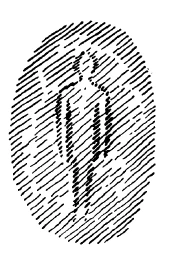
[ 2 ] sie wird von Goethe «Fausts Himmelfahrt» genannt, und die Szene, die nun vorangeht, wird gewöhnlich die «Grablegung» genannt. Wir werden aber beginnen schon da, wo im weiteren Sinne diese Grablegung Fausts dargestellt ist.
[ 2 ] Goethe calls it “Faust’s Ascension,” and the scene that follows is usually referred to as the “Burial.” However, we will begin right where, in a broader sense, this burial of Faust is depicted.
[ 3 ] Wenn man zu den verschiedenen Partien von Goethes «Faust» kommt, so muß man immer wieder und wiederum in ein gewisses Erstaunen verfallen über die unendliche Tiefe, die namentlich im zweiten Teil von Goethes «Faust» liegt, tief dadurch, daß man es mit einer durch die Geisteswissenschaft zu rechtfertigenden Sachlichkeit in der Darstellung der geistigen Welt zu tun hat. Und es ist das Merkwürdige, daß Goethe mit solcher Sachlichkeit dargestellt hat die geistige Welt in der Zeit, in der es die Geisteswissenschaft als solche noch nicht gegeben hat. Wir brauchen uns nicht erst lange zu befassen mit der Frage, die einmal an mich gestellt worden ist, als ich vor vielen Jahren einen Vortrag hielt über Goethes «Märchen von der grünen Schlange und der schönen Lilie», und mich eine theosophische Autorität der alten Schule fragte, ob ich denn meine, daß Goethe das alles gewußt habe, was da zur Rechtfertigung des tieferen Geheimnisses der Dichtung von der grünen Schlange und der schönen Lilie aus der Geisteswissenschaft heraus gesagt worden ist. Ich konnte nur erwidern, ob denn der Betreffende glaube, daß auch die Pflanze alles ganz genau weiß, was der Botaniker über sie ausmacht, um wachsen zu können in der richtigen Weise nach den botanischen Gesetzen. Wenn man eine solche Frage hört, so hat man gewöhnlich das Bewußtsein, wie gescheit sich der Fragende vorkommt. Aber wenn man eine solche Frage im Zusammenhange denkt, dann kommt man darauf, wie unendlich töricht die Menschen oftmals sind, welche sich gar so gescheit dünken. Also mit der Frage, ob etwa Goethe auch noch irgendwo Geisteswissenschaft so studiert hat, wie wir sie heute studieren können, brauchen wir uns nicht weiter zu befassen, wenn auch gerade Einwände von einem Gesichtspunkte, der diese Frage ins Auge faßt, sehr leicht gemacht werden können. Wir wollen vielmehr gleich an die Sache selber gehen.
[ 3 ] When one comes to the various parts of Goethe’s *Faust*, one cannot help but be struck time and again by the infinite depth that lies particularly in the second part of Goethe’s *Faust*—a depth that arises from the fact that one is dealing with a representational objectivity in the depiction of the spiritual world that can be justified by Spiritual Science. And what is remarkable is that Goethe depicted the spiritual world with such objectivity at a time when Spiritual Science as such did not yet exist. We need not dwell at length on the question that was once posed to me when, many years ago, I gave a lecture on Goethe’s “Tale of the Green Snake and the Beautiful Lily,” and a theosophical authority of the old school asked me whether I believed that Goethe had known everything that has since been said from the perspective of Spiritual Science to justify the deeper mystery of the poem about the green snake and the beautiful lily. I could only reply by asking whether the person in question believed that even a plant knows exactly everything that a botanist determines about it in order to grow properly according to botanical laws. When one hears such a question, one is usually aware of how clever the questioner thinks he is. But when one considers such a question in context, one realizes how infinitely foolish people often are who think themselves so clever. So we need not concern ourselves further with the question of whether Goethe, for example, also studied Spiritual Science somewhere in the way we can study it today, even though objections from a perspective that addresses this very question can very easily be raised. Let us instead turn directly to the matter at hand.
[ 4 ] Es werden uns dreierlei Gestalten zunächst vorgeführt außer denen, die man aus der übrigen Faust-Dichtung kennt. Es werden uns dreierlei Gestalten vorgeführt, welche zu tun haben mit dem Zeitraum, der verfließt zwischen dem Sterben des Faust und dem Aufstieg seiner Seele in die geistigen Regionen. Die erste Art der Gestalten, die uns vorgeführt wird, sind die Lemuren; die zweite Art der Gestalten, die uns vorgeführt wird, sind die Dickteufel mit kurzem, gradem Horn, und die dritte sind die Dürrteufel mit langem, krummem Horn; beide Arten von Teufeln sind «vom alten Teufelsschrot und -korne».
[ 4 ] We are first introduced to three types of figures, in addition to those familiar from the rest of the *Faust* poem. We are introduced to three types of figures that are connected to the period of time that elapses between Faust’s death and the ascent of his soul into the spiritual realms. The first type of figures introduced to us are the lemures; the second type are the “thick devils” with short, straight horns; and the third are the “thin devils” with long, curved horns; both types of devils are “of the old devil’s stock and seed.”
[ 5 ] Nun können wir sagen: Welch spirituellem Instinkt, welcher tieferen Weisheit kann man ebensogut sagen, entspricht es, daß Goethe diese dreierlei Gestalten bei der Grablegung und vor der Himmelfahrt Fausts uns vorführt? Diese «Grablegung» wird ja so eingeleitet, daß Faust alt geworden ist in seiner Evolution, und zwar — wie Goethe selber angegeben hat — hundert Jahre geworden ist. Also wir haben es hier beim Beginne dieser Szene mit dem alten, hundertjährigen Faust zu tun, welcher noch immer an den Mephistopheles gekettet ist, aber so, daß Faust jetzt den Glauben haben kann, daß Mephistopheles sein Diener geworden sei. Faust hat den Entschluß gefaßt, ein Stück Land dem Meere abzuringen, zu kultivieren dieses Stück Land, und dadurch die Grundlage für ein der Menschheit segensreiches Gebiet zu schaffen, auf dem diese Menschheit, ein Teil der Menschheit, in Friede und Freiheit sich entwickeln kann. Dieses Land ist also gewissermaßen, da es durch die Arbeit des Faust dem Meere abgerungen ist, Faustens Schöpfung. Es soll noch fertiggestellt werden dadurch, daß ein Sumpf, der da ist, abgeleitet wird durch einen Graben, damit auch die Luft gereinigt werde, damit nicht durch verpestende Dünste des Sumpfes die Gesundheit der Menschen, die sich entwickeln sollen in Friede und Freiheit, gefährdet werde. Faust glaubt nun, Mephisto sei sein Aufseher geworden in segensreicher Arbeit und befehlige diejenige Schar, welche nunmehr das letzte Werk verrichten soll. Faust ist ja bereits erblindet, was schon in der vorhergehenden Szene dargestellt ist. Er sieht also nicht, was auf dem äußeren physischen Plan Mephistopheles anrichtet, und dadurch ist es begreiflich, daß er später die Worte «graben» und «Grab» verwechselt. Während Faust der Meinung ist, daß ein Graben, der den Sumpfinhalt nach dem Meere ableiten soll, um die Luft zu reinigen, angelegt werde, läßt Mephistopheles durch seine Lemuren das Grab des Faust schaufeln. Als Hundertjähriger erlebt also Faust noch den Betrug, wird verstrickt in das Lügengewebe des Mephistopheles, der das Grab graben läßt und durch den Namensanklang in Faust die Vorstellung betrügt, daß ein Graben gegraben wird.
[ 5 ] Now we can ask: What spiritual instinct, what deeper wisdom—one might just as well say—is reflected in Goethe’s presentation of these three figures during Faust’s burial and before his ascension? This “burial” is introduced by the fact that Faust has grown old in his evolution—and, as Goethe himself indicated, has reached the age of one hundred. So, at the beginning of this scene, we are dealing with the old, hundred-year-old Faust, who is still chained to Mephistopheles, but in such a way that Faust can now believe that Mephistopheles has become his servant. Faust has resolved to reclaim a piece of land from the sea, to cultivate this land, and thereby to lay the foundation for a region that will be a blessing to humanity—a place where humanity, or at least a part of it, can develop in peace and freedom. This land is thus, in a sense, since it has been reclaimed from the sea through Faust’s labor, Faust’s creation. It is to be completed by draining a nearby swamp through a ditch, so that the air may also be purified and the health of the people—who are to develop in peace and freedom—may not be endangered by the noxious fumes of the swamp. Faust now believes that Mephisto has become his overseer in this blessed work and commands the group that is now to carry out the final task. Faust has, after all, already gone blind, as depicted in the preceding scene. He therefore cannot see what Mephistopheles is doing on the outer, physical plane, and it is thus understandable that he later confuses the words “ditch” and “grave.” While Faust believes that a ditch is being dug to drain the swamp’s contents into the sea in order to purify the air, Mephistopheles has his lemurs dig Faust’s grave. Thus, even at the age of one hundred, Faust still falls victim to the deception and becomes entangled in the web of lies spun by Mephistopheles, who has the grave dug and, by playing on the similarity of the names, deceives Faust into forming a mental image that a ditch is being dug.
[ 6 ] Da sind schon sehr viele Geheimnisse darinnen. Ich möchte mich auf diese Dinge heute nicht einlassen, vielleicht kann das ein andermal besprochen werden. Aber ich möchte vorzugsweise, daß wir uns begreiflich machen, welcher Art diese dreierlei Wesen sind. Gleich im Beginne der Szene, um die es sich da handelt, die da spielt im Vorhof des Palastes, den sich Faust aufgerichtet hat, tritt Mephistopheles auf, wie gesagt als Aufseher der Arbeiterschar, die Faust versammelt zu haben glaubt, während Mephistopheles seine Lemuren ruft. Nicht in einer besonderen szenischen Bemerkung, sondern in der Szene selbst charakterisiert Mephistopheles die Lemuren:
[ 6 ] There are indeed many mysteries involved here. I would prefer not to delve into these matters today; perhaps we can discuss them another time. But I would like, above all, for us to understand what kind of beings these three are. Right at the beginning of the scene in question—which takes place in the courtyard of the palace that Faust has built for himself—Mephistopheles appears, as I said, as the overseer of the group of workers whom Faust believes he has gathered, while Mephistopheles summons his lemurs. Mephistopheles characterizes the lemurs not in a specific stage direction, but within the scene itself:
Herbei, herbei! Herein, herein!
Ihr schlotternden Lemuren,
Aus Bändern, Sehnen und Gebein
Geflickte Halbnaturen!
Come, come! Come in, come in!
You shivering lemurs,
Patchwork half-creatures
Made of tendons, ligaments, and bones!
[ 7 ] Also beschrieben werden sie uns als Wesen, welche zusammengefügt sind nur aus Bändern, durch welche die Glieder des menschlichen Leibes zusammenhängen, anatomische Sehnen und Gebein. Also das, was nicht einmal zu Muskeln gekommen ist am menschlichen Organismus, das hält diese Gestalten zusammen, daraus sind sie zusammengeflickt. Sie sind nicht Vollnaturen, nicht Ganznaturen, sie sind Halbnaturen, da sie ja nur haben, was nicht Blut ist, nicht Muskeln ist, nicht Nerven ist, sondern was Sehnen, Bänder und Gebeine sind. Daraus sind sie zusammengeflickt. Weiter werden sie uns dadurch charakterisiert, daß sie später selber im Chore sich aussprechen. Und das, was sie aussprechen, zeigt uns zweierlei an. Erstens, wie sie eigentlich dazu kommen, dort eine Arbeit unter der Aufsicht des Mephistopheles zu verrichten; aber es spricht uns dieses zugleich wiederum etwas aus über ihre Natur. Die Lemuren äußern sich so, daß man in ihren schlotternden Tonfolgen hört:
[ 7 ] Thus, they are described to us as beings held together solely by the ligaments that connect the limbs of the human body—anatomical tendons and bones. So what has not even developed into muscles in the human organism is what holds these figures together; they are patched together from these elements. They are not complete beings, not whole beings; they are half-beings, since they possess only what is not blood, not muscles, not nerves, but rather what tendons, ligaments, and bones are. They are patched together from these elements. Furthermore, they are characterized by the fact that they later speak for themselves in the chorus. And what they say reveals two things to us. First, how they actually came to be performing work there under Mephistopheles’ supervision; but at the same time, this also tells us something about their nature. The Lemures express themselves in such a way that one hears in their shuddering sequences of sounds:
Wir treten dir sogleich zur Hand,
Und, wie wir halb vernommen,
Es gilt wohl gar ein weites Land,
Das sollen wir bekommen.
We’ll come to your aid right away,
And, as we’ve heard in passing,
It seems there’s a vast land,
That we’re to receive.
[ 8 ] Also die Lemuren sind zunächst auch in der Täuschung befangen: sie haben halb vernommen, daß sie ein weites Land sollen zugewiesen bekommen. Sie sollen nach des Mephistopheles Auffassung das Grab graben. Aber sie haben halb vernommen und nicht ganz vernommen, daß sie ein weites Land bekommen sollen. Dazu bringen sie zur Arbeit gespitzte Pfähle mit.
[ 8 ] So the lemurs, too, are initially caught up in the deception: they have half-heard that they are to be assigned a vast land. According to Mephistopheles, they are to dig the grave. But they have only half-heard—and not fully understood—that they are to be given a vast land. To that end, they bring sharpened stakes with them to the work.
Gespitzte Pfähle, die sind da,
Die Kette lang zum Messen;
Warum an uns der Ruf geschah,
as haben wir vergessen.
Pointed stakes—they’re there,
A long chain for measuring;
Why the call came to us,
we’ve forgotten.
[ 9 ] Es klingt in ihrer Halbnatur, die zusammengeflickt ist aus Sehnen, Bändern und Gebein, da klingt und klappert noch etwas nach von einem Ruf. Aber was der Inhalt des Rufes ist, was sie da eigentlich wirklich tun sollen, das haben sie vergessen. Sie sind wirklich damit charakterisiert. Man kann sagen, sie sind da, aber sie wissen nicht, warum sie da sind. Halb wissen sie es, warum sie da sind, sie haben etwas gehört, aber sie wissen nicht, was sie gehört haben. Sie haben einen Ruf vernommen, aber den haben sie wieder vergessen. So also stehen sie vor uns da, diese Lemuren, und der Mephisto weist sie sogleich zurecht. Er sagt: Das ist nichts mit dem weiten Land, das ihr habt haben wollen; verfahret nur nach eigenen Maßen, nach solchen Maßen, wie es angemessen ist demjenigen, der nur aus Beinen noch und Sehnen besteht:
[ 9 ] In their half-natural state—patched together from tendons, ligaments, and bones—something still echoes and rattles within them, a remnant of a call. But they have forgotten what that call means, what they are actually supposed to do. That is truly what defines them. One could say they are there, but they do not know why they are there. They half-know why they are there—they have heard something, but they do not know what they heard. They have heard a call, but they have forgotten it again. And so they stand before us, these lemurs, and Mephisto immediately rebukes them. He says: “There’s nothing to this vast land you wanted to have; just proceed according to your own measures—measures befitting those who consist only of legs and tendons:
Der Längste lege längelang sich hin.
The tallest one should lie down lengthwise.
[ 10 ] Also der eine Lemur muß sich der Länge nach hinlegen, und nun weist er sie an, wie sie das Grab zu graben haben.
[ 10 ] So one of the lemurs has to lie down lengthwise, and now he instructs them on how to dig the grave.
[ 11 ] Im nächsten Lemurenchor werden wir darauf verwiesen, daß noch in ihnen etwas steckt von einer halben Erinnerung daran, daß sie etwas waren einmal wie Menschen, daß sie von so etwas herkommen wie Menschen:
[ 11 ] In the next lemur chorus, we are reminded that there is still something within them—a faint memory—that they were once like humans, that they come from something like humans:
Wie jung ich war und lebt’ und liebt’,
Mich däucht, das war wohl süße;
Wo’s fröhlich klang und lustig ging,
Da rührten sich meine Füße.
How young I was, and how I lived and loved,
It seems to me that was truly sweet;
Where sounds were cheerful and the mood was merry,
There my feet would move.
[ 12 ] — Das haben sie hinter sich, das ist halb bewußt
[ 12 ] — They've been through that; it's only half-conscious
Nun hat das tückische Alter mich
Mit seiner Krücke getroffen;
Ich stolpert’ über Grabes Tür,
[ 13 ] Warum stand sie just offen!
Now that treacherous age has struck me
With its crutch;
I stumbled over the grave’s threshold,
[ 13 ] Why was it open just then!
[ 14 ] Also sie erinnern sich halb, daß sie herrühren von gestorbenen Menschen. Mit denen hat zunächst Mephisto versucht, sich abzufinden, die braucht er zunächst.
[ 14 ] So they vaguely remember that they originated from people who have died. Mephisto has initially tried to come to terms with them; he needs them for now.
[ 15 ] Nun bitte ich Sie, dabei sich zu erinnern, daß ich allerdings öfter schon gesagt habe, daß wir unseren physischen Leib nicht so ohne weiteres wesenlos an uns tragen und ihn nur wie eine leere Hülle abwerfen. Er ist nicht nur unsere Hülle, sagte ich oft, er ist unser Werkzeug. Er enthält die Kräfte, durch die wir verbunden sind der mineralischen Erde. Nun bitte ich Sie, das Folgende zu beachten: Wir sind mit dem, wie wir jetzt dastehen zwischen Geburt und Tod mit unserem physischen Leib, gebildet auf Saturn, Sonne, Mond und Erde. — Denken wir uns das alles, was uns eingepflanzt worden ist durch Saturn, Sonne, Mond und Erde, ich möchte sagen, summiert angedeutet durch alles das, was ich hier zeichne, und denken wir uns dasjenige, was uns in der Erde eingegliedert wird dadurch, daß wir in der Erde ein Ich als Werkzeug bekommen, daß als physisches Werkzeug dieses Ich eingegliedert wird. Denken wir uns das darinnen.
[ 15 ] Now I ask you to remember that I have, in fact, often said that we do not simply carry our physical body around as something without substance and cast it off like an empty shell. It is not merely our shell, as I have often said; it is our instrument. It contains the forces through which we are connected to the mineral earth. Now I ask you to consider the following: As we now stand between birth and death with our physical body, we have been formed by Saturn, the Sun, the Moon, and the Earth. — Let us consider everything that has been implanted in us by Saturn, the Sun, the Moon, and the Earth—I would say, in summary, as indicated by everything I am sketching here—and let us consider what is incorporated into us in the Earth through the fact that we receive an “I” as a tool within the Earth, that this “I” is incorporated as a physical tool. Let us consider this within that context.
[ 16 ] Während der Erdenzeit bekommt wiederum unser physischer Leib das, was in ihm verlangt worden war auf dem Saturn, was ausgebildet worden ist während der Sonnen- und Mondenzeit. Aber dadurch, daß in diesem das Ich darinnen arbeitet, wird eingegliedert dem Menschen dasjenige, was er nicht durch Saturn, Sonne und Mond hat, sondern nur durch die Erdenentwickelung, was äußerer physischer Ausdruck des Ich ist. Aus diesem geht im Tode das Ich heraus. Dasjenige, was uns von Saturn, Sonne und Mond geblieben ist, hat im Erdenleben keinen Bestand, das hat nichts mit den Kräften der Erdenentwickelung zu tun. Die physischen Kräfte der Erdenentwickelung würden niemals unsere Muskeln erzeugen, die mußten schon durch die physischen Kräfte der Mondenentwickelung erzeugt werden; sie würden niemals unsere Nerven und so weiter erzeugen. Aber während der Erdenentwickelung durch die Impulse des Ich sind allerdings die Knochen zustande gekommen, die Knochen sogar erst während der atlantischen Entwickelung, durch die Salzablagerungen im Atlantischen Meere sind zustande gekommen die Bänder, die Sehnen. Das alles ist eingegliedert nur durch die Erdenkräfte. Da tragen wir die Erde in uns, in unseren Knochen, Sehnen und Bändern. Darinnen lebt der Geist der Erde. Darinnen leben dieselben Kräfte, die in allem mineralischen Natur- oder technischen Walten der Erde vorhanden sind. In der Zusammenstellung unserer Knochen, Sehnen und Bänder lebt alles das, was aus mineralisch-physischen Naturwirkungen der Erde und technischen Wirkungen hervorgehen kann. Wenn wir nun durch die Pforte des Todes gehen, lassen wir unseren Saturn-, Sonnen-, Mondenteil zurück. Die werden dadurch, daß sie nicht bestehen können in der Erde, zerstört. Knochen, Sehnen, Bänder müssen die Kräfte der Erde selbst zerstören, gleichgültig, ob der Mensch verwest oder verbrannt wird; das macht dabei keinen Unterschied, das müssen die speziellen Kräfte der Erde zerstören.
[ 16 ] During the Earth period, our physical body receives what had been demanded of it on Saturn—that which was developed during the Sun and Moon periods. But because the “I” is at work within it, what is incorporated into the human being is not what came from Saturn, the Sun, and the Moon, but rather what comes solely through Earth’s evolution—that which is the outer physical expression of the “I.” From this, the “I” emerges at death. What has remained to us from Saturn, the Sun, and the Moon has no lasting existence in earthly life; it has nothing to do with the forces of Earth’s evolution. The physical forces of Earth’s evolution would never have produced our muscles; these had to be produced by the physical forces of the Moon’s evolution; nor would they ever have produced our nerves and so on. But during Earth’s evolution, through the impulses of the “I,” the bones did indeed come into being; indeed, the bones came into being only during the Atlantean period, and the ligaments and tendons were formed through the salt deposits in the Atlantic Ocean. All of this is integrated solely through the forces of the Earth. Thus we carry the Earth within us, in our bones, tendons, and ligaments. Within them lives the spirit of the Earth. Within them live the very same forces that are present in all the Earth’s mineral, natural, or technical processes. In the composition of our bones, tendons, and ligaments lives everything that can arise from the Earth’s mineral-physical natural processes and technical effects. When we now pass through the gate of death, we leave behind our Saturn, Sun, and Moon components. Since they cannot exist within the Earth, they are destroyed. The Earth’s own forces must destroy the bones, tendons, and ligaments, regardless of whether the human being decays or is cremated; this makes no difference—the Earth’s specific forces must destroy them.
[ 17 ] Indem also Faust gestorben ist, wird das, worinnen die speziellen Kräfte der Erde walten, der Erde übergeben, jener Erde, der auch übergeben sind alle gestorbenen Menschen, insofern sie aus Knochen, Sehnen und Bändern sind. Eine tiefe spirituelle Natureinsicht spricht sich in dieser Gestaltung, die Goethe dieser Szene gegeben hat, aus, eine unendlich tiefe Naturerkenntnis! Denn man soll nur nicht glauben, daß man schon erschöpft hat das, was von uns übrigbleibt, wenn man sagt: Nun, der physische Leib fällt ab von uns, und unser Seelisches — wie wir es immer beschrieben — geht weiter in die geistigen Welten. — Nein, es sind geheime spirituelle Kräfte im ganzen physischen Leib, die der Erde verbleiben. Nur kann die Erde nicht das halten, was sie nicht selbst erzeugt hat, sondern nur die Kräfte aus Knochen, Sehnen und Bändern behält sie. Begraben Sie den Menschen und lassen ihn verwesen, verbrennen Sie ihn- in dem Erdenkörper selbst bleibt, trotz Verwesung oder Verbrennung, immer für alle Zukunft das vorhanden, was als Kräfte in Knochen, Sehnen und Bändern wirkt! Unseren Knochenmann gewissermaßen, den übergeben wir der Erde, der bleibt da, bis die Erde selbst am Ziel ihrer Evolution angelangt sein wird. Unser Knochenmann wird aufgenommen von den Knochenmännern aller voranverstorbenen Menschen, tritt ein in die Gemeinschaft der vorangestorbenen Menschen. Es wäre eine oberflächliche Anschauung, zu sagen: Da ist alles vergänglich. - Nur die Form ist vergänglich. Die Kräfte, die darinnen. walten, sind in dem Erdenwirken enthalten. Und wenn Sie heute die physischen Erdenwirkekräfte nehmen, so sind, wenn Sie hineinsehen gerade in die Erde, die Kräfte darinnen, die hineingekommen sind dadurch, daß Menschen in der Erde begraben worden sind, oder daß sie sonst irgendwie zur Zerstörung gebracht worden sind, die Körper irgendwie zerstört worden sind. Die Kräfte, die den Menschen geformt haben, sind nun in der Erde darinnen, wirken in dem Erdeninneren, sind da, sind erhalten.
[ 17 ] Thus, with Faust’s death, that in which the specific forces of the earth reign is handed over to the earth—the very earth to which all deceased human beings are also handed over, insofar as they consist of bones, tendons, and ligaments. A profound spiritual insight into nature is expressed in the way Goethe has shaped this scene—an infinitely deep understanding of nature! For one must not believe that one has already exhausted what remains of us when one says: “Well, the physical body falls away from us, and our soul—as we have always described it—moves on into the spiritual worlds.” — No, there are secret spiritual forces throughout the entire physical body that remain with the earth. But the earth cannot retain what it has not produced itself; rather, it retains only the forces from bones, tendons, and ligaments. Bury a person and let them decompose, or cremate them—in the earthly body itself, despite decomposition or cremation, what acts as forces in bones, tendons, and ligaments will always remain present for all time to come! Our “Bone Man,” so to speak—we entrust him to the Earth; he remains there until the Earth itself has reached the goal of its evolution. Our “Bone Man” is received by the “Bone Men” of all those who have died before him and enters into the community of the departed. It would be a superficial view to say: Everything there is transitory. - Only the form is transitory. The forces at work within it are contained in the Earth’s activity. And if you consider the physical forces at work in the Earth today—if you look directly into the Earth—you will find the forces within it that have entered there because people have been buried in the Earth, or because their bodies have been destroyed in some other way. The forces that shaped human beings are now within the earth, working in the earth’s interior; they are there and are preserved.
[ 18 ] So können wir sagen: Mephisto wird zunächst vor die Aufgabe gestellt, sich auseinanderzusetzen mit dem Wege des physischen Leibes, mit dem Wege, mit den Bahnen, die der physische Leib einschlagen will. - Da braucht er die Lemuren, ich möchte sagen, die nicht gespenstische, sondern untergespenstische Wesen sind, Phantomwesen, die mit dem Erdenleib immer vereinigt sind als die Reste der gestorbenen Menschen. Die braucht er.
[ 18 ] So we can say: Mephisto is first faced with the task of coming to terms with the path of the physical body—with the path, with the courses the physical body seeks to take. - For this, he needs the lemurs—I would say, beings that are not ghostly but sub-ghostly, phantom beings that are always united with the earthly body as the remnants of deceased human beings. He needs them.
[ 19 ] Wissen Sie, was geschehen würde, wenn das vergehen würde, was uns seit der atlantischen Zeit eigen ist in Knochen, Sehnen und Bändern? Schon heute wäre die Erde nahe daran, und sie würde bald mehr daran sein, daß alle Menschen geboren werden würden mit sogenannten «englischen Gliedern», mit mark- und kraftlosen Gliedern. Rachitisch würden die Menschen geboren werden, denn die Erde hat nur einen gewissen Fonds von der Kraft, die in unseren Knochenbewegungen und Sehnenentwickelungen liegt. Und das, was wir wieder zurückgeben im Tode, geht immer auf einem geheimnisvollen Wege in die späteren Menschenkörper hinein. Rachitisch würden sonst die Menschen geboren werden. Und wenn man rachitisch geboren wird, so ist das ein Zeichen, daß man kein rechtes Verhältnis eingegangen ist in seinem Gesamtkarma zu jenen Kräften, welche die Erde immer wieder und wiederum gibt, und immer wieder und wiederum zurückerhält von den Knochen, Sehnen und Bändern der Menschheit.
[ 19 ] Do you know what would happen if what has been inherent in our bones, tendons, and ligaments since the Atlantean era were to disappear? Even today, the Earth is already close to that point, and it would soon be even closer—to the point where all human beings would be born with so-called “English limbs,” limbs lacking marrow and strength. People would be born with rickets, for the Earth has only a limited reserve of the power that lies in our bone movements and tendon development. And what we give back at death always finds its way, through mysterious channels, into the bodies of future human beings. Otherwise, people would be born with rickets. And if one is born with rickets, it is a sign that one has not established a proper relationship within one’s overall karma to those forces which the Earth gives again and again, and receives back again and again from the bones, tendons, and ligaments of humanity.
[ 20 ] Also ein unendlich tiefer, spiritueller Naturgedanke ist darinnen ausgedrückt, daß Mephisto herbeigerufen hat diese untergespenstischen, diese reinen Phantomwesen, in deren Reihe auch Faustens Phantom eintritt. Wir müssen natürlich die Szene ganz geistig fassen. Die FaustErklärer haben immer geglaubt, es gehen da Knochenmenschen herum. Aber es sind nur die Kräfte, die in den Knochen, Sehnen und Bändern liegen, die übersinnlichen Kräfte. Die Szene ist durchaus geistig zu fassen, nur durch geistiges Schauen, nach Art des geistigen Schauens. Das also haben diese Lemuren an sich, was der Mensch an sich trägt dadurch, daß er ein Ich hat. Aber das Ich ist draußen. So auch alle Eigenschaften, die erst durch das Ich hereingekommen sind, sind weg, sind nur halb vorhanden, nur Nachklänge. Daher sind sie da und sind auch nicht da. Wir Menschen sind erst dann da, wenn wir in Knochen, Sehnen und Bänder unser Ich hineinsenden. Das haben sie nicht mehr. Wir verstehen erst das, was wir gehört haben, wenn wir durch Knochen, Sehnen und Bänder unser Ich hineinsenden. Sie haben nur den Nachklang; sie hören und wissen nicht, was sie hören; sie haben einen Ruf vernommen und haben ihn nur halb vernommen, haben ihn vergessen, weil das Gedächtnis in dem System liegt, das durch Knochen, Sehnen und Bänder zusammengestellt wird. Also indem Mephistopheles zunächst sich auseinandersetzen muß mit den Wegen, die der physische Leib des Faust macht, kommt er, der ein Geistwesen ist, aber auf der Erde seine Rechte geltend machen will, selbstverständlich in die Notwendigkeit, sich mit den Lemuren, so wie sie hier gemeint sind, befassen zu müssen, denn von ihnen könnte er das Geistige von Fausts physischem Leib erhaschen. Es liegt ja dem physischen Leib auch ein Geistiges zugrunde. Dieses Geistige könnte er erfassen.
[ 20 ] Thus, an infinitely profound, spiritual concept of nature is expressed in the fact that Mephisto has summoned these ghostly beings, these pure phantoms, among whom Faust’s phantom also appears. We must, of course, interpret the scene entirely in a spiritual sense. Commentators on *Faust* have always believed that skeletal figures are wandering about there. But they are merely the forces that lie within the bones, tendons, and ligaments—the supersensory forces. The scene must be understood entirely in a spiritual sense, only through spiritual vision, in the manner of spiritual vision. Thus, these lemurs possess within themselves what human beings carry within themselves by virtue of having an “I.” But the “I” is outside. Thus, all the qualities that first entered through the “I” are gone, are only half-present, mere echoes. That is why they are there and yet are not there. We humans are only truly present when we send our “I” into our bones, tendons, and ligaments. They no longer have that. We only understand what we have heard when we send our “I” into our bones, tendons, and ligaments. They have only the echo; they hear but do not know what they are hearing; they have heard a call but have heard it only half-heartedly, and have forgotten it, because memory lies within the system constituted by bones, tendons, and ligaments. Thus, since Mephistopheles must first grapple with the paths taken by Faust’s physical body, he—who is a spiritual being but wishes to assert his rights on Earth—naturally finds himself compelled to engage with the lemurs, as they are understood here, for it is from them that he might catch a glimpse of the spiritual aspect of Faust’s physical body. After all, the physical body is also grounded in a spiritual element. He could grasp this spiritual element.
[ 21 ] Nun erinnern wir an etwas, um das Ganze zu verstehen, was wir finden können in dem Kapitel des Buches «Wie erlangt man Erkenntnisse der höheren Welten?» da, wo von dem Hüter der Schwelle die Rede ist. Da werden Sie auseinandergesetzt finden, daß, wenn der Mensch eine höhere Entwickelung durchmacht nach dem Spirituellen hin, die einzelnen Kräfte, die sonst in ihm vereinigt sind beim gewöhnlichen menschlichen Erkennen, auseinandergehen. Ich habe sie dort nach den Fähigkeiten charakterisiert. Wollen, Fühlen und Denken gehen auseinander, werden jedes etwas für sich. Mephisto, der zurückgeblieben ist auf der Mondenentwickelung mit seinem eigenen Wesen, war bekannt noch mit der Mondenentwickelung. So müssen Sie ihn auffassen. Er, der Mephisto, ist in seiner praktischen Lebensauffassung bekannt mit der Mondenentwickelung. Aber auch in der atavistischen Anschauung des Mondes lag das, daß die Glieder des Menschen getrennt waren, noch nicht durch das Ich vereinigt waren. Wenn also Mephisto in seiner Art das Geistige des Faust erhaschen will, so muß er es eigentlich in der Dreiheit erhaschen. Er muß es erhaschen als das Geistige des physischen Leibes; da muß er sich mit den Lemuren auseinandersetzen. Dann muß er es erhaschen wollen als zweites Glied in dem Ätherleib, der sich bald nach dem Tode abtrennt. Das kennt er, da muß er es erhaschen wollen. Und dann muß er es erhaschen wollen in dem, was in die geistige Welt übertritt und sich vom Ätherleib gelöst hat. Das durch das Ich Zusammengeschlossene entspricht noch nicht seinem Reich, da ist er noch nicht zu Hause, der Mephisto, er hat noch die Getrenntheit. Also er muß instinktiv einen Wert darauf legen, das zu erreichen, was das Geistige ist des physischen Leibes; da muß er die Lemuren arbeiten lassen. Nun will er, weil er nur in Getrenntheit das Seelische kennt, von diesem Getrennten für sich erhaschen - er weiß nicht was -, den Ätherleib, der durch die untere Gliedhaftigkeit des Menschen herausgeht. Da stellt er die Dickteufel hin, die sollen ihm den Ätherleib erhaschen. Dann — weiß er nicht, wie es werden soll. Vielleicht kann er Faustens Geistiges beim dritten Glied erfassen, bei dem, was in die geistige Welt hinauf will? Da stellt er die Dürrteufel hin. Und so will er Faustens Geistiges erfassen. Aber er muß, ich möchte sagen, mit Teufelsinstinkt die Dreiheit zusammenführen, die ihm den physischen Leib direkt in seiner Geistigkeit — Atherleib, Seelisch-Geistiges — übermitteln kann.
[ 21 ] Now let us recall something that will help us understand the whole picture, which we can find in the chapter of the book *How Does One Gain Knowledge of the Higher Worlds?* where the Keeper of the Threshold is discussed. There you will find explained that when a human being undergoes a higher development toward the spiritual, the individual powers that are otherwise united within him in ordinary human cognition begin to separate. I have characterized them there according to their capacities. Will, feeling, and thinking separate; each becomes something in its own right. Mephisto, who remained behind in the lunar stage of evolution with his own being, was still familiar with the lunar stage of evolution. That is how you must understand him. He, Mephisto, is, in his practical view of life, familiar with the lunar stage of evolution. But even in the atavistic view of the moon lay the fact that the human limbs were separate, not yet united by the “I.” So when Mephisto, in his own way, seeks to grasp Faust’s spiritual essence, he must actually grasp it within the triad. He must grasp it as the spiritual essence of the physical body; to do so, he must grapple with the lemurs. Then he must seek to grasp it as the second member of the etheric body, which separates shortly after death. He knows this; that is where he must seek to seize it. And then he must seek to seize it in that which passes into the spiritual world and has detached itself from the etheric body. That which is bound together by the “I” does not yet belong to his realm; there, Mephisto is not yet at home; he still experiences separation. So he must instinctively attach importance to attaining what is the spiritual aspect of the physical body; there he must set the Lemurs to work. Now, because he knows the soul only in a state of separation, he wants to seize for himself from this separated state—he does not know what—the etheric body that emerges through the lower, limb-like structure of the human being. So he sets the fat devils to work; they are to snatch the etheric body for him. Then—he does not know how it is to come about. Perhaps he can grasp Faust’s spiritual essence at the third member, at that which seeks to ascend into the spiritual world? So he sets the thin devils to work. And in this way he seeks to grasp Faust’s spiritual essence. But he must, I might say, with devilish instinct, bring together the trinity that can convey the physical body directly to him in its spiritual nature—the etheric body, the soul-spiritual aspect.
[ 22 ] Ätherleib - sehen Sie, mit dem Äther, der da vorhanden ist, kommt die Physik nicht so ganz zurecht, weil der Äther eine merkwürdige Eigenschaft hat, die ihn unterscheidet von der gewöhnlichen Materialität. Er ist nicht schwer, er hat kein Gewicht. Die gewöhnliche Erdenschwere, die kann den Äther nicht halten. Mephisto will ihn halten. Er will ihn durch geistige Wesenheiten halten. Weil er schon geistig geworden ist, der Äther, soll er auch durch geistige Wesen gehalten werden. Dazu braucht er die Dickteufel, die als geistige Wesen eine gewisse Schwere haben. Sie müssen daher dickbäuchige Gäuche sein mit riesig dicken Leibern - selbstverständlich klein, denn würden sie hochragend sein, dann würden sie zu stark in die oberen Regionen reichen. Sie müssen klein gestaltet sein, dick, das Geistige muß bei ihnen erdverwandt sein, das Geistige muß so sein, daß es dasjenige, was geistwärts
[ 22 ] Etheric body—you see, physics doesn’t quite know what to make of the ether that is present there, because the ether has a peculiar property that distinguishes it from ordinary matter. It is not heavy; it has no weight. Ordinary earthly gravity cannot hold the ether. Mephisto wants to hold it. He wants to hold it through spiritual beings. Since the ether has already become spiritual, it should also be held by spiritual beings. For this, he needs the “thick devils,” who, as spiritual beings, possess a certain heaviness. They must therefore be potbellied goblins with enormously thick bodies—small, of course, for if they were towering, they would extend too far into the upper regions. They must be small in stature, thick; their spiritual nature must be earth-bound, and their spirituality must be such that it holds that which is spiritually oriented
[ 23 ] fliegen will, auf der Erde erhalten kann. Sie müssen also klein und ausgepicht sein, und alles dasjenige, was in ihnen physiognomischer Ausdruck des Menschentums ist, muß plump sein. Sie müssen gewaltige Kräfte in ihrem gewissermaßen untersetzten Körper haben. Daher haben sie diejenigen Gliedmaßen, welche mehr vergeistigt sind, klein; sie würden in Wirklichkeit auch kleine Hände, Stumpfe, Armstumpfe haben müssen. Es ist schwer darzustellen, kann nur dargestellt werden, wenn sich die Schauspieler möglichst bemühen, bloß den unteren Teil der Arme in Bewegung zu versetzen; das muß natürlich geübt und eingelernt werden. Aber auch die Nase, die geht ins Schwere, Sie ist entwickelt, die Nase, die zum Horn geworden ist bei den Teufeln, sie geht ins Schwere; sie ist also mit der Stirn zusammen zum schweren Organ, das den Menschen nicht mit der Luft verbindet, sondern das durch Eigenschwere wirkt, gestaltet.
[ 23 ] wants to fly, can obtain on Earth. They must therefore be small and stocky, and everything in them that is a physiognomic expression of humanity must be clumsy. They must possess tremendous powers within their, so to speak, stocky bodies. That is why the limbs that are more spiritualized are small; in reality, they would also have to have small hands, stumps, and arm stumps. It is difficult to portray; it can only be portrayed if the actors make every effort to move only the lower part of their arms—which, of course, must be practiced and learned. But the nose, too, takes on a heavy quality; it is developed—the nose that has become a horn in the devils—it takes on a heavy quality; thus, together with the forehead, it forms a heavy organ that does not connect the human being to the air, but rather acts through its own weight.
[ 24 ] Solche Wesen braucht Mephisto, damit sie ihm den Ätherleib, von dem wir wissen, welchen Weg er macht dadurch, daß er keine Erdenschwere hat, im übrigen Erdbereich zurückhalten können. Die muß er also anstellen, daß, wenn aus den unteren Regionen des Leibes des Faust der Ätherleib erscheint, sie diesen fassen können. Daher stellt er diese an:
[ 24 ] Mephisto needs such beings so that they can hold back the etheric body—which, as we know, moves freely because it is not subject to earthly gravity—within the rest of the earthly realm. He must therefore enlist them so that, when the etheric body emerges from the lower regions of Faust’s physical body, they can seize it. That is why he enlists them:
Nur frisch heran! verdoppelt euren Schritt,
Ihr Herrn vom graden, Herrn vom krummen Horne,
Vom alten Teufelsschrot und -korne
Bringt ihr zugleich den Höllenrachen mit.
Zwar hat die Hölle Rachen viele! viele!
Nach Standsgebühr und Würden schlingt sie ein;
Doch wird man auch bei diesem letzten Spiele
Ins künftige nicht so bedenklich sein.(Der greuliche Höllenrachen tut sich links auf.)
Eckzähne klaffen; dem Gewölb des Schlundes
Entquillt der Feuerstrom in Wut,
Und in dem Siedequalm des Hintergrundes
Seh’ ich die Fliammenstadt in ewiger Glut!
Come on, then! Pick up the pace,
You lords of the straight horn, lords of the crooked horn,
Of the devil’s old grist and grain,
You bring with you the jaws of hell itself.
True, hell has many, many jaws!
It devours according to rank and dignity;
But even in this final game
One need not be so anxious about the future.(The hideous maw of hell opens up on the left.)
Canines gape; from the vault of the throat
The torrent of fire gushes forth in fury,
And in the seething haze of the background
I see the city of flames in eternal blaze!
[ 25 ] Das ist natürlich dieselbe Flammenstadt, die bei Dante vorkommt!
[ 25 ] This is, of course, the same City of Flames that appears in Dante!
Die rote Brandung .... und so weiter.
The Red Surf ... and so on.
[ 26 ] Da kommen sie, die dicken Teufel zunächst mit kurzem, gradem Horne! Er beschreibt sie nun:
[ 26 ] Here they come, the fat devils—first the ones with short, straight horns! He now describes them:
Nun, wanstige Schuften mit den Feuerbacken!
Well, those scoundrels with the fire-breathing cheeks!
[ 27 ] Also sie sind in der Verfassung, in der die Mondenwesen noch Feuer geatmet haben. Sie sind «wanstige Schufte mit Feuerbacken», die «so recht vom Höllenschwefel feist» sind.
[ 27 ] So they are in the state in which the moon beings still breathed fire. They are “former scoundrels with fiery cheeks” who are “truly fattened by the sulfur of hell.”
Klotzartige, kurze, nie bewegte Nacken!
Short, block-like necks that never move!
[ 28 ] Also alles ist unbeweglich; die Beweglichkeit ist ja schon halb geistig. Es ist alles an ihnen plump und ungelenk, alles so, daß sie den Geist zwingen in die Schwere hinein, weil sie den leichten Äther halten sollen. Und da postiert er sie:
[ 28 ] So everything is immobile; mobility is, after all, already half spiritual. Everything about them is clumsy and awkward, everything such that they force the spirit into heaviness, because they are supposed to hold the light ether. And that is where he stations them:
Hier unten lauert, ob’s wie Phosphor gleißt:
Down here it lurks, glimmering like phosphorus:
[ 29 ] - ob da der Atherleib herauskommt, den sie fangen sollen —
[ 29 ] — whether the Atherleib they're supposed to catch will come out —
Das ist das Seelchen, Psyche mit den Flügeln,
That is the little soul, Psyche with wings,
[ 30 ] - er sieht es als die Seele an! —
[ 30 ] — he sees it as the soul! —
Die rupft ihr aus, so ist’s ein garstiger Wurm;
If you pull it out, it’s a nasty worm;
[ 31 ] Also er will den ÄAtherleib in Drachenform haben, nicht wahr.
[ 31 ] So he wants the etheric body to take the form of a dragon, doesn't he?
Mit meinem Stempel will ich sie besiegeln,
Dann fort mit ihr im Feuerwirbelsturm!
I will seal her with my stamp,
Then cast her into the whirlwind of fire!
[ 32 ] Er sagt sehr treffend nun, indem er die Dickteufel dahin postiert:
[ 32 ] He puts it very aptly now, by placing the fat devils there:
Paßt auf die niedern Regionen,
Ihr Schläuche, das ist eure Pflicht;
Ob’s ihr beliebte, da zu wohnen,
[ 33 ] So akkurat weiß man das nicht.
Take care of the lower regions,
You hoses, that is your duty;
Whether they chose to dwell there,
[ 33 ] No one knows for sure.
[ 34 ] Wie soll er es auch wissen, denn er hat ja die drei Glieder der Seele; er weiß es nicht recht, an was er sich hinmachen soll!
[ 34 ] How could he possibly know, since he has the three parts of the soul; he doesn't really know where to start!
Im Nabel ist sie gern zu Haus,
She feels right at home in her belly button,
[ 35 ] Das ist ja die Region, wo der Ätherleib zunächst verlassen muß den Menschen.
[ 35 ] That is, after all, the region where the etheric body must first leave the human being.
Nehmt es in acht, sie wischt euch dort heraus.
Watch out—she'll wipe you out there.
[ 36 ] Da haben wir also die dicken Teufel mit kurzem, gradem Horn, die versuchen wollen, das Geistige so zu gestalten, daß es Erdenschwere entwickelt.
[ 36 ] So here we have the fat devils with short, straight horns who want to shape the spiritual realm in such a way that it develops earthly heaviness.
[ 37 ] Den dritten Teil, den will Mephisto bezwingen durch die Dürrteufel. Die müssen ganz dünne Kerle sein, wiederum schwer darzustellen! Ganz dünn, und alles geistig geworden, also Nase und Stirn zusammen zu einem Horn vereinigt, welches die Materie möglichst überwindet, in teuflischer Art überwindet, also krumm und lang, weil sie es erreichen sollen, recht geistig zu werden, die Erdenschwere ganz zu überwinden. Daher sind sie «Firlefanze», so wie Drehkreisel, bewegen sich rasch wie Drehkreisel. Sie müssen nun angestellt werden, um dasjenige, was in die geistige Welt geht — das Dritte -, zu fangen. Also sie sollen sozusagen den Kräften, die gerade aus der Schwere heraus sich entwickeln, nachsausen. Das, was sie nicht in die Erdenschwere hereinkriegen sollen, sollen sie also, wie ein Kreisel — der Schwere entgegengesetzt — entwickeln durch ihre langen, beweglichen Glieder, die eigentlich aus ihnen herauswachsen müßten. So sollen sie sich entwickeln. So stellt Mephisto sie an:
[ 37 ] Mephisto wants to conquer the third part using the “Dürrteufel.” They must be very thin fellows—again, difficult to depict! Very thin, and entirely spiritualized—their nose and forehead fused into a single horn that overcomes matter as much as possible, overcoming it in a devilish manner—crooked and long, because they are meant to achieve true spirituality and completely overcome earthly heaviness. That is why they are “firlefanzes,” like spinning tops, moving as swiftly as spinning tops. They must now be set in motion to capture that which enters the spiritual world—the Third. So they are to, so to speak, chase after the forces that are developing precisely out of heaviness. What they are not supposed to allow into earthly heaviness, they are to develop—like a spinning top, in opposition to heaviness—through their long, agile limbs, which should actually grow out of them. This is how they are to develop. This is how Mephisto sets them to work:
Ihr Firlefanze, flügelmännische Riesen!
Greift in die Luft, versucht euch ohne Rast;
Die Arme strack,
You frivolous ones, winged giants!
Reach for the sky, strive without rest;
Arms outstretched,
[ 38 ] — strack heißt lang in diesem Falle, daß sie dünn und lang werden
[ 38 ] — In this case, “strack” means “long,” in the sense that they become thin and long
Die Arme strack, die Klauen scharf gewiesen,
Arms outstretched, claws pointed sharply,
[ 39 ] — also lange Klauen statt der Finger gehen heraus —
[ 39 ] — so long claws instead of fingers stick out —
Daß ihr die Flatternde, die Flüchtige faßt.
That you may grasp the fluttering, the fleeting.
[ 40 ] - die Seele, die in die geistigen Welten geht —
[ 40 ] — the soul that enters the spiritual worlds —
Es ist ihr sicher schlecht im alten Haus,
Und das Genie
She must be feeling miserable in the old house,
And the genius
[ 41 ] - im Gegensatz zum Ätherleib: das Genie, das immer seelisch-geistig ist —
[ 41 ] — in contrast to the etheric body: the genius, which is always soul-spiritual —
Und das Genie, es will gleich oben aus.
And genius—it wants to burst right out.
[ 42 ] Da sehen Sie, wie nach dem, wie der Mensch konstituiert ist, die Funktion der Lemuren auf den physischen Leib, der Dickteufel auf den Atherleib, der Dürrteufel für das Geistig-Seelische scharf, klar umrissen ist!
[ 42 ] There you can see how, depending on the nature of the human being, the function of the lemurs on the physical body, the “Fat Devil” on the etheric body, and the “Skinny Devil” on the spiritual-soul aspect is sharply and clearly defined!
[ 43 ] Nun naht die himmlische Schar, die himmlische Heerschar, also die Wesen, die den geistigen Welten angehören. Und die Sache ist so dargestellt, daß alle diejenigen, welche dienen können dem Mephisto — Lemuren, Dick- und Dürrteufel —, nichts erreichen. Die himmlische Heerschar kommt:
[ 43 ] Now the heavenly host, the heavenly army—that is, the beings who belong to the spiritual worlds—is approaching. And the situation is depicted in such a way that all those who can serve Mephisto—the Lemures, the Fat Devil, and the Skinny Devil—achieve nothing. The heavenly host is coming:
Folget Gesandte,
Himmelsverwandte,
Gemächlichen Flugs;
ündern vergeben,
Staub zu beleben;
Allen Naturen
Freundliche Spuren
Wirket im Schweben
es weilenden Zugs.
O messengers who follow,
Heavenly kin,
Flying at a leisurely pace;
Grant forgiveness to the birds,
To breathe life into the dust;
To all creatures
Kind traces
Work in the soaring
Of the lingering procession.
[ 44 ] Das sind also Wesenheiten, die zwar auch nicht das Irdische mitgemacht haben, aber nicht Anspruch machen, in die Erdensphäre hereinzuwirken, sondern nur auf das Geistig-Seelische des Menschen wirken. Mephisto ist gerade deplaciert, er ist Geist geblieben, Mondengeist, und wirkt auf die Erde herein. Die sind in ihrem Gebiet geblieben. Sie müssen daher ihm vorkommen wie Menschen, die nicht einmal Menschen geworden sind, sondern die noch Vormenschen sind, unmündig sind, weniger als Kinder.
[ 44 ] These, then, are beings who, while they too have not experienced earthly life, do not claim to influence the earthly sphere, but act only upon the spiritual and soul aspects of human beings. Mephisto, in particular, is out of place; he has remained a spirit—a lunar spirit—and exerts his influence upon the Earth. They have remained in their own realm. To him, therefore, they must appear as beings who have not even become human, but who are still pre-human, immature, less than children.
Mißtöne hör’ ich, garstiges Geklimper,
Von oben kommt’s mit unwillkommnem Tag;
Es ist das bübisch-mädchenhafte Gestümper,
Wie frömmelnder Geschmack sich’s lieben mag.
I hear discordant notes, a nasty strumming,
It comes from above with an unwelcome day;
It is that mischievous, girlish fumbling,
Just as prudish taste might love it.
[ 45 ] Und so weiter. Die tiefe Verwandtschaft als Geistwesen, die er mit den Engeln hat, kennt Mephisto natürlich sehr gut. Sie sind beide Geistwesen geblieben. Daher nennt er sie Teufel nach seiner Art, aber verkappte Teufel.
[ 45 ] And so on. Mephisto, of course, is well aware of the deep kinship he shares with the angels as spiritual beings. They have both remained spiritual beings. That is why he calls them devils in his own way—but devils in disguise.
Es sind auch Teufel, doch verkappt.
They are devils, too, but in disguise.
[ 46 ] Nun beginnt der Kampf dieser Engelschar mit dem, was da unten an Dick- und Dürrteufeln sich bemüht um Fausts Seele. Der Mephisto steht da, muß diesen Kampf mitmachen. Er weist seine Teufel an, denn er wittert etwas. Was wittert er denn eigentlich? Ja, er kennt die Dreiheit als Seelisches. Aber das ist nicht fähig, die Ich-Einheit zu erfassen. Er glaubt nicht, daß beim Faust die Ich-Einheit so stark ist, daß sie die Dreiheit zusammenhält. Das ist sein großer Irrtum, Während er eigentlich immer von der Dreiheit der Seele redet, wird geltend gemacht in diesem Moment die Einheit des Seelischen von der geistigen Welt aus, die alles zusammenhält. Würde diese Einheit, diese Ich-Einheit nicht da sein, da würden die Lemuren das Geistige des physischen Leibes, ohne daß es im Zusammenhang geblieben wäre mit der Gesamtwelt, mit dem Gesamtkosmos, für sich an sich ziehen können, es würden die Dürrteufel die Seele fassen können, das Genie. Aber weil sie beim Erdenmenschen durch das Ich zusammengehalten werden zwischen der Geburt und dem Tod, geht zwar ein jedes seinen Weg: der Leib zur Erde, der Atherleib in die Ätherregion, dasjenige, was Seele ist, in die geistige Region, aber sie bleiben füreinander bestimmt. Es bleibt ein Zusammenhang. Und sobald der Zusammenhang, der durch den Charakter des Ich hervorgerufen wird, da ist, kann der Teufel nichts machen. Aber er stellt sich ganz richtig an.
[ 46 ] Now the battle begins between this host of angels and the fat and thin devils down below who are vying for Faust’s soul. Mephisto stands there, forced to take part in this battle. He gives orders to his devils, for he senses something. What, exactly, does he sense? Yes, he recognizes the triad as a spiritual reality. But it is incapable of grasping the unity of the “I.” He does not believe that Faust’s unity of the “I” is strong enough to hold the triad together. That is his great error. While he is actually always speaking of the triad of the soul, at this very moment the unity of the spiritual—emanating from the spiritual world—is asserted, the unity that holds everything together. If this unity—this “I”-unity—were not present, the lemurs would be able to draw the spiritual aspect of the physical body to themselves without it remaining connected to the entire world, to the entire cosmos; the “dry devils” would be able to seize the soul, the genius. But because they are held together in the earthly human being by the “I” between birth and death—even though each goes its own way: the body to the earth, the etheric body to the etheric region, and that which is the soul to the spiritual region—they remain destined for one another. A connection remains. And as soon as this connection—brought about by the character of the “I”—exists, the devil can do nothing. But he goes about his business quite correctly.
Was duckt und zuckt ihr? ist das Höllenbrauch?
Why are you crouching and flinching? Is that some kind of hellish custom?
[ 47 ] — die Dick- und Dürrteufel verspüren, daß da ein anderes Element kommt.
[ 47 ] — the Fat and Skinny Devils sense that another element is coming.
So haltet Stand und laßt sie streuen.
So stand firm and let them scatter.
[ 48 ] Die streuen nämlich Rosen als Symbolum der geistigen, von oben kommenden Liebe.
[ 48 ] For they scatter roses as a symbol of spiritual love that comes from above.
An seinen Platz ein jeder Gauch!
Sie denken wohl, mit solchen Blümeleien
Die heißen Teufel einzuschneien;
Das schmilzt und schrumpft vor eurem Hauch.
Every fool to his place!
You probably think that with such flowery words
You can snow the fiery devils;
But they melt and shrink at your breath.
[ 49 ] Nun fangen sie an, weil er ihnen befiehlt:
[ 49 ] Now they begin, because he commands them:
Nun pustet, Püstriche! —
Now blow, Püstriche! —
[ 50 ] Nun pusten sie das fort, was da als Liebesqual um sie geht. Das ist ihnen heiße Glut, die sie nicht aushalten. Nun pusten sie, aber sie pusten zu stark, weil sie die rechten Maße nicht finden können. Sie sind nicht auf dasjenige eingelernt, was durch Erdenentwickelung gebildet wird.
[ 50 ] Now they blow away what surrounds them as the agony of love. To them, it is a burning ember they cannot bear. Now they blow, but they blow too hard because they cannot find the right balance. They have not been trained in what has been formed through the Earth’s evolution.
— Genug, genug! ....
Daß ihr doch nie die rechten Maße kennt!
— Enough, enough! ....
You people never know when to stop!
[ 51 ] Er kennt sie auch nur, insofern er sie auf der Erde beobachtet; aus seinem eigenen Wesen kennt er sie auch nicht, die rechten Maße. Aber weil er so lange beim Faust war und gesehen hat, was der Faust bedarf, erkennt er wiederum für eine Weile die Maße der Menschen.
[ 51 ] He, too, knows them only insofar as he observes them on earth; he does not know the proper measures from his own nature either. But because he spent so much time with Faust and saw what Faust needed, he, in turn, recognizes human measures for a while.
— Genug, genug!
Vor eurem Brodem bleicht der ganze Flug. —
Nicht so gewaltsam! Schließet Maul und Nasen!
Fürwahr, ihr habt zu stark geblasen.
Daß ihr doch nie die rechten Maße kennt!
Das schrumpft nicht nur, es bräunt sich, dorr’t, es brennt!
Schon schwebt’s heran mit giftig klaren Flammen;
Stemmt euch dagegen, drängt euch fest zusammen!
Die Kraft erlischt! dahin ist aller Mut!
Die Teufel wittern fremde Schmeichelglut.
— Enough, enough!
The whole flock turns pale at your stench. —
Not so violently! Close your mouths and noses!
Truly, you have blown too hard.
You never know the right measure!
It’s not just shrinking—it’s turning brown, withering, burning!
Already it’s floating toward us with poisonous, clear flames;
Push back against it, press yourselves tightly together!
Our strength is fading! All our courage is gone!
The devils sense a strange, flattering heat.
[ 52 ] Ihm ist die Liebe nur Schmeichelei, er setzt alles ins rein Egoistische um. Und so sehen wir, wie durch diesen Kampf, der sich hier entspinnt, wie da in der Vorstellung — denn das Ganze spielt sich ab in der Vorstellung des Mephisto, der sich eine Weile zurückversetzt in seine alte Mondenzeit —, wie sich da für die Vorstellung des Mephisto die Möglichkeit zeigt, er könnte die Seele in der Dreiheit haben, während sie eigentlich durch die Einheit ihm entrissen ist.
[ 52 ] To him, love is nothing but flattery; he reduces everything to pure selfishness. And so we see how, through this struggle that is unfolding here—as it were, in the mental image, for the whole scene takes place in Mephisto’s mental image as he transports himself back for a while to his old lunar era—how the possibility arises in Mephisto’s mental image that he might possess the soul in the Trinity, whereas in reality it has been snatched from him by the Unity.
[ 53 ] Das Interessante ist, daß wir gerade in dieser Szene auch ein Bewußtsein finden von der inneren geistigen Evolution der Menschheit. Denken Sie doch an das, was ich oftmals gesagt habe, daß nur eine gewisse Beschränktheit glauben kann, wenn man zurückgeht, soweit als es Menschen gibt, hätten sie immer gleich ausgesehen; also seelisch denkt man sich namentlich die Römer, Griechen, Ägypter alle mehr oder weniger doch schon so wie die jetzigen Menschen, während große Entwickelungen durchgemacht worden sind. Die Menschen, die stets nur an die allerletzten Jahrhunderte denken, wissen nichts von dem, was die Menschen im Laufe der Jahrhunderte in der Evolution durchgemacht haben. Aber die geistigen Wesen merken das, weil sie geistig die Sache ansehen. Und daher ist es so schön, daß wir aus Mephistos Worten hier an Faust gerade das sehen, was er, Mephisto, der natürlich ein alter Bursche ist, die ganze Erdenentwickelung durchgemacht hat — Sie wissen, wie er an einer Stelle sagt, daß er einmal «kristallisiertes Menschenvolk» gefunden hat! - ja, Mephisto sieht da, wie es anders geworden ist:
[ 53 ] What is interesting is that in this very scene we also find an awareness of humanity’s inner spiritual evolution. Just think of what I have often said: that only a certain narrow-mindedness can believe that, going back as far as humans have existed, they have always looked the same; so, spiritually speaking, one imagines the Romans, Greeks, and Egyptians, in particular, to have been more or less just like people today, even though they have undergone major developments. People who think only of the very last few centuries know nothing of what humanity has gone through in the course of centuries of evolution. But spiritual beings perceive this because they view the matter from a spiritual perspective. And that is why it is so beautiful that, from Mephisto’s words to Faust here, we see precisely what he—Mephisto, who is, of course, an old fellow—has experienced throughout the entire development of the Earth—you know how he says at one point that he once found a “crystallized human race”!—yes, Mephisto sees there how things have changed:
Der Körper liegt, und will der Geist entfliehn,
Ich zeig’ ihm rasch den blutgeschriebnen Titel;
The body lies still, and when the spirit seeks to flee,
I quickly show it the title written in blood;
[ 54 ] Also, was will er eigentlich? Faust ist gestorben. Die Seele will er haben, von der er nur die Dreiheit weiß. Wir erinnern uns, daß ja Faust mit Mephisto einen Vertrag geschlossen hat, der mit Blut sogar geschrieben ist, einen Vertrag. Was will nun Mephisto eigentlich, MephistoAhriman? Was will er denn? Er will sich auf seinen Vertrag berufen. Wenn er nun in dem Augenblick, wo die Seele herauskommt, den Vertrag zeigt, da, glaubt er, kann ihm die Seele nicht entschlüpfen. Nun, von diesem Punkte aus will ich lieber nicht weiter sprechen angesichts mancher schnöden Worte, die in dieser aufgewühlten Zeit wiederum gefallen sind. Nachdem schon unsere Freunde beschuldigt sind, über Verträge nicht recht zu denken, so will ich nicht jetzt eine Vertragstheorie entwickeln, die etwa wiederum ausgenützt werden könnte. Vielleicht könnte sogar gesagt werden, wenn ich nicht gerade in dieser Szene auf die Seite des Mephisto trete, sondern auf die Seite des Faust: Faust wäre in bezug auf seine Vertragsauffassung so ein rechter Pangermanist! - Ich will nicht weiter reden über die Misere, in die man da hineinkommen könnte, denn entweder müßte man für Mephisto-Ahriman Partei ergreifen, oder man würde der Gefahr sich aussetzen, weil Faust auf den blutgeschriebenen Titel nicht eingeht, uns als eine pangermanistische Auffassung das anzukreiden. Also schweigen wir lieber über all diejenigen tieferen Weisheiten, welche man entwickeln müßte, wenn man über Faustens und Mephistos Vertrag sprechen würde. Lassen wir das!
[ 54 ] So, what does he actually want? Faust has died. He wants Faust’s soul—of which he knows only the Trinity. We recall that Faust made a contract with Mephisto, one that was even written in blood. What does Mephisto—Mephisto-Ahriman—actually want? What does he want? He wants to invoke his contract. He believes that if he presents the contract at the very moment the soul emerges, the soul will not be able to slip away from him. Well, I’d rather not speak further on this point, in view of certain contemptible words that have once again been uttered in these turbulent times. Since our friends have already been accused of not thinking correctly about contracts, I do not wish to develop a theory of contracts at this time that might in turn be exploited. Perhaps one could even say that if I were to take the side of Faust rather than Mephisto in this very scene, Faust would be something of a true Pan-Germanist in his conception of the contract! - I do not wish to speak further about the predicament one might find oneself in here, for one would either have to take the side of Mephisto-Ahriman, or one would run the risk—because Faust does not address the title written in blood—of being accused of holding a Pan-Germanist view. So let us rather remain silent about all those deeper insights that one would have to develop if one were to speak of Faust’s and Mephisto’s contract. Let’s leave it at that!
[ 55 ] Aber die Evolution mit ihrem inneren Sinn, sie tritt uns entgegen bei den Worten des Mephisto, der darauf aufmerksam macht, daß die Zeiten sich ändern und mit ihnen die Impulse, die in der Menschheitsentwickelung sind. Früher, da verstand er sich noch ziemlich gut, die Seelen zu erhaschen, als die alten — heute nennt man es Aberglaube, aber wir wissen, es waren die etwas hellseherischen Zeiten -, als die alten Zeiten da waren. Da waren wirklich die Seelen noch in der Dreiheit leicht da; da konnte er wirklich die Seelen, wenn die Sache gut vorbereitet war — und schließlich, vorbereitet hat er sie ja bei Faust ganz gut -, noch erhaschen. Aber jetzt, wo der fünfte nachatlantische Zeitraum anrückt, und die Einheit der Seele hergestellt wird durch das Ich, da hat er noch nicht seine volle Schulung durchgemacht.
[ 55 ] But evolution, with its inner meaning, comes to meet us in the words of Mephisto, who points out that times are changing and, with them, the impulses that drive human development. In the past, he was still quite adept at snatching souls—back in the old days—today we call it superstition, but we know those were somewhat clairvoyant times—back when those old times were still with us. Back then, souls were indeed still readily present in the Trinity; back then, if the matter was well prepared—and after all, he did prepare it quite well in *Faust*—he could still capture them. But now, as the fifth post-Atlantean epoch approaches, and the unity of the soul is being established through the “I,” he has not yet completed his full training.
Doch leider hat man jetzt so viele Mittel,
Dem Teufel Seelen zu entziehen,
Auf altem Wege stößt man an,
Auf neuem sind wir nicht empfohlen.
But unfortunately, there are now so many ways
To snatch souls from the devil,
We stumble upon the old ways,
But the new ones are not recommended to us.
[ 56 ] Es muß wirklich aufmerksam gemacht werden auf MephistophelesAhrimans Art im fünften nachatlantischen Zeitraum, und da findet er sich eigentlich «schlecht empfohlen» in diesem fünften nachatlantischen Zeitraum. Er ist auch nicht sehr gut empfohlen, der Teufel, empfohlen nicht, weil er nicht anerkannt wird, wenn er irgendwo vorgestellt wird als Mephistopheles-Ahriman, da gilt er nicht als standesgemäß.
[ 56 ] It is truly important to draw attention to Mephistopheles-Ahriman’s nature in the fifth post-Atlantean epoch, and in this fifth post-Atlantean epoch he is actually “poorly regarded.” Nor is the Devil very well regarded—not because he is not recognized when he is introduced somewhere as Mephistopheles-Ahriman, but because he is not considered to be of the appropriate standing.
Den Teufel spürt das Völkchen nie,
Und wenn er sie beim Kragen hätte.
This little crowd never senses the devil,
Even if he had them by the collar.
[ 57 ] Da ist er doch; aber empfohlen ist er nicht. Und so holt er sich denn die Helfershelfer, von denen er glaubt, daß sie ihm verhelfen können zu dem, was er will: die Seele in ihrer Dreiheit. Aber daß sie in der Dreiheit, in ihrer ursprünglichen Gestalt nicht mehr vorhanden ist, das läßt sie ihm entschlüpfen.
[ 57 ] There he is, after all; but he is not recommended. And so he turns to the accomplices whom he believes can help him achieve what he wants: the soul in its trinity. But the fact that it no longer exists in its original form as a trinity—he lets that slip.
[ 58 ] Es ist schon einmal mit diesem Mephisto -Ahriman eine kuriose Sache. Da kommen die Wesen, die der geistigen Welt angehören, in seine Sphären herunter, und - ja, er verliebt sich eigentlich in diese Wesen. Goethe schildert ganz recht eine Liebesszene zwischen Mephisto und den Engeln. Der Teufel hat Verstand. Und eine Liebschaft zwischen Mephisto und den Engeln ist wahrhaftig eine absurde Liebschaft, so nennt sie auch der Mephisto, es ist schon eine absurde Liebschaft. Aber wie kommt es denn, daß ihn diese absurde Liebschaft doch befallen kann? Daß überhaupt Liebesempfindungen in ihm entstehen? Hätte er nicht so lange an der Seite des Faust gelebt und den Faust betören wollen dadurch, daß er in Faust dergleichen Gefühle besonders verlockend angeregt hat, so würden sie auf ihn nicht übergegangen sein. Und so haben Sie hier wiederum eine tiefe Weisheit, eine wunderbare Weisheit. Der Teufel hat eigentlich keine erotische oder sonstige Liebe im irdischen Sinne. Die hat er nicht. Liebschaft ist natürlich für ihn absurd, denn wir wissen ja, daß die Erde der Kosmos der Liebe ist. Er ist aus dem Kosmos der Weisheit. Aber er ist deplaciert, er wandert auf der Erde herum und will immer die Erde seinem Reich einverleiben. Dadurch kommt er immer wieder in die Lage, sich selbst Eigenschaften, die auf der Erde entwickelt werden und die jetzt zu seiner Natur nicht mehr passen, einzuverleiben. Er muß, um in die Hoffnung kommen zu können, eine Seele zu erringen, diese Seele für den Teufel präparieren, das heißt, sie geeignet machen, die Eigenschaften, die Luzifer am Beginne eingepflanzt hat, zu erfassen. Aber dadurch wird er selber von dieser Eigenschaft angesteckt und macht sich wiederum unfähig, diese Seele halten zu können. Sie sehen hier im Großen bei dem Teufel ausgebildet dasjenige, was im Kleinen eintritt. Denken Sie sich einmal, der Mensch ist auch dazu veranlagt, Leidenschaften zu erregen, aber wenn er sie bis zu einem gewissen Punkte entwickelt, so zerstören sie ihm zu gleicher Zeit den Organismus. Man kann es also nur bis zu einem gewissen Punkte treiben. Der Teufel muß menschliche Eigenschaften gewissermaßen vampirisch in sich einsaugen, damit er in Faust die Leidenschaften erregen kann. Aber damit zerstört er in sich selber seine rechte Teufelsnatur. Dadurch ist es möglich, daß die absurde Liebschaft zu den Engeln entsteht, und er unaufmerksam wird und gar nicht merkt, daß ihm die Engel die Seele wegschnappen. Diese Umdüsterung des Bewußstseins, dieser Übergang des Bewußstseins in das Unterbewußte, das mußte schon bei ihm eintreten.
[ 58 ] There is indeed something curious about this Mephisto-Ahriman. Beings belonging to the spiritual world descend into his spheres, and—yes, he actually falls in love with these beings. Goethe quite rightly depicts a love scene between Mephisto and the angels. The devil has a mind of his own. And a love affair between Mephisto and the angels is truly an absurd love affair—as Mephisto himself calls it—it really is an absurd love affair. But how is it, then, that this absurd romance can take hold of him after all? That feelings of love arise in him at all? Had he not lived so long at Faust’s side and sought to beguile Faust by stirring up such feelings in him in a particularly alluring way, they would not have passed over to him. And so here, once again, you have a profound wisdom, a marvelous wisdom. The Devil actually has no erotic or other form of love in the earthly sense. He does not possess it. Love is, of course, absurd to him, for we know that the Earth is the cosmos of love. He comes from the cosmos of wisdom. But he is out of place; he wanders about on Earth and always seeks to incorporate the Earth into his realm. As a result, he repeatedly finds himself in the position of having to incorporate into himself qualities that are developed on Earth and that no longer fit his nature. In order to gain hope of winning over a soul, he must prepare that soul for the Devil—that is, make it capable of grasping the qualities that Lucifer implanted in it at the beginning. But in doing so, he himself becomes infected by this quality and thereby renders himself incapable of retaining that soul. Here you see, on a grand scale in the Devil, what occurs on a smaller scale. Just imagine: human beings are also predisposed to arouse passions, but if they develop them beyond a certain point, these passions simultaneously destroy their very organism. One can therefore only take it so far. The Devil must, in a sense, suck human qualities into himself in a vampiric manner so that he can arouse the passions in Faust. But in doing so, he destroys his true devilish nature within himself. This makes it possible for the absurd infatuation with the angels to arise, and he becomes inattentive and does not even notice that the angels are snatching his soul away. This darkening of consciousness, this transition of consciousness into the subconscious—that had to occur within him.
[ 59 ] Da wir heute die Aufführung noch haben werden, kann ich nicht mehr sagen. Ich denke, es ist vorläufig genug gesagt, um das Verständnis gerade der in dieser Szene liegenden Dreiheit ein wenig zu vermitteln. Ich denke, wir sehen, gerade wenn wir uns einer solchen Betrachtung hingeben, wie unendlich tief dasjenige ist, von dem Goethe sagt, daß er esin den zweiten Teil des «Faust» hineingeheimnißt hat.
[ 59 ] Since we still have the performance today, I can’t say any more. I think enough has been said for now to convey, at least to some extent, an understanding of the trinity inherent in this scene. I think that, precisely when we engage in such contemplation, we see how infinitely profound is that which Goethe says he has enshrined in the second part of *Faust*.
[ 60 ] Solche Leute, welche in sich die Vorstellung hervorrufen konnten davon, daß durch die Evolution der Menschheit spirituelle Weisheit geht, daß sie nur in unserer Zeit etwas zurückgetreten ist, daß diese spirituelle Weisheit oftmals nur noch wie ein Schatten ruht in allerlei berechtigten oder unberechtigten okkulten Gesellschaften, solche Leute wußten als Vereinzelte immer, welche tiefe Weisheit in Goethes «Faust» steckt, reale Weisheit, konkrete Weltenweisheit. Daher haben sie sich in diesem Sinne ausgesprochen. Und ein solcher hat zum Johannisfeste 1880 den Manen Goethes ein kurzes Gedicht gewidmet, ein Gedicht, in dem er ausdrücken wollte, wie sehr er sich eins fühlte mit ihm in spiritueller Weisheit, ein Mann, der durch die Gelehrsamkeit des materialistischen Zeitalters im Grunde doch eigentlich recht wenig von Goethe mehr in sich hatte, recht wenig Konkretes. Und da Geisteswissenschaft noch nicht geboren war, als dieser Mann schrieb, so hatte er nur ein dumpfes Gefühl, daß diese Geisteswissenschaft in Goethe wie ein Instinkt lebt. Der Faust-Kommentar, den er daher geschrieben hat, Oswald Marbach, ist nicht bedeutend geworden. Aber in dem Gedichte, das er zum großen Weisheits-Maurerfeste den Manen Goethes gewidmet hat — so hat man ja früher immer gesagt, wenn man zu dem unsterblichen Teile des Menschen gesprochen hat, Manen, worinnen derselbe Geist lebt, der in dem Manas lebt -, da zeigt sich, daß, gewissermaßen wie halb bewußt nur in einsamen Seelen, doch immer der Zusammenhang da war mit dem Großen, das in Goethes Dichtung gelebt hat. Und daher sagt dieser, der sich verbunden fühlte mit den Manen Goethes, mit der Individualität Goethes, zum Johannes-, zum Maurerfeste 1880:
[ 60 ] Such people—who were able to create within themselves a mental image of the idea that spiritual wisdom runs through the evolution of humanity, that it has merely receded somewhat in our time, and that this spiritual wisdom often lies dormant, like a shadow, in all manner of occult societies, whether justified or not—such people, though few and far between, always knew what profound wisdom lies within Goethe’s *Faust*, real wisdom, concrete worldly wisdom. That is why they spoke out in this spirit. And one such man dedicated a short poem to Goethe’s spirit on St. John’s Day in 1880—a poem in which he sought to express how deeply he felt at one with Goethe in spiritual wisdom—a man who, due to the scholarship of the materialistic age, actually had very little of Goethe left within him, very little that was concrete. And since Spiritual Science had not yet come into being when this man wrote, he had only a vague sense that Spiritual Science lived within Goethe like an instinct. The commentary on *Faust* that he consequently wrote, Oswald Marbach, did not become significant. But in the poem he dedicated to Goethe’s manes on the great Festival of the Mason of Wisdom—as people used to say in the past when speaking of the immortal part of the human being, manes, in which the same spirit lives that lives in the Manas—there it becomes evident that, in a sense only half-consciously in solitary souls, yet always, the connection existed with the Great One that lived in Goethe’s poetry. And that is why this man, who felt connected to Goethe’s manes, to Goethe’s individuality, said on the occasion of the St. John’s and Masonic festivals of 1880:
Dir - Bruder — Vater - hoch erhabner Meister!
Dem über ein Jahrhundert heut als Zeichen
Der treusten Lieb im Bunde freier Geister
Wir unsre festverschlungnen Hände reichen; —
Der Geister Größter und der Freien Freiester!
Zu dem empor wir streben, ihm zu gleichen; —
Dir weih’n wir uns! Dir weih’n wir unsre Söhne,
Daß unsern Bau dereinst Vollendung kröne!Du hast gestrebt wie wir; doch Dein Bestreben
Nach Selbsterkenntnis, die zur Weisheit leitet,
War stets beseelt von urgesundem Leben,
Von Schöpfer-Stärke, die zu Taten schreitet,
Zu Werken, die zum Licht empor sich heben,
Um die der Schönheit Glanz sich ewig breitet:
Du hast wie Israel mit Gott gerungen,
Bis Du als Sieger selber Dich bezwungen!Was uns geheimnisvol! mit Dir verbündet,
Wird Ungeweihten durch kein Wort verraten;
Doch sei es laut vor allem Volk verkündet
Durch reinster Liebe nimmermüde Taten,
Durch klares Licht, das Geist im Geist entzündet,
Durch ewigen Lebens immergrüne Saaten. —
Voran, O Meister! Wo Du hingegangen,
Zieht Dir uns nach sehnsüchtigstes Verlangen.
To you—brother, father, most exalted master!
To whom, today, as a symbol of over a century
Of the most faithful love in the union of free spirits,
We extend our firmly clasped hands; —
The greatest of spirits and the freest of the free!
Toward whom we strive, to be like him; —
To you we dedicate ourselves! To you we dedicate our sons,
So that our edifice may one day be crowned with perfection!You strove as we do; yet your striving
For self-knowledge, which leads to wisdom,
Was always inspired by a primal, wholesome life,
By the strength of the Creator, which strides toward action,
Toward works that rise up toward the light,
Around which the radiance of beauty spreads eternally:
Like Israel, you wrestled with God,
Until, as the victor, you conquered yourself!What mysteriously unites us with You,
Shall not be revealed to the uninitiated by any word;
Yet let it be proclaimed aloud before all people
Through tireless deeds of the purest love,
Through clear light that kindles spirit within spirit,
Through the evergreen seeds of eternal life. —
Lead on, O Master! Wherever You have gone,
Our most ardent longing draws us after You.
[ 61 ] Möge wieder eine Zeit kommen, in der solche Worte Wahrheit sein mögen und können!
[ 61 ] May a time come again when such words may and can be true!