

The Art of Education
Methodology and Didactics
GA 294
28 August 1919, Stuttgart
Translate the original German text into any language:
Versions Available:
The Art of Education, tr. SOL
Siebenter Vortrag
Seventh Lecture
[ 1 ] Es wird sich für Sie mit Bezug auf die Didaktik manche Schwierigkeit ergeben, die Ihre Schule ihrer Natur gemäß im Anfange wird gemeinsam haben müssen mit den Schulen auf dem Lande. Die Stadtschulen, die heute keine besonders guten Methoden oder ausspintisierte Methoden haben und dadurch manches Gute, das schon in diesen Methoden sein könnte, verderben, diese Stadtschulen haben auf der andern Seite das Gute, daß sie die Lehrmittel, namentlich die physikalischen, chemischen, die naturgeschichtlichen Lehrmittel in ausreichendem Maße zur Verfügung haben. Es ist ja bei dem volksschulmäßig Pädagogischen so, wie es auch in der höheren Pädagogik und im wissenschaftlichen Betrieb ist: Während die Stadtschulen weniger gute Methoden haben obwohl der gute Wille bei den neuen Pädagogen, zu guten Methoden zu kommen, durchaus nicht verkannt sein soll -, dafür aber reichlich mit Lehrmitteln versehen sind, haben die Landschulen heute noch manchmal, wenn die Lehrer noch nicht gar zu sehr verdorben sind dadurch, daß sie von der Stadtbildung her auf das Land hinausgeschickt werden, die besseren Lehrmethoden, sind aber dagegen weniger günstig mit Lehrmitteln ausgestattet. Die, welche heute mit den Zeitfragen und -anschauungen zurechtzukommen versuchen, die haben keine Laboratorien, keine Versuchsmittel zur Verfügung, und die, welche die reichlicheren Versuchsmittel an den Universitäten und so weiter zur Verfügung haben, die haben die wenigst fruchtbaren wissenschaftlichen Methoden. Man muß zum Beispiel sagen — denn dieser Umstand waltet schon seit langem in der Wissenschaft: Was hätte aus der Schopenhauerischen Philosophie, da sie ja jetzt doch bloß eine Art philosophischer Dilettantismus ist, werden können, wenn zum Beispiel Schopenhauer alle die Mittel zur Verfügung gestanden hätten, die man hat, wenn man längere Zeit an einer Universität Dozent ist, und wie wenig geht eigentlich von Schopenhauerischem Geiste heute von den Universitätsdozenten aus, welche die reichlicheren Mittel zu ihrer Verfügung haben!
[ 1 ] You will encounter some difficulties with regard to teaching methods, which, by their very nature, your school will initially have in common with rural schools. City schools, which today lack particularly good methods or rely on overly elaborate ones—and thereby spoil some of the good that could already be found in these methods—have, on the other hand, the advantage of having teaching materials, particularly those for physics, chemistry, and natural history, available in sufficient quantities. After all, in elementary school pedagogy—just as in higher education and scientific research— While city schools have less effective teaching methods—though the good will of the new educators to develop effective methods should by no means be overlooked—they are, in contrast, well-supplied with teaching materials; rural schools, on the other hand, still sometimes have better teaching methods today—provided the teachers have not been too thoroughly corrupted by being sent from the city to the countryside—but are, in contrast, less well-equipped with teaching materials. Those who today are trying to grapple with contemporary issues and perspectives have no laboratories or experimental resources at their disposal, whereas those who have access to the more abundant experimental resources at universities and the like possess the least fruitful scientific methods. One must say, for example—since this circumstance has long prevailed in science: What might have become of Schopenhauer’s philosophy—since it is now, after all, merely a kind of philosophical dilettantism—if, for example, Schopenhauer had had at his disposal all the resources one has when serving as a lecturer at a university for an extended period, and how little of the Schopenhauerian spirit actually emanates today from university lecturers who have more abundant resources at their disposal!
[ 2 ] Da wird vielfach appelliert werden müssen an Ihre Erfindungsgabe. Sie werden sich mit manchem Einfachen behelfen müssen, wofür die gewöhnlichen Stadtschulen reichliche Behelfe haben. Das wird vielleicht gerade Ihren Unterricht beleben, aber es wird Ihnen auch das Unterrichten wirklich auf verschiedenen Gebieten recht sauer machen. Man wird das ganz besonders zu fühlen haben, wenn man mit den Kindern über das 9. Jahr hinausgekommen ist und eigentlich mit dem Unterrichte dann nur fortfahren kann, wenn man genügend Lehrmittel zur Verfügung hat. Da werden Sie manches ersetzen müssen durch Zeichnung, durch einfaches, primitives Malen, was man, wenn der Idealzustand vorhanden wäre, nicht mehr durch Zeichnung oder durch Malen geben würde, sondern durch die Anschauung des Objektes selbst.
[ 2 ] You will often have to draw on your ingenuity. You will have to make do with simple resources in many cases, whereas ordinary city schools have ample resources at their disposal. This may actually liven up your lessons, but it will also make teaching in various subjects quite a challenge for you. This will be particularly noticeable once the children are past the age of 9, at which point you can really only continue teaching if you have sufficient teaching materials at your disposal. You’ll have to substitute many things with drawings or simple, rudimentary painting—things that, under ideal conditions, would no longer be taught through drawing or painting, but rather through direct observation of the object itself.
[ 3 ] Ich habe diese Bemerkung aus dem Grunde vorausgeschickt, weil ich heute zu Ihnen sprechen möchte über den Übergang in didaktischer Beziehung, der gerade beachtet werden muß, wenn wir mit den Kindern an die Zeit des 9. Lebensjahres herankommen. Wir werden da den Lehrplan erst verstehen, wenn wir uns didaktisch so weit geschult haben, daß wir die Wesenheit des Einzelnen zwischen dem 7. und 15. Lebensjahre werden begriffen haben. Ich möchte Ihnen für Sie als Lehrer anschaulich machen, was Sie in dieser Beziehung — in etwas anderer, in elementarer Weise, verständlich für die Kinder - im Unterricht werden anzuwenden haben, gerade wenn die Kinder so zwischen dem 9. und 10. Lebensjahre stehen. Bei manchen Kindern ist dieser Zeitpunkt schon vor dem 9. Jahre erreicht, bei manchen tritt er erst später ein, aber durchschnittlich ist das, was ich heute Ihnen zu erzählen habe, mit dem 9. Lebensjahre anfangend.
[ 3 ] I made this remark at the outset because today I would like to speak to you about the transition in educational terms that must be taken into account as we approach the age of 9 with the children. We will only understand the curriculum at that point once we have trained ourselves pedagogically to the extent that we have grasped the essence of the individual between the ages of 7 and 15. I would like to illustrate for you, as teachers, what you will need to apply in this regard—in a slightly different, more elementary way, understandable to the children—in your lessons, especially when the children are between the ages of 9 and 10. For some children, this stage is reached even before the age of 9; for others, it occurs later, but on average, what I have to tell you today begins at the age of 9.
[ 4 ] Wir werden, wenn wir an diese Lebenszeit herankommen, die Notwendigkeit empfinden müssen, namentlich auch Naturgeschichtliches in den Unterricht aufzunehmen. Vorher wird das Naturgeschichtliche in erzählender Art an die Kinder herangebracht, so wie ich gestern im Seminar von den Beziehungen der Tierwelt und der Pflanzenwelt zum Menschen gesprochen habe. Man wird vorher mehr in erzählender, in beschreibender Form das Naturgeschichtliche an das Kind heranbringen. Mit dem eigentlichen naturgeschichtlichen Unterricht aber wird man, bevor der Rubikon des 9. Lebensjahres überschritten ist, nicht eigentlich anzufangen haben.
[ 4 ] As we approach this stage of life, we will need to recognize the necessity of incorporating natural history into the curriculum. Before that, natural history will be introduced to the children in a narrative manner, just as I spoke yesterday in the seminar about the relationships between the animal and plant worlds and human beings. Up until then, natural history will be introduced to the child primarily in a narrative and descriptive manner. However, actual natural history instruction will not really begin until after the Rubicon of the 9th year of life has been crossed.
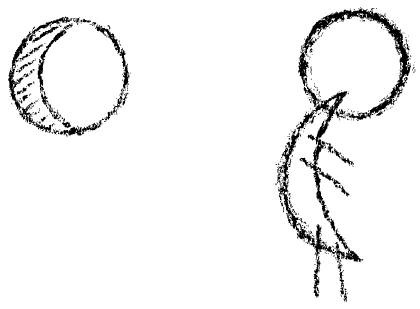
[ 5 ] Da ist es nun von großer Bedeutung zu wissen, daß man das, was im naturgeschichtlichen Unterricht im Kinde bewirkt werden soll, gründlich verdirbt, wenn man nicht im naturgeschichtlichen Unterricht mit der Auseinandersetzung über den Menschen beginnt. Sie mögen mit Recht sagen: Man wird dem Kinde von der Naturgeschichte des Menschen, wenn es 9 Jahre alt geworden ist, noch wenig sagen können. Doch es mag noch so wenig sein, aber das Wenige, was man dem Kinde vom Menschen beibringen kann, das bringe man ihm als Vorbereitung für allen andern naturgeschichtlichen Unterricht bei. Sie werden wissen müssen, indem Sie das tun, daß im Menschen gewissermaßen eine Synthesis, eine Zusammenfassung aller drei Naturreiche vorliegt, daß die drei übrigen Naturreiche im Menschen auf einer höheren Stufe zusammengefaßt sind. Sie werden das dem Kinde nicht zu sagen brauchen, aber durch den Gang Ihres Unterrichts werden Sie in dem Kinde ein Gefühl dafür herbeiführen müssen, daß der Mensch eine solche Zusammenfassung aller übrigen Reiche der Natur ist. Sie werden es erreichen, wenn Sie der Besprechung des Menschen den nötigen Nachdruck geben, wenn Sie in der Art, wie Sie den Menschen behandeln, beim Kinde hervorrufen den Eindruck von der Wichtigkeit des Menschen innerhalb der ganzen Weltenordnung. Sie werden vielleicht bei dem Kinde, wenn es 9 Jahre alt geworden ist, anfangen, die menschliche Gestalt äußerlich zu beschreiben. Sie werden es aufmerksam machen auf die Hauptgliederung des Menschen in Kopf, Rumpf und Gliedmaßen, aber Sie werden dabei mehr auf die äußere Erscheinung, auf die äußere Form Rücksicht zu nehmen haben. Sie werden gut tun, wenn Sie schon beim Kinde durch die Zuhilfenahme des vorher gepflegten Zeichnens für das Hauptsächlichste in der Menschenform eine Vorstellung hervorrufen: daß der Kopf kugelförmig ist, daß er an der Unterseite etwas abgeplattet ist und mit dieser Stelle auf dem Rumpf aufsitzt, also eine auf dem Rumpf aufsitzende Kugel ist. Dies beim Kinde als Vorstellung hervorzurufen, ist gut. Das ruft zu gleicher Zeit Gefühls- und Willenselemente wach, denn das Kind beginnt den Kopf künstlerisch, von seiner Kugelform aus, anzusehen. Das ist wichtig. Dadurch ergreifen Sie den ganzen Menschen, nicht bloß seinen Intellekt. Dann aber versuchen Sie, im Kinde die Vorstellung hervorzurufen, daß der Rumpf gewissermaßen ein Fragment des Kopfes ist. Versuchen Sie, das durch eine Zeichnung beim Kinde hervorzurufen, indem Sie ihm sagen: Der Kopf ist kugelförmig. Nimmst du ein Stück aus der Kugel heraus, indem du dies (das schraffierte Stück der Zeichnung) abschneidest und das andere zurückbehältst, so daß gewissermaßen der Mond zurückbleibt von der Sonne, dann bekommst du die hauptsächlichste Form des Rumpfes. — Es würde gut sein, wenn Sie aus Wachs oder geknetetem Teig eine Kugel formten, das schraffiert Angedeutete abschnitten und wirklich sphärisch den Mond zurückbehielten in seiner Gestaltung, damit Sie in dem Kinde wirklich eine solche Vorstellung von einem Kugelfragment für den menschlichen Rumpf hervorrufen. Und für die Gliedmaßen rufen Sie dann die Vorstellung hervor, daß sie eben an dem Rumpfe dranhängen und eingesetzt sind. Da wird das Kind manches nicht verstehen können, allein rufen Sie dennoch stark die Vorstellung hervor, daß die Gliedmaßen eingesetzt sind in den menschlichen Organismus. Sie dürfen an dieser Stelle nicht weitergehen, denn die Gliedmaßen setzen sich nach innen fort in den morphologischen Anlagen des Menschen und hängen da mit den Verdauungsund Geschlechtsorganen zusammen, die nur eine Fortsetzung der Gliedmaßen nach innen sind. Aber daß die Gliedmaßen in den Organismus eingesetzt sind, von außen, diese Vorstellung rufen Sie stark in den Kindern hervor. Damit bekommt das Kind zunächst eine Formvorstellung vom Menschen.
[ 5 ] It is therefore of great importance to realize that whatever one hopes to instill in a child through natural history instruction will be thoroughly undermined if one does not begin such instruction by exploring the nature of human beings. You may rightly say: When a child reaches the age of 9, there is still very little one can tell them about the natural history of humankind. Yet however little it may be, the little that can be taught to the child about humankind should be presented as preparation for all other natural history instruction. In doing so, you will need to understand that human beings represent, in a sense, a synthesis—a synthesis of all three kingdoms of nature—and that the other three kingdoms are synthesized within human beings at a higher level. You will not need to tell the child this explicitly, but through the course of your instruction, you will need to instill in the child a sense that human beings are such a synthesis of all the other kingdoms of nature. You will achieve this if you give the discussion of the human being the necessary emphasis, if, in the way you approach the subject of the human being, you evoke in the child an impression of the importance of the human being within the entire order of the world. You may begin, when the child is 9 years old, to describe the human form externally. You will draw the child’s attention to the main divisions of the human body—head, torso, and limbs—but in doing so, you will have to focus more on the external appearance and form. You would do well to use the drawing exercises you have previously practiced to help the child form a mental image of the most essential aspects of the human form: that the head is spherical, that it is slightly flattened on the underside, and that it rests on the torso at this point—in other words, that it is a sphere resting on the torso. It is good to evoke this mental image in the child. This simultaneously awakens emotional and volitional elements, for the child begins to view the head artistically, based on its spherical shape. This is important. In this way, you engage the whole person, not merely their intellect. Then, however, try to evoke in the child the idea that the torso is, in a sense, a fragment of the head. Try to evoke this in the child through a drawing by telling them: “The head is spherical. If you take a piece out of the sphere by cutting away this part (the hatched section of the drawing) and retaining the other part—so that, in a sense, the moon remains separate from the sun—then you obtain the most fundamental form of the torso.” — It would be helpful if you were to form a sphere out of wax or kneaded dough, cut off the hatched section, and retain the moon in its truly spherical shape, so that you can truly evoke in the child a mental image of a spherical fragment representing the human torso. And for the limbs, you should then evoke the mental image that they are simply attached to and integrated into the torso. The child may not be able to understand everything, but you should nevertheless strongly emphasize the mental image that the limbs are integrated into the human organism. You must not go any further at this point, for the limbs continue inward into the morphological structures of the human being and are connected there to the digestive and reproductive organs, which are merely an inward continuation of the limbs. But you must strongly evoke in the children a mental image of the human form. In this way, the child first gains a conceptual understanding of the human form.
[ 6 ] Dann versuchen Sie, in dem Kinde auch eine erste, wenn auch noch elementare, primitive Vorstellung davon hervorzurufen, daß das Anschauen der Welt an die Kopfkugel gebunden ist. Man kann dem Kinde sagen: Du hast deine Augen, deine Ohren, deine Nase, deinen Mund im Kopfe. Mit den Augen siehst du, mit den Ohren hörst du, mit der Nase riechst du, mit dem Munde schmeckst du. Das meiste von dem, was du von der Außenwelt weißt, das weißt du durch deinen Kopf. Wenn Sie diesen Gedanken weiter ausgestalten, dann bekommt das Kind eine Vorstellung eben von der besonderen Ausbildung und Aufgabe des Kopfes. Sodann versuchen Sie in ihm eine Vorstellung von dem Rumpfe hervorzurufen, indem Sie sagen: Was du mit der Zunge schmeckst, geht dann als Nahrung in deinen Rumpf hinein, was du mit den Ohren hörst, geht als Ton in deinen Rumpf hinein. - Es ist gut, bei den Kindern eine Vorstellung des Organsystems des ganzen Menschen hervorzurufen, wenn Sie also dem Kinde auch noch andeuten, daß es in der Brust die Atmungsorgane hat, durch die es atmet, daß es im Unterleibe den Magen hat, durch den es verdaut. Es ist gut, wenn man das dem Kind andeutet. Und es ist dann weiterhin gut, wenn man das Kind sich darauf besinnen läßt, wie die Gliedmaßen des Menschen auf der einen Seite als Füße zum Gehen dienen, auf der andern Seite als Hände zum freien Bewegen und Arbeiten. Und es ist gut, wenn man dabei schon im Kinde das Verständnis für den Unterschied erweckt zwischen dem Dienst, den die Füße dem Körper des Menschen leisten, indem sie ihn tragen und es ihm möglich machen, daß er an verschiedenen Punkten, wo er zu leben hat, arbeiten kann - und den Dienst, den im Gegensatz dazu die Arme und Hände leisten, mit denen der Mensch nicht seinen eigenen Körper tragen muß, sondern mit denen er frei arbeiten kann. Während die Füße auf dem Boden aufstehen, können die Hände zum Arbeiten in die Luft hinausgestreckt werden. Kurz, auf den wesentlichen Unterschied der menschlichen Beine und Füße und der menschlichen Arme und Hände soll das Kind frühzeitig hingewiesen werden. Der Unterschied zwischen dem Dienst, den die Füße und Beine leisten, indem sie den menschlichen Leib tragen, und dem Dienst, den die Hände und Arme leisten, indem sie nicht für den menschlichen Leib, sondern für die Welt arbeiten, dieser Unterschied zwischen dem egoistischen Dienst der Füße und dem selbstlosen Dienst der Hände im Arbeiten für die menschliche Außenwelt, sollte dem Kinde gefühlsmäßig früh beigebracht werden.
[ 6 ] Then try to instill in the child a first, albeit still elementary and primitive, mental image of the world that perceiving it is tied to the head. You can tell the child: You have your eyes, your ears, your nose, and your mouth in your head. With your eyes you see, with your ears you hear, with your nose you smell, and with your mouth you taste. Most of what you know about the outside world, you know through your head. If you expand on this idea further, the child will develop a mental image of the head’s specific structure and function. Then try to help the child form a mental image of the torso by saying: “What you taste with your tongue goes into your torso as food; what you hear with your ears goes into your torso as sound.” - It is good to help children develop a mental image of the entire human organ system; so you should also suggest to the child that in the chest are the respiratory organs through which they breathe, and in the abdomen is the stomach through which they digest. It is good to suggest this to the child. And it is also good to have the child reflect on how the human limbs serve, on the one hand, as feet for walking and, on the other hand, as hands for free movement and work. And it is good to awaken in the child an understanding of the difference between the service that the feet render to the human body—by carrying it and enabling it to work at various places where it must live—and the service rendered, in contrast, by the arms and hands, with which a person does not have to carry their own body but can work freely. While the feet stand on the ground, the hands can be stretched out into the air to work. In short, the child should be made aware at an early age of the essential difference between the human legs and feet and the human arms and hands. The difference between the service performed by the feet and legs in carrying the human body and the service performed by the hands and arms in working not for the human body but for the world—this difference between the self-serving service of the feet and the selfless service of the hands in working for the human external world—should be instilled in the child emotionally at an early age.
[ 7 ] So sollten wir, indem wir aus der Form den Begriff herausarbeiten, dem Kinde so viel als möglich naturgeschichtlich vom Menschen beibringen. Dann erst gehe man über zur übrigen Naturgeschichte, und zwar zuerst zum Tierreich, Da wäre es gut, wenn Sie in die Klasse bringen könnten - Sie werden sich ja in irgendeiner Weise behelfen müssen — zum Beispiel einen Tintenfisch, eine Maus, ein Lamm oder auch ein Pferd, irgend etwas aus der Sphäre dieser Säugetiere, und dann wieder vielleicht eine Nachbildung des Menschen, nun, menschliche Exemplare hätten Sie ja genug, Sie brauchten nur einen Schüler als menschliches Objekt den andern zu präsentieren. Nun müssen Sie sich klarwerden, wie Sie jetzt vorgehen. Sie werden versuchen, zunächst den Tintenfisch den Schülern nahezubringen. Sie werden ihnen erzählen, wie er im Meere lebt, werden durch Anschauung oder Zeichnung beschreiben, wie er aussieht, kurz, Sie werden die Kinder mit dem Tintenfisch bekanntmachen. Die Kinder werden fühlen, indem Sie ihnen den Tintenfisch beschreiben, daß Sie ihn in einer eigentümlichen Art beschreiben. Vielleicht erst später, wenn Sie zum Beispiel die Maus beschreiben, werden die Kinder merken, wie verschieden Sie die Maus vom Tintenfische beschrieben haben. Sie müssen dieses künstlerische Gefühl bei den Kindern zu entwickeln suchen, daß sie an der Art, wie Sie bei der Beschreibung des Tintenfisches anders verfahren als bei der Beschreibung der Maus, zugleich ein gewisses Gefühl für den Unterschied zwischen diesen beiden Tieren bekommen. Beim Tintenfisch müssen Sie diese Art so andeuten, daß der Tintenfisch etwas fühlt von dem, was in seiner Umgebung ist: Wittert er irgend etwas Gefährliches in seiner Umgebung, so läßt er ja sogleich seinen dunklen Saft los, um sich in eine Aura einzuhüllen, damit das von ihm selbst abgelenkt wird, was in seine Nähe kommt. Man kann dann dem Kinde viele Dinge sagen, durch die es begreift, daß der Tintenfisch, wenn er handelt, wenn er sich auf irgendeine Weise vor seinen Feinden schützt, oder auch wenn er sich ernährt, immer so handelt, wie zum Beispiel der Mensch handelt, wenn er etwas ißt oder etwas anschaut: Wenn der Mensch etwas ißt, so hat er Geschmack - ein Gefühl, das er durch seine Zunge, durch sein Geschmacksorgan vermittelt bekommt. Und das Auge des Menschen hat fortwährend das Bedürfnis, ins Licht zu sehen; indem es das macht, kann es sich mit dem Lichte auseinandersetzen. Dadurch, daß die Geschmacksorgane des Menschen schmecken wollen, nehmen sie das auf, was zur Nahrung dient. Beschreiben Sie also den Tintenfisch in der Weise, daß das Kind aus Ihrem Beschreiben die Sensitivität des Tintenfisches fühlt, seine feine Wahrnehmung für die Dinge in seiner Umgebung. Sie werden sich eine künstlerische Beschreibung des Tintenfisches ausarbeiten müssen, damit die Kinder ihn wirklich in dieser künstlerischen Beschreibung erfassen.
[ 7 ] Thus, by deriving the concept from the form, we should teach the child as much as possible about human anatomy. Only then should we move on to the rest of natural history, beginning with the animal kingdom, It would be good if you could bring into the classroom—you’ll have to make do in some way—for example, an octopus, a mouse, a lamb, or even a horse, something from the realm of these mammals, and then perhaps a model of a human; well, you’d have plenty of human specimens—you’d only need to present one student as a human object to the others. Now you need to figure out how to proceed. You’ll start by trying to introduce the octopus to the students. You’ll tell them how it lives in the sea, describe what it looks like using a model or a drawing—in short, you’ll familiarize the children with the octopus. As you describe the octopus to the children, they will sense that you are describing it in a unique way. Perhaps only later—when you describe the mouse, for example—will the children realize how differently you described the mouse compared to the octopus. You must seek to develop this artistic sensibility in the children so that, by noticing how you describe the octopus differently from the mouse, they simultaneously gain a certain sense of the difference between these two animals. With the octopus, you must hint at this in such a way that the octopus seems to sense what is in its surroundings: If it senses anything dangerous in its environment, it immediately releases its dark ink to envelop itself in a cloud, thereby diverting whatever is approaching it. You can then explain many things to the child that will help them understand that when the octopus acts—whether it is protecting itself from enemies in any way or even feeding—it always acts in the same way that, for example, a human acts when eating or looking at something: When a human eats something, they experience taste—a sensation conveyed to them through their tongue, through their taste buds. And the human eye constantly feels the need to look into the light; by doing so, it can engage with the light. Because the human taste buds seek to taste, they take in what serves as nourishment. So describe the octopus in such a way that, through your description, the child senses the octopus’s sensitivity—its subtle perception of the things in its surroundings. You will have to craft an artistic description of the octopus so that the children can truly grasp it through this artistic portrayal.
[ 8 ] Dann beschreiben Sie die Maus. Sie beschreiben, wie sie eine spitze Schnauze hat, wie an dieser spitzen Schnauze zunächst sehr stark die Schnurrhaare zu bemerken sind, wie außerdem daran zu bemerken sind die von unten und von oben hervorstehenden Nagezähne; Sie beschreiben die unverhältnismäßig großen Ohren der Maus, kommen dann auf den walzenförmigen Rumpf der Maus und auf den feinen, sammetartigen Haarwuchs. Dann gehen Sie über zur Beschreibung der Gliedmaßen, der kleineren Vorderfüßchen, der etwas größeren Hinterfüßchen, wodurch es der Maus ermöglicht wird, gut springen zu können. Dann hat sie einen mit Schuppen besetzten Schwanz, der weniger behaart ist. Sie machen das Kind dabei aufmerksam, daß die Maus, wenn sie irgendwo hinaufklettert, oder mit den Vorderpfoten etwas umfassen will, sich auf den Schwanz stützt, den die Maus deshalb sehr gut gebrauchen kann, weil er innerlich empfindlicher ist, was damit zusammenhängt, daß er nicht Haare, sondern Schuppen hat. Kurz, Sie versuchen, die Maus dem Kinde zu beschreiben wiederum, indem Sie die Formen der Maus künstlerisch aufbauen. Und dieses künstlerische Aufbauen werden Sie erreichen, wenn Sie im Kinde eine Vorstellung davon hervorrufen, wie zu all den Verrichtungen, wozu der 'Tintenfisch noch nicht so an den Körper Angewachsenes braucht, bei der Maus Angewachsenes notwendig ist. Der Tintenfisch ist durch sich selbst, durch seinen Leib, empfindlich, daher braucht er nicht so große Ohrlöffel wie die Maus. Er steht so mit der Umgebung in Beziehung, daß er seine Nahrung in sich hineinbringen kann ohne die spitze Schnauze, wie die Maus sie hat. Er braucht auch nicht so große, angewachsene Gliedmaßen wie die Maus, weil er seinen Leib selbst verwenden kann, um im Wasser vorwärtszukommen. Fassen Sie das recht zusammen, was Sie durch künstlerische Umkleidung dem Kinde beibringen wollen: daß der Tintenfisch weniger durch seine Gliedmaßenorgane sich äußert, daß er sich mehr durch seinen Leib selber äußert.
[ 8 ] Then describe the mouse. Describe how it has a pointed snout, how the whiskers are immediately very noticeable on this pointed snout, and how the incisors protruding from both the top and bottom are also noticeable; You describe the mouse’s disproportionately large ears, then move on to its cylindrical body and its fine, velvety fur. Next, you move on to describing its limbs—the smaller front paws and the slightly larger hind paws—which enable the mouse to jump well. It also has a scaly tail that is less hairy. You point out to the child that when the mouse climbs somewhere or wants to grasp something with its front paws, it leans on its tail—which the mouse can use very effectively because it is more sensitive on the inside, due to the fact that it has scales rather than hair. In short, you try to describe the mouse to the child once again by artistically constructing its forms. And you will achieve this artistic construction when you evoke in the child a mental image of how, for all the activities for which the octopus needs parts not yet attached to its body, the mouse requires parts that are attached to its body. The octopus is sensitive through itself, through its body; therefore, it does not need ear flaps as large as the mouse’s. It interacts with its environment in such a way that it can take food into itself without the pointed snout that the mouse has. Nor does it need limbs as large and attached to the body as the mouse’s, because it can use its own body to move forward in the water. Summarize clearly what you wish to teach the child through artistic adaptation: that the octopus expresses itself less through its limbs and more through its body itself.
[ 9 ] Ich muß das erst für Sie alles beschreiben, damit Sie es dann in Ihrem Unterricht umsetzen, denn Sie müssen sich dessen bewußt sein, was Sie später mehr unbewußt in den künstlerisch gestalteten Unterricht hineinbringen müssen. Kurz, beschreiben Sie so die Maus, daß Sie allmählich im Kinde das Gefühl hervorrufen: Die Maus ist ganz dazu organisiert, mit ihren Gliedmaßen ihrem Rumpfleben zu dienen. Machen Sie dem Kinde dann auch klar: Schließlich ist auch das Lamm so organisiert, mit seinen Gliedmaßen dem Rumpfleben zu dienen, auch das Pferd ist so organisiert, daß es, wenn es in der Wildheit lebt, mit seinen Gliedmaßen dem Rumpfleben dienen kann. Machen Sie zum Beispiel dem Kinde folgendes klar: Sieh, die Maus hat so recht spitzige Zähne, diese Zähne müssen scharf und spitz sein, sonst würde die Maus nicht an den Gegenständen nagen können, wie sie muß, damit sie sich ernähren kann, damit sie sich sogar auch Löcher bohren kann, in denen sie dann wohnt. Dadurch aber muß sie ja ihre Zähne fortwährend abnutzen. Doch bei der Maus ist es so eingerichtet, daß die Zähne, wie unsere Nägel, von innen heraus immer nachwachsen, so daß die Maus fortwährend den inneren Ersatz für die Zahnsubstanz bekommt. Das sieht man besonders an den Zähnen, die ja auch Organe sind, welche an dem übrigen Organismus dranhängen, daß sie so gebildet sind, daß der Rumpf der Maus leben kann.
[ 9 ] I must first describe all of this to you so that you can then incorporate it into your lessons, because you need to be aware of what you will later—more unconsciously—need to bring into your artistically structured lessons. In short, describe the mouse in such a way that you gradually evoke in the child the feeling that: The mouse is entirely organized to use its limbs to serve the life of its body. Then make it clear to the child: After all, the lamb is also organized to use its limbs to serve the life of its body, and the horse, too, is organized so that, when living in the wild, it can use its limbs to serve the life of its body. For example, explain the following to the child: Look, the mouse has such pointy teeth; these teeth must be sharp and pointed, otherwise the mouse would not be able to gnaw on objects as it must in order to feed itself—and even to gnaw holes in which it can then live. But this means it must constantly wear down its teeth. But in the case of the mouse, its teeth—like our fingernails—constantly grow back from the inside out, so that the mouse continually receives a fresh supply of tooth substance from within. This is particularly evident in the teeth—which, after all, are organs attached to the rest of the organism—in that they are formed in such a way that the mouse’s body can live.
[ 10 ] So haben Sie beim Kinde eine starke Vorstellung, wenn auch elementar, empfindungsgemäß hervorgerufen vom Tintenfisch, und Sie haben weiter in ihm eine starke Vorstellung hervorgerufen vom Bau der Maus. Und jetzt gehen Sie über wiederum zum Bau des Menschen. Sie machen dem Kinde klar: Wenn wir jetzt am Menschen das aufsuchen, worin er am meisten dem Tintenfische ähnlich ist, so werden wir sonderbarerweise zum menschlichen Kopf geführt. Am meisten ist vom Menschen der Kopf dem Tintenfische ähnlich. Es ist ein Vorurteil, daß die Menschen just ihren Kopf für das Vollkommenste halten. Der Kopf ist zwar sehr kompliziert ausgestaltet, aber es ist eigentlich nur ein umgewandelter Tintenfisch; ich meine, ein umgewandeltes niederes Tier, denn der menschliche Kopf verhält sich zu seiner Umgebung ähnlich so, wie die niederen Tiere sich zu ihrer Umgebung verhalten. Und mit seinem Rumpf ist der Mensch am meisten den höheren Tieren ähnlich: Maus, Lamm, Pferd. Nur während der Tintenfisch durch seinen Kopf sein ganzes Leben unterhalten kann, könnte der Mensch das nicht. Der Kopf muß aufgesetzt sein auf dem Rumpf und darauf ruhen, er kann sich nicht frei bewegen; der Tintenfisch, der im Grunde genommen ein ganzer Kopf ist und sonst nichts, bewegt sich aber frei im Wasser. — Sie müssen es schon dahin bringen, daß die Kinder ein Gefühl davon bekommen, wie die niederen Tiere frei sich bewegende Köpfe sind, nur noch nicht so vollkommen wie der Menschenkopf. Und Sie müssen in den Kindern ein Gefühl erwecken dafür, daß die höheren Tiere hauptsächlich Rumpf sind und die Organe hauptsächlich zur Befriedigung der Bedürfnisse des Rumpfes raffiniert von der Natur ausgestaltet haben, was beim Menschen viel weniger der Fall ist; er ist in bezug auf seinen Rumpf unvollkommener ausgestaltet als die höheren Tiere.
[ 10 ] So you have evoked in the child a strong mental image—albeit a rudimentary one—of the octopus, based on sensory experience, and you have further evoked in the child a strong mental image of the mouse’s anatomy. And now you move on again to the human anatomy. You make it clear to the child: If we now look for what in the human being most resembles the octopus, we are, strangely enough, led to the human head. It is the head that most resembles the octopus. It is a prejudice to think that people consider their head to be the most perfect part of themselves. The head is indeed very complex in structure, but it is actually nothing more than a transformed octopus; I mean, a transformed lower animal, for the human head relates to its surroundings in much the same way as lower animals relate to theirs. And in terms of its torso, the human being most closely resembles the higher animals: the mouse, the lamb, the horse. But while the octopus can sustain its entire life through its head, the human being could not. The head must be attached to the torso and rest upon it; it cannot move freely. The octopus, which is essentially nothing but a head, moves freely in the water. — You must help the children develop a sense of how lower animals are freely moving heads, though not yet as perfect as the human head. And you must awaken in the children a sense that higher animals consist mainly of a torso, and that nature has ingeniously designed their organs primarily to satisfy the needs of the torso—which is much less the case with humans; in terms of their torso, humans are less perfectly formed than higher animals.
[ 11 ] Man muß dann in den Kindern ein Gefühl davon hervorrufen, worin nun der Mensch in der äußeren Form am allervollkommensten ist. Das ist er in bezug auf seine Gliedmaßen. Wenn Sie die höheren Tiere bis zum Affen hinauf verfolgen, so werden Sie finden, daß die vorderen Gliedmaßen noch nicht so sehr verschieden von den hinteren sind und daß überhaupt die vier Gliedmaßen im wesentlichen dazu dienen, den Rumpf zu tragen, weiterzubewegen und so fort. Diese wunderbare Differenzierung der Gliedmaßen in Füße und Hände, in Beine und Arme, tritt erst beim Menschen ein und prägt sich aus in dem schon in der Anlage als aufrecht organisierten Gang, mit der schon der Anlage nach aufrecht organisierten Haltung. Keine der Tiergattungen ist mit Bezug auf die Durchorganisierung der Gliedmaßen so vollkommen gestaltet wie der Mensch.
[ 11 ] One must then instill in children a sense of what it is that makes human beings the most perfect in their outward form. This is true with regard to their limbs. If you trace the development of higher animals up to the monkey, you will find that the front limbs are not yet very different from the hind limbs, and that, in general, the four limbs essentially serve to support the torso, propel it forward, and so on. This marvelous differentiation of the limbs into feet and hands, into legs and arms, occurs only in humans and manifests itself in the gait, which is organized for an upright posture even in its embryonic stage, and in the posture, which is also organized for an upright stance from the very beginning. No other animal species is as perfectly designed as humans with regard to the thorough organization of the limbs.
[ 12 ] Dann schalte man eine recht anschauliche Beschreibung der menschlichen Arme und Hände ein: Wie diesen alles Tragen des Organismus abgenommen ist, wie die Hände für Körperzwecke nicht in Berührung kommen mit der Erde, wie sie umgeformt sind zum Ergreifen der Gegenstände, zum Verrichten der Arbeit. Und dann gehe man auf das Willensmäßig-Moralische über. Man rufe in dem Kinde gefühlsmäßig, nicht theoretisch, eine starke Vorstellung hervor: Du nimmst zum Beispiel die Kreide in die Hand, um zu schreiben; die Kreide in die Hand nehmen, das kannst du nur dadurch, daß deine Hand umgeformt ist zur Verrichtung der Arbeit, daß sie nicht mehr den Leib zu tragen hat. Mit Bezug auf die Arme kann das Tier nicht faul sein, weil es im Grunde genommen keine Arme hat. Wenn man vom Vierhänder als vom Affen spricht, so ist das nur eine ungenaue Redeweise, denn er hat eigentlich vier armähnlich gestaltete Beine und Füße und nicht vier Hände. Denn, wenn auch schließlich die Tiere zum Klettern gebildet sind, so ist das Klettern auch etwas, was dem Leibe dient, und ihre Füße sind handförmig umgestaltet, damit sie durch das Klettern den Leib unterstützen können. — Für das, was im menschlichen Leibe vorgeht, sind die Hände und Arme des Menschen zwecklos geworden äußerlich das schönste Sinnbild der menschlichen Freiheit! Es gibt kein schöneres Sinnbild der menschlichen Freiheit als die menschlichen Arme und Hände. Der Mensch kann für seine Umwelt arbeiten durch die Hände, und er kann schließlich auch, indem er sich nährt, indem er selber ißt, für sich aus freiem Willen durch die Hände arbeiten.
[ 12 ] Then introduce a fairly vivid description of the human arms and hands: how they have been relieved of all the organism’s carrying duties, how the hands do not come into contact with the ground for physical purposes, how they have been reshaped to grasp objects and perform work. And then move on to the volitional-moral aspect. Evoke in the child—emotionally, not theoretically—a strong mental image: For example, you take a piece of chalk in your hand to write; you can only take the chalk in your hand because your hand has been reshaped to perform this task, because it no longer has to support the body. As far as the arms are concerned, an animal cannot be lazy, because it essentially has no arms. When we speak of a quadruped as a “monkey,” this is merely an imprecise way of speaking, for it actually has four arm-like legs and feet, and not four hands. For even though animals are ultimately designed for climbing, climbing is also something that serves the body, and their feet are reshaped to resemble hands so that they can support the body while climbing. — For what takes place within the human body, the hands and arms of humans have become, outwardly, the most beautiful symbol of human freedom! There is no more beautiful symbol of human freedom than the human arms and hands. Humans can work for their environment through their hands, and they can also—by nourishing themselves, by eating—work for themselves of their own free will through their hands.
[ 13 ] So erweckt man in dem Kinde durch die Beschreibung des Tintenfisches, der Maus oder des Lammes oder des Pferdes und des Menschen selbst nach und nach eine starke empfindungsmäßige und gefühlsmäßige Vorstellung davon, daß die niederen Tiere Kopfcharakter, die höheren Tiere Rumpfcharakter haben und der Mensch Gliedmaßencharakter hat. Es führt den Menschen nur zum eingeimpften Hochmut, wenn man ihm fortwährend beibringt, daß er durch seinen Kopf das vollkommenste Wesen auf der Welt ist. Dadurch saugt er unwillkürlich die Vorstellung ein, daß man durch die Faulheit, durch die Trägheit vollkommen ist. Denn instinktiv weiß der Mensch, daß der Kopf ein Faulpelz ist, daß er auf den Schultern ruht, daß er sich nicht selber durch die Welt bewegen will, daß er sich tragen läßt von den Gliedmaßen. Und es ist nicht wahr, daß der Mensch durch den Kopf, durch den Faulpelz Kopf, das eigentlich vollkommene Wesen ist, sondern er ist es durch seine Gliedmaßen, die in die Welt und ihre Arbeit eingegliedert sind. Sie machen den Menschen innerlichst moralischer, wenn Sie ihm nicht beibringen, er sei vollkommen durch den Faulpelz Kopf, sondern vollkommen durch die regsamen Gliedmaßen. Denn diejenigen Wesen, die nur Kopf sind wie die niederen Tiere, die müssen ihren Kopf selber bewegen, und diejenigen Wesen, welche ihre Gliedmaßen nur im Dienste des Rumpfes verwenden, wie die höheren Tiere, sind eben dem Menschen gegenüber gerade dadurch die unvollkommeneren Wesen, daß ihre Gliedmaßen weniger zum freien Gebrauch gebildet sind als beim Menschen; sie sind schon mit einem gewissen Zweck behaftet, sie dienen überall dem Rumpf. Beim Menschen ist das eine Gliedmaßenpaar, die Hände, vollständig in die Sphäre der menschlichen Freiheit gesetzt. Eine gesunde Empfindung gegenüber der Welt bringen Sie dem Menschen nur bei, wenn Sie in ihm die Vorstellung erwecken, daß er vollkommen ist wegen seiner Gliedmaßen, nicht wegen seines Kopfes. Das können Sie durch die vergleichende Beschreibung des Tintenfisches, der Maus oder des Lammes oder des Pferdes und des Menschen sehr gut. Dadurch werden Sie auch zu gleicher Zeit merken, daß Sie eigentlich niemals, wenn Sie irgend etwas in einem Naturreiche beschreiben, den Menschen nicht dabei haben sollten, denn im Menschen vereinigen sich einmal alle Tätigkeiten der Natur. Deshalb sollten wir immer, wenn wir irgend etwas in der Natur beschreiben, im Hintergrunde den Menschen haben. Deshalb müssen wir auch, wenn wir nach dem Erreichen des 9. Lebensjahres beim Kinde zum naturgeschichtlichen Unterricht übergehen, vom Menschen ausgehen.
[ 13 ] Thus, by describing the octopus, the mouse, the lamb, the horse, and human beings themselves, one gradually awakens in the child a strong sensory and emotional mental image that lower animals have a “head” character, higher animals a “torso” character, and human beings a “limb” character. Constantly teaching people that they are the most perfect beings in the world because of their heads only leads to ingrained arrogance. As a result, they unconsciously absorb a mental image of oneself being perfect through laziness and inertia. For humans know instinctively that the head is a slacker, that it rests on the shoulders, that it does not want to move through the world on its own, that it allows itself to be carried by the limbs. And it is not true that man is the truly perfect being because of his head—that lazy head—but rather because of his limbs, which are integrated into the world and its work. They make man more moral at his very core when they do not teach him that he is perfect because of his lazy head, but rather perfect because of his active limbs. For those beings that are nothing but head—like the lower animals—must move their heads themselves; and those beings that use their limbs only in the service of the torso—like the higher animals—are, precisely in comparison to human beings, the more imperfect beings because their limbs are less suited to free use than those of human beings; they are already bound to a certain purpose; they serve the torso in every respect. In humans, one pair of limbs—the hands—is placed entirely within the sphere of human freedom. You can instill in a person a healthy sense of the world only if you awaken in them a mental image that they are perfect because of their limbs, not because of their head. You can do this very well through a comparative description of the octopus, the mouse, the lamb, the horse, and human beings. In doing so, you will also realize at the same time that, whenever you describe anything in the natural world, you should never leave human beings out of the picture, for it is in human beings that all the activities of nature are united. That is why, whenever we describe anything in nature, we should always keep human beings in the background. That is also why, when we move on to natural history lessons with children after they reach the age of 9, we must begin with human beings.
[ 14 ] Wer den Menschen als Kind beobachtet, der wird finden, daß eben zwischen dem 9. und 10. Lebensjahre mit dem Menschen etwas vorgeht. Es prägt sich nicht so deutlich aus, wie der erste Anhub dieses Vorganges in einem früheren kindlichen Lebensalter. Wenn das Kind anfängt, etwas bewußter seine Glieder zu bewegen, zu gehen, ja selbst oftmals ungeschickt zu gehen, wenn es anfängt, zweckentsprechend seine Arme und Hände zu bewegen, so liegt da ungefähr der Zeitpunkt, wo das Kind anfängt, sich seines Ich etwas bewußt zu werden, um später sich bis zu diesem Zeitpunkte zurückzuerinnern, nicht an das, was vorher geschehen ist. Wenn Sie bemerken, wie normalerweise — es ändert sich bei einzelnen Kinderexemplaren — der Mensch in diesem Zeitalter anfängt «Ich» zu sagen, sogar etwas später, weil sich die Sprachtätigkeit, also das Willensartige, erst ausgebildet haben muß, dann können Sie daraus ersehen, daß das Auftreten des Selbstbewußtseins im Menschen in diesem Zeitpunkte deutlich bemerkbar ist, während jene Veränderung nicht so stark bemerkbar ist, die dann so um das Erreichen des 9. Lebensjahres herum mit dem Selbstbewußtsein des Menschen vor sich geht. Da verstärkt sich das Selbstbewußtsein; da kann man bemerken, daß das Kind viel verständiger das auffaßt, was man über den Unterschied des Menschen und der Welt zu ihm spricht. Vor dem Rubikon des 9. Lebensjahres ist das Kind noch viel mehr mit der Umwelt verschmolzen als nach dem Erreichen dieses Zeitraumes. Dann unterscheidet sich das Kind viel mehr von der Umwelt. Daher kann man jetzt ein bißchen anfangen, zum Kinde vom Seelischen zu sprechen, und es wird einem nicht mehr so unverständig zuhören als vor dem Erreichen des 9. Lebensjahres. Kurz, das Selbstbewußtsein des Kindes vertieft sich, verstärkt sich auch mit dem Erreichen des 9. Lebensjahres.
[ 14 ] Anyone who observes a child will find that something happens to a person precisely between the ages of 9 and 10. It is not as clearly evident as the first signs of this process at an earlier stage of childhood. When the child begins to move its limbs more consciously, to walk—often even clumsily—and to use its arms and hands purposefully, that is roughly the point at which the child begins to become somewhat aware of its “I,” so that later it can recall events up to that point, but not what happened before. If you observe how, normally—though this varies from child to child—a person at this age begins to say “I,” even somewhat later because speech, that is, the volitional aspect, must first develop—then you can see that the emergence of self-consciousness in a person is clearly noticeable at this point, whereas the change that occurs around the age of nine in relation to a person’s self-consciousness is not as strongly noticeable. At that point, self-consciousness intensifies; one can observe that the child understands much more clearly what is said about the difference between the human being and the world around them. Before crossing the Rubicon of the ninth year of life, the child is still much more fused with the environment than after reaching this stage. Then the child distinguishes itself much more from its surroundings. Therefore, one can now begin to speak to the child about spiritual matters, and the child will no longer listen as if it did not understand as it did before reaching the age of nine. In short, the child’s self-awareness deepens and strengthens upon reaching the age of nine.
[ 15 ] Wer eine Empfindung für solche Sachen hat, der wird bemerken, daß das Kind mit diesem Lebensalter anfängt, die Worte viel innerlicher zu gebrauchen als vorher, viel mehr sich bewußt zu werden, daß die Worte etwas sind, was aus seinem Inneren entsteht. Heute, wo man sich um das Äußerliche viel mehr bekümmert als um das Innerliche, lenkt man gerade auf diesen Umschwung im 9., 10. Lebensjahre viel zu wenig die Aufmerksamkeit. Der Erzieher aber muß seine Aufmerksamkeit auf diesen Umschwung lenken. Daher werden Sie mit einer ganz andern Grundstimmung zum Kinde sprechen können, wenn Sie den naturgeschichtlichen Unterricht - der eigentlich immer den Menschen mit den andern Naturreichen vergleichen muß - erst nach diesem Zeitpunkte an das Kind heranbringen. Während wir vorher, wo der Mensch noch mehr mit der Natur zusammengewachsen ist, nur in erzählender Form zu dem Kinde über die Dinge des naturwissenschaftlichen Unterrichts sprechen können, können wir es jetzt nach dem 9. Lebensjahre in der Weise tun, daß wir jetzt den Tintenfisch, die Maus oder das Lamm oder das Pferd und den Menschen vor das Kind hinstellen, und wir dürfen auch von den Beziehungen zur menschlichen Gestalt mit ihm reden. Vorher würden Sie auf etwas stoßen, was dem Kinde unverständlich ist, wenn Sie das, was mit dem Kopfe zusammenhängt, auf den Tintenfisch beziehen wollten, wenn Sie das, was mit dem Rumpfdasein zusammenhängt, mit der Maus in Beziehung bringen wollten, und wenn Sie das, was den Menschen erhebt über die andern Naturreiche, in den menschlichen Gliedmaßen suchen wollten. Und Sie sollen jetzt sogar das benützen, was Ihnen da das besondere Lebensalter des Kindes entgegenbringt, aus dem Grunde, weil Sie, wenn Sie auch den naturwissenschaftlichen Unterricht so verwenden, wie ich es angedeutet habe, später sehr feste, nicht wankende Moralbegriffe in die Kinderseele hineinbringen. Moralbegriffe bringt man nicht in die Kinder hinein, indem man an den Verstand appelliert, sondern indem man an Gefühl und Willen appelliert. Aber an Gefühl und Willen wird man dann appellieren können, wenn man die Gedanken und Gefühle des Kindes darauf hinlenkt, wie es selbst nur dann ganz Mensch ist, wenn es seine Hände benutzt zur Arbeit für die Welt, wie es dadurch das vollkommenste Wesen ist, und wie eine Beziehung besteht vom menschlichen Kopf zum Tintenfisch und vom menschlichen Rumpf zur Maus oder zum Schaf oder zum Pferd. Durch dieses Sich-HineingestelltFühlen in die Naturordnung nimmt das Kind auch Gefühle auf, durch die es sich später recht als Mensch weiß.
[ 15 ] Anyone who has a feel for such things will notice that, at this age, the child begins to use words in a much more inward way than before and becomes much more aware that words are something that arise from within. Today, when people are far more concerned with the external than with the internal, far too little attention is paid to this transition that occurs in the 9th and 10th years of life. The educator, however, must direct their attention to this transition. Therefore, you will be able to speak to the child with an entirely different underlying tone if you introduce natural history lessons—which must always compare human beings to the other kingdoms of nature—to the child only after this point in time. Whereas before—when human beings were still more closely connected to nature—we could only speak to the child about the subjects of natural science in a narrative form, we can now, after the age of nine, do so by placing the octopus, the mouse, the lamb, or the horse alongside the human being before the child, and we may also speak with the child about the connections to the human form. Previously, you would have encountered something incomprehensible to the child if you had tried to relate what pertains to the head to the octopus, if you had tried to relate what pertains to the torso to the mouse, and if you had sought in the human limbs what elevates human beings above the other kingdoms of nature. And you should now even make use of what the child’s particular age brings to you, for the reason that, even if you use natural science instruction as I have indicated, you will later instill very firm, unshakable moral concepts into the child’s soul. Moral concepts are not instilled in children by appealing to the intellect, but by appealing to feeling and will. But one will be able to appeal to feeling and will when one directs the child’s thoughts and feelings toward the fact that the child is fully human only when using their hands to work for the world, that in doing so they are the most perfect being, and that a relationship exists between the human head and the octopus, and between the human torso and the mouse, the sheep, or the horse. Through this feeling of being part of the natural order, the child also absorbs feelings that will later enable it to truly recognize itself as a human being.
[ 16 ] Sie können dies ganz besonders wichtige moralische Element in die kindliche Seele hineinverpflanzen, wenn Sie sich bemühen, den naturgeschichtlichen Unterricht so zu gestalten, daß das Kind nichts davon ahnt, daß Sie ihm Moral beibringen wollen. Aber Sie werden niemals auch nur die Spur von Moralismus in die Kinder hineinversetzen, wenn Sie den naturgeschichtlichen Unterricht erteilen unabhängig vom Menschen, indem Sie den Tintenfisch für sich beschreiben, die Maus oder das Lamm oder das Pferd für sich beschreiben und sogar den Menschen für sich beschreiben, wobei Sie überhaupt nur Worterklärungen beschreiben. Denn den Menschen können Sie nur beschreiben, wenn Sie ihn zusammensetzen aus allen übrigen Organismen und Tätigkeiten der Natur. Das bewunderte Schiller an Goethe, daß Goethes Naturanschauung in naiver Weise darin bestand, daß er den Menschen aus allen einzelnen Stücken der Natur zusammensetzte, wie es zum Ausdruck gebracht ist in dem schönen Brief aus dem Anfange der neunziger Jahre des 18. Jahrhunderts, den Schiller an Goethe schrieb. Ich habe ihn immer wieder und wieder vorgebracht, weil er etwas enthält, was ganz übergehen sollte in unsere Kultur: das Bewußtsein von der Synthesis der ganzen Natur im Menschen. Goethe drückt es immer wieder so aus: Der Mensch ist auf den Gipfel der Natur gestellt und fühlt sich dort wieder als eine ganze Natur. Oder auch so sagt Goethe: Die ganze übrige Welt kommt im Menschen eigentlich zu ihrem Bewußtsein. - Wenn Sie meine Schriften durchgehen, werden Sie solche Aussprüche Goethes immer wieder und wieder zitiert finden. Ich habe sie nicht deshalb zitiert, weil sie mir gefallen haben, sondern weil solche Ideen übergehen sollten in das Zeitbewußtsein. Deshalb tut es mir immer so leid, daß eine der bedeutendsten pädagogischen Schriften eigentlich ganz unbekannt oder wenigstens unfruchtbar geblieben ist innerhalb des eigentlichen pädagogischen Betriebes. Schiller hat nämlich an Goethes naiver Selbsterziehung gute Pädagogik gelernt und hat diese Pädagogik hineingegossen in seine Schrift «Briefe über die ästhetische Erziehung des Menschen». In diesen Briefen steht ungeheuer viel fruchtbares Pädagogisches; man muß nur darüber hinausdenken und das, was in ihnen ist, konsequent weiterdenken. Schiller ist ja dazugekommen durch die Anschauungen Goethes. Bedenken Sie nur, wie Goethe gleichsam als ein Stück Kultur, das in die Natur hineingesetzt ist, von allerfrühester Kindheit an opponiert hat gegen das Erziehungsprinzip seiner Umgebung. Goethe konnte den Menschen niemals von der Umgebung absondern. Er nahm immer den Menschen in seinem Zusammenhange mit der Natur und fühlte sich als Mensch eins mit der Natur. Daher gefiel ihm auch zum Beispiel der Klavierunterricht so lange nicht, als er ganz abgesondert von der Natur des Menschen ihm erteilt wurde. Er fing erst an, sich für den Klavierunterricht zu interessieren, als ihm die Tätigkeit der einzelnen Finger nahegebracht wurde, als er hörte: Das ist der «Däumerling», das ist der «Deuterling» und so weiter, und als er nun wußte, wie der Däumerling und der Deuterling beim Klavierspiel verwendet werden. Er wollte immer den ganzen Menschen drinnenstehend haben in der ganzen Natur. Und das andere - ich habe es auch schon erwähnt: Er baut sich im 7. Lebensjahre einen eigenen Naturaltar, nimmt dazu ein Notenpult seines Vaters, legt Pflanzen aus seines Vaters Herbarium und Mineralien darauf, oben darauf ein Räucherkerzchen, dann fängt er mit einem Brennglase die Strahlen der Morgensonne auf, um dadurch dem großen Gotte der Natur ein Opfer zu bringen: eine Opposition gegenüber dem, was man ihm sonst in der Erziehung beibringen wollte. Goethe hat sich immer dargelebt als ein Mensch, der so erzogen werden wollte, wie man in der neueren Zeit erzogen werden sollte. Und weil Goethe so war, nachdem er sich dazu erst herangebändigt hatte, deshalb hat er Schiller so gefallen, und Schiller schrieb dann in seinen ästhetischen Briefen über Erziehung dasjenige, was eben in diesen Briefen enthalten ist.
[ 16 ] You can instill this particularly important moral element into a child’s soul if you make an effort to structure your natural history lessons in such a way that the child has no inkling that you are trying to teach him or her morality. But you will never instill even a trace of moralism in the children if you teach natural history independently of human beings—by describing the octopus in and of itself, the mouse or the lamb or the horse in and of themselves, and even human beings in and of themselves—while providing nothing but definitions of terms. For you can only describe human beings if you compose them from all the other organisms and activities of nature. What Schiller admired about Goethe was that Goethe’s view of nature, in a naive sense, consisted of composing human beings from all the individual elements of nature, as expressed in the beautiful letter from the early 1790s that Schiller wrote to Goethe. I have cited it time and again because it contains something that ought to be fully integrated into our culture: the awareness of the synthesis of all of nature within the human being. Goethe repeatedly expresses it this way: The human being is placed at the summit of nature and feels there once again as a whole of nature. Or, as Goethe also puts it: The whole rest of the world actually comes to consciousness within the human being. - If you go through my writings, you will find such sayings by Goethe quoted time and time again. I did not quote them because I liked them, but because such ideas should become part of the consciousness of our time. That is why I am always so sorry that one of the most significant pedagogical works has actually remained completely unknown—or at least unproductive—within the field of education itself. Schiller, in fact, learned sound pedagogy from Goethe’s “Naive Self-Education” and incorporated this pedagogy into his work *Letters on the Aesthetic Education of Man*. These letters contain an immense amount of fruitful pedagogical insight; one need only reflect on them and consistently develop the ideas they contain. Schiller, after all, arrived at this understanding through Goethe’s views. Just consider how Goethe—as it were, a piece of culture embedded in nature—opposed the educational principles of his surroundings from the very earliest childhood. Goethe could never separate human beings from their surroundings. He always viewed human beings in their connection with nature and felt, as a human being, at one with nature. That is why, for example, he did not take a liking to piano lessons as long as they were taught to him in complete isolation from human nature. He only began to take an interest in piano lessons when the movements of the individual fingers were explained to him, when he heard: “This is the ‘thumb,’ this is the ‘index finger,’ and so on,” and when he now knew how the thumb and the index finger are used when playing the piano. He always wanted the whole human being to be immersed in the whole of nature. And the other thing—I’ve already mentioned it: At the age of seven, he built his own altar to nature, using his father’s music stand, placing plants from his father’s herbarium and minerals on it, with a small incense candle on top; then he used a magnifying glass to focus the rays of the morning sun, thereby offering a sacrifice to the great God of Nature: a direct opposition to what he had otherwise been taught in his upbringing. Goethe always presented himself as a person who wanted to be educated in the way one should be educated in modern times. And because Goethe was like that—once he had first brought himself into line with this ideal—that is why Schiller was so taken with him, and Schiller then wrote in his Aesthetic Letters on education precisely what is contained in these letters.
[ 17 ] Mein alter Freund und Lehrer $Schröer hat mir einmal erzählt, wie er in einer Mittelschulkommission als Lehrer an einer Prüfung angehender Lehrer teilzunehmen hatte, aber er hatte nicht zu gleicher Zeit auch vorbereiten können, was die künftigen Lehrer zu dieser Prüfung mitbringen mußten. Da hat er sie nun einmal über Schillers ästhetische Briefe gefragt. Sie haben sich ausgekannt in allem möglichen, in Plato und so weiter, aber als Schröer nun anfing, sie über Schillers ästhetische Briefe zu fragen, da haben sie revoltiert! Und in ganz Wien hieß es dann: Da hat der Schröer in der Prüfung die Lehrer über Schillers ästhetische Briefe fragen wollen, aber die versteht doch kein Mensch! Das sind doch Sachen, die man nicht verstehen kann!
[ 17 ] My old friend and teacher $Schröer once told me how, as a member of a middle school committee, he had to participate as an examiner in a test for prospective teachers, but he hadn’t been able to prepare at the same time what the future teachers were required to bring to this exam. So he decided to ask them about Schiller’s aesthetic letters. They were well-versed in all sorts of things—Plato and so on—but when Schröer began asking them about Schiller’s aesthetic letters, they revolted! And all over Vienna, people were saying: “Schröer tried to quiz the teachers on Schiller’s Aesthetic Letters during the exam, but nobody understands those! Those are things that are simply impossible to understand!”
[ 18 ] Wenn wir aber manche gesunden didaktischen Dinge aufsuchen wollen, wenn auch in ihren Rudimenten, so müssen wir zum Beispiel zurückgehen auf Schillers Briefe zur ästhetischen Erziehung und auch auf Jean Pauls Erziehlehre «Levana». Auch diese enthält für das Unterrichtswesen ungeheuer viel praktische Hinweise. In der neueren Zeit ist es ja mit Bezug auf manche Dinge besser geworden, aber man kann nicht sagen, daß das, was von Schillers ästhetischen Briefen und von Jean Pauls Erziehungslehre ausgehen konnte, ganz unverfälscht in die Pädagogik übergegangen wäre. Die Dinge werden immer auf etwas andern Boden gestellt.
[ 18 ] But if we wish to seek out some sound pedagogical principles—even if only in their rudimentary form—we must, for example, turn to Schiller’s *Letters on Aesthetic Education* and also to Jean Paul’s educational treatise *Levana*. This work, too, contains an immense amount of practical guidance for the field of education. In more recent times, things have certainly improved in some respects, but one cannot say that what could have emerged from Schiller’s aesthetic letters and Jean Paul’s educational treatise has been incorporated into pedagogy entirely unadulterated. Things are always placed on a different foundation.
[ 19 ] Ich habe Ihnen heute einen Begriff zu geben versucht, wie man von einem gewissen Lebensalter des Kindes, ungefähr im 9. Jahre, ablesen kann, was man in diesem Alter erzieherisch tun soll. Morgen wollen wir davon sprechen, wie man das 14., 15. Lebensjahr benutzen soll, um dem Kinde das beizubringen, was dann seinem Wesen entspricht. So wollen wir uns der Einsicht nähern, wie die ganze Zeit zwischen dem 7. und 15. Jahre gegliedert ist und was man als Erzieher und Unterrichter zu tun hat. Daraus kommt dann der Lehrplan zustande. Heute stellen die Leute in abstracto die Frage: Wie sollen wir die Fähigkeiten des Kindes entwickeln? Aber wir sollten uns klar sein: Man muß zuerst die Fähigkeiten des werdenden Menschen kennen, wenn der abstrakte Satz: Man muß die Fähigkeiten des Kindes entwickeln - eine konkrete Bedeutung haben soll.
[ 19 ] Today I have tried to give you an idea of how, based on a child’s age—around 9 years old—you can determine what educational approach is appropriate at that age. Tomorrow we will discuss how to use the ages of 14 and 15 to teach the child what is appropriate for their nature at that stage. In this way, we will gain insight into how the entire period between the ages of 7 and 15 is structured and what educators and teachers must do. From this, the curriculum will then take shape. Today, people ask the question in the abstract: How should we develop the child’s abilities? But we should be clear about this: One must first know the abilities of the developing human being if the abstract statement—“One must develop the child’s abilities”—is to have any concrete meaning.