

The Educational Value
of Understanding Human Nature
GA 296
10 August 1919, Dornach
Translate the original German text into any language:
Versions Available:
The Education Question as a Social Issue, tr. SOL
Zweiter Vortrag
Second Lecture
[ 1 ] Will man verstehen, was anthroposophische Geisteswissenschaft als Aufgabe in der Gegenwart und nächsten Zukunft hat, dann muß man, wie wir das vor einiger Zeit und auch gestern wieder gehört haben, in Betracht ziehen, welchen Charakter die Menschheitsentwickelung gerade seit der Mitte des 15. Jahrhunderts angenommen hat. Schließlich hängt ja alles dasjenige, was in der Gegenwart geschieht, davon ab, daß seit der Mitte des 15. Jahrhunderts in der Menschheit der Antrieb lebt, sich als einzelmenschliche Individualität auf die Spitze der Persönlichkeit zu stellen, eine ganze Persönlichkeit zu werden. Solches war nicht möglich, und es war gar nicht die Aufgabe der Menschheit in früheren Epochen unserer nachatlantischen Menschheitsentwickelung. Will man den großen Umschwung verstehen, in dem wir drinnen stehen, dann muß man solche Dinge noch genauer ins Auge fassen, wie die sind, die ich gestern wieder charakterisiert habe.
[ 1 ] If one wishes to understand the task of anthroposophical Spiritual Science in the present and the near future, then—as we heard some time ago and again yesterday—one must take into account the nature of human development, particularly since the mid-15th century. After all, everything that is happening in the present depends on the fact that, since the middle of the 15th century, a driving force has been at work within humanity, impelling each individual to rise to the pinnacle of their personality and become a fully developed person. Such a thing was not possible, nor was it at all the task of humanity in earlier epochs of our post-Atlantean human development. If one wishes to understand the great transformation in which we find ourselves, one must examine such matters even more closely—matters such as those I characterized again yesterday.
[ 2 ] Ich sagte Ihnen: Wir haben in unserem Geistesleben noch immer griechische Seelenverfassung. Die Art und Weise, wie wir unsere Gedanken bilden, die Art und Weise, wie wir gewöhnt sind über die Welt zu denken, ist eigentlich ein Nachklang der griechischen Seelenverfassung. Und die Art und Weise, wie wir heute gewöhnt sind das Recht anzuschauen und alles dasjenige, was mit dem Rechte zusammenhängt, das ist ein Nachklang der römischen Seelenverfassung. Unseren Staat sehen wir ja immer noch an als dasjenige Gebilde, das im Grunde das römische Reich war. Und erst wenn man einsehen wird, wie einschlagen muß in diese chaotische Gegenwart die Dreigliederung des sozialen Organismus, wird man klar erkennen und klar wollen können.
[ 2 ] I told you: We still have a Greek mindset in our spiritual life. The way we form our thoughts, the way we are accustomed to thinking about the world, is actually an echo of the Greek mindset. And the way we are accustomed today to viewing the law and everything connected with it is an echo of the Roman mindset. After all, we still view our state as the same entity that was, in essence, the Roman Empire. And only when we come to realize how the threefold structure of the social organism must take effect in this chaotic present will we be able to see clearly and will clearly be able to act.
[ 3 ] Griechische Seelenverfassung, sie ist hauptsächlich ja dadurch bestimmt, daß in Griechenland im eminentesten Sinne das vorhanden war, was bis in die Mitte des 15. Jahrhunderts tonangebend überhaupt in der geschichtlichen Entwickelung war. Über das griechische Territorium hin war verbreitet eine unterworfene Bevölkerung und die Eroberer, diejenigen, die den Boden für sich in Anspruch nahmen, die aber auch, sich berufend auf ihre Blutsabstammung, die Geistigkeit des alten Griechenland bestimmten. So daß man sich gar. nicht zurechtfindet in der Seelenverfassung des alten Griechenland, wenn man nicht das ins Auge faßt, daß dort es als berechtigt angesehen wurde, so zu denken über die sozialen Menschheitszusammenhänge, wie es sich ergab aus der Blutseigentümlichkeit der arischen Erobererbevölkerung. Natürlich ist die Menschheit der neueren Zeit herausgewachsen über dasjenige, was da bei den Griechen zugrunde lag. Bei den Griechen war es einfach selbstverständlich, daß es Menschen zweier Sorten gab, daß es Menschen gab, die gewissermaßen den Merkur anzubeten, und Menschen, die den Zeus anzubeten hatten. Diese zwei Menschenklassen waren streng voneinander geschieden. Aber man dachte über die Welt und ihre Götter so, wie das Eroberervolk durch seine Blutsabstammung denken mußte. Alles war bestimmt durch das, was sich ergeben hat im Zusammenstoßen eines eroberten und eines Eroberervolkes. Wer genauer zusieht auf dasjenige, was heute in unserer sozialen Gegenwart unter den Menschen lebt, der wird eben erkennen, daß wir zwar nach unserem Gefühl, nach dem, was unterbewußt in unseren Seelen lebt, nicht mehr zugeben diesen Aristokratismus der Weltanschauung; aber dieser Aristokratismus der Weltanschauung, er lebt noch in unseren Ideen, in unseren Begriffen, besonders dann, wenn wir durch die höhere Schule herangebildet werden. Die höhere Schule, namentlich das Gymnasium, bildet alles, was zum Unterricht gehört, so aus, wie es nur eine Renaissance, ein Nachklang des Griechentums ist. Und erst recht die Hochschule, mit Ausnahme der technischen, der landwirtschaftlichen Hochschulen, die ja aus dem neueren Leben heraus gebildet werden mußten, die aber in ihrer äußeren Struktur leider nachgebildet worden sind demjenigen, was als Struktur des Hochschulwesens von Griechenland herübergekommen ist. Gerade wenn man hoch schätzt das Griechentum in seiner Zeit und für seine Zeit, dann muß man auf der anderen Seite sich ganz klar darüber sein, daß für unsere Zeit eine Erneuerung des Geisteslebens notwendig ist, daß für unsere Zeit immer unerträglicher werden wird die Führung der Menschheit durch solche Seelen, welche die Konfiguration ihrer Begriffe, die Artung ihrer Begriffe in unserer Gymnasial-Mittelschule erhalten haben. Und natürlich stecken ja in allen führenden Stellen heute noch diejenigen Leute, die ihre Begriffsbildung bekommen haben aus den Mittelschulen, den Gymnasien. Es ist heute schon notwendig, daß man sich bekannt mache damit, daß die Zeit der großen, nicht die Zeit der kleinen Abrechnung da ist, und daß man über solche Dinge sachgemäß denken muß, nicht festhalten kann an alten Denkgewohnheiten.
[ 3 ] The Greek mindset is primarily defined by the fact that Greece, in the most eminent sense, embodied what had been the dominant force in historical development up until the mid-15th century. Spread across the Greek territory was a subjugated population and the conquerors—those who claimed the land for themselves, but who also, invoking their bloodline, shaped the spiritual character of ancient Greece. Consequently, one cannot possibly make sense of the spiritual constitution of ancient Greece unless one takes into account that it was considered legitimate there to think about the social relationships among human beings in the way that arose from the blood characteristics of the Aryan conquering population. Of course, humanity in more recent times has outgrown what served as the foundation for the Greeks. For the Greeks, it was simply a given that there were two kinds of people: those who, so to speak, were meant to worship Mercury, and those who were meant to worship Zeus. These two classes of people were strictly separated from one another. But they thought about the world and its gods in the way that the conquering people, by virtue of their bloodline, were bound to think. Everything was determined by what arose from the clash between a conquered people and a conquering people. Anyone who looks more closely at what lives among people in our present-day society will recognize that, although in our feelings—in what lives subconsciously in our souls—we no longer admit to this aristocratic worldview; but this aristocratic worldview still lives on in our ideas and concepts, especially when we are educated through higher schooling. Higher schooling, particularly the Gymnasium, structures everything related to instruction in a way that is nothing more than a Renaissance, an echo of Greek culture. And this is all the more true of universities—with the exception of technical and agricultural universities, which, of course, had to be shaped by modern life but which, in their external structure, have unfortunately been modeled after the structure of the university system that came over from Greece. Precisely if one holds Greek culture in high esteem for its own time and in its own context, one must, on the other hand, be perfectly clear that a renewal of spiritual life is necessary for our time, and that it will become increasingly intolerable for our time for humanity to be led by souls who have acquired the configuration and character of their concepts in our secondary schools. And, of course, all leading positions today are still occupied by people who acquired their conceptual framework in secondary schools and gymnasiums. It is already necessary today to recognize that the time for a major reckoning—not a minor one—has come, and that one must think about such matters in an appropriate way; one cannot cling to old habits of thought.
[ 4 ] Sie wissen ja, daß dann dasjenige, was im Griechentum aus dem Blute heraus sich gebildet hat, im Römertum abstrakt geworden ist. Das habe ich hier schon einmal erwähnt. Während das griechische Sozialwesen — das man ja nicht ein Staatswesen nennen kann - ganz herausgegangen ist, heraus sich gebildet hat aus der Blutsbürtigkeit, ging dieses aus dem Blute stammende auf das Römertum ja nicht mehr über. Auf das Römertum ging über der Drang, noch so zu gliedern, wie man in Griechenland gegliedert hat; aber man fühlte die Ursache zu dieser Gliederung nicht mehr im Blute. Und während es keinem Griechen der älteren Zeit in den Sinn gekommen wäre, daran zu zweifeln, daß es Menschen «niederer» Sorte, Menschen des eroberten Volkes gibt und Menschen «höherer» Sorte, Arier, war das bei den Römern nicht so. Man trug schließlich innerhalb des römischen Imperiums stark in sich das Bewußtsein, daß die Gliederung des sozialen Wesens übertragen worden ist durch Macht, durch Gewalt. Sie brauchen sich nur daran zu erinnern, daß ja schließlich die Römer ihren Ursprung zurückverfolgten bis zu jener Sammlung der Räuber in der Nähe von Rom, die man zusammenberufen hat, um als Räuberbande Rom zu begründen; daß man auch nicht von zarter Muttermilch den Gründer Roms säugen ließ, sondern, wie Sie wissen, im Walde von einem Tiere säugen ließ, von einer Wölfin.
[ 4 ] As you know, what in Greek civilization arose from blood ties became abstract in Roman civilization. I have already mentioned this here once before. While the Greek social system—which, after all, cannot be called a state system—emerged entirely from kinship ties, this blood-based element was no longer carried over into Roman society. What was carried over into Roman society was the impulse to organize society in the same way as it had been organized in Greece; but the cause of this organization was no longer felt to lie in blood. And while it would never have occurred to any Greek of earlier times to doubt that there were people of a “lower” sort—the people of the conquered nations—and people of a “higher” sort—the Aryans—this was not the case with the Romans. After all, within the Roman Empire there was a strong awareness that the social hierarchy had been imposed through power and force. You need only recall that, after all, the Romans traced their origins back to that band of robbers near Rome who were summoned together to found Rome as a band of robbers; and that the founder of Rome was not nursed on his mother’s tender milk, but, as you know, was nursed in the forest by an animal—a she-wolf.
[ 5 ] Das alles sind Dinge, die im römischen Wesen so aufgenommen worden sind, und die dazu geführt haben, daß man in Rom mehr aus abstrakten Begriffen alles gegliedert hat, was soziale Gliederung war. Daher ist von römischer Seelenverfassung ausgegangen dasjenige, was uns in bezug auf die Rechts- und Staatsbegriffe geblieben ist.
[ 5 ] All of these are elements that became so deeply ingrained in the Roman character that, in Rome, social structures were organized primarily on the basis of abstract concepts. Thus, what has been preserved for us in terms of legal and political concepts stems from the Roman mindset.
[ 6 ] Sehen Sie, bei solch einer Geschichte muß ich mich immer erinnern an einen alten Freund. Ich lernte ihn kennen, als er schon ziemlich alt geworden war. Er hatte nämlich in der Jugend, mit 18 Jahren, ein Mädchen lieb gewonnen, hatte sich sozusagen im stillen mit ihm verlobt, aber sie hatten beide nichts, konnten nicht heiraten, und so warteten sie, blieben einander treu. Er war 18 Jahre alt, als er sich verlobte, und als er daran denken konnte, sich zu verheiraten, da war er 64 Jahre alt, denn da hatte er sich erst soviel erworben, daß er glauben konnte, jetzt könne er solch einen Schritt wagen. Da ging er denn in seinen Heimatort zurück, es war in der Nähe von Salzburg, und wollte dort die vor so langer Zeit Auserkorene heiraten. Aber siehe da, die Kirche mit dem Pfarrhaus war abgebrannt, und der Taufschein war nicht mehr zu kriegen. Es war nirgends eingetragen, wo der Mann getauft worden war, und so glaubte man ihm nicht, daß er einmal geboren worden ist. Ich weiß mich noch lebhaft zu erinnern, wie sein Brief kam. Ich wohnte dazumal in der Nähe von Wiener-Neustadt, da kam sein Brief, und da sagte er in diesem Brief — er war in Wiener-Neustadt damals beschäftigt gewesen, aber er war in seinen Heimatort in die Nähe von Salzburg gereist —, da sagte er in diesem Brief: Ja, ich glaube doch, daß es ganz evident ist, daß ich geboren worden bin, weil ich nun einmal da bin; aber die Leute, die glauben nicht, daß ich geboren bin, weil kein Taufschein da ist!
[ 6 ] You see, a story like this always reminds me of an old friend. I met him when he was already quite old. You see, in his youth—at the age of 18—he had fallen in love with a girl; they had, so to speak, quietly become engaged, but neither of them had any money, so they couldn’t get married, and so they waited, remaining faithful to one another. He was 18 years old when he became engaged, and by the time he could even think about getting married, he was 64 years old—for it was only then that he had earned enough to believe he could now take such a step. So he returned to his hometown, which was near Salzburg, intending to marry the woman he had chosen so long ago. But lo and behold, the church and the parsonage had burned down, and the baptismal certificate could no longer be obtained. There was no record anywhere of where the man had been baptized, and so no one believed that he had ever been born. I still vividly remember when his letter arrived. I was living near Wiener-Neustadt at the time, and that’s when his letter came; in it he wrote—he had been working in Wiener-Neustadt back then, but had traveled to his hometown near Salzburg—in that letter he wrote: “Yes, I do believe it’s quite evident that I was born, simply because I’m here; but people don’t believe I was born because there’s no baptismal certificate!
[ 7 ] Ich hatte auch einmal ein Gespräch mit einem Advokaten, der sagte: Ja, bei einem Prozeß ist es uns gar nicht so sehr wichtig, ob der Mensch vorhanden ist oder nicht, wir brauchen nur den Geburtsschein.
[ 7 ] I once had a conversation with a lawyer who said: “Yes, in a lawsuit, it doesn’t really matter to us whether the person is actually there or not; we just need the birth certificate.”
[ 8 ] Sehen Sie, an diese Geschichten muß man sich immer wieder erinnern, denn so grotesk treten sie einem natürlich da oder dort einmal entgegen. Aber auch die Stimmung, die in diesen Geschichten lebt, zeigt schließlich, daß auf römisches Wesen noch unser ganzes öffentliches Leben gebaut worden war, in einem Gebiete mehr, in dem anderen Gebiete weniger. Nicht wahr, man ist Bürger in der Welt heute doch nicht dadurch, daß man Mensch geworden ist und als Mensch dasteht, sondern man ist Bürger in der Welt dadurch, daß man als Bürger da oder dort anerkannt und eingeschrieben ist. Diese Dinge, die sind alle zurückzuführen auf römisches Wesen. Die Blutsbürtigkeit ist übergegangen in die Registratur.
[ 8 ] You see, one must keep these stories in mind, for they do, of course, present themselves to us in such grotesque ways here and there. But the spirit that lives in these stories also shows, ultimately, that our entire public life was still built upon the Roman way of life—in some areas more so, in others less so. Isn’t it true that today one is not a citizen of the world simply by virtue of having become a human being and standing as one, but rather one is a citizen of the world by virtue of being recognized and registered as a citizen here or there? All these things can be traced back to the Roman way of life. Blood ties have given way to registration.
[ 9 ] Dies führt dazu, daß ja heute, wo diese Dinge in der Dekadenz, im Verfall sind, viele Menschen überhaupt nicht mehr wert zu sein glauben desjenigen, was sie als Mensch wert sind, sondern glauben etwas wert zu sein dadurch, daß sie in irgendeiner Beamtenhierarchie eingereiht sind, diesen oder jenen Beamtenrang haben. Man ist viel lieber etwas Unpersönliches aus den römischen Rechtsbegriffen heraus als eine Persönlichkeit. Nun ist in der Menschheit seit dem 15. Jahrhundert unbewußt, unterbewußt das Streben, alles auf die Spitze der Persönlichkeit zu bauen. Dies bezeugt uns, daß mit Bezug auf unser Geistesleben und mit Bezug auf unser Rechtsleben die Zeiten alt geworden sind, daß wir in bezug auf beide eine Erneuerung brauchen, eine wirkliche Erneuerung brauchen. Es hängt das zusammen, was da als Erneuerung sich in Menschenseelen geltend machen soll, mit vielen tieferen Impulsen der Menschheitsentwickelung überhaupt.
[ 9 ] This leads to the fact that today, when these things are in a state of decadence and decline, many people no longer believe they have any intrinsic value as human beings, but instead believe they have value simply because they are ranked within some bureaucratic hierarchy and hold this or that official rank. People would much rather be an impersonal entity derived from Roman legal concepts than a personality. Yet since the fifteenth century, there has been an unconscious, subconscious striving within humanity to build everything upon the pinnacle of the personality. This testifies to the fact that, with regard to our spiritual life and our legal life, the old ways have become outdated, and that we need a renewal—a genuine renewal—in both areas. What is to assert itself as renewal in human souls is connected to many deeper impulses in the development of humanity as a whole.
[ 10 ] Führen Sie noch einmal vor Ihre Seele, daß seit der Mitte des 15. Jahrhunderts die neuere Menschheitsentwickelung in bezug auf die Erkenntnis besonders erfüllt worden ist mit der naturwissenschaftlichen Denkweise, und zwar hauptsächlich mit jener naturwissenschaftlichen Denkweise, die auf abstrakte Naturgesetze gebaut ist, die gebaut ist auf die sinnliche Anschauung und auf die Gedanken, die man sich über diese sinnliche Anschauung macht. Etwas anderes will man nicht gelten lassen als dasjenige, was aus der sinnlichen Anschauung kommt und dasjenige, was man sich an Gedanken über diese sinnliche Anschauung macht. Nun habe ich Sie gestern - ich habe es ja auch vor meinem letzten Weggehen hier erwähnt — wieder aufmerksam darauf gemacht, daß es heute schon genügend viele Leute gibt, welche der rechtmäßigen Auffassung sind, daß mit einer solchen Naturanschauung, wie wir sie in der eben beschriebenen Weise uns aneignen, man nur zu einem Gespensterbild von der Natur kommt. Das, was der Naturforscher als Bild von der Welt sich macht, ist ein Gespenst von der Welt, ist nicht die wirkliche Welt. So daß wir sagen müssen: Die Menschheit ist seit der Mitte des 15. Jahrhunderts in der Lage, ein gespenstisches Bild von der Welt sich zu machen mit Bezug auf ihre eine Hälfte. Dahinter steckt aber für die Wissenschaft der Einweihung etwas sehr Tiefes, und dieses müssen wir uns auch einmal vor die Seele führen.
[ 10 ] Consider once more that, since the middle of the 15th century, the recent development of humanity in terms of knowledge has been particularly shaped by the scientific way of thinking—specifically, by that scientific way of thinking which is based on abstract natural laws, which is founded on sensory perception and on the thoughts one forms about this sensory perception. Nothing else is accepted as valid except what arises from sensory perception and the thoughts one forms about this sensory perception. Now, yesterday—as I also mentioned here before I left last time—I again drew your attention to the fact that there are already enough people today who hold the legitimate view that with such a view of nature as we acquire in the manner just described, one arrives only at a phantom image of nature. What the natural scientist forms as an image of the world is a phantom of the world; it is not the real world. So we must say: Since the middle of the 15th century, humanity has been in a position to form a phantom-like image of the world with regard to one half of it. Behind this, however, lies something very profound for the science of initiation, and we must also bring this to the forefront of our consciousness.
[ 11 ] Sehen Sie, an der sinnlichen Anschauung als solcher kann man nicht herumkorrigieren; selbst ob man sie als Maja oder sonst etwas ansieht, ist im Grunde genommen für eine tiefere Weltanschauung gleichgültig. An der sinnlichen Anschauung selbst kann man nicht herumkorrigieren; sie ist das, was sie ist. Eine rote Blume ist eine rote Blume; ganz gleichgültig, ob wir sie als Maja oder als eine Wirklichkeit ansehen, sie ist das, was sie ist. Und so ist die ganze sinnliche Anschauung das, was sie ist. Die Diskussion beginnt erst in dem Augenblicke, wo wir uns Gedanken über diese sinnliche Anschauung machen, wo wir diese sinnliche Anschauung als dies oder jenes anschauen, als dies oder jenes interpretieren. Da beginnt erst die Schwierigkeit. Und warum beginnt da die Schwierigkeit? Sie beginnt aus dem Grunde, weil die Begriffe, die wir uns seit dem 15. Jahrhundert als Menschen bilden müssen, andere Begriffe sind als die früheren Menschheitsbegriffe. Das betrachtet man in der heutigen Geschichte, die eine «fable convenue» ist, wie ich öfter gesagt habe, durchaus nicht im richtigen Sinne. Wer die Möglichkeit hat, einzugehen auf die Menschheitsbegriffe vor der Mitte des 15. Jahrhunderts, der weiß, daß diese Menschheitsbegriffe voller innerer Bildlichkeit waren, daß diese Begriffe eigentlich Imaginationen waren. Die Abstraktheit der Begriffe, sie ist erst so vorhanden, wie sie jetzt ist, seit der Mitte des 15. Jahrhunderts.
[ 11 ] You see, one cannot alter sensory perception as such; whether one regards it as maya or something else is, in the final analysis, irrelevant to a deeper worldview. One cannot alter sensory perception itself; it is what it is. A red flower is a red flower; it makes no difference whether we regard it as maya or as reality—it is what it is. And so sensory perception as a whole is what it is. The discussion begins only at the moment when we start to reflect on this sensory perception, when we view this sensory perception as this or that, when we interpret it as this or that. That is when the difficulty begins. And why does the difficulty begin there? It begins for the reason that the concepts of humanity we have had to form since the 15th century are different from earlier concepts of humanity. This is not viewed at all in the proper sense in today’s history, which is a “fable convenue,” as I have often said. Anyone who has the opportunity to explore the concepts of humanity prior to the mid-15th century knows that these concepts were full of inner imagery, that these concepts were, in fact, imaginations. The abstract nature of these concepts has only existed in its current form since the mid-15th century.
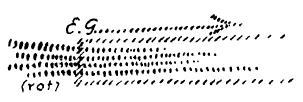
[ 12 ] Warum haben wir uns als Menschheit so entwickelt, daß wir seit der Mitte des 15. Jahrhunderts diese abstrakten Begriffe haben, auf die wir heute so stolz sind, in denen wir uns immer wieder und wieder bewegen? Warum entwickeln wir als ganze Menschheit diese abstrakten Begriffe? Sehen Sie, diese abstrakten Begriffe, die wir als ganze Menschheit uns bilden, die haben das Eigentümliche, daß sie auf die sinnliche Welt zwar angewendet werden von uns, aber eigentlich für diese sinnliche Welt gar nicht taugen. Sie taugen nichts für die sinnliche Welt. Ich habe das in meinen «Rätseln der Philosophie» in einer solchen Weise ausgesprochen, daß ich damals sagte: Wie der Mensch sich Erkenntnisbegriffe bildet über die Außenwelt, das ist eine Seitenströmung seiner Seelenentwickelung. Geradeso, wie wenn man sich ein Samenkorn, sagen wir, in der Erde denkt, das ist ja eigentlich von der Natur dazu bestimmt, wiederum Pflanze zu werden; viele Samenkörner aber vermahlen wir zu Mehl und essen sie als Brot. Aber das ist doch nicht im Samenkorn vorausbestimmt! Das ist eine Seitenentwickelung, wenn wir fragen: Enthält das Samenkorn diejenigen chemischen Bestandteile, die wir zum Aufbau unseres Leibes brauchen? Es liegt nicht in der Natur, im Wesen des Samenkorns, des Weizens, des Roggens, uns zu nähren, sondern aus Korn neuen Weizen oder Roggen hervorzubringen. So liegt es nicht in unserer Natur, durch unsere Begriffe, die wir uns seit dem 15. Jahrhundert aneignen, die Außenwelt aufzufassen, sondern etwas anderes soll uns aus diesen Begriffen werden, wenn wir uns richtig in ihr Wesen hineinbegeben. Diese Begriffe, welche die Menschen heute seit der Mitte des 15. Jahrhunderts entwickeln, die sind nämlich die Schattenbilder desjenigen, was wir, bevor wir heruntergestiegen sind aus der geistigen Welt durch die Empfängnis, in der geistigen Welt erlebt haben. So daß Sie sich vorstellen können - ich habe schon öfter auf solche Dinge aufmerksam gemacht (es wird gezeichnet): da ist die Geburt oder Empfängnis, das Menschenleben geht so: wenn Sie sich das vorstellen, so sind eigentlich unsere Begriffe, unsere Begriffskräfte, die in uns sind, die Nachklänge desjenigen, was wir erleben vor unserer Geburt oder Empfängnis (siehe Zeichnung). Und wir mißbrauchen eigentlich unser Begriffssystem, indem wir es anwenden auf die äußere Sinneswelt.
[ 12 ] Why have we, as humanity, evolved in such a way that, since the mid-15th century, we have had these abstract concepts—of which we are so proud today and within which we move again and again? Why do we, as humanity as a whole, develop these abstract concepts? You see, these abstract concepts that we, as humanity as a whole, form have the peculiar characteristic that, although we apply them to the sensory world, they are actually not at all suited to that sensory world. They are of no use to the sensory world. I expressed this in my *Riddles of Philosophy* in such a way that I said at the time: The way in which human beings form concepts of knowledge about the external world is a side current of their soul’s development. Just as when one thinks of a seed, say, in the earth—which is, after all, actually destined by nature to become a plant again—yet we grind many seeds into flour and eat them as bread. But that is not predetermined in the seed! It is a side development when we ask: Does the seed contain the chemical constituents we need to build our bodies? It is not in the nature, in the essence of the seed—of wheat or rye—to nourish us, but rather to produce new wheat or rye from the grain. Similarly, it is not in our nature to perceive the external world through the concepts we have been adopting since the 15th century; rather, something else is to come of these concepts when we truly immerse ourselves in their essence. These concepts, which people have been developing since the mid-15th century, are in fact the shadows of what we experienced in the spiritual world before we descended from it through conception. So that you can form a mental image—I have often drawn attention to such things (a diagram is drawn): there is birth or conception, and human life proceeds as follows: if you create a mental image of this, our concepts—the conceptual faculties within us—are actually the echoes of what we experienced before our birth or conception (see drawing). And we are actually misusing our conceptual system by applying it to the external sensory world.
[ 13 ] Sehen Sie, das liegt der Goetheschen Naturauffassung zugrunde. Goethe will nicht Naturgesetze durch Begriffe ausdrücken; er will Urphänomene, das heißt zusammengestellte äußere Anschauungen, weil er ein Gefühl dafür hat, daß unser Begriffsvermögen nicht unmittelbar angewendet werden kann auf die äußere Natur. Unser Begriffsvermögen müssen wir als reines Denken ausbilden. Und bilden wir es als reines Denken aus, dann weist es uns auf unser vorgeburtliches geistiges Dasein. Wir haben eigentlich unser heutiges eigentümliches Denken dazu, um unsere geistige Wesenheit, bevor wir mit einem physischen Leib umkleidet worden sind, in diesem reinen Denken zu erreichen. Und ehe die Menschheit nicht begreift, daß sie ihr Denken hat, um sich als Geist zu begreifen, eher ist noch nicht eigentlich die Aufgabe des fünften nachatlantischen Zeitraumes in die Menschenseelen eingezogen. Unsere Naturwissenschaft wurde gewissermaßen in unser Menschheitsschicksal hineinverdrängt, damit wir bei der reinen Natur bleiben, nicht über sie spekulieren, sondern nur unsere Begriffe so verwenden, daß wir sie anschauen in der richtigen Weise, dann aber unsere Begriffe ausbilden, um zu schauen, wie wir als Geist waren, bevor wir durch Empfängnis und Geburt mit einem physischen Leib umkleidet worden sind. Die Menschen glauben heute noch, daß sie mit ihrem Begriffsvermögen bloß die äußere sinnliche Anschauung klassifizieren sollen und so weiter; sie werden erst recht tun, wenn sie die Gedanken, welche sie haben seit der Mitte des 15. Jahrhunderts, anwenden auf die geistige Welt, in der sie waren, bevor sie mit einem physischen Leib umkleidet worden sind.
[ 13 ] You see, this underlies Goethe’s conception of nature. Goethe does not seek to express the laws of nature through concepts; he seeks primordial phenomena—that is, synthesized external perceptions—because he senses that our capacity for conceptual thought cannot be directly applied to external nature. We must develop our conceptual faculty as pure thinking. And if we develop it as pure thinking, then it points us toward our pre-birth spiritual existence. In fact, we possess our present-day distinctive thinking precisely in order to attain our spiritual being—before we were clothed in a physical body—through this pure thinking. And until humanity comprehends that it possesses thinking in order to understand itself as spirit, the task of the fifth post-Atlantean epoch has not yet truly taken root in human souls. Our natural science has, in a sense, been forced into the destiny of humanity so that we may remain with pure nature, not speculate about it, but use our concepts only in such a way that we observe it correctly; and then develop our concepts to see what we were like as spirits before we were clothed in a physical body through conception and birth. People still believe today that their conceptual faculties are meant merely to classify external sensory perception and so on; they will be on the right track when they apply the ideas they have held since the middle of the 15th century to the spiritual world in which they existed before they were clothed in a physical body.
[ 14 ] So ist der Mensch des fünften nachatlantischen Zeitraumes selber gezwungen auf das Geistige, Vorgeburtliche hin, und so ist der Mensch noch durch etwas anderes in eine eigentümliche Situation versetzt, die er ausbilden muß, die er weiterbringen muß. Parallel geht ja der naturwissenschaftlichen Gespensteranschauung der Industrialismus. Ich habe auch darauf schon gestern aufmerksam gemacht. Und das Hauptsächlichste des Industrialismus ist, daß die Maschine, der 'Träger des Industrialismus, geistig durchsichtig ist. Es bleibt nichts unverständlich. Ich habe Sie gestern darauf aufmerksam gemacht, wie am Mineral selbst noch etwas undurchsichtig bleibt; die Maschine ist ja ganz durchsichtig. Das aber hat zur Folge, daß der menschliche Wille, der sich auf die Maschine richtet, sich in Wahrheit nicht auf eine Realität richtet, nicht auf eine Wirklichkeit richtet. Die Maschine ist im Grunde genommen ein Schimäre für die umfassende Weltwirklichkeit. Und der Industrialismus bringt in unser Leben etwas hinein, was den Willen der Menschen sinnlos macht in einem höheren Sinne. Es wird ein tiefer Einschlag sein, wenn einmal voll hineingetragen wird in die neuere Menschheit die Überzeugung, daß die Maschine und alles, was in ihrem Gefolge als Industrialismus ist, den menschlichen Willen sinnlos macht. Wir sind heute schon auf dem Höhepunkt der Maschinenwirksamkeit angekommen, denn ein Viertel von dem, was heute auf der Erde hervorgebracht wird, wird nicht durch Menschenwillen hervorgebracht, sondern durch Maschinenkraft - ein Viertel davon! Das bedeutet etwas Außerordentliches. Der menschliche Wille lebt nicht mehr mit Sinn hier auf der Erde.
[ 14 ] Thus, the human being of the fifth post-Atlantean epoch is himself compelled toward the spiritual, the pre-birth realm; and thus, the human being is also placed by something else into a peculiar situation that he must develop and bring forward. Parallel to the scientific, ghost-like view of nature is industrialism. I already drew attention to this yesterday. And the most essential aspect of industrialism is that the machine—the “vehicle of industrialism”—is spiritually transparent. Nothing remains incomprehensible. I pointed out to you yesterday how even in a mineral itself something remains opaque; the machine, however, is completely transparent. But this has the consequence that the human will, directed toward the machine, is in truth not directed toward a reality, not directed toward the actual world. The machine is, in essence, a chimera in relation to the comprehensive reality of the world. And industrialism introduces into our lives something that renders human will meaningless in a higher sense. It will have a profound impact once the conviction is fully instilled in modern humanity that the machine—and everything that follows in its wake as industrialism—renders human will meaningless. We have already reached the peak of machine efficiency today, for a quarter of what is produced on Earth today is not produced by human will, but by machine power—a quarter of it! That signifies something extraordinary. Human will no longer has any meaning here on Earth.
[ 15 ] Sehen Sie, wenn Sie so etwas wie zum Beispiel die Reden von Rabindranath Tagore lesen, dann müßten Sie eigentlich in diesen Reden etwas verspüren, was dem Europäer, wenn er den gewöhnlichen Europäer-Verstand, den gewöhnlichen Europäer-Intellekt anwendet, unverständlich bleibt. Es herrscht ein anderer Grundton in dem, was heute der gebildete Asiate sagt, weil dem gebildeten Asiaten einfach dieses Angepaßtsein des europäischen Geistes an die Maschine etwas ganz Unverständliches ist, etwas Sinnloses ist. Für den Orientalen ist das Wirken durch die Maschine, durch den Industrialismus, etwas Sinnloses. Und etwas ebenso Sinnloses ist für den Orientalen — ob man es nun in Europa glaubt oder nicht — die im Maschinenzeitalter geborene europäische Politik. Auch damit verbindet der Orientale keinen Sinn. Da kommt es durchaus zum Ausdrucke, wenn der gebildete Orientale spricht, daß für ihn dieses eine Viertel des Geschehens — es wird ja nicht im Oriente von den alten orientalisch gebildeten Menschen, sondern eigentlich nur von den okzidentalischen Menschen und ihren Nachahmern, den Japanern und so weiter getan —, dieses eine Viertel der Arbeit der Menschen der Gegenwart als sinnlose Arbeit empfunden wird, weil der Orientale, der noch viel atavistisches Anschauungsvermögen hat, weiß, daß alles dasjenige, was der Mensch in die Maschine hineinsteckt als Arbeit, eine ganz bestimmte Eigentümlichkeit hat. Wenn der Mensch sein Pferd, das an den Pflug gespannt ist, durch die Ackerfurche fahren läßt und er mit dem Pferde arbeitet, so hat diese Arbeit mit dem Pferde, worinnen noch Naturkraft mitarbeitet, einen Sinn über die unmittelbare Gegenwart hinaus, es hat diese Arbeit einen kosmischen Sinn. Wenn die Wespe ihr Haus baut, so hat dieser Wespenbau einen kosmischen Sinn. Wenn der Mensch das Feuer anzündet, indem er den Feuerstein schlägt, den Funken heraussprühen läßt, damit den Zündschwamm entzündet und dann das Feuer anzündet, steht er mit der Natur im Zusammenhange: es hat einen kosmischen Sinn. Durch den modernen Industrialismus sind wir aus diesem kosmischen Sinn herausgekommen. Da lebt kein kosmischer Sinn mehr, wenn wir unsere elektrischen Lichter anzünden! Da ist der kosmische Sinn heraußen. Und wenn Sie in eine moderne Fabrik hineingehen, die ganz maschinell gestaltet ist, dann ist das ein Loch im Kosmos, hat keine Bedeutung für die kosmische Entwickelung. Wenn Sie in den Wald gehen, Holz sammeln, dann hat das eine kosmische Bedeutung über die Erdenentwickelung hinaus. Wenn Sie eine moderne Fabrik anschauen mit allem, was sie enthält, so hat das keine Bedeutung über die Erdenbildung hinaus. Da hinein wird der menschliche Wille versetzt, ohne daß das einen kosmischen Sinn hat. Bedenken Sie, was das heißt. Das heißt: wir haben seit der Mitte des 15. Jahrhunderts eine Erkenntnis zu entwickeln, die gespenstisch ist, die nicht an die Wirklichkeit herankommt. Wir führen immer mehr und mehr von jener Tätigkeit aus, zu der wir uns der Maschine bedienen; immer mehr und mehr vollführen wir aus der industriellen Tätigkeit heraus, und das, was wir an Willen hineinstecken in diese industrielle Tätigkeit, ist für die Weltentwickelung sinnlos.
[ 15 ] You see, when you read something like the speeches of Rabindranath Tagore, for example, you should actually sense something in those speeches that remains incomprehensible to the European—that is, to the European who applies the ordinary European mind, the ordinary European intellect. There is a different underlying tone in what the educated Asian says today, because to the educated Asian, this adaptation of the European mind to the machine is simply something completely incomprehensible, something senseless. For the Oriental, working through the machine, through industrialism, is something senseless. And something equally senseless for the Oriental—whether one in Europe believes it or not—is European politics, born in the machine age. The Oriental sees no meaning in that either. This comes to the fore quite clearly when the educated Oriental speaks, stating that for him this one-quarter of what is happening—which, after all, is not done in the Orient by the old, traditionally educated Oriental people, but actually only by Westerners and their imitators, the Japanese and so on— this one-quarter of the work done by people today is perceived as meaningless labor, because the Oriental, who still possesses a great deal of atavistic insight, knows that everything a person puts into the machine as labor has a very specific characteristic. When a person lets his horse, harnessed to the plow, pull it through the furrow and works alongside the horse, this work with the horse—in which natural forces still play a part—has a meaning that extends beyond the immediate present; this work has a cosmic meaning. When a wasp builds its nest, this wasp nest has a cosmic meaning. When a person kindles a fire by striking flint, causing a spark to fly, using it to ignite tinder, and then lighting the fire, they are connected to nature: it has a cosmic meaning. Modern industrialism has severed us from this cosmic meaning. There is no longer any cosmic meaning when we turn on our electric lights! The cosmic meaning is left behind. And when you walk into a modern factory that is entirely mechanized, it is a hole in the cosmos; it has no significance for cosmic development. When you go into the forest to gather wood, that has a cosmic significance that extends beyond the Earth’s development. When you look at a modern factory with everything it contains, it has no significance beyond the formation of the Earth. Human will is poured into it without it having any cosmic meaning. Consider what that means. It means: since the middle of the 15th century, we have been developing a form of knowledge that is ghostly, that does not come close to reality. We are carrying out more and more of our activities by means of machines; we are performing more and more through industrial activity, and the will we invest in this industrial activity is meaningless for the development of the world.
[ 16 ] Die große Frage tritt vor das Menschengemüt hin: Hat der Umstand, daß es so ist, daß unsere Erkenntnisse gespenstisch, unser Wille sinnlos ist in großem Ausmaße, hat das für die Gesamtheit der Menschheitsentwickelung doch einen Sinn? - Ja, es hat einen Sinn, es hat einen bedeutungsvollen Sinn. Es hat den Sinn, daß wir als Menschheit dadurch angehalten werden sollen, über die gespenstische Erkenntnis hinaus zu der Wirklichkeitserkenntnis zu dringen, zu jener Wirklichkeitserkenntnis, die nicht bei der Naturanschauung stehen bleibt, sondern in das Geistige hineindringt, das hinter der Natur ist. Solange die Menschen mit ihren Begriffen zugleich den Geist bekommen haben, konnten sie sich gehen lassen, brauchten sie sich nicht anzustrengen, den Geist von sich aus zu erobern. Da den Menschen nur Begriffe geblieben sind in der neueren Zeit, die den Geist nicht enthalten, aber die Anlagen dazu enthalten sich zum Geiste hinaufzuarbeiten, wie ich gesagt habe, so ist im Menschen der Antrieb vorhanden, aus der abstrakten Erkenntnis in die reale Geist-Erkenntnis hineinzudringen. Und seit wir den Industrialismus haben mit seiner Sinnlosigkeit, müssen wir einen anderen Sinn für den menschlichen Willen suchen. Und den können wir nur suchen, wenn wir uns aufschwingen zu einer solchen Weltanschauung, die dasjenige, was sinnlos ist - nennen wir es Industrialismus —, zum Sinn bringt, indem wir den Sinn aus dem Geistigen heraus nehmen, indem wir uns sagen: Wir suchen uns Aufgaben, die aus dem Geiste stammen. Früher brauchte man sich nicht, weil das Wollen seine Impulse aus dem Geistigen durch Instinkt nehmen konnte, früher brauchte man sich nicht besonders aufzuschwingen, um aus dem Geiste heraus zu wollen. Heute ist es notwendig, daß man sich besonders anstrenge, aus dem Geiste heraus zu wollen. Und wir müssen entgegenstellen dem sinnlosen industriellen Wollen ein sinnerfülltes Aus-dem-Geiste-heraus-Wollen.
[ 16 ] The great question confronts the human mind: Does the fact that our knowledge is, to a large extent, illusory and our will meaningless—does this, after all, have any meaning for the development of humanity as a whole? —Yes, it has meaning; it has a profound meaning. Its meaning is that we, as humanity, are thereby urged to go beyond ghostly knowledge and penetrate to a knowledge of reality—a knowledge of reality that does not stop at the observation of nature, but penetrates into the spiritual realm that lies beyond nature. As long as people received the spiritual realm along with their concepts, they could let things take their course; they did not need to make an effort to conquer the spiritual realm on their own. Since, in more recent times, people have been left with only concepts that do not contain the spiritual, but do contain the potential to work their way up to the spiritual, as I have said, the impulse exists within human beings to penetrate from abstract knowledge into real knowledge of the spiritual. And ever since we have had industrialism with its senselessness, we must seek a different meaning for the human will. And we can only seek this if we rise to a worldview that gives meaning to that which is senseless—let us call it industrialism—by drawing meaning from the spiritual, by telling ourselves: We seek tasks that originate in the spirit. In the past, there was no need to do so, because the will could draw its impulses from the spiritual realm through instinct; in the past, there was no need to make a special effort to will from the spiritual realm. Today it is necessary to make a special effort to will from the spiritual realm. And we must counter senseless industrial will with a meaningful will that springs from the spiritual realm.
[ 17 ] Gestern habe ich Ihnen ein Beispiel angeführt in der Art, wie wir erziehen sollen. Wir sollen erkennen, daß bis zum 7. Jahr der Mensch, weil er ja seinen physischen Leib besonders entwickelt, ein Nachahmer ist; wir sollen das zur Grundlage der Erziehung machen. Wir sollen vom 7. bis 14. Jahr wissen, daß wir den Menschen zu entwickeln haben unter dem Prinzip der Autorität, und wir sollen diese Geist-Erkenntnis, die wir gewinnen, wenn wir wissen, wie der Ätherleib vom 7. bis 14. Jahr sich entwickelt, wir sollen diese Geist-Erkenntnis zum Impuls des Erziehungswesens machen. Und wir sollen wissen, wie der astralische Leib vom 14. bis 21. Jahr sich entwickelt, und wir sollen diese Erkenntnis zum Impuls des Erziehungswesens machen. Dann, erst dann wollen wir aus dem Geiste heraus.
[ 17 ] Yesterday I gave you an example of how we should educate children. We must recognize that up to the age of 7, because the human being is particularly focused on developing his physical body, he is an imitator; we should make this the foundation of education. From ages 7 to 14, we must understand that we must guide the child’s development according to the principle of authority, and we must make this spiritual insight—which we gain by understanding how the etheric body develops from ages 7 to 14—the driving force behind our educational system. And we must understand how the astral body develops from the ages of 14 to 21, and we must make this insight the driving force behind our educational system. Then—and only then—will we act from the spirit.
[ 18 ] Bis in die Mitte des 15. Jahrhunderts haben die Menschen instinktiv aus dem Geiste heraus gewollt. Wir wollen im Grunde ganz uns hineinarbeiten im äußerlichen Leben in das Maschinelle, in den Mechanismus — sogar in der Politik, die allmählich die Staaten zu Maschinen gemacht hat. Wir müssen zurückstreben zu einem geistdurchseelten Wollen. Dazu müssen wir aber aufnehmen die Idee der Geisteswissenschaft, müssen zum Beispiel anfangen beim Erziehen so, daß wir zugrunde legen dasjenige, was wir aus der Erkenntnis der geistigen Welt heraus wissen, daß wir so erziehen, wie es uns anthroposophische Geisteswissenschaft angibt. Durch dieses stärkere, bewußtere Betonen des Wollens aus dem Geiste heraus setzen wir ein Gegenbild gegen das sinnlose Wollen des Industrialismus.
[ 18 ] Until the middle of the 15th century, people acted instinctively out of the spirit. We essentially want to immerse ourselves completely in external life, in the mechanical, in mechanisms—even in politics, which has gradually turned states into machines. We must strive to return to a will imbued with the spirit. To do this, however, we must embrace the idea of Spiritual Science; we must, for example, begin in education by basing our approach on what we know from our understanding of the spiritual world, so that we educate in the way that anthroposophical Spiritual Science guides us. Through this stronger, more conscious emphasis on will arising from the spirit, we set forth a counter-image to the senseless will of industrialism.
[ 19 ] So ist uns der Industrialismus mit all seinem Menschen- und Seelenverödenden gegeben, damit wir in dieser Ode uns aufraffen dazu, aus dem Geiste heraus zu wollen. Und wir können am besten anfangen, in der Erziehung aus dem Geiste heraus zu wollen, wenn wir so erziehen, wie aus dem Geiste und seiner Erkenntnis heraus erzogen werden soll. Vieles muß in der heutigen Zeit umgedacht werden. Dazu bedarf es aber eines sorgfältig und intim ausgebildeten inneren Wahrheitsgefühls. Wir müssen heute uns klar sein darüber, daß inneres Wahrheitsgefühl auch da, wo wir noch nicht gewohnt sind es anzuwenden, allmählich angewendet werden muß. Sehen Sie, ich glaube, es könnte heute mancher erstaunt sein, wenn man ihm sagt: Du hast recht, wenn du Raffael wegen seiner Bilder besonders verehrst; wenn du aber verlangst, die Leute sollen heute so malen wie Raffael, dann hast du unrecht. Denn nur derjenige hat ein Recht, Raffael zu bewundern, der weiß, daß der heute ein schlechter Maler ist, der so malt, wie Raffael gemalt hat: denn er malt dann nicht so, wie es aus den Impulsen unserer Zeit heraus sein muß. Man empfindet nicht mit der Zeit mit, wenn man diese Dinge nicht so empfindet, daß man die Aufgaben einer bestimmten Zeit jeweilig durch und durch empfindet. Es ist notwendig, daß man in unserer Zeit ein intimes, ein ganz intimes Wahrheitsgefühl nach dieser Richtung hin sich aneignet. Aber die gegenwärtige Menschheit geht auch in dieser Beziehung durch das Entgegengesetzte durch; denn man hat den Eindruck, daß überall und überall das Wahrheitsgefühl ein Leck bekommen hat, nicht funktioniert, und daß man zurückschreckt heute davor, das Richtige richtig, das Falsche falsch zu nennen, daß man zurückschreckt davor, die Lüge wiederum als Lüge zu kennzeichnen. In dieser Beziehung kann man ja heute das Allerentsetzlichste erfahren, und die Menschen sind gleichgültig über solch Entsetzliches, das man erfahren kann! Aber darum handelt es sich, daß man zum Beispiel so wahr empfindet, daß man weiß: Raffaelsche Malerei gehört nicht mehr in die Gegenwart herein, muß angeschaut werden als etwas Vergangenes — und auch als etwas Vergangenes bewundert werden. Das ist in unserer Zeit ganz besonders notwendig, daß wir auf solche Dinge achten, wo aus den tiefsten Tiefen der Seele heraus der Impuls, wahr zu sein, uns einmal überkommt. Ich muß oftmals an eine schöne Stelle in Herman Grimms Lebensbeschreibung des Michelangelo denken, wo Herman Grimm über Michelangelos «Jüngstes Gericht» spricht. Wo er zugleich darüber spricht, wieviele solcher Bilder « Jüngstes Gericht» gemalt worden sind in jener Zeit, wo er spricht davon, wie in jener Zeit die Menschen voll in Wirklichkeit erlebt haben die Wahrheit desjenigen, was da an die Wand gemalt worden ist. Die Menschen lebten in diesen Bildern vom «Jüngsten Gerichte» als in einer Wahrheit. Man sollte eigentlich ein solches Bild wie Michelangelos « Jüngstes Gericht» gar nicht anschauen heute, ohne sich bewußt zu sein, daß wir ja nicht so empfinden wie diejenigen Menschen, für die Michelangelo dieses «Jüngste Gericht» gemalt hat, daß wir dieses Empfinden verloren haben, daß wir höchstens uns sagen: Das ist ein Bild von irgend etwas, an das wir aber nicht mehr als an eine unmittelbare Wirklichkeit glauben.
[ 19 ] Thus, industrialism—with all its desolation of human beings and souls—is presented to us so that, in this ode, we may rouse ourselves to will from the spirit. And the best way to begin to will from the spirit in education is to educate in the way that education should be conducted—from the spirit and its knowledge. Much needs to be rethought in our time. But this requires a carefully and deeply cultivated inner sense of truth. We must be clear today that this inner sense of truth must gradually be applied even in areas where we are not yet accustomed to using it. You see, I believe many people today might be surprised if told: ‘You are right to particularly admire Raphael for his paintings; but if you demand that people today should paint like Raphael, then you are wrong.’ For only those who know that anyone painting today in the manner Raphael did is a poor painter have the right to admire Raphael: for such a painter is not painting in the way that the impulses of our time require. One does not keep pace with the times if one does not perceive these things in such a way as to fully grasp the tasks of a particular era. It is necessary in our time to cultivate an intimate—a very intimate—sense of truth in this direction. But humanity today is also going through the opposite in this regard; for one has the impression that everywhere, the sense of truth has sprung a leak, is not functioning, and that people today shy away from calling what is right “right” and what is wrong “wrong,” that they shy away from identifying a lie as a lie. In this regard, one can indeed experience the most appalling things today, and people are indifferent to such appalling things that one can experience! But the point is that one feels so truthfully, for example, that one knows: Raphael’s painting no longer belongs in the present; it must be viewed as something of the past—and admired as such. It is especially necessary in our time that we pay attention to such things, where the impulse to be true, arising from the deepest depths of the soul, suddenly overtakes us. I often think of a beautiful passage in Herman Grimm’s biography of Michelangelo, where Herman Grimm discusses Michelangelo’s *The Last Judgment*. He also discusses how many such “Last Judgment” paintings were created during that era, and how, in those days, people truly experienced the reality of what had been painted on the wall. People lived within these “Last Judgment” paintings as if they were a reality. One really shouldn’t look at a painting like Michelangelo’s “Last Judgment” today without being aware that we do not feel the same way as the people for whom Michelangelo painted this “Last Judgment,” that we have lost that sense of reality, and that at most we say to ourselves: This is a picture of something, but we no longer believe in it as an immediate reality.
[ 20 ] Bedenken Sie doch nur, der Mensch, der das heutige Bewußtsein hat und nicht meint, daß nun wirklich die Engel herunterkommen oder die Teufel so wirtschaften wie auf dem Bilde des Michelangelo, dieser Mensch steht doch anders vor diesem Bilde, als der Mensch jener Zeit, für die Michelangelo gemalt hat, der diese Bilder als Realitäten schaute und vor sich hatte. Gerade dann aber, wenn man sich klar ist, daß dasjenige, was der heutige Mensch vor dem « Jüngsten Gericht» des Michelangelo empfindet, etwas Graues, etwas Abstraktes ist, gerade dann wird man innerlich aufgerufen, nachzufühlen das ganze lebendige Weben in den Bildern, die auf dieser Wand des « Jüngsten Gerichtes» sind. Dann wird man aufgerufen, sich zu fragen: Wie kamen denn die Menschen eines Zeitalters — Michelangelo malte allerdings nach dem Abfluten des vierten nachatlantischen Zeitraumes, aber er malte aus dem Geiste dieses vierten nachatlantischen Zeitraums heraus, stand an der Grenzscheide der beiden Zeiträume, ich habe das einmal in den Kunstvorträgen auseinandergesetzt —, wie kamen die Menschen dazu, solches Gewaltige in Imaginationen, in Bildern zu schauen? Diese Frage, sie tritt einem wirklich in aller Größe entgegen, gerade wenn man sich bewußt ist, wie grau dasjenige, wie unlebendig das ist, was der heutige Mensch vor solch einem Bilde von Michelangelo empfindet. Und dann muß man sich nach der Ursache fragen: Woher kommt es, daß die Menschenseelen damals das Erdenende so anschauen konnten? Woher kam der Aufbau dieser Bilder?
[ 20 ] Just consider this: a person with today’s consciousness—who does not believe that angels actually descend or that demons act as they do in Michelangelo’s painting—stands before this image differently than the people of the time for whom Michelangelo painted, who viewed these images as realities and had them right before their eyes. But precisely when one realizes that what modern people feel when looking at Michelangelo’s “Last Judgment” is something gray, something abstract—precisely then—one is inwardly called upon to sense the entire living tapestry within the images on this wall of the “Last Judgment.” Then one is called upon to ask oneself: How did the people of an era—Michelangelo, to be sure, painted after the fourth post-Atlantean epoch had come to an end, but he painted out of the spirit of that fourth post-Atlantean epoch, standing at the dividing line between the two epochs; I have discussed this once in my lectures on art—how did those people come to envision such grandeur in their imaginations, in their images? This question truly confronts one in all its grandeur, especially when one is aware of how gray, how lifeless, is what modern people feel when faced with such a painting by Michelangelo. And then one must ask about the cause: How is it that human souls back then were able to view the earthly realm in this way? Where did the structure of these images come from?
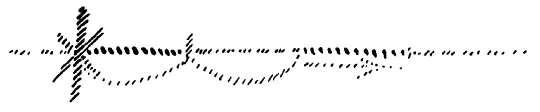
[ 21 ] Der Grund, der liegt in folgendem. In der ersten Zeit des Christentums, seit jener Zeit, da das Mysterium von Golgatha eingeschlagen hat in die Erdenentwickelung, der Erdenentwickelung ihren Sinn gegeben hat, da mußte zunächst zurücktreten manches, was in der alten Weise vorhanden war, was später von der Menschheit wieder erobert werden sollte. Zu diesem gehört die Anschauung von den wiederholten Erdenleben. Wenn wir uns graphisch darstellen dieses . Leben (es wird gezeichnet), so verfließt das menschliche Gesamtleben so: Erdenleben, Leben in der geistigen Welt; Erdenleben, Leben in der geistigen Welt und so weiter. Daß das menschliche Gesamtleben so verfließt, das war ja Inhalt der atavistisch instinktiven Weltanschauung der alten Zeiten. Das Christentum mußte zunächst anderes im Menschen anregen als dasjenige, was man in dieser alten Weisheit geschaut hat. Welcher Mittel hat sich das Christentum zunächst bedient? Es hat das menschliche Leben nur bis zu diesem Zeitpunkt hinauf (siehe Zeichnung: Kreuz) in das menschliche Bewußtsein hineingeführt: das gegenwärtige Erdenleben. — Das vorhergehende Leben bis zum letzten Tode hin, der Mensch aber auch vor der Geburt, vor der Empfängnis: nur ein Gedanke der Gottheit, nicht eine menschliche Individualität, ein Gedanke der Gottheit. Vor dem Menschen die geistige Welt, aus der er als ein Gedanke der Gottheit hervorgeht, als eigentlicher Mensch erst beginnend mit der Geburt. Dann reihte man daran das Leben nach dem Tode. Man hat gewissermaßen in der ersten Zeit der Entwickelung des Christentums «verlegt» das Hinaufschauen: da Leben zwischen Tod und neuer Geburt, Erdenleben, dann wieder Leben zwischen Tod und neuer Geburt, Erdenleben und so weiter; man hat das menschliche Empfinden eingeschränkt, nur hinzuschauen auf die Ursprünge des Menschen, und dann auf das Leben nach dem Tode. Das aber hat auf der anderen Seite das Gleichgewicht gegeben, die Bilder erzeugt von dem «Jüngsten Gericht». Diese Bilder von dem « Jüngsten Gericht» entstanden dadurch, daß das Christentum zuerst die Präexistenzlehre, die Lehre von dem geistigen Existieren vor der Empfängnis und vor der Geburt, aus dem menschlichen Empfinden herausgetrieben hat. Heute strömt wiederum aus den Untergründen des Menschlich-Seelischen das Bedürfnis herauf, die wiederholten Erdenleben zu erkennen. Daher verblassen die Bilder, die nur das eine Erdenleben ins Auge fassen und vorher und nachher die geistige Welt. Es ist das intensivste Bedürfnis vorhanden, die christliche Weltanschauung, wie sie in den ersten Zeiten war, zu erweitern. Das Mysterium von Golgatha hat nicht nur für diejenigen gewirkt, die ein Erdenleben annehmen, sondern das Mysterium von Golgatha ist auch gültig für diejenigen, die von den wiederholten Erdenleben wissen. Dieser Erweiterung bedarf es in der Gegenwart. Und so müssen wir uns klar sein, daß wir in diesem Zeitpunkt drinnen stehen, wo wir benützen sollen die Gespensterhaftigkeit der gewöhnlichen Begriffserkenntnis, die Sinnlosigkeit des durch Industrialismus ausgelösten Wollens zu dem Aufschwung nach geistiger Erkenntnis und nach geistdurchsetztem Wollen, wie ich es geschildert habe; auf der anderen Seite aber auch um das religiöse Bewußtsein zu erweitern über die wiederholten Erdenleben hinaus.
[ 21 ] The reason lies in the following. In the early days of Christianity, ever since the Mystery of Golgotha intervened in the development of the Earth and gave it its meaning, many things that had existed in the old way had to recede for the time being—things that humanity would later have to reclaim. Among these is the concept of repeated earthly lives. If we represent this “life” graphically (it is drawn), the total human life unfolds as follows: an earthly life, a life in the spiritual world; an earthly life, a life in the spiritual world, and so on. That the total human life unfolds in this way was, after all, the essence of the atavistic, instinctive worldview of ancient times. Christianity first had to awaken something in human beings other than what had been perceived in this ancient wisdom. What means did Christianity initially employ? It introduced human life into human consciousness only up to this point (see drawing: cross): the present earthly life. — The previous life up to the last death, and the human being even before birth, before conception: merely a thought of the Deity, not a human individuality—a thought of the Deity. Before the human being lies the spiritual world, from which he emerges as a thought of the Deity, with his existence as a true human being beginning only at birth. Then life after death was added to this sequence. In a sense, during the early period of Christianity’s development, one’s gaze was “misdirected”: there was life between death and a new birth, earthly life, then again life between death and a new birth, earthly life, and so on; human perception was limited to looking only at the origins of humankind and then at life after death. On the other hand, however, this created a balance and gave rise to the images of the “Last Judgment.” These images of the “Last Judgment” arose because Christianity initially banished the doctrine of pre-existence—the teaching of spiritual existence before conception and before birth—from human perception. Today, once again, the need to recognize repeated earthly lives is welling up from the depths of the human soul. Consequently, the images that focus solely on a single earthly life—with the spiritual world before and after it—are fading. There is an intense need to expand the Christian worldview as it was in the early days. The Mystery of Golgotha has not only worked for those who accept a single earthly life; rather, the Mystery of Golgotha is also valid for those who know of repeated earthly lives. This expansion is needed in the present. And so we must be clear that we are at a point in time where we should use the ghostly nature of ordinary conceptual understanding and the meaninglessness of the will triggered by industrialism to achieve an upsurge toward spiritual knowledge and a will permeated by the spirit, as I have described; but on the other hand, also to expand religious consciousness beyond repeated earthly lives.
[ 22 ] Die ganze volle Wichtigkeit dieser Erweiterung des menschlichen Bewußtsein in der Gegenwart, die sollte sich der Mensch der Gegenwart ganz tief, tief in die Seele schreiben. Denn davon hängt es im Grunde genommen ab, ob er wirklich versteht, in der Gegenwart zu leben und die Zukunft in richtigem Sinne vorzubereiten. Im Grunde genommen kann ja jeder auf dem Platze, auf dem er im Leben steht, die Anwendung dieser Sache machen. Und schließlich wird schon eine äußere Erkenntnis die Menschen dazu bringen, nach etwas zu verlangen, was gegenwärtig in den unterbewußten Tiefen des Seelenlebens sehr spielt, was aber schwer in das volle Bewußtsein heraufklingt und herauftönt. Sehen Sie, das Auffälligste im Leben der Gegenwart ist ja, daß heute so viele zerrissene Menschenseelen herumgehen, Menschenseelen, die eigentlich problematisch sind, die nicht voll mit dem Leben etwas anzufangen wissen, die immer wieder und wiederum fragen: Was soll gerade ich tun, was meint das Leben gerade mit mir? — die das oder jenes angreifen und doch nicht zu ihrer Befriedigung. Immer mehr und mehr werden der Menschen, die so problematische Naturen sind. Woher kommt das? Das kommt davon, daß dies schon ein Mangel in unserem Erziehungswesen ist. Wir bilden heute unsere Kinder so aus, daß wir nicht diejenigen Kräfte in ihnen erwecken, welche den Menschen stark für das Leben machen: Das, was den Menschen stark macht dadurch, daß er ein Nachahmer ist bis zum 7. Jahre, was ihn stark macht dadurch, daß er einer würdigen Autorität folgt bis zum 14. Jahre; daß er die Liebe in der richtigen Weise bis zum 21. Jahre entwickelt kriegt, denn später kann man es nicht mehr entwickeln. Das, was dem Menschen fehlt dadurch, daß die Kräfte, die in bestimmten jugendlichen Lebensjahren entwickelt werden müssen, nicht erweckt werden, das macht ihn zur problematischen Natur. Das muß man nur wissen!
[ 22 ] The full significance of this expansion of human consciousness in the present should be deeply, deeply engraved in the soul of every person living today. For it is on this, fundamentally speaking, that it depends whether a person truly understands how to live in the present and prepare for the future in the proper sense. After all, everyone can apply this principle right where they stand in life. And ultimately, even a superficial understanding will lead people to yearn for something that is currently very much at play in the subconscious depths of their inner lives, but which finds it difficult to rise up into full consciousness. You see, the most striking thing about life today is that there are so many torn human souls walking around—souls that are fundamentally troubled, that don’t quite know what to make of life, that ask again and again: “What am I supposed to do? What does life have in store for me?”—souls that try this or that, yet find no satisfaction. There are more and more people who are of such a troubled nature. Where does this come from? It stems from a deficiency in our educational system. Today we educate our children in such a way that we fail to awaken within them the very forces that make a person strong for life: That which makes a person strong by being an imitator until the age of 7, that which makes them strong by following a worthy authority until the age of 14; that they develop love in the right way until the age of 21, for later on it can no longer be developed. What a person lacks—because the powers that must be developed during certain years of youth are not awakened—is what makes them a problematic individual. One simply needs to know this!
[ 23 ] Deshalb mußte ich gestern sagen: Will man wirklich eine soziale Gestaltung der Zukunft, so muß man wollen diese Sache gerade durch die Erziehung des Menschen vorbereiten. Dazu ist notwendig, daß man nun wirklich in diesen Dingen nicht mit kleinen, sondern mit großen Posten rechnet. Allmählich ist unser Erziehungswesen so geworden, als ob wir gerade schreiten wollten zu dem, was ich gestern charakterisierte als Mechanisierung des Geistes, Vegetarisierung der Seele, Animalisierung der Leiber.
[ 23 ] That is why I had to say yesterday: If we truly want to shape the future in a social sense, we must be willing to prepare for this precisely through the education of human beings. To do this, it is necessary that we now truly think on a grand scale—not on a small one—when it comes to these matters. Gradually, our educational system has come to resemble a path leading straight toward what I characterized yesterday as the mechanization of the mind, the vegetation of the soul, and the animalization of the body.
[ 24 ] Wir dürfen nicht zu dem schreiten. Wir müssen die Kräfte, die in der menschlichen Kinderseele entwickelt werden können, stark entwickeln, damit der Mensch sie später holen kann aus der Entwickelung seiner Kindheit heraus. Heute schaut er in die Kindheit zurück, fühlt sich in die Kindheit zurück, kann nicht herausholen aus seiner Kindheit etwas, weil eben nichts entwickelt worden ist. Aber unsere Erziehungsgrundsätze müssen sich gründlich ändern, wenn wir in diesem Punkt gerade das Richtige treffen wollen! Wir müssen vor allen Dingen auf vieles sehr aufmerksam hinhorchen, was in der Gegenwart als ganz besonders gepriesen wird, als besonders Heilsames gepriesen wird.
[ 24 ] We must not take that step. We must vigorously develop the powers that can be cultivated in the soul of a human child, so that the person can later draw upon them from the development of their childhood. Today, people look back on their childhood, feel drawn back to it, yet cannot draw anything from it because nothing has been developed. But our educational principles must change fundamentally if we are to get this right! Above all, we must listen very attentively to many things that are currently held in particularly high regard, that are praised as especially beneficial.
[ 25 ] So haben wir nötig, daß, ohne daß der Bogen überspannt wird, nicht durch Anstrengung, sondern durch Okonomie der Erziehung, Konzentration bei den Kindern erreicht werden soll. Dies können wir in der Weise, wie es der heutige Mensch braucht, nur erreichen, wenn wir etwas abschaffen, was heute noch sehr beliebt ist: wenn wir den verfluchten Stundenplan in den Schulen abschaffen, dieses Mordmittel für eine wirkliche Entwickelung der menschlichen Kräfte. Man denke nur einmal nach, was es heißt: von 7-8 Rechnen, von 8-9 Sprachlehre, von 9-10 Geographie, von 10-11 Geschichte! Alles dasjenige, was von 7-8 die Seele durchwogt hat, wird ausgelöscht von 8-9 und so weiter. In diesen Dingen ist es heute notwendig, den Sachen auf den Grund zu gehen. Wir dürfen überhaupt nicht mehr daran denken, daß Lehrfächer da sind, damit «Lehrfächer» gelehrt werden; sondern wir müssen uns klar sein: im Menschen vom 7. bis 14. Jahre müssen entwickelt werden in der richtigen Weise Denken, Fühlen und Wollen. Geographie, Rechnen, alles muß so verwendet werden, daß in der richtigen Weise Denken, Fühlen, Wollen entwickelt werden.
[ 25 ] Thus, without going too far, we need to ensure that concentration is achieved in children not through effort, but through the economy of education. We can achieve this—in a way that meets the needs of people today—only if we do away with something that is still very popular today: if we abolish the accursed school schedule, that instrument of destruction for the true development of human faculties. Just think for a moment what it means: arithmetic from 7 to 8, language studies from 8 to 9, geography from 9 to 10, history from 10 to 11! Everything that stirred the soul from 7 to 8 is wiped out from 8 to 9, and so on. In these matters, it is necessary today to get to the bottom of things. We must no longer think at all that school subjects exist simply so that “school subjects” can be taught; rather, we must be clear about this: in children from ages 7 to 14, thinking, feeling, and willing must be developed in the right way. Geography, arithmetic—everything must be used in such a way that thinking, feeling, and willing are developed in the right way.
[ 26 ] Viel spricht man in der heutigen Pädagogik davon, man soll die Individualitäten entwickeln, man soll der Natur ablauschen, welche Fähigkeiten man entwickeln soll. Alles Phrasen! — weil diese Dinge nur einen Sinn bekommen können, wenn man die Sache aus der Geisteswissenschaft heraus bespricht; sonst bleibt es Phrase. Es wird daher in der Zukunft notwendig sein, daß man sich sagt: Für ein bestimmtes Lebensalter ist zum Beispiel vor allen Dingen notwendig, etwas Rechnen beizubringen. Dazu muß man zwei, drei Monate verwenden, um an den Vormittagen Rechnen beizubringen. Nicht einen Stundenplan, der alles durcheinander enthält, sondern der Rechnen eine Zeitlang treibt — dann weitergehen. Und genau die Dinge so einstellen, daß sie eingestellt sind auf das, was die Menschennatur in einem bestimmten Zeitpunkt verlangt!
[ 26 ] In today’s pedagogy, there is much talk about developing individuality and listening to nature to determine which abilities should be cultivated. All just empty phrases! — because these things can only make sense if they are discussed from the perspective of Spiritual Science; otherwise, they remain empty phrases. It will therefore be necessary in the future to say to oneself: For a certain age, for example, it is necessary above all else to teach arithmetic. To do this, one must devote two or three months to teaching arithmetic in the mornings. Not a schedule that mixes everything together, but one that focuses on arithmetic for a while—and then moves on. And to structure these things precisely so that they are attuned to what human nature requires at a specific point in time!
[ 27 ] Sie sehen, welche Aufgaben eine in die Zukunft hin arbeitende Pädagogik eigentlich hat. In diesen Dingen liegen die positiven Probleme, die heute den Menschen gestellt werden, die über das soziale Werden ernsthaftig nachdenken. Davon ist noch wenig Verständnis vorhanden. In Stuttgart soll nun, sich anschließend an unsere bisherige soziale Tätigkeit, eine Schule, so weit man sie innerhalb des heutigen Schulsystems haben kann, aufgebaut werden. Herr Molt hat beschlossen, für die Kinder seiner Fabrik, der Waldorf-AstoriaFabrik, eine solche Schule zu begründen; andere Kinder werden sich anschließen können, aber natürlich zunächst nur eine begrenzte Zahl. Man wird selbstverständlich zu rechnen haben heute noch mit den Lehrzielen, die der sogenannte Staat stellt. Man wird die Kinder bis zu diesem Jahr da und dorthin bringen müssen, man wird also Kompromisse schließen müssen, aber man wird schon hineinmischen können in dasjenige, was der Staat nun einmal schon verlangt, weil der nun nach sozialistischen Anschauungen der ganz besonders gescheite Götze ist - man wird hineinmischen müssen in das, was von dieser Seite gefordert wird, dasjenige, was die wirkliche Menschennatur verlangt. Das muß aber vor allen Dingen einmal erkannt werden. Wer denkt denn heute daran, daß der Stundenplan der Mord ist der wirklichen Erziehung des Menschen? Es gibt Leute, die denken in dieser Richtung so, daß man sagen möchte: Die Welt steht auf dem Kopf, und man muß sie wieder auf die Beine stellen; denn es gibt heute Leute, die möchten die Stunden noch abkürzen, halbstündig die Gegenstände lehren und aufeinanderfolgen lassen. Das betrachten heute manche als ein Ideal. Man soll sich nur vorstellen, was das für ein ungeheures Kaleidoskop gibt, hintereinander: Religion, Rechnen, Geographie, Zeichnen, Singen! Da drinnen — im Kopfe — schaut es dann aus, wie wenn die Steine in einem Kaleidoskop durcheinandergeworfen sind; nur für die Außenwelt «schaut es nach was aus”, denn es ist da nicht der geringste Zusammenhang. Man will es eben durchaus nicht glauben, daß es heute notwendig ist, ins Große zu denken, nicht ins Kleine zu denken, große Gesichtspunkte, umfassende Gesichtspunkte zu haben. Man erlebt ja heute immer wieder und wiederum, daß die Leute nun sich endlich bequemt haben, zu sagen: Ja, Revolution muß sein! Selbst ein großer Teil der Spießer glaubt heute schon an die Revolution. Ich weiß nicht, ob es gerade hier so ist, aber es gibt weite Gegenden, wo selbst ein großer Teil der Spießer an die Norwendigkeit der Revolution glaubt. Aber wenn man ihnen dann mit solchen Sachen kommt, wie sie zum Beispiel in meinem Buch «Die Kernpunkte der sozialen Frage» über die Dreigliederung stehen, sagen sie: Das verstehen wir nicht, das ist kompliziert. — Schon der Lichtenberg hat zwar gesagt: Wenn ein Kopf und ein Buch zusammenkommen und es klingt hohl, muß nicht immer gerade die Schuld an dem Buch liegen. Aber, nicht wahr, diese Dinge glauben die Leute heute nicht, weil nicht immer die Selbsterkenntnis dasjenige ist, was in den Seelen am meisten erzeugt wird. Doch man erlebt es ja auch, daß selbstschon über weite Gegenden hin die Spießer an die Revolution glauben. Aber dann sagen sie: Na ja, auf so große Sachen, auf solche Gedanken, da kann man sich nicht einlassen, du mußt uns sagen — ja, wie das Schuhemachen sozialisiert werden soll, wie die Apotheken sozialisiert werden sollen, wie das und das sozialisiert wird; du sollst uns sagen, wie im revolutionierten Staate ich meine Gewürze verkaufen werde. Man merkt dann allmählich, was die Leute eigentlich meinen mit einer solchen Sache, Sie meinen also, es müsse revolutioniert werden — damit sind sie schon ganz einverstanden — aber so, daß alles beim alten bleibt, so daß nichts sich eigentlich verändert. Wie können wir die Welt drunter und drüber machen?, sagt mancher, aber daß sich ja nichts verändert! Und diejenigen, die in dieser Beziehung am merkwürdigsten sind, das sind gerade die sogenannten Intellektuellen. Ja, da kann man ganz besonders merkwürdige Erfahrungen machen. Eine Erfahrung die man immer wieder machen mußte, war, daß man zu hören bekam: Ja, drei Glieder — Universitäten autonom, das Geistesleben soll sich selbst verwalten —, wovon werden wir dann leben? Wer wird uns unsere Gehälter bezahlen, wenn uns der Staat nicht mehr unsere Gehälter bezahlt?
[ 27 ] You can see what tasks a pedagogy oriented toward the future actually entails. These are the positive challenges facing people today who are seriously reflecting on social development. There is still little understanding of this. In Stuttgart, building on our previous social work, a school is now to be established—as far as this is possible within today’s school system. Mr. Molt has decided to found such a school for the children of his factory, the Waldorf-Astoria Factory; other children will be able to join, but of course only a limited number at first. Naturally, we will still have to reckon with the educational goals set by the so-called state. We will have to guide the children toward that goal over the course of this year; we will therefore have to make compromises, but we will be able to weave into what the state already demands—since, according to socialist views, the state is that particularly clever idol—we will have to weave into what is demanded from this side that which true human nature requires. But above all, this must first be recognized. Who today even considers that the school schedule is the bane of a person’s true education? There are people who think along these lines in such a way that one is tempted to say: The world is upside down, and we must set it right again; for there are people today who would like to shorten the class periods even further, teach subjects in half-hour increments, and have them follow one after another. Some people today regard this as an ideal. Just create a mental image of what a tremendous kaleidoscope that creates, one subject after another: religion, arithmetic, geography, drawing, singing! Inside there—in the mind—it then looks as if the pieces in a kaleidoscope have been thrown into disarray; it only “looks like something” to the outside world, for there is not the slightest connection. People simply refuse to believe that it is necessary today to think on a grand scale, not on a small one—to have broad perspectives, comprehensive viewpoints. After all, we see time and again today that people have finally brought themselves to say: Yes, revolution is necessary! Even a large portion of the philistines already believe in the revolution today. I don’t know if that’s exactly the case here, but there are vast regions where even a large portion of the philistines believe in the necessity of the revolution. But when you present them with ideas like those in my book *The Key Points of the Social Question* regarding the threefold social order, they say: “We don’t understand that; it’s complicated.” — Lichtenberg himself did say: “When a mind and a book come together and it sounds hollow, the fault does not always lie with the book.” But, don’t you think, people today don’t believe these things because self-knowledge is not always what is most deeply cultivated in their souls. Yet one does observe that, even across vast regions, the philistines believe in the revolution. But then they say: “Well, you can’t get involved in such grand things, such ideas; you have to tell us—yes, how shoemaking is to be socialized, how pharmacies are to be socialized, how this and that will be socialized; you should tell us how I’ll sell my spices in the revolutionized state.” You gradually realize what people actually mean by such a thing: they mean that there must be a revolution—they’re already quite in agreement with that—but in such a way that everything stays the same, so that nothing actually changes. “How can we turn the world upside down?” some say, “but make sure nothing actually changes!” And the ones who are the most peculiar in this regard are precisely the so-called intellectuals. Yes, one can have particularly strange experiences there. One experience I had to go through time and again was hearing people say: “Yes, three branches—autonomous universities, intellectual life to govern itself—but what will we live on then? Who will pay our salaries if the state no longer pays them?”
[ 28 ] Aber diesen Dingen muß heute ins Auge geschaut werden. Es ist doch notwendig, daß man nicht immer wieder und wiederum über diese Dinge hinweggeht. Gerade auf dem Gebiet des Geisteslebens muß Wandel geschaffen werden.
[ 28 ] But we must face these issues head-on today. It is essential that we not keep glossing over them time and again. Change must be brought about, especially in the realm of spiritual life.