

The Educational Value
of Understanding Human Nature
GA 313
16 April 1921, Dornach
Translate the original German text into any language:
Versions Available:
Spiritual-Scientific Perspectives on Therapy, tr. SOL
Sechster Vortrag
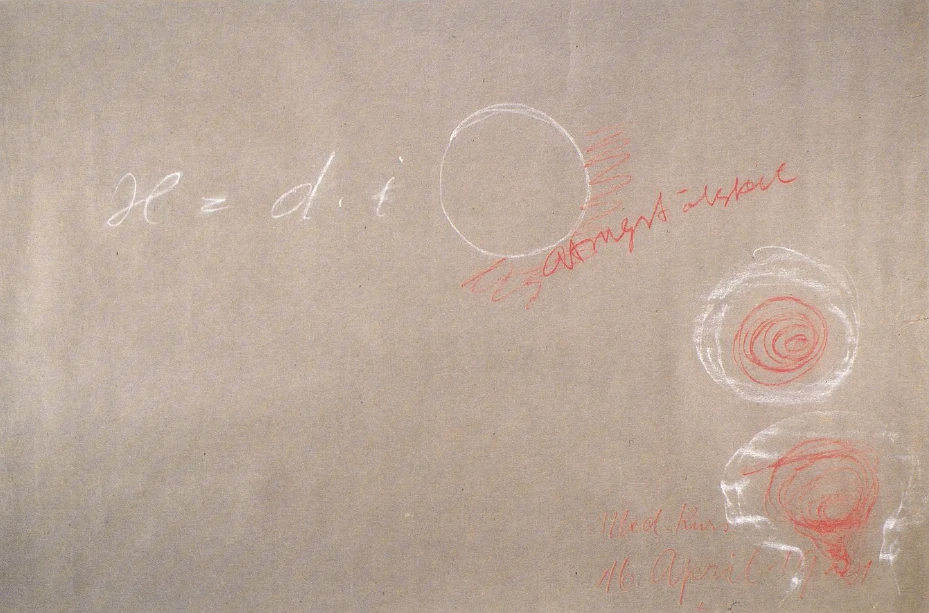
Sixth Lecture
[ 1 ] Ich sagte gestern, daß wir zusteuern wollen durch unsere Betrachtungen der Erklärung des Wesens gerade der von uns hier vorgeschlagenen Heilmittel, und daß wir dazu eben die ganze Anlage dieser Betrachtungen gestalten wollen. Ich möchte heute vorerst noch eine Bemerkung machen, die Sie vielleicht auf manches in methodischer Beziehung hinweisen kann.
[ 1 ] Yesterday I said that, through our examination of the nature of the very remedies we are proposing here, we intend to move toward a clear understanding, and that we intend to structure the entire framework of these considerations accordingly. Today, I would first like to make one more remark that may shed light on certain methodological aspects.
[ 2 ] Es stellt sich sehr häufig bei der - sagen wir imaginativen Beobachtung irgendeines Krankheitsbildes, überhaupt irgendeines Symptomenkomplexes das ein, daß man ein unmittelbares, intuitives Wissen bekommt von dem Heilmittel, und daß man dann, wie es ja selbstverständlich ist, versucht ist, über die Sache nachzudenken, nach den Urteilen, die einem da eben vorliegen innerhalb der Sache als äußere wissenschaftliche Erkenntnisse, und man findet dann, die Sache ist falsch, kann nicht so sein. Das ist eine ganz gewöhnliche Erscheinung, die - nicht nur in bezug auf das Therapeutische — derjenige, der überhaupt okkulte Untersuchungen machen kann, sehr häufig herausfindet. Wenn man dann näher über die Dinge nachdenkt, weiter verfolgt die Dinge, kommt man dann erst darauf, inwiefern die Dinge doch richtig sind. Die Sache, die sich durch eine imaginative Untersuchung mit nachfolgender Intuition herausstellt, die ist ja immer die Richtige; natürlich, wenn sie auf guten Erkenntniskräften beruht. Aber das Urteil muß sich immer erst, ich möchte sagen hinaufschwingen zu demjenigen, was man auf diese Weise erkennt. Da muß man sich schon bekannt machen damit, daß eben dieser menschliche Organismus etwas im höchsten Grade Kompliziertes ist, so daß seine verstandesmäßige Überschau tatsächlich die denkbar größten Schwierigkeiten bildet, insbesondere dann, wenn man versucht, diesen menschlichen Organismus wiederum mit der Außenwelt in Beziehung zu bringen. So etwas tritt einem ganz besonders stark entgegen, wenn man dasjenige etwas strenger ins Auge faßt, was ich bereits angedeutet habe in diesen Vorträgen, nämlich die Funktion des Stickstoffes im menschlichen Organismus. Dieser Stickstoff findet sich, wie wir gesagt haben, doch in einer größeren Menge in der ausgeatmeten Luft als in der eingeatmeten Luft. Und das materialistische Denken kommt kaum zu einem anderen Urteil, als daß es sagt, der Unterschied komme da nicht in Betracht. Es beruht das darauf, daß die materialistische Anschauung vom Menschen eigentlich im Grunde genommen auf die Funktion des Stickstoffes gar nicht kommen kann. Sie wird einem erst klar, wenn man das Folgende ins Auge faßt.
[ 2 ] It very often happens during—let’s say—the imaginative observation of a particular clinical picture, or indeed any complex of symptoms, that one gains an immediate, intuitive knowledge of the remedy, and that one is then—as is only natural—tempted to reflect on the matter in light of the judgments available to one within that context as external scientific findings, and one then concludes that the matter is incorrect, that it cannot be so. This is a very common phenomenon that—not only in relation to therapy—anyone capable of conducting occult investigations very often encounters. Only when one then reflects more deeply on these matters and pursues them further does one come to realize to what extent they are, in fact, correct. What emerges through imaginative investigation followed by intuition is always correct—provided, of course, that it is based on sound powers of perception. But one’s judgment must always first—I would say—rise up to the level of what one recognizes in this way. One must come to terms with the fact that the human organism is something of the utmost complexity, so that grasping it intellectually actually presents the greatest conceivable difficulties, especially when one attempts to relate this human organism to the external world. This becomes particularly evident when one examines more closely what I have already alluded to in these lectures, namely, the function of nitrogen in the human organism. As we have said, nitrogen is found in greater quantities in exhaled air than in inhaled air. And materialistic thinking can hardly arrive at any other conclusion than to say that this difference is irrelevant. This is because the materialistic view of human beings, when taken to its logical conclusion, cannot actually take the function of nitrogen into account at all. It only becomes clear when one considers the following:
[ 3 ] Sie wissen ja, daß es die verschiedensten Ernährungstheorien gibt, und daß sich in bezug auf die Interpretation der Ernährung, ich möchte sagen die Forscher eigentlich diametral gegenüberstehen in der Frage: Welche Aufgabe hat eigentlich das Eiweiß, das mit der Nahrung aufgenommen wird, für den menschlichen Organismus? Wozu braucht der menschliche Organismus Eiweiß? - In der Beantwortung dieser Fragen stehen sich, wie gesagt, die Forscher diametral gegenüber; die einen sagen eher, daß der ganze Aufbau der menschlichen Eiweißorganismen ein konstanter sei, daß also da etwas Konstantes, wenigstens relativ Konstantes vorliege, und daß das aufgenommene Eiweiß rasche Zersetzung erfahre und im Grunde genommen eigentlich wenig Bedeutung habe für dasjenige, was die aufbauenden, die plastischen Kräfte des Eiweißes im menschlichen Organismus sind. Andere stehen auf dem Standpunkt, der gerade in der Gegenwart als etwas veraltet gilt, daß die Eiweißkörper des Menschen selber fortwährend abgebaut werden und fortwährend von dem aufgenommenen Eiweiß immer wieder neu aufgebaut werden. Diese beiden Theorien, die in den mannigfaltigsten Formen aufgetreten sind und die eine Art diametralen Gegensatzes bedeuten, die treffen alle beide nicht dasjenige, um was es sich eigentlich handelt, weil sie einseitig Eiweiß gegen Eiweiß beurteilen und nicht den ganzen menschlichen Organismus ins Auge fassen.
[ 3 ] As you know, there are a wide variety of nutritional theories, and when it comes to interpreting nutrition—I would say that researchers actually hold diametrically opposed views on the question: What role does the protein ingested with food actually play in the human organism? Why does the human body need protein?—As I said, researchers hold diametrically opposed views on the answer to these questions; some tend to say that the entire structure of human protein organisms is a constant—that is, that there is something constant, or at least relatively constant—and that the ingested protein undergoes rapid breakdown and, in essence, has little significance for the constructive, plastic forces of protein in the human organism. Others take the position—which is currently considered somewhat outdated—that the human body’s protein structures are themselves constantly being broken down and constantly being rebuilt anew from ingested protein. These two theories, which have appeared in the most diverse forms and represent a kind of diametric opposition, both fail to address the actual issue at hand, because they evaluate protein in isolation from protein and do not take the entire human organism into account.
[ 4 ] In diesem menschlichen Organismus haben wir es einmal mit dem Gegensatz zu tun, der da liegt in der Kopfbildung, also in der NervenSinnesbildung, und in der Bildung, die ausgeht vom GliedmaßenStoffwechselsystem. Das ist ein diametraler Gegensatz, der in der menschlichen Natur liegt, und der nicht genug berücksichtigt werden kann. Denn die Stufenfolge im Aufbau des Menschen, die so wichtig ist für therapeutische Erwägungen, die kann man überhaupt nicht verstehen, ohne daß man das, was ich eben gesagt habe, ins Auge faßt. Man wird zum Beispiel durchaus nicht verstehen können, wie eigentlich sich die Lunge im ganzen menschlichen Organismus verhält, wenn man nicht von einer Untersuchung ausgeht, die nun etwa die Frage stellt: Haben wir es zu tun mit dem Kopforganismus, so sind da zweifellos gewisse Kräfte vorherrschend. Dann haben wir es zu tun mit dem Brustorganismus; darinnen ist die Lunge. Die Lunge, die ist ein Organ, welches, da der ganze menschliche Organismus überall in der verschiedensten Intensität dieselben Kräfte in sich hat, die Kräfte der Kopfbildung eben auch in sich trägt, aber in schwächerem Maßstabe, weniger intensiv. Und wenn man nun forscht, wie Ich, astralischer Leib, Ätherleib an der ganzen plastischen Bildung und auch Entbildung der Organe arbeiten, so kommt man zu dem paradoxen Ausspruch: Die Lungenbildung ist eine weniger intensive Kopfbildung, die Lungenbildung ist Metamorphose der Kopfbildung, die Lungenbildung bleibt nur auf ihrer früheren Stufe zurück, der Kopf schreitet weiter vor in bezug auf dieselben Bildekräfte, die in der Lunge auch vorhanden sind, die aber zurückbleiben.
[ 4 ] In the human organism, we are dealing with the contrast that exists between the development of the head—that is, the development of the nervous and sensory systems—and the development that originates from the metabolic system of the limbs. This is a diametrically opposed contrast inherent in human nature, and one that cannot be emphasized enough. For the sequence of stages in the structure of the human being—which is so important for therapeutic considerations—cannot be understood at all without taking into account what I have just said. For example, one will be completely unable to understand how the lungs actually function within the entire human organism unless one begins with an investigation that poses the question: If we are dealing with the head organism, then certain forces are undoubtedly predominant there. Then we are dealing with the chest organism; the lungs are located within it. The lungs are an organ which—since the entire human organism contains the same forces everywhere, albeit with varying degrees of intensity—also carries within itself the forces of head formation, but to a lesser extent, less intensely. And when one investigates how the I, the astral body, and the etheric body work on the entire plastic formation and also the degeneration of the organs, one arrives at the paradoxical statement: Lung formation is a less intense form of head formation; lung formation is a metamorphosis of head formation; lung formation merely remains at an earlier stage, while the head advances further with regard to the same formative forces that are also present in the lungs but which lag behind.
[ 5 ] Diese Lunge nun ist eine Metamorphose der Kopfgestaltung und im wesentlichen dadurch, daß sie eine zurückgebliebene Metamorphose der Kopfgestaltung ist, gerade geeignet für ihre Funktionen, für das Atmen, während, wenn dieselben Kräfte, die in der Lunge zurückgeblieben sind und die Lunge für das Atmen geeignet machen, vorschreiten, die Lunge immer kopfähnlicher und kopfähnlicher wird. Die Folge davon ist, daß sie, indem sie immer kopfähnlicher und kopfähnlicher wird, dann die Gedankenkräfte selber aufnimmt, die organischen Kräfte des Denkens, daß sie also bestrebt ist, Denkorgan zu werden. Indem sie bestrebt wird, Denkorgan zu werden, indem sie zu stark die im Kopfe ganz richtig veranlagten Kräfte aufnimmt, wird sie disponiert zu dem, was die Lungenschwindsucht ist.
[ 5 ] This lung is a metamorphosis of the head form, and precisely because it is a retained metamorphosis of the head form, it is well-suited for its functions—namely, breathing—whereas, as the same forces that have been retained in the lung and make it suitable for breathing continue to develop, the lung becomes more and more like a head. The consequence of this is that, as it becomes more and more like the head, it then absorbs the powers of thought themselves—the organic powers of thinking—and thus strives to become an organ of thought. As it strives to become an organ of thought—by absorbing too strongly the forces that are quite rightly situated in the head—it becomes predisposed to what is known as pulmonary consumption.
[ 6 ] Diese Lungenschwindsucht ist nur aus dem ganzen Menschen heraus auf diese Weise zu verstehen. Sie ist durchaus so zu verstehen, daß man sagt: In einer schwindsüchtigen Lunge strebt das Armen dahin, denkend zu werden. Im Kopfe ist das Atmen nämlich metamorphosiert, und alle Funktionen des Denkens bis eben zum Verarbeiten der Wahrnehmungen sind nichts anderes als ein nach oben, also nach der Weiterentwickelung gestaltetes Atmen. Der Kopf ist ein vorgeschrittenes, ein über das Lungenmaß hinausgeschrittenes Atmungsorgan, das nur das Atmen zurückhält und an die Stelle der Luftaufnahme durch das Atmen die Aufnahme der ätherischen Kräfte durch die Sinne stellt. Das Sinneswahrnehmen ist nichts anderes als ein verfeinerter, das heißt ein ins Ätherische hinein getriebener Atmungsprozeß. Der Kopf atmet, die Lunge atmet. Aber es atmet noch etwas im Menschen, was noch eine niedrigere Stufe in dieser metamorphosischen Bildung ist: das ist die Leber. Die Leber, die eine nicht zu Ende gekommene Lunge, eine nicht zu Ende gekommene Kopfbildung ist, die atmet auch. Bei ihr überwiegt nur dasjenige, was nun die andere Metamorphose wiederum ist, die polarische Metamorphose der Sinnesempfindungen: die Nahrungsaufnahme, die Nahrungsverarbeitung. Deshalb stehen Lunge-und Leberbildung in der Mitte zwischen der Magenbildung und der Gehirn- und Kopfbildung überhaupt.
[ 6 ] This pulmonary consumption can only be understood in this way when viewed in the context of the whole human being. It can certainly be understood in such a way that one might say: In a consumptive lung, the arm strives to become a thinking entity. For in the head, breathing is transformed, and all functions of thought—right up to the processing of perceptions—are nothing other than a form of breathing directed upward, that is, toward further development. The head is an advanced respiratory organ—one that has progressed beyond the level of the lungs—which merely restrains breathing and replaces the intake of air through breathing with the intake of etheric forces through the senses. Sensory perception is nothing other than a refined breathing process—that is, one driven into the etheric realm. The head breathes; the lungs breathe. But there is something else within the human being that breathes, which is still at a lower stage in this metamorphic development: this is the liver. The liver—which is an unfinished lung, an unfinished head formation—also breathes. In the liver, however, what predominates is what constitutes the other metamorphosis—the polar metamorphosis of sensory perceptions: the intake and processing of food. Therefore, the formation of the lungs and the liver lies midway between the formation of the stomach and the formation of the brain and head in general.
[ 7 ] Wenn Sie diese Erwägungen zugrunde legen, dann werden Sie nicht weit mehr sein von dem Verständnis dessen, was gesagt werden muß, daß die menschlichen Organe, also gewisse menschliche Organe als solche, eigentlich im Grunde Atmungsorgane sind. Alle diejenigen menschlichen Organe, welche eine solche Gestaltung haben, wie Gehirn, Lunge, Leber, sind zugleich Atmungsorgane. Aber indem sie Atmungsorgane sind, haben sie nach außen den Drang zu atmen. Sie sondern also auch nach außen ab Kohlensäure. Diese KohlensäureAbsonderung nach außen ist das Wesentliche des Atmens. Ste nehmen Sauerstoff auf, und diese Sauerstoff-Aufnahme und KohlensäureAbgabe, die nicht nur für die Lunge gilt, sondern für den ganzen Organismus, für jedes Organ gilt, ist im wesentlichen eine Tätigkeit des astralischen Leibes, der seine Tätigkeit in Sympathie und Antipathie entfaltet. Die Sympathie ist dasjenige, was als Kraft dem Einatmen entspricht, die Antipathie ist dasjenige, was als Kraft dem Ausatmen des astralischen Leibes entspricht. Und wenn Sie in meiner «Theosophie» beschrieben finden den astralischen Leib, so werden Sie ihn beschrieben finden als durchdrungen von den Kräften der Antipathie und Sympathie. Er arbeitet im Menschen in der Gesamtatmung nach Antipathie und Sympathie. Das ist dasjenige, was man nun als die innere Tätigkeit des astralischen Leibes ansehen muß.
[ 7 ] If you take these considerations as your starting point, you will not be far from understanding what must be said: that the human organs—that is, certain human organs as such—are, in essence, respiratory organs. All human organs that have such a structure—such as the brain, lungs, and liver—are also respiratory organs. But because they are respiratory organs, they have an outward urge to breathe. They therefore also excrete carbon dioxide outward. This outward excretion of carbon dioxide is the essence of breathing. They take in oxygen, and this intake of oxygen and release of carbon dioxide—which applies not only to the lungs but to the entire organism, to every organ—is essentially an activity of the astral body, which unfolds its activity through sympathy and antipathy. Sympathy is the force corresponding to inhalation, while antipathy is the force corresponding to exhalation in the astral body. And when you read about the astral body in my book *Theosophy*, you will find it described as permeated by the forces of antipathy and sympathy. It works within the human being in the overall process of breathing according to antipathy and sympathy. This is what must now be regarded as the inner activity of the astral body.
[ 8 ] Und damit kommen Sie dann zu dem letzten Punkt, möchte ich sagen, dieser Betrachtungen, der Ihnen sagt, daß dasjenige, was im Menschen überhaupt an Eiweißkörpern vorhanden ist, im wesentlichen, insofern es solchen Organen angehört wie den beschriebenen, auf die Atmung angelegt ist, sich äußert nach außen durch die Atmung. Aber alles dasjenige, was sich nach außen offenbart, äußert sich auch nach innen. Wenn ich schematisch zeichnen soll, so möchte ich das so zeichnen: Wenn Sie irgendein eiweißhaltiges Organ im Menschen haben, das dieser organischen Gruppe angehört, die ich genannt habe, so äußert es sich nach außen dadurch, daß es die Atmungstätigkeit entwickelt (siehe Zeichnung, rot). Aber indem es nach außen atmet, entfaltet es nach innen eine andere Tätigkeit, die polarische Tätigkeit zum Atmen, die geistbefreiende Tätigkeit, seelenbefreiende Tätigkeit. Seelenbefreiende Tätigkeit — indem Sie nach außen atmen, indem Sie das Atmen nach außen entwickeln, entwickeln Sie nach innen eine geistig-seelische Tätigkeit, die natürlich keinen Raum braucht, im Gegenteil sogar, man könnte den Ausdruck gebrauchen: in den Raum hinein fortwährend verschwindet, aus dem dreidimensionalen Raum fortwährend herausgeht. Aber diese Tätigkeit äußert sich im Innern, nach innen zu, und es ist im wesentlichen die Eigenschaft des menschliehen Eiweißes vorzugsweise, daß es diese Tätigkeit nach innen entwickelt. Im Kopfe wird dasjenige, was da als innere Tätigkeit funktioniert, von außen durch die Sinne hineingeleitet. Daher sind die Kopforgane die wenigst geistenthaltenden Organe. Sie nehmen den Geist von außen auf, indem sie durch die Sinne sich ihn erarbeiten. Der Kopf ist das ungeistigste Organ des Menschen.
[ 8 ] And this brings you to what I would call the final point of these observations, which tells you that the protein substances present in the human body—insofar as they belong to organs such as those described—are essentially dedicated to respiration and are expressed outwardly through respiration. But everything that manifests outwardly also manifests inwardly. If I were to draw a schematic diagram, I would draw it like this: If you have any protein-containing organ in the human body that belongs to the organic group I have mentioned, it manifests outwardly by carrying out the activity of respiration (see diagram, red). But by breathing outward, it unfolds another activity inward—the polar opposite of breathing, the spirit-liberating activity, the soul-liberating activity. Soul-liberating activity—by breathing outward, by developing outward breathing, you develop inwardly a spiritual-soul activity that, of course, requires no space; on the contrary, one could even say: it continually disappears into space, continually emerges from three-dimensional space. But this activity manifests itself inwardly, toward the inside, and it is essentially a characteristic of human protein in particular that it develops this inward activity. In the head, that which functions as inner activity is conveyed from the outside through the senses. Therefore, the organs of the head are the organs that contain the least spirit. They take in the spirit from the outside by working it out through the senses. The head is the least spiritual organ of the human being.

[ 9 ] Dagegen fängt des Menschen Geistigkeit — namentlich mit seiner Entwickelung im Leibe fängt das an, das Entwickeln des Geistes nach innen, des realen, nicht des abstrakten Geistes -, im Lungensystem an und arbeitet von außen nach innen, entgegen der Atmung. Und die geistigsten Organe sind diejenigen, die zum Lebersystem gehören. Sie sind diejenigen Organe, welche nach innen zu am meisten geistige Tätigkeit entwickeln. Es ist das ja auch die Erklärung dafür, warum die Kopfmenschen materialistisch werden, weil mit dem Kopf eben nur die äußere Geistigkeit verarbeitet werden kann und man dadurch zu dem Glauben verführt wird, als ob alles von außen aus der Sinnenwelt aufgenommen würde, was an Geist entwickelt wird. Deshalb wird man, wenn man ein rechter Intellektualist ist, auch zu gleicher Zeit Materialist. Je mehr Denker man ist, Kopfdenker, desto mehr Geneigtheit hat man, Materialist zu werden. Dagegen, wenn der volle Mensch, wenn der ganze Mensch sich zu der Erkenntnis hinaufringt, wenn der Mensch anfängt, ein Bewußtsein darüber zu entwickeln, wie sein ganzer Mensch mit den nach rückwärts gelegenen Organen denkt, dann hört der Materialismus auf, für das Bewußtsein seine Berechtigung zu haben.
[ 9 ] In contrast, a person’s spirituality—specifically, with their development within the body, the inward development of the spirit, the real spirit, not the abstract one—begins in the respiratory system and works from the outside in, in the opposite direction of breathing. And the most spiritual organs are those that belong to the liver system. They are the organs that develop the greatest spiritual activity inwardly. This, in fact, explains why intellectual types become materialistic, because the head can process only external spirituality, and one is thereby led to believe that everything developed in the spirit is absorbed from the external sensory world. That is why, if one is a true intellectual, one simultaneously becomes a materialist. The more of a thinker one is—a head thinker—the greater the tendency to become a materialist. In contrast, when the whole person strives to reach this insight, when the person begins to develop an awareness of how their entire being thinks through the organs located further back, then materialism ceases to have any justification in consciousness.
[ 10 ] Die Tätigkeit, welche sich in der Atmung äußert, die zeigt sich nach außen hin auch, und zwar in der Absonderung von Kohlenstoff in der Kohlensäure. Die Tätigkeit aber, welche dabei nach innen ausgeübt wird, die Tätigkeit der Vergeistigung, die ist an den Stickstoff gebunden. Und der Stickstoff wird, wenn er verbraucht ist, eben zur Vergeistigung ausgeschieden. Das Maß der Ausscheidung des Stickstoffes ist ein Maß für das innere Arbeiten der menschlichen Organe nach der Geistigkeit hin. Sie können daraus entnehmen, daß derjenige, der an eine solche Geistigkeit nicht glaubt, selbstverständlich auch über die Aufnahme des Stickstoffes im menschlichen Organismus nur im Unklaren bleiben kann. Erst wenn man dieses weiß, wie in jeder Eiweißbildung, in jeder Eiweißgestaltung eine nach außen gehende und eine nach innen gehende Tätigkeit sich entfaltet, erst dann kann man sich eigentlich darüber klar werden, welche Rolle die Ernährung spielt. Wenn Sie diesen Prozeß, der ja im wesentlichen ein Atmungsprozeß mit seinen polarischen Gegenseiten ist, ins Auge fassen, dann werden Sie sagen: Überall grenzt dasjenige, was Ernährung und Verdauung ist, an die Atmungsprozesse an, überall wird entgegengebracht der Ernährung und Verdauung der Prozeß des Atmens und Vergeistigens. In diesem Prozeß des Vergeistigens, also in der anderen Seite der Atmung, da liegt dasjenige, was gestaltende, eigentlich plastische Kräfte in der Eiweißbildung sind, da liegt alles dasjenige, was den Menschen gestaltet. Daraus werden Sie auch das Folgende entnehmen können: Es ist im wesentlichen dasjenige, was da wirkt, hinweisend auf eine Wechselwirkung zwischen dem astralischen Leib und dem Ätherleib. Der astralische Leib wirkt in der Atmung durch Sympathie und Antipathie; der Ätherleib wirkt, indem er mit seinem Wirken auf die Sympathien und Antipathien des astralischen Leibes stößt. Überall stößt der Ätherleib mit seinen Wirkungen auf die Atmung im menschlichen Organismus. Die Ätherwirkungen haben ihren Hauptangriffspunkt beim Menschen in den flüssigen Bestandteilen. Der Mensch ist ja zu zwei Dritteln wenigstens aus Wasser bestehend. In diesem Wasserorganismus, wo der Ätherleib vorzugsweise tätig ist, in diesem Wasserorganismus äußern sich physisch die Ätherkräfte. Im anderen Organismus, der ein Luftorganismus ist, der aus der Luft heraus eingebaut wird dem Menschen, äußern sich die Kräfte der Atmung. Und so können wir auch dasjenige ansehen, was zwischen astralischem Leib und Ätherleib vor sich geht als eine Wechselwirkung der Wasserkräfte mit den Luftkräften. Diese Wechselwirkung der Wasserkräfte mit den Luftkräften findet im menschlichen Organismus fortwährend statt. Natürlich ist auf keiner Seite das andere vollständig unterdrückt. Daher atmet der Mensch auch immer mit der Luft Spuren von Wasserdämpfen ein. Da schlägt auf die Seite des Atmens die Ätherität hinüber. Ebenso schlägt in die eigentlichen Verdauungs- und Ernährungsorgane die Atmungstätigkeit hinüber. Sie sind, insofern sie auch aus Eiweiß gebildet sind, auch Atmer. Also es schlägt immer das eine in das andere hinüber, und wir haben es eigentlich nie mit etwas anderem zu tun als mit einem Prädominieren der einen oder der anderen Tätigkeit in irgendeinem Organ. Wir haben es niemals zu tun mit dem, was wir nur in einseitiger Weise beschreiben können. Wenn wir von irgendeinem Organ behaupten, es sei ausschließlich Atmungsorgan etwa, wenn wir das von der Lunge behaupten, dann sagen wir etwas Falsches. Es ist immer auch, wenn auch in geringerem Grade, die andere Tätigkeit darinnen. Die Ernährung verläuft vorzugsweise nun durch eine Tätigkeit, die sich ausprägt im Ätherisch-Flüssigen und im Physisch-Festen. Also das Hauptsächlichste der Ernährungs- und Verdauungstätigkeit wickelt sich ab im Ätherisch-Flüssigen und im Physisch-Festen, das Hauptsächlichste der Atmungstätigkeit wickelt sich ab im AstralischLuftförmigen, und das Hauptsächlichste der Ich-Tätigkeit, der eigentlichen geistigen Tätigkeit, wickelt sich ab in den Wärmeverhältnissen im Zusammenhange eben mit dem Ich. Die geistige Tätigkeit ist im physischen Organismus ein Zusammenwirken des Ich mit den Wärmeverhältnissen, mit all denjenigen Organisationen, wo in das Physische die Wärme hineinwirken kann. Das Ich muß es immer mit der Wärme halten, muß immer von der Wärme aus wirken. Wenn wir einen Kranken ins Bett legen und ihn zudecken, so bedeutet das eben nichts anderes, als daß wir einen Appell an das Ich richten, der darin sich ausdrückt, sich der zustande gekommenen Erwärmung in entsprechender Weise zu bedienen.
[ 10 ] The activity that manifests itself in breathing is also evident externally, namely in the excretion of carbon in the form of carbonic acid. The activity, however, that is carried out internally in this process—the activity of spiritualization—is linked to nitrogen. And when nitrogen is consumed, it is excreted precisely for the purpose of spiritualization. The extent of nitrogen excretion is a measure of the inner workings of the human organs toward spirituality. You can deduce from this that anyone who does not believe in such spirituality will, of course, remain in the dark regarding the absorption of nitrogen in the human organism. Only when one understands that, as in every process of protein formation and protein synthesis, an outward-directed and an inward-directed activity unfold—only then can one truly grasp the role that nutrition plays. When you consider this process—which is essentially a respiratory process with its polar opposites—you will say: Everywhere, the processes of nutrition and digestion are closely linked to the processes of respiration; everywhere, the process of breathing and spiritualization is set in opposition to nutrition and digestion. In this process of spiritualization—that is, in the other aspect of respiration—lies what constitutes the formative, truly plastic forces in protein formation; there lies everything that shapes the human being. From this you will also be able to deduce the following: It is essentially what is at work here that points to an interaction between the astral body and the etheric body. The astral body acts in respiration through sympathy and antipathy; the etheric body acts by encountering, through its own activity, the sympathies and antipathies of the astral body. Everywhere, the etheric body’s effects interact with respiration in the human organism. The etheric forces primarily act upon the liquid components of the human being. After all, the human being consists of at least two-thirds water. It is within this watery organism—where the etheric body is primarily active—that the etheric forces manifest physically. In the other organism—which is an air organism, built into the human being from the air—the forces of respiration manifest themselves. And so we can also view what takes place between the astral body and the etheric body as an interaction between the forces of water and the forces of air. This interaction between the forces of water and the forces of air takes place continuously within the human organism. Of course, neither side completely suppresses the other. That is why, when breathing in air, a person always inhales traces of water vapor. In this way, the etheric aspect spills over into the realm of respiration. Likewise, the activity of respiration spills over into the actual digestive and nutritional organs. Insofar as they are also composed of protein, they, too, are breathers. So one activity always spills over into the other, and we are actually never dealing with anything other than the predominance of one activity or the other in any given organ. We are never dealing with something that we can describe in a one-sided manner. If we claim that any organ is exclusively a respiratory organ—for example, if we claim this of the lungs—then we are stating something false. The other activity is always present there as well, albeit to a lesser degree. Nutrition proceeds primarily through an activity that manifests in the ethereal-liquid and physical-solid realms. Thus, the main aspect of the nutritional and digestive processes takes place in the etheric-liquid and physical-solid realms; the main aspect of the respiratory process takes place in the astral-airy realm; and the main aspect of the “I” activity—the actual spiritual activity—takes place in the thermal conditions in connection precisely with the “I.” Spiritual activity in the physical organism is an interaction of the “I” with thermal conditions, with all those systems where heat can influence the physical. The “I” must always be in harmony with warmth; it must always act from warmth. When we put a sick person to bed and cover them up, this means nothing other than that we are making an appeal to the “I,” which is expressed in the act of making appropriate use of the resulting warmth.
[ 11 ] Das aber wirft zugleich ein Schlaglicht auf die Ernährung des Menschen überhaupt. Diese Ernährung ist eine Wechselwirkung zwischen der Gewebeflüssigkeit, also dem Wässerigen, in dem sich die Ernährung und Ausscheidung vorzugsweise abspielt, und dem, was in relativer Beziehung außerordentlich stabil bleibt, was in einer gewissen Beziehung nur in der Wachstumsperiode labil ist, dann stabil wird und höchstens in der zweiten Hälfte des Lebens eine Art Abbau erfährt, dem eigentlichen Eiweißorganismus des Menschen. In der Gewebeflüssigkeit findet ein fortwährendes Aufnehmen und Zerstören des in der Nahrung befindlichen Eiweißes statt. Und in dieser Tätigkeit liegen die Attacken, welche ausgeführt werden auf dasjenige, was stabil in der Eiweißbildung bleiben will: die menschlichen inneren Eiweißorgane überhaupt. Die wollen stabil bleiben. Sie wollen deshalb stabil bleiben, weil sie nach innen geistig-seelische Tätigkeit absondern wollen, befreien wollen. In diesem fortwährenden Wechselwirken zwischen dem lebhaften Aufnehmen und Zerstören von Eiweißigem und dem Kräftespiel, was da entsteht, in diesem Wechselwirken zwischen diesem Kräftespiel, das außerordentlich beweglich ist, und dem nach Ruhe strebenden Kräftespiel, was da in diesem Wechselspiel des inneren menschlichen Eiweißes entsteht, beruht eigentlich dasjenige, was durch den Ernährungsprozeß bewirkt wird. Es ist daher zum Teil ein Aberglaube, zum Teil etwas Richtiges darin enthalten, wenn man sagt: Der Mensch baut sich durch die von ihm aufgenommenen Nahrungsstoffe auf. - Es ist ein Aberglaube, weil die aufbauenden Kräfte von vornherein dadurch, daß der Mensch überhaupt Mensch ist, in seinen Eiweißkörpern enthalten sind, und der Mensch auf der anderen Seite, auf dem anderen Pol eine Tätigkeit entfaltet, die eigentlich eine fortwährende Attacke ausführt auf diese Stabilität seiner eigenen Eiweißgestaltung, so daß man sagen kann: Es ist nicht richtig, wenn man glaubt, daß nur die Zufuhr der Nahrungsmittel es ist, die das menschliche Leben unterhält. Es ist einfach nicht richtig, sondern es ist das andere ebenso richtig; daß der Unterhalt des lebendigen Kräftespieles in der Gewebeflüssigkeit das Leben unterhält. Wenn Sie also Speisen so gestalten, daß sie anregend wirken auf diese Tätigkeit in der Gewebeflüssigkeit, so unterhalten Sie dadurch das Leben, aber nicht dadurch, daß Sie dem Körper Nahrungsstoffe zuführen, sondern dadurch, daß Sie den Anprall auf die stabilen Kräfte seiner eigenen Eiweißkörper ausführen. Es ist in einem Prozeß, den Sie anregen durch die Nahrungsaufnahme, das Allerwesentlichste der Lebensunterhaltung vorhanden, so daß wir auch da auf den Prozeß sehen müssen. Es kann zum Beispiel durchaus der Fall sein, daß bei einem ausgewachsenen Menschen Stoffe, von denen wir wissen, daß sie bei Kindern ganz gut wirken, unwirksam sind, weil das Kind in der plastischen Zunahme begriffen ist und dadurch also die Aufnahme der Stoffe braucht, das Nachinnengehen der Stoffe und Entfalten der Kräfte im Stoffe nach innen braucht. Wenn Sie wissen, daß irgend etwas als Stoff gut wirkt beim Kinde, so braucht es beim ausgewachsenen Menschen noch lange nicht so zu wirken. Beim ausgewachsenen Menschen kann es viel nötiger sein, daß man seine nach Ruhe strebenden Kräfte in der Gewebeflüssigkeit einfach unterhält, daß man da hinein also Anreger zur Tätigkeit bringt. Wenn Sie nun das alles betrachten, was sich in den — ich möchte sagen nach rückwärts hin geordneten Organen des Menschen — der Kopf ist ja auch nach rückwärts geordnet -, in Lunge, Leber abspielt, wenn Sie sich von den Organen, die nach rückwärts gewendet sind, wenden zu denjenigen, die nun, ich möchte sagen mehr in die Gewebeflüssigkeit, in diese Tätigkeit eingelagert sind, so bekommen Sie als Urorgan heraus das von der Lunge umschlossene Herz. Dieses Herz des Menschen ist ganz aus der Tätigkeit der Gewebeflüssigkeit herausgebildet, und seine Tätigkeit ist nichts anderes als der Reflex der inneren Tätigkeit der Gewebeflüssigkeit.
[ 11 ] But this also sheds light on human nutrition in general. This nutrition is an interaction between the interstitial fluid—that is, the aqueous medium in which nutrition and excretion primarily take place—and that which remains exceptionally stable in relative terms, which, in a certain sense, is unstable only during the growth period, then becomes stable, and undergoes a kind of breakdown at most in the second half of life: the human body’s actual protein organism. In the tissue fluid, there is a continuous process of absorption and breakdown of the protein found in food. And in this activity lie the attacks directed against that which seeks to remain stable in protein formation: the human internal protein organs in general. They want to remain stable. They want to remain stable because they wish to secrete and liberate spiritual-psychic activity inwardly. In this continuous interplay between the dynamic absorption and breakdown of protein and the interplay of forces that arises there—in this interplay between this exceptionally dynamic interplay of forces and the interplay of forces striving for rest, which arises in this interplay of the human internal protein—lies, in fact, the very essence of what is brought about by the nutritional process. It is therefore partly a superstition and partly a truth when one says: Human beings build themselves up through the nutrients they consume. - It is a superstition because the building forces are contained from the outset in a person’s protein bodies simply by virtue of the fact that the person is human at all; and on the other hand, at the opposite pole, the person carries out an activity that actually constitutes a continuous attack on the stability of their own protein structure, so that one can say: It is not correct to believe that it is solely the intake of food that sustains human life. That is simply not correct; rather, the opposite is equally true—that the maintenance of the interplay of vital forces in the interstitial fluid sustains life. So if you prepare meals in such a way that they stimulate this activity in the interstitial fluid, you thereby sustain life—not by supplying the body with nutrients, but by exerting an impact on the stable forces of its own protein structures. The very essence of sustaining life lies in a process that you stimulate through food intake, so that we must focus on the process itself. For example, it may well be the case that in an adult, substances that we know work quite well in children are ineffective, because the child is in the phase of plastic growth and therefore needs the absorption of these substances—the inward penetration of the substances and the unfolding of the forces within them. If you know that a certain substance works well for a child, that does not mean it will necessarily have the same effect on an adult. For an adult, it may be far more necessary simply to sustain the forces in the tissue fluid that are striving toward rest—that is, to introduce stimulants into that fluid to promote activity. If you now consider everything that takes place in the—I would say—organs of the human being that are oriented backward—the head, after all, is also oriented backward—in the lungs and the liver; if you turn your attention from the organs that face backward to those that are, I would say are more embedded in the interstitial fluid and in this activity—then you arrive at the heart, enclosed by the lungs, as the primordial organ. This human heart is formed entirely out of the activity of the interstitial fluid, and its activity is nothing other than the reflection of the inner activity of the interstitial fluid.
[ 12 ] Das Herz ist keine Pumpe - ich habe es oftmals gesagt -, sondern das Herz ist dasjenige, was, ich möchte eher sagen wie ein Ableseapparat wirkt für dasjenige, was die Tätigkeit in der Gewebeflüssigkeit ist. Das Herz wird durch die Blutzirkulation bewegt, nicht die Blut zirkulation wird hervorgebracht durch die Herzpumpenwirkungen. Das Herz hat so wenig etwas zu tun mit dem, was als Zirkulation im Menschen funktioniert, wie das Thermometer mit der Entstehung der äußeren Wärme und Kälte. Wie das Thermometer nichts anderes ist als ein Ableseapparat für die Wärme und Kälte, so ist das Herz nichts anderes als ein Ableseapparat für die menschliche Zirkulation und dasjenige, was aus dem Stoffwechselsystem des Blutes in die menschliche Zirkulation einfließt. Das ist eine goldene Regel, die man durchaus beobachten muß, wenn man den Menschen irgendwie verstehen will. Denn mit dem Glauben, daß das Herz eine Pumpe ist und das Blut durch die Adern treibt, mit diesem Glauben hat man das Entgegengesetzte der Richtigkeit eigentlich in der heutigen Naturwissenschaft in der Hand. Derjenige, der sich zu dem Herz-Aberglauben bekennt, der sollte sich, wenn er konsequent vorschreitet, nun durchaus auch bequemen zu dem Glauben: Ja, woher ist es wärmer geworden in meinem Zimmer? Weil das Thermometer hinaufgegangen ist! — Es ist konsequent ausgebildet ganz genau dasselbe.
[ 12 ] The heart is not a pump—as I have often said—but rather, the heart functions, as I would prefer to say, like a reading device for the activity taking place in the interstitial fluid. The heart is moved by blood circulation; blood circulation is not produced by the heart’s pumping action. The heart has as little to do with what functions as circulation in the human body as a thermometer has to do with the generation of external heat and cold. Just as a thermometer is nothing more than a measuring device for heat and cold, so the heart is nothing more than a measuring device for human circulation and for what flows from the blood’s metabolic system into the human circulatory system. This is a golden rule that one must absolutely observe if one wishes to understand human beings in any way. For with the belief that the heart is a pump and drives the blood through the veins—with this belief—one actually holds the very opposite of the truth as understood in modern science. Anyone who subscribes to this “heart superstition” should, if they follow this line of reasoning consistently, also be perfectly comfortable with the belief: “Yes, why has it gotten warmer in my room? Because the thermometer has gone up!” — It is, when thought through consistently, exactly the same thing.
[ 13 ] Sie sehen, zu welchen Konsequenzen eben eine Anschauung führt, die den weitaus bedeutendsten Teil der menschlichen Wesenheit, das Geistig-Seelische, eben einfach nicht berücksichtigt, das Bewegliche, das Dynamische unberücksichtigt läßt und ausgeht von dem bloß Stofflichen, und aus dem Stofflichen heraus dann diejenigen Kräfte treiben will, die eigentlich dem Stoff erst aufgeprägt werden. Sie will dem Herzen die Kräfte aufprägen, die eigentlich dem Herzen durch das Dynamische, durch das Kräftespiel erst aufgeprägt werden.
[ 13 ] You can see the consequences of a view that simply fails to take into account the by far most significant part of the human being—the spiritual-soul aspect—that disregards the mobile and the dynamic, and proceeds from the merely material, seeking to derive from the material those forces that are actually imprinted upon the material. It seeks to impose upon the heart the forces that are actually first imprinted upon the heart through the dynamic, through the interplay of forces.
[ 14 ] So können wir eigentlich sagen: In der Herztätigkeit und in dem Herzorgan liegt die am weitesten vorgeschrittene Organisierung desjenigen vor, was der Atmung und der Geistbefreiung im Menschen entgegengesetzt ist. Da liegt dasjenige vor, was nun die polarische Metamorphose genannt werden kann im Gegensatz zu der bloß umgestalteten. Wenn man Kopf, Lunge, Leber betrachtet, so hat man verschiedene Stufen der metamorphosischen Umbildung. Sobald man das Herz im Verhältnis zur Lunge betrachtet, muß man von einer polarischen Metamorphose sprechen, muß man davon sprechen, daß das Herz in seiner Gestaltung das polarisch Entgegengesetzte der Lunge ist. Und alle diejenigen Organe, welche sich nun entwickeln mehr nach vorne gelagert, wozu zum Beispiel in hervorragendstem Maße der weibliche Uterus gehört, sind dann wiederum stufenweise Umgestaltung der Herzbildung. Ich spreche von dem weiblichen Uterus, weil es auch einen männlichen Uterus gibt, der aber nur als Ätherleib vorhanden ist beim Manne. Der Uterus ist nichts anderes als ein umgestaltetes Herz. Aus dieser Betrachtungsweise über diese Dinge geht alles dasjenige hervor, was man zum Verständnis dieser Organisation des Menschen aufzubringen hat.
[ 14 ] Thus, we can actually say: In the activity of the heart and in the heart organ itself lies the most advanced form of organization of that which is opposed to respiration and spiritual liberation in the human being. Therein lies what can now be called polar metamorphosis, in contrast to mere transformation. When one considers the head, lungs, and liver, one observes various stages of metamorphic transformation. As soon as one considers the heart in relation to the lungs, one must speak of a polar metamorphosis; one must speak of the fact that the heart, in its form, is the polar opposite of the lungs. And all those organs that develop more toward the front—to which, for example, the female uterus belongs to a most prominent degree—are, in turn, gradual transformations of the heart’s form. I speak of the female uterus because there is also a male uterus, though it exists only as an etheric body in men. The uterus is nothing other than a transformed heart. From this perspective on these matters emerges everything one needs to understand the human organism.
[ 15 ] Es greifen nun in diese andere Tätigkeit, die also, wenn ich so sagen darf, ihr Zentrum hat, zur Ruhe kommt in der Herzbewegung, in diese Tätigkeit greifen vorzugsweise im Menschen die Fette und die Kohlenhydrate ein. Da haben diese Fette und Kohlenhydrate ihre Wirksamkeit. Natürlich dehnt sich diese über den ganzen Körper aus, denn ebenso, wie der ganze Körper ein Atmer und ein Geistentwickler ist, so ist er auf der anderen Seite wiederum ein Stoffablagerer und ein funktioneller Ausgestalter von Kräftesystemen, welche nach dem Verbrennen hinzielen. Das wird nun auch ein gewisses Schlaglicht werfen darauf - und wir sehen, wie man immer herüberkommt von einer solchen wirklich inneren Betrachtung des menschlichen Organismus zu den therapeutischen Dingen -, ein Schlaglicht werfen darauf, wie da tatsächlich dasjenige, was früher Lungenschwindsucht genannt worden ist — was jetzt ja nur aus einer Theorie heraus andere Namen bekommen hat - darinnen besteht, daß durch die verschiedenen Einflüsse, die da ja wirksam sein können und die alle im Grunde genommen im gleichen bestehen, der Mensch von dem Außerirdischen abgelenkt wird und zum Irdischen hin gedrängt wird, zum Leben in schlechten Wohnungen und so weiter. All die Schilderungen, die Sie bei der Lungenschwindsucht haben, die lassen sich dahin zusammenfassen, daß der Mensch von Sonne und Weltenraum abgelenkt wird und. hingelenkt wird zu dem, was ihn von Sonne und Weltenraum abschließt, was ihn also dazu bringt, daß die Freude am Außerirdischen, die wesentlich im Aufnehmen durch die Sinne, im Wahrnehmen durch die Sinne beruht, ihm abgelähmt wird, daß seine Seele, sein Gemüt nicht bis in die Sinne hinein darf und sich dadurch hinunterbegibt in die Lunge, so daß die Lunge strebt, Denkorgan zu werden, Kopf zu werden, und tatsächlich dann auch in ihrer äußeren Gestaltung deutlich zeigt, wie sie Kopf werden will, wie sie eine Form annimmt, in der man ja sehen kann, wie die den menschlichen Kopf verknöchernden Kräfte dann in der Lunge zum Ausdrucke kommen, wie sich da die Verhärtungen der Lunge ergeben und so weiter. Und wenn man dem entgegenwirken will, was hat man zu tun?
[ 15 ] It is now into this other activity—which, if I may say so, has its center and finds its rest in the movement of the heart—that fats and carbohydrates primarily intervene, especially in human beings. This is where these fats and carbohydrates exert their effects. Of course, this extends throughout the entire body, for just as the whole body is a breather and a developer of the spirit, so, on the other hand, it is also a depositor of matter and a functional shaper of energy systems that are directed toward combustion. This will now also shed some light on the matter—and we see how one always moves from such a truly inner contemplation of the human organism to therapeutic considerations—shedding light on how what was formerly called pulmonary tuberculosis—which has now been given other names based solely on theory —consists in the fact that, through the various influences that can be at work there—and which are all essentially the same—the human being is distracted from the extraterrestrial and driven toward the earthly, toward living in poor housing and so on. All the symptoms associated with pulmonary tuberculosis can be summarized as follows: the person is distracted from the sun and outer space and is directed toward that which cuts him off from the sun and outer space—which thus causes the joy in the extraterrestrial, which essentially rests in sensory reception and perception, to be dulled; so that his soul, his mind, is not allowed to reach into the senses and thereby descends into the lungs, so that the lungs strive to become an organ of thought, to become a head, and indeed then clearly shows in its external form how it wants to become a head, how it takes on a shape in which one can indeed see how the forces that ossify the human head then find expression in the lungs, how the hardening of the lungs occurs there, and so on. And if one wants to counteract this, what must one do?
[ 16 ] Wenn man diesem Kopfwerden der Lunge entgegenwirken will, so muß man sich vor allen Dingen überlegen, daß da ein Erschlaffen der astralischen Tätigkeit vorliegt, die stattfinden muß, und ein Zu-starkWerden derjenigen Tätigkeit, welche die Ich-Tätigkeit ist. Also die Ich-Tätigkeit fängt an, die astralische Tätigkeit zu überwinden. Und dem muß man beikommen. Alles dasjenige, was die Ich-Tätigkeit besonders anregt, ist ja gerade die Sinnesaufnahme von außen. Was aber Sinnenaufnahme von außen ist, setzt sich nach dem ganzen menschlichen Organismus hinein in den Salzablagerungen fort. Die werden nicht in der richtigen Weise reguliert bei demjenigen, der Neigung zur Lungenschwindsucht zeigt. Daher muß man von dieser Seite zu Hilfe kommen und muß versuchen, im rechten Augenblicke mit recht starken Salzeinreibungen demjenigen entgegenzuwirken, was die Lunge nicht mehr vermag: Salzeinreibungen, von außen appliziert, werden entgegenwirken den Verhärtungsprozessen, die sich von innen heraus bilden.
[ 16 ] If one wishes to counteract this “headiness” of the lungs, one must first and foremost consider that there is a necessary waning of astral activity and an excessive strengthening of the activity that is the “I” activity. In other words, the “I”-activity begins to overpower the astral activity. And this must be addressed. Everything that particularly stimulates the “I”-activity is, after all, precisely the sensory perception from the outside. But what is sensory perception from the outside continues, throughout the entire human organism, in the form of salt deposits. These are not properly regulated in those who show a tendency toward pulmonary tuberculosis. Therefore, one must intervene from this angle and attempt, at the right moment, to counteract—with sufficiently strong salt rubs—what the lungs can no longer accomplish: salt rubs, applied externally, will counteract the hardening processes that form from within.
[ 17 ] Nun muß man natürlich eine solche Tätigkeit, wie man ste durch die Salzwirkungen von außen hat, auch so gestalten, daß man versucht, den Organismus im Innern geneigt zu machen, das auch aufzunehmen, was da von außen hereinwill. Man kann auch Salzbäder nehmen, starke Salzbäder, aber man muß den Organismus geneigt machen, das auch wirklich zu verarbeiten im Innern, also von innen dem etwas entgegenzubringen. Da können Sie dann folgende Erwägung anstellen; sie wird zum Teil schon folgen aus dem, was wir im vorigen Jahr hier besprochen haben.
[ 17 ] Now, of course, one must structure such an activity—as one does through the external effects of salt—in such a way that one tries to predispose the organism internally to absorb what is coming in from the outside. One can also take salt baths—strong salt baths—but one must prepare the organism to actually process this internally, that is, to counteract it from within. Here you can then consider the following; it will follow in part from what we discussed here last year.
[ 18 ] Will man den Organismus anregen, daß er von innen heraus eine Tätigkeit entwickle, die gewisse äußere Organisationskräfte im Wechselspiel reguliert, dann handelt es sich darum, daß man in kleinen Dosen, also nach dem Homöopathischen zustrebend, Quecksilber zuführt. Das Merkur ist nach dieser Richtung hin ein wichtiges Heilmittel, ein wichtiges Regulierungsmittel. Gerade da wird dasjenige stark in Betracht kommen, was nun im allgemeinen bei den Dosierungen zu beobachten wichtig ist. Sie können sich aus alledem sagen, wenn Sie zusammenfassen, was ich dargestellt habe: Dasjenige, was der äußeren Natur am ähnlichsten ist, das ist das Stoffwechsel-Gliedmaßensystem. Wenn dem etwas fehlt, wenn in dem etwas zu tun ist, muß man die niedrigen Potenzierungen nehmen. Sobald man an den mittleren Menschen kommt, muß man mittlere Dosierungen nehmen. Aber sobald man vom Kopf aus wirken will, sobald man überhaupt wirken will von demjenigen aus, was mit dem Geistigen im Kopfe etwas zu tun hat, da muß man mit den höchsten Potenzen arbeiten, da muß man arbeiten mit den höheren Potenzierungen. Hier, in diesem Falle, haben wir es zu tun mit Lungentätigkeit, also etwas, was dem mittleren Menschen angehört. Die Quecksilberdosierung muß eine mittlere sein. Es handelt sich darum, daß dasjenige, bei dem man besonders darauf rechnet, daß es auf die Kopforganisation wirkt und von da wiederum zurück durch den ganzen Organismus, die höchsten Potenzierungen erfordert, die daher insbesondere wohltätig sein werden überall da, wo man glaubt, mit Siliziumverbindungen irgend etwas zu machen. Siliziumverbindungen fordern durch die eigene Natur, weil sie immer nach dem Kopf und nach der Peripherie des Leibes schwingen, was ja auch zur Kopfbildung gehört, tatsächlich die meiste Verdünnung, während man zum Beispiel bei Kalkverbindungen durchaus meistens das Richtige treffen wird, wenn man aus anderen Gründen Ursachen hat, sie anzuwenden, wenn man nicht bis zu den höchsten Potenzierungen geht, sondern sie in den unteren Potenzierungen verwendet. Kurz, ein Maßstab für das Potenzieren ist durchaus die Ansicht, die man gewinnt darüber, ob man einzugreifen hat in den Gliedmaßen-Stoffwechselorganismus, in den mittleren Rhythmusorganismus oder in den Kopf-Organismus; wobei natürlich der Kopf-Organismus berücksichtigt werden muß in der Richtung, daß er eigentlich den ganzen Organismus wiederum von der anderen Seite durchkraftet. Man kann zum Beispiel durchaus einmal die Ansicht bekommen: der Mensch hat eine Fußkrankheit, die aber eigentlich eine verkappte Kopfkranklheit ist, die vom Kopfe herrührt; dann handelt es sich aber nicht darum, daß man heilt vom Stoffwechsel aus, sondern vom Kopfe aus, daß man also hohe Potenzierungen anwendet von demjenigen, was vielleicht dann in niedrigeren Potenzierungen gut ist, wenn man weiß, man hat vom Stoffwechsel aus zu heilen. Also, diese Dinge können durchaus auf eine Ratio gebracht werden und müssen es auch nach und nach. Es wird das Einzelne da erst richtig hervorgehen, wenn man sich einläßt auf die genaue Beobachtung desjenigen, was die Versuche ergeben. Die. Richtungen müssen so gesucht werden, wie ich es angegeben habe.
[ 18 ] If one wishes to stimulate the organism to develop an activity from within that regulates certain external organizational forces through their interaction, then the approach involves administering mercury in small doses—that is, in accordance with homeopathic principles. In this context, mercury is an important remedy, an important regulating agent. It is precisely here that what is generally important to observe regarding dosages comes strongly into play. You can conclude from all of this, if you summarize what I have presented: That which most closely resembles external nature is the metabolic limb system. If something is lacking there, if something needs to be addressed there, one must use the low potencies. As soon as one reaches the middle part of the human being, one must use medium dosages. But as soon as one wishes to act from the head, as soon as one wishes to act at all from that which has to do with the spiritual in the head, then one must work with the highest potencies; one must work with the higher potencies. Here, in this case, we are dealing with lung activity—that is, something that belongs to the middle human being. The mercury dosage must be moderate. The point is that whatever is specifically intended to act on the head organization—and from there back through the entire organism—requires the highest potencies, which will therefore be particularly beneficial wherever one believes one can achieve something with silicon compounds. By their very nature—because they always resonate toward the head and the periphery of the body, which is indeed part of head formation—silicon compounds actually require the greatest dilution, whereas, for example, with calcium compounds, one will almost always get it right—if there are other reasons to use them—by not going up to the highest potencies but rather using them in the lower potencies. In short, a criterion for potentization is certainly the insight one gains regarding whether one must intervene in the metabolism of the limbs, in the middle rhythm organism, or in the head organism; whereby, of course, the head organism must be taken into account in the sense that it actually permeates the entire organism from the other side. For example, one may well come to the conclusion that a person has a foot ailment that is actually a disguised head ailment originating in the head; in which case, however, the treatment must not be directed at the metabolism but at the head—meaning one must use high potencies of a remedy that might be effective in lower potencies if one knew that the treatment had to be directed at the metabolism. So, these matters can certainly be brought into line with reason and must be done so gradually. The specific details will only become clear when one engages in the precise observation of what the experiments reveal. The approaches must be sought in the manner I have indicated.
[ 19 ] Dann handelt es sich darum, daß überhaupt nur derjenige über Heilungen im einzelnen sprechen kann, der sorgfältig alles dasjenige wirklich im Gedächtnis behält, was ihm in seiner Erfahrung aufgestoßen ist, denn jede einzelne Erfahrung ist selbstverständlich auch belehrend und trägt Frucht für irgendein Folgendes. Nun, wenn Sie das berücksichtigen, was ich jetzt gesagt habe, so werden Sie finden, daß es gar nicht mehr so rätselhaft erscheint, daß es zum Beispiel Krankheiten gibt, bei denen Hirn und Leber zugleich betroffen sind, denn die Leber ist Ja nur ein metamorphosiertes Gehirn. Wenn man also zugleich Leberentartung und Degeneration der Gehirnganglien findet, so liegt das genau in derselben Richtung und es handelt sich darum, daß man dann etwas hat, was durchaus wiederum als Krankheitsform ein Gesteigertes ist gegenüber dem, was die Ursache der Lungenschwindsucht ist. Es ist nur die gesteigerte Metamorphose der Lungenschwindsucht. Daher handelt es sich darum, daß man da gröbere Dosierungen von Quecksilber im Innern anwenden wird, und daß man dann äußerlich nicht bei den Salzeinreibungen und so weiter und bei den Bädern stehen bleiben wird, bei dem Natriumsalz, bei dem gewöhnlichen Kochsalz, sondern daß man da schon übergehen muß zu Kalksalzen. Das ist dasjenige, was da zu sagen ist.
[ 19 ] The point is that only those who carefully retain in their memory everything they have encountered in their experience can speak about specific cases of healing, for every single experience is, of course, instructive in itself and bears fruit for whatever follows. Now, if you take into account what I have just said, you will find that it no longer seems so mysterious that there are, for example, diseases in which the brain and the liver are affected at the same time, for the liver is, after all, merely a metamorphosed brain. So when one finds both liver degeneration and degeneration of the brain ganglia at the same time, this points in exactly the same direction, and what one has then is a form of disease that is, in turn, an intensified version of what causes pulmonary tuberculosis. It is simply the intensified metamorphosis of pulmonary tuberculosis. Therefore, the approach involves administering higher internal doses of mercury, and externally, one should not limit treatment to salt rubs and the like, or to baths using sodium salt—ordinary table salt—but must instead move on to calcium salts. That is what needs to be said.
[ 20 ] Nun aber sehen Sie, wo überall die Quellen des Irrtums liegen, und wo man wirklich nur auf das Richtige kommt, wenn man so den menschlichen Organismus von innen heraus betrachtet. Denken Sie doch nur einmal, daß irgendeiner hergehen und sagen kann: Da liegt nun eine Krankheit vor, die kuriere ich mit Quecksilber. Und er erreicht auch irgendeine Wirkung. Nur ist just die Krankheit nicht irgend etwas, was mit Lues oder Syphilis zusammenhängen muß, aber ‘ er hat sich einmal die Vorstellung gebildet, wenn Quecksilber heile, so hänge das also zusammen mit Lues- oder Syphilisvorgängen. Das braucht gar nicht der Fall zu sein. Ebenso werden Sie dasjenige, was ich im vorigen Jahre gesagt habe, nun etwas genauer verstehen, indem ich von den «Geisteskrankheiten» sprach. Selbstverständlich habe ich, indem ich vor einigen Tagen von Gehirnerweichung gesprochen habe, die paralytischen Erkrankungen gemeint, aber wenn man sagt «Paralyse», so redet man eigentlich nicht so anschaulich. Man hat immer das Gefühl, daß man da schon nach dem äußeren Symptomenkomplex hinüberredet. Aber nun entsteht natürlich die Frage: Wie verhält sich das, was ich im vorigen Jahr gesagt habe, daß die eigentlichen Ursachen der psychischen Erkrankungen eigentlich in den Deformationen von Organen gesucht werden müssen? Das ist auch der Fall. Und es ist so stark der Fall, daß man immer, wenn man bloß die psychischen Symptome ins Auge faßt, eigentlich zu nichts kommt; es ergibt sich eigentlich nichts. Man kann schon einmal sagen: Ähnliche psychische Komplexe führen auf ganz verschiedene Krankheitsursachen eigentlich zurück. Es handelt sich immer mehr darum, daß man gerade beim sogenannten Geisteskranken die Deformation der Organe sucht, irgendein nicht richtig funktionierendes Organ, und daß man wiederum frägt: Warum funktioniert es nicht richtig? Weil jene Kräfte schadhaft geworden sind, die eigentlich die stabilen der Eiweißbildung sind, nicht die variablen, sondern die stabilen. Also, es ist etwas in dem Kranken, ‚das fortwährend danach strebt, das Organ eigentlich in seinem ursprünglichen plastischen Aufbau zu zerstören, und daher tut es auch nicht gut, wenn man zu stark hinüberschielt nach demjenigen, was in den Gewebeflüssigkeiten vorgeht und eben den anderen Pol des Stoffwechsels darstellt. Also mit dem, was im Organismus selber den Stoffwechsel darstellt, wird es nichts sein, wenn man nach den Symptomen ausgeht. Dagegen wird es außerordentlich wichtig sein, die Erkenntnis der Geisteskrankheiten in den Abscheidungen zu suchen. Da wird man schon durchaus wichtige Anhaltspunkte immer finden. Und nachforschen, wie die Abscheidungen bei einem Geisteskranken beschaffen sind, das ist außerordentlich wichtig, denn ich habe im vorigen Jahre gesagt, daß für gewisse Formen von Geisteskrankheiten eine Sucht vorliegt, Imaginationen, Inspirationen zu bilden. Das ist eben dasjenige, was Freiwerden des Geistigen im Inneren bedeutet.
[ 20 ] But now you can see where the sources of error lie, and that one can truly arrive at the correct conclusion only by observing the human organism from the inside out. Just imagine someone coming along and saying: “Here is a disease; I will cure it with mercury.” And he actually achieves some effect. But the disease in question is not necessarily something related to syphilis; rather, he has simply formed a mental image that if mercury cures it, then it must be connected to syphilitic processes. That need not be the case at all. Likewise, you will now understand more precisely what I said last year when I spoke of “mental illnesses.” Of course, when I spoke a few days ago of cerebral softening, I was referring to paralytic disorders; but when one says “paralysis,” one is not actually speaking very vividly. One always has the feeling that one is already talking in terms of the external complex of symptoms. But now, of course, the question arises: How does this relate to what I said last year—that the actual causes of mental illnesses must be sought in the deformities of organs? That is indeed the case. And it is so very much the case that whenever one focuses solely on the mental symptoms, one actually gets nowhere; nothing really comes of it. One can certainly say: Similar psychological complexes actually stem from very different causes of illness. It is increasingly a matter of looking for deformities of the organs—some organ that is not functioning properly—precisely in so-called mentally ill patients, and then asking: Why isn’t it functioning properly? Because those forces have become impaired that are actually the stable ones involved in protein formation—not the variable ones, but the stable ones. So, there is something within the patient “that constantly strives to destroy the organ’s original plastic structure,” and therefore it is also unhelpful to focus too heavily on what is happening in the tissue fluids—which represent the other pole of metabolism. Thus, if one proceeds on the basis of the symptoms, one will gain nothing regarding what constitutes metabolism within the organism itself. On the other hand, it will be of extraordinary importance to seek insight into mental illnesses in the excretions. There one will always find quite important clues. And investigating the nature of the excretions in a mentally ill person is of the utmost importance, for I said last year that certain forms of mental illness involve an addiction to forming imaginations and inspirations. This is precisely what it means for the spiritual to be set free within.
[ 21 ] Wenn nun diese Sucht vorliegt, so liegt sie ja aus dem Grunde vor, weil das Organ schadhaft geworden ist. Wenn das Organ nicht schadhaft ist, sondern normal ausgebildet ist, dann bildet es schon die Imagination aus, sie bleibt aber unbewußt; wenn es aber schadhaft geworden ist, dann kommt es nicht dazu, diese Imagination richtig auszubilden. Auf der einen Seite ist das Organ schadhaft und es entsteht dadurch die Sucht nach der Ausbildung der Imagination, und auf der anderen Seite bleibt die Imagination ungedeckt durch das Organ und tritt als Halluzination und so weiter auf. Also ich möchte sagen: Wenn wir es zu tun haben mit einem Organ und den in seinem Innern sich entwickelnden Imaginationen (siehe Zeichnung S. 114, rot), die dann ausstrahlen in den übrigen menschlichen Organismus (siehe Zeichnung, hell) und perzipiert werden, dann haben wir es mit einem deformierten Organ so zu tun, daß die Imaginationsbildung (rot) nicht richtig in ihrer Plastik sich entfalten kann und dadurch auf der einen Seite, weil sie abnorm ist, sich der Bewußtheit aufdrängt. Es entstehen also die Halluzinationen und Visionen. Auf der anderen Seite ist das Organ kaputt und es entsteht dadurch der Drang nach richtigen Imaginationen. Allein dadurch, daß man diese Dinge so von innen durchschaut, erklären sich solche Dinge.
[ 21 ] If this addiction is present, it is because the organ has become defective. If the organ is not defective but is normally developed, it does form the imagination, but it remains unconscious; if, however, it has become defective, it is unable to properly form this imagination. On the one hand, the organ is impaired, and this gives rise to an addiction to the formation of imagination; on the other hand, the imagination remains uncovered by the organ and manifests as a hallucination and so on. So I would like to say: When we are dealing with an organ and the imaginations developing within it (see drawing on p. 114, red), which then radiate into the rest of the human organism (see drawing, light) and are perceived, then we are dealing with a deformed organ in such a way that the formation of imagination (red) cannot unfold properly in its plasticity and, as a result, on the one hand—because it is abnormal—imposes itself on consciousness. Thus, hallucinations and visions arise. On the other hand, the organ is damaged, and this gives rise to a craving for proper imaginations. It is only by seeing through these things from within in this way that such phenomena can be explained.
[ 22 ] Wir werden nun vorschreiten nach der einen Seite zu der Beantwortung der einzelnen Fragen, die gestellt worden sind, und auf der anderen Seite zu der Erklärung unserer Heilmittel. Jetzt wollen wir dann schließen und den Vortrag von Dr. Scheidegger hören.
[ 22 ] We will now proceed, on the one hand, to answer the individual questions that have been asked, and, on the other hand, to explain our remedies. Now let us conclude and listen to Dr. Scheidegger’s lecture.