

Remedial Education Course
GA 317
2 July 1924, Dornach
Translate the original German text into any language:
Versions Available:
Remedial Education Course, tr. SOL
Siebenter Vortrag
Seventh Lecture
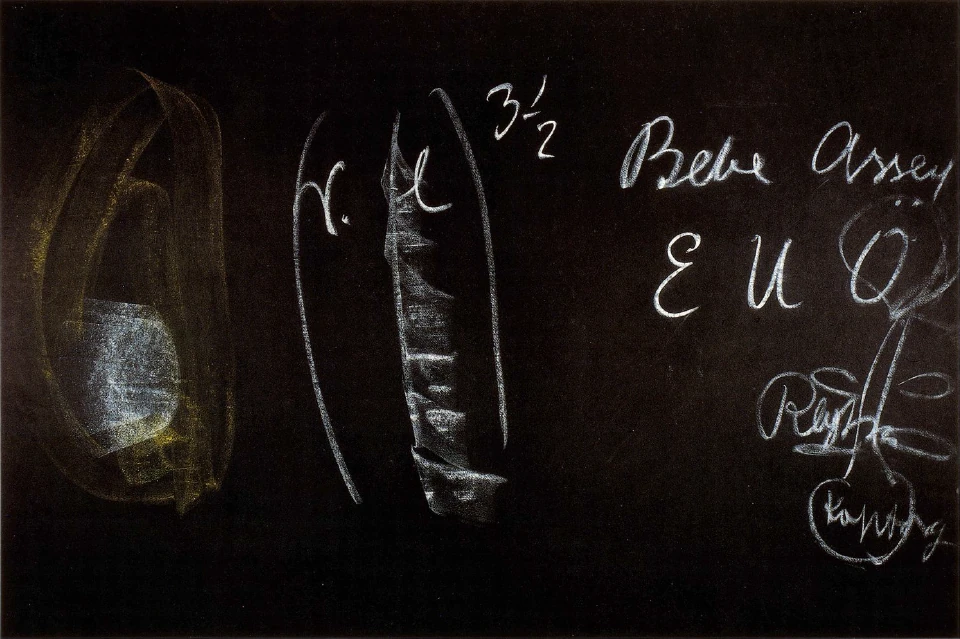
[ 1 ] Damit nicht eins ins andere kommt, möchte ich den Fall von gestern noch weiter besprechen. Es handelt sich darum, daß der Knabe noch eine eigentümlich psychische Tatsachenreihe aufzeigt. Als er kam, begann er das schon, er brachte das mit, daß er an dem Zeigefinger der rechten Hand einen kleinen Geist hatte. Den nannte er immer konsequent «Bebe Assey». Mit diesem Geist unterhielt er sich so, wie man sich mit Wesen unterhält. Er sprach mit ihm — nicht wahr? -, unterhielt sich also mit ihm und betrachtete ihn durchaus als ein reales Wesen. Außerdem hatte er die Eigentümlichkeit, daß er sich verwandelte, ähnlich, wie das einmal der Fall war bei den Werwolfgeschichten. Er verwandelte sich plötzlich. Er stellte sich zum Beispiel eine Zeitlang vor, er sei ein Löwe, dann verhielt er sich ganz brüllend wie ein Löwe. Hatte er auch andere Verwandlungen? Das liebste Tier war ein Löwe. Sie sehen schon daraus, daß er mit seinem Astralleib, mit dem er untertauchen sollte in den physischen Leib, nicht in Ordnung kam. Da blieben Reste übrig. Denn dieser Bebe Assey ist natürlich ein Rest von seinem Astralleib, wobei natürlich solche Dinge so sein können, daß, wenn irgendein Lappen astralischer Leib heraushängt, daß der beseelt wird von einem objektiven Elementarwesen. Das Objekt und Subjekt gehen dabei ganz ineinander über, fließen zusammen. Dasjenige, was für den Erzieher wichtig ist, ist das, daß durch den verhärteten Organismus der Astralleib nicht völlig hineinkommt. Wenn Sie Ihren Astralleib herausziehen würden aus dem physischen Leib, wenn er nicht vollständig im physischen Leib pulsiert, so wäre das schon so, daß er in allen möglichen Verwandlungsarten, in tierformähnlichen Gestalten sich zeigen würde. Denn die Tierform ist dasjenige, was der Astralleib dann zeigt, wenn er zwar in der Nähe, oder halb oder dreiviertel verbunden ist mit dem physischen oder Ätherleib, aber doch unabhängig von ihnen ist in einer gewissen Weise. Alle diese Erscheinungen sind bei diesem Knaben ganz besonders charakteristisch und sie zeigen, daß man bei diesem Knaben es recht schwer hat, die entsprechende Harmonie zwischen Astralleib und Ätherleib und physischem Leib herzustellen.
[ 1 ] To avoid one thing getting mixed up with another, I would like to discuss yesterday’s case in more detail. The point is that the boy exhibits another peculiar series of psychological phenomena. When he arrived, he had already begun to talk about this—he mentioned that he had a little spirit on the index finger of his right hand. He consistently called it “Bebe Assey.” He conversed with this spirit just as one would converse with a living being. He spoke to it—didn’t he?—so he conversed with it and regarded it entirely as a real being. Furthermore, it had the peculiarity of transforming itself, much like what used to happen in werewolf stories. He would transform suddenly. For example, he would create a mental image of himself as a lion for a while, and then he would behave exactly like a lion, roaring and all. Did he undergo other transformations as well? His favorite animal was a lion. You can already see from this that he was not in harmony with his astral body, with which he was supposed to merge into the physical body. Remnants remained. For this Bebe Assey is, of course, a remnant of his astral body—and such things can happen that, when a fragment of the astral body hangs out, it becomes animated by an objective elemental being. In this process, the object and subject merge completely, flowing together. What is important for the educator to understand is that the astral body cannot fully enter the physical body due to the hardened physical constitution. If you were to withdraw your astral body from the physical body—if it were not fully pulsating within the physical body—it would indeed manifest in all manner of transformed forms, in animal-like shapes. For the animal form is what the astral body manifests when it is, albeit nearby or only half or three-quarters connected to the physical or etheric body, yet in a certain sense independent of them. All these phenomena are particularly characteristic of this boy, and they show that it is quite difficult to establish the proper harmony between the astral body, the etheric body, and the physical body in his case.
[ 2 ] Nun wollen wir ein anderes Kind betrachten, wollen wir die Krankengeschichte durchgehen. Die Mutter gibt an, daß das Kind vier Wochen zu spät geboren sei. Die Mutter hat in den ersten vier Monaten der Schwangerschaft Theater gespielt und zeitweise dabei viel gesprungen. In der späteren Zeit erlitt sie einen Stoß. Mit einem Vierteljahr hat das Kind eine Ernährungsstörung gehabt. Mit zwei Jahren hat es erst stehen können. Es war in den ersten vier Jahren apathisch, aber gierig auf Essen. Der erste Laut, den es sprach, war das R, was eine seltene Erscheinung ist. Es weinte immer mit R. Bis zum vierten Jahre hat es nur einzelne Worte gelallt. Dann bekam es Sprechübungen, Sätze vorwärts und rückwärts zu sprechen. Das ist auf meinen Rat geschehen. Mit dem Sprechenlernen begann eine motorische Unruhe. Es schläft wenig und schläft schlecht ein und ist abends sehr erregt und müde. Es kann nicht einschlafen. Im Essen ist es gierig.
[ 2 ] Now let’s consider another child; let’s go over the medical history. The mother states that the child was born four weeks late. During the first four months of her pregnancy, the mother was acting in a play and, at times, did a lot of jumping. Later on, she suffered a blow. At three months old, the child had a feeding disorder. It wasn’t until age two that it was able to stand. During the first four years, it was apathetic but had a voracious appetite. The first sound it uttered was the letter “R,” which is a rare occurrence. It always cried with an “R” sound. Until the age of four, it only babbled single words. Then it was given speech exercises to say sentences forward and backward. This was done on my advice. As it began to learn to speak, it developed motor restlessness. It sleeps little, has trouble falling asleep, and is very agitated and tired in the evenings. It cannot fall asleep. It is voracious when it comes to eating.
[ 3 ] Nun würden Sie so einem Jungen, wenn Sie ihn so ansehen, nicht ansehen, wie alt er ist. Der Junge ist jetzt sechsdreiviertel Jahre alt, also nahezu sieben Jahre alt. Sie sehen daraus, daß er in der Entwickelung der ganzen physischen Organisation zurückgeblieben ist. Nur wenig ist das zu bemerken, daß der Kopf etwas zu groß ist. Der Junge ist im ganzen zurückgeblieben. Daraus ersehen Sie, daß gerade da in dem Lebensalter, das wir die erste Lebensepoche nennen, von der Geburt bis zum Zahnwechsel, wo die physische Organisation wirken sollte, die physische Organisation eigentlich nicht wirkt. Da müssen Sie sich dabei erinnern an das, was ich über die physische Organisation in der ersten Lebensepoche gesagt habe. Das ist der eigentlich vererbte Organismus. Derjenige Organismus, den er in dieser Epoche, die er verlebt hat, gehabt hat, diesen Organismus hat er ererbt. Erst jetzt kommt seine Ich-Organisation heraus, und die hat auch nicht die Anlage, irgendwie erheblich von seiner ersten rasch abzuweichen. Denn jetzt ist sein Ätherleib tätig und dieser Ätherleib hat sich bei dem Jungen außerordentlich stark an den Modelleib der ersten sieben Jahre angepaßt. Im Zahnwechsel ist er zurückgeblieben. Er hat noch keinen Zahnwechsel. So daß wir das auch an ihm zu beobachten haben, daß er auch da zurückgeblieben ist.
[ 3 ] Now, if you were to look at a boy like this, you wouldn’t be able to tell how old he is. The boy is now six and three-quarters years old—almost seven. You can see from this that he is behind in the development of his entire physical constitution. The only noticeable sign is that his head is a little too large. The boy is behind in his overall development. From this you can see that precisely during the stage of life we call the first life epoch—from birth until the teeth are replaced—when the physical organism should be active, the physical organism is actually not active. Here you must recall what I said about the physical organism in the first life epoch. That is the organism that is actually inherited. The organism he possessed during this epoch of his life—that is the organism he has inherited. Only now is his “I”-organism emerging, and it, too, lacks the predisposition to deviate significantly from his first one. For now his etheric body is active, and in this boy, the etheric body has adapted exceptionally strongly to the model body of the first seven years. He is behind in his tooth replacement. He has not yet begun to lose his baby teeth. So we can also observe in him that he is behind in this regard as well.
[ 4 ] Nun müssen wir zuerst den objektiven Befund ins Auge fassen. Wir haben einen verhältnismäßig sehr schwachen Astralleib und eine schwache Ich-Organisation, die nicht aufkommen gegenüber dem vererbten Organismus. Aber auch der vererbte Organismus ist klein geblieben. Nun bleibt es dubios, ob das stimmt, denn das braucht ja nicht zu stimmen, was hier angegeben ist, daß das Kind vier Wochen zu spät geboren ist. Wenn es so ist, dann ist das die Folge davon, daß es zu klein geblieben ist. Es blieb länger Embryo, weil es zu klein geblieben war, weil es am Ende der zehn Mondenmonate nicht vollständig ausgebildet gewesen ist. Nun haben wir uns jetzt zu fragen, woher kommt das alles? Und da haben wir ja die Erklärung, daß in den ersten vier Monaten der Schwangerschaft von der Mutter Theater gespielt worden ist. Eine Tätigkeit, die ganz gewiß in dem Zusammenhange, indem sie sich vollzogen hat, mit einem gewissen Enthusiasmus und mit Hingabe erfolgt ist. Es handelt sich um eine freie Truppe, die sich mit Enthusiasmus der Sache widmet, da liegt eine außerordentlich starke Anspannung des Astralleibes der Mutter vor, die einfach diesen Astralleib so gestaltet, daß er nach der Seite, in der er mit dem Wachstum nicht viel anfangen kann, sich betätigt, nach der Seite des intellektuellen Befähigtseins. Und so geht das Intellektualisieren schon an bei dem Ausgestalten des astralischen Leibes in der Embryonalzeit. Wir haben es also zu tun mit einer Minderwertigkeit, die bedingt ist schon durch die Embryonalzeit.
[ 4 ] Now we must first consider the objective findings. We have a relatively very weak astral body and a weak sense of self that cannot assert itself against the inherited organism. But the inherited organism, too, has remained small. It remains doubtful whether this is true, for what is stated here—that the child was born four weeks late—need not necessarily be accurate. If this is the case, then it is the result of the child having remained too small. It remained an embryo longer because it had remained too small, because it was not fully formed at the end of the ten lunar months. Now we must ask ourselves: where does all this come from? And here we have the explanation: during the first four months of pregnancy, the mother was involved in theater. An activity that, in the context in which it took place, was certainly carried out with a certain enthusiasm and dedication. This is an independent troupe that devotes itself to the cause with enthusiasm; there is an extraordinarily strong strain on the mother’s astral body, which simply shapes this astral body in such a way that, since it cannot do much in terms of physical growth, it focuses its activity on the realm of intellectual capacity. And so the process of intellectualization begins already during the formation of the astral body in the embryonic period. We are therefore dealing with an inferiority that is already conditioned by the embryonic period.
[ 5 ] Nun wird es sich darum handeln, wie man ein solches Kind, das im ganzen zurückgeblieben ist, zu behandeln hat. Sie sehen ja auch: der Astralleib bleibt ganz machtlos, der Junge ist in den ersten vier Jahren apathisch, er entwickelt nichts anderes als die rein tierischen Instinkte des physischen Organismus, er ist eßgierig und lernt spät sprechen. Ja, sehen Sie, nun spricht er zuerst das R.
[ 5 ] The question now is how to treat such a child, who is developmentally delayed in every respect. As you can see, the astral body remains completely powerless; during the first four years, the boy is apathetic, developing nothing but the purely animal instincts of the physical organism; he is voracious and slow to learn to speak. Yes, look—now he’s saying the letter R first.
Zu dem Jungen:
About the boy:
[ 6 ] Sag einmal: Robert rennt.
[ 6 ] Say: Robert is running.
Der Junge spricht es mit tiefer brummender Stimme.
The boy says it in a deep, rumbling voice.
[ 7 ] Sehen Sie, er ist ganz auf das R hin orientiert. Vergessen Sie nicht, wie sich in einer solchen Erscheinung ein ganzes Leben ausspricht. Schauen Sie sich die Mutter während der Embryonalzeit an, wie sie auf dem Theater beweglich ist, gehen Sie ein in den Charakter des R, wie das R im Eurythmiekurs charakterisiert ist als das Drehende, so werden Sie in seiner Sprache das Theaterspiel der Mutter fortwirkend finden. Alles andere tritt zurück, weil dieses so präponderiert. Man sieht wirklich da ganz außerordentlich tief in Zusammenhänge hinein, die man beherrschen muß, wenn man sich über die Dinge ganz klar werden will.
[ 7 ] You see, it is entirely oriented toward the R. Don’t forget how an entire life is expressed in such a manifestation. Look at the mother during the embryonic period, how she moves on the stage; immerse yourself in the character of the R—as the R is characterized in the eurythmy course as the rotating force—and you will find the mother’s theatrical performance continuing to unfold in its language. Everything else recedes into the background because this aspect is so predominant. One really gains an extraordinarily deep insight into the interrelationships that one must master if one wants to gain complete clarity about these matters.
[ 8 ] Nun, in den ersten Jahren sollte ja von einem starken Astralleib und Ich aus der Stoffwechsel-Gliedmaßenmensch geregelt werden. Aber der Astralleib ist eben schwach, er regelt das nicht, und daher haben Sie zweierlei bei ihm, welches Sie beachten müssen. Sehen Sie — ich weiß nicht, ob alle von Ihnen bei diesen Vorträgen waren, wo ich die eigentliche Bedeutung des menschlichen Gehirnes auseinandergesetzt habe -, durch alles, was der Mensch in seiner Organisation trägt, zerfällt die menschliche Gesamtorganisation in Aufbau und Abbau. Der Abbau ist immer verknüpft mit Ausscheidungsprodukten. Ausscheidungsprodukte sind da als übrigbleibende Spuren des Abbaues. Nun nehmen Sie den Kopf, da wird abgebaut, denn nur auf dem Abbau beruht ja die intellektuell-gemüthafte Tätigkeit der Seele, insofern sie sich des Kopfes als ihres Stützorganes bedient. Durch den schwachen Astralleib wird so abgebaut, daß der Abbau auch unregelmäßig ist. Es werden die Abbauprodukte nicht regelmäßig weggeführt, sie bleiben liegen, namentlich aber verhärten sie nicht in demselben Maße, in dem sie verhärten sollten. Ohne daß wir es mit einem eigentlichen Hydrozephalus zu tun haben, haben wir es zu tun mit einem Kopf, der ein zu weiches Gehirn in sich schließt. Jetzt nehmen Sie das Spiegelbild des Gehirns, den Darminhalt. Der kann auch nicht in Ordnung sein, wird auch nicht in Ordnung sein. Die Darmtätigkeit kann nie in Ordnung gewesen sein. Eine unregelmäßige Gehirntätigkeit und eine unregelmäßige Darmtätigkeit werden insbesondere beim Kinde durchaus miteinander parallel gehen. Wenn Sie von vornherein sagen würden: also regele ich seine Darmtätigkeit — damit regeln Sie noch nicht seine Gehirntätigkeit! Da muß heilkundig eingegriffen werden, wenn man sie durch eine Regelung in Einklang bringen will.
[ 8 ] Well, in the early years, the human being—composed of a metabolic body and a limb body—was supposed to be governed by a strong astral body and ego. But the astral body is weak; it does not govern this, and therefore there are two aspects of it that you must take into account. You see—I don’t know if all of you were present at those lectures where I explained the true significance of the human brain—through everything that a person carries within their organism, the entire human organism is subject to both building up and breaking down. Breakdown is always associated with waste products. Waste products are the residual traces of this breakdown. Now take the head: breakdown occurs there, for the soul’s intellectual and emotional activity is based solely on this breakdown, insofar as it uses the head as its supporting organ. Due to the weak astral body, this breakdown occurs in such a way that the process itself is irregular. The breakdown products are not regularly removed; they remain in place, and, in particular, they do not harden to the extent that they should. Without this being a case of actual hydrocephalus, we are dealing with a head that contains a brain that is too soft. Now consider the mirror image of the brain: the intestinal contents. These, too, cannot be in order—nor will they be. Bowel function can never have been normal. Irregular brain activity and irregular bowel function will, especially in children, run entirely parallel to one another. If you were to say from the outset, “Well, I’ll regulate his bowel function”—that alone will not regulate his brain activity! Medical intervention is necessary if one wishes to bring them into harmony through regulation.
[ 9 ] Er hat auch eine gewisse Unreinigkeit in seinem psychischen Verhalten zur Außenwelt. Versuchen Sie nur einmal, von ihm irgend etwas zu verlangen, was er versteht: er grinst Sie ein bißchen an, er nimmt nicht rein auf. Nun, wir wollen dann das weitere anknüpfend an den Fall besprechen. Ich will jetzt nur sagen, daß diese Sprechübungen schon mit vier Jahren mit ihm begonnen wurden, und daß Sie wissen müssen, daß immer dann, wenn man Sprechübungen macht, so daß man sie nach vorn und rückwärts macht, man damit regulierend auf den Zusammenhang von Ätherleib und Astralleib wirkt. Dasjenige, was damals gemacht worden ist, zielte auf ein harmonisches Zusammenwirken des Astralleibes und Ätherleibes ab.
[ 9 ] He also exhibits a certain lack of clarity in his psychological interaction with the outside world. Just try asking him to do something he understands: he’ll give you a little grin, but he doesn’t really take it in. Well, let’s discuss the rest of this case. I just want to say that these speech exercises began with him as early as age four, and that you must know that whenever one does speech exercises—repeating them forward and backward—one thereby exerts a regulating influence on the relationship between the etheric body and the astral body. What was done back then was aimed at achieving a harmonious interaction between the astral body and the etheric body.
[ 10 ] Nun handelt es sich darum, ihn dazu zu bringen, seine physische Organisation überhaupt deutlich zu empfinden. Denn im Empfinden schleift sich sozusagen die Wachstumskraft der physischen Organisation ein. Also man muß mit ihm Übungen machen in Heileurythmie, welche ihn dazu bringen, seine eigene physische Organisation zu spüren. Das E ist dazu besonders geeignet, denn da berührt sich der Mensch in seiner Organisation selber, ebenso das U und das OÖ. OÖ nimmt man zur Regulierung. U und E sind dazu da, damit sich das Kind in sich selber verspürt. Denn alles dasjenige, was zum Erfassen des eigenen Organismus führt, das kann in diesem Falle weiterbringen. Was haben wir sonst gemacht? Heileurythmie und Sprechübungen. Er malt auch mit der Gruppe. Natürlich muß er malen, er kommt schon in das schulpflichtige Alter. Wenn er auch langsam vorwärtskommt, so wird er doch vorwärtskommen.
[ 10 ] The task now is to help him clearly perceive his physical constitution. For it is through perception, so to speak, that the growth force of the physical constitution becomes ingrained. Therefore, one must do therapeutic eurythmy exercises with him that help him sense his own physical constitution. The letter E is particularly well-suited for this, because it allows the person to connect with their own physical constitution; the same is true of the letters U and OÖ. OÖ is used for regulation. U and E are there to help the child sense their own inner self. For anything that leads to an understanding of one’s own organism can be helpful in this case. What else have we been doing? Eurythmy therapy and speech exercises. He also paints with the group. Of course he needs to paint; he’s already reaching school age. Even if he’s making slow progress, he will still make progress.
Es wird das nächste Kind hereingeführt.
The next child is led in.
[ 11 ] Diesen Jungen lernte ich auf einer Reise kennen. Nun, er ist ja ein verhältnismäßig schwieriges Kind. Er ist elf Jahre alt. Sie werden gleich hören, um was es sich handelt. Er ist ein einziges Kind. Die Geburt war angeblich normal, doch soll die Mutter während der Schwangerschaft unvernünftig gelebt und auch Alkohol getrunken haben. Die Entwickelung der ersten drei Jahre soll ohne besondere Eigentümlichkeiten vor sich gegangen sein. Wir werden das schon später besprechen. So ganz, wie es dargestellt ist, kann die Sache nicht gewesen sein, denn mit drei Jahren erkrankte das Kind plötzlich mit hohem Fieber und hatte einen Krampfanfall in der Nacht; der dauerte kurz. Diese Anfälle waren seitdem sehr häufig, ebenfalls in der Regel nachts und traten dann später durchschnittlich jedes Vierteljahr einmal auf — so ganz die charakteristischen Erscheinungen des Krampfes, die wir besprochen haben -, und zwar traten die Krampfanfälle vom vierten Lebensjahre ab auf. Bis dahin ist der Organismus nicht so weit, daß er zurückstößt die Astralorganisation, daß gewisse Wandungen der Organe die astrale Organisation zurückstoßen. Bei diesen Krampfanfällen tritt vollständige Bewußtlosigkeit ein. Das haben wir auch gefunden, daß es ganz im allgemeinen so ist. Er hat dann heftige Zuckungen, und zwar der linken Körperhälfte, dann dreht er dabei die Augen nach links; nachher ist er sehr erschöpft und hat oftmals Erbrechen.
[ 11 ] I met this boy on a trip. Well, he’s actually a relatively difficult child. He’s eleven years old. You’ll hear in a moment what this is all about. He’s an only child. The birth was reportedly normal, but the mother is said to have led an unhealthy lifestyle during pregnancy and to have consumed alcohol. His development during the first three years is said to have proceeded without any particular abnormalities. We’ll discuss that later. Things cannot have been exactly as described, because at the age of three, the child suddenly fell ill with a high fever and had a seizure during the night; which was brief. These seizures have been very frequent ever since, usually at night as well, and later occurred on average once every three months—exactly the characteristic symptoms of convulsions that we have discussed—and the seizures began occurring from the age of four onward. Until then, the organism is not yet developed enough to repel the astral organization—that is, for certain organ walls to repel the astral organization. During these convulsive episodes, complete loss of consciousness occurs. We have also found that this is generally the case. He then experiences violent convulsions, specifically on the left side of his body, and his eyes roll to the left; afterward, he is very exhausted and often vomits.
[ 12 ] Sie sehen daraus, daß bei ihm mit dem dritten Jahre das eintritt, daß die Wandungen der Organe nicht durchlassen die astralische Organisation, daß dadurch die Krämpfe zustande kommen. Mit den Krämpfen ist - aus den Gründen, die ich auseinandergesetzt habe - die Bewußtlosigkeit verknüpft. Nun ist aber bei ihm das der Fall, daß nach einiger Zeit doch bis zu einem gewissen Grade die Astralorganisation durchbricht durch die Wände, so daß er also vorher eine unterbewußte, halbbewufßte Anstrengung macht. Diese Anstrengung dauert ebenso lange, wie der Krampf dauert. Dann hat er sie überwunden, dann ist dafür eine gewisse Leere im Organismus im Verhältnis zu früher, und diese Unregelmäßigkeit drückt sich aus in seinen heftigen Zuckungen.
[ 12 ] You can see from this that, by the age of three, the walls of his organs no longer allow the astral organization to pass through, and that this is what causes the convulsions. These spasms—for the reasons I have explained—are linked to a loss of consciousness. However, in his case, after some time, the astral organization does break through the walls to a certain degree, so that he first makes a subconscious, semi-conscious effort. This effort lasts as long as the spasm itself. Once he has overcome them, there is a certain emptiness in his organism compared to before, and this irregularity manifests itself in his violent twitching.
[ 13 ] Nun wissen Sie, daß die linke Körperhälfte etwas schwächer ist als die rechte. Daher wird in einem solchen Falle der Astralleib, der befreit sein will, nachdem der Krampf zu Ende ist, nach dem schwächeren Teil der Organisation ausweichen wollen (siehe Tafel 10, Mitte), was sich ausdrückt dadurch, daß er das Auge nach links stellt. Nun soll er - vor einem Jahr, im Januar? — nach Angaben von Ärzten in Jena Gehirngrippe gehabt haben; damals hatte er einen schweren Anfall, nach vorausgegangenen Magenbeschwerden und Fieber. Also hier haben wir dann, durch eine Magenverstimmung eingeleitet, herbeigeführt einen schweren Anfall. Vierzehn Tage nachher, nachdem das Kind bereits wieder wohl war, trat eine linksseitige Lähmung ein an Armen und Beinen, eine sehr charakteristische Erscheinung, die aber so einfach als möglich sich erklärt. Denn Sie sehen ja, daß das Kind stets, nachdem es die Anstrengungen durchgemacht hat, den Astralleib durchdrücken will, und nachher, nachdem es dies durchgemacht hat, die hinter der Durchdrückungsstelle liegende Leere spürt; dann bekommt es Zuckungen und läßt seinen Astralleib nach links ausweichen.
[ 13 ] Now you know that the left half of the body is somewhat weaker than the right. Therefore, in such a case, the astral body—which wants to be freed once the spasm has ended—will seek to retreat to the weaker part of the organism (see Plate 10, center), which manifests itself in the eye turning to the left. Now, according to doctors in Jena, he is said to have had encephalitis—a year ago, in January?— at that time he had a severe seizure, following prior stomach problems and a fever. So here we have a severe seizure triggered by an upset stomach. Fourteen days later, after the child had already recovered, left-sided paralysis set in in the arms and legs—a very characteristic symptom, but one that can be explained quite simply. For you see, the child always, after having gone through these exertions, wants to force its way through the astral body, and afterward, having done so, senses the void lying behind the point of penetration; then it experiences twitching and allows its astral body to veer to the left.
[ 14 ] Nun ist aber eines zu berücksichtigen. Innerhalb des menschlichen Organismus ist alles dasjenige, was von außen in die Organisation hineinkommt - also nicht von der Organisation selbst zubereitet ist, nachdem es die Organisation durchbricht -, eigentlich Gift. Wenn Sie also eine Örganisation haben (siehe Tafel 10) und Sie haben eine Verschiebung der astralen Organisation von rechts nach links gehend und das setzt sich fort, wie es ja, wenn es heftig ist, natürlich sich fortsetzen kann in die ätherische Organisation, wo es dann die physische Organisation mitnimmt, dann entsteht eine leichte Giftinfiltration nach der linken Körperhälfte hin. Eine solche Giftinfiltration ist nach außen hin in dem Symptom der Lähmung hervortretend. Das Kind wurde dann mit Massage behandelt, und die Lähmung ist nach einem Vierteljahr besser geworden. Leichte Schwäche ist geblieben. Diese leichte Schwäche kann man schon bei ihm sehen.
[ 14 ] However, there is one thing to keep in mind. Within the human organism, everything that enters the organism from the outside—that is, everything that is not produced by the organism itself after it has penetrated the organism—is, in fact, a toxin. So if you have an organism (see Plate 10) and there is a shift in the astral organization from right to left—and this continues, as it naturally can when it is severe, into the etheric organization, where it then affects the physical organization—then a slight infiltration of poison occurs toward the left side of the body. Such a toxic infiltration manifests externally as the symptom of paralysis. The child was then treated with massage, and the paralysis improved after three months. A slight weakness remained. This slight weakness is already visible in him.
Zu dem Knaben gewendet:
Turning to the boy:
[ 15 ] Nimm das so! — Sehen Sie, er ist ungeschickt mit der Linken.
[ 15 ] Take it like this! — You see, he's clumsy with his left hand.
[ 16 ] Seit Januar 1923 hat sich der Charakter der Anfälle wesentlich geändert. Sie dauern nur noch ganz kurze Zeit und treten meistens neun Stunden nach dem Einschlafen auf. Das Kind schreit dann plötzlich, wacht auf, stellt sich auf. Dabei ist zu beobachten, daß starke Blähungen im Darm vorhanden sind, eine charakteristische Erscheinung. Zur Zeit tritt fast jede Woche ein Anfall auf, aber nicht mehr mit Bewußtseinsstörungen. Es kommt nicht mehr zu Zuckungen. Die Krampfanfälle gehen vorüber, er springt auf. Nun sehen Sie, 1924 wurde ein Balkenstich gemacht, aber ohne jeden Erfolg. Zuletzt wurde eine Behandlung mit Calcium lacticum gemacht. Er schläft spät ein, redet oft im Schlaf, besonders wenn er spät gegessen hat. Er hat guten Appetit, aber Abneigung gegen Obst, Säuren, Gemüse, dagegen Vorliebe für Fleisch. Die Verdauung ist jetzt ziemlich gut, früher hatte er eher Verstopfung; rasche Ermüdung. Er hat sehr lebhafte Phantasie; ist sehr zutraulich zu jedem Menschen, hat keine Zuneigung zu bestimmten Personen, auch nicht zu den Eltern. Er ist jähzornig, hat Liebe zu den Tieren und zu den Pflanzen. Das muß das Charakteristische sein, daß er sehr viel schwätzt. Das gehört in die Krankengeschichte hinein. Es ist ihm ein wirkliches Bedürfnis, er muß es tun, wie irgend etwas anderes. Er hat sich so bemerkbar gemacht, daß Sie im wesentlichen alles bei ihm gesehen haben.
[ 16 ] Since January 1923, the nature of the seizures has changed significantly. They now last only a very short time and usually occur nine hours after falling asleep. The child then suddenly cries out, wakes up, and stands up. At the same time, it can be observed that there is severe bloating in the intestines, a characteristic symptom. Currently, a seizure occurs almost every week, but no longer involves disturbances of consciousness. There are no longer any twitches. The convulsions subside, and he jumps up. Now, you see, a balancer injection was administered in 1924, but without any success. Most recently, he was treated with Calcium lacticum. He falls asleep late and often talks in his sleep, especially if he has eaten late. He has a good appetite but dislikes fruit, acidic foods, and vegetables; on the other hand, he has a preference for meat. His digestion is now quite good; he used to suffer from constipation; he tires easily. He has a very vivid imagination; he is very trusting of everyone, but shows no particular affection for anyone, not even his parents. He has a short temper, but loves animals and plants. The defining characteristic must be that he talks a great deal. This belongs in the medical history. It is a genuine need for him; he has to do it, just like anything else. He has made himself so noticeable that you have essentially observed everything about him.
[ 17 ] Sehen Sie, bei diesem Kinde ist eben auch das vorhanden - nur haben wir es in einem Stadium vor uns, wo der zweite Körper schon längst ausgebildet ist, der Körper, der nicht Modellkörper ist, ist längst ausgebildet, er ist ja elfjährig - und wir haben es auch wieder damit zu tun, daß schon der Modellorganismus dadurch in Dekadenz gekommen ist, daß die Mutter während der Schwangerschaft unvernünftig gelebt hat, viel Alkohol getrunken hat. Es ist sogar sehr wahrscheinlich, nach der ganzen Art, wie sich der Junge zeigt, daß schon der erste Modellkörper außerordentlich unregelmäßig war. Zwar ist durchaus anzunehmen — was hier nicht steht -, daß die Geburt vielleicht sogar um zwei Wochen zu früh eingetreten ist, weil die Mutter ihren Organismus nicht so gehalten hat, daß er eine wirkliche Stätte sein konnte, wo der Embryo sich nach allen Seiten voll entwickeln konnte. Insbesondere wenn Alkohol getrunken wird während der Schwangerschaft, ist das ganz besonders der Fall. Nun wird hier angegeben, die Entwickelung sei in den ersten drei Jahren ohne Besonderheiten gewesen. Aber ich vermute vielmehr, daß man nicht eine Veranlagung hatte, feinere Besonderheiten zu beobachten. Jedenfalls muß das Kind verhältnismäßig früh das Bedürfnis gehabt haben, zu sprechen, weil die Astral- und Ich-Organisation eigentlich zum Halse oder Mund herausgehangen haben. Immer muß es Schwierigkeiten gehabt haben, unterzutauchen. Eine gewisse nervöse Aufgeregtheit, die sich nach außen äußert, die zurückweist bis zu einem gewissen Grade das Imitationsprinzip, die mehr die inneren organischen Impulse in der Entwickelung herausstellt, die muß dagewesen sein in den ersten drei Jahren.
[ 17 ] You see, this child also has that—only we are dealing with a stage in which the second body has long since been formed; the body that is not the model body has long since been formed, he is, after all, eleven years old—and we are also dealing with the fact that the model organism has already fallen into decline because the mother lived an unhealthy lifestyle during pregnancy and drank a lot of alcohol. It is even very likely, judging by the way the boy presents himself, that the first model body was already extremely irregular. It is certainly reasonable to assume—though this is not stated here—that the birth may even have occurred two weeks early because the mother did not maintain her organism in such a way that it could serve as a true environment where the embryo could develop fully in every respect. This is especially true when alcohol is consumed during pregnancy. Now it is stated here that the child’s development in the first three years was unremarkable. But I suspect rather that one simply lacked the disposition to observe finer details. In any case, the child must have felt the need to speak relatively early on, because the astral and ego organizations were, in effect, protruding out of the throat or mouth. He must always have had difficulty keeping these impulses in check. A certain nervous agitation, which manifests outwardly, which to a certain extent rejects the principle of imitation, and which emphasizes the inner organic impulses in development—this must have been present during the first three years.
[ 18 ] Dann haben wir ja, insbesondere, wenn das Lebensalter von dreieinhalb Jahren herankommt - die Hälfte von sieben Jahren, die erste Lebensepoche -, besonders hervortretend die Rückwirkungen, die entstehen, wenn während der ersten sieben Jahre das Ich und der Astralleib von der Kopforganisation aus nicht richtig arbeiten können. Dann werden diese Organe, die jetzt langsam und allmählich entstehen denn mit sieben Jahren sind sie fertig —, verkümmert herauskommen. Nun, warum sind sie in diesem Fall verkümmert herausgekommen? Weil das Kind die Embryonalzeit nicht vollkommen absolviert hat. Die Organe wären viel vollkommener, modellierter geworden, wenn das Kind die Embryonalzeit völlig absolviert hätte. Nun hat man kein vollkommen ausgebildetes Modell. Daher gerade in dieser wichtigen Zeit, mit dreieinhalb Jahren, wenn die Organe mehr dazu kommen, sich in die Form zu prägen, sogar da das Modell versagt; da entwickelt sich die Anlage, daß der Astralleib — der jetzt durch die ganze Organisation soweit kommen will, daß er durch die Wandungen der Organe tritt —, daß, wenn er nicht hindurch kann, infolgedessen alle die Erscheinungen entstehen, die besprochen worden sind. Daß in einem solchen Falle eintreten muß eine Verstimmung der Magen- und Darmorganisation, muß Ihnen auch wieder begreiflich erscheinen. Denn, wenn dieser Astralleib nicht ordentlich die Strömungen vom Kopf gegen die Gliedmaßen bewirkt, so bleibt die Darm- und überhaupt die Verdauungsorganisation schwach: Die Ich-Organisation steckt nicht ordentlich darinnen.
[ 18 ] Then, especially as the child approaches the age of three and a half—halfway through the first seven years of life, the first life stage—we see particularly pronounced repercussions resulting from the fact that, during the first seven years, the ego and the astral body are unable to function properly due to the organization of the head. Then these organs—which are now developing slowly and gradually, since they are fully formed by age seven—will emerge stunted. Now, why have they emerged stunted in this case? Because the child did not fully complete the embryonic period. The organs would have become much more fully formed and well-shaped if the child had fully completed the embryonic period. Now, however, there is no fully formed model. Therefore, precisely during this crucial period—at three and a half years of age, when the organs are increasingly taking shape—even then the model fails; a predisposition develops whereby the astral body—which now seeks to penetrate the walls of the organs throughout the entire organism—if it cannot pass through, results in all the symptoms that have been discussed. It should also seem understandable to you that in such a case, a disturbance in the functioning of the stomach and intestines is bound to occur. For if this astral body does not properly direct the currents from the head toward the limbs, then the intestinal system—and the digestive system in general—remains weak: the ego organization is not properly integrated into it.
[ 19 ] Nun nehmen Sie diese schwache Verdauungsorganisation, namentlich die in den Kräften schwache Verdauung: es steckt die Ich-Organisation nicht ordentlich darinnen. Diese schwache Verdauungsorganisation kann nicht vertragen dasjenige, was gerade in der Verdauungsorganisation wirken muß.
[ 19 ] Now consider this weak digestive system, specifically the one that is deficient in vitality: the “I”-organization is not properly integrated into it. This weak digestive system cannot tolerate what is precisely required to function within the digestive system.
[ 20 ] Wir haben ja die Sache so, daß, wenn wir die Pflanze anschauen, die Wurzel ihre entsprechende Wirkung in der Kopforganisation hart, das Kraut in der rhythmischen (siehe Tafel 10, rechts). Dasjenige, was als Frucht oder Blüte sich entwickelt, hat seine Wirkung in der Darmorganisation, in der Verdauungsorganisation. Es ist also keine Verwandtschaft da zwischen der schwach entwickelten Verdauungsorganisation und demjenigen, was nach oben sich ausbildet. Dagegen werden Sie begreifen, daß, weil dieser Astralleib im ganzen Bauch darinnen, ohne daß er sich eigentlich einlebt in die Verdauungsorganisation, frei liegt, dieser Astralleib, der als solcher bei jedem Menschen die große Verwandtschaft zum Fleisch hat, hier die Vorliebe für Fleisch erzeugt. Dann ist noch eine Abneigung gegen die Säure vorhanden, aber auch wieder begreiflich. Denn Säuren wirken auf den Astralleib besonders stark. Und wenn dieser dann in den Organismus ordentlich untergetaucht ist, dann lädt er seine Säurewirkung ab auf den physischen Organismus. Wenn er aber nicht ordentlich untergetaucht ist, bleibt er wund, empfindlich für Säurewirkungen. In solchen Dingen kann man ganz besonders sehen, wie der Organismus eigentlich wirkt, denn bei einer solchen Unregelmäßigkeit kann man natürlich gar nicht erstaunt sein, wenn Magenverstimmung eintritt. Aber Magenverstimmung ist nur ein Symptom dafür, daß diese Unregelmäßigkeit, die ich besprochen habe, für den Stoffwechsel da ist. Aber in dieser Unregelmäßigkeit besteht die ganze Krankheit, durch die Unregelmäßigkeit kommen die Symptome heraus, und natürlich kann immer eingeleitet werden ein neuer Anfall durch solche Magenverstimmungen.
[ 20 ] The situation is this: when we look at a plant, the root exerts its corresponding effect on the head organization, while the herb exerts its effect on the rhythmic organization (see Plate 10, right). That which develops as a fruit or flower exerts its effect on the intestinal organization, on the digestive organization. There is therefore no connection between the weakly developed digestive system and what develops upward. On the other hand, you will understand that because this astral body lies freely within the entire abdomen—without actually becoming integrated into the digestive system—this astral body, which as such has a strong affinity for meat in every human being, gives rise to a preference for meat here. There is also an aversion to acid, but this, too, is understandable. For acids have a particularly strong effect on the astral body. And when the astral body has properly integrated into the organism, it transfers its acidic effect to the physical organism. But if it has not properly integrated, it remains raw and sensitive to acidic effects. In such cases, one can see quite clearly how the organism actually functions, for with such an irregularity, one need not be at all surprised when indigestion occurs. But an upset stomach is merely a symptom indicating that this irregularity, which I have discussed, is present in the metabolism. Yet this irregularity constitutes the entire disease; the symptoms arise from it, and, of course, such an upset stomach can always trigger a new episode.
[ 21 ] Nun haben wir dann seit Januar 1923 die wesentliche Änderung im Charakter der Anfälle, sie dauern kurz, treten neun Stunden nach dem Einschlafen auf, das Kind schreit, das Kind schreit auf, wacht auf. Es ist zu beobachten, daß starke Blähungen im Darm vorhanden sind und zur Zeit ein Anfall jede Woche auftritt. Das ist etwas, was zunächst bedrohlich ausschaut, was aber auf der andern Seite wiederum etwas Tröstliches hat. Denn es zeigt eine Art von Genesung, von naturgemäßem Besserwerden. Es ist eine Krisis, die sich innerlich entlädt, damit eingetreten, die allerdings langsam verläuft, aber etwas anderes war auch nicht zu erwarten. Warum treten denn neun Stunden nach dem Einschlafen diese Dinge auf? Weil da der Astralleib wieder anfängt, seinen Rückweg in den physischen Leib zu vollziehen. Das wird ihm noch schwer, er kann nicht hinein, und fortwährend muß er untertauchen und muß zurückgestoßen werden. Da können Sie sich vorstellen, daß all diese Erscheinungen eintreten: Aufstehen, Schreien. Während, wenn er dann seinen Astralleib darinnen hat in der ganzen physischen Organisation, so hält das den Tag über leichter an. Daß starke Blähungen auftreten, rührt davon her, daß der Astralleib noch nicht vollständig in die Darmorganisation eingegliedert ist. Von dieser relativen Selbständigkeit des Astralleibes rührt her alles dasjenige, was als besonders charakteristisch im Seelenleben auftritt: sein fortwährendes Schwätzen, auch die leichte Erregbarkeit, auch die lebhafte Phantasie. Nun fragt es sich, was da in einem solchen Falle zu tun ist.
[ 21 ] Since January 1923, we have observed a significant change in the nature of the seizures: they are brief, occur nine hours after falling asleep, and the child cries out and wakes up. It can be observed that there is severe bloating in the intestines, and currently one episode occurs each week. This is something that at first appears alarming, but which, on the other hand, also has a comforting aspect. For it indicates a kind of recovery, a natural improvement. It is a crisis that is discharging internally; it has set in, though it progresses slowly—but nothing else was to be expected. Why do these things occur nine hours after falling asleep? Because that is when the astral body begins once again to make its way back into the physical body. This is still difficult for it; it cannot enter, and it must continually submerge and be pushed back. You can form a mental image of the following: getting up, screaming. Whereas, once the astral body is fully integrated into the entire physical organism, these symptoms subside more easily throughout the day. The occurrence of severe bloating stems from the fact that the astral body has not yet been fully integrated into the intestinal system. This relative independence of the astral body is the source of everything that appears as particularly characteristic in the soul life: his constant chattering, his slight excitability, and his vivid imagination. The question now arises as to what should be done in such a case.
[ 22 ] Nun, sehen Sie, in einem solchen Falle handelt es sich vor allen Dingen darum, daß man dem sehr stark selbständig wirkenden Astralleib alle Möglichkeiten entzieht, Kräfte zu entwickeln, die ihm hinderlich sind in der Anpassung an den Ätherleib und physischen Leib. Nun, sofort, wenn das Kind in dieser Weise auftritt, wie es heute aufgetreten ist, seht man, was als erste Maßregel zu gelten hat: Man muß ihm sein Spielzeug wegnehmen. Daß er dieses Spielzeug hat, das ist seelisches Gift für ihn. Er darf vor allen Dingen seine Phantasie nur anregen an von der Natur noch nicht fertig Gestaltetem. Er muß angeregt werden, möglichst viel zu malen, aber vor allem Formen zu prägen, zu schnitzeln. Er soll also einfach ein Stück Holz bekommen, soll angeregt werden, dieses Stück in der Form eines Menschen zu gestalten. Das wird das Pädagogische sein, was mit ihm zunächst zu machen ist. Man muß vermeiden, ihn heranzubringen an die Dinge, die schon fertig sind. Man muß versuchen, daß er selbst vieles macht, so daß seine Gliedmaßen in Bewegung kommen. Wir haben noch nicht diese Anordnungen getroffen; das ist das, was bei ihm noch notwendig ist.
[ 22 ] Well, you see, in such a case, the most important thing is to deprive the astral body—which acts very independently—of any opportunity to develop forces that hinder its adaptation to the etheric body and the physical body. Well, as soon as the child behaves the way he did today, you can see what the first measure must be: you must take his toys away. The very fact that he has these toys is poison for his soul. Above all, he must only be allowed to stimulate his imagination with things that nature has not yet fully formed. He must be encouraged to paint as much as possible, but above all to shape and carve forms. He should therefore simply be given a piece of wood and encouraged to shape this piece into the form of a human being. This will be the educational approach that must be taken with him at first. One must avoid introducing him to things that are already finished. One must try to have him do many things himself, so that his limbs are set in motion. We have not yet made these arrangements; that is what is still necessary for him.
[ 23 ] Nun ist bei diesem Jungen diese Eigentümlichkeit vorhanden, daß man nicht sagen kann: es ist ein ganz bestimmtes Organ, das den Astralleib nicht durchläßt - sondern es ist eigentlich die Gesamtheit aller Organe gleichmäßig so ausgebildet. Daher auch die leichte Deformierbarkeit. Aber dadurch tritt gerade das ein, daß, wenn der Astralleib gerade untertaucht, er nach der linken, schwächeren Seite ausweicht. Dadurch ist immer die Gefahr vorhanden, daß nach der linken Seite Lähmungserscheinungen auftreten. In diesem Alter schaden sie noch nicht, wenn sie schwach sind. Sie können zu einer Verstärkung führen.
[ 23 ] Now, this boy has a peculiarity in that one cannot say: it is a specific organ that does not allow the astral body to pass through—rather, it is actually the totality of all organs that is uniformly structured in this way. Hence, too, the ease with which it can be deformed. But this causes the astral body, when it submerges, to shift toward the left, weaker side. As a result, there is always a risk that symptoms of paralysis will occur on the left side. At this age, they do no harm if they are mild; in fact, they can lead to strengthening.
[ 24 ] Nun würde zu raten sein, daß man gerade das, wogegen er starke Abneigung haben muß wegen dieser Konstitution, daß man alles das, was Fruchtsäure hat, in einer möglichst geringen Dosis den andern Speisen zusetzt, zu denen er Neigung hat, so daß er es mit diesen bei der Verdauung mitreißt. So daß man also einfach, bevor man ihm Fleisch gibt, in das Gefäß, worin er sein Fleisch genießt, irgend etwas gibt, was Fruchtsäure hat. Er muß sich gewöhnen, ganz geringe Mengen von Kompott mit dem Fleisch zusammen zu genießen.
[ 24 ] It would therefore be advisable to take precisely what he must have a strong aversion to because of his constitution—that is, anything containing fruit acid—and add it in the smallest possible dose to the other foods he enjoys, so that he ingests it along with those foods during digestion. So, simply put, before giving him meat, add something containing fruit acid to the dish in which he eats his meat. He must get used to eating very small amounts of compote along with his meat.
[ 25 ] Dann handelt es sich ja darum, daß man wirklich nach einer vernünftigen Methode, wie das in der Waldorfschule ist - gleichgültig wie schnell er vorwärtskommt -, den Unterricht beginnt; beziehungsweise er muß den Unterricht fortsetzen. Eurythmieübungen werden bei ihm darin bestehen, daß man bei ihm nicht sich auf einzelne Buchstaben beschränkt, sondern alles dasjenige macht, was die Gliedmaßen besonders in Bewegung bringt, so daß man das Bestreben der Gliedmaßen fördert, den Astralleib herauszugestalten. Wie der Junge jetzt ist, hilft er selber mit vorwärtszukommen.
[ 25 ] So the point is to really begin instruction using a sensible method, as is done in Waldorf schools—regardless of how quickly the child progresses—or rather, the child must continue with the instruction. Eurythmy exercises for him will consist of not limiting oneself to individual letters, but rather doing everything that particularly sets the limbs in motion, so as to encourage the limbs’ striving to shape the astral body. As the boy is now, he himself helps to make progress.
[ 26 ] Dagegen ist ein solches Kind, wie das vorangegangene, deshalb außerordentlich schwer zu behandeln, weil man eine Art von kleinem Dämon vor sich hat. Denken Sie sich nur: in demselben Maße, wie das Kind klein bleibt seinem physischen Leibe nach, in demselben Maße vergrößert sich, ohne daß er sich der physischen Organisation anpaßt, sein Astralleib. Nun wird das Kind tatsächlich im Astralleib ein Schauspieler, ohne daß es dies weiß. Wenn man das Kind einseitig ausbilden könnte, wenn man zum Beispiel für den Schauspielunterricht nicht einen einzelnen Menschen verwenden würde, sondern ein ganzes Kollegium, und dem Kollegium Detailaufgaben geben könnte, so könnte man dieses Kind, in dem es ein kleiner Stöpsel bleibt, dazu ausbilden, daß es den Schauspielern den R-Laut und verwandte Laute beibringt. Es ist trotz seiner scheinbaren Ruhe außerordentlich bewegt. Daher hat man eine Art dämonisches Wesen vor sich, ein richtiges übersinnliches Wesen ist da in diesem kleinen Robert. Das ist so: was da vor Ihnen gesessen hat, in dem ist so ein kleiner Einschlag darinnen, der zwerghaft ausgebildete Knirps. Dagegen ist mächtig der Schauspieler da, der alle möglichen Purzelbäume schlägt, Rad schlägt und so weiter, wenn der Junge auch ganz lässig herumgeht. Sie haben es also mit einem Kinde zu tun, dem man außerordentlich schwer beikommt. Alles, was man versucht mit dem physischen Körper — mit Ausnahme der Heileurythmie und der Sprechübungen, die auf den physischen Körper gehen und das Intellektuelle bewirken -, würde nur dem quecksilbrigen Astralleib entgegenkommen. Aber Sie können durch den physischen Leib an den Menschen nicht heran. Im Gegenteil. Es könnte Ihnen so gehen wie dem Zauberlehrling, wenn er den Besen spaltet, daß zwei Besen da sind. Wenn Sie herankommen können, könnte es Ihnen leicht so gehen, daß Sie etwas machen, wodurch Sie die Beweglichkeit noch mehr verstärken. Es handelt sich darum, daß man es mit einem außerordentlich beweglichen Astralleib zu tun hat.
[ 26 ] On the other hand, a child like the one described above is exceptionally difficult to deal with because one is dealing with a sort of little demon. Just imagine: to the same extent that the child remains small in terms of its physical body, to that same extent its astral body grows larger without adapting to the physical organization. Now the child actually becomes an actor in its astral body without even realizing it. If one could train the child in a balanced way—if, for example, one were to use not a single person for acting lessons but an entire faculty, and assign detailed tasks to that faculty—then one could train this child, who remains a little rascal, to teach the actors the “R” sound and related sounds. Despite its apparent calm, it is extraordinarily agitated. Therefore, you are faced with a kind of demonic being; there is a true supersensory being within this little Robert. It is like this: what was sitting there in front of you—that little, dwarfish-looking tot—has a certain spark within it. In contrast, there is the powerful actor who does all sorts of somersaults, cartwheels, and so on, even as the boy walks around quite casually. So you are dealing with a child who is extraordinarily difficult to get through to. Anything you try with the physical body—with the exception of therapeutic eurythmy and speech exercises, which target the physical body and affect the intellectual—would only cater to the mercurial astral body. But you cannot reach the person through the physical body. On the contrary. You might end up like the sorcerer’s apprentice when he splits the broom, resulting in two brooms. If you manage to get close, you could easily end up doing something that further increases this mobility. The point is that you are dealing with an extraordinarily mobile astral body.
[ 27 ] Wie muß man da dieErziehung einrichten? Die Erziehung muß man so einrichten, daß man das Entgegengesetzte macht von dem, was sehr häufig gemacht wird. Sehr häufig legt man einen großen Wert bei dem, was man einem Kinde beibringt, auf die dramatische Steigerung. Bei diesem Kinde handelt es sich darum, daß man auf die Steigerungen im Unterricht die Abschwächung folgen lassen muß. Aber dieses Prinzip muß man auf allen Unterricht ausdehnen. Und so muß man die Geduld haben, die Aufmerksamkeit dieses Kindes richtig zu erregen —- von dem, was in seinem Astralleib vor sich geht, weiß es nichts -, es könnte diesem Organismus alles entgegenkommen, was einer richtigen Phantasie entspricht. Erfinden Sie also die kostbarsten beweglichsten Geschichten, werden Sie ein phantasiereicher Dichter in der Umgebung dieses Kindes. Und wenn Sie sich dann dadurch, indem Sie eine Geschichte hinaufgesteigert haben bis zu großer Beweglichkeit, wenn Sie ganz sich hineingefunden haben in diese unterbewußste astrale Organisation, dann versuchen Sie, die Sache zurückzutreiben. Dann versuchen Sie zuerst, sich etwas lächerlich zu machen über irgend etwas, was geschehen ist, so daß der Spaß verdorben wird. Sie hängen dem Helden, der die ganze Geschichte vollbracht hat, der das Kind begeistert, etwas an. Sagen Sie: Nun ja, wenn der so etwas tut, dann muß er immer schneuzen — irgend etwas, wodurch Sie sich lustig machen über das, was die höchste Steigerung bedeutet, und dann gehen Sie weiter heran, bis das Ganze in eine Luftblase sich aufgelöst hat; das aber nicht so, daß Sie beim Kinde die Freude verderben, das muß auch freudig verlaufen, dieses sich als Luftblase erweisen. Und während dieser ganzen Tätigkeit, während Sie zurückreagieren, hat fortwährend der Astralleib die Tendenz, sich dem physischen Leibe anzupassen. Wenn Sie also Geduld haben, sich mit einem solchen Kinde in dieser Weise zu beschäftigen, indem Sie selbst dabei zum Dichter werden, und dann sich wieder ironisieren in der Dichtung, so daß nichts übrigbleibt, dann können Sie es erreichen, daß er bis zu seinem neunten, zehnten Jahre anfängt, ein naturgemäßes Wachstum zu entwickeln. Damit wäre außerordentlich viel gewonnen. Dadurch würde dieser übermäßig phantastische Gesamtorganismus, der schon während der Embryonalzeit geschaffen worden ist, der würde zurückverwandelt werden. Es würden die Dinge, die schon da sind, mit dem, was Sie tun, verschwinden. Das Unwirksamste bei solchen Erscheinungen besteht darinnen, daß man direkt auf die Erscheinungen losgeht. Dem das R abzugewöhnen, das wäre ebenso unmöglich, wie es einem Schauspieler in Weimar ganz unmöglich gewesen wäre, obwohl er kein Kind war. Er sprach niemals Freunderl, sondern betonte jede Silbe, er hatte dieses Prinzip ganz besonders ausgebildet, alles zu betonen. Er sprach: Fréundérl, Köpfchén, Kíndleín. Man kann auf solche Erscheinungen nicht direkt eingehen. Dem Kinde das R abzugewöhnen, wäre eine falsche Bestrebung. Man macht es dadurch nur leer, faul, lässig. Dagegen wird die Neigung zum R von selber verschwinden, wenn Sie diese Dinge machen, die ich besprochen habe.
[ 27 ] How, then, should education be organized? Education must be organized in such a way that one does the opposite of what is very often done. Very often, when teaching a child, great emphasis is placed on dramatic intensification. With this child, the key is to follow any climaxes in the lesson with a period of calm. But this principle must be extended to all instruction. And so one must have the patience to properly stimulate this child’s attention—since the child knows nothing of what is taking place in its astral body—anything that corresponds to a healthy imagination could be beneficial to this organism. So invent the most wonderful, most vivid stories; become an imaginative poet in this child’s presence. And when, by building up a story to a high level of vividness—when you have fully immersed yourself in this subconscious astral organization—you have reached that point, then try to scale things back. Then try first to make fun of something that happened, so that the fun is spoiled. You pin something on the hero who has accomplished the whole story, who has inspired the child. Say: “Well, if he does something like that, then he’ll always have to blow his nose”—something that allows you to make fun of what represents the highest climax—and then you keep going until the whole thing has dissolved into a bubble; but not in a way that spoils the child’s joy—this revelation that it’s just a bubble must also take place joyfully. And throughout this entire process, as you respond, the astral body continually tends to adapt to the physical body. So if you have the patience to engage with such a child in this way—by becoming a poet yourself in the process, and then satirizing yourself within the poetry so that nothing remains—then you can ensure that by the age of nine or ten, the child begins to develop in a natural way. That would be an extraordinary achievement. As a result, this excessively fantastical overall organism—which was already formed during the embryonic period—would be transformed back. The things that are already there would disappear through what you do. The most ineffective approach to such phenomena is to tackle the phenomena directly. Weaning the child off the “R” would be just as impossible as it would have been for an actor in Weimar—even though he was not a child. He never said “Freunderl,” but emphasized every syllable; he had developed this principle of emphasizing everything to a particular degree. He said: “Fréundérl,” “Köpfchén,” “Kíndleín.” One cannot address such phenomena directly. Trying to wean the child off the “R” sound would be a misguided effort. It only makes the child empty, lazy, and careless. On the other hand, the tendency toward the “R” sound will disappear on its own if you do the things I have discussed.