Rhythms in the Cosmos and in the Human Being
GA 350
25 July 1923, Dornach
Translate the original German text into any language:
Versions Available:
Rhythms in the Cosmos and in the Human Being, tr. SOL
13. Die Entstehung des Gewissens im Verlaufe der Menschheitsentwickelun; Ungeborenheit und Unsterblichkeit — Lehre des Aristoteles und der Katholischen Kirche
13. The Development of Conscience Throughout Human Evolution; Pre-existence and Immortality — The Teachings of Aristotle and the Catholic Church
[ 1 ] Nun, meine Herren, wenn Sie heute noch etwas auf dem Herzen haben ‚oder fragen wollen, so bitte ich, das zu tun.
[ 1 ] Well, gentlemen, if you have anything else on your minds today—or any questions you’d like to ask—please feel free to do so.
[ 2 ] Frage: Etwas Wunderbares, das der Mensch an sich hat, ist das Gewissen. Wenn man etwas getan hat, denkt man daran. Und auch wenn man die Sachen, die vergangen sind, nicht mehr denkt, so weiß man aber doch, man hat ein Gewissen. Es wäre interessant, zu fragen, ob das Gewissen auch so getötet werden kann, daß man es vergessen kann. $o wie die Menschheit heute ist, müßte man eigentlich annehmen, daß das Gewissen bei einem großen Teil der Menschheit getötet ist.
[ 2 ] Question: One of the wonderful things about human beings is their conscience. When you’ve done something, you think about it. And even if you no longer think about things that have passed, you still know that you have a conscience. It would be interesting to ask whether the conscience can be “killed” in such a way that one can forget it. Given the state of humanity today, one would actually have to assume that the conscience has been “killed” in a large portion of humanity.
[ 3 ] Dr. Steiner: Sehen Sie, meine Herren, das ist eigentlich eine große Frage, aber sie hängt schon zusammen mit dem, was wir gerade in den vorangehenden Vorträgen gesagt haben. Ich habe Ihnen ja der Reihe nach versucht zu erklären, wie in dem Menschen, der aus Stoff besteht, außerdem noch enthalten sind ein Ätherleib — also ein ganz anders gearteter Leib, den man mit den gewöhnlichen Sinnen nicht wahrnehmen und nicht sehen kann —, dann astralischer Leib und Ich-Organisation, wir könnten auch sagen: ein Ich-Leib. Diese vier Teile hat der Mensch.
[ 3 ] Dr. Steiner: You see, gentlemen, this is actually a major question, but it is closely related to what we have just discussed in the previous lectures. I have tried to explain to you, step by step, how the human being, who consists of physical matter, also contains an etheric body—that is, a body of a completely different nature that cannot be perceived or seen with the ordinary senses—as well as an astral body and an “I”-organization; we could also call it an “I”-body. The human being has these four parts.
[ 4 ] Nun müssen wir uns vorstellen, wie der Mensch eigentlich wird, wenn er stirbt. Ich habe Ihnen ja schon öfter gesagt: Wenn der Mensch schläft, dann bleibt im Bette liegen der physische Leib und der Ätherleib. Der astralische Leib und das Ich, die gehen heraus, die sind dann nicht mehr im physischen Leib und Ätherleib. — Wenn der Mensch aber stirbt, dann wird von dem, was der Mensch hat, der physische Leib abgelegt. Der ist dann ein wirklich physischer Körper; die drei anderen Teile, der Ätherleib, der astralische Leib und das Ich, die gehen dann heraus. Ich sagte Ihnen ja, der Ätherleib bleibt noch ein paar Tage mit dem Ich und dem astralischen Leib verbunden. Dann trennt er sich auch, so wie ich es Ihnen beschrieben habe, und dann lebt der Mensch in demjenigen, was sein Ich und sein astralischer Leib ist. Wie er nun weiter und weiter lebt, da lebt er in derjenigen geistigen Welt, die wir in diesem Leben auf Erden eigentlich durch die Geisteswissenschaft ergründen. So daß wir sagen können: Jetzt wissen wir hier auf Erden etwas von einer geistigen Welt; dann werden wir drinnen sein.
[ 4 ] Now we must imagine what actually happens to a person when they die. As I have told you many times before: When a person sleeps, the physical body and the etheric body remain in bed. The astral body and the I leave; they are then no longer in the physical body or the etheric body. — But when a person dies, the physical body is shed from what the person possesses. It then becomes a truly physical body; the other three parts—the etheric body, the astral body, and the I—then leave. As I told you, the etheric body remains connected to the I and the astral body for a few more days. Then it, too, separates, just as I have described to you, and the human being then lives in what constitutes his I and his astral body. As they continue to live on and on, they dwell in that spiritual world which we actually explore in this earthly life through spiritual science. So that we can say: Now we know something here on Earth about a spiritual world; then we will be within it.
[ 5 ] Nun kommen wir aber nach einiger Zeit wiederum herunter auf die Erde. Wir gehen ebenso, wie wir von der Geburt zum Tode gehen im Erdenleben, dann durch eine geistige Welt durch und kommen wiederum herunter. Wir nehmen den physischen Leib an, der uns von unseren Eltern und so weiter gegeben ist. Da kommen wir aus der geistigen Welt herunter. Wir waren also, bevor wir hier auf die Erde gekommen sind, sagen wir geistige Wesen. Wir sind von der geistigen Welt heruntergestiegen. Sehen Sie, meine Herren, das ist eine außerordentlich wichtige Tatsache, daß der Mensch weiß, er kommt aus der geistigen Welt mit seinem Ich und mit seinem astralischen Leib herunter. Es ist sonst gar nicht erklärbar, wodurch der Mensch überhaupt, wenn er aufwächst, irgendwie vom Geiste redet. Wenn er niemals im Geistigen drinnen gewesen wäre, so würde er gar nicht vom Geiste reden.
[ 5 ] But after some time, we come back down to Earth again. Just as we journey from birth to death in our earthly life, we pass through a spiritual world and then come down again. We take on the physical body given to us by our parents and so on. That is how we come down from the spiritual world. So before we came here to Earth, we were—let’s say—spiritual beings. We descended from the spiritual world. You see, gentlemen, this is an extraordinarily important fact: that human beings know they descend from the spiritual world with their “I” and their astral body. Otherwise, there is no way to explain why human beings, as they grow up, speak of the spirit at all. If they had never been within the spiritual realm, they would not speak of the spirit at all.
[ 6 ] Sie wissen ja, es haben einmal auf Erden die Menschen gar nicht so viel wie heute gewisse Menschen vom Leben nach dem Tod gesprochen, aber viel haben die Leute gesprochen vom Leben, bevor sie auf die Erde heruntergekommen sind. In alten Zeiten hat man überhaupt viel mehr gesprochen von dem, was mit dem Menschen war, bevor er Fleisch und Blut angenommen hat, als von nachher. In alten Zeiten war es den Menschen viel wichtiger, daran zu denken, daß sie Seelen waren, bevor sie Erdenmenschen geworden sind. Nun, von der Entwickelung der Menschheit auf Erden habe ich Ihnen noch weniger gesprochen, aber wir wollen auf diese Frage hin heute ein bißchen von dieser Entwickelung der Menschen auf Erden sprechen.
[ 6 ] As you know, people on Earth didn’t used to talk about the afterlife nearly as much as certain people do today, but they did talk a great deal about life before they came down to Earth. In ancient times, people spoke far more about what happened to a person before they took on flesh and blood than about what happened afterward. In ancient times, it was much more important for people to remember that they were souls before they became earthly human beings. Well, I haven’t spoken to you much yet about the evolution of humanity on Earth, but let’s take this opportunity today to talk a little about the evolution of human beings on Earth.
[ 7 ] Wenn wir etwa, ich will sagen, acht- bis zehntausend Jahre zurückgehen in der Zeit, dann würden wir hier in Europa ein recht wüstes Leben finden. In Europa ist da noch ein recht wüstes Leben. Dagegen war dazumal, achttausend Jahre etwa vor unserer jetzigen Zeit, ein außerordentlich entwickeltes Leben in Asien drüben. In Asien haben wir ja (es wird gezeichnet) hier ein Land, Indien heißt es. Da ist die Insel Ceylon, oben wäre der mächtige Fluß, der Ganges, da oben ist ein Gebirge, Himalaya. In diesem Indien, das also in Asien drüben ist, und auch etwas darüber, da wohnten Menschen, die eben, wie gesagt, vor achttausend Jahren ein ganz hochentwickeltes Geistesleben hatten. Ich nenne sie heute Inder. Dazumal hat es dieses Wort Inder noch nicht gegeben. Aber man nennt das heute Indien, und deshalb gebrauche ich diesen Ausdruck. Nicht wahr, wenn man zurückgehen würde und würde diese Menschen fragen: Wie nennt ihr euch denn selber? — so würden die Menschen sagen: Wir sind die Göttersöhne! —, weil sie bezeichnet haben das Land, wo sie waren, bevor sie auf der Erde waren. Da waren sie selber noch Götter, denn die Menschen haben sich dazumal, wenn sie geistig waren, Götter genannt. Sie würden auch auf die Frage, was werdet ihr denn, wenn ihr einschlaft, gesagt haben: Wenn wir wach sind, sind wir Menschen, wenn wir einschlafen, sind wir Götter. — Götter sein hat nur bedeutet, anders sein als beim Wachen, mehr geistig sein.
[ 7 ] If we were to go back, say, eight to ten thousand years in time, we would find life here in Europe to be quite wild. Life in Europe is still quite primitive. In contrast, back then—about eight thousand years before our present time—there was an extraordinarily advanced civilization over in Asia. In Asia, as you can see (it’s drawn here), there is a country called India. There is the island of Ceylon; up above is the mighty river, the Ganges; and up there is a mountain range, the Himalayas. In this India—which is over in Asia—and also a bit beyond it, there lived people who, as I said, had a highly developed spiritual life eight thousand years ago. Today I call them Indians. Back then, the word “Indian” didn’t exist yet. But today we call that place India, and that’s why I use that term. Wouldn’t it be true that if we were to go back in time and ask these people, “What do you call yourselves?”—they would say, “We are the Sons of the Gods!”—because they referred to the land where they were before they came to Earth. Back then, they themselves were still gods, for in those days, when people were spiritual, they called themselves gods. If asked, “What do you become when you fall asleep?” they would have replied: “When we are awake, we are human beings; when we fall asleep, we are gods.” — To be a god simply meant to be different from when awake, to be more spiritual.
[ 8 ] Diese Menschen haben also eine ganz besonders hohe Kultur gehabt, und denen war es nicht so wichtig, zu reden vom Leben nach dem Tode, sondern vom Leben, bevor man geboren worden ist, von diesem Leben unter den Göttern, wie sie gesagt haben.
[ 8 ] So these people had a particularly advanced culture, and for them it wasn’t so important to talk about life after death, but rather about life before one is born—about this life among the gods, as they said.
[ 9 ] Sehen Sie, irgendwelche äußeren Urkunden sind von diesen Menschen nicht vorhanden. Aber diese Menschen haben natürlich weitergelebt — Sie wissen, es gibt ja auch heute noch Inder —, und in viel späterer Zeit haben sie dann große dichterische Werke geschrieben, die man die Veden nennt. Veda ist die Einzahl, Veden die Mehrzahl. Veda heißt eigentlich das «Wort». Man hat sich gesagt: Das Wort, das ist eine Geistesgabe, und das, was die Leute in ihren Veden geschrieben haben, das war dasjenige, was sie eben noch wußten aus der anderen Welt. In dieser älteren Zeit haben sie viel mehr gewußt, aber dasjenige, was heute noch durch Bücher äußerlich studiert werden kann, das ist eben das, was in den Veden steht. Das ist viel später geschrieben worden. Aber bei dem, was in den Veden steht, was viel später aufgeschrieben worden ist, sieht man, daß diese Menschen noch fest gewußt haben: Bevor der Mensch herunterstieg auf die Erde, ist er in einer geistigen Welt gewesen.
[ 9 ] You see, there are no external records left from these people. But these people, of course, continued to live on—as you know, there are still Indians today—and much later they wrote great poetic works known as the Vedas. “Veda” is the singular, “Veden” the plural. “Veda” actually means “the Word.” It was said that the Word is a gift of the spirit, and what people wrote in their Vedas was precisely what they still remembered from the other world. In those earlier times, they knew much more, but what can still be studied externally through books today is precisely what is written in the Vedas. This was written much later. But in what is written in the Vedas—which was recorded much later—one can see that these people still knew with certainty: Before human beings descended to Earth, they had been in a spiritual world.
[ 10 ] Nun, wenn wir dann etwa sechstausend Jahre vor unsere Zeit zurückgehen, dann haben wir hier schon eine weniger hoch entwickelte Kultur. Da geht die Kultur zurück in Indien. Dasjenige, was von den Gelehrten heute noch beschrieben wird als alte indische Kultur, das ist schon von der ursprünglichen Höhe zurückgegangen. Aber es entwikkelt sich da im Norden davon (es wird gezeichnet) — das ist ja dann Arabien —, aber da im Norden davon, da oben, da entwickelt sich eine Kultur an der Stelle, wo später Persien ist. Ich habe sie deshalb die urpersische Kultur genannt. Da entwickelt sich eine ganz andere Kultur. Es ist ganz merkwürdig. Sehen Sie, wenn man zu diesen alten Indern zurückgeht, die also zweitausend Jahre vor denen hier gelebt haben, dann trifft man bei diesen alten Indern überall darauf auf, daß sie eigentlich die Erdenwelt sehr wenig schätzen. Sie denken immer, sie sind in die Erdenwelt von der geistigen Welt aus gekommen. Das wußten sie sehr genau. Die Erdenwelt schätzten sie gar nicht; sie schätzten die geistige Welt. Sie sagten, sie kommen sich wie ausgestoßen vor, und dasjenige, was auf der Erde war, war ihnen gar nicht besonders wichtig. Und da hier, also sechstausend Jahre vor unserer Zeit, in dem Lande, das man heute Persien nennt, da kam zum ersten Mal auf eine gewisse Schätzung der Erde. Man achtete das Erdenleben. Dieses Erdenleben, das achtete man so, daß man sich sagte: Ja, das Licht ist sehr, sehr wertvoll, aber die Erde ist auch sehr wertvoll mit ihrer Dunkelheit. — Und so bildete sich da allmählich die Ansicht aus, daß die Erde ebenso wertvoll ist, daß sie kämpft mit dem Himmel. Und diesen Kampf des Himmels mit der Erde, den bildete man für zweitausend, dreitausend Jahre aus als eine Ansicht, die für diese Leute besondere Wichtigkeit hatte.
[ 10 ] Well, if we go back about six thousand years before our time, we already find a less highly developed culture here. That is when culture began to decline in India. What scholars still describe today as ancient Indian culture had already declined from its original height. But to the north of that (as shown in the diagram)—that is, in Arabia—a culture develops in the area that would later become Persia. That is why I have called it the proto-Persian culture. A completely different culture develops there. It is quite remarkable. You see, when one goes back to these ancient Indians—who lived two thousand years before the people here—one finds everywhere among them that they actually held the earthly world in very low regard. They always believed they had come into the earthly world from the spiritual world. They knew this very well. They did not value the earthly world at all; they valued the spiritual world. They said they felt like outcasts, and what was on Earth was not particularly important to them at all. And then here, some six thousand years before our time, in the land now called Persia, a certain appreciation for the Earth emerged for the first time. People began to value earthly life. They valued this earthly life to such an extent that they said to themselves: “Yes, the light is very, very precious, but the Earth is also very precious with its darkness.” — And so the view gradually took shape there that the Earth is just as precious, that it struggles with Heaven. And this struggle between Heaven and Earth was developed over two thousand, three thousand years into a view that held special importance for these people.
[ 11 ] Dann, wenn wir etwa drei- oder viertausend Jahre zurückgehen, dann kommen wir in ein Land, da von Arabien hinüber nach Afrika, wo der Nil fließt: Ägypten. Die Ägypter und auch diejenigen, die dann da drüben in Asien mehr eigentlich gegen den Westen saßen, schon mehr gegen Europa zu, die bekamen die Erde noch lieber. Und deshalb, wenn wir da drei-, viertausend Jahre zurückgehen, dann finden wir: Diese Ägypter, die also sozusagen die dritte Art von Menschen waren — Inder, Perser, Ägypter —, diese Menschen, die bauten diese riesigen Pyramiden. Aber was sie vor allen Dingen taten, das war: sie behandelten den Nil. Den Nil, der eben jedes Jahr das Land überschwemmt mit seiner fruchtbaren Erde, den kanalisierten sie, so daß ihnen diese Überschwemmungen nach allen Richtungen Nutzen bringen konnten. Dazu bildeten sie die sogenannte Geometrie aus. Die brauchten sie. Die Geometrie und Feldmeßkunst, das wurde da nun ausgebildet. Die Leute bekamen die Erde immer lieber und lieber. Und sehen Sie: In demselben Maße, in dem die Leute auf der Erde die Erde lieber bekamen, desto weniger wurde ihnen klar, daß sie aus einer geistigen Welt herübergekommen sind. Ich möchte sagen, das haben sie immer mehr und mehr vergessen, weil sie die Erde immer lieber bekommen haben, und in demselben Maße wurde ihnen wichtiger, sich zu sagen: Man lebt nach dem Tode.
[ 11 ] Then, if we go back about three or four thousand years, we arrive in a land that stretches from Arabia across to Africa, where the Nile flows: Egypt. The Egyptians—and also those who lived over in Asia, more toward the west, closer to Europe—came to love the earth even more. And that is why, when we go back three or four thousand years, we find that these Egyptians—who were, so to speak, the third type of people—Indians, Persians, Egyptians—these people built those enormous pyramids. But what they did above all else was this: they harnessed the Nile. The Nile, which floods the land every year with its fertile soil, they channeled it so that these floods could benefit them in every direction. To this end, they developed what is known as geometry. They needed it. Geometry and the art of surveying—these were developed there. People grew to love the earth more and more. And you see: to the very extent that people on Earth grew fonder and fonder of the Earth, the less they realized that they had come from a spiritual world. I would say they forgot this more and more because they grew fonder and fonder of the Earth, and to the same extent it became more important for them to tell themselves: “One lives on after death.”
[ 12 ] Gewiß, wir haben ja gesehen, das Leben nach dem Tode ist dem Menschen gesichert, aber die Menschen haben früher, bevor die Ägypter gekommen sind, überhaupt nicht so stark an die Unsterblichkeit gedacht. Warum? Weil es ihnen selbstverständlich war. Wenn sie gewußt haben, sie kommen herunter aus einer geistigen Welt, haben den physischen Leib nur angenommen, dann haben sie gar nicht daran gezweifelt, daß sie nach dem Tode in einer geistigen Welt ankommen werden. Aber in Ägypten dahier, wo die Menschen schon weniger gedacht haben an den Aufenthalt im Geistigen vor dem Erdenleben, da haben die Ägypter diese riesige Angst bekommen vor dem Sterben. Diese riesige Angst vor dem Sterben, die ist eigentlich noch nicht viel älter als drei-, viertausend Jahre. Die Inder und die Perser haben keine Todesangst gehabt. Man kann also eigentlich nachweisen, daß die Ägypter diese furchtbare Angst vor dem Sterben gehabt haben. Denn, sehen Sie, wenn sie nicht diese heillose Angst vor dem Sterben gehabt hätten, dann könnten nicht heute diese Engländer und die anderen nach Ägypten gehen und die Mumien in ihren Museen dann ausstellen! Denn dazumal wurden die Leute so einbalsamiert durch allerlei Salben und Mittel. Wie der Mensch im Leben ausschaute, so haben sie ihn in den Sarg gelegt und aufbewahrt. Da wurden die Leute einbalsamiert und zu Mumien gemacht, weil man gedacht hat: Wenn man den Leib zusammenhält, dann bleibt auch das Seelische solange vorhanden, als es noch den Leib hat auf Erden. — Man hat den Leib aufgehoben, damit das Seelische nicht irgenwie Schaden leidet. Sehen Sie doch, das ist die Angst vor dem Sterben. Da hat man also mit aller Gewalt aus der Erdenmaterie heraus die Unsterblichkeit bewirken wollen bei den Ägyptern. Diese Ägypter haben aber trotzdem noch außerordentlich viel gewußt, was später ganz verlorengegangen ist.
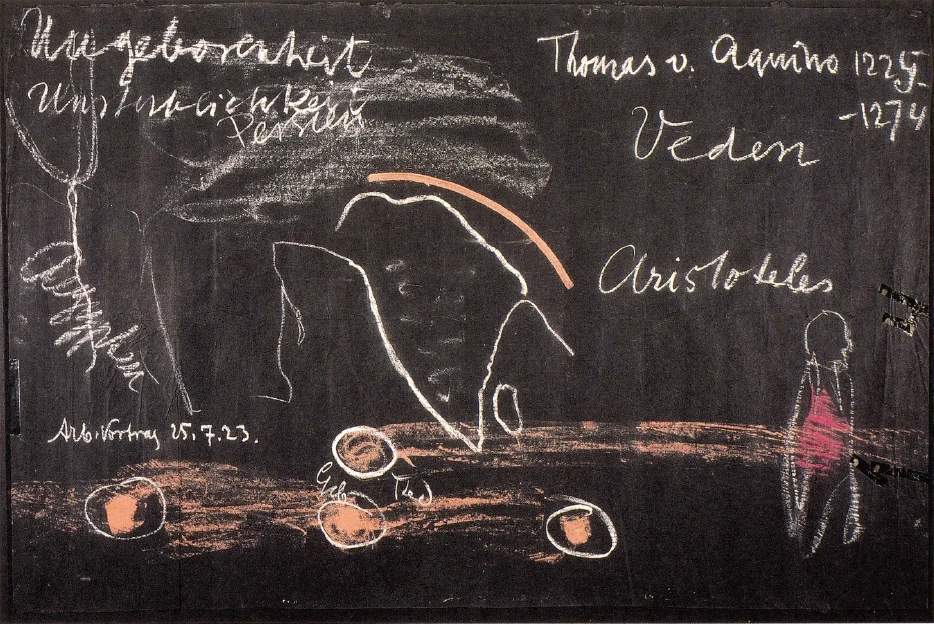
[ 12 ] Certainly, we have seen that life after death is assured for human beings, but in the past, before the Egyptians arrived, people did not think about immortality nearly as much. Why? Because it was a matter of course for them. If they knew that they had come down from a spiritual world and had merely taken on a physical body, then they did not doubt at all that after death they would arrive in a spiritual world. But here in Egypt, where people had already thought less about their existence in the spiritual realm before earthly life, the Egyptians developed this immense fear of dying. This immense fear of dying is actually not much older than three or four thousand years. The Indians and the Persians had no fear of death. So one can actually prove that the Egyptians did indeed have this terrible fear of dying. For, you see, if they hadn’t had this hopeless fear of dying, then the English and others wouldn’t be able to go to Egypt today and display the mummies in their museums! For back then, people were embalmed using all sorts of ointments and substances. They placed the person in the coffin and preserved them exactly as they had appeared in life. People were embalmed and turned into mummies because it was believed that if the body were kept intact, the soul would remain present as long as the body still existed on earth. — The body was preserved so that the soul would not suffer any harm. You see, this is the fear of dying. So the Egyptians sought with all their might to achieve immortality through earthly matter. Yet these Egyptians still possessed an extraordinary amount of knowledge that was later completely lost.
[ 13 ] Und das nächste Volk, das uns besonders auffällt, das ist dann etwas im Norden von Ägypten, in Griechenland, im heutigen Griechenland. Aber das alte Griechenland war ganz anders. Sehen Sie, die Griechen, die haben nun schon fast ganz vergessen gehabt das Leben vor der Geburt. Nur einzelne Leute in besonders hohen Schulen, die man Mysterien nannte, die wußten noch davon. Aber im ganzen war in der griechischen Zivilisation das geistige Leben vor der Geburt schon ganz vergessen, und die Griechen haben das Erdenleben am allermeisten geliebt. Und deshalb ist in Griechenland auch ein Philosoph aufgetaucht, Aristoteles heißt er, im 4. Jahrhundert vor der christlichen Zeitrechnung. Sie sehen, jetzt kommen wir schon an die christliche Zeitrechnung heran. Aristoteles, der hat zuerst eine Ansicht aufgestellt, die früher gar nicht vorhanden war. Er hat nämlich die Ansicht aufgestellt: Nicht nur der Leib des Menschen wird geboren, wenn ein Kind geboren wird, sondern auch die Seele des Menschen wird geboren. — Also in Griechenland taucht zuerst die Ansicht auf, daß die Seele des Menschen mit dem Leib geboren wird, dann aber unsterblich ist, also durch den Tod geht und in der geistigen Welt weiterlebt. Nur hat Aristoteles dann eine eigentümliche Ansicht aufgestellt. Aristoteles hat eigentlich schon alles vergessen gehabt, was Weisheit in alten Zeiten war, und er hat dann die Ansicht aufgestellt: Die Seele wird zugleich mit dem Leib geboren. Wenn aber der Mensch stirbt, so bleibt die Seele so, daß sie nur das eine Erdenleben hinter sich hat. Da muß sie ewig nur auf das zurückschauen, was das eine Erdenleben ist.
[ 13 ] And the next people who particularly catch our attention are those a little north of Egypt, in Greece—in what is now Greece. But ancient Greece was quite different. You see, the Greeks had by then almost completely forgotten about life before birth. Only a few individuals in particularly advanced schools, known as the Mysteries, still knew about it. But on the whole, in Greek civilization, spiritual life before birth had already been completely forgotten, and the Greeks loved earthly life above all else. And that is why a philosopher emerged in Greece—his name was Aristotle—in the 4th century B.C. As you can see, we are now approaching the Christian era. Aristotle was the first to put forward a view that had not existed before. He proposed the view that when a child is born, not only is the human body born, but the human soul is also born. — So in Greece, the view first emerged that the human soul is born with the body, but is then immortal—that is, it passes through death and continues to live in the spiritual world. However, Aristotle then put forward a peculiar view. Aristotle had, in fact, already forgotten everything that constituted wisdom in ancient times, and he then proposed the view that the soul is born at the same time as the body. But when a person dies, the soul remains in such a state that it has only that one earthly life behind it. Thus, it must eternally look back only on what that one earthly life was.
[ 14 ] Denken Sie sich, was das für eine schreckliche Ansicht ist! Wenn also irgendeiner auf der Erde Schlechtes getan hat, so ist er in alle Ewigkeit nicht fähig, das irgendwie auszubessern, sondern muß immer zurückschauen, muß immer sehen das Bild, was er da Schlechtes gemacht hat. Das ist die Ansicht von Aristoteles.
[ 14 ] Just imagine what a terrible sight that is! So if anyone on earth has done something wrong, he will be unable to make amends for it in any way for all eternity, but must always look back, must always see the image of the wrong he has done. That is Aristotle’s view.
[ 15 ] Dann ist das Christentum gekommen. In den allerersten Jahrhunderten hat man das Christentum ein wenig verstanden. Als aber dann das Römische Reich das Christentum aufgenommen hat und in Rom sich das Christentum festgesetzt hat, hat man dort das Christentum nicht mehr verstanden. Man hat es nicht verstanden.
[ 15 ] Then Christianity came along. In the very first centuries, people understood Christianity to some extent. But once the Roman Empire adopted Christianity and it took root in Rome, people there no longer understood it. They didn’t understand it.
[ 16 ] Nun gab es gerade innerhalb des Christentums immer Konzilien. Da sind die hohen Würdenträger der Kirche zusammengekommen und haben festgestellt, was die große Herde der Gläubigen zu glauben hat. Nicht wahr, da bildete sich die Ansicht: Es gibt Hirten und Schafe, und die Hirten haben dann auf den Konzilien festgesetzt, was die Schafe zu glauben haben. — Am achten dieser Konzile wurde nun festgelegt durch die Hirten für die Schafe, daß es ketzerisch sei, zu glauben, daß der Mensch vor seiner Geburt in der geistigen Welt gelebt habe. Also die alten Ansichten des Aristoteles, die wurden dann christliches Kirchendogma! Und dadurch wurde die Menschheit geradezu gezwungen, nichts zu wissen, gar nicht daran zu denken, daß der Mensch mit einer Seele aus der geistigen Welt heruntergekommen ist. Es wurde ihnen verboten.
[ 16 ] Now, within Christianity in particular, there have always been councils. There, the high-ranking dignitaries of the Church gathered and determined what the great flock of believers must believe. Isn’t that right? That’s how the view took shape: there are shepherds and sheep, and the shepherds then decreed at the councils what the sheep were to believe. — At the eighth of these councils, the shepherds decreed on behalf of the sheep that it was heretical to believe that a human being had lived in the spiritual world before birth. So the old views of Aristotle became Christian church dogma! And as a result, humanity was virtually forced to know nothing, not even to think about the fact that human beings came down from the spiritual world with a soul. It was forbidden to them.
[ 17 ] Wenn heute die Materialisten sagen: Die Seele wird mit dem Körper geboren und ist nichts anderes als Körperliches —, dann ist das nichts anderes als das, was die Leute gelernt haben von der Kirche. Das ist es eben, daß die Menschen heute glauben, sie kommen über die Kirche hinaus, wenn sie Materialisten sind. Nein, die Menschen wären nie Materialisten geworden, wenn die Kirche nicht abgeschafft hätte die Erkenntnis vom Geist. Denn auf diesem achten allgemeinen, ökumenischen Konzil in Konstantinopel ist eben der Geist durch die Kirche abgeschafft worden, und das ist dann geblieben das ganze Mittelalter hindurch. Erst jetzt muß man durch Geisteswissenschaft wiederum darauf kommen, daß der Mensch als Seele eben auch da war, bevor er auf der Erde war. Das ist das Wichtige, das ist das ungeheuer Wichtige.
[ 17 ] When materialists today say, “The soul is born with the body and is nothing other than something physical,” this is nothing other than what people have learned from the Church. This is precisely why people today believe they are transcending the Church by being materialists. No, people would never have become materialists if the Church had not abolished the knowledge of the spirit. For it was precisely at this eighth general, ecumenical council in Constantinople that the spirit was abolished by the Church, and this state of affairs persisted throughout the entire Middle Ages. Only now, through spiritual science, must we once again come to realize that human beings, as souls, existed even before they were on Earth. That is what is important; that is what is immensely important.
[ 18 ] Wer die Menschheitsentwickelung auf der Erde verfolgt, der sieht ganz klar ein: Ursprünglich war das Wissen davon da, daß die Menschen, bevor sie zur Erde heruntersteigen, in einem geistigen Dasein sind. — Das ist nur nach und nach vergessen und später sogar durch Konzilbeschluß abgeschafft worden.
[ 18 ] Anyone who follows the development of humanity on Earth can see quite clearly: Originally, there was knowledge that human beings exist in a spiritual state before they descend to Earth. — This was only gradually forgotten and later even abolished by a council decision.
[ 19 ] Nun muß man sich nur klar werden, was das bedeutet. Denken Sie sich einmal, die Menschen, die gelebt haben bis zu den Ägyptern hin, also in alten Jahrtausenden, die haben gewußt: Bevor du auf dieser Erde hier herumgewandelt bist, bist du in der geistigen Welt gewesen. — Ja, die haben nicht nur heruntergebracht aus der geistigen Welt so ein allgemeines verschwommenes Wissen, sondern die haben heruntergebracht aus der geistigen Welt das Bewußtsein, da haben sie mit anderen Wesen gelebt. Und davon haben sie heruntergebracht auch ihre sittlichen Antriebe. Was ich auf der Erde tun soll, das sehe ich aus dem, wie diese Erdendinge sind, haben diese alten Leute gesagt; was ich sonst tun soll, da brauche ich mich ja nur zu erinnern an das, was vor der Geburt war. Sie haben ihre sittlichen Impulse von der geistigen Welt heruntergebracht. Sehen Sie, wenn man die Menschen in diesen alten Zeiten gefragt hat: Was ist gut? Was ist böse? — dann sagten die: Gut ist dasjenige, was die Wesen, unter denen ich war, bevor ich auf der Erde war, wollen; böse ist das, was die nicht wollen. — Das hat aber jeder einzelne sich gesagt. Jetzt, meine Herren, hat man das vergessen.
[ 19 ] Now we just need to understand what that means. Just imagine: the people who lived up until the time of the Egyptians—that is, in ancient millennia—knew this: Before you walked the earth here, you were in the spiritual world. — Yes, they didn’t just bring down from the spiritual world some general, vague knowledge; rather, they brought down from the spiritual world the awareness that they had lived there with other beings. And from that, they also brought down their moral impulses. “What I am to do on Earth, I can see from the nature of earthly things,” these ancient people said; “as for what else I am to do, I need only remember what was before my birth.” They brought their moral impulses down from the spiritual world. You see, when people in those ancient times were asked, “What is good? What is evil?”—they would say: “Good is whatever the beings among whom I lived before I came to Earth want; evil is whatever they do not want.”—But each individual said this to themselves. Now, gentlemen, this has been forgotten.
[ 20 ] In Griechenland, da gab es nun etwas sehr Merkwürdiges. In Griechenland hat man soweit vergessen, daß es ein Leben vor der Geburt gibt, daß der Aristoteles gesagt hat: Die Seele wird mit dem physischen Körper geboren. — Die Leute haben also gar keine Ahnung mehr davon gehabt, daß sie vor der Geburt schon gelebt haben. Aber sie haben etwas gespürt in sich von diesem Leben. Nicht wahr, ob man etwas weiß oder nicht weiß, das hat ja für die Wirklichkeit keinen Einfluß. Ich kann immerzu sagen: Hier hinter mir ist kein Tisch, ich sehe keinen Tisch [stößt im Zurückgehen an den Tisch an] —, aber der Tisch ist doch da, wenn ich ihn auch nicht sehe. Das Leben vor der Geburt blieb eben doch da, und die Menschen spürten es in sich. Und das fing man an in Griechenland das Gewissen zu nennen. In Griechenland kommt etwa im 5. Jahrhundert vor der christlichen Zeitrechnung zuallererst das Wort Gewissen auf. Vorher gab es das Wort Gewissen nicht. Also das Wort Gewissen kommt davon her, daß die Leute vergessen haben das vorgeburtliche Leben, das vorirdische Leben, und dem, was sie davon noch gespürt haben in sich, dem haben sie ein Wort gegeben. Und seit jener Zeit ist das so geblieben. Die Menschen spüren in sich das vorgeburtliche Leben, aber sie sagen: Nun ja, das ist halt so; das entsteht da unten irgendwo und dann schießt es herauf — aber sie kümmern sich nicht weiter darum.
[ 20 ] In Greece, something very strange had happened. In Greece, people had forgotten to such an extent that there is a life before birth that Aristotle said: “The soul is born with the physical body.” — So people no longer had any idea at all that they had already lived before birth. But they sensed something within themselves of this life. Isn’t it true that whether one knows something or not has no bearing on reality? I can keep saying: “There’s no table behind me; I don’t see a table” [bumps into the table while stepping back]—but the table is still there, even if I can’t see it. Life before birth remained there after all, and people sensed it within themselves. And in Greece, people began to call this the “conscience.” In Greece, around the 5th century B.C., the word “conscience” first appeared. Before that, the word “conscience” did not exist. So the word “conscience” stems from the fact that people had forgotten prenatal life—life before birth—and they gave a name to what they still sensed of it within themselves. And it has remained that way ever since. People sense their prenatal life within themselves, but they say: “Well, that’s just the way it is; it arises somewhere down there and then shoots up—but they don’t give it any further thought.”
[ 21 ] Sehen Sie, das war gut für die Kirche. Denn was konnte denn jetzt geschehen von der Kirche? Ja, meine Herren, früher, wo jeder gewußt hat, daß er gelebt hat als Seele, bevor er auf die Erde heruntergestiegen ist, da haben die Leute gesagt: Sittlich ist das, was wir wissen von unserem früheren Leben, von dem vorirdischen Leben. — Jetzt spürten die Griechen nur das Gewissen. Und dann kam später die Kirche, die verwaltete nun das Gewissen. Nicht wahr, die fing die Sache auf und sagte: Ihr wißt ja nicht, was ihr tun sollt. Das wissen nicht die Schafe, das wissen die Hirten! — Und sie machte Vorschriften und verwaltete das Gewissen.
[ 21 ] You see, that was good for the Church. For what could the Church possibly do now? Yes, gentlemen, in the past, when everyone knew that they had lived as souls before descending to Earth, people used to say: “What is moral is what we know from our previous life, from our pre-earthly life.” — Now the Greeks felt only their conscience. And then later came the Church, which took charge of the conscience. Isn’t that right? It took up the matter and said: “You don’t know what you’re supposed to do. The sheep don’t know that—the shepherds do!” — And it laid down rules and administered the conscience.
[ 22 ] Sehen Sie, man brauchte das schon, daß man auf einem Konzil den Geist abschaffte, denn dann konnte man das, was dem Menschen vom Geiste geblieben war als Gewissen, eben verwalten. Und dann hat die Kirche gesagt: Nein, nichts ist vom Menschen dagewesen, bevor er auf der Erde da war. Die Seele ist mit dem Körper geboren. Wer das nicht glaubt, ist des Teufels. Aber wir, als Kirche, wir wissen, wie es in der geistigen Welt ausschaut und was der Mensch auf Erden zu tun hat. — Dadurch hat sich die Kirche des Gewissens bemächtigt.
[ 22 ] You see, it was necessary to abolish the spirit at a council, because then they could control what remained of the spirit in human beings—namely, the conscience. And then the Church said: No, nothing existed in human beings before they were here on earth. The soul is born with the body. Anyone who does not believe this is of the devil. But we, as the Church, know what the spiritual world is like and what human beings are meant to do on earth. — In this way, the Church has taken control of the conscience.
[ 23 ] Das kann man noch im einzelnen nachweisen. Denn sehen Sie, das hat ja noch bis ins 19. Jahrhundert hineingespielt, hat hineingespielt manchmal in einer ganz furchtbaren Weise. Da gab es zum Beispiel in den dreißiger, vierziger Jahren des vorigen Jahrhunderts, des 19. Jahrhunderts, in Prag einen Menschen, der hieß Smetana. Dieser Mensch war der Sohn eines katholischen Kirchendieners, der selbstverständlich ein frommer Katholik war. Der war der Empfindung, daß man dasjenige zu glauben hat, was die Kirche vorschreibt; von der geistigen Welt weiß man dasjenige, was die Kirche vorschreibt. Nun hatte er einen Sohn. Die Menschen waren dazumal etwas ehrgeizig und haben ihre Kinder auf das Gymnasium geschickt. Aber in den Gymnasien, die in Prag waren im vorigen Jahrhundert, da lernte man nicht eigentlich sehr viel. Man lernte im Grunde genommen recht wenig. So wurde denn der junge Smetana im Gymnasium aufgezogen. Und das war eben einmal so: Derjenige, der überhaupt etwas lernen sollte, der wurde dann Priester. So wurde auch der junge Smetana Priester. Dazumal war es ja in Prag und auch im übrigen Österreich so, daß man auch die hohen Schulen mit Priestern als Lehrer besetzte. Und so kam er nun dazu, daß er, als er selber zu lehren hatte, etwas andere Bücher las als diejenigen, die ihm als Priester von der Kirche vorgeschrieben waren. Ja, dadurch kam er allmählich in Zweifel hinein, namentlich über ein Dogma. Er sagte sich: Was ist das doch eigentlich Fürchterliches, daß der Mensch geboren werden soll, sein Erdenleben zubringt, nachher durch den Tod geht und nun, wenn er ein schlechter Kerl war, ewig nur anschauen soll — die Kirche malte das ja noch mit den nötigen Bildern aus — dasjenige, was er als schlechter Kerl auf der Erde vollbracht hat und niemals die Möglichkeit haben sollte, sich zu verbessern!
[ 23 ] This can still be demonstrated in detail. You see, this continued to play a role well into the 19th century—sometimes in a truly terrible way. For example, in the 1830s and 1840s, there was a man in Prague named Smetana. This man was the son of a Catholic sexton, who was, of course, a devout Catholic. He believed that one must believe what the Church prescribes; one knows about the spiritual world only what the Church prescribes. Now he had a son. People back then were somewhat ambitious and sent their children to high school. But in the high schools that existed in Prague in the 19th century, one didn’t actually learn very much. Basically, one learned quite little. So the young Smetana was educated at high school. And that was simply the way it was: whoever was supposed to learn anything at all would then become a priest. And so the young Smetana also became a priest. Back then, in Prague and throughout the rest of Austria, secondary schools were staffed with priests as teachers. And so it came to pass that, when he himself had to teach, he read books other than those prescribed to him by the Church as a priest. Yes, this gradually led him to doubt, particularly regarding one dogma. He asked himself: What is this truly dreadful thing—that a person is to be born, spend his life on earth, then die, and now, if he was a bad person, be condemned to eternally witness—the Church, of course, illustrated this with the appropriate imagery—the very deeds he committed as a bad person on earth, without ever having the chance to improve himself!
[ 24 ] Nun, sehen Sie, dieser Mann, Smetana, hat in einem Ordenshaus gewohnt. Aber als er Lehrer geworden ist, wurde es ihm etwas zu eng im Ordenshaus; da hat er eine weltliche Wohnung bezogen, hat immer mehr und mehr — es waren ja dazumal noch keine anthroposophischen Bücher vorhanden — die Bücher von Hegel, Schelling und so weiter gelesen, die wenigstens etwas, einen Anfang von etwas Vernünftigem gaben. Da ist er immer mehr und mehr in Zweifel hineingekommen über die sogenannte Ewigkeit der Höllenstrafe, denn ein schlechter Kerl geht nach Aristoteles durch den Tod und muß ewig in seiner Schlechtigkeit leben. Daraus ist aber die Lehre von der Ewigkeit der Höllenstrafe entstanden, die dann durch die Kirche konzilmäßig festgesetzt wurde. Diese Lehre ist natürlich keine christliche, sondern diese Lehre ist diejenige des Aristoteles. Es ist gar nicht wahr, daß das eine christliche Lehre ist, diese Lehre von der Höllenstrafe; die ist von Aristoteles. Aber das war ja den Leuten nicht klar.
[ 24 ] Well, you see, this man, Smetana, used to live in a monastery. But when he became a teacher, the monastery began to feel a bit too confining for him; so he moved into a secular apartment and, since there were no anthroposophical books available at the time, read more and more of the works of Hegel, Schelling, and so on, which at least offered something—a glimmer of something rational. He began to have more and more doubts about the so-called eternity of hellish punishment, for according to Aristotle, a wicked person passes through death and must live eternally in his wickedness. From this, however, arose the doctrine of the eternity of hellish punishment, which was then established by the Church through the councils. This doctrine is, of course, not a Christian one; rather, it is that of Aristotle. It is not at all true that this doctrine of hellish punishment is a Christian one; it comes from Aristotle. But that was not clear to people.
[ 25 ] Diesem Smetana aber wurde es klar. Da hat er nun angefangen erwas zu lehren, was nicht ganz stimmte mit der Lehre der Kirche. 1848 war es gerade, da hat er etwas gelehrt, was nicht ganz stimmte. Da bekam er zunächst eine furchtbare Verwarnung, einen riesigen lateinisch geschriebenen Brief, in dem ihm bedeutet wurde, er solle nun reuig zurückkehren in den Schoß der Kirche, denn es hätte ungeheures Ärgernis erregt bei den Hirten, daß er die Schafe etwas lehrte, was nicht von den Hirten vorgeschrieben ist. Auf diesen ersten lateinisch geschriebenen Brief hat er noch geantwortet, daß er es für eine Heuchelei halte, etwas anderes zu sagen als dasjenige, wovon man überzeugt ist. Da kam ein zweiter lateinischer Brief, der ihn noch ernsthaftiger verwarnte. Und als er diesen nicht mehr beantwortete, denn es hätte keinen Zweck gehabt, da wurde eines Tages in allen Kirchen in Prag angekündigt, daß eine sehr wichtige Feier stattfinden solle, weil eines der verlorenen Schafe, das sogar ein Hirte geworden war, aus der Kirche ausgeschlossen werden müsse.
[ 25 ] But it became clear to Smetana. So he began teaching something that wasn’t entirely in line with Church doctrine. It was in 1848, to be exact, that he taught something that wasn’t quite right. He first received a severe warning—a lengthy letter written in Latin—in which he was told that he should now return repentantly to the bosom of the Church, for it had caused immense scandal among the shepherds that he was teaching the sheep something not prescribed by the shepherds. He replied to this first letter, written in Latin, saying that he considered it hypocrisy to say anything other than what one is convinced of. Then a second letter in Latin arrived, warning him even more sternly. And when he no longer replied to this one—since it would have served no purpose—it was announced one day in all the churches in Prague that a very important ceremony was to take place, because one of the lost sheep, who had even become a shepherd, had to be expelled from the Church.
[ 26 ] Zu denjenigen, die dazumal überall die Zettel verteilen mußten, daß diese wichtige Feier stattfinden solle, gehörte auch der Kirchendiener, der alte Smetana, der Vater. Der war nun ein frommer Katholik geblieben. Sie können sich nun denken, was das bedeutet, daß ganz Prag zusammengerufen worden ist, um den Sohn Smetanas zu verdammen, daß er ewig ausgeschlossen werden soll aus der Kirche und so weiter, ihn zu verdammen, und der Vater mußte selber die Zettel herumtragen! Ja, es war niemals in Prag die Kirche so voll als an diesem Tag. Alle Kirchen in Prag waren ganz voll. Und da wurde von allen Kanzeln verkündet, daß der abtrünnige Smetana von der Kirche ausgestoßen wird.
[ 26 ] Among those who had to go around everywhere at the time handing out flyers announcing that this important celebration was to take place was the sexton, old Smetana, the father. He had remained a devout Catholic. You can imagine what that meant—that all of Prague had been summoned to condemn Smetana’s son, to excommunicate him from the Church for all eternity, and so on, to condemn him—and the father himself had to carry the flyers around! Yes, the churches in Prague had never been as full as they were on that day. All the churches in Prague were completely full. And from every pulpit it was proclaimed that the apostate Smetana was being excommunicated from the Church.
[ 27 ] Die Folge davon war — natürlich lag der Keim zur Lungensucht in der Familie der Smetana —, daß zuerst die Schwester aus Gram starb, nachher starb der alte Vater aus Gram, und nachher starb Smetana selber nach kurzer Zeit aus Gram, aus Leid. Aber darauf kam es ja nicht an, nicht wahr, sondern es kam darauf an, daß Smetana nicht mehr die Geschichte von der Ewigkeit der Höllenstrafe verkündete, wie er sie auffaßte.
[ 27 ] The result was—and of course the predisposition to tuberculosis ran in the Smetana family—that first his sister died of grief, then his elderly father died of grief, and shortly thereafter Smetana himself died of grief, of sorrow. But that wasn’t the point, was it? The point was that Smetana no longer preached the doctrine of eternal damnation in hell, as he had understood it.
[ 28 ] Das hängt alles zusammen mit der Entwickelung der Gewissensidee der Menschheit. Denn dasjenige, was der Mensch eben behält von dem Leben vor dem Irdischen, das lebt in ihm und spricht in ihm als Gewissen. Und vom Gewissen aus kann man sich sagen: Das Gewissen, das kann nicht aus dem Stoff der Erde kommen. — Denn denken Sie sich einmal, irgendeiner, sagen wir, hat ein furchtbares Gelüste. Das hat es ja schon gegeben. Dann sind es die Stoffe in seinem Leib, die Stoffe der Erde, die ihn drängeln und zwicken, daß er zu diesem Gelüste kommt. Dann sagt ihm das Gewissen:Du mußt aber diese Gelüste bekämpfen. — Ja, meine Herren, das wäre doch geradeso, wenn das Gewissen auch aus dem Körper noch käme, als wenn irgend jemand zu gleicher Zeit vorwärts und rückwärts gehen sollte. Es ist ja unsinnig, zu sagen, das Gewissen komme aus dem Leib. Das Gewissen ist eben mit dem, was wir herunterbringen vom vorirdischen Leben aus der geistigen Welt, wenn wir da zur Erde heruntersteigen, verbunden. Aber so wie ich es Ihnen dargestellt habe, ist eben das Bewußtsein, daß das Gewissen aus der geistigen Welt stammt, für die Erdenmenschen verlorengegangen, und bei solchen Menschen, wie dem Smetana, von dem ich Ihnen vorhin erzählt habe, ist es eben im 19. Jahrhundert durch diese furchtbare Sache von der Höllenstrafe wiederum aufgedämmert. Das Gewissen gehört dem Menschen selber an. Der Mensch trägt das Gewissen in sich. Was hülfe einem denn all das Gewissen, das man in sich trägt, wenn man durch den Tod durchgehen würde und dann ewig sehen würde, was man für ein schlechter Kerl gewesen ist? Man könnte sich ja da nicht helfen. Daß man Gewissen hat, hätte ja dann keine Bedeutung!
[ 28 ] All of this is connected to the development of humanity’s concept of conscience. For whatever a person retains from life before coming to Earth lives within them and speaks through them as conscience. And from the perspective of conscience, one can say: Conscience cannot come from the substance of the Earth. — Just imagine, for example, that someone has a terrible craving. Such things have certainly happened before. Then it is the substances in his body—the substances of the earth—that urge and prod him toward this craving. Then his conscience tells him: “But you must fight these cravings.” — Yes, gentlemen, that would be just as absurd as if the conscience still came from the body, as if someone were to walk forward and backward at the same time. It is, after all, nonsensical to say that the conscience comes from the body. The conscience is connected to what we bring down from our pre-earthly life in the spiritual world when we descend to Earth. But as I have described to you, the awareness that the conscience originates in the spiritual world has been lost to people on Earth, and for people like Smetana, whom I told you about earlier, this awareness dawned anew in the 19th century through that terrible notion of hellish punishment. Conscience belongs to the human being himself. The human being carries his conscience within himself. What good would all that conscience one carries within oneself do if, upon passing through death, one were then to see for all eternity what a wretched person one had been? One could do nothing about it there. The fact that one has a conscience would then be meaningless!
[ 29 ] So daß man sagen kann: Wenn das der Mensch ist (es wird gezeichnet), so lebt in dem Menschen das Gewissen. Das Gewissen ist dasjenige, was er aus der geistigen Welt ins Erdenleben mit hereingebracht hat. Das Gewissen sagt in ihm: Das hättest du nicht tun sollen, und das hättest du nicht tun sollen. — Der irdische Mensch sagt: Das will ich tun, das wünsche ich. — Das Gewissen spricht anders, weil das Gewissen aus dem ewigen Menschen kommt. Und dann, wenn der Mensch den physischen Leib abgelegt hat, dann merkt er erst: Du bist ja selber das, was in deinem Gewissen immer gesprochen hat. Das hast du nur nicht bemerkt während der Zeit des Erdenlebens. Jetzt bist du durch den Tod gegangen. Jetzt bist du dein eigenes Gewissen geworden. Das Gewissen ist jetzt dein Leib. Früher hast du kein Gewissen gehabt. Jetzt hast du dein Gewissen, mit dem lebst du nach dem Tode weiter.
[ 29 ] So one can say: If this is the human being (as depicted), then conscience lives within that person. Conscience is what the person has brought with them from the spiritual world into earthly life. Conscience says within them: You shouldn’t have done that, and you shouldn’t have done that. — The earthly human being says: “That is what I want to do; that is what I desire.” — The conscience speaks differently, because the conscience comes from the eternal human being. And then, when the human being has shed the physical body, only then does he realize: “You yourself are, in fact, what has always spoken within your conscience. You simply did not notice this during your earthly life.” Now you have passed through death. Now you have become your own conscience. Your conscience is now your body. Before, you had no conscience. Now you have your conscience, and with it you continue to live after death.
[ 30 ] Aber dem Gewissen muß man auch einen Willen zuschreiben. Sehen Sie, alle die Sachen, die ich Ihnen gesagt habe, haben sich zugetragen. Die Griechen hatten vergessen das vorirdische Leben. Die Kirche hatte zum Dogma erhoben, daß man nicht glauben darf, daß es ein vorirdisches Leben gibt. Das Gewissen ist vollständig mißverstanden worden. Das alles hatte sich erfüllt. Und nun hat es natürlich fortdauernd auch große Gelehrte gegeben. Aber diese großen Gelehrten im Mittelalter, die standen ja unter dem Eindrucke: Ein vorirdisches Leben kann es nicht geben. Die Kirche verbietet, daran zu glauben.
[ 30 ] But one must also attribute a will to the conscience. You see, all the things I have told you have come to pass. The Greeks had forgotten about pre-earthly life. The Church had elevated to dogma the belief that one must not believe in a pre-earthly life. Conscience has been completely misunderstood. All of this had come to pass. And of course, there have always been great scholars. But these great scholars of the Middle Ages were under the impression that a pre-earthly life could not exist. The Church forbids belief in it.
[ 31 ] In diesem Zwiespalt stand zum Beispiel ein solcher Mensch wie Thomas von Aquino, der von 1225 bis 1274 gelebt hat. Der mußte sich als katholischer Priester dem anbequemen, was die katholische Kirche vorschreibt. Aber er war ein großer Denker. Und in bezug auf das, was ich Ihnen heute gesagt habe, mußte er also sagen: Wenn der Mensch stirbt, so hat er nur die Anschauung seines Erdenlebens, immer bis in alle Ewigkeit, niemals anders. Er schaut das an. — Was tut also Thomas von Aquino? Thomas von Aquino schreibt dem Menschen nur den Verstand zu für alle Ewigkeit, aber keinen Willen. Der Mensch muß das anschauen nach dem Tode, aber er kann nichts mehr daran ändern. Dadurch war Thomas von Aquino gerade einer der größten Aristoteliker des Mittelalters, daß er sagte: Wenn einer etwas Schlechtes getan hat auf Erden, muß er es ewig anschauen; wenn einer etwas Gutes getan hat, schaut er ewig das Gute an. — Also nur die Erkenntnis, nicht der Wille wurde der Seele zugeschrieben.
[ 31 ] A man like Thomas Aquinas, who lived from 1225 to 1274, found himself caught in this dilemma. As a Catholic priest, he had to conform to the teachings of the Catholic Church. But he was a great thinker. And in light of what I have told you today, he was thus compelled to say: When a person dies, they have only the vision of their earthly life, for all eternity, never anything else. They gaze upon it. — So what does Thomas Aquinas do? Thomas Aquinas attributes to the person only the intellect for all eternity, but no will. A person must contemplate this after death, but can no longer change anything about it. This is precisely what made Thomas Aquinas one of the greatest Aristotelians of the Middle Ages: he said, “If someone has done something bad on earth, they must contemplate it eternally; if someone has done something good, they will contemplate the good eternally.” — Thus, only cognition, not the will, was attributed to the soul.
[ 32 ] Das entspricht eben nicht der Wahrheit. Der Wahrheit entspricht es, daß man zwar anschaut nach dem Tode, was man war im Guten und im Bösen, aber daß man den Willen, die ganze Seelenkraft beibehält, um das zu ändern. So kommt es, daß man natürlich, wenn man sein Leben anschaut, sieht, wie es gewesen ist, dann in der geistigen Welt lebt und sieht, was hätte anders sein sollen. Dann kommt das von selber, daß man wieder herunter will, um das entsprechend auszubessern. Natürlich kommen dann wieder Fehler, aber dann kommen immer die folgenden Leben, und der Mensch erreicht ein Ziel der vollständigen Menschenentwickelung.
[ 32 ] That is simply not true. The truth is that, after death, one does indeed look back on what one was—both good and bad—but one retains the will, the full power of the soul, to change that. Thus, when one looks back on one’s life and sees how it was, one naturally lives in the spiritual world and sees what should have been different. Then the desire to return to the physical world arises spontaneously in order to make the necessary corrections. Of course, mistakes will be made again, but there will always be subsequent lives, and the human being will ultimately achieve the goal of complete human development.
[ 33 ] Wozu Thomas von Aquino noch genötigt war im Mittelalter, nur an die Erkenntnis zu glauben, nicht an den Willen, daran haben nun die Menschen im 19. Jahrhundert noch so gekrankt wie dieser Smetana. Dem ist nun zuzuschreiben, daß dann im 19. Jahrhundert andere Leute gekommen sind, die eine förmliche Wut gekriegt haben auf die Erkenntnis. Das stammte noch alles von dem Dogma der Höllenstrafe her; nur haben die Leute das nicht durchschaut. Schopenhauer zum Beispiel hat eine förmliche Wut gekriegt auf die Erkenntnis und hat nun dem Willen alles zugeschrieben. Ja, aber wenn man nun dem Willen wieder alles zuschreibt, dann ist dieser Wille zu dumm und töricht. Daher hat Schopenhauer dem dummen Willen die ganze Weltenschöpfung und alles zugeschrieben. Und diejenigen Menschen, die nachgedacht haben, kamen eben zu solchen furchtbaren inneren Konflikten, wie der Smetana in Prag gekommen ist. Solche gab es sehr viele; das ist nur ein ausgezeichnetes Beispiel, dessen Schwierigkeiten niedergeschrieben worden sind. Solche Menschen gab es viele.
[ 33 ] What Thomas Aquinas was still compelled to do in the Middle Ages—to believe only in knowledge, not in the will—is something that people in the 19th century still suffered from, just like Smetana. This is what led to the emergence in the 19th century of other people who developed a veritable rage against knowledge. All of this still stemmed from the dogma of hellish punishment; it’s just that people didn’t see through it. Schopenhauer, for example, developed a veritable rage against knowledge and attributed everything to the will. Yes, but if one then attributes everything to the will again, then this will is too stupid and foolish. That is why Schopenhauer attributed the entire creation of the world and everything else to the stupid will. And those people who reflected on these matters ended up facing such terrible inner conflicts as Smetana did in Prague. There were many such people; this is merely an excellent example whose struggles have been recorded. There were many such people.
[ 34 ] Und so müssen wir uns klar sein darüber: Der Mensch hat sein Gewissen als eine Erbschaft von seinem vorirdischen Leben. Da spricht der Geist in dem Gewissen. Das, was wir vor dem Erdenmenschen schon waren, das ist ins Fleisch eingetaucht und spricht im Gewissen. Und wenn wir den Leib abgelegt haben werden, dann wird die Seele im Gewissen nach dem Tode weiter sprechen, aber nicht ohnmächtig, sondern einen Willen haben und das ausbessern müssen, forttätig sein müssen.
[ 34 ] And so we must be clear about this: Human beings have their conscience as a legacy from their pre-earthly life. It is the spirit that speaks through the conscience. That which we were before we became earthly human beings has been immersed in the flesh and speaks through the conscience. And when we have cast off the body, the soul will continue to speak through the conscience after death—not powerlessly, but with a will of its own, and it will have to make amends and continue to act.
[ 35 ] Sehen Sie, das ist der Unterschied zwischen der Anthroposophie und zwischen alledem, was zum Beispiel heute in der christlichen Dogmatik enthalten ist. In der christlichen Dogmatik kennt man diese innere Kraft der menschlichen Seele, die da schaffen kann, nicht, sondern da stirbt der Mensch und kann nur ewig das anschauen, was er in dem einen Erdenleben gemacht hat, weil in dem einen Erdenleben die Seele mit dem Körper geboren wird. So daß man also, wenn man schematisch darstellen will, sagen muß: Wenn das ein Erdenleben des Menschen ist (obere Zeichnung, Kreis), so beginnt das auch mit der Seele, und wenn der Mensch nun stirbt — da ist Geburt, da Tod —, dann dehnt sich sein Seelenleben in alle Ewigkeit aus. Ich will nicht mehr, weil das ja zu teuer ist, mit meiner Zeichnung noch auf die zweite Tafel gehen, ich müßte sogar noch eine dritte haben! In alle Ewigkeit dehnt sich das aus: nur die Erkenntnis, nur der Verstand, der soll immer nur anschauen in alle Ewigkeit die Schlechtigkeit des Erdenlebens, weil ja der Verstand mitgeboren ist mit dem Physischen des Erdenlebens. Der erste Materialist war eigentlich der, der dieses Dogma festgesetzt hat, war eigentlich Aristoteles schon.
[ 35 ] You see, that is the difference between anthroposophy and everything contained, for example, in Christian dogmatics today. Christian dogmatics is unaware of this inner power of the human soul that is capable of creating; instead, the human being dies and can only eternally contemplate what they have done in that one earthly life, because in that one earthly life the soul is born with the body. So, if one wants to represent this schematically, one must say: If this is a human life on earth (upper diagram, circle), it also begins with the soul, and when the person dies—there is birth, there is death—then their soul life extends into all eternity. I don’t want to go on to the second board with my diagram, because that would be too much—I’d even need a third one! It extends into all eternity: only knowledge, only the intellect—it is meant to gaze forever and ever upon the wickedness of earthly life, because the intellect is born together with the physical aspect of earthly life. The first materialist was actually the one who established this dogma; it was, in fact, Aristotle.
[ 36 ] Nun, Anthroposophie findet, daß es nicht nur das eine Erdenleben gebe, sondern auch die aufeinanderfolgenden Erdenleben. Der Mensch hat immer vom vorhergehenden Erdenleben etwas übrigbehalten, das er ja nicht genau kennt, das aber in ihm sitzt: das ist das Gewissen. Jetzt legt er den Leib ab, in seinem Gewissen lebt er weiter. Da (untere Zeichnung, rot links) ist nun im Grunde bis zur nächsten Geburt lauter Gewissen. Jetzt (mittlerer Kreis) ist wieder Gewissen drinnen als eine Stimme, die spricht; jetzt (rot rechts) lebt es in der Außenwelt, ist wiederum da. — Und der Mensch ist eigentlich selber derjenige, der immer seine neuen Leben auf der Erde schafft. Allerdings, darüber ärgert sich natürlich diejenige Lehre ganz besonders, die dem Menschen gar nichts zuerkennen will, die alles nur so anschauen will, als wenn der Mensch ein Geschöpf wäre. Er ist nicht ein bloßes Geschöpf, sondern es sind Schöpferkräfte in ihm. Und das ist eben der Unterschied der Anthroposophie von den anderen Anschauungen, daß die Anthroposophie durch ihr Forschen herausbringt: Ja, diese Schöpferkräfte sind im Menschen, der Mensch ist auch schöpferisch. Er ist nicht bloß geschaffen, sondern er ist schöpferisch. Und zu zum Allerschöpferischsten in ihm gehört eben das Gewissen, denn das ist dasjenige, was uns wie eine heilige Erbschaft aus dem vorirdischen Leben geblieben ist und was wir wieder hinaustragen, wenn wir durch den Tod gehen.
[ 36 ] Well, anthroposophy holds that there is not just a single earthly life, but rather a succession of earthly lives. Human beings always retain something from their previous earthly life—something they do not know precisely, but which resides within them: this is the conscience. Now they shed their physical body, yet they live on in their conscience. There (lower illustration, red on the left) is essentially nothing but conscience until the next birth. Now (middle circle) conscience is present again as a voice that speaks; now (red on the right) it lives in the outer world, it is there once more. — And human beings are, in fact, the ones who always create their own new lives on Earth. Of course, this particularly irritates those schools of thought that refuse to acknowledge anything in the human being, that view everything as if the human being were merely a creature. The human being is not merely a creature; rather, there are creative powers within him. And this is precisely what distinguishes anthroposophy from other worldviews: through its research, anthroposophy reveals that: Yes, these creative powers are within the human being; the human being is also creative. The human being is not merely created; rather, the human being is creative. And among the most creative aspects within the human being is precisely the conscience, for this is what has remained to us as a sacred inheritance from our pre-earthly life—and what we carry forth again when we pass through death.
[ 37 ] Das ist geradezu eben das, was die moderne Wissenschaft noch immer von der Kirche hat, und gerade in diesem Punkte sollte man wirklich ganz genau sehen. Denn die Sache ist ja so gegangen: Da herüber nach Rom, da kam immer nur dasjenige, was logisch auf der einen Seite und materialistisch auf der anderen Seite war. Das haben dann die modernen Völker angenommen. Aber in der deutschen Sprache ist manchmal auf einem ganz anderen Weg noch ein Rest geblieben vom Alten, nur erkennt man es nicht wiederum. Das ist sehr merkwürdig. Darin erkennt man, wie der Mensch zusammenhängt mit den großen Ereignissen.
[ 37 ] That is precisely what modern science still derives from the Church, and it is precisely on this point that one really ought to look very closely. For this is how things went: Over here in Rome, only what was logical on the one hand and materialistic on the other ever made its way here. Modern peoples then adopted that. But in the German language, a remnant of the old has sometimes remained through a completely different path—only it is not readily recognized. This is very curious. In this, one can see how human beings are connected to great historical events.
[ 38 ] Wenn man heute diese Länder, die da oben in Asien liegen, anschaut — Sibirien —, so sind das eigentlich Gegenden, die sehr wenig bevölkert sind, aber sie waren einmal stark bevölkert. Da waren nur die Flüsse dort viel, viel mächtiger. Sibirien ist ein Land, das nach und nach ausgetrocknet ist, sich gehoben hat, und die Menschen sind dann nach Westen gezogen, nach Europa herüber. Das ist durch die Hebung von Sibirien entstanden. Und auf diese Weise sind viele Vorstellungen, die da in Asien waren, auf einem anderen Weg nach Europa hereingekommen, und diese Vorstellungen, die leben in den europäischen Sprachen weiter fort. Daher muß man sagen: Je weiter man nach Westen kommt, desto weniger ist diese Vorstellung vom Gewissen vorhanden. — Aber gerade das Wort Gewissen, das zeigt eben, daß man unter den Leuten, die das Wort Gewissen bildeten, ein Gefühl hatte: Da steckt etwas im Menschen. — Und was bedeutet eigentlich das Wort Gewissen? Was die Sache bedeutet, haben wir gerade gesagt: Es ist die Erbschaft von dem, was vorirdisches Leben ist, was im Menschentum drinnen bleibt. Aber das Wort Gewissen, was bedeutet es? Nicht wahr, wenn man das Erdenleben betrachtet und sich sagt: Die Ereignisse, die in zwei, drei Jahren sein werden, die sind unsicher, ungewiß, aber daß der Mensch in sich einen Geist hat, der vor seinem Erdendasein da war und der nach seinem Erdendasein bleibt, das ist gewiß. — Und mit dem Gewißsein hängt eben das Wort Gewissen auch zusammen, und es ist das Allergewisseste, was es geben kann. So daß also in dem Worte Gewissen schon hingedeutet ist auf dasjenige, was ewig ist im Menschen. Es ist sehr bedeutsam, daß Gewissen etwas anderes als Inhalt enthält, als zum Beispiel Conscience oder etwas ähnliches in den westlichen Gegenden. Conscience ist dasjenige, was «zusammengewußt» wird auf der Erde con-, conscience —, was sich zusammenballt aus dem Erdenwissen. Dasjenige, was aber als Gewissen im Menschen lebt und mit dem Wort Gewissen bezeichnet wird, das ist das Gewisseste, was es geben kann, was nicht unbestimmt, was ganz sicher ist. Und ganz sicher ist, daß der Mensch auf Erden nicht nur an ein Leben nach dem Tode glaubt — eine Ansicht, wie sie der Aristoteles und die Kirchengläubigen hatten —, sondern auch einen Willen entwickelt, es immer besser und besser zu gestalten, die Erde immer wieder und wiederum aus dem Geist besser und besser zu gestalten, daß also der Wille ebenso lebt nach dem Tode, wie die Erkenntnis lebt. Bei Thomas von Aquino hat nur die Erkenntnis bloß gelebt. Jetzt müssen wir uns klar sein, daß der Wille lebt. Sehen Sie, meine Herren, es ist schon so: Man braucht in der Tat durchaus nicht jemanden, der vor Jahrhunderten zu seiner Zeit ein gro 249
[ 38 ] If you look today at those countries up there in Asia—Siberia—they are actually regions that are very sparsely populated, but they were once densely populated. Back then, the rivers there were much, much more powerful. Siberia is a land that gradually dried up and rose, and the people then migrated westward, across to Europe. This was caused by the uplift of Siberia. And in this way, many concepts that existed in Asia found their way to Europe by a different route, and these concepts live on in the European languages. Therefore, one must say: The farther west one goes, the less this concept of conscience is present. — But the very word “conscience” shows that the people who coined it had a sense that there is something within the human being. — And what does the word “conscience” actually mean? We have just explained what it signifies: it is the legacy of pre-earthly life, which remains within humanity. But the word “conscience”—what does it mean? Isn’t it true that when one considers earthly life and says to oneself: The events that will take place in two or three years are uncertain and unpredictable, but the fact that human beings have within them a spirit that existed before their earthly existence and will remain after it—that is certain. — And the word “conscience” is precisely connected to this certainty; it is the most certain thing there can be. Thus, the word “conscience” already points to that which is eternal in the human being. It is very significant that “conscience” conveys a different meaning than, for example, “conscience” or similar terms in the West. “Conscience” is that which is “conscious together” on Earth—con-, conscience—that which coalesces from earthly knowledge. But that which lives as conscience within a human being and is designated by the word “conscience” is the most certain thing there can be—something that is not indefinite, but entirely certain. And it is absolutely certain that human beings on Earth not only believe in a life after death—a view held by Aristotle and the faithful of the Church—but also develop a will to shape it better and better, to shape the Earth again and again from the spirit in ever-improving ways, so that the will lives on after death just as knowledge lives on. For Thomas Aquinas, only knowledge lived on. Now we must be clear that the will lives on. You see, gentlemen, it is indeed the case: One certainly does not need someone who, centuries ago in his own time, was a great 249
[ 39 ] ßer Gelehrter war, wie Thomas von Aquino im 13. Jahrhundert, herunterzusetzen, weil er in der damaligen Zeit dieses gelehrt hat. Aber es ist etwas anderes, wenn der Thomas von Aquino dasjenige, was man im 13. Jahrhundert einzig und allein lehren konnte, damals gelehrt hat, als wenn man heute, wie es gerade jetzt wiederum geschieht in Paris, eine Thomas-Gesellschaft gründet, um dasselbe zu lehren, wie man es damals gelehrt hat, geradeso wie eben Leo XIII. für alle Priester und Gelehrten der katholischen Kirche geboten hat im 19. Jahrhundert, nur dasjenige zu sagen, was der Thomas von Aquino im 13. Jahrhundert gelehrt hat. Heute würde ja der Thomas das auch nicht mehr sagen! Und diese zwei Dinge stehen sich in der Welt gegenüber, so etwas wie in Paris eine Thomas-Gesellschaft, die die Menschen wiederum zurückführen will, und die Anthroposophie, die das Gegenwärtige lehrt, dasjenige, was ein gegenwärtiger Mensch ist. Und vor allen Dingen ist es wichtig, wenn man so etwas wie das Gewissen betrachtet, daß einen das stößt auf das Ewige im Menschen. Aber das Ewige kann man nicht richtig verstehen, wenn man nicht auch hinsieht auf das vorirdische Leben, wenn man bloß auf dasjenige hinsieht, was eigentlich erst seit der Ägypterzeit als das nachirdische Leben, als die sogenannte Unsterblichkeit entstanden ist.
[ 39 ] It is one thing to disparage a great scholar, such as Thomas Aquinas in the 13th century, simply because he taught what was accepted at that time. But it is quite another matter when Thomas Aquinas taught what was the only thing that could be taught in the 13th century, at that time, than if one were to found a Thomas Society today—as is happening once again right now in Paris—to teach the same things as were taught back then, just as Leo XIII commanded all priests and scholars of the Catholic Church in the 19th century to say only what Thomas Aquinas taught in the 13th century. After all, Thomas himself wouldn’t say that anymore today! And these two things stand in opposition to one another in the world: something like a Thomas Society in Paris, which seeks to lead people back to the past, and anthroposophy, which teaches what is present—that which a contemporary human being is. And above all, when one considers something like the conscience, it is important that this leads one to the eternal within the human being. But one cannot truly understand the eternal unless one also looks to pre-earthly life; if one looks only at what has actually emerged only since the time of the Egyptians as the afterlife, as so-called immortality.
[ 40 ] Sehen Sie, meine Herren, erst vor drei, vier Jahrtausenden haben die Menschen angefangen zu reden davon, daß sie unsterblich sind, daß sie also nicht mit der Seele sterben, wie der Leib stirbt. Vorher aber haben die Leute gesagt, sie seien auch nicht geboren als Seele, wie der Leib geboren wird. Sie hatten eine Wortbedeutung gehabt, die wir heute Ungeborenheit nennen müßten. Das war die eine Seite. Und die Unsterblichkeit ist die andere Seite. Nicht einmal die Sprachen haben heute mehr ein anderes Wort als Unsterblichkeit! Das Wort Ungeborenheit, das muß wiederum aufkommen. Dann wird man sagen: Das Gewissen ist dasjenige im Menschen, was nicht geboren ist und nicht stirbt. Dann wird man erst das Gewissen richtig schätzen können. Denn das Gewissen hat nur eine Bedeutung für den Menschen, wenn man es richtig schätzen kann.
[ 40 ] You see, gentlemen, it was only three or four millennia ago that people began to speak of being immortal—that is, that the soul does not die along with the body. Before that, however, people said that they were not born as a soul, just as the body is born. They had a concept that we would have to call “unbornness” today. That was one side of the coin. And immortality is the other side. Not even languages today have a word other than “immortality”! The word “unbornness” must be revived. Then people will say: Conscience is that part of the human being which is not born and does not die. Only then will it be possible to truly appreciate the conscience. For the conscience has meaning for human beings only if it can be properly appreciated.
[ 41 ] Nun, am Sonnabend dann, meine Herren, um neun Uhr weiter.
[ 41 ] Well, we'll continue on Saturday, gentlemen, at nine o'clock.