Human Responsibility for Global Development
Through Its Spiritual Connection
to the Earth and the Celestial Realm
GA 203
21 January 1921, Stuttgart
Translate the original German text into any language:
Versions Available:
Human Responsibility for Global Development, tr. SOL
Fünfter Vortrag
Fifth Lecture
[ 1 ] Unsere Betrachtungen in der Zeit, bevor ich abgereist bin und schon Wochen vorher, liefen alle darauf hinaus, zu zeigen, wie das, was wir Geisteswissenschaft nennen, in das wirkliche Leben übergehen, hineingreifen kann, wie das, was wir die Welt nennen, in einem gewissen innigen Zusammenhang steht mit dem, was wir innerlich im Menschen erleben. Und indem Sie diese Betrachtungen überblicken, die wir gerade über diese Sachen angestellt haben, bitte ich Sie, einmal sich gründlich die Frage vorzulegen, was es bedeuten würde für die Gesamtentwickelung der Menschheit, wenn die eindringlichsten, die bedeutsamsten Ergebnisse anthroposophisch orientierter Geisteswissenschaft eindringen würden in das Leben der sozial miteinander arbeitenden Menschen. Man würde wissen, daß der Mensch, indem er zu seinem Bewußtsein kommt im physischen Leib, in diesem physischen Leib etwas bewahrt, was hinweist auf die Zeiten vor der Geburt beziehungsweise vor der Empfängnis, daß er da in einem Zustande war, der die Begierde nach diesem Leben zwischen der Geburt und dem Tode in sich trug, der in sich trug die Empfindung davon, daß die Seele, die lange Zeit nur in geistigen Welten gelebt hat, das Anschauen der Welt durch die leiblichen Sinne, aber auch das Handeln aus dem physischen Leibe heraus braucht, um weiterzukommen.
[ 1 ] Our reflections in the time before I left—and even weeks before that—all boiled down to showing how what we call spiritual science can flow into and influence real life, and how what we call the world is intimately connected with what we experience inwardly within the human being. And as you survey these reflections we have just made on these matters, I ask you to thoroughly consider the question of what it would mean for the overall development of humanity if the most compelling, the most significant findings of anthroposophically oriented spiritual science were to permeate the lives of people working together in society. We would come to know that when a human being comes to consciousness in the physical body, they preserve within that physical body something that points to the times before birth or, rather, before conception; that they were then in a state that carried within them the longing for this life between birth and death, and that they carried within them the sense that the soul, having lived for a long time only in spiritual worlds, needs to perceive the world through the physical senses, but also to act from within the physical body, in order to progress.
[ 2 ] Dieses bewußte Hinblicken auf die Präexistenz der Seele würde gar nicht bloß, wenn es richtig verstanden würde, eine theoretische Ansicht bleiben, sondern es würde Gefühl und Wille ergreifen und damit unmittelbar eine Lebenskraft werden.
[ 2 ] This conscious reflection on the preexistence of the soul would not merely remain a theoretical view—if it were properly understood—but would take hold of our emotions and will, thereby immediately becoming a life force.
[ 3 ] Wir können es ja sehen an den Menschen der Gegenwart. Sie zeigen uns alle etwas von Mangel an Initiative im Großen. Dieser Mangel an Initiative im Großen, der so lähmend wirkt auf alle Kräfte, die notwendig sind, um das absteigende Leben wiederum zu einem Aufstieg zu bringen, diese Lähmung kann nur gebessert werden dadurch, daß der Mensch sich bewußt wird seiner Zugehörigkeit zur geistigen Welt. Das läßt sich aber nicht durch theoretische Erwägungen in die Seele hereinbringen, sondern allein durch die lebendige Anschauung desjenigen, was der Mensch war, bevor er heruntergestiegen ist in die physische Welt.
[ 3 ] We can see this in the people of today. They all reveal a certain lack of initiative on a grand scale. This lack of initiative on a grand scale, which has such a paralyzing effect on all the forces necessary to turn life’s downward course back into an ascent—this paralysis can only be remedied by human beings becoming aware of their connection to the spiritual world. However, this cannot be instilled in the soul through theoretical considerations, but only through a living perception of what human beings were before they descended into the physical world.
[ 4 ] Wenn das, was hinüberblickt über die Zeit, die der Mensch hier zwischen Geburt und Tod zubringt, nicht Gegenstand eines unbestimmten Glaubens ist, sondern wenn es Gegenstand eines hellen Wissens ist, dann wirkt es nicht so abstrakt im Menschen, wie heute das religiöse Bekenntnis wirkt, sondern konkret als unmittelbare Kraft im Menschen. Der Mensch arbeitet so, daß dies, was in seiner Arbeit liegt, über den Tod hinausreicht. Aber es wird dadurch, daß der Mensch solche Vorstellungen in sich aufnimmt, Leben hineingegossen in alles, was sonst der Mensch wissen kann.
[ 4 ] If what looks beyond the time a person spends here between birth and death is not the subject of an indefinite belief, but rather the subject of clear knowledge, then it does not affect people as abstractly as religious creeds do today, but rather concretely as an immediate force within them. Human beings work in such a way that what lies within their work extends beyond death. But by taking such ideas into themselves, human beings infuse life into everything else they can know.
[ 5 ] Bedenken Sie doch nur einmal, daß wir heute ein ausgebreitetes Naturwissen haben. In bezug auf das äußere Wissen müssen wir sagen: Die Menschheit ist ungeheuer fortgeschritten. Die letzten blutigen Jahre haben gezeigt, daß dieser Fortschritt die Menschheit nicht bessern konnte in moralischer Beziehung. Und eigentlich haben durchaus solche Menschen wie Wallace, auf den ich früher oftmals hingewiesen habe, wenn ich gerade das betonen wollte, Recht behalten, die gesagt haben: Wir haben einen ungeheuren Fortschritt in bezug auf die Erkenntnis der Außenwelt erlebt, aber in bezug auf die moralische Verfassung ist die Menschheit so wie in den Urzeiten, sie ist gar nicht fortgeschritten.
[ 5 ] Just consider for a moment that we now have extensive knowledge of nature. With regard to external knowledge, we must say: Humanity has made tremendous progress. The recent bloody years have shown that this progress has not been able to improve humanity in moral terms. And in fact, people like Wallace—whom I have often referred to in the past when I wanted to emphasize this point—have been proven right when they said: We have experienced tremendous progress in our understanding of the external world, but in terms of its moral condition, humanity remains as it was in primeval times; it has not progressed at all.
[ 6 ] Dieser Fortschritt muß heute in diesem historischen Zeitalter doch kommen, denn so wie die Menschen in ihrer Seelenverfassung jetzt sind, können sie nicht bleiben. Aber wie muß sich das vollziehen? Wie muß belebt werden die mehr theoretische Anschauung von der Welt? Nehmen Sie ein anscheinend grobes Beispiel. Wir benützen zum menschlichen Leben die Steinkohle. Wir wissen, diese Steinkohle bildet die Überreste alter Wälder, ist also im Grunde genommen pflanzliche Substanz. Wie hängt aber die pflanzliche Substanz, wie hängt die ganze Pflanzenwelt mit dem Menschen als solchem zusammen? — Wenn über wenige Jahrtausende hin ausgerechnet wird, wieviel Kohlensäure die Luft enthalten würde dadurch, daß wir Kohlensäure ausatmen, daß wir mit jedem Ausatmungszuge der Luft Kohlensäure abgeben, so ist das eine ungeheuer große Menge. Diese Kohlensäure würde im Laufe von Jahrtausenden die Menschheit dahinschwinden machen, sie würde das Leben tilgen. Aber die Pflanzen nehmen die Kohlensäure auf, scheiden den Kohlenstoff ab, machen ihren eigenen Leib aus dem, was sie aufnehmen aus den abgeschiedenen Produkten des Menschen, und die Pflanzen, die einstmals die Erde bedeckt haben, sie bilden wiederum das, was nun unsere Steinkohlenflöze, unsere Steinkohlenlager sind.
[ 6 ] This progress must surely come about today, in this historical era, for people cannot remain as they are now in their spiritual state. But how must this take place? How must the more theoretical view of the world be brought to life? Take what seems to be a crude example. We use coal for human life. We know that this coal consists of the remains of ancient forests; it is, therefore, essentially plant matter. But how is plant matter—how is the entire plant world—connected to human beings as such? — If we calculate over the course of a few millennia just how much carbon dioxide the air would contain as a result of our exhaling carbon dioxide—since we release carbon dioxide with every exhalation—the amount is immense. Over the course of millennia, this carbon dioxide would cause humanity to dwindle away; it would wipe out life. But plants absorb the carbon dioxide, release the carbon, and build their own bodies from what they take in—the waste products of human activity—and the plants that once covered the earth in turn form what are now our coal seams and coal deposits.
[ 7 ] Sie sehen, es ist eine merkwürdige Wanderung. Zunächst kommt mehr das Qualitative in Betracht; denn selbstverständlich sind von unserem Atmen nicht unsere Steinkohlen entstanden, sondern von anderen Wesen, aber es kommt dieses qualitativ in Betracht. Was wir gewissermaßen von uns ausscheiden, das bildet die Grundlage dessen, was wir wiederum von der Erde benutzen. So weit kann man denken nach den theoretischen Ergebnissen, zu denen die Naturwissenschaft gekommen ist.
[ 7 ] As you can see, it is a strange journey. First of all, the qualitative aspect comes into play; for, of course, our coal did not arise from our own breathing, but from that of other beings—yet this qualitative aspect is what matters. What we, so to speak, excrete forms the basis of what we, in turn, draw from the earth. This is as far as one can think based on the theoretical conclusions reached by the natural sciences.
[ 8 ] Geisteswissenschaft führt uns weiter. Ich erinnere Sie daran, wie ich Ihnen gesagt habe: Der Mensch legt seinen physischen Leib ab, indem er mit seinem Seelisch-Geistigen in geistige Welten geht. — Aber ich habe Ihnen auch gesagt: Dieser physische Leib, der abgelegt wird, bedeutet das, was die Erde wiederaufbaut.
[ 8 ] Spiritual science leads us further. I remind you of what I have told you: Human beings shed their physical bodies by entering the spiritual worlds with their soul-spiritual nature. — But I have also told you: This physical body that is shed is what rebuilds the Earth.
[ 9 ] So wie wir im Ausatmen der Pflanzenwelt die Kohle geben, so geben wir der ganzen Erde unseren Leib. Und das, was wir um uns herum sehen, ist durchaus das Produkt solcher Wesen, wie wir selber sind, solcher Wesen, die unsere Vorgänger waren während der Monden-, Sonnen-, Saturnzeit, den drei ersten vorirdischen Verkörperungen unseres Planetensystems. Sie haben der Erde das abgegeben, was heute diese ganze Erde bildet. Und wenn künftige Welten kommen werden, so wird das in ihnen leben von uns, was wir als unser Leibliches absondern. Es ist ein Gedanke von ungeheurer Tragweite, wenn man ihn verfolgt. Denn aus unserem Naturerkennen heraus, das sonst nur halb bleibt, gewinnen wir einen Zusammenhang des Menschen mit der ganzen Umwelt. Das ist außerordentlich wichtig, daß wir das gewinnen. Denn wenn wir das zusammennehmen, was wir unseren Betrachtungen zugrunde gelegt haben, so müssen wir uns sagen: In unserem ganzen Menschen, nicht bloß in unserem Denken, sondern in unserem ganzen Menschen bis in die äußerste Leiblichkeit hinein lebt das, was wir in unsere sittlichen Ideale hinein verarbeiten. Jene dualistische Anschauungsweise, welche keine Brücke schlagen kann zwischen dem natürlichen Weltbilde und der moralischen Weltordnung, kann sich auch nicht vorstellen, wie sich das, was wir in unseren moralischen Idealen haben, mit unseren Muskelvorgängen verbindet. Sieht man die Welt so an, wie wir es in den letzten Betrachtungen gemacht haben, dann sieht man, wie sich einverleibt das, was wir in unseren moralischen Idealen denken, in unsere leiblichen Vorgänge. Man sieht einheitlich verwoben die geistigen und die leiblichen Vorgänge.
[ 9 ] Just as we give carbon to the plant world through our exhalation, so do we give our bodies to the entire Earth. And what we see around us is indeed the product of beings such as ourselves—beings who were our predecessors during the Lunar, Solar, and Saturnian eras, the first three pre-earthly incarnations of our planetary system. They have imparted to the Earth what today constitutes the entire Earth. And when future worlds come into being, what we secrete as our physical substance will live on in them. It is a thought of immense significance when one follows it through. For from our understanding of nature—which otherwise remains only partial—we gain an understanding of the connection between the human being and the entire environment. It is extraordinarily important that we gain this insight. For when we take together what we have laid as the foundation for our reflections, we must say to ourselves: Within our entire being—not merely in our thinking, but in our entire being, right down to the outermost physicality—lives what we incorporate into our moral ideals. That dualistic view, which cannot bridge the gap between the natural worldview and the moral world order, cannot even conceive of how what we hold in our moral ideals connects with our muscular processes. If one views the world as we have done in our recent reflections, one sees how what we conceive in our moral ideals becomes embodied in our physical processes. One sees the spiritual and physical processes woven together as a unified whole.
[ 10 ] Diese Anschauungsweise müßte allgemein werden. Würde sie aufgenommen in unsere Kindererziehung, so würden Menschen heranwachsen, die nicht auf der einen Seite im Sinne der Kant-Laplaceschen Theorie eine Welt haben, welche aus Nebelzuständen heraus sich gebildet hat, aus denen sich Sterne und Sonnen und Planeten abgeballt haben, aus denen dann durch Zusammenschweißen von moralischwesenlosen Materien die Menschen sich gebildet haben, die dann wiederum sich zurückverwandeln in rein Natürliches, sondern das, was in uns aufschießt als moralisches Ideal, würde eins sein mit dem, was am Ausgangspunkte unserer Weltentwickelung gestanden hat im rein natürlichen Dasein. Und wir Menschen würden uns erkennen als berufen, einzupflanzen dem natürlichen Dasein das, was wir als moralisches Ideal erleben. In künftigen Welten würden wir erkennen, daß als Naturgesetze auftritt, was wir jetzt moralisch erleben.
[ 10 ] This way of thinking should become widespread. If it were incorporated into our children’s education, people would grow up who do not, on the one hand, view the world—in the sense of the Kant-Laplace theory—as having formed from nebular states from which stars, suns, and planets coalesced, from which humans then formed through the fusion of morally insubstantial matter—which in turn reverts to the purely natural—but rather, what springs forth within us as a moral ideal would be one and the same with what stood at the starting point of our world’s development in purely natural existence. And we humans would recognize ourselves as called upon to implant into natural existence that which we experience as a moral ideal. In future worlds, we would recognize that what we now experience morally will appear as laws of nature.
[ 11 ] Würden die Kinder unter dem Einfluß einer solchen Anschauung aufwachsen, dann würden sie sich so in die Welt hineinstellen, daß sie sich als ein Glied des Kosmos empfinden und dadurch Lebensgefühle haben würden aus jenen Kräften, die sie mit dem Erkennen des Kosmos in sich einsaugen. Ja, sie würden, indem sie zum Handeln erzogen werden, wissen, daß das, was sie tun, eingeprägt wäre in das Weltenganze. Wenn das Gefühl wäre, wie anders würden die Menschen leben als heute, wo es möglich ist, daß der Mensch, der sich frägt: Was bin ich eigentlich hier auf dieser Welt? — sich einsam stehend hier sieht, entsprungen aus unbestimmten Naturkräften, mit moralischen Idealen durchsetzt wie mit Seifenblasen. Solch ein Mensch kann gelähmt werden in bezug auf sein Lebensgefühl. Wenn er hinaufsieht in die Sternenwelten, sieht er die Sterne durch den Weltenraum gehen, hat aber keine Beziehung dazu; sie sind ja selber nur natürlich entstehende, in sich zerfallende Welten ohne Sinn und ohne innerliche Geistigkeit.
[ 11 ] If children were to grow up under the influence of such a view, they would relate to the world in such a way that they would feel themselves to be a part of the cosmos and, as a result, would experience a sense of life drawn from the forces they absorb within themselves as they come to know the cosmos. Indeed, as they are educated to act, they would know that what they do is imprinted upon the whole of the universe. If this were the case, how differently would people live compared to today, when it is possible for a person who asks himself, “What am I actually doing here in this world?” to see himself standing here alone, sprung from indeterminate natural forces, imbued with moral ideals as if with soap bubbles. Such a person can become paralyzed in his sense of life. When he looks up at the starry heavens, he sees the stars moving through space, yet has no connection to them; for they themselves are merely naturally arising, self-dissolving worlds without meaning and without inner spirituality.
[ 12 ] Das muß man ins Auge fassen, was als Lebenskraft Geistesanschauung der Menschheit werden könnte. Auf das muß man immer wieder und wieder hinweisen, denn gerade das verstehen die Menschen der Gegenwart am allerwenigsten. Sie sprechen davon, daß die Geistesanschauung weltflüchtig wäre. Weltflüchtig ist die gegenwärtige Anschauung. Warum? Sie arbeitet mit den Dogmen der Vergangenheit, die in der Vergangenheit einen guten Sinn hatten, weil sie entsprungen sind aus einem gewissen instinktiven Hellsehen. Dieses instinktive Hellsehen ist verschwunden, die Menschen haben keinen Bezug mehr dazu. Die Dogmen, die sich erhalten haben, werden nicht mehr verstanden. Nicht darum handelt es sich, daß die Dogmen falsch sind, sondern daß die heutige Menschheit keinen Bezug zu ihnen hat. Und außer demjenigen, was als Dogmen erhalten geblieben ist, hat die Menschheit heute eine geistlose Naturwissenschaft. Anthroposophie will eine geisterfüllte Naturwissenschaft geben, eine den Menschen belebende Naturwissenschaft, und was da hereinträufelt als Erkenntnis des Geistes in der Natur, das verwandelt sich im Menschen, genauso wie sich die Nahrungsmittel in physischer Beziehung im Menschen verwandeln, in soziale Kraft. Man würde es erleben, wenn man ernsthaftig auf diese Dinge eingehen wollte, daß Geist-Erkenntnis als Nahrung der Seele aufgenommen, verdaut würde — wenn ich mich dieses Ausdruckes bedienen darf —, um als sozial wirksame Kraft aufzutreten. Wir werden auf keine andere Weise soziale Impulse gewinnen als dadurch, daß wir geistige Erkenntnisse aus der uns umgebenden Natur aufnehmen. Wer heute glaubt, soziale Reformen aus irgendeinem anderen Impuls heraus nehmen zu können, denkt über die Dinge der Welt so nach, wie ungefähr der nachdenkt über den Menschen, der ihm, um ihn möglichst gut zu ernähren, das Essen verbietet. Wer heute von sozialen Gestaltungen spricht und nicht mitspricht von geistiger Erkenntnis, will dasselbe tun mit Bezug auf die soziale Ordnung in der Menschheit, wie einer, der den Menschen ernähren will und ihm eine Hungerkur vorschreibt. Das steckt als tiefe Absurdität in den heutigen Anschauungen der Menschheit, und diese kann es durchaus nicht durchschauen. Was wir hereintragen aus geistigen Welten, indem wir in dieses Leben kommen zwischen Geburt und Tod, das ist ja durchaus nur wie ein Bild. Und im Grunde genommen ist unser Seelenleben ein Bildleben, und dieses Bildleben, es wurde in früheren Zeiten belebt von dem, was als Geistiges schon in der Naturanschauung vorhanden war. Es gab in alten Zeiten keine Naturanschauung ohne Geistanschauung. Die heutigen Menschen lesen nach über ältere Naturanschauungen; sie lesen da nichts von einer Naturwissenschaft, die ohne Geist war. Wer noch ins 13., 14. Jahrhundert zurückgeht und die Dinge liest, die damals über die Natur gesprochen wurden — mag er auch höhnen über das Kindische, über das Abergläubische —, der findet als das Wesentliche, daß alle diese Dinge, die geschildert worden sind, von Geist durchzogen geschildert sind. Heute bemühen wir uns so stark als möglich, die Naturerscheinungen ohne Geist zu sehen. Ja, wir sehen darin gerade die Vollkommenheit der Betrachtungen, alles ohne Geist zu sehen.
[ 12 ] We must face the fact that this could become humanity’s spiritual worldview—a source of life force. We must point this out again and again, for this is precisely what people today understand the least. They speak of the spiritual worldview as being otherworldly. It is the current worldview that is otherworldly. Why? It operates on the dogmas of the past, which made sense in the past because they sprang from a certain instinctive clairvoyance. This instinctive clairvoyance has disappeared; people no longer have any connection to it. The dogmas that have survived are no longer understood. The issue is not that the dogmas are false, but that humanity today has no connection to them. And apart from what has been preserved as dogma, humanity today has a spiritless natural science. Anthroposophy aims to provide a natural science imbued with spirit, a natural science that enlivens human beings; and what trickles in there as an insight into the spirit in nature is transformed within the human being—just as food is transformed physically within the human being—into social power. If one were to seriously engage with these matters, one would experience that spiritual knowledge is taken in as nourishment for the soul and digested—if I may use that expression—in order to emerge as a socially effective force. We will gain social impulses in no other way than by taking in spiritual insights from the nature that surrounds us. Anyone who believes today that social reforms can be undertaken out of any other impulse thinks about the affairs of the world much as a person might think about a human being whom they forbid to eat in order to nourish them as well as possible. Anyone who speaks today of social structures without also speaking of spiritual insight wants to do the same thing with regard to the social order of humanity as someone who wants to nourish a person yet prescribes a starvation diet. This lies as a profound absurdity within humanity’s current views, and humanity is utterly unable to see through it. What we bring with us from the spiritual worlds when we enter this life between birth and death is, after all, merely an image. And fundamentally, our soul life is a life of images, and this life of images was, in earlier times, animated by what was already present as the spiritual in the view of nature. In ancient times, there was no view of nature without a view of the spirit. People today read about older views of nature; they find no mention there of a natural science that was devoid of the spirit. Anyone who goes back to the 13th or 14th century and reads what was said about nature at that time—even if they scoff at the childish or superstitious elements—will find that the essential point is that all these things that were described are depicted as permeated by the spirit. Today we strive as hard as possible to view natural phenomena without the spirit. Indeed, we see in this very the perfection of our observations: to view everything without spirit.
[ 13 ] Das aber, was wir aus der Natur ohne Geist aufnehmen, kann durchaus nicht mehr in das Bilddasein heute belebend eingreifen. Wir bleiben dann dabei stehen und wollen es uns nicht gestehen, Bild zu sein, bloßes Bild zu sein, Bild eines vergangenen Lebens, das nicht befruchtet sein will von dem Gegenwartsleben. Denn dieses Gegenwartsleben soll befruchten das vergangene Leben, damit es hinaufgetragen werden kann wiederum durch die Pforte des Todes in geistige Welten hinein. Nur so lebendig angeschaut kann eben Geisteswissenschaft dem Menschen das geben, was sie ihm geben soll.
[ 13 ] But what we take in from nature without the spirit can by no means any longer have a life-giving effect on our existence as images today. We then remain stuck there and refuse to admit to ourselves that we are images, mere images—images of a past life that does not wish to be enriched by the present life. For this present life is meant to fertilize the past life, so that it may in turn be carried through the gate of death into spiritual worlds. Only when viewed in this living way can spiritual science give human beings what it is meant to give them.
[ 14 ] Nehmen Sie zum Beispiel die Dogmen der alten Religionswissenschaftsbücher. Es gibt heute viele Menschen, die kämpfen einfach gegen diese Dogmen, weil sie sie unsinnig finden. Sie sind keineswegs unsinnig, selbst nicht ein solches Dogma wie die Trinität, es hat sogar den allertiefsten Sinn. Mit den Mitteln der alten instinktiven Hellseherkunst wurde es von den Menschen abgelesen von der Natur selber. Und es gab Jahrtausende in der menschlichen Entwickelung, in denen dieses Dogma der Menschheit ungeheuer viel gab. Die äußeren Kirchen haben solche Dogmen bewahrt. Diese sind heute kaum mehr als etwas anderes vorhanden, denn als ein gewisser Wortlaut. Die Menschen haben kein Bedürfnis heute, ein Verhältnis zu dem zu entwickeln, was Gegenstand eines alten Hellsehens war. Es bleibt etwas, was gar keinen Bezug auf die Menschen hat vermöge ihrer heutigen Natur, während es einstmals lebendige Seelennahrung war. Außer diesen Dogmen haben wir die äußere Naturwissenschaft, die geistentblößte Naturwissenschaft, die uns die Seele tötet, wenn sie nicht durchgeistigt wird.
[ 14 ] Take, for example, the dogmas found in old books on religious studies. Today, there are many people who simply fight against these dogmas because they find them nonsensical. They are by no means nonsensical—not even a dogma such as the Trinity; in fact, it has the deepest meaning of all. Through the means of the ancient, instinctive art of clairvoyance, it was perceived by human beings directly from nature itself. And there were millennia in human development during which this dogma contributed immensely to humanity. The institutional churches have preserved such dogmas. Today, they exist as little more than a certain wording. People today have no need to develop a relationship with what was once the subject of ancient clairvoyance. It remains something that has no relevance whatsoever to people given their present nature, whereas it was once living nourishment for the soul. In addition to these dogmas, we have external natural science—a natural science stripped of the spiritual—which kills our soul if it is not imbued with the spiritual.
[ 15 ] Das sind die beiden Grundübel, welche die Geisteswissenschaft, wie sie hier gemeint ist, im Auge hat. Sie will der Seele wiederum etwas geben, was diese Seele beleben kann, was dieser Seele Kraft einimpfen kann, so daß die Seele unmittelbar sich erfühlt als ein Glied des ganzen Kosmos und in ihrem sozialen Wirken jene Verantwortlichkeit fühlt, die davon herrührt, daß unser kleines Wirken als einzelner Mensch eine kosmische Bedeutung für die ganze Entwickelung der Zukunft hat. Hinausblicken müssen wir über den engen Kreis, den wir uns heute durch eine geistentblößte Bildung ziehen. Denn diese Einengung hat die Menschheit selbst vollzogen und will sie immer mehr und mehr vollziehen. Deshalb hat es Geisteswissenschaft so schwer, weil sie im Grunde genommen eben gerade das sein will, was nicht bloß in den Worten, nicht in den Gedanken, nicht in den Ideen liegt, sondern was wie ein geistig-seelisches Lebensblut erst durch die Gedanken, durch die Ideen, durch die Worte durchfließt und unmittelbar in des Menschen Seele hineinträufelt. Daher kommt es auch bei Vertretung der Geisteswissenschaft viel mehr darauf an, wie gesprochen wird, denn was gesprochen wird. Wir sehen heute den heftigen Streit zwischen Materialismus und Spiritualismus. Dieser heftige Streit rührt ja nur davon her, daß die Menschen nicht einsehen wollen, daß eine tiefe Begründung der Ausspruch hat: Zwischen zwei entgegengesetzten Behauptungen liegt die Wahrheit mittendrinnen.
[ 15 ] These are the two fundamental evils that spiritual science, as understood here, has in mind. It seeks to give the soul something that can enliven it, something that can instill strength in it, so that the soul can directly experience itself as a part of the entire cosmos and, in its social actions, feel the responsibility that arises from the fact that our small actions as individual human beings have cosmic significance for the entire development of the future. We must look beyond the narrow circle that we draw around ourselves today through an education devoid of the spiritual. For humanity itself has brought about this narrowing and seeks to do so more and more. This is why spiritual science faces such difficulties, because, at its core, it seeks to be precisely that which does not lie merely in words, in thoughts, or in ideas, but which, like a spiritual and soulful lifeblood, first flows through thoughts, through ideas, and through words, and then trickles directly into the human soul. That is why, when presenting spiritual science, how one speaks is far more important than what one says. Today we see the fierce conflict between materialism and spiritualism. This fierce conflict stems solely from the fact that people refuse to recognize that there is a profound basis for the saying: “The truth lies right in the middle between two opposing claims.”
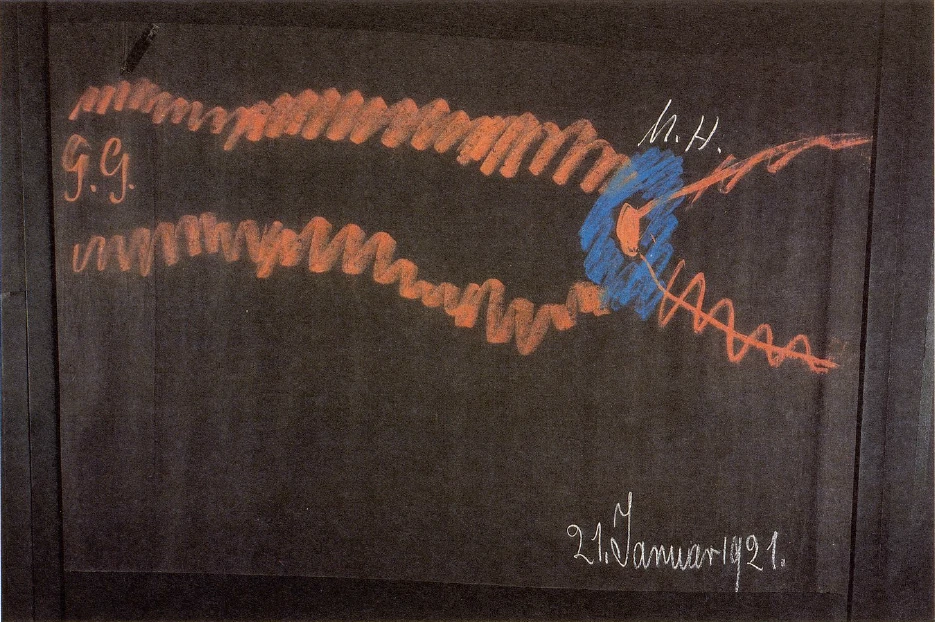
[ 16 ] Ist es wahr, daß Gott in uns ist? — Es ist eine Wahrheit, daß Gott in uns ist. — Ist es wahr, daß wir in Gott sind? — Es ist wahr, daß wir in Gott sind. — Die beiden Behauptungen sind entgegengesetzt. Beide sind wahr, Gott ist in uns, wir sind in Gott. Die beiden Behauptungen sind entgegengesetzt. Die wirkliche, die ganze Wahrheit liegt mittendrinnen. Und das Wesen alles Streites der Ideen in der Welt beruht darauf, daß immer die Menschen nach einer Einseitigkeit gehen, die wahr ist, aber eben eine einseitige Wahrheit ist, während die wirkliche Wahrheit zwischen zwei entgegengesetzten Behauptungen drinnenliegt. Man muß beides kennen, wenn man an die Wahrheit herankommen will. Man muß zum Beispiel heute, so wie die Weltentwickelung einmal liegt, den ernstesten Willen haben, das materielle Dasein kennenzulernen, man darf ja nicht in die Sucht jener Leute verfallen, welche sagen: Wir wollen uns mit dem Geiste beschäftigen, wir wollen die Materie nicht kennenlernen. — Soviel als möglich die Materie als solche kennenzulernen, das ist die eine Seite des menschlichen Erkenntnis- und Willensstrebens, die andere Seite ist es, auch den Geist kennenzulernen. Denn zwischen beiden drinnen liegt, was wir eigentlich anstreben sollen, und beide Parteien haben unrecht, diejenigen, die sagen, die Welt sei nur Materie, und diejenigen, die sagen, die Welt sei nur Geist. Denn, was ist Materie? Materie, so wie der Mensch sie kennt, ist das, was von dem Geiste zurückgeblieben ist, nachdem der Geist wieder Geist geworden ist. Ihre eigene Menschenform ist nichts anderes als das, was einstmals Gottesgedanke war (siehe Zeichnung, links), was einstmals göttliche Gedankenwirkungen waren. Denken Sie sich, wie ein Wasser, das gefriert, Form bekommt; so bekommt dieser Gottesgedanke Form und wird Menschenhülle. Und ein neuer Gedanke, ein neuer Gottesgedanke macht sich in des Menschen Inneren geltend, der dann wiederum hinausgeht, und dieser Gottesgedanke hier (links) war wiederum umgewandelt von einer Form, die in älteren Zeiten Gedanke war. Was wir als Materie anschauen, es ist ja nichts anderes als festgewordener Geist, und das, was wir als Menschengeist anschauen, ist junge Form, ist in der Entstehung begriffene Gestalt. Geist und Materie sind ja nur nach den Lebensaltern in der Welt verschieden. Und der Fehler ihnen gegenüber besteht nicht darin, daß wir uns der Materie zuwenden oder daß wir uns dem Geiste zuwenden, sondern daß wir das, was wir im Leben erhalten sollten, was wir befruchten sollten, damit es Zukunft werden kann, in der Gegenwart erhalten wollen.
[ 16 ] Is it true that God is within us? — It is true that God is within us. — Is it true that we are within God? — It is true that we are within God. — The two statements are contradictory. Both are true: God is within us, and we are within God. The two statements are contradictory. The real, the whole truth lies right in the middle. And the essence of all ideological disputes in the world rests on the fact that people always gravitate toward a one-sided view that is true, but is precisely a one-sided truth, whereas the real truth lies between two opposing statements. One must know both if one wishes to approach the truth. For example, given the current state of world development, one must have the most earnest will to come to know material existence; one must not fall into the trap of those people who say: “We want to concern ourselves with the spirit; we do not want to come to know matter.” — To understand matter as such as much as possible—that is one aspect of human striving for knowledge and will; the other aspect is to understand the spirit as well. For what lies between the two is what we should actually be striving for, and both sides are wrong: those who say the world is only matter, and those who say the world is only spirit. For what is matter? Matter, as humans know it, is what remains of the spirit after the spirit has become spirit once more. Its human form is nothing other than what was once the thought of God (see drawing, left)—what were once the effects of divine thought. Imagine how water takes on a form as it freezes; in the same way, this divine thought takes on a form and becomes a human shell. And a new thought—a new divine thought—asserts itself within the human being, who then in turn goes out into the world; and this divine thought here (on the left) was, in turn, transformed from a form that was once a thought in earlier times. What we regard as matter is, after all, nothing other than spirit that has solidified, and what we regard as the human spirit is a young form, a shape in the process of coming into being. Spirit and matter differ in the world only according to their stages of life. And the mistake we make regarding them is not that we turn toward matter or that we turn toward spirit, but that we want to preserve in the present what we should be nurturing in life—what we should be enriching so that it can become the future.

[ 17 ] Wenn wir das, was wir aus unserer Präexistenz in die Gegenwart hereingetragen haben, was wir also als seelisch-geistiges Leben haben, nur durchdringen mit der trockenen, äußeren geistentblößten Naturwissenschaft, dann verhärten wir es, lassen es nicht keimfähig sein, lassen es nicht auswachsen zu künftigen Welten, wir verahrimanisieren es.
[ 17 ] If we examine what we have brought from our pre-existence into the present—that is, our soul-spiritual life—solely through dry, external, spirit-deprived natural science, then we harden it, prevent it from germinating, prevent it from growing into future worlds; we make it Ahrimanic.
[ 18 ] Und wenn wir das, was Form ist, was altgewordene Gottheit ist, was in Formen sich kristallisiert hat, erfassen wollen durch eine nebulose Mystik, in die wir alles mögliche hineinträumen, dann stützen wir uns nicht auf das, was uns als unsere Stütze, als unsere körperliche Stütze die Gottheit gegeben hat, sondern wir verluziferisieren das Materielle. Was ist nebulose Mystik? — Der Mensch sollte in sich hineinschauen, er sollte aus dem Kosmos heraus in seinem physischen Organismus das erkennen, was er in diesem Leben zwischen Geburt und Tod ist. Statt dessen phantasiert er, daß er in sich selber eine Gottheit habe. Er hat sie in sich; aber er erlangt das nicht durch mystische Phantasterei. Er verluziferisiert das, was er in der späteren Gestalt der leiblichen Hülle sehen sollte. Es sind falsche Anschauungen vom Materiellen und vom Geistigen, durch die die Menschen miteinander in Streit kommen; denn das Materielle und das Geistige sind dasselbe, nur in verschiedenen Lebensaltern.
[ 18 ] And if we want to grasp what is form—what is divinity that has grown old, what has crystallized into forms—through a nebulous mysticism into which we project all manner of fantasies, then we are not relying on what the divinity has given us as our support, as our physical support; rather, we are “Luziferizing” the material. What is nebulous mysticism? — Human beings should look within themselves; they should recognize, from the cosmos within their physical organism, what they are in this life between birth and death. Instead, they fantasize that they have a deity within themselves. They do have it within themselves; but they do not attain it through mystical fantasy. They “Luciferize” what they should see in the later form of the physical body. It is false conceptions of the material and the spiritual that cause people to come into conflict with one another; for the material and the spiritual are one and the same, merely at different stages of life.
[ 19 ] Das ist es, was der Gegenwart ganz besonders notwendig ist zu durchschauen. Sie kommt sonst nicht zu einer Erfassung des sozialen Lebens. Man muß heute schon den Versuch machen, wirklich hineinzudringen mit seinen Gedanken in die reale Wirklichkeit. Das wollen die Menschen heute nicht. Sie wollen an der Oberfläche bleiben.
[ 19 ] This is precisely what our time needs to understand above all else. Otherwise, it will fail to grasp social life. Today, we must already make the effort to truly penetrate reality with our thoughts. People today do not want to do that. They want to remain on the surface.
[ 20 ] Mir wurde vor einigen Tagen eine nette kleine Geschichte, die vor ganz kurzer Zeit in Zürich passiert ist, erzählt. Einer unserer Freunde sprach in Zürich bei einer Universitätsfeier über die wissenschaftliche Bedeutung der Anthroposophie. Darauf hat ein sozialistisch denkender Mann geantwortet, man solle doch heute nicht die Menschen zu solch mystisch Phantastischem erziehen, sondern zu exakter Wissenschaft, habe doch Goethe schon gesagt: «Ins Innre der Natur dringt kein erschaffner Geist.»
[ 20 ] A few days ago, I was told a nice little story that happened very recently in Zurich. One of our friends spoke at a university ceremony in Zurich about the scientific significance of anthroposophy. In response, a man with socialist leanings remarked that people today should not be educated in such mystical fantasies, but rather in exact science—after all, Goethe had already said: “No creative spirit penetrates into the innermost depths of nature.”
[ 21 ] Was dieser schweizerische Abgeordnete vorgebracht hat, rührt doch nur her aus einem oberflächlichen Anschauen der Dinge, die Goethe gesagt hat. Denn indem Goethe diesen Ausspruch Hallers zitiert, sagt er: «Das hör’ ich sechzig Jahre wiederholen und fluche drauf...» So wird heute mit dem geistigen Leben verfahren, so kennt man die Dinge und so ist man heute in einem gewissen Grade doch eine Autorität. In dieser Form ungefähr strebt man aber überhaupt heute an, die Welt kennenzulernen. Ob nun einer glaubt, Goethe habe den Ausspruch getan, auf den er sechzig Jahre «geflucht» hat, oder ob einer als Volkswirtschafter sich das Folgende leistet, das ist schon schließlich einerlei. Ein sehr gelehrt arbeitender Volkswirtschafter, Nationalökonom, hat ein Buch geschrieben über die gebundene und offene Preisbildung. Da hatte er viel nachzuforschen über die Art und Weise, wie, ich möchte sagen, die Volkswirtschaft sozial gemacht werden könnte. Unter den verschiedenen Dingen, die er da bespricht, ist auch dieses. Er sagt: Schon Georg Brandes habe gesagt, das Volk werde in seinen sozialen, in seinen wirtschaftlichen Handlungen nicht durch Vernunft, sondern durch Instinkte geleitet. Daher müsse man das Volk aufklären. Man müsse Aufklärungen unter das Volk bringen.
[ 21 ] What this Swiss member of parliament has put forward stems merely from a superficial view of the things Goethe said. For when Goethe quotes this statement by Haller, he says: “I’ve heard that repeated for sixty years and curse it...” This is how intellectual life is conducted today; this is how people understand things; and this is how, to a certain degree, one is regarded as an authority today. But this is roughly the way people generally strive to understand the world today. Whether someone believes that Goethe actually uttered the remark he had been “cursing” for sixty years, or whether an economist allows himself to make the following claim—it ultimately makes no difference. A highly erudite economist has written a book on fixed and open price formation. In doing so, he had to conduct extensive research into the ways in which, I might say, the economy could be made social. Among the various topics he discusses is the following. He says: Georg Brandes had already stated that the people are guided in their social and economic actions not by reason but by instincts. Therefore, the people must be enlightened. Enlightenment must be brought to the people.
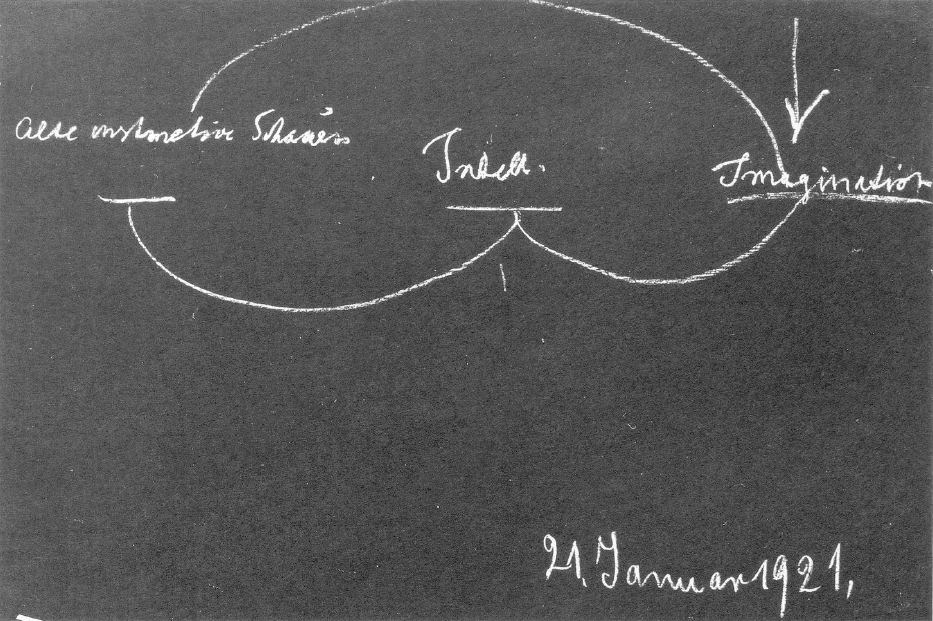
[ 22 ] Nun ist Georg Brandes kein tiefdenkender Mann; aber man kann da erwidern: An so und so vielen Universitäten sind so und so viele Volkswirtschafter; die sind aufgeklärt. Aber wenn sie miteinander wirtschaften, dann arbeiten unter ihnen die Instinkte genau so wie unter den anderen, durchaus nicht anders. Denn so wie die Dinge heute sich gestaltet haben, gerade durch die hochentwickelte Intelligenz, sind für das soziale Leben nur die Instinkte geblieben. Die Instinkte wirken. Aber jetzt muß man weitergehen. Jetzt muß man sich fragen: Wie bringt man Licht in dieses Wirken der Instinkte hinein? — Denn einzig und allein das kann eine soziale Bedeutung haben. Es ist einfach Unsinn, zu glauben, daß eine Mehrheit von Menschen durch diese Instinkte geleitet werden kann. Das kann sie nicht. Die Instinkte rühren einfach vom Zusammenleben der Menschen her. Da muß etwas hinein, was diese Instinkte verwandelt, was in diese Instinkte hinein kann. Vernunft kann nicht in die Instinkte hinein. Wir haben uns zu erinnern an das alte instinktive Schauen; es hat sich entwickelt in unseren Intellektualismus. Aber dieser Intellektualismus lebt ja nur in dem inneren geistigen Dasein des Menschen. Dagegen sind die äußeren sozialen Wirkenskräfte vom Instinkt durchtränkt. In diesen Instinkt muß wiederum etwas eindringen, was verwandt ist mit diesem instinktiven Schauen, aber einen Einschlag aus der Geistigkeit hat: es muß die Imagination eindringen. Wir haben also: Altes instinktives Schauen — Intellekt — Imagination. Nur die Imagination, wie wir sie nennen in der Geisteswissenschaft, gibt die Kraft, in das instinktive Leben Licht hineinzubringen.
[ 22 ] Now, Georg Brandes is not a deep thinker; but one might counter: There are so many economists at so many universities; they are enlightened. But when they engage in economic activity together, instincts operate among them just as they do among others—in no way differently. For as things have turned out today, precisely because of highly developed intelligence, only instincts remain for social life. Instincts are at work. But now we must go further. Now we must ask ourselves: How do we shed light on this workings of the instincts? — For that alone can have social significance. It is simply nonsense to believe that a majority of people can be guided by these instincts. They cannot. The instincts simply arise from people living together. Something must be introduced that transforms these instincts, something that can penetrate them. Reason cannot penetrate the instincts. We must remember the ancient instinctive perception; it has evolved into our intellectualism. But this intellectualism lives only within the inner spiritual existence of the human being. In contrast, the outer social forces of action are steeped in instinct. Something must in turn penetrate this instinct that is related to this instinctive perception but has a spiritual dimension: imagination must penetrate it. So we have: ancient instinctive perception — intellect — imagination. Only imagination, as we call it in spiritual science, provides the power to bring light into instinctive life.
[ 23 ] Was uns befähigt, rein äußerlich die Dinge wissenschaftlich zu begreifen, Botanik, Zoologie, Mathematik zu schaffen, das kann vom Intellekt gespeist werden, nicht aber das, was menschliches Zusammenwirken bedeutet. Was wir Imagination genannt haben, das muß hinein. Die Imagination muß das soziale Leben durchdringen. Das ist es, worauf es ankommt. In allem sozialen Leben, das bis in die neueste Zeit herauf aus alten Zeiten sich entwickelt hatte, lebten menschliche Instinkte. Im Grunde genommen hat erst im zweiten, im dritten Drittel des 19. Jahrhunderts die Menschheit den Eintritt in das Zeitalter vollzogen, das nicht mehr alte Instinkte will. Sie können es ganz genau nachweisen, daß noch um die Wende des 18. zum 19. Jahrhundert in dem sozialen Dasein durchaus noch alte Instinkte lebten. Die Unsicherheit dieser Instinkte ist erst in dem Zeitalter eingetreten, in dem gerade der Intellekt am glänzendsten sich entwickelt hat. Das soziale Leben blieb dann Tradition.
[ 23 ] What enables us to grasp things scientifically from a purely external perspective—to create botany, zoology, and mathematics—can be nourished by the intellect, but not what human interaction entails. What we have called imagination must be brought into play. Imagination must permeate social life. That is what matters. Human instincts were alive in all of social life, which had developed from ancient times right up to the most recent past. Strictly speaking, it was not until the second or third third of the 19th century that humanity fully entered the age that no longer requires old instincts. You can prove quite precisely that, even at the turn of the 18th to the 19th century, old instincts were still very much alive in social existence. The uncertainty of these instincts only set in during the very age in which the intellect developed most brilliantly. Social life then remained a matter of tradition.
[ 24 ] Denken Sie doch nur einmal, welche Riesenmühe die Menschen gehabt haben im 19. Jahrhundert, um überhaupt noch sittliche Anschauungen zu haben. Sie haben in der abstraktesten Weise konservieren müssen, was aus alten Zeiten erhalten war. Und es ging ja nur notdürftig, die alten moralischen Ideale als Petrefakte fortzupflanzen. Wir brauchen heute eine Neugeburt des Moralischen, denn nur das kann wiederum auch das Soziale hervorbringen. Das kann aber nicht hervorgehen aus dem Intellekt, sondern einzig und allein aus der moralischen Intuition. Die Phantasie, die moralische Phantasie muß sich zur geistigen Welt erheben, um sich aus der geistigen Welt zu befruchten. Darauf kommt es heute an, sonst geht die Menschheit in den Verlust der moralischen Impulse hinein.
[ 24 ] Just think for a moment of the enormous effort people had to make in the 19th century simply to maintain any moral views at all. They had to preserve, in the most abstract way possible, what had been handed down from ancient times. And they were only barely able to pass on the old moral ideals as fossils. Today we need a rebirth of morality, for only that can in turn give rise to the social. But this cannot arise from the intellect; it can arise solely and exclusively from moral intuition. The imagination—the moral imagination—must rise to the spiritual world in order to be enriched by it. This is what matters today; otherwise, humanity will lose its moral impulses.
[ 25 ] Jene abstrakten Bekenntnisse, die nur nach dem Glauben hintendieren, können aus diesem Glauben heraus keine Kraft für das Leben finden. Glaube allein gibt zwar etwas dem Seelenegoismus; aber mit dem Seelenegoismus kann man eben zur Not noch als einzelner Mensch leben. Will man ins Handeln eingreifen, und das bedeutet ja, im Sozialen sich betätigen, dann ist notwendig, daß geistig-seelisches Lebensblut uns durchdringt. Das aber kann nur vom konkreten geistigen Leben kommen. Das muß durch die anthroposophische Bewegung fließen, dieses Bewußtsein von der Lebenskraft anthroposophischer Weltanschauung.
[ 25 ] Those abstract professions of faith that merely point toward faith cannot draw strength for life from that faith. Faith alone does indeed feed the egoism of the soul; but with the egoism of the soul, one can, if necessary, still live as an individual. If one wishes to take action—and that means, of course, being active in society—then it is necessary for the spiritual-soul life-blood to permeate us. But this can come only from concrete spiritual life. This awareness of the life force of the anthroposophical worldview must flow through the anthroposophical movement.
[ 26 ] Pantheismus ist ein beliebter Vorwurf, der gerade auch gegen so etwas wie anthroposophisch orientierte Geisteswissenschaft erhoben wird. Pantheismus ist vor den gegenwärtigen Bekenntnissen Kerzerei, ist die Verirrung, daß in den Dingen, die uns umgeben, das Göttliche lebe. Aber warum nennen die gegenwärtigen Bekenntnisse unsere anthroposophisch orientierte Geisteswissenschaft eine Ketzerei? — Weil diese Bekenntnisse ganz von Materialismus durchsetzt sind! — Gewiß, wenn der Jesuit die Welt ringsherum nur für eine Materie ansieht, dann ist es eine Gotteslästerung, zu sagen, diese Materie sei Gott. Aber kann denn anthroposophisch orientierte Geisteswissenschaft etwas dafür, daß der Jesuit X die Welt ringsherum nur für Materie anschauen kann? — Sie ist nicht Materie, sie ist Geist, und das, was der Jesuit X in der Welt ringsherum als Materie erkennt, das zeigt anthroposophisch orientierte Geisteswissenschaft als Illusion. Man erklärt gar nicht die Welt, die man da für Illusion erklärt, als das göttliche Sein, selbstverständlich nicht. Allein es ist etwas anderes, das, was einen umgibt, für göttlich zu erklären, wenn man zu gleicher Zeit das äußere sinnliche Dasein als Illusion erkennt, als wenn man es als grobklotzige Materie ansieht und dann diese grobklotzige Materie für das Göttliche erklären wollte.
[ 26 ] Pantheism is a common accusation leveled particularly against something like anthroposophically oriented spiritual science. Pantheism, in the eyes of contemporary creeds, is heresy—the delusion that the divine lives within the things that surround us. But why do contemporary creeds call our anthroposophically oriented spiritual science heresy? — Because these creeds are thoroughly permeated by materialism! — Certainly, if the Jesuit regards the world around him as nothing but matter, then it is blasphemy to say that this matter is God. But is it the fault of anthroposophically oriented spiritual science that Jesuit X can only regard the world around him as matter? — It is not matter; it is spirit, and what the Jesuit X perceives as matter in the world around him, anthroposophically oriented spiritual science reveals as an illusion. One does not at all explain the world that one declares to be an illusion as divine being—of course not. However, it is one thing to declare what surrounds us to be divine while at the same time recognizing external sensory existence as an illusion, and quite another to regard it as coarse, block-like matter and then attempt to declare this coarse, block-like matter to be the divine.
[ 27 ] Sie sehen, wie weit auseinander die Dinge sind, die der andere meint, und die hier wirklich innerhalb unserer anthroposophischen Geisteswissenschaft da sind. Aber wir dürfen nicht müde werden, diese Dinge tatsächlich vor der Welt geltend zu machen. Sonst kann das vorkommen, was jüngst hier in einer Schweizer Zeitung gestanden hat als ein Einwand gegen meine Methode, zur Geist-Erkenntnis zu kommen. Da wird ungefähr gesagt, ich behauptete, man könne den Geist schauen; aber das ginge doch nicht, denn der Geist sei doch nichts Sinnliches, und nur das Sinnliche könne man schauen. Den Geist könne man nicht greifen, also könne doch niemand den Geist schauen.
[ 27 ] You can see how far apart the ideas of others are from what actually exists here within our anthroposophical spiritual science. But we must not grow weary of truly bringing these ideas to the world’s attention. Otherwise, what was recently published here in a Swiss newspaper as an objection to my method of attaining knowledge of the spirit might happen. It says, more or less, that I claim one can see the spirit; but that is impossible, because the spirit is not something sensory, and only the sensory can be seen. Since the spirit cannot be grasped, no one can see it.
[ 28 ] Sie sehen, es ist wirklich eine trostlose Art, die da auftritt, die in nichts Geringerem wurzelt als eben darin, daß der Betreffende sagt, er könne nicht den Geist schauen, also könne niemand irgend etwas vom Geist sagen; vom Geist könne man nichts wissen, denn den Geist könne man nicht greifen. Und in solcher Variante spielt sich der Gedankengang eines ganzen Feuilletons ab. Das ist es, was in der Gegenwart so furchtbar verheerend wirkt, daß die Menschen eben nicht das Bewußtsein haben, zu Ende lesen zu müssen oder überhaupt sich mit den Dingen bekanntmachen zu müssen. «Ins Innre der Natur dringt kein erschaffner Geist», so heißen die zwei ersten Zeilen bei Goethe. Bei ihnen bleibt man stehen und merkt nicht, daß Goethe gleich anschließend sagt: «Drauf fluche ich seit sechzig Jahren!»
[ 28 ] You see, this is truly a bleak way of thinking, rooted in nothing less than the fact that the person in question says he cannot see the spirit, and therefore no one can say anything about the spirit; one cannot know anything about the spirit, because the spirit cannot be grasped. And the train of thought in an entire feature article unfolds along these lines. This is what has such a terribly devastating effect in the present day: that people simply lack the awareness that they must read to the end or even familiarize themselves with the subject matter at all. “No creative spirit penetrates the innermost depths of nature”—so read the first two lines of Goethe’s poem. People stop there and fail to notice that Goethe immediately goes on to say: “I have been cursing this for sixty years!”
[ 29 ] Was wir in der Gegenwart überall feststellen müssen, das ist die Oberflächlichkeit; man kann nicht oft genug darauf aufmerksam machen. Wir müssen überall diesen furchtbaren Hang zur Oberflächlichkeit aufspüren. Er äußert sich ja heute vorzugsweise, wo er auch äußerlich furchtbar schädlich wirkt, auf dem Gebiete des sozialen, des ökonomischen Denkens. Da will man nicht in die Dinge untertauchen, nicht in das untertauchen, was in der Natur der Dinge liegt.
[ 29 ] What we see everywhere today is superficiality; we cannot draw attention to this often enough. We must track down this terrible tendency toward superficiality everywhere. Today, it manifests itself primarily—and with particularly devastating external consequences—in the realm of social and economic thought. People there do not want to delve into things, nor into what lies at the heart of things.
[ 30 ] Es wurde mir zum Beispiel heute mitgeteilt, daß Menschen eines gewissen Gebietes sagen — es wird ja häufig gesagt — die «Kernpunkte der sozialen Frage» seien so schwer zu fassen. Ich denke mir, wenn jemand sagt: Etwas ist schwer zu fassen —, dann will er etwas Leichtes haben, etwas, was er leicht fassen kann. Wenn man aber mit dem, was einer leicht fassen kann, im sozialen Leben nichts anfangen kann, wenn man damit eben nur pfuscht, wenn es eben nötig ist, das gerade zu fassen, was einem ein bißchen schwer wird, wobei man sich ein bißchen anstrengen muß, weil es gerade das Notwendige für ein heutiges soziales Denken ist, etwas Schwereres zu denken, wenn das gerade der ungeheure Schaden der neuesten Zeit gewesen wäre, daß die Leute das soziale Leben mit leicht faßlichen Gedanken durchdringen wollten und es daher ruiniert haben, dann wäre der Ausspruch, eine Sache sei schwer auf diesem Gebiete, geradezu frivol! Und das ist er im Grunde genommen auch. Es handelt sich darum, daß man eben gar nicht diesen innerlich frivolen Gedanken hegt, die Sache sei schwer. Denn wenn die Gedanken eben so gegeben würden, wie man sie haben will, dann taugen sie zu nichts anderem als zum Pfuschen. Zum sachgemäßen Arbeiten wird es eben notwendig sein, diese scheinbare Schwierigkeit wirklich zu überwinden und sich auf die Sache einzulassen. Das ist es, worauf es ankommt. In dieser ernsten Weise sollte man sich mit den Angelegenheiten des Lebens in dieser ernsten Zeit befassen.
[ 30 ] For example, I was told today that people in a certain region say—as is often said—that the “core issues of the social question” are so difficult to grasp. I think that when someone says, “Something is difficult to grasp,” they actually want something easy, something they can grasp easily. But if what one can grasp easily is of no use in social life—if one merely fumbles with it—and if it is precisely necessary to grasp that which is a bit difficult, requiring a bit of effort, because that is precisely what is necessary for social thinking today, to think about something more difficult—if that had been the immense harm of recent times, that people wanted to permeate social life with easily grasped thoughts and thereby ruined it—then the statement that a matter is difficult in this realm would be downright frivolous! And that is, in essence, what it is. The point is precisely not to harbor this inwardly frivolous thought that the matter is difficult. For if thoughts were simply given as one wishes them to be, they would be good for nothing but botching the job. To work properly, it will be necessary to truly overcome this apparent difficulty and engage with the matter at hand. That is what matters. It is in this serious manner that one should deal with the affairs of life in these serious times.
[ 31 ] Davon wollen wir dann morgen weiterreden.
[ 31 ] Let's talk more about that tomorrow.