The Mystery of the Sun
and
The Mystery of Death and Resurrection
Exoteric and Esoteric Christianity
GA 211
26 March 1922, Dornach
Translate the original German text into any language:
Versions Available:
The Mystery of the Sun and The Mystery of Death and Resurrection, tr. SOL
4. Die Veränderungen im Erleben des Atmungsprozesses in der Geschichte
4. Changes in the Experience of the Breathing Process Throughout History
[ 1 ] Es wird in unserer Zeit viel gesprochen von dem Unterschiede zwischen Glauben und Wissen, und es wird insbesondere auch oftmals behauptet, daß Anthroposophie nach dem, was sie zu sagen hat, sich nicht als Wissenschaft, sondern als Glaubensinhalt bezeichnen müsse, als Glaubensüberzeugung. Im Grunde genommen rühren aber alle Unterschiede, die in diesem Stile gemacht werden, davon her, daß die Menschen sehr wenig Einsicht haben in das, was sich als Glaube im Laufe der Menschheitsentwickelung ergeben hat, und daß sie eigentlich auch nicht sehr viel Einsicht in das haben, was Wissen ist.
[ 1 ] There is much talk in our time about the difference between faith and knowledge, and it is often claimed, in particular, that anthroposophy, based on what it has to say, must be described not as a science but as a matter of faith, as a religious conviction. Fundamentally, however, all distinctions made in this vein stem from the fact that people have very little understanding of what has emerged as faith in the course of human development, and that they actually do not have much understanding of what knowledge is either.
[ 2 ] Aller Glauben, alles, was mit dem Worte Glauben zusammenhängt, geht eigentlich in sehr alte Zeiten der Menschheitsentwickelung zurück. Es geht zurück in diejenigen Zeiten, in welchen der Atmungsprozeß eine viel größere Rolle im Leben des Menschen selbst spielte, als das jetzt der Fall ist. Der Mensch mit seiner gegenwärtigen Seelenverfassung achtet eigentlich nicht auf seinen Atmungsprozeß. Er atmet ein und atmet aus, aber er nimmt dabei nicht irgendein besonderes Erlebnis wahr.
[ 2 ] All faith—everything associated with the word “faith”—actually dates back to very ancient times in human development. It dates back to those times when the process of breathing played a much greater role in human life than is the case today. People, with their current state of mind, do not really pay attention to their breathing. They inhale and exhale, but they do not perceive any particular experience in the process.
[ 3 ] Die Glaubensinhalte älterer Zeiten haben immer auf die Bedeutung des Atmens hingewiesen. Man braucht sich nur zu erinnern — ich habe schon in diesen Tagen darauf aufmerksam gemacht —, daß im Alten Testament geradezu des Menschen Schöpfung in Zusammenhang gebracht wird mit dem Einhauchen des Atems, und man braucht sich nur zu erinnern an das, was ich ausgeführt habe über jenes Streben, das im alten Indien zum Beispiel vorhanden war, höhere Erkenntnis dadurch zu erringen, daß in einer bestimmten Weise der Atmungsprozeß geregelt wurde. Dieses Streben hatte einen Sinn in derjenigen Zeit, in der der Mensch überhaupt mehr auf seinen Atem achtete. Ich habe gesagt, dieses Streben fand statt in der Zeit, da der Mensch um sich herum nicht nur jene tote Natur wahrnahm, die wir heute wahrnehmen, sondern in der der Mensch in allen Naturdingen und Naturtatsachen geistig-seelische Wirksamkeiten sah, in der er in jeder Quelle, in jeder Wolke, im Flusse und im Winde geistig-seelische Tätigkeit wahrnahm. In dieser Zeit wurde angestrebt, den Atem bewußter und bewußter zu machen: das Einatmen, das Atemhalten, das Ausatmen zu regeln. Und durch diese Regelung des Atmungsprozesses wurde das erzeugt, was man das Selbstbewußtsein nennen kann, das Erlebnis des Ich, des «Ich bin». Aber es war das eine Zeit, in welcher überhaupt die Wahrnehmung, das Erlebnis des Atmens eine gewisse Rolle spielte im menschlichen Leben. Der Mensch der Gegenwart kann sich aus seinem gewöhnlichen Bewußtsein heraus nicht viel Vorstellungen machen, wie das war. Ich möchte Ihnen eine solche Vorstellung einmal geben.
[ 3 ] The religious beliefs of earlier times have always emphasized the importance of breathing. One need only recall—as I have already pointed out in recent days—that in the Old Testament, the very creation of humankind is linked to the breathing in of the breath, and one need only recall what I have explained about that striving, which existed in ancient India, for example, to attain higher knowledge by regulating the breathing process in a specific way. This endeavor made sense in an era when people paid much more attention to their breathing. I have said that this endeavor took place in an era when human beings perceived around them not only the lifeless nature we perceive today, but also saw spiritual and soul forces at work in all natural phenomena and facts; an era in which they perceived spiritual and soul activity in every spring, every cloud, the river, and the wind. During this time, people strove to make their breathing more and more conscious: to regulate inhalation, holding the breath, and exhalation. And through this regulation of the breathing process, what might be called self-consciousness was brought about—the experience of the “I,” of “I am.” But it was a time when the perception and experience of breathing played a certain role in human life. People today, from their ordinary state of consciousness, cannot really imagine what that was like. I would like to give you an idea of what that was like.
[ 4 ] Nicht wahr, der Atmungsprozeß zerfällt ja in das Einatmen, in das Atemhalten und in das Wiederausatmen. Dieser Atmungsprozeß ist zunächst durch die Natur des Menschen geregelt. Die Joga-Gelehrten, von denen ich gesprochen habe, die regelten ihn anders. Wie heute derjenige, der studiert, ein Denken entwickelt, das nicht das Denken des Alltags ist, so entwickelte man in den Zeiten, in denen das Atmen eine besondere Lebensrolle spielte, auch ein anderes Atmen als im gewöhnlichen Leben. Aber wir wollen jetzt einmal nicht das Joga-Atmen, das entwickelte Atmen, sondern das gewöhnliche betrachten. Ich kann Ihnen das am besten schematisch darstellen.
[ 4 ] Isn’t it true that the breathing process consists of inhaling, holding one’s breath, and exhaling? This breathing process is initially governed by human nature. The yoga scholars I mentioned regulated it differently. Just as today, those who study develop a way of thinking that is different from everyday thinking, so too, in times when breathing played a special role in life, people developed a different way of breathing than in ordinary life. But for now, let’s set aside yogic breathing—that developed form of breathing—and consider ordinary breathing instead. I can best illustrate this for you schematically.
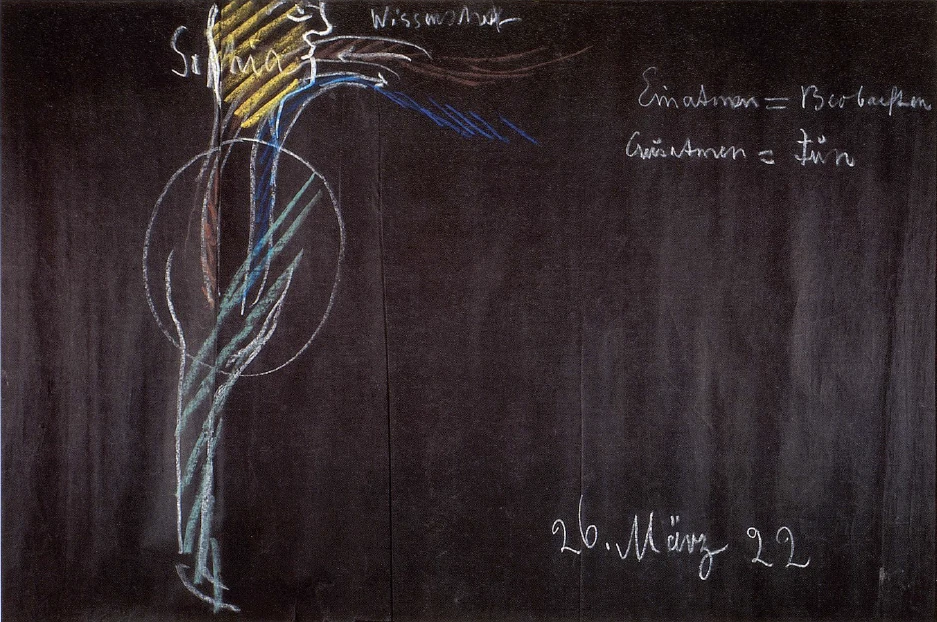
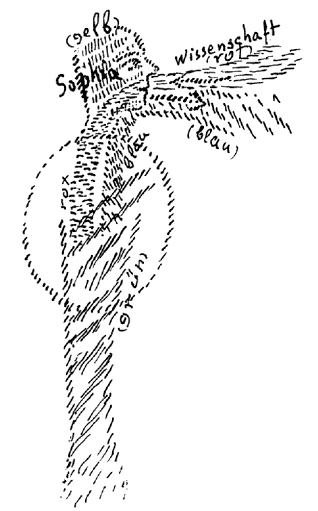
[ 5 ] Nehmen wir an, das wäre der menschliche Brustorganismus, so können wir sagen: Wir unterscheiden den Einatmungsprozeß, den Atemhalteprozeß — den werde ich nicht besonders zeichnen — und den Ausatmungsprozeß. Indem der Mensch in älteren Zeiten einatmete, erlebte er etwa so, als ob mit dem Einatmen, also mit der eingeatmeten Luft aus der Außenwelt dasjenige hereinkäme, was Geistiges in den Wesen und Tatsachen der Außenwelt war. Also in dem, was ich hier rötlich als die Einatmungsströmung bezeichnet habe, erlebte der Mensch, sagen wir, Gnomen, Nymphen, alles das, was Geistig-Seelisches in der umgebenden Natur war. Und indem er ausatmete (blau), indem er also die Atemluft nach außen schickte, wurden im Ausatmen diese Wesenheiten wiederum unsichtbar. Sie verloren sich gewissermaßen in der umgebenden Natur. Man atmete ein und wußte: da in der Natur draußen ist Geistig-Seelisches, denn man spürte in dem Einatmen die Wirkung dieses Geistig-Seelischen. Man fühlte dabei sich verbunden mit dem Geistig-Seelischen der äußeren Natur. Das wirkte auf den Menschen in diesen alten Zeiten — aber es ist nur vergleichsweise gesprochen — in einer gewissen Weise berauschend. Er berauschte sich mit dem Geistig-Seelischen der Umwelt. Und indem er wiederum ausatmete, ernüchterte er sich. So daß er in einem Berauschenden und einem Ernüchternden lebte. Und in diesem Berauschen und Ernüchtern war eine Wechselwirkung mit dem Geistig-Seelischen der Außenwelt. Aber es war noch etwas anderes da. Der Mensch fühlte, indem er einatmete, indem er gewissermaßen sich berauschte mit dem GeistigSeelischen, aus der Atemströmung in seinen Kopf leise heraufziehen, wie ihn die geistig-seelischen Wesen innerlich ausfüllten, wie sie sich mit seinem eigenen Leibeswesen vereinigten. So daß das, was da der Mensch verspürte, etwa so ausgedrückt werden kann: Ich atme das Geistig-Seelische der Umwelt ein. Es erfüllt mein Haupt. Ich spüre es, ich empfinde es. Dann wird der Atem gehalten. Und im Ausatmen würde der Mensch sagen: Ich gebe wieder zurück meine Empfindung von dem Geistig-Seelischen.
[ 5 ] If we assume that this represents the human chest, we can say: We distinguish between the inhalation process, the process of holding one’s breath—which I will not illustrate specifically—and the exhalation process. In earlier times, when a person inhaled, they experienced it as if, with the inhalation—that is, with the air drawn in from the external world—what was spiritual in the beings and events of the external world were also entering within. So in what I have indicated here in red as the inhalation current, people experienced, let us say, gnomes, nymphs—all that was spiritual and soulful in the surrounding nature. And as they exhaled (blue)—that is, as they sent the exhaled air outward—these beings became invisible again during exhalation. They were, so to speak, lost in the surrounding nature. One breathed in and knew: there is something spiritual and soulful out there in nature, for one sensed the effect of this spiritual and soulful aspect in the act of inhaling. In doing so, one felt connected to the spiritual and soul elements of the external natural world. This had—though this is only a relative comparison—a certain intoxicating effect on people in those ancient times. They became intoxicated by the spiritual and soul elements of their surroundings. And as they exhaled, they came down to earth. So they lived in a state of both intoxication and sobering up. And in this alternation between intoxication and sobering up, there was an interaction with the spiritual and soul aspects of the outside world. But there was something else as well. As people inhaled—as they, so to speak, became intoxicated by the spiritual and soul aspects—they felt these aspects gently rising into their heads through the flow of breath, filling them from within, uniting with their own physical being. So that what the human being sensed there can be expressed something like this: I breathe in the spiritual-soul aspects of the environment. They fill my head. I feel it, I perceive it. Then the breath is held. And as he exhales, the human being would say: I give back my perception of the spiritual-soul aspects.
[ 6 ] Aber das hatte einen innigen Zusammenhang mit dem Leben. Nehmen Sie einmal nur eine ganz einfache Sache: Hier liegt Kreide. Wenn man diese Kreide heute ergreift, schaut man sie an, man greift hin, nimmt sie auf. So hat das der Mensch der alten Zeitepoche nicht gemacht. Wir haben den Gedanken, indem wir die Kreide anschauen, und heben sie dann auf. Das war bei dem alten Menschen nicht der Fall, sondern der schaute hin, atmete das, was von der Kreide geistig ausströmt, ein, atmete aus, und erst im Ausatmen ergriff er die Kreide, so daß für ihn Einatmen gleich Beobachten, Ausatmen gleich Tätigsein war. Es war das in einer Zeit, in der eigentlich der Mensch mit der Umwelt immer in einer Art von rhythmischer Wechselwirkung lebte. Diese rhythmische Wechselwirkung hat sich ja erhalten für spätere Zeiten, aber ohne das lebendige, anschauende Bewußtsein der alten Zeiten. Nehmen Sie einmal an, wie noch in unserer Jugendzeit auf dem Lande handgedroschen wurde: anschauen, schlagen, anschauen, schlagen, in rhythmischer Tätigkeit. Diese rhythmische Tätigkeit entsprach einem gewissen Atmungsprozeß.
[ 6 ] But this was intimately connected with life. Take just one very simple example: Here is some chalk. When you pick up this chalk today, you look at it, reach out, and pick it up. That is not how people in ancient times did it. We have the thought as we look at the chalk, and then we pick it up. That was not the case for people in ancient times; instead, they looked at it, inhaled what radiated spiritually from the chalk, exhaled, and only as they exhaled did they take hold of the chalk, so that for them, inhaling was equivalent to observing, and exhaling was equivalent to acting. This was at a time when human beings actually lived in a kind of rhythmic interaction with their environment. This rhythmic interaction has indeed been preserved for later times, but without the living, contemplative consciousness of the old days. Just imagine, for example, how grain was threshed by hand in the countryside during our youth: look, strike, look, strike—in rhythmic activity. This rhythmic activity corresponded to a certain breathing process.
[ 7 ] Einatmen = Beobachten
[ 7 ] Inhaling = Observing
[ 8 ] Ausatmen = Tun
[ 8 ] Exhaling = Doing
[ 9 ] Für eine spätere Entwickelung der Menschheit können wir sagen: Es erlosch im menschlichen Wahrnehmen dieses Erleben des Einatmens, und der Mensch nahm oder nimmt nur dasjenige wahr, was vom Atmen in sein Haupt hinaufgeht. In alten Zeiten also, da nahm der Mensch wahr, wie sich das Eingeatmete, das für ihn ein Berauschen war, ins Haupt fortsetzte und sich dort verband mit den Sinneseindrücken. Das war später nicht mehr der Fall. Später verliert der Mensch das, was in seinem Brustorganismus vorgeht, aus seinem Bewußtsein. Er nimmt nicht mehr dieses Heraufströmen des Atmens wahr, weil die Sinneseindrücke stärker werden. Sie löschen aus, was im Atem heraufkommt. Wenn Sie heute sehen oder hören, dann ist in dem Vorgang des Sehens und auch in dem Vorgang des Hörens der Atmungsvorgang drinnen. Beim alten Menschen lebte das Atmen stark im Hören und Sehen, bei dem heutigen Menschen lebt das Sehen und Hören so stark, daß der Atem ganz abgedämpft wird. So daß wir sagen können, jetzt lebt nicht mehr das, was da berauschend, den Kopf durchströmend, von dem Alten im Atmungsprozeß in seinem Innern wahrgenommen worden ist, so daß er sagte: Ah, die Nymphen! Ah, die Gnomen! Nymphen, die wurlen im Kopfe so, Gnomen, die hämmern im Kopfe so, Undinen, die wellen im Kopfe so! — Heute wird dieses Hämmern, Wellen, Wurlen übertönt von dem, was vom Sehen, vom Hören herkommt und was heute den Kopf erfüllt.
[ 9 ] Regarding a later stage in human development, we can say: This experience of inhalation faded from human perception, and human beings perceived—or perceive—only what rises from the breath into their head. In ancient times, then, human beings perceived how what they inhaled—which was intoxicating to them—continued on into the head and there combined with sensory impressions. This was no longer the case later on. Later, human beings lost awareness of what takes place in their chest region. They no longer perceive this upward flow of the breath because sensory impressions become stronger. These impressions overshadow what rises with the breath. When you see or hear today, the process of breathing is present within the act of seeing and also within the act of hearing. In ancient times, breathing was strongly present in hearing and seeing; in modern people, seeing and hearing are so intense that the breath is completely muffled. So we can say that what was once perceived by the ancients in the breathing process within themselves—that intoxicating sensation flowing through the head—no longer exists, so that they would say: “Ah, the nymphs!” Ah, the gnomes! Nymphs swirling in the head like this, gnomes hammering in the head like this, undines undulating in the head like this! — Today, this hammering, undulating, and swirling is drowned out by what comes from seeing and hearing, and what now fills the head.
[ 10 ] Es gab also einstmals eine Zeit, in der der Mensch stärker wahrnahm dieses Heraufströmen des Atmens in sein Haupt. Das ging über in die Zeit, in der der Mensch noch durcheinander wahrnahm, in der er noch etwas von den Nachwirkungen des gnomigen Hämmerns, des undinenhaften Wellens, des nymphenhaften Wurlens, indem er noch etwas wahrnahm von dem Zusammenhang dieser Nachwirkungen mit den Ton-, Licht- und Farbenwahrnehmungen. Dann aber verlor sich alles das, was er vom Atmungsprozeß noch wahrnahm. Und von denjenigen Menschen, die noch eine Spur von Bewußtsein hatten, daß einmal das Atmen das Geistig-Seelische der Welt in den Menschen hereinführte, wurde das, was da nun blieb, was sich festsetzte aus der Sinneswahrnehmung im Zusammenhang mit dem Atmen, «Sophia» genannt. Aber das Atmen nahm man nicht mehr wahr. Also der geistige Atmensinhalt wurde abgetötet, besser gesagt, abgelähmt durch die Sinneswahrnehmung.
[ 10 ] There was, then, a time when human beings were more keenly aware of this flow of breath rising into their heads. This gave way to a time when human beings still perceived things in a confused manner, when they still sensed something of the aftereffects of the gnomic hammering, the undine-like undulating, and the nymph-like swirling—as they still perceived something of the connection between these aftereffects and their perceptions of sound, light, and color. But then everything they had still perceived of the breathing process was lost. And among those people who still retained a trace of awareness that breathing had once brought the spiritual-soul aspect of the world into human beings, what now remained—what had become established through sensory perception in connection with breathing—was called “Sophia.” But breathing was no longer perceived. Thus, the spiritual content of breathing was killed off—or rather, numbed—by sensory perception.
[ 11 ] Dieses wurde insbesondere von den Griechen empfunden. Die Griechen hatten gar nicht die Idee von einer solchen Wissenschaft, wie wir heute. Wenn man den Griechen erzählt hätte von einer Wissenschaft, wie sie heute an unseren Hochschulen gelehrt wird, es wäre ihnen das so vorgekommen, wie wenn ihnen jemand mit kleinen Stecknadeln das Gehirn fortwährend durchstochen hätte. Sie hätten gar nicht begriffen, daß das einem Menschen eine Befriedigung geben kann. Wenn sie solche Wissenschaft, wie wir sie heute haben, hätten aufnehmen sollen, dann hätten sie gesagt: Das macht das Gehirn wund, das verwundet das Gehirn, das sticht. — Denn sie wollten noch etwas wahrnehmen von jenem wohligen Ausbreiten des berauschenden Atems, in den sich, hineinströmend, das Gehörte, das Gesehene ergießt. Es war also bei den Griechen ein Wahrnehmen eines inneren Lebens im Haupte vorhanden, solch eines inneren Lebens, wie ich es Ihnen jetzt schildere. Und dieses innere Leben, das nannten sie Sophia. Und diejenigen, die es liebten, diese Sophia in sich zu entwickeln, die eine besondere Neigung hatten, sich hinzugeben an diese Sophia, die nannten sich Philosophen. Das Wort Philosophie deutet durchaus auf ein inneres Erleben. Jene greulich pedantische Aufnahme von Philosophie, wobei man Philosophie eben «ochst» — wie man es im Studentenleben nennt —, jenes Sich-bekannt-Machen mit dieser Wissenschaft, das kannte man in Griechenland nicht. Aber das innere Erlebnis des «Ich liebe Sophia», das ist es, was sich in dem Worte Philosophie zum Ausdrucke bringt.
[ 11 ] This was felt particularly by the Greeks. The Greeks had no concept of science as we understand it today. If someone had told the Greeks about the kind of science taught in our universities today, it would have seemed to them as if someone were constantly piercing their brains with tiny pins. They would not have understood at all that this could give a person any satisfaction. If they had been asked to take in the kind of science we have today, they would have said: “That makes the brain sore; that wounds the brain; that stings.”—For they still wanted to perceive something of that blissful expansion of the intoxicating breath into which what is heard and seen pours forth as it flows in. So among the Greeks there was a perception of an inner life within the head—an inner life such as I am now describing to you. And this inner life, they called it Sophia. And those who loved to develop this Sophia within themselves, who had a special inclination to surrender to this Sophia, called themselves philosophers. The word “philosophy” certainly points to an inner experience. That dreadfully pedantic approach to philosophy—where one simply “crams” philosophy, as they say in student life—that familiarization with this discipline—was unknown in Greece. But the inner experience of “I love Sophia”—that is what finds expression in the word “philosophy.”
[ 12 ] Aber ebenso, wie im Haupte von den Sinneswahrnehmungen aufgenommen wird der in den Leib einlaufende Atmungsprozeß, so wird von dem übrigen Leib das aufgenommen, was ausströmt als ausgeatmete Luft. Im Gliedmaßen-Stoffwechsel-Organismus strömen ebenso, wie sonst die Sinneswahrnehmungen durch das Gehörte, wie das Gesehene in das Berauschende der eingeatmeten Luft in das Haupt hineinströmt, die körperlichen Gefühle, die Erlebnisse mit der ausgeatmeten Luft zusammen. Das Ernüchternde der ausgeatmeten Luft, das Auslöschende für die Wahrnehmung, das floß zusammen mit den körperlichen Gefühlen, die im Gehen, im Arbeiten erregt wurden. Das Tätigsein, das Tun war mit dem Ausatmen verknüpft. Und indem der Mensch sich betätigte, indem er etwas tat, fühlte er gewissermaßen, wie von ihm fortging das Geistig-Seelische. So daß er fühlte, wenn er irgend etwas tat, irgend etwas arbeitete, wie wenn er das GeistigSeelische einströmen ließe in die Dinge hinein. Ich nehme auf das Geistig-Seelische: es berauscht mein Haupt, es verbindet sich mit dem Gesehenen, mit dem Gehörten. Ich tue etwas, ich atme aus. Das GeistigSeelische geht fort. Es geht hinein in das, was ich hämmere, es geht hinein in das, was ich ergreife, es geht hinein in alles das, was ich arbeite. Ich entlasse das Geistig-Seelische aus mir. Ich übertrage es, indem ich zum Beispiel die Milch sprudele, indem ich irgend etwas äußerlich mache, ich lasse einströmen das Geistig-Seelische in die Dinge. — Das war das Gefühl, das war die Empfindung. So war es also in den alten Zeiten.
[ 12 ] But just as the head receives sensory perceptions, so too does the rest of the body receive what flows out as exhaled air. In the organism of the limbs and metabolism, just as sensory perceptions—what is heard and what is seen—flow into the head through the intoxicating effect of the inhaled air, so too do the physical sensations and experiences flow together with the exhaled air. The sobering quality of the exhaled air—which extinguishes perception—flowed together with the physical sensations aroused by walking and working. Activity, the act of doing, was linked to exhalation. And as a person was active, as they did something, they felt, in a sense, how their spiritual-soul aspect was flowing away from them. So that when they did anything, when they worked on anything, they felt as if they were allowing their spiritual-soul aspect to flow into things. I take in the spiritual-soul aspect: it intoxicates my head; it connects with what I have seen and heard. I do something; I exhale. The spiritual-soul aspect departs. It goes into what I am hammering, it goes into what I am grasping, it goes into everything I am working on. I release the spiritual-psychic from within me. I transfer it, for example, by churning milk, by doing something outwardly; I let the spiritual-psychic flow into things. — That was the feeling, that was the sensation. So that is how it was in ancient times.
[ 13 ] Aber dieses Wahrnehmen des Ausatmungsprozesses, dieses Wahrnehmen der Ernüchterung hörte eben auf, und es war nur noch eine Spur vorhanden in der Griechenzeit. In der Griechenzeit fühlten die Menschen noch etwas, wie wenn sie, indem sie sich betätigten, noch etwas Geistiges den Dingen übergaben. Aber dann wurde doch alles das, was da im Atmungsprozeß war, abgelähmt von dem Körpergefühl, von dem Gefühl der Anstrengung, der Ermüdung im Arbeiten. Ebenso wie der Einatmungsprozeß nach dem Haupte abgelähmt wurde, so wurde der Ausatmungsprozeß nach dem übrigen Organismus abgelähmt. Dieser geistige Ausatmungsprozeß war abgelähmt durch das Körpergefühl, also durch das Gefühl der Anstrengung, des Erhitztwerdens und so weiter, durch das, was im Menschen lebte, so daß er seine eigene Stärke fühlte, die er anwendete, indem er sich betätigte, indem er etwas tat. Er fühlte in sich jetzt nicht den Ausatmungsprozeß als Ermüdung, er fühlte in sich eine Kraftwirkung, er fühlte den Körper durchdrungen mit Energie, mit Kraft.
[ 13 ] But this awareness of the exhalation process, this awareness of disillusionment, simply ceased, and only a trace of it remained in the Greek era. In the Greek era, people still felt as if, through their actions, they were imparting something spiritual to things. But then everything that was present in the exhalation process was dulled by the bodily sensation, by the feeling of exertion and fatigue during work. Just as the inhalation process was dulled by the head, so too was the exhalation process dulled by the rest of the organism. This spiritual exhalation process was dulled by the bodily sensation—that is, by the feeling of exertion, of becoming heated, and so on—by what was alive within the person, so that he felt his own strength, which he applied by being active, by doing something. He no longer felt the exhalation process within himself as fatigue; he felt a force at work within him; he felt his body permeated with energy, with strength.
[ 14 ] Diese Kraft, die da im Innern des Menschen lebte, das war Pistis, der Glaube, das Fühlen des Göttlichen, der göttlichen Kraft, die einen arbeiten läßt: Pistis, der Glaube.
[ 14 ] This power that lived within a person was Pistis—faith, the sense of the divine, the divine power that drives one to work: Pistis, faith.
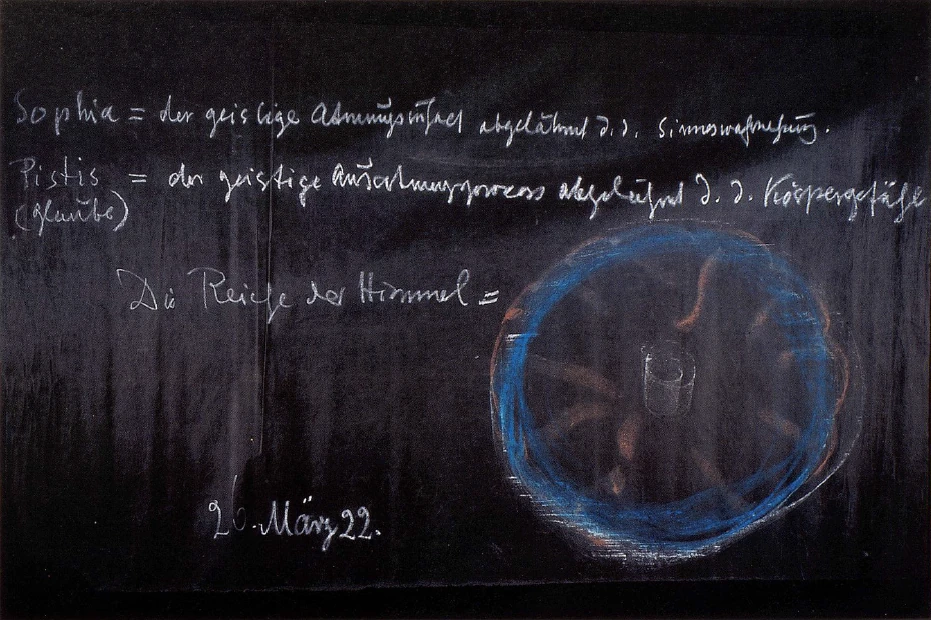
[ 15 ] Sophia = der geistige Atmungsinhalt, abgelähmt durch die Sinneswahrnehmung
[ 15 ] Sophia = the spiritual content of breathing, dulled by sensory perception
[ 16 ] Pistis (Glaube) = der geistige Ausatmungsprozeß, abgelähmt durch das Körpergefühl
[ 16 ] Pistis (faith) = the spiritual process of exhalation, inhibited by bodily sensations
[ 17 ] So floß im Menschen zusammen die Weisheit und der Glaube. Die Weisheit strömte nach dem Haupte, der Glaube lebte im ganzen Menschen. Es war die Weisheit nur eben der Ideeninhalt. Und es war der Glaube dieKraft dieses Ideeninhaltes. Beide gehörten zusammen. Daher auch diese einzige gnostische Schrift, die erhalten ist aus dem Altertum, die Pistis-Sophia-Schrift. So daß man in der Sophia eine Verdünnung der Einatmung, in dem Glauben eine Verdichtung der Ausatmung hatte. Dann verdünnte sich die Weisheit weiter. Und in der weiteren Verdünnung ist die Weisheit die Wissenschaft geworden. Und dann verdichtete sich die innere Kraft weiter. Der Mensch fühlte nur noch seinen Leib: es entschwand ihm das Bewußtsein, was Glaube, Pistis eigentlich ist. Und es kam dann eben dazu, daß die Menschen, weil sie den Zusammenhang nicht mehr erfühlen konnten, das trennten, was als bloßer Glaubensinhalt gewissermaßen subjektiv vom Innern aufsteigen sollte, und dasjenige, was sich mit der äußeren Sinneswahrnehmung verbindet. Erst war Sophia, dann Scientia, die gewöhnliche Wissenschaft, die eine verdünnte Sophia ist. Man könnte auch sagen: Ursprünglich war die Sophia ein wirkliches Geisteswesen, das der Mensch als einen Bewohner seines Kopfes fühlte. Heute hat er von diesem geistigen Wesen nur noch das Gespenst. Denn die Wissenschaft ist das Gespenst der Weisheit. Das ist etwas, was eigentlich dem heutigen Menschen wie eine Art Meditation durch die Seele ziehen sollte, daß die Wissenschaft das Gespenst der Weisheit ist. Und ebenso nach der anderen Seite der Glaube — den man heute gewöhnlich so nennt; hier hat man nicht eigentlich einen besonderen Unterschied erfaßt in den Worten —, der Glaube, der heute lebt, ist nicht der innerlich erlebte Glaube des Altertums, Pistis, sondern er ist das mit dem Egoismus eng verbundene Subjektive. Er ist der verdichtete Glaube der alten Zeiten. In dem noch nicht verdichteten Glauben hat man noch das objektive Göttliche im Menschen erfühlt. Heute findet man den Glauben nur noch subjektiv gewissermaßen heraufsteigend als Rauch aus dem Körper. So daß man sagen könnte, so wie die Wissenschaft das Gespenst der Weisheit ist, so ist der heutige Glaube das Schwergewordene des ehemaligen Glaubens, der Kloß des ehemaligen Glaubens.
[ 17 ] Thus, wisdom and faith converged within the human being. Wisdom flowed to the head, while faith lived throughout the whole person. Wisdom was merely the content of the idea. And faith was the power of that content. The two belonged together. Hence the sole Gnostic text preserved from antiquity: the Pistis Sophia text. Thus, in Sophia one found a rarefaction of the inhalation, and in faith a condensation of the exhalation. Then wisdom became further rarefied. And in this further dilution, wisdom became science. And then the inner power condensed further. Human beings could feel only their bodies: the awareness of what faith—Pistis—actually is slipped away from them. And so it came to pass that, because people could no longer sense the connection, they separated what—as mere content of faith—was meant to rise subjectively from within, so to speak, from that which is connected to external sensory perception. First there was Sophia, then Scientia—ordinary science, which is a diluted Sophia. One could also say: Originally, Sophia was a true spiritual being whom human beings felt as an inhabitant of their own minds. Today, all that remains of this spiritual being is a ghost. For science is the ghost of wisdom. This is something that should actually pass through the soul of modern humanity like a kind of meditation—that science is the ghost of wisdom. And similarly, on the other side, faith—which is commonly called that today; here one has not really grasped a specific distinction in the words—the faith that lives today is not the inwardly experienced faith of antiquity, Pistis, but rather it is the subjective that is closely linked to egoism. It is the condensed faith of ancient times. In the faith that had not yet become condensed, people still sensed the objective Divine within the human being. Today, faith is found only subjectively, rising, as it were, like smoke from the body. So one could say that just as science is the specter of wisdom, so today’s faith is the solidified remnant of former faith, the lump of former faith.
[ 18 ] Diese Dinge muß man eben so zusammenhalten, dann wird man nicht mehr so oberflächlich urteilen, wie es heute viele Menschen tun, die da sagen: Anthroposophie sei nur ein Glaubensinhalt. Solche Menschen wissen nicht, wovon sie reden, weil sie den ganzen Zusammenhang des Glaubens mit der Weisheit, dieses innerliche Eins-Erleben von Glaube und Weisheit sich eben niemals aus der wirklichen Geschichte der Menschheit heraus zum Bewußtsein gebracht haben. Wo redet man denn heute von Geschichte so, wie wir es hier darstellen müssen? Wo redet man denn heute davon, was der Atmungsprozeß für den Menschen einmal war, wie er ein ganz anderes Erleben darstellte, als es das heutige ist? Wo wird man sich denn bewußt, wie abstrakt auf der einen Seite und robust materiell auf der anderen Seite dasjenige geworden ist, was einmal ein wirkliches Geist-Seelisches nach der einen Seite und ein wirkliches Seelisch-Leibliches nach der anderen Seite war?
[ 18 ] One must simply keep these things in perspective; then one will no longer make such superficial judgments as many people do today, who say that anthroposophy is merely a matter of faith. Such people do not know what they are talking about, because they have never brought to consciousness—through the actual history of humanity—the entire connection between faith and wisdom, this inner experience of the oneness of faith and wisdom. Where, after all, does anyone speak of history today in the way we must describe it here? Where today does anyone speak of what the process of breathing once meant for human beings—how it represented an experience entirely different from what it is today? Where does one become aware of how abstract, on the one hand, and robustly material, on the other, that which was once a truly spiritual-psychic on the one hand and a truly psychic-physical on the other has become?
[ 19 ] Als die Glaubensentwickelung an einem bestimmten Punkte angelangt war, da wurde es eben für die Menschheit notwendig, in diesen Glaubensinhalt etwas ganz Bestimmtes aufzunehmen. In alten Zeiten hatte ja der Mensch das Göttliche in dem Glaubensinhalte drinnen. Er erlebte das Göttliche im Ausatmungsprozeß. Aber der Ausatmungsprozeß ging ihm für sein Bewußtsein verloren. Er hatte nicht mehr das Bewußtsein, daß da das Göttliche in die Dinge hinaus übergeht. Der Mensch brauchte für sein Bewußtsein eine Wiederbelebung des Göttlichen, und er bekam diese Wiederbelebung dadurch, daß er nun eine Vorstellung in sich herein bekam, die auf der Erde keine äußere Wirklichkeit hat. Auf der Erde hat es keine äußere Wirklichkeit, daß die Toten aus den Gräbern aufstehen. Aber das Mysterium von Golgatha hat für den Menschen nicht einen wirklichen Inhalt, wenn er den Lebensgang des Jesus schildert, bis Jesus stirbt. Das ist schließlich nichts Besonderes. Daher ist der Jesus auch für die moderne Theologie nichts Besonderes mehr. Denn daß ein Mensch irgendwelche Erlebnisse durchmacht und dann stirbt, wie die moderne Theologie das Leben Jesu darstellt, das ist ja nichts Besonderes. Das Mysterium beginnt erst mit der Auferstehung, mit dem lebendigen Leben des Christus-Wesens, nachdem der physische Leib durch den Tod gegangen ist. Und — das ist ja auch entsprechend dem Paulusworte — wer diese Vorstellung der Auferstehung nicht aufnimmt in sein Bewußtsein, der hat gar nichts vom Christentum aufgenommen, daher die moderne Theologie ja eigentlich nur eine Jesulogie, eigentlich gar kein Christentum ist. Das Christentum braucht eine solche Vorstellung, die sich auf eine Wirklichkeit bezieht, die nicht auf dieser Erde sich abspielt als unmittelbare Anschauung der Sinne, sondern die als Vorstellung schon den Menschen hinaufhebt ins Übersinnliche.
[ 19 ] When the development of faith had reached a certain point, it became necessary for humanity to incorporate something very specific into the content of that faith. In ancient times, human beings did indeed have the divine within the content of their faith. They experienced the divine in the process of exhalation. But the process of exhalation was lost to their consciousness. They no longer had the awareness that the divine passes out into the world. Humanity needed a revival of the divine for its consciousness, and it received this revival by taking into itself a concept that has no external reality on Earth. On Earth, there is no external reality to the idea that the dead rise from their graves. But the Mystery of Golgotha has no real substance for human beings if they merely describe the course of Jesus’ life up to his death. After all, that is nothing special. That is why Jesus is no longer anything special even for modern theology. For the fact that a human being goes through certain experiences and then dies—as modern theology portrays the life of Jesus—is, after all, nothing special. The mystery begins only with the Resurrection, with the living life of the Christ Being, after the physical body has passed through death. And—as is also in accordance with the words of Paul—whoever does not take this concept of the Resurrection into their consciousness has taken nothing at all from Christianity; hence modern theology is, in fact, merely a “Jesology,” and not Christianity at all. Christianity needs a conception that refers to a reality which does not take place on this earth as an immediate sensory perception, but which, as a concept, already lifts the human being up into the supersensible.
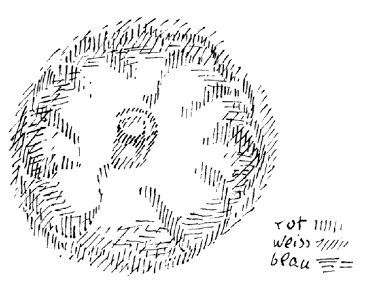
[ 20 ] Durch ein innerliches Erleben wurde der alte Mensch hinaufgehoben in das Übersinnliche. Ich habe Ihnen in diesen Tagen dargestellt, wie der Joga-Schüler hingeführt wurde zu dem innerlichen Erleben des Babyseins. Man erlebte die ersten Eindrücke des Babyseins, dasjenige, was plastisch an dem Menschen gestaltet. Das, wovon man sonst nichts weiß, das wurde durch die Joga-Übungen, von denen ich Ihnen gesprochen habe, bewußt, damit aber gleichzeitig das ganze Vorgeburtliche, beziehungsweise das Leben, das vor der Empfängnis liegt, wo die Seele des Menschen in der geistigen Welt oben war, bevor sie herunterstieg und einen physischen Leib annahm. Davon blieb nur eine Vorstellung zurück. Diese Vorstellung ist auch in den Evangelien enthalten: So ihr nicht werdet wie die Kindlein, könnet ihr nicht eindringen in die Reiche der Himmel. — Dieses Wort bezieht sich darauf, nur hatte es in jener Zeit kein unmittelbares Leben mehr. Es war dieses Wort gewissermaßen eine Erinnerung, daß man einstmals sich zurückversetzen konnte in die Kindleinszeit und da die Reiche der Himmel erleben konnte, aus denen man heruntergestiegen ist durch die Geburt ins physische Dasein. Es ist wohl kaum so, daß der Mensch heute, wenn er aus den Evangelien oder aus einer sonstigen alten Sprache von den Reichen der Himmel hört, sich etwas Bedeutsames darunter vorstellt. Er denkt dann wohl: Nun ja, das habe ich hier auf Erden gesehen — Frankreich, England und so weiter, das ist in Reiche gespalten. Was da auf Erden an Reichen vorhanden ist, das ist auch da oben, da sind auch die Reiche der Himmel. — Sonst kann ja der Mensch nicht recht eine konkrete Vorstellung von den Reichen der Himmel bekommen, wenn er nicht das, was da unten ist, auch oben vorstellen kann. Ich glaube, man sagt im Englischen sogar, wenn ich nicht irre: die Königreiche der Himmel. Ja, da bekommt man keine Vorstellung von dem, was in dem heute modernisierten Ausdruck «die Reiche der Himmel» liegt. Das Evangelium sagt sogar gewöhnlich so, daß man es noch weniger irgendwie sehen kann, was es eigentlich bedeutet, es sagt sogar: das Gottesreich. Dabei denkt sich der Mensch wohl schon kaum noch irgend etwas, sondern er läßt eben ein Wort erklingen. Aber die Himmel waren in alten Zeiten ganz genau dasjenige, was sich — wenn etwa hier die Erde ist (Mitte) — ausbreitete als Sphäre der Welt (weiß, blau). Und «Reich» — was war denn das? Wir wollen von aller Philologie absehen und hier die Beobachtung zu Hilfe nehmen, welche durch anthroposophische Methode selbst gegeben werden kann. «Reich» = dasjenige, was hinreicht, was umreicht, was umringt, das ist das Reichende, das Tönende, das Sprechende, so daß man sich zur Vorstellung aufschwingen muß: Durch diese Himmel tönt hindurch für den, der es wahrnehmen lernt, das Geistig-Seelische. Er nimmt nicht nur wahr die Himmel, sondern das die Himmel durchklingende, durchreichende Weltenwort.
[ 20 ] Through an inner experience, the old human being was lifted up into the supersensible realm. I have described to you in recent days how the yoga student was guided toward the inner experience of being a baby. One experienced the first impressions of being a baby—that which shapes the human being in a vivid, tangible way. That which is otherwise unknown was brought into consciousness through the yoga exercises I have spoken to you about; and with it, at the same time, the entire prenatal period—that is, the life that lies before conception, when the human soul was in the spiritual world above before it descended and took on a physical body. Only a concept of this remained. This concept is also contained in the Gospels: “Unless you become like little children, you cannot enter the kingdoms of heaven.” — This saying refers to that, though at that time it no longer had any immediate vitality. It was, so to speak, a reminder that one could once transport oneself back to childhood and there experience the kingdoms of heaven from which one had descended through birth into physical existence. It is hardly the case today that when people hear about the kingdoms of heaven in the Gospels or in other ancient texts, they imagine anything significant by that term. They probably think: Well, yes, I’ve seen that here on earth—France, England, and so on; that is divided into kingdoms. What exists on earth in terms of kingdoms also exists up there; there, too, are the kingdoms of heaven. — Otherwise, people cannot really form a concrete idea of the kingdoms of heaven unless they can imagine what is down here as also existing up there. I believe they even say in English, if I’m not mistaken: “the kingdoms of heaven.” Yes, it’s hard to grasp what lies behind the now-modernized expression “the kingdoms of heaven.” The Gospel usually puts it in such a way that it’s even harder to grasp what it actually means; it even says: “the Kingdom of God.” Yet people hardly think of anything at all when they hear this—they just let the words ring out. But in ancient times, the heavens were precisely that which—if, for example, the Earth is here (center)—spread out as the sphere of the world (white, blue). And “kingdom”—what was that? Let us set aside all philology and turn instead to the observation that can be derived from the anthroposophical method itself. “Reich” = that which reaches out, that which extends all around, that which encircles—that is, the reaching, the resounding, the speaking—so that one must rise to the following conception: Through these heavens, for those who learn to perceive it, the spiritual-soul aspect resounds. They perceive not only the heavens, but the World Word that resounds through and permeates the heavens.
[ 21 ] Wer nicht werden kann wie die Kindlein, kann nicht wahrnehmen das Wort der Himmel, das Wort, das überall aus den Himmeln spricht. Wenn man irdische Reiche «Reiche» nennt, und die irdischen Herrscher «Herrscher dieser Reiche», so müßte man ja die geheime Vorstellung haben, daß diese Herrscher so laut sprechen oder singen könnten, daß ihre Stimme durch ihr ganzes Reich erklingt. In älteren, legendenhaften Vorstellungen gibt es auch so etwas wie ein Ertönen des Reiches. Und symbolisch kam das dadurch zum Ausdrucke, daß Gesetze gegeben wurden, die nach den Himmelsgegenden hin mit Posaunen verkündet wurden, wodurch das Reich eine Wirklichkeit wurde. Das Reich war nicht die Fläche, auf der die Menschen wohnten, sondern das Reich war das, was die Posaunenengel als den Inhalt der Gesetzmäßigkeiten hinaustrugen in die Weiten.
[ 21 ] Whoever cannot become like little children cannot perceive the Word of Heaven, the Word that speaks from the heavens everywhere. If one calls earthly kingdoms “kingdoms” and earthly rulers “rulers of these kingdoms,” one must surely harbor the secret notion that these rulers could speak or sing so loudly that their voice would resound throughout their entire kingdom. In older, legendary conceptions, there is also such a thing as the resounding of the kingdom. And symbolically, this was expressed by the enactment of laws that were proclaimed toward the regions of heaven with trumpets, thereby making the kingdom a reality. The kingdom was not the land on which people lived, but rather the kingdom was what the trumpeting angels carried out into the vast expanses as the content of the laws.
[ 22 ] Aber es war eine Erinnerung. Es mußte eine andere Vorstellung kommen, die sich mehr auf den Willen bezog — das Vorherige bezog sich auf die Idee, auf den Gedanken —, auf dasjenige, was mit dem Menschen geht, wenn er durch das Tor des Todes geht. Da bleibt ja als seine Energieentwickelung der Wille. Der geht mit ihm durch die Pforte des Todes mit dem Weltgedankeninhalt. Der menschliche Wille, erfüllt mit Weltengedanken, geht mit ihm in die geistigen Welten ein, wenn der Mensch stirbt. Und an diesen Willen wandte sich nun die neue Vorstellung von dem auferstandenen Christus, von dem, der lebt, auch wenn er irdisch gestorben ist. Das war die kräftige, gewaltige Vorstellung, die nicht bloß zurückerinnerte an die Kindheit, die hinwies auf den Tod, und die im Menschen an das appellierte, was mit ihm durch die Pforte des Todes hindurchgeht. So finden wir durchaus begründet in der Menschheitsentwickelung selbst das Hereinbrechen der ChristusVorstellung, des ganzen Christus-Impulses.
[ 22 ] But it was a memory. Another concept had to emerge, one that related more to the will—the previous one related to the idea, to the thought—to that which accompanies a person when he passes through the gate of death. For it is the will that remains as the development of one’s energy. It passes through the gate of death with the person, along with the content of world thought. The human will, filled with world thought, enters the spiritual worlds with the person when he or she dies. And it was to this will that the new concept of the risen Christ now turned—of the One who lives, even though He has died on earth. This was the powerful, mighty concept that did not merely recall childhood, that pointed to death, and that appealed to that within the human being which passes through the gate of death with him. Thus we find, quite justifiably within the development of humanity itself, the emergence of the Christ concept, of the entire Christ impulse.
[ 23 ] Nun kann man aber allerdings sagen: Auch heute sind doch noch viele Menschen auf der Erde, die nichts wissen vom Christus. Diejenigen Menschen, die heute von ihm wissen, wissen es ja meistens schlecht, aber sie lernen etwas vom Christus, wenn sie auch nach dem Sinn des heutigen Materialismus die Vorstellung vom Christus, die Empfindung vom Christus, die sie in sich haben, nicht richtig haben. Aber es gibt doch auf der Erde viele Menschen, die eben in anderen, älteren Religionsformen leben. Und da entsteht die große Frage, die ich schon gestern andeutete. Ich sagte, das Mysterium von Golgatha ist eine Tatsache. Der Christus ist für alle Menschen gestorben. Der ChristusImpuls ist eine Kraft der ganzen Erde geworden. In diesem objektiven Sinne, abgesondert vom Bewußtsein, ist der Christus da für Juden, Heiden, Christen, Hindumenschen, Buddhisten und so weiter. Er ist da. Er lebt seit dem Mysterium von Golgatha in den Kräften der Erden-Menschheitsentwickelung. Aber es macht doch einen Unterschied, ob die Menschen innerhalb eines christlichen Bereiches oder eines nichtchristlichen Bereiches leben. Welcher Unterschied da besteht, das kann man nur studieren, wenn man den Zusammenhang erblickt zwischen dem Leben, das der Mensch entfaltet zwischen dem Tod und einer neuen Geburt und dem Erdenleben. Wenn der Mensch durch den Tod gegangen ist und im Leben, sagen wir, Buddhist oder Hinduist war, wenn er also gar keine Vorstellung, keine Empfindung von dem Christus aufgenommen hat, so nimmt er für das Weltenall hinter den Tod dasjenige mit, was der Mensch eben hier auf der Erde erfahren kann von der äußeren Umgebung, von der Natur. Man würde in den Himmeln nichts von der Natur wissen, wenn der Mensch dorthin nicht — wenn er durch den Tod in die Reiche der Himmel eintritt — die Kunde von der Erde bringen würde. Der Mensch trägt, was er hier auf der Erde aufnimmt, hinüber in das Reich des Übersinnlichen, indem er durch den Tod geht, denn dadurch haben die übersinnlichen Welten überhaupt erst eine Kenntnis von dem Mineralischen, von dem Pflanzlichen, von dem Tierischen auf der Erde. Derjenige aber, der von Christus etwas weiß, der namentlich die Vorstellung haben kann, daß Christus in ihm lebt, der das Paulinische Wort erlebt: «Nicht ich, sondern der Christus in mir» —, der trägt nun nicht bloß die Kunde von der Erde in die übersinnlichen Welten hinein, sondern die Kunde von dem irdischen Menschen. So wird beides hineingetragen auch noch von dem heutigen Menschen. Die Christen tragen in die übersinnliche Welt die Kunde von dem Erdenmenschen hinein, von der leiblichen Erdengestaltung des Menschen. Die Hindumenschen, die Buddhisten und so weiter tragen in die Himmel hinein die Kunde von dem, was um den Menschen herum ist. Es ergänzen sich schon heute die Menschen in dem, was sie als Beitrag liefern für die übersinnlichen Welten, indem sie durch den Tod gehen. Es wird natürlich immer mehr und mehr notwendig, daß alle Geheimnisse, die der Mensch in sich selber, durch sich selber erleben kann, hineingetragen werden in die Himmel, daß der Mensch also immer mehr und mehr durchchristet werde. Aber vor allen Dingen ist es wichtig, daß das, was der Mensch nur als Mensch mit Menschen hier auf der Erde erlebt, mittelst des Christentums durch den Tod getragen wird.
[ 23 ] Now, however, one might say: Even today there are still many people on Earth who know nothing about Christ. Those who do know about him today usually have only a vague understanding, but they are learning something about Christ—even if, in keeping with the spirit of today’s materialism, the image of Christ and the sense of Christ they carry within themselves are not entirely accurate. But there are indeed many people on Earth who live within other, older forms of religion. And this raises the big question I already hinted at yesterday. I said that the Mystery of Golgotha is a fact. Christ died for all people. The Christ impulse has become a force for the whole earth. In this objective sense, apart from consciousness, Christ is present for Jews, Gentiles, Christians, Hindus, Buddhists, and so on. He is there. Since the Mystery of Golgotha, He has lived within the forces of the earth’s human evolution. But it does make a difference whether people live within a Christian context or a non-Christian one. One can only understand what difference this makes by recognizing the connection between the life a person unfolds between death and a new birth, and their earthly life. When a person has passed through death and was, let us say, a Buddhist or a Hindu in life—that is, when they have not absorbed any concept or sense of Christ—they take with them into the universe beyond death only what a human being can experience here on Earth from the external environment, from nature. One would know nothing of nature in the heavens if a person did not—when entering the realms of the heavens through death—bring news of the earth there. Human beings carry what they take in here on Earth over into the realm of the supersensible as they pass through death, for it is through this that the supersensible worlds first come to have any knowledge at all of the mineral, plant, and animal kingdoms on Earth. But the one who knows something of Christ—who, in particular, can hold the idea that Christ lives within him, who experiences the words of Paul: “Not I, but Christ in me”—such a person carries not merely the news of the Earth into the supersensible worlds, but the news of the earthly human being. Thus, both are carried there even by people today. Christians carry into the supersensible world the message of the earthly human being, of the physical earthly form of the human being. Hindus, Buddhists, and so on carry into the heavens the message of what surrounds the human being. Even today, human beings complement one another in what they contribute to the supersensible worlds as they pass through death. Of course, it is becoming more and more necessary that all the mysteries which human beings can experience within themselves and through themselves be carried into the heavens—that human beings, in other words, be increasingly permeated by Christ. But above all, it is important that what human beings experience here on Earth solely as human beings among other human beings be carried into the heavens through death by means of Christianity.
[ 24 ] Bedenken Sie, daß das eigentlich eine außerordentlich wichtige Wahrheit ist, eine ganz wesentliche Wahrheit. Nehmen Sie zum Beispiel den Hinduisten, den Buddhisten. Was er erlebt im Anschauen der Welt, im Empfinden der Welt, im Erfühlen der Welt, was er erlebt an Gedanken über Mineralien, an Empfindungen über Pflanzen, an Gefühlen über Tiere, er trägt das alles durch die Pforte des Todes und bereichert das Götterwissen in der übersinnlichen Welt mit dem, was er also erlebt. Das, was der Christ erlebt, indem er mit seinen Mitmenschen in ein soziales Verhältnis tritt, indem er soziale Zusammenhänge entwickelt, also das, was man nur als Mensch unter Menschen erleben kann, was in menschlicher Bruderschaft auf Erden erlebt wird, das trägt seinerseits der Christ durch die Pforte des Todes. Man möchte sagen: Der Buddhist trägt die Schönheit der Welt durch die Pforte des Todes, der Christ trägt die Güte durch die Pforte des Todes. Sie ergänzen einander schon. Aber der Fortschritt des Christentums besteht darin, daß gerade die sozialen irdischen Verhältnisse eine Bedeutung für die himmlischen Welten bekommen.
[ 24 ] Keep in mind that this is actually an extraordinarily important truth, a truly essential truth. Take, for example, the Hindu or the Buddhist. What they experience in observing the world, in perceiving the world, in feeling the world—what they experience in their thoughts about minerals, their perceptions of plants, and their feelings toward animals—they carry all of this through the gate of death and enrich the knowledge of the gods in the supersensible world with what they have thus experienced. What the Christian experiences by entering into social relationships with his fellow human beings, by developing social bonds—that is, what can only be experienced as a human being among humans, what is experienced in human brotherhood on earth—the Christian, for his part, carries through the gate of death. One might say: The Buddhist carries the beauty of the world through the gate of death; the Christian carries goodness through the gate of death. They already complement one another. But the progress of Christianity lies in the fact that it is precisely these social, earthly relationships that take on significance for the heavenly worlds.
[ 25 ] Die morgenländischen Tyrannen mochten noch so viele Menschen enthaupten, das rührte gewissermaßen die jenseitigen Welten wenig. Es rührte sie nur insofern, als der Mensch dadurch äußere Eindrücke empfing: die äußeren Eindrücke des Abscheus und so weiter, die wurden durch die Pforte des Todes getragen. Das, was heute durch jämmerliche soziale Verhältnisse an Unliebe zwischen Menschen entfaltet wird, was durch Verkennung der sozialen Zusammenhänge auf der Erde als falscher Sozialismus sich ausbreitet, das hat eine große Bedeutung auch für die übersinnlichen Welten, in die der Mensch durch die Pforte des Todes eintritt. Und wenn heute unter der Flagge der Verwirklichung des Sozialismus im Osten von Europa eine furchtbare, zerstörerische Gewalt entwickelt wird, so wird auch das, was da erlebt wird, hineingetragen als furchtbares Ergebnis in die jenseitigen Welten. Und wenn entwickelt werden lieblose Verhältnisse unter den Menschen in der Zeit des Materialismus, so wurde das hineingetragen zum Abscheu der göttlich-geistigen Welten durch die Pforte des Todes in die übersinnlichen Welten.
[ 25 ] No matter how many people the Eastern tyrants might behead, this had, in a sense, little effect on the worlds beyond. It affected them only insofar as human beings thereby received external impressions: the external impressions of revulsion and so on, which were carried through the gate of death. What unfolds today as animosity between people due to wretched social conditions—what spreads on Earth as false socialism through a misunderstanding of social interrelationships—has great significance also for the supersensible worlds into which human beings enter through the gate of death. And when today, under the banner of realizing socialism in Eastern Europe, a terrible, destructive force is unleashed, what is experienced there is also carried into the worlds beyond as a terrible consequence. And when loveless conditions develop among people in this age of materialism, these are carried through the gate of death into the supersensible worlds, to the horror of the divine-spiritual realms.
[ 26 ] Durch das Christentum soll der Mensch gerade dazu kommen, Ergebnisse der Erdenentwickelung, die durch ihn entstehen, auch in die übersinnlichen Welten hineinzutragen. Das, was der Mensch auf der Erde selber ausbildet, das wird er durch den Gedanken an den auferstandenen Christus, an ein lebendes Wesen, das durch den Tod gegangen ist und doch lebt, fähig, in die geistigen Welten hineinzutragen.
[ 26 ] Through Christianity, human beings are meant to be able to carry the results of Earth’s evolution—which arise through them—into the supersensible worlds as well. Through the thought of the risen Christ—a living being who has passed through death and yet lives—human beings become capable of carrying into the spiritual worlds that which they themselves have developed on Earth.
[ 27 ] Daher haben auch diejenigen Menschen, die nicht möchten, daß ihre sozialen Taten durch den Tod getragen werden, heute einen solchen Horror davor, den auferstandenen Christus anzuerkennen. Es hängt eben durchaus die sinnlich-physische Welt mit der übersinnlichen Welt zusammen, und man versteht die eine nicht, wenn man sie nicht im Zusammenhang mit der anderen versteht. Wir müssen wiederum dazu kommen, das, was auf der Erde vorgeht, dadurch zu verstehen, daß wir die geistigen Ereignisse des Weltenalls verstehen. Wir müssen lernen, nicht abstrakt zu reden von Geist und Materie, sondern wir müssen lernen, hinzuschauen auf den Menschen, wie er einmal im Atmungsprozeß einen Zusammenhang erfühlte mit dem Göttlich-Geistig-Seelischen der Welt, und müssen dadurch dazu kommen, selber wiederum das Geistig-Seelische der Welt nun auf die Art zu erleben, wie wir es eben in unserer Zeit erleben können. Auf eine andere Weise kann auch keine Gesundung der sozialen Zustände der Erde erfolgen. Man wird nach sozialer Verbesserung schreien, wird aber nichts erreichen, sondern im Gegenteil: Es wird alles immer mehr dem Niedergange zugehen, wenn nicht diese Durchchristetheit unter den Menschen Platz greift, die aber auf das Reale gehen muß, nicht auf das bloße Aussprechen von inhaltlosen Worten, an denen man sich berauscht.
[ 27 ] That is why even those people who do not wish for their social deeds to be carried forward through death are so horrified today at the thought of acknowledging the risen Christ. The sensory-physical world is indeed closely connected to the supersensory world, and one cannot understand one without understanding it in connection with the other. We must once again come to understand what is happening on Earth by understanding the spiritual events of the universe. We must learn not to speak abstractly of spirit and matter, but rather to look at human beings as they once sensed a connection, through the process of breathing, with the divine-spiritual-soul aspects of the world; and through this, we must come to experience the spiritual-soul aspects of the world ourselves in the way that we can experience them in our own time. There is no other way for the social conditions on Earth to be restored to health. People will cry out for social improvement, but they will achieve nothing; on the contrary, everything will slide ever further into decline unless this “permeation by Christ” takes root among human beings—a permeation that must be grounded in reality, not in the mere utterance of empty words that intoxicate people.
[ 28 ] Am Atem durften sich die Alten berauschen. An Worten dürfen sich die Neueren nicht berauschen. Worte dürfen für sie kein Berauschendes sein, sondern ein im Sinne der Sophia gehaltenes, den Menschen weisheitsvoll Durchdringendes.
[ 28 ] The ancients were allowed to be intoxicated by the breath. The more recent ones must not be intoxicated by words. Words must not be an intoxicant for them, but rather something held in the spirit of Sophia, wisely permeating human beings.
[ 29 ] Das sind die Dinge, durch die Anthroposophie auch auf das hinweist, was in sozialer Beziehung heute wichtig ist. Und sie möchte schon in ihrem Namen etwas davon ausdrücken, diese Anthroposophie, Anthroposophia, die ja auch eine Weisheit ist. Während der Griechenzeit war der Mensch etwas Selbstverständliches. Sophia war schon eine Menschen-Weisheit, weil der Mensch noch licht-weisheitsvoll war. Heute, wenn man sagt: Sophia, da denken die Menschen bloß an das Gespenst der Sophia, an die Wissenschaft. Man muß deshalb schon appellieren an den Menschen, den man heranruft, an den Anthropos: Anthroposophia. Man muß aufmerksam machen, daß das etwas ist, was aus dem Menschen heraus kommt, was aus dem Menschen heraus leuchtet, was aus den besten Kräften des Menschen heraus blüht. Darauf muß man schon hinweisen. Aber dadurch wird auch Anthroposophie etwas, was das menschliche Erdendasein belebt. Denn sie ist etwas, was nur in einer geistigeren, aber nicht minder konkreten Weise vom Menschen erlebt wird, als die alte Sophia erlebt wurde, und was zu gleicher Zeit eben mitbewirken soll dasjenige, was dann im ganzen Menschen war, der Inhalt des Glaubens, Pistis. Es ist Anthroposophie durchaus nicht etwa ein Glaubensinhalt, sondern ein wirklicher Wissensinhalt, aber ein solcher, der den Menschen eine Kraft gibt, wie sie in älteren Zeiten nur der Glaube enthalten hat.
[ 29 ] These are the things through which anthroposophy also points to what is important in social relations today. And it seeks to express something of this even in its name—this anthroposophy, Anthroposophia, which is, after all, a form of wisdom. During the time of the Greeks, the human being was something taken for granted. Sophia was already a human wisdom, because human beings were still full of light and wisdom. Today, when one says “Sophia,” people think only of the specter of Sophia—of science. That is why we must appeal to the human being we are calling upon, to the Anthropos: Anthroposophia. We must draw attention to the fact that this is something that comes from within the human being, that shines forth from within the human being, that blossoms from the best forces within the human being. We must certainly point this out. But in this way, anthroposophy also becomes something that enlivens human existence on earth. For it is something experienced by human beings in a more spiritual, yet no less concrete way than the ancient Sophia was experienced, and which is at the same time meant to help bring about that which was then present in the whole human being: the content of faith, Pistis. Anthroposophy is by no means a matter of faith, but rather a genuine body of knowledge—one that, however, gives human beings a strength that, in earlier times, was found only in faith.