

Educational Practice from the
Perspective of a Spiritual Scientific Knowledge
GA 306
19 April 1923, Dornach
Translate the original German text into any language:
Versions Available:
Educational Practice from the Perspective of a Spiritual Scientific Knowledge, tr. SOL
Fünfter Vortrag
Fifth Lecture
[ 1 ] Für die Unterrichts- und Erziehungspraxis zwischen dem 7. Jahr ungefähr und dem 14. Jahr kommt vor allen Dingen in Betracht, daß man sich richtig zu orientieren vermag zu dem Gefühlsleben des Kindes und innerhalb des Gefühlslebens des Kindes. Da handelt es sich wirklich darum, daß man sich als Lehrer selbst die richtigen bildhaften Vorstellungen zu machen vermag, welche einen führen können durch die zarten Übergänge, welche gerade für diese Lebensperiode beim Kinde bestehen.
[ 1 ] In teaching and educational practice for children between approximately age 7 and age 14, the most important consideration is the ability to orient oneself correctly toward the child’s emotional life and within that emotional life. The real challenge here is for the teacher to be able to form the right vivid mental images that can guide them through the delicate transitions that are characteristic of this particular period in a child’s life.
[ 2 ] Wenn man das Kind in dieSchule hereinbekommt, dann wirkt noch etwas nach die frühere leiblich-religiöse Stimmung - wie ich es genannt habe -, dann wirkt noch nach die Sehnsucht, alles, was in der Umgebung vor sich geht, wahrzunehmen, und es verbindet sich dann dieses Wahrnehmen, welches in Nachahmung übergeht, mit dem Hinhorchen auf das, wie von der selbstverständlichen Lehrer- und Erzieherautorität auf das Kind gewirkt wird. Es muß ja durchaus so sein für dieses kindliche Lebensalter, daß wahr nicht dasjenige ist, was man untersucht hat auf seine Wahrheit, sondern daß wahr dasjenige ist, wovon die selbstverständliche Autorität sagt, daß es wahr ist. Und ebenso muß etwas unwahr sein aus dem Grunde, weil es die selbstverständliche Autorität unwahr findet. Ebenso ist es bei schön und häßlich, ebenso bei gut und böse. Man kann erst zu einem richtig selbständigen, freien Urteil über richtig und unrichtig, gut und böse, schön und häßlich im späteren Leben kommen, wenn man in diesem Lebensalter so recht innig verehrungsvoll zu einer selbstverständlichen Autorität in bezug auf diese Dinge hat aufschauen können. Natürlich darf das nicht eine anbefohlene Autorität sein; es darf nicht eine äußerlich festgestellte Autorität sein. Wenigstens darf, wenn das der Fall sein muß aus äußeren sozialen Gründen, daß die Autorität eine anbefohlene und eine äußerlich festgestellte ist, das Kind nichts davon wissen. Das Kind muß durch die ganze Richtung seiner Gefühle und Empfindungen von der Lehrer- und Erzieherpersönlichkeit eben den Eindruck bekommen, daß es zu ihr als zu der entsprechenden Autorität hinaufschaut. Und man muß alles in diesem zarten autoritativen Verhältnisse, insbesondere so zwischen dem 7. und 9. Lebensjahr, überhaupt zwischen dem Eintreten in die Volksschule und dem 9. Lebensjahr, erhalten. Man muß es noch lange erhalten, aber es modifiziert sich dann zwischen dem 9. und 10. Jahr von selber.
[ 2 ] Once the child enters school, the earlier physical-religious mood—as I have called it—still lingers; the longing to to perceive everything that is going on in their surroundings, and this perception—which then turns into imitation—combines with the child’s attentiveness to the way the self-evident authority of the teacher and educator influences them. It must certainly be the case at this stage of childhood that what is true is not what one has examined for its truth, but rather what the natural authority declares to be true. And likewise, something must be untrue for the very reason that the natural authority deems it untrue. The same applies to beauty and ugliness, and likewise to good and evil. One can only arrive at a truly independent, free judgment regarding right and wrong, good and evil, beautiful and ugly later in life if, at this age, one has been able to look up to a self-evident authority with such deep reverence in regard to these matters. Of course, this must not be an imposed authority; it must not be an externally established authority. At the very least, if—for external social reasons—the authority must be one that is imposed and externally established, the child must not be aware of this. Through the entire orientation of their feelings and sensibilities, the child must receive from the personality of the teacher and educator precisely the impression that they look up to this person as the appropriate authority. And one must preserve this delicate authoritative relationship at all costs, especially between the ages of 7 and 9—and generally between the start of elementary school and the age of 9. It must be maintained for a long time, but it then modifies itself between the ages of 9 and 10.
[ 3 ] Nun trifft etwas anderes zusammen mit dem selbstverständlichen Sichhineinleben des Kindes in das Autoritative. Es trifft das zusammen, daß das Kind ja in der ersten Lebensepoche bis zum Zahnwechsel hin ein Sinneswesen war, gewissermaßen ein ganzes Sinnesorgan war; aber ein Sinnesorgan, in dem bei jedem Schritt des Lebens der Wille gewirkt hat. Es kann Ihnen das vielleicht sonderbar erscheinen, daß ich sage: ein Sinnesorgan, in dem der Wille wirkt. Aber das erscheint Ihnen nur sonderbar, weil die heutige Physiologie und dasjenige, was sich als populäre Ansichten aus dieser Physiologie ergeben hat, eben etwas ganz Unzulängliches ist. Heute denkt man gewöhnlich nicht an den Willen, wenn man zum Beispiel ans Auge denkt. Aber auch beim Auge ist es so, daß das Willensartige das innere Bild zustande bringt und nicht etwas anderes. In jedem Sinnesorgan schafft das Willensmäßige das innere Bild. Das Sinnesorgan, passiv, hat zunächst nur die Aufgabe, sich oder den Menschen der Außenwelt zu exponieren, aber es findet in jedem Sinnesorgan eine innere Aktivität statt, und die ist willensartiger Natur. Und dieses Willensartige wirkt beim Kinde intensiv durch den ganzen Leib bis zum Zahnwechsel hin. Dann bleibt noch dieses Willensartige vorhanden. Und dieses Willensartige erträgt nämlich zwischen dem Eintritt in die Volksschule und ungefähr dem 9. Jahr zunächst nur, daß man es in einer ganz menschlich-bildhaften Weise an alle Dinge der Natur und des Menschen heranführt. Daher arbeiten wir zum Beispiel so, daß wir in der Tat nicht ein ästhetisierendes, aber ein künstlerisches Element gerade in den ersten Unterricht hineinbringen; daß wir das Kind zum Beispiel auch schon ganz von Anfang an mit Farben hantieren lassen, trotzdem das manchmal in der Klasse recht unbequem wird. Aber wir lassen das Kind mit Farben hantieren, weil es damit seinen eigenen Bildekräften folgt im Nebeneinandersetzen der Farben, in dem Sichbefriedigen daran, Farbe neben Farbe zu setzen, nicht bedeutungsvoll, sondern instinktiv-sinnvoll Farbe neben Farbe zu setzen. Das Kind entwickelt nämlich eine wunderbare instinktive Art, die Farben nebeneinanderzusetzen. Und man kann dann schon sehen, wie man dirigieren kann dieses Farbennebeneinandersetzen in das Zeichnen und wie man dann aus dem Zeichnen heraus das Schreiben gewinnen kann.
[ 3 ] Now, something else coincides with the child’s natural immersion in authority. It coincides with the fact that, in the first stage of life—up until the child loses its baby teeth—the child was a sensory being, in a sense an entire sensory organ; but a sensory organ in which the will was at work at every stage of life. It may seem strange to you that I say: a sensory organ in which the will is at work. But this only seems strange to you because modern physiology—and the popular views that have emerged from it—are, in fact, quite inadequate. Today, people generally do not think of the will when they think of the eye, for example. But even with the eye, it is the case that the volitional aspect brings about the inner image, and nothing else. In every sense organ, the volitional aspect creates the inner image. The sense organ, being passive, initially has only the task of exposing itself—or the human being—to the external world; yet an inner activity takes place within every sense organ, and this activity is of a volitional nature. And this volitional aspect works intensely in the child throughout the entire body right up until the change of teeth. Then this volitional aspect remains present. And between entering elementary school and around the age of 9, this volitional aspect initially tolerates only that it be introduced to all things in nature and in human life in a wholly human, pictorial way. That is why, for example, we work in such a way that we do not introduce an aestheticizing element, but rather an artistic one, especially in the very first lessons; that we, for instance, let the child work with colors right from the very beginning, even though this can sometimes be quite inconvenient in the classroom. But we let the child work with colors because in doing so, the child follows its own imaginative powers in juxtaposing colors—finding satisfaction in placing color next to color, not in a meaningful way, but in an instinctive, intuitive way. The child develops a wonderful, instinctive way of placing colors side by side. And one can already see how to guide this juxtaposition of colors into drawing—and how, from drawing, one can then develop writing.
[ 4 ] Aber ganz ohne Verständnis bleibt das Kind dafür, daß man ihm in diesen Jahren schon etwas erklären will. Dafür hat es gar kein Verständnis. Wenn man ihm in diesen Jahren etwas erklären will, dann wird es stumpf, dann geht das gar nicht. Aber es geht wunderbar, wenn man alles, was man an das Kind heranbringen will, nicht erklärt, sondern erzählt, wenn man auch mit Worten, mit Vorstellungen malen will, wenn man Rhythmus hineinbringt in die ganze Art und Weise, wie man dem Kinde die Dinge beibringt. Wenn man Musik nicht nur in der Musik hat, sondern das Musikalische auch in der ganzen Handlung des Unterrichts hat, wenn im Unterricht Takt, Rhythmus, ja sogar ein innerlich Musikalisches walten kann, so hat das Kind dafür ein feines Verständnis. Aber es würde zum Beispiel sich dagegen sträuben, wenn man das, was man gefühls- und willensmäßig menschlich an das Kind heranbringt, nun selbst beschreiben wollte; wenn man also dem Kinde zwischen dem Eintritt in die Volksschule und dem 9. Lebensjahr etwa den Menschen beschreiben wollte. Dagegen würde es sich furchtbar sträuben, das könnte es gar nicht aushalten. Jedoch alles, bis zu den unorganischen Naturwesen herunter, menschlich behandeln, das ist dasjenige, was es in dieser Zeit durch sein Inneres eigentlich fordert.
[ 4 ] But the child remains completely unable to understand why anyone would want to explain anything to him during these years. He has absolutely no understanding of that. If you try to explain something to them during these years, they become unresponsive—it simply doesn’t work. But it works wonderfully if, instead of explaining everything you want to convey to the child, you tell them stories; if you use words and mental images to paint a picture; if you infuse rhythm into the entire way you teach the child. If music isn’t confined to music alone, but if musicality is also present in the entire structure of the lesson—if meter, rhythm, and even an inner musicality can prevail in the lesson—then the child develops a subtle understanding of it. But the child would, for example, resist it if one were to try to describe what one conveys to the child in terms of human feeling and will; that is, if one were to try to describe “human beings” to the child between the time of entering elementary school and the age of nine, for instance. The child would resist this terribly; it simply could not bear it. However, treating everything—right down to inorganic natural beings—in a human way is precisely what the child’s inner being actually demands at this stage.
[ 5 ] Nun bleibt dieser Horror, könnte man es nennen, vor dem Beschreiben des Menschen eigentlich sogar bestehen bis gegen das 12. Lebensjahr. Wir können ganz gut dasjenige ausführen, was ich gestern gesagt habe, zwischen dem 9. und 12. Lebensjahr. Wir können so, wie ich es gestern auseinandergesetzt habe, die Pflanzenwelt dem Kinde beibringen als die Haare, die auf der Erde wachsen; aber wir müssen bei der bildlichen Charakteristik bleiben. Wir können auch die Tierwelt so dem Kinde nahebringen, daß wir in einer Art, die eben dem Kinde liegt, jede Tierform auffassen wie ein Stück Mensch, das einseitig ausgebildet ist. Wir dürfen aber ja nicht nun übergehen etwa zu der Beschreibung des Menschen selber in dieser Zeit. Wir können sogar ganz gut daraufhin das Kind lehrend beeinflussen, daß wir von den Gliedern des Menschen sprechen und diese Glieder in einseitiger Ausbildung auf diese oder jene Tierform anwenden, aber die Zusammenfassung zum Menschen, die versteht das Kind noch gar nicht. Erst gegen das 12. Jahr hin bekommt es dann auch die Sehnsucht, nun das ganze Tierreich zusammenzufassen zum Menschen. Und das kann man dann betreiben in denjenigen Klassen, die eben auf das Lebensalter zwischen dem 11. und 12. Jahr folgen.
[ 5 ] Now, this “horror”—if one might call it that—of describing human beings actually persists until around the age of 12. We can quite effectively put into practice what I said yesterday between the ages of 9 and 12. As I explained yesterday, we can teach the child about the plant world by describing it as the hair that grows on the earth; but we must stick to figurative descriptions. We can also introduce the animal world to the child in such a way that, in a manner appropriate to the child, we conceive of each animal form as a part of a human being that is developed in a one-sided way. However, we must not yet move on to describing human beings themselves at this stage. We can even quite effectively guide the child’s learning by speaking of the human limbs and applying these limbs—in a one-sided form—to this or that animal form, but the child does not yet understand the synthesis that makes up the human being. It is only around the age of 12 that the child begins to feel the longing to synthesize the entire animal kingdom into the human being. And this can then be pursued in the classes designed for the age group between 11 and 12 years old.
[ 6 ] Darin liegt nun ein scheinbarer Widerspruch, aber das Leben ist eben widerspruchsvoll. Der scheinbare Widerspruch ist der, daß man erst sollte das ganze tierische Reich wie den ausgebreiteten Menschen beschreiben. Aber es ist doch richtig, es so zu machen, bevor man den Menschen nun als eine Raumesgestalt selbst in der Zusammenfassung beschreibt. Das Kind muß gewissermaßen zunächst ein Gefühl davon bekommen, daß alles Menschliche vereinseitigt die ganze Erde bewohnt, daß die Tierwelt die ganze Menschlichkeit vereinseitigt in ihren einzelnen Exemplaren ist. Und dann muß das Kind den großen Moment erleben, wo man ihm zusammenfaßt, wie alles dasjenige, was ausgebreitet ist in der Tierwelt, im Menschen konzentriert ist. Darauf kommt es beim Unterrichten an, daß man das Kind die entscheidenden Lebensmomente wirklich erleben läßt. Daß man also dem Kinde einmal das durch die Seele ziehen läßt: Der Extrakt und die synthetische Zusammenfassung der ganzen Tierwelt ist auf einer höheren Stufe der Mensch als physischer Mensch.
[ 6 ] Therein lies an apparent contradiction, but life is, after all, full of contradictions. The apparent contradiction is that one should first describe the entire animal kingdom as if it were a spread-out human being. But it is indeed correct to do so before describing human beings themselves as spatial forms in the summary. The child must, so to speak, first gain a sense that everything human, in a one-sided way, inhabits the entire earth, and that the animal world, in its individual specimens, is humanity in a one-sided way. And then the child must experience that great moment when one summarizes for them how everything that is spread out in the animal world is concentrated in the human being. This is what matters in teaching: that the child is truly allowed to experience these decisive moments of life. That is, that the child is allowed to let this sink into their soul: the essence and synthetic synthesis of the entire animal world is, on a higher level, the human being as a physical human being.
[ 7 ] Es kommt nicht darauf an in diesem Lebensalter, daß man von Stufe zu Stufe dem Kinde diese oder jene Kenntnisse beibringt, sondern es kommt darauf an, daß man im entscheidenden Lebenspunkte es wirklich erleben läßt - daß man es gewisse, wenn ich so sagen darf, Berge des Menschenlebens, die eben im kindlichen Lebensalter liegen, wirklich übersteigen läßt. Das wirkt auf das ganze spätere Leben nach. Und es ist ja schon einmal so, daß unsere Zeit aus der Art, wie sie sich wissenschaftlich entwickelt hat, wirklich recht wenig Begabung hat, so intim auf das Menschenleben und auf das Menschenwesen hinzuschauen. Sonst würden gar nicht die Dinge entstehen, die eben innerhalb der heutigen Zivilisation und insbesondere des heutigen Geisteslebens entstehen. Bedenken Sie nur einmal etwas, was ich in der allerersten Stunde betont habe: Bis zum 7. Lebensjahre arbeitet in all dem körperlichen Geschehen, das dann später im Zahnwechsel sich auslebt, das Seelische. Und ich habe den Vergleich gebraucht: Wenn wir hier eine Lösung haben und da unten bildet sich ein Bodensatz, so ist dies das Dichtere: dann bleibt das Feinere oben übrig - und jedes ist jetzt für sich. Bis zum Zahnwechsel um das 7. Jahr waren eben die beiden beieinander. Wir sagen: Der physische Leib und der Ätherleib, der gröbere Leib und der feinere Leib waren noch eins. Jetzt hat sich der physische Leib herausgesondert, und das ätherische Menschenwesen wird jetzt selbständig arbeitend.
[ 7 ] What matters at this stage of life is not that we teach the child this or that piece of knowledge step by step, but rather that we allow the child to truly experience the decisive moments of life—that we enable the child to truly surmount, if I may say so, certain “mountains” of human life that lie precisely within childhood. This has a lasting effect on the rest of the child’s life. And it is certainly true that, given the way our era has developed scientifically, it has very little capacity to look so intimately at human life and the human being. Otherwise, the things that are arising within today’s civilization—and especially within today’s spiritual life—would not be arising at all. Just consider something I emphasized in the very first lecture: Up until the age of seven, the soul is at work in all the physical processes that later find their expression in the change of teeth. And I used the following analogy: If we have a solution here and a sediment forms down below, the denser substance is the sediment; the finer substance remains on top—and each now exists on its own. Up until the change of teeth around the age of seven, the two were still together. We say: The physical body and the etheric body, the coarser body and the finer body, were still one. Now the physical body has separated itself, and the etheric human being now functions independently.
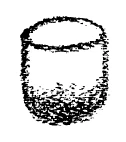
[ 8 ] Ja, aber da kann das eintreten, daß von dem Menschenwesen zuviel von dem Seelischen im physischen Leibe aufgenommen wird. Es muß ja immer Seelisches zurückbleiben, denn der Mensch muß das ganze Leben hindurch seinen physischen Leib beseelt und durchgeistigt haben. Es kann aber zuviel von dem Seelisch-Geistigen zurückbleiben, und da oben zu wenig sein: dann haben Sie ein Menschenwesen, das in seinem physischen Leibe zu viel Seelisches und ein zu dünnes geistig-seelisches Wesen hat; da ist etwas, was schon im Geistig-Seelischen sein sollte, im physischen Leibe zurückgeblieben. Und sehen Sie, das ist ein Tatbestand, der außerordentlich häufig vorkommt! Das aber liefert die wirkliche Erkenntnis, wie Seeleninhalte, die, sagen wir zwischen dem 7. und 14. Lebensjahr als Seeleninhalte da sein sollten, im physischen Leibe unten sitzen. Da haben Sie eine exakte Erkenntnis davon. Aber um diese exakte Erkenntnis zu erwerben, ist es eben notwendig, daß man den Menschen seinem gröberen und feineren Wesen nach wirklich kennt. Daß man also eine Physiologie hat, welche noch genügend Psychisches enthält, und eine Psychologie, die nicht abstrakte Psychologie ist, sondern genügend viel Physiologie enthält; das ist durchaus notwendig. Da muß man sehen, wie das Leiblich-Physische zum Seelischen steht und wie das SeelischGeistige zum Leiblich-Physischen steht; das muß) man durchschauen.
[ 8 ] Yes, but it can happen that too much of the soul is absorbed into the physical body by the human being. After all, some part of the soul must always remain, for throughout their entire life, human beings must have their physical body animated and imbued with spirit. However, too much of the soul-spiritual may remain behind, while there is too little up above: then you have a human being who has too much of the soul in his physical body and a soul-spiritual being that is too thin; something that should already be in the soul-spiritual realm has remained behind in the physical body. And you see, this is a situation that occurs with extraordinary frequency! But this provides the true insight into how soul contents—which, let’s say, should be present as soul contents between the ages of 7 and 14—remain lodged in the physical body. There you have an exact understanding of this. But in order to gain this precise insight, it is precisely necessary to truly know the human being in terms of both their coarser and finer nature. In other words, it is absolutely necessary to have a physiology that still contains a sufficient amount of the psychological, and a psychology that is not abstract psychology but contains a sufficient amount of physiology. One must see how the physical-bodily relates to the soul, and how the soul-spiritual relates to the physical-bodily; one must see through this.
[ 9 ] Durchschaut man das nicht, so hat man doch nur eine dilettantische Physiologie, keine wirkliche Physiologie, und man hat auch eine dilettantische Psychologie und keine wirkliche Psychologie. Und durch dieses Nichtdurchschauen des Menschen hat tatsächlich das heutige Wissenschaftsleben eine dilettantische Psychologie und eine dilettantische Physiologie. Das heißt, es hat so etwas, was sich zusammensetzen kann aus der Wechselwirkung zwischen dem psychologischen Dilettantismus und dem physiologischen Dilettantismus. Das gibt einen «Dilettantismus zum Quadrat», und das nennt man dann - Psychoanalyse. Das ist eben gerade das Geheimnis der Entstehung der Psychoanalyse, daß sie aus einer dilettantischen Physiologie und einer dilettantischen Psychologie hervorgeht, die miteinander so wirken wie zwei Zahlen, die man miteinander multipliziert und die das Quadrat geben. So kommt eben der «Dilettantismus zum Quadrat» heraus. Dilettantische Psychologie multipliziert mit dilettantischer Physiologie = Psychoanalyse. Das sage ich wirklich nicht, um der Psychoanalyse etwas anzuhängen, denn die Dinge können ja nach den Wissenschaftsbedingungen der heutigen Zeit nicht anders sein, weil eben die Menschheit durch ein Zeitalter durchgegangen ist, wo die Psychologie zu dünn und die Physiologie zu dick geworden ist. Und wenn der Mensch die Dinge so betrachtet, so wird immer, statt daß eine echte Wissenschaft zustande kommt, die Physiologie chemisch herausgefällt aus demjenigen, was eine einheitliche Lösung sein sollte. Es ist ein Bild, aber Sie werden das Bild verstehen.
[ 9 ] If one fails to grasp this, one has only an amateurish physiology, not a true physiology, and one also has an amateurish psychology, not a true psychology. And because of this failure to understand human nature, today’s scientific community does indeed have an amateurish psychology and an amateurish physiology. That is to say, it has something that can be composed of the interaction between psychological amateurism and physiological amateurism. This results in “amateurism squared,” and that is what is then called—psychoanalysis. This is precisely the secret behind the origin of psychoanalysis: that it arises from an amateurish physiology and an amateurish psychology, which interact with one another like two numbers that, when multiplied together, yield a square. That is precisely how “dilettantism squared” comes about. Dilettantish psychology multiplied by dilettantish physiology = psychoanalysis. I am certainly not saying this to cast aspersions on psychoanalysis, for things cannot be any different given the scientific conditions of our time, since humanity has passed through an era in which psychology has become too thin and physiology too thick. And when one views things in this way, instead of a genuine science emerging, physiology is always chemically separated from what should be a unified solution. It is a metaphor, but you will understand it.
[ 10 ] Nun, so ist es nun schon einmal, daß wir uns klar sein müssen darüber, wie das wirkliche Menschenwesen sich entwickelt und wie wir die Lebensstationen besonders beim Kinde zu beachten haben.
[ 10 ] Well, the fact is that we must be clear about how the true human being develops and how we must pay particular attention to the stages of life, especially in children.
[ 11 ] Gerade in diesem Lebensalter zwischen dem 9. und 12. Jahr, da ist das Kind empfänglich für alles das, was ihm nun von außen her als Bild entgegengebracht wird. Bis zum 9. Jahre ungefähr will es mittun an dem Bild; da läßt es die Bilder nicht an sich herankommen. Da muß man immer so lebendig neben dem Kinde arbeiten, daß eigentlich das, was der Lehrer macht und das Kind macht, zusammen schon ein Bild ist. Das Arbeiten selber muß schon ein Bild sein. Es kommt nicht darauf an, ob man da Bilder bearbeitet oder etwas anderes, die Arbeit selbst, der Unterricht muß ein Bild sein. So zwischen dem 9. und 10. Jahr tritt dann das auf, daß das Kind für die äußere Bildlichkeit einen besonderen Sinn hat. Die kann man jetzt heranbringen, und das gibt eben die Möglichkeit, in der richtigen Weise die Pflanzen- und Tierwelt an das Kind heranzubringen, insofern darinnen die Bildlichkeit lebt. Bildliches muß man heranbringen gerade in der Pflanzen- und Tierwelt. Und je mehr man imstande ist, bildlich darzustellen dasjenige, was in unseren botanischen Lehrbüchern bis zur dritten Potenz der Unbildlichkeit dargestellt wird, ein desto besserer Lehrer ist man gerade für die Kinder zwischen dem 9. und 12. Jahr. Alles ins Bild hereinbringen, das ist ja auch das, was so unendliche innere Befriedigung geben kann. Denn wenn man die Pflanzenwelt in ihren Formen in die Bilder hereinbringt, so muß man mitschöpferisch sein.
[ 11 ] It is precisely at this age, between 9 and 12 years old, that the child is receptive to everything that is presented to them from the outside in the form of images. Up until about the age of 9, the child wants to participate in creating the image; at that stage, the child does not allow images to simply come to them. One must always work alongside the child in such a lively way that what the teacher does and what the child does together actually form an image. The work itself must already be an image. It does not matter whether one is working with images or something else; the work itself—the lesson—must be an image. Then, between the ages of 9 and 10, the child develops a special sensitivity to external imagery. This can now be introduced, and it provides the opportunity to present the plant and animal worlds to the child in the right way, insofar as imagery is alive within them. Imagery must be introduced precisely in the plant and animal worlds. And the more one is able to depict in a pictorial way what is presented in our botanical textbooks to the third power of non-pictoriality, the better a teacher one is, especially for children between the ages of 9 and 12. Bringing everything into the picture—that is, after all, what can provide such infinite inner satisfaction. For when one brings the plant world, in all its forms, into the pictures, one must be co-creative.
[ 12 ] Dieses Mitschöpferische, das ist es ja, was überhaupt wiederum in unsere Zivilisation erst so recht hereinkommen will! Man erlebt es ja heute alle Augenblicke, wie Menschen, die im Leben stehen, voller Verzweiflung zu einem kommen, weil sie nichts Bildliches erfassen können. Das führt eben zurück darauf, daß die Kindheit dieser Menschen nicht in der richtigen Weise zugebracht worden ist. Die Welt hat ja leicht darüber lachen, daß wir sagen: Der Mensch besteht aus physischem Leib, Ätherleib, Astralleib und Ich. Die Welt hat leicht lachen darüber, denn wenn man alles das, was man heute aus der gangbaren Wissenschaft wissen kann, zusammen nimmt und dann solch eine Sache beurteilt, kann man ja nur über sie lachen. Wenn man nicht auf die Sache eingeht, kann man nur lachen - man versteht es ganz gut, daß die Menschen darüber lachen. Aber es sollte gerade aus den ernsten Verwickelungen der Kultur heraus doch der Drang hervorgehen, dasjenige zu suchen, was man sonst nirgends findet; das ist doch bei vielem der Fall, daß man es sonst nirgends findet. Und gar viel ist natürlich zu lachen, wenn man sagt: Der physische Leib wird mit der Geburt geboren, da entwickelt er sich in jener leiblichen Religiosität, jenem Nachahmen bis zum Zahnwechsel hin; der Ätherleib und alles übrige arbeitet da noch in ihm. Das sind die Kräfte, die in ihm geistig-seelisch arbeiten. Mit dem Zahnwechsel wird der Ätherleib geboren; der arbeitet dann selbständig in dem Menschen. Der Astralleib wird erst geboren mit der Geschlechtsreife; dann arbeitet auch der Astralleib selbständig im Menschen. Und das Ich - das muß man nun schon mit einer gewissen Reserve heute sagen -, das Ich, das wird nämlich erst nach dem 20. Lebensjahre wirklich geboren. Das ist dasjenige, worüber man dann am besten weise schweigt, wenn man zu Menschen zu sprechen hat, die in ihren ersten akademischen Jahren stehen. Aber es ist eben doch eine Wahrheit. Es bleibt nichts anderes übrig, es ist eben so.
[ 12 ] This co-creative aspect—that is precisely what is now striving to make its way into our civilization more than ever! One experiences it every moment today: people who are in the midst of life come to you in utter despair because they cannot grasp anything visual. This simply points back to the fact that these people’s childhoods were not spent in the right way. The world, of course, finds it easy to laugh at our claim that a human being consists of a physical body, an etheric body, an astral body, and an “I.” The world finds it easy to laugh at this, because if you take everything that is currently known from mainstream science and then judge such a concept, you can’t help but laugh at it. If one does not delve into the matter, one can only laugh—one understands quite well why people laugh at it. But it is precisely from the serious entanglements of culture that the urge should arise to seek what cannot be found anywhere else; this is indeed the case with many things—they cannot be found anywhere else. And of course there is plenty to laugh about when one says: The physical body is born at birth, and there it develops through that physical religiosity, that imitation, until the change of teeth; the etheric body and everything else is still at work within it. These are the forces that work within it on a spiritual-soul level. With the change of teeth, the etheric body is born; it then works independently within the human being. The astral body is not born until sexual maturity; then the astral body, too, works independently within the human being. And the “I”—and one must say this today with a certain degree of reserve—the “I” is not truly born until after the age of 20. This is the very thing about which it is best to remain wisely silent when speaking to people who are in their early academic years. But it is, after all, the truth. There is no other way around it; that is simply how it is.
[ 13 ] Nun, wenn man allerdings die Unterschiede nicht kennt zwischen den vier ganz voneinander verschiedenen Gliedern der menschlichen Wesenheit, dann wird man das zunächst als einen Unsinn betrachten oder wenigstens als etwas höchst Überflüssiges. Es ist aber nichts Überflüssiges, wenn man die volle Wesenheit kennt. Sehen Sie, das Physische hat zu seiner hauptsächlichsten Charakteristik, daß es drückt - ich könnte auch sagen, daß es den Raum ausfüllt. Daß es drückt. Es drückt auf die anderen Gegenstände, es schiebt sie weiter; es drückt auf uns selber. Diesen Druck erleben wir mit dem Tastsinn. Das Physische drückt. - Das Ätherische - ja, mit diesem Ätherischen ist es etwas ganz Sonderbares. Der Äther ist ja eigentlich für die Wissenschaft in den letzten 40 bis 50 Jahren ein merkwürdiges Ding gewesen. Wenn man alle die Äthertheorien jetzt hersagen wollte, die aufgestellt worden sind über die Wesenheit des Äthers, ja, dann würden wir nicht so bald fertig werden - bis es zuletzt heute schon so ist, daß eine ganze Anzahl von Leuten behaupten: der Äther, der ist im Grunde eigentlich nur die im Raum wesende Mathematik und Mechanik, die eigentlich nur etwa als Linien da seien. Ja, im Grunde genommen ist für viele der Äther seinem Inhalte nach bestehend aus herumfliegenden Differentialquotienten; also Errechnetes jedenfalls. Nun, immerhin hat man über diesen Äther sehr viel nachgedacht. Das ist ja sehr löblich, aber auf diesem Wege kommt über den Äther nichts heraus. Da muß man schon wissen, daß der Äther die von dem Druck entgegengesetzte Eigenschaft hat. Er saugt nämlich, der Äther ist der Saugende. Er will durch seine eigene Wesenheit immer die räumliche Materie aus dem Raume heraus vernichten. Das ist das Wesentliche des Äthers. Wo die physische Materie drückt, da saugt der Äther. Die physische Materie erfüllt den Raum; der Äther schafft die Materie aus dem Raume heraus. Er ist nämlich die negative Materie, aber qualitativ negativ, nicht quantitativ negativ.
[ 13 ] Well, if one is unaware of the differences between the four entirely distinct aspects of the human being, one will initially regard this as nonsense—or at least as something utterly superfluous. But it is not superfluous at all if one understands the full nature of the human being. You see, the physical has as its most principal characteristic that it exerts pressure—I could also say that it fills space. That it exerts pressure. It exerts pressure on other objects, pushing them along; it exerts pressure on us ourselves. We experience this pressure through the sense of touch. The physical exerts pressure. — The ethereal—yes, there is something quite peculiar about this ethereal aspect. After all, for science over the past 40 to 50 years, the ether has actually been a curious phenomenon. If one were to recite all the theories about the ether that have been put forward regarding its nature, well, we wouldn’t finish anytime soon—to the point where, even today, a whole number of people claim: the ether is, in essence, really just mathematics and mechanics existing in space, which are essentially nothing more than lines. Yes, essentially, for many, the ether consists, in terms of its content, of flying-around differential quotients; in any case, it is something calculated. Well, at any rate, a great deal of thought has been given to this ether. That is certainly commendable, but nothing about the ether emerges from this approach. One must realize that the ether possesses the opposite property to pressure. For it sucks; the ether is the suction force. By its very nature, it always seeks to destroy spatial matter and remove it from space. That is the essence of the ether. Where physical matter exerts pressure, the ether sucks. Physical matter fills space; the ether expels matter from space. For it is, in fact, negative matter—but negative in a qualitative sense, not a quantitative one.
[ 14 ] Das ist in bezug auf den menschlichen Ätherleib ebenso. Wir leben zwischen physischem Leib und Ätherleib so, daß wir uns fortwährend vernichten und wieder herstellen. Der Äther vernichtet fortwährend unsere Materie, der physische Leib stellt sie wieder her. Das widerspricht allerdings - das will ich nur in Parenthese erwähnen - dem heute so beliebten Gesetz von der Erhaltung der Kraft. Aber die Tatsache ist, daß? dieses Gesetz von der Erhaltung der Kraft der inneren Wesenheit des Menschen, der Wahrheit widerspricht. Es gilt nur für die unorganische Welt im strengen Sinne des Wortes. Für die organische gilt es nur so weit, als diese von Unorganischem ausgefüllt ist; für die Eisenteilchen im Blutserum gilt dieses Gesetz, aber nicht für das ganze Menschenwesen. Da findet ein fortwährendes Oszillieren statt zwischen den aufsaugenden und uns vernichtenden Kräften des Äthers und der Wiederherstellung des physischen Leibes.
[ 14 ] The same is true of the human etheric body. We live between the physical body and the etheric body in such a way that we are constantly destroying and rebuilding ourselves. The ether continually destroys our matter, while the physical body restores it. This, however—and I mention this only in passing—contradicts the law of conservation of energy, which is so popular today. But the fact is that this law of conservation of energy contradicts the inner essence of the human being, the truth. It applies only to the inorganic world in the strict sense of the word. For the organic world, it applies only to the extent that it is filled with inorganic matter; this law applies to the iron particles in blood serum, but not to the entire human being. There is a constant oscillation between the forces of the ether—which absorb and destroy us—and the restoration of the physical body.
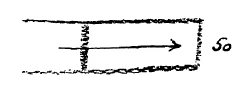
[ 15 ] Beim Astralleibe ist es nun so, daß er nun nicht nur den Raum aufsaugt, sondern daß er kurioserweise die Zeit aufsaugt. Der hat nämlich etwas Rückführendes. Er ist rückführend, der Astralleib. Das kann ich Ihnen nun gleich am Beispiel des Menschen ganz klarmachen. Denken Sie sich einmal, Sie seien eine ältere Persönlichkeit von etwa 50 Jahren geworden. Ja, in Ihrem Astralleibe wirken nämlich fortwährend Kräfte, die Sie zurückführen in die Zeiten des verbrachten Erdenlaufes, die Sie zurückführen in die Zeit, die vor der Geschlechtsreife liegt. Sie erleben in Ihrem Astralleib gar nicht diesen Fünfzigjährigen. Sie erleben den EIf-, Zwölf-, Dreizehn-, Vierzehnjährigen in Wirklichkeit. Der strahlt herein in Sie dadurch, daß der Astralleib zurückführt. Das ist das Geheimnis des Lebens. Wir werden nur in bezug auf den physischen Leib und den Ätherleib und seine Oszillationen eigentlich alt. Der Astralleib ist dasjenige, was uns immer wieder zurückführt zu den früheren Lebensstadien. Da sind wir noch immer reifere Kinder. Alle miteinander sind wir noch immer reifere Kinder durch unseren Astralleib. Wenn wir also unseren Lebenslauf durch eine Röhre symbolisch vorstellen, und wir sind hier 50 Jahre alt, dann strahlt unsere reifere Kindheit, weil eben der Astralleib uns zurückleitet, ihr Wesen bis in unsere Fünfzigerjahre hinein. Im Astralischen lebt man immer rücklaufend - aber selbständig wird dieses rücklaufende Leben eben erst mit der Geschlechtsreife. Sieht man das in seinem vollen Ernste ein, dann will man schon selbstverständlich den Kindern für ihr ganzes Leben das erhalten, was man ihnen im schulpflichtigen Alter angestaltet. Man will ihnen das erhalten. Denn das, was Sie dem Kinde da angestalten, das lebt mit ihm durch das ganze Leben, weil der Astralleib immer rückwirkend ist. Für alles, was Sie im volksschulpflichtigen Alter mit dem Kinde vollbringen, steht eigentlich vor Ihnen der ganze menschliche Lebenslauf - und wenn der Mensch 90 Jahre alt wird. Das gibt für die Gesinnungspädagogik die richtige Verantwortung. Denn auf diese Verantwortlichkeit kommt es an, daß man überhaupt wissen lernt, was man tut. Und man lernt das erst wissen, wenn man solche Zusammenhänge des Lebens wirklich kennenlernt.
[ 15 ] The thing about the astral body is that it not only absorbs space, but—curiously enough—it also absorbs time. For it has a certain retroactive quality. The astral body is retroactive. I can make this very clear to you right now using the example of a human being. Just imagine for a moment that you have become an older person, about 50 years old. Indeed, forces are constantly at work in your astral body that take you back to the times of your past earthly life, back to the time before puberty. In your astral body, you do not actually experience this 50-year-old. In reality, you experience the 11-, 12-, 13-, and 14-year-old. That person shines into you because the astral body takes you back. That is the mystery of life. We actually grow old only in relation to the physical body and the etheric body and its oscillations. The astral body is what constantly takes us back to earlier stages of life. There, we are still more mature children. All of us together are still more mature children through our astral body. So if we mentally image our life’s course as a tube, and we are 50 years old here, then our more mature childhood—precisely because the astral body leads us back—radiates its essence right into our fifties. In the astral realm, one always lives in a retrograde manner—but this retrograde life only becomes independent with the onset of sexual maturity. If one recognizes this in all its seriousness, then one naturally wants to preserve for the children, throughout their entire lives, what one instills in them during their school-age years. One wants to preserve that for them. For what you instill in the child at that time lives on with them throughout their entire life, because the astral body always acts retroactively. For everything you accomplish with the child during their compulsory schooling years, the entire course of human life actually lies before you—even if the person lives to be 90 years old. This is what gives “pedagogy of disposition” its true responsibility. For it is this responsibility that enables one to truly understand what one is doing. And one only comes to understand this when one truly comes to know such connections in life.
[ 16 ] Nun, wenn man das kennt, dann wird man nicht mehr bloß sagen: Bringe dem Kinde nur dasjenige bei, was es schon versteht. Das ist nämlich eigentlich in bezug auf das Wesen des Menschen etwas Schreckliches, dem Kinde nur das beizubringen, was es schon versteht. Und diejenigen Lehrbücher und auch pädagogischen Handbücher für Lehrer, die unter dem Einflusse dieser Art von besonderem Anschauungsstreben entstanden sind, die sind zum Verzweifeln trivial. Da will man sich immer auf die Stufe des Kindes herunter versetzen und nur so die Dinge behandeln, daß das Kind schon alle Einzelheiten durchschauen kann. Da nimmt man dem Kinde etwas Ungeheueres; das sieht derjenige ein, der den Zusammenhang des kindlichen Lebens mit dem ganzen Menschenwesen durchschaut. Nehmen Sie an, das Kind habe irgend etwas, was es im 8. Jahr noch gar nicht verstehen kann, deshalb aufgenommen, weil es seinen Lehrer und Erzieher liebt, weil ihm das wahr und schön und gut ist, was der Lehrer sagt. Die Liebe zum Lehrer, die Sympathie ist das Vehikel für das Aufnehmen; reif ist man, sagen wir, erst mit 35 Jahren, diese Sache zu verstehen. - Es sagt sich so etwas zwar dem modernen Menschen schwer, weil er nicht zugibt, daß man für manche Sachen erst mit dem 35. Jahr reif wird, aber es ist doch so: Reif wird man erst für irgend etwas, was man da in Liebe zum Lehrer aufgenommen hat, mit dem 35. Jahr. Da hat man dann wiederum ein Erlebnis durch die rückstrahlende Kraft des Astralleibes. Da dringt etwas wie aus dem Innern herauf, es schaut wie ein Spiegelbild aus; eigentlich ist es ein Hingehen zu der Kindlichkeit. Es ist wie ein Heraufkommen in der Anschauung. Da ist man 35 Jahre alt, ist reifgeworden - aus den Tiefen der Seele taucht herauf: Jetzt verstehst du ja erst dasjenige, was du in deinem 8. Jahr dazumal in dich aufgenommen hast. Und dieses Verstehenkönnen von etwas, was lange in einem gelebt hat, auf die Liebe hin in einem gelebt hat, ist etwas ungeheuer Erfrischendes im Leben. Dieses Erfrischende im Leben können wir dem Kinde geben, wenn wir in ihm die Autorität so bewahren, daß das Vehikel zwischen ihm und uns die Liebe ist, die Sympathie ist - und wir dem Kinde dasjenige geben, was es noch nicht anschauen und verstehen kann, sondern was ihm erst heranwachsen muß im Laufe des Lebens.
[ 16 ] Well, once you understand this, you will no longer simply say: “Teach the child only what it already understands.” For, in terms of human nature, it is actually a terrible thing to teach a child only what it already understands. And those textbooks and pedagogical manuals for teachers that were written under the influence of this kind of narrow focus on the concrete are exasperatingly trivial. They always seek to lower themselves to the child’s level and treat things only in such a way that the child can already grasp every detail. In doing so, they rob the child of something immense; anyone who understands the connection between a child’s life and the whole of human existence can see this. Suppose a child has taken in something that it cannot yet understand at the age of eight simply because it loves its teacher and educator, and because what the teacher says seems true, beautiful, and good to the child. Love for the teacher—that sympathy—is the vehicle for absorption; one is not truly ready, let’s say, until the age of 35 to understand this matter. —It is difficult for modern people to accept such a notion, because they refuse to admit that for some things one does not become ready until the age of 35, but it is nevertheless true: One only becomes mature for whatever one has absorbed out of love for the teacher by the age of 35. Then one has an experience through the reflective power of the astral body. Something wells up from within; it appears like a mirror image; in reality, it is a return to childlikeness. It is like a rising in insight. You are 35 years old, you have come of age—and from the depths of the soul something emerges: Only now do you truly understand what you took in back then, when you were eight years old. And this ability to understand something that has long lived within you—that has lived within you out of love—is something immensely refreshing in life. We can give this refreshment to the child’s life if we preserve our authority over them in such a way that the vehicle between them and us is love, is sympathy—and we give the child what they cannot yet perceive or understand, but what must first grow within them over the course of their life.
[ 17 ] Diese Zusammenhänge kennt eben derjenige gar nicht, der immer nur das an das Kind heranbringen will, was es versteht. Aber auch das Entgegengesetzte ist durchaus falsch und ungehörig. Derjenige, der das Menschenwesen versteht, wird als Erzieher oder Lehrer die Redensart nie im Munde führen: Das verstehst du noch nicht! - das darf es ja gar nicht geben, daß man jemals veranlaßt ist, zu dem Kinde in irgendeinem Lebensalter zu sagen: Das verstehst du noch nicht. Denn es wird immer eine Form geben, in die man dasjenige kleiden kann, was das Kind wissen will, wenn man nur das richtige Verhältnis zum Kinde hat. Man muß diese Form nur finden. Und diese Form findet man, wenn man eine solche Pädagogik, wie sie hier gemeint ist, zum instinktiven Leben macht. Man findet eben die entsprechende Form in dem Augenblick, wo man sie braucht. Und man findet vor allen Dingen dann die Möglichkeit, dem Kinde keine scharf umrissenen Vorstellungen zu geben. Das ist nämlich schrecklich, wenn man dem Kinde gegenüber alle Vorstellungen bis zur Unbeweglichkeit deutlich ausarbeitet. Tut man das, dann ist es nämlich so, wie wenn man das kleine Händchen des Kindes in einen eisernen Handschuh einspannte, daß es nicht mehr wachsen kann. Wir dürfen dem Kinde nie fertige Vorstellungen beibringen, sondern nur solche, die wachsen können, sich wandeln können, Vorstellungen, die selber leben.
[ 17 ] The very person who always wants to present only what the child understands is completely unaware of these connections. But the opposite is also entirely wrong and inappropriate. Anyone who understands human nature will never, as an educator or teacher, utter the phrase: “You don’t understand that yet!”—it must never happen that one is ever led to say to a child, at any age: “You don’t understand that yet.” For there will always be a form in which one can express what the child wants to know, provided one has the right relationship with the child. One simply has to find that form. And one finds this form when one makes the kind of pedagogy referred to here an instinctive way of life. One simply finds the appropriate form at the very moment one needs it. And above all, one then finds the possibility of not giving the child sharply defined mental images. For it is terrible to work out all mental images for the child so clearly that they become rigid. If one does that, it is as if one were clamping the child’s little hand into an iron glove, so that it can no longer grow. We must never teach the child ready-made mental images, but only those that can grow, that can change—mental images that have a life of their own.
[ 18 ] Wenn wir also beim Bildhaften, Gestaltenhaften bleiben bis gegen das 12. Jahr hin, so werden wir auch nicht versucht sein, dem Kinde scharf umrissene, gewissermaßen starre Begriffsfiguren vorzuführen. Denn da ist es, wie wenn wir dem kleinen Kind ein Händchen in einen Eisenhandschuh zwängen, daß es nicht mehr wachsen kann. Und das, was ich als Unterricht skizziert habe, das gibt gar nicht Veranlassung dazu, in scharfe Begriffsformen die Dinge einzuspannen, sondern zu gestalten mit Worten, mit der Hand, auf die Tafel oder was es sonst ist, mit dem Pinsel in der Farbe anschaulich zu malen, zu zeichnen und so weiter. Aber immer ist das Bewußtsein da: das ist in sich beweglich, und es muß beweglich bleiben; denn man muß wissen, daß sich etwas erst gegen das 12. Jahr, und zwar sehr nahe am 12. Jahr, in dem Kinde entwickelt, und das ist der Sinn für den Kausalitätsbegriff.
[ 18 ] If, then, we stick to the pictorial and creative aspects until around the age of 12, we will not be tempted to present the child with sharply defined, in a sense rigid, conceptual figures. For it is as if we were forcing a small child’s little hand into an iron glove, so that it can no longer grow. And what I have outlined as teaching does not give any reason to force things into rigid conceptual forms, but rather to shape them with words, with the hand, on the blackboard or wherever else, to paint vividly with a brush in paint, to draw, and so on. But the awareness is always there: it is flexible in itself, and it must remain flexible; for one must know that something develops in the child only around the age of 12—and very close to the age of 12—and that is the sense of the concept of causality.
[ 19 ] Den Kausalitätsbegriff hat das Kind bis gegen das 12. Jahr hin überhaupt nicht. Es sieht dasjenige, was beweglich ist, was bewegliche Vorstellungen sind. Was als Bildhaftes, Musikalisches da ist, das schaut es, nimmt es wahr, aber es hat für den Kausalbegriff bis gegen das 12. Jahr hin keinen Sinn. Daher müssen wir dasjenige, was wir dem Kinde beibringen bis gegen das 12. Jahr hin, rein sein lassen vom Kausalitätsbegriff. Da erst können wir darauf rechnen, daß das Kind die gemeiniglichen Zusammenhänge zwischen Ursachen und Wirkungen ins Auge fassen kann. Von da an fängt das Kind eigentlich erst an, sich Gedanken zu machen; bis dahin hat es Bildvorstellungen. Da leuchtet nämlich schon voran dasjenige, was dann mit der Geschlechtsreife vollständig auftritt: das gedankliche, das urteilende Leben, das an das Denken im engeren Sinne geknüpft ist - während das Leben zwischen dem Zahnwechsel und der Geschlechtsreife an das Fühlen geknüpft ist und das Leben vor dem Zahnwechsel an den innerlich sich entfaltenden Willen, der für dieses Lebensalter nicht unter Gedanken steht, sondern unter Nachahmung des dem Kinde körperhaft Entgegentretenden. Aber mit dem körperhaft dem Kinde Entgegentretenden setzt sich auch das Moralische, das Geistige beim Kinde fest im Körperhaften. Daher ist es auch unmöglich, im 10. bis 11. Lebensjahr, meistens sogar noch im 11. bis 12. Lebensjahr, dem Kinde etwas beizubringen, wo man auf Kausalität sehen muß. Man sollte daher anfangen mit dem Beibringen der mineralischen Welt erst gegen das 12. Jahr. Und physikalische Begriffe sollten auch erst gegen dieses Lebensjahr hin auftreten, nachdem sie vorher im Grunde genommen nur vorbereitet sind. Da wird das Kind erst reif für das Aufnehmen solcher Begriffe. Alles, was sich auf das Unorganische bezieht, kann das Kind im Sinne eines Kausalbegriffes erst gegen das 12. Jahr hin begreifen. Es muß natürlich alles vorher vorbereitet sein, aber nicht durch Kausalbegriffe; sondern was später durch diese Kausalbegriffe erfaßt wird, das muß vorbereitet werden in Bildern ohne den Kausalitätsbegriff. Das Kind muß gewissermaßen einen Stoff haben, an dem es diese Kausalitätsbegriffe anwendet. Das auf der einen Seite.
[ 19 ] Children have no concept of causality at all until around the age of 12. They see what is in motion—what are dynamic mental images. They observe and perceive what is present as pictorial or musical, but the concept of causality makes no sense to them until around the age of 12. Therefore, what we teach the child until around the age of 12 must be free from the concept of causality. Only then can we expect the child to grasp the general relationships between causes and effects. From that point on, the child actually begins to think for itself; until then, it has only pictorial representations. For what is already beginning to emerge is what will fully emerge with sexual maturity: the intellectual, judgmental life, which is linked to thinking in the narrower sense—whereas life between the change of teeth and sexual maturity is linked to feeling, and life before the change of teeth is linked to the will unfolding within, which at this age is not governed by thoughts but by imitation of what the child encounters physically. But along with what the child encounters physically, the moral and spiritual aspects also become firmly rooted in the child’s physical being. Therefore, it is also impossible to teach a child anything that requires an understanding of causality between the ages of 10 and 11—and in most cases, even between the ages of 11 and 12. One should therefore begin teaching about the mineral world only around the age of 12. And physical concepts should also be introduced only around this age, after they have essentially been prepared beforehand. Only then is the child ready to absorb such concepts. The child can grasp everything related to the inorganic realm in the sense of a causal concept only around the age of 12. Of course, everything must be prepared beforehand, but not through concepts of causality; rather, what will later be grasped through these concepts of causality must be prepared in images that do not involve the concept of causality. The child must, so to speak, have a subject matter to which it can apply these concepts of causality. That is one aspect.
[ 20 ] Auf der anderen Seite können Sie den Kindern vor diesem Lebensalter gegen das 12. Jahr hin nicht Zusammenhänge in der Geschichte begreiflich machen. Da sollen Sie vor die Kinder hinstellen einzelne Menschenbilder, die entweder das Gefallen erwecken durch ihre Güte, ihre Wahrhaftigkeit oder dergleichen oder das Mißfallen erwecken durch das Gegenteil. Auf Gefallen und Mißfallen, auf das Gefühlsund Gemütsleben muß auch die Geschichte gestellt werden: geschlossene Bilder von Vorgängen und von Persönlichkeiten, aber Bilder, die in dem Sinne wieder beweglich gehalten werden, wie ich es angedeutet habe. Dagegen kausale Zusammenhänge zwischen dem Früheren und dem Späteren, die können Sie dem Kinde erst beibringen, wenn in ihm voranleuchtet dieses Rückläufige des Astralleibes, das dann stärker auftritt nach dem 14. Jahr. So gegen das 12. Jahr hin kommt das Kind in dieses Rückläufige hinein, und man kann dann anfangen, an den Kausalitätsbegriff zu appellieren auch in der Geschichte.
[ 20 ] On the other hand, you cannot help children younger than 12 years of age to grasp the connections within a story. Instead, you should present them with individual character portraits that either inspire approval through their kindness, truthfulness, or similar qualities, or inspire disapproval through the opposite. History must also be grounded in approval and disapproval, in the life of feelings and emotions: complete pictures of events and personalities, but pictures that are kept flexible in the sense I have indicated. On the other hand, causal connections between earlier and later events—you can only teach these to the child once this “retroactive” aspect of the astral body begins to shine within them, which then becomes more pronounced after the age of 14. Around the age of 12, the child enters into this retrospective aspect, and one can then begin to appeal to the concept of causality in history as well.
[ 21 ] Vorher bereitet man dem Kinde im Grunde genommen etwas recht Schlimmes für das Leben zu, wenn man auf den Kausalitätsbegriff und das damit verknüpfte Verstandesurteil sieht. Denn sehen Sie: da ist ja erst der Ätherleib da. Gegen das 12. Jahr hin fängt langsam der Astralleib an, geboren zu werden; er wird dann voll geboren mit der Geschlechtsreife - aber vorher ist ja nur der Ätherleib da. Wenn Sie da dem Kinde Urteile von Ja und Nein einprägen oder es sich Begriffe einprägen lassen, so gehen ja die Dinge statt in den Astralleib in den Ätherleib hinein. Aber von was ist denn der Astralleib noch der Träger? Bedenken Sie, Sie werden aus dem Faktum der Geschlechtsreife es entnehmen können: Der Astralleib ist der Träger der menschlichen Liebe. Er arbeitet natürlich schon vorher im Kinde, aber er ist nicht selbständig geboren. Dadurch pflanzen Sie dann das Ja und Nein, das Kritikurteil, statt in den Astralleib in den Ätherleib hinein. Wenn Sie es in den Astralleib zur richtigen Zeit hineinpflanzen, dann fügen Sie dem Urteil, auch der Kritik, die Kraft der Liebe bei, die Kraft des Wohlwollens. Fügen Sie dem Kinde die Untat zu, es zu früh kritisieren zu machen, es zu früh auf Ja und Nein abzustimmen, dann stopfen Sie dieses Ja und Nein, diese Kritik, in den Ätherleib hinein. Der ist nicht wohlwollend: der ist aufsaugend, der ist übelwollend eigentlich, der wirkt zerstörend. Das tun Sie dem Kinde an, wenn Sie zu früh das Ja- oder Nein-Urteil - und ein Ja- und NeinUrteil ist auch immer in der Kausalitätsvorstellung gelegen - dem Kinde beibringen. Den geschlossenen Vorgang schaut man an; die Persönlichkeit, die bildhaft geschildert wird, schaut man an. Wenn man in der Geschichte epochenweise das Spätere mit dem Früheren verbindet, da urteilt man, da weist man ab, da nimmt man an. Da ist immer das Ja und Nein drinnen, und man bekommt zuletzt eben dasjenige heraus, was eigentlich ein Sichsträuben ist gegen das, was einem als Urteil in der Welt entgegentritt. Man nimmt die Urteile der anderen nicht mit Liebe auf, sondern mit einer in einem liegenden zerstörerischen Kraft, wenn man die Urteilskraft zu früh entwickelt. Aus solchen Dingen kann man wirklich sehen, wie sehr es darauf ankommt, zur richtigen Zeit das Richtige im schulpflichtigen Alter zu tun.
[ 21 ] Essentially, one is setting the child up for something quite terrible in life if one considers the concept of causality and the intellectual judgment associated with it. For you see: at first, there is only the etheric body. Around the age of 12, the astral body slowly begins to take shape; it is then fully formed upon reaching sexual maturity—but before that, only the etheric body is present. If you instill judgments of “yes” and “no” in the child at that stage, or allow the child to internalize concepts, then these things enter the etheric body rather than the astral body. But what else does the astral body carry? Consider this: you will be able to deduce it from the fact of sexual maturity—the astral body is the bearer of human love. It is, of course, already at work in the child beforehand, but it has not yet been fully developed. As a result, you are then implanting “yes” and “no,” the critical judgment, into the etheric body instead of the astral body. If you implant it into the astral body at the right time, then you add to the judgment—and even to the criticism—the power of love, the power of goodwill. If you commit the misdeed of making the child critical too early, of conditioning it to “yes” and “no” too early, then you cram this “yes” and “no,” this criticism, into the etheric body. This is not benevolent: it is absorbing, it is actually malevolent, and it has a destructive effect. You do this to the child when you teach it the “yes” or “no” judgment too early—and a “yes” or “no” judgment is always rooted in the concept of causality. One looks at the completed process; one looks at the personality as it is vividly portrayed. When, in the course of history, one connects later events with earlier ones in successive epochs, one judges, one rejects, one accepts. The “yes” and “no” are always present there, and ultimately one ends up with precisely that which is actually a resistance against what confronts one as a judgment in the world. One does not receive the judgments of others with love, but with a destructive force lying within oneself, if one develops the power of judgment too early. From such things, one can truly see how crucial it is to do the right thing at the right time during one’s school-age years.
[ 22 ] Und dann bedenken Sie doch nur einmal den Übergang in dieser Beziehung vom Tier zum Menschen. Das Tier sehen Sie nach seiner Gestalt an. In der Gestalt liegt schon das, was das Tier tut; man schaut an, was das Tier tut. Beim Menschen muß man die Causa, die Ursache, suchen. Ja, sehen Sie, weil das Kind erst gegen das 12. Jahr reif wird, die Causa zu suchen, muß auch da der Punkt eintreten, wo es die Tierwelt synthetisch zusammenfaßt in der Gesamtheit des Menschen. Da handelt es sich darum, daß man das dem Kinde entgegenbringt als ein Erlebnis, was die innere Natur verlangt, daß es Erlebnis werde in einer bestimmten Zeit.
[ 22 ] And just consider for a moment the transition in this regard from animal to human. You judge an animal by its form. The form itself already reveals what the animal does; you look at what the animal does. With humans, one must seek the causa, the cause. Yes, you see, because a child does not become mature enough to seek the causa until around the age of 12, there must also come a point where the animal world is synthetically synthesized into the totality of the human being. The point here is to present this to the child as an experience—one that inner nature demands become an experience at a specific time.
[ 23 ] Nun werden Sie aber zugeben: Da liegt ein großartig gewaltiger Umschwung in der kindlichen Natur zwischen dem Zahnwechsel und der Geschlechtsreife. Das Kind geht gewissermaßen mit seiner Seele den Weg ganz von innen nach außen. Denken Sie nur, daß das Kind bis gegen das 12. Jahr hin gar nicht erträgt, daß man ihm den Menschen schildert. Da beginnt es dies zu ertragen, begriffsmäßig, vorstellungsmäßig sich in dem Spiegel der Welt zu schauen. Es kann sich selber aushalten, ausstehen, indem man schildert, was der Mensch ist. Es ist wirklich ein vollständiges Umwenden der menschlichen Natur vom Zahnwechsel bis zur Geschlechtsreife.
[ 23 ] But you must admit: there is a truly immense transformation in a child’s nature between the loss of baby teeth and sexual maturity. In a sense, the child’s soul travels the path from the very inside to the outside. Just consider that, up until around the age of 12, a child cannot bear to have human nature described to them. Then they begin to tolerate this—conceptually and imaginatively—and to see themselves reflected in the mirror of the world. They can endure and accept themselves when one describes what it means to be human. It is truly a complete reversal of human nature from the change of teeth to sexual maturity.
[ 24 ] Nun liegt innerhalb dieses Zeitraumes ein sehr wichtiger Lebensübergang. Er liegt für die meisten Kinder so zwischen dem 9. und 10. Jahr; es ist das individuell, bei manchem Kind liegt es über das 10. Jahr hinaus. Da tritt für jedes Kind etwas ein, wo das Kind instinktiv, unbewußt vor einer Art Lebensrätsel steht. Dieses Umwenden von innen nach außen, dieses Gewahrwerden, daß man ein Ich ist und draußen die Welt ist - was man bisher miteinander verflochten hat -, das ist etwas, was das Kind nicht bewußt erlebt, aber was das Kind erlebt durch innere Zweifel und Unruhe, die auftreten. Im Leibe drückt sich das so aus, daß in diesem Lebenspunkt die Atmung sich eigentlich erst richtig einschaltet in die Blutzirkulation. Das gleicht sich da aus. Es wird das dem Menschen angemessene Verhältnis hergestellt zwischen Puls und Atemzügen. Das ist das leibliche Korrelat dafür; das seelisch-geistige ist, daß das Kind jetzt in diesem Lebenspunkte uns als Lehrer und Erzieher ganz besonders braucht. Es geschieht ein Appell, der nicht in einer Frage, sondern in einer Art von Verhalten liegt, an den Lehrer oder Erzieher gerade in diesem Lebenspunkt.
[ 24 ] Now, within this period lies a very important life transition. For most children, it occurs between the ages of 9 and 10; however, this varies from child to child, and for some children it extends beyond the age of 10. At this point, every child experiences a phase where they instinctively and unconsciously face a kind of life mystery. This turning inward and outward, this realization that one is a “self” and that the world exists outside—which until now had been intertwined—is something the child does not experience consciously, but rather through the inner doubts and restlessness that arise. Physically, this is expressed in that, at this stage of life, breathing actually begins to properly integrate with blood circulation. A balance is established here. The appropriate ratio between pulse and breaths is established for the individual. That is the physical counterpart; the psychological-spiritual aspect is that the child now, at this stage of life, needs us—as teachers and educators—more than ever. An appeal is made—not in the form of a question, but rather as a kind of behavior—to the teacher or educator precisely at this stage of life.
[ 25 ] Man muß sich nun das pädagogische Geschick aneignen, aus der Art und Weise des Kindes die große Lebensfrage, die das Kind jetzt an uns stellen will, im individuellen Falle richtig zu wägen. Was ist denn eigentlich diese Lebensfrage? Nun, sehen Sie, bis zu diesem Lebenspunkte hat sich das selbstverständliche Autoritätsverhältnis eigentlich so herausgebildet, daß man als Lehrer und Erzieher dem Kinde die Welt ist, Für das Kind bewegen sich die Sterne, weil es weiß, daß sein Erzieher weiß, daß sich die Sterne bewegen. Alles ist eben gut und böse, schön und häßlich, wahr und falsch, weil es der Lehrer und Erzieher so in sich hat. Es muß alles, was von der Welt kommt, in einem gewissen Sinne durch Lehrer und Erzieher durchgehen; das ist das einzig gesunde Verhältnis. Zwischen dem 9. und 10. Lebensjahr, manchmal etwas später, stellt sich, nicht in Begriffen und Vorstellungen, aber in Gefühl und Empfindung, vor die Seele des Kindes die Frage: Ja, woher hat denn der Lehrer und Erzieher das alles? Da beginnt nämlich plötzlich, wenn ich mich bildlich ausdrükken darf, dieser Lehrer und Erzieher durchsichtig zu werden. Man “will hinter ihm die Welt sehen, die hinter ihm lebt. Da muß er standhalten; da muß er gegenüber dem, was das Kind heranbringt, in dem Kinde die Überzeugung erhalten, daß er richtig in das Rückwärts, in die Welt, eingeschaltet ist; daß er Wahrheit, Schönheit und Güte wirklich in sich trägt. Da prüft die unbewußte Natur des Kindes den Lehrer in einer ganz unerhörten Weise, möchte ich sagen. Sie prüft ihn, ob er nun wirklich die Welt in sich trägt, ob er würdig war, bisher ihm der Repräsentant des ganzen Kosmos zu sein.
[ 25 ] We must now acquire the pedagogical skill to correctly assess, in each individual case, the great question of life that the child now wishes to pose to us, based on the child’s manner. What, then, is this question of life? Well, you see, up to this point in life, the natural relationship of authority has actually developed in such a way that, as a teacher and educator, one is the world to the child. For the child, the stars move because the child knows that his or her educator knows that the stars move. Everything is simply good and evil, beautiful and ugly, true and false, because that is how the teacher and educator perceives it. Everything that comes from the world must, in a certain sense, pass through the teacher and educator; that is the only healthy relationship. Between the ages of 9 and 10, sometimes a little later, the question arises in the child’s soul—not in terms of concepts and mental images, but in feeling and sensation: “Yes, where does the teacher and educator get all this from?” For then, if I may speak figuratively, this teacher and educator suddenly begins to become transparent. One “wants to see behind him the world that lives behind him.” Here he must stand his ground; here, in the face of what the child brings forth, he must maintain within the child the conviction that he is truly connected to the past, to the world; that he truly carries truth, beauty, and goodness within himself. There, the child’s unconscious nature tests the teacher in a truly unprecedented way, I would say. It tests him to see whether he truly carries the world within himself, whether he has been worthy, up to this point, of being the child’s representative of the entire cosmos.
[ 26 ] Und wiederum kann das nicht ausgesprochen werden. Würde man das in irgendeiner Form auch nur leise theoretisch vorführen durch Gründe oder dergleichen, dann würde die unbewußte Natur des Kinles, weil sie für Kausalität keinen Sinn hat, das als Schwäche, nicht als Stärke des Lehrers empfinden; lediglich als Schwäche. Denn alles das, was man erst beweisen muß, lebt schon schwach in der Seele; dasjenige, was stark in der Seele lebt, muß man ja nicht erst beweisen. Das geht auch in der Kulturentwickelung so. Ich will jetzt nicht inhaltlich über die Sache entscheiden, aber ich möchte Sie auf das Dynamische der Sache führen: Bis zu einem gewissen Zeitpunkte des Mittelalters haben die Leute gewußt, was das Abendmahl bedeutet. Da war man noch nicht ergriffen von der Notwendigkeit des Beweisens. Nun fingen plötzlich die Leute an, die Notwendigkeit des Beweisens dem Abendmahl gegenüber zu empfinden. Für den, der die Sache durchschaut, ist das nur ein Beweis dafür, daß die Leute eben nichts mehr von dem Abendmahl wußten. - Denn man beweist Janicht, dafß einer ein Dieb ist, wenn man ihn gesehen hat, sondern nur wenn man ihn nicht gesehen hat; wenn man ihn gesehen hat, benennt man ihn nur als Dieb. Das Beweisen bezieht sich immer auf das, was man nicht weiß, niemals aber auf dasjenige, was man wirklich weiß durch die Tatsachen des Lebens selber. Daher ist es so drollig, wenn die Leute den Zusammenhang zwischen der formalen Logik und der Wirklichkeit suchen. Es ist ungefähr gerade so, wie wenn einer den inneren Zusammenhang zwischen dem Wege, der ihn zu einem Berge hinführt, und dem Berge sucht. Der Weg ist nämlich dazu da, daß ich bis zum Berge komme; dann beginnt der Berg. Die Logik ist nur dazu da, daß man bis zur Wirklichkeit kommt; da beginnt erst die Wirklichkeit, wo die Logik aufhört.
[ 26 ] And yet again, this cannot be put into words. If one were to demonstrate this even slightly in a theoretical way—through reasoning or the like—then the unconscious nature of the child, because it makes no sense of causality, would perceive this as a weakness, not as a strength of the teacher; merely as a weakness. For everything that must first be proven already lives weakly in the soul; that which lives strongly in the soul does not need to be proven in the first place. The same is true in cultural development. I do not wish to pass judgment on the substance of the matter at this point, but I would like to draw your attention to the dynamic aspect of it: Up until a certain point in the Middle Ages, people knew what the Lord’s Supper meant. At that time, they had not yet been seized by the need to prove it. Then, suddenly, people began to feel the need to prove the Lord’s Supper. For anyone who sees through this, it’s merely proof that people simply no longer knew anything about the Lord’s Supper. —For you don’t prove that someone is a thief when you’ve seen him, but only when you haven’t seen him; if you’ve seen him, you simply call him a thief. Proving always refers to what one does not know, but never to what one truly knows through the facts of life itself. That is why it is so absurd when people seek a connection between formal logic and reality. It is much like someone seeking an inner connection between the path that leads to a mountain and the mountain itself. For the path exists so that I may reach the mountain; that is where the mountain begins. Logic exists only to lead one to reality; reality begins only where logic ends.
[ 27 ] Ja, daß man diese Dinge selber weiß, ist eben von ganz fundamentaler Bedeutung. Nicht darf man also in den Fehler verfallen, in diesem wichtigen Lebenspunkt dem Kinde beweisen zu wollen, daß man der richtige Repräsentant der Welt ist. Sondern man muß nun durch neues Verhalten dem Kinde die unmittelbare Empfindungsüberzeugung beibringen: Ja, der weiß ja noch viel mehr, als man bisher gedacht hat! Wenn das Kind weiß: der Lehrer kann sich steigern, er hat ihm bisher noch gar nicht alle Seiten gezeigt, er hat sich bisher nicht ausgegeben, jetzt sagt er vielleicht ganz vertraulich zu dem Kinde etwas, wovon das Kind überrascht ist, so daß das Kind es wieder unbewußt empfindet, aufhorcht auf das Neue, das es von dem Lehrer erfahren hat - dann ist jetzt das richtige Verhältnis hergestellt. Also man muß sich etwas bewahren, vor allen Dingen auch für diesen Zeitpunkt bewahren können, wodurch man sich als Lehrer dem Kinde gegenüber steigern kann. Denn das ist die Lösung eines wichtigen Lebensrätsels in diesem Lebenspunkte, daß man sich für das Kind, für die Wahrnehmung des Kindes steigern kann, daß man plötzlich über sich hinauswächst. Das ist der Trost und die Kraft, die man dem Kinde in diesem Punkte geben muß, weil es schon mit diesem Ansinnen herankommit an den Lehrer, zu dem es die nötige Sympathie und Liebe entwickelt hat. Die anderen Lehrer, die werden eben die bittere Erfahrung machen, daß die Autorität nach und nach, wenn das Kind zwischen dem 9. und 10. Lebensjahr steht, ausraucht, verduftet; daf3 sie dann nicht mehr da ist. Dann werden diese Lehrer eben das Schreckliche versuchen, alles dem Kinde beweisen zu wollen, und dergleichen.
[ 27 ] Yes, knowing these things for oneself is of fundamental importance. So one must not fall into the trap of trying to prove to the child, at this crucial point in life, that one is the true representative of the world. Instead, one must now, through a new way of behaving, instill in the child the immediate, intuitive conviction: Yes, he knows much more than we had previously thought! When the child realizes: the teacher is capable of growing; he hasn’t shown the child all his facets yet; he hasn’t revealed his full potential—and now he might say something to the child in complete confidence that surprises the child, so that the child unconsciously senses it, pricks up their ears at the new insight they’ve gained from the teacher—then the right relationship has been established. So one must hold something back—above all, be able to hold it back for this very moment—so that, as a teacher, one can rise to the occasion in the child’s presence. For this is the solution to an important riddle of life at this juncture: that one can rise to the occasion for the child, for the child’s perception, that one suddenly rises above oneself. This is the comfort and strength one must give the child at this point, because the child already approaches the teacher—toward whom it has developed the necessary sympathy and love—with this very request. The other teachers, however, will simply have the bitter experience of seeing their authority gradually fade away and vanish as the child reaches the age between 9 and 10; for then it is no longer there. Then these teachers will resort to the dreadful attempt of trying to prove everything to the child, and the like.
[ 28 ] Ja, und wenn man sich nun einmal einen Sinn angewöhnt hat für solche Lebensbetrachtungen, dann kommt man auch auf anderes. Sehen Sie, es müssen die einzelnen Dinge, die man heranbringt an das Kind, durchaus zusammenhängen. Nun sagte ich Ihnen: wir lassen das Kind aus seinen eigenen Bildekräften heraus irgendwie malen, natürlich nicht mit Stiften, sondern mit wirklichen Farben. Dann merke ich: das Kind lebt mit den Farben. Nach und nach wird für das Kind - man muß nur selber eine Empfindung dafür haben, daß es so ist - das Blau etwas, was weggeht, nach der Ferne geht; das Gelb und Rot etwas, was herankommt. Das ist etwas, was bei dem Kinde auch schon im 7., 8. Jahr stark hervortritt, wenn man es nur nicht in diesem Alter quält mit irgendwie dressiertem Zeichnerischem und Malerischem. Wenn man das Kind freilich Häuser und Bäume malen läßt, wie sie in Wirklichkeit sind, so geht das nicht. Aber wenn man das Kind folgen läßt, so daß es das Gefühl hat: wohin ich die Hand bewege, da geht die Farbe - der Stoff der Farbe ist nur Nebensache -, da lebt die Farbe auf unter den Fingern, da will sie sich fortsetzen irgendwo - wenn man das erreicht, so bekommt man etwas sehr Sinnvolles in der Seele des Kindes: Farbenperspektive. Das Kind bekommt das Gefühl, daß das rötende Gelb näherkommt, daß das Blauviolett fern und ferner geht. Da arbeitet man aus dem Intensiven heraus das, was man dann später mit dem Kinde auch erarbeiten soll: die Perspektive, die man dann in Linien durchführt. Es ist etwas furchtbar Schädliches, die Perspektive einem Kinde im späteren Lebensalter beizubringen, dem man nicht vorher eine Art intensiver Farbenperspektive beigebracht hat. Dadurch wird ja der Mensch in furchtbarer Weise veräußerlicht, wenn er sich gewöhnt, die quantitative Perspektive sich anzueignen, ohne vorher die intensive, die qualitative Perspektive sich angeeignet zu haben, die in der Farbenperspektive liegt.
[ 28 ] Yes, and once you’ve developed a sense for such reflections on life, you’ll come to realize other things as well. You see, the individual things you introduce to the child must be thoroughly interconnected. Now, as I told you: we let the child paint in whatever way comes from their own creative powers—not with pencils, of course, but with real paints. Then I notice: the child lives with the colors. Little by little, for the child—you just have to have a sense yourself that this is how it is—blue becomes something that recedes, moving into the distance; yellow and red become something that draws near. This is something that becomes very evident in the child as early as the 7th or 8th year, provided one does not torment the child at this age with some kind of rigidly structured drawing or painting. Of course, if one makes the child paint houses and trees as they are in reality, it doesn’t work. But if you let the child follow their own lead, so that they have the feeling: wherever I move my hand, that’s where the color goes—the substance of the color is only a secondary matter—then the color comes alive beneath their fingers, and it wants to continue on somewhere—if you achieve this, you cultivate something very meaningful in the child’s soul: color perspective. The child gets the feeling that the reddish yellow is coming closer, that the blue-violet is receding farther and farther. In this way, one works out from the intense experience what one will later develop with the child: perspective, which is then expressed through lines. It is terribly harmful to teach perspective to a child at a later age if they have not first been taught a kind of intense color perspective. This leads to a terrible alienation of the human being when they become accustomed to mastering quantitative perspective without first having mastered the intense, qualitative perspective inherent in color perspective.
[ 29 ] Und in diesem Zusammenhang liegen dann die weiteren Zusammenhänge. Wenn Sie dem Kinde verwehren, intensiv in der Farbenperspektive zu leben, so wird das Kind niemals mit der richtigen Schnelligkeit lesen lernen. Immer mit der Einschränkung, die ich gestern gesagt habe: Es kommt ja nicht darauf an, daß man das Lesen so schnell als möglich am Anfange dem Kinde beibringt. Aber das Kind bekommt geschmeidige Vorstellungen, geschmeidige Empfindungen und geschmeidige Willensaktionen aus diesen Farbenempfindungen heraus. Alles Seelische wird geschmeidiger. Vielleicht müssen Sie durch das alles, was hier verlangt wird, aus dem malenden Zeichnen, dem zeichnenden Malen das Lesen zu entwickeln, länger brauchen, um das Lesen an das Kind heranzubringen. Aber in dem Lebensalter, wo es dann darankommt, ist es dann doch eben möglich, das Lesen wirklich richtig an das Kind heranzubringen, ohne daß es im Körper, im ganzen Menschen zu flüchtig sitzt - wie es auch sein kann - und ohne daß es zu tief im Menschen drinnen sitzt und ihm förmlich jeder Buchstabe einen Ritz macht in der menschlichen Wesenheit.
[ 29 ] And this is where the broader connections come into play. If you prevent the child from fully immersing themselves in the world of color, the child will never learn to read at the proper pace. Always bearing in mind the caveat I mentioned yesterday: It is not a matter of teaching the child to read as quickly as possible at the very beginning. But the child develops flexible mental images, flexible sensations, and flexible acts of will from these color perceptions. Everything in the soul becomes more supple. Perhaps, because of everything required here—developing reading through painting-like drawing and drawing-like painting—it will take you longer to introduce reading to the child. But at the age when it really matters, it is then possible to truly teach the child to read properly, without the skill being too fleetingly rooted in the body—or in the whole person—as can sometimes be the case, and without it being rooted too deeply within the person, so that every letter literally carves a groove into the child’s being.
[ 30 ] Daß man in der richtigen Sphäre dasjenige drinnen hat, was das Seelisch-Geistige begreift, das ist es auch, worauf es ankommt. Niemals darf nach dem Maßstab geurteilt werden, daß man sagt: Was soll das Kind so malen lernen, es braucht es ja nie im Leben! Das heißt: nur auf das Äußerliche sehen. Es braucht es nämlich ganz gewaltig, und man muß eben schon etwas vom geistigen Menschenwesen verstehen, wenn man die Zusammenhänge, die für das Kind notwendig sind, verstehen will. Ebensowenig wie der Ausspruch «das verstehst du nicht» gebraucht werden sollte, ebensowenig sollte jemals ein Skeptizismus bestehen über das, was das Kind braucht oder nicht. Was das Kind braucht, soll aus der Gesetzmäßigkeit der Menschennatur fließen. Fließt es da heraus, dann tut man instinktiv das Richtige. Dann ist man auch gar nicht trostlos, wenn das Kind einiges vergißt von dem, was es in sich aufgenommen hat. Denn die Dinge gehen dann über aus dem Wissen in das Können. Und das ist so wichtig, daß wir die Dinge später im Können haben. Wir werden sie nicht im Können haben, wenn wir mit Wissen überladen sind. Es ist notwendig, diese Dinge zu wissen und sie wirklich einzuführen in die pädagogische Praxis, daß man dem Gedächtnis nur so viel einverleibt, als eben von dem sozialen Leben gefordert wird, daß es keinen Sinn hat, das Gedächtnis zu überladen.
[ 30 ] What matters is that, in the right sphere, one possesses within oneself what the soul-spiritual realm comprehends. One must never judge by the standard that says: “Why should the child learn to draw like that? It will never need it in life!” That means looking only at the outward appearance. In fact, the child needs it immensely, and one must understand something of the spiritual nature of the human being if one wants to grasp the connections that are necessary for the child. Just as the phrase “you don’t understand that” should not be used, there should never be any skepticism about what the child needs or does not need. What the child needs should flow from the laws of human nature. If it flows from there, then one instinctively does the right thing. Then one isn’t at all disheartened if the child forgets some of what it has taken in. For then things pass from knowledge into skill. And it is so important that we possess these things as skills later on. We will not possess them as skills if we are overloaded with knowledge. It is necessary to know these things and to truly incorporate them into educational practice—to ensure that we commit to memory only as much as is required by social life, since there is no point in overloading the memory.
[ 31 ] Und da kommen wir dann auf diejenigen Fragen der Lebenspraxis, die sich vorzugsweise ergeben aus dem Verhältnis des einzelnen individuellen Menschen zu dem sozialen Wesen, das ringsherum ist, zu dem Volkswesen, dem sozialen Wesen der gesamten Menschheit und so weiter. Denn da müssen wir auch durchaus darauf hinschauen, daß wir das Wesen der Menschennatur nicht verletzen, wenn wir die von außen herankommenden sozialen Forderungen in die Erziehungspraxis einführen wollen.
[ 31 ] And this brings us to those questions of practical life that arise primarily from the relationship of the individual human being to the social entity that surrounds them—to the national entity, the social entity of all humanity, and so on. For we must also take great care not to violate the essence of human nature when we seek to incorporate social demands coming from outside into educational practice.
Fragenbeantwortungen
Question and Answer
[ 32 ] Über musikalische Ausbildung fin Beantwortung einer Frage über Musikstunde bei einem 17jährigen Mädchen).
[ 32 ] On musical education (in response to a question about music lessons for a 17-year-old girl).
[ 33 ] Das Wesentliche ist ja doch das, was Herr Baumann hingestellt hat: daß gerade mit der Geschlechtsreife und dann in den folgenden Jahren sich ergibt, daß ein gewisses musikalisches Urteil an die Stelle eines früheren musikalischen Empfindens und musikalischen Erlebens tritt. Das musikalische Urteil tritt dann auf. Das ist natürlich darin sehr deutlich zu bemerken, daß die Erscheinungen auftreten, die Herr Baumann charakterisiert hat. Es tritt eine gewisse Selbstbeobachtung ein bei den Kindern, eine Selbstbeobachtung ihres Singens und dadurch wiederum die Möglichkeit, bewußter die Stimme zu behandeln und dergleichen. Das muß nun auch methodisch kultiviert werden. Dann aber tritt das sehr stark hervor, daß gerade von diesem Jahre ab jenes selbstverständliche musikalische Gedächtnis etwas zurückgeht, so daß die Kinder von diesen Jahren ab sich mehr anstrengen müssen, um auch gedächtnismäßig das Musikalische zu behalten. Darauf muß man dann im Unterricht ganz besonders sehen. Während die Kinder bis zur Geschlechtsreife ein selbstverständliches Leben haben im Musikalischen, die Dinge sehr leicht behalten, fangen manchmal diejenigen, die früher sehr gut behalten haben, nun an, Schwierigkeiten zu haben im Behalten, also nicht so sehr im Aneignen, sondern im Behalten. Darauf muß man sehen. Man muß versuchen, nicht unmittelbar hintereinander, aber oftmals die Dinge zu wiederholen. Namentlich tritt in diesem Alter stark das hervor - psychologisch liegt da ein sehr feiner, intimer Unterschied zugrunde -, daß, während früher das Instrumental-Musikalische und das Stimmliche, das Vokal-Musikalische in eins zusammenfallen, werden diese zwei Dinge gerade vom 16., 17. Jahr ab sehr deutlich voneinander unterschieden. Es wird viel bewußter hingehört auf das Instrument, es wird viel bewußter von diesem Lebensalter an auch auf das Instrumental-Musikalische hingehört. Man bekommt mehr Verständnis für das InstrumentalMusikalische als vorher. Vorher sang das Instrument sozusagen mit, nachher hört man die Instrumente; hören und singen sind dann zwei, wenn auch parallel miteinandergehende Prozesse. In diesem Verhältnis, das dann eintritt zwischen Singen und Verstehen des Instrumentes, liegt das Charakteristische. Da müssen dann die Unterrichtsmethoden eben darnach eingerichtet werden. Wichtig ist, daß man mit dem Theoretisch-Musikalischen vor diesem Lebensalter überhaupt nicht anfangen sollte, sondern daß man eigentlich das Musikalische praktisch treiben sollte und, was man theoretisch bemerken will, anknüpft an das unmittelbar praktische Treiben, und dann allmählich, gerade in diesem Lebensalter, den Übergang erst gewinnt, nun auch etwa verstandesgemäß zu urteilen über das Musikalische. Das, was Herr Baumann zuletzt angedeutet hat, daß man den Kindern manches in ihrer Selbsterkenntnis beibringen kann aus ihrem musikalischen Auftreten heraus, das ist durchaus richtig. Und während zum Beispiel, wenn man, wie wir es ja in der Waldorfschule machen, die älteren Kinder zur plastischen Tätigkeit bringt, wenn man sie allerlei bilden läßt, währenddem man da die Eigentümlichkeiten der Kinder gleich von Anfang an wahrnehmen kann in dem, was sie plastisch hervorbringen - es ist irgend etwas, wenn es von verschiedenen Kindern plastisch gestaltet wird, ja etwas ganz Verschiedenes -, ist es beim Musikalischen so, daß man auf dasjenige, was den Kindern individuell ist, zunächst gar nicht eingehen kann. Das tritt dann eben hervor, wenn das Kind dieses Lebensalter erreicht hat. Dann kann man, natürlich namentlich aus den ja dann auch schon intensiver hervortretenden Neigungen für diese oder jene musikalische Richtung, zurückwirken auf das Kind, um Einseitigkeiten zu vermeiden. Wenn also das Kind eine bestimmte Musik besonders liebt, sagen wir zum Beispiel, es gibt ja gerade in unserer gegenwärtigen Zivilisation sehr viele Kinder, bei denen stellt sich ganz von selbst ein, daß sie reine Wagnerianer werden. Da muß man entgegenwirken, denn da findet eigentlich das statt, daß ein zu starkes Aufnehmen des Musikalischen mit dem Gefühl eintritt, statt der inneren Gestaltung des Musikalischen selber - ich will damit nichts gegen Wagner sagen -, also es rutscht das Musikalische gewissermaßen zu stark in das Gefühlsleben hinunter. Da muß man es dann heraufheben. Das merkt der Musiker auch an der Gestaltung der Stimme. Die Stimme klingt anders bei einem Kinde, bei dem zu stark das Musikalische ins Gefühl rutscht, als bei einem Kinde, das die Formung der Töne hört, für das Plastische in der Musik ein richtiges Verständnis hat. Da in der richtigen Weise zu wirken für ein richtiges musikalisches Gefühl und Verständnis, dafür ist dieses Lebensalter besonders wichtig. Natürlich kommt dabei in Betracht, daß man ja bis zur Geschlechtsreife unbedingt als Autorität neben den Kindern steht. Da hat man noch nicht Gelegenheit, auf diese Dinge zu sehen beim Kinde. Nachher steht man schon nicht mehr als Autorität neben dem Kinde, sondern durch das Gewicht, das man dem eigenen Urteil für das Kind geben kann. Bis zur Geschlechtsreife ist dasjenige richtig, was der Lehrer für richtig hält, falsch, was der Lehrer für falsch hält, weil es der Lehrer für richtig oder falsch hält. Nach der Geschlechtsreife muß man begründen, auch musikalisch begründen. Deshalb ist es sehr wichtig, daß gerade dann, wenn eben die Veranlassung vorliegt, den musikalischen Unterricht in diese Zeit hinein besonders fortzusetzen, wirklich stramm in das Motivieren der Urteile, die man heranzieht, eingegangen wird. - Ja, man könnte die ganze Nacht über dieses Thema weiterreden, wenn man wollte.
[ 33 ] The essential point, after all, is what Mr. Baumann has pointed out: that precisely with the onset of puberty and in the years that follow, a certain musical judgment takes the place of an earlier musical sensibility and musical experience. Musical judgment then emerges. This is, of course, very clearly evident in the phenomena that Mr. Baumann has characterized. A certain degree of self-observation sets in among the children—an observation of their own singing—which in turn enables them to use their voices more consciously and so on. This must now also be cultivated methodically. But then it becomes very apparent that, starting precisely at this age, that natural musical memory begins to wane somewhat, so that from this age onward, children must exert more effort to retain musical material in their memory. This is something that must be given special attention in instruction. While children lead a natural, effortless life in music until puberty—retaining things very easily—those who previously had excellent retention sometimes begin to experience difficulties in retaining information; that is, not so much in acquiring it, but in retaining it. This must be addressed. One must try to repeat things not immediately one after another, but frequently. In particular, what stands out strongly at this age—and psychologically there is a very subtle, intimate difference underlying this—is that, whereas previously instrumental music and vocal music merged into one, these two aspects become very clearly distinguished from one another starting around the ages of 16 and 17. One listens much more consciously to the instrument; from this age onward, one also listens much more consciously to instrumental music. One gains a greater understanding of instrumental music than before. Previously, the instrument sang along, so to speak; afterward, one hears the instruments; listening and singing are then two distinct processes, even if they proceed in parallel. The distinctive feature lies in this relationship that then develops between singing and understanding the instrument. Teaching methods must therefore be adapted accordingly. It is important not to begin with theoretical music at all before this age, but rather to engage in music practically and to link whatever one wishes to observe theoretically to the immediate practical activity; and then, gradually—precisely at this age—to make the transition to judging music rationally as well. What Mr. Baumann hinted at last—that one can teach children certain aspects of self-awareness through their musical expression—is absolutely correct. And while, for example, when—as we do in Waldorf schools—we encourage older children to engage in artistic activities, allowing them to create all sorts of things, and while we can perceive the children’s individual characteristics right from the start in what they produce artistically —there is something distinct about what different children create in art; indeed, something quite different—in music, however, one cannot initially address what is unique to each child. That only becomes apparent once the child has reached this stage of life. Then, of course, one can—particularly by drawing on the child’s already more intensely emerging inclinations toward this or that musical direction—guide the child to avoid one-sidedness. So if a child particularly loves a certain kind of music—let’s say, for example, that in our present-day civilization there are very many children for whom it is almost a given that they will become devoted Wagnerians— One must counteract this, because what is actually happening is that the musical is being absorbed too strongly through emotion rather than through the inner shaping of the music itself—I don’t mean to say anything against Wagner—so, in a sense, the musical slips too far into the emotional life. One must then lift it back up. The musician can also tell this by the quality of the voice. The voice sounds different in a child in whom the musical aspect slips too far into emotion than in a child who hears the shaping of the tones and has a true understanding of the plasticity in music. This stage of life is particularly important for working in the right way to foster a proper musical feeling and understanding. Of course, it must be taken into account that, until puberty, one inevitably stands beside the children as an authority figure. At that stage, one does not yet have the opportunity to observe these aspects in the child. Later on, one no longer stands beside the child as an authority figure, but rather through the weight one can give to one’s own judgment on the child’s behalf. Until puberty, whatever the teacher considers right is right, and whatever the teacher considers wrong is wrong—simply because the teacher considers it right or wrong. After puberty, one must provide justification—including musical justification. That is why it is very important that, precisely when there is a reason to continue music instruction into this period, one really delves deeply into justifying the judgments one draws upon. —Yes, one could talk about this topic all night long if one wanted to.
[ 34 ] Frage: Liegt nicht eine Lüge darin, wenn man das Kind nach etwas fragt, was man doch schon weiß?
[ 34 ] Question: Isn't it a lie to ask a child about something you already know?
[ 35 ] Es liegt etwas sehr Interessantes zugrunde. Wenn ich jemand frage nach etwas, so ist die Voraussetzung, ich will die Antwort haben, weil ich sie noch nicht weiß. Nun frage ich das Kind um etwas, ich weiß es aber schon, also begehe ich eine Unwahrheit. - Nun handelt es sich im Unterricht eben sehr stark um Imponderabilien. Sehen Sie, es ist manchmal durchaus notwendig, sich dieses klarzumachen. Ich gebrauche oftmals ein Beispiel dafür: Man kann, wenn man religiös bildhaft unterrichtet, bei der Besprechung der Unsterblichkeitstrage zu einem Bilde greifen in der folgenden Weise. Man sagt sich: du willst dem Kinde, das noch nicht irgendwelche Erörterungen begrifflicher Art verstehen kann, bildlich etwas von der Unsterblichkeit beibringen. Du bist gescheit als Lehrer, das Kind ist dumm; also präge ich aus meiner Gescheitheit heraus ein Bild. Ich mache das so, daß ich sage: Schau dir die Schmetterlingspuppe an; die Puppe öffnet sich, wenn sie reif wird, dann fliegt der schöne Schmetterling heraus. So wie der Schmetterling aus der Puppe ausfliegt, so fliegt die unsterbliche Seele aus dem Körper, wenn der Mensch stirbt. Man bringt das dem Kinde bei. Schön, aber man wird bemerken, daß, wenn man aus dieser Orientierung heraus das dem Kinde beibringt, so wird es keinen sehr starken Eindruck auf das Kind machen. Denn der Lehrer in seiner Gescheitheit glaubt natürlich selber nicht an das Bild, sondern er verdeutlicht nur für das dumme Kind die Unsterblichkeitsfrage in diesem Bilde. Aber es gibt noch eine andere Orientierung, das ist die, daß man selber an das Bild glaubt. Und da kann ich sagen: Wenn man nicht furchtbar gescheit ist, sondern wirklichkeitsverwandt ist, glaubt man selber daran. Da nimmt man das Bild so, daß man sich sagt: Nicht ich vergleiche, sondern die Weltordnung selber hat dieses Bild hingestellt; es liegt wirklich im Auskriechen des Schmetterlings auf einer unteren Stufe dasselbe ausgedrückt, versinnlicht vor, was in der Unsterblichkeit der Seele vorliegt. Ich kann daran glauben. Merken Sie den Unterschied: Wenn ich an meine Bilder selber glaube, mit alldem, was in meinen Worten liegt, wenn ich sie dem Kinde beibringe, da wirkt die Gesinnung des Lehrers mit auf das Kind. Solche Dinge können Sie unendlich viele finden. Und so wirken auch die Imponderabilien mit in der interessanten Frage, die jetzt eben aufgestellt ist. Es handelt sich nicht darum, daß man als Lehrer nun die Ansicht hat: Ich weiß das, das Kind weiß es nicht, und ich frage das nun, als wenn ich es wissen wollte. Nicht wahr, es ist ein großer Unterschied, ob ich das Kind frage etwa über die Schlacht bei Zabern, und ich weiß es, das Kind aber nicht, oder weiß es auch; die Unwahrheit liegt darinnen, daß ich frage, während ich die Sache schon weiß. Nun kann ich aber die Gesinnung haben, daß mich trotzdem an der Antwort des Kindes etwas interessiert, und ich stelle vorzugsweise die Fragen in der Absicht, nun richtig zu erfahren, was das Kind über die Sache meint. Dann weiß ich wirklich nicht, was das Kind sagen wird. Das Kind sagt mir die Dinge nuanciert. Und wenn ich mir überhaupt als Ideal stelle, wie ich es oftmals betont habe in meinen Vorträgen: Kein Weiser ist so gescheit, daß er nicht von einem Säugling etwas lernen könnte - ja man kann noch so weit in der Wissenschaft fortgeschritten sein, der Schrei eines Säuglings kann einen viel lehren -, so kann man tatsächlich als Lehrer aus jeder Antwort des Kindes, wenn man die Frage in dieser Gesinnung stellt, lernen zu lehren. Man kann aus jeder Antwort eines Kindes durchaus nicht das herausholen: man will hören, was man weiß, sondern man kann dasjenige kennenlernen, was das Kind einem sagt. Dann wird man auch seine Frage richtig stellen. Dann wird man sehr häufig zum Beispiel die Frage so formulieren: Was meinst du darüber? - Schon in der Betonung der Frage wird etwas liegen, daß man selber als Lehrer neugierig ist, was das Kind antwortet. Es ist wirklich so, daß auf die Imponderabilien, die sich abspielen zwischen Kind und Lehrer, viel ankommt. Wenn man das unterbewußte Leben kennt, wie es im Kinde ausgebildet ist, kommt man auf vieles andere noch. Auf diesem Gebiete liegt ja auch die Frage des Lügenhaften im Unterricht, wenn man es bestimmt ausdrücken will, wenn der Lehrer vor der Schule steht und aus dem Buche unterrichtet oder sich so hilft, daß er sich. die Sachen irgendwie aufgeschrieben hat. Ja, nicht wahr, das ist unter Umständen sehr bequem für den Lehrer. Für den Unterricht ist es aber eigentlich furchtbar; schon deshalb furchtbar, weil das Kind in seinem Unterbewußtsein sich fortwährend ein Urteil bildet, wenn der Lehrer mit dem Unterrichtsstoffe so in der Klasse steht. Da spricht das Unterbewußtsein des Kindes: Warum soll ich wissen, was der nicht weiß? Von mir wird verlangt, zu wissen, was der mir aus seinem Buche vorliest. - Sehen Sie, das ist noch eine viel größere Unwahrheit, die auf diese Weise in die Klasse kommt, als durch das Fragestellen. Selbst beim Diktieren von Übungssätzen soll man vorsichtig sein und nicht aus dem Buche diktieren. Wenn man beachtet, was im Kinde vorgeht, und das Kind merkt, daß der Lehrer für es Interesse hat und nicht die Frage aus Lügenhaftigkeit stellt, dann ist die Sache eben ganz anders. Auf diese Weise wird man wirklich dazu kommen, keine Lüge mehr zu entwickeln in dem Frage- und Antwortverhältnis zwischen Lehrer und Kind.
[ 35 ] There is something very interesting underlying this. When I ask someone about something, the premise is that I want the answer because I don’t know it yet. Now, when I ask a child about something, I already know the answer, so I am telling a lie. — Now, teaching is very much about the imponderables. You see, it is sometimes absolutely necessary to realize this. I often use an example to illustrate this: When teaching religion in a visual way, one can, when discussing the concept of immortality, use an image in the following manner. One tells oneself: You want to teach the child—who cannot yet understand any conceptual discussions—something about immortality in a visual way. You are a smart teacher, and the child is not very bright; so, drawing on my own intelligence, I create an image. I do this by saying: “Look at the butterfly chrysalis; when it’s ready, the chrysalis opens, and then the beautiful butterfly flies out.” Just as the butterfly flies out of the chrysalis, so does the immortal soul fly out of the body when a person dies. This is what is taught to the child. Fine, but one will notice that if one teaches the child this from this perspective, it will not make a very strong impression on the child. For the teacher, in his cleverness, naturally does not believe in the image himself, but merely uses it to explain the question of immortality to the “stupid” child. But there is another approach: believing in the image oneself. And here I can say: If one is not terribly clever but is in touch with reality, one believes in it oneself. Then one takes the image in such a way that one says to oneself: It is not I who am making the comparison, but the world order itself has presented this image; what is expressed in the butterfly’s emergence from its cocoon—on a lower level—truly embodies and symbolizes what is present in the immortality of the soul. I can believe in that. Notice the difference: When I believe in my own images myself—with everything that lies in my words—and when I teach them to the child, the teacher’s attitude influences the child. You can find an infinite number of such examples. And so the intangible factors also play a role in the interesting question that has just been raised. It is not a matter of the teacher holding the view: “I know this, the child does not, and I am asking this as if I wanted to know.” Isn’t it true that there is a great difference between, for example, asking the child about the Battle of Zabern—and I know the answer, but the child does not—or the child also knows it; the untruth lies in the fact that I ask while I already know the answer. However, I can still have the attitude that I am nevertheless interested in the child’s answer, and I ask the questions primarily with the intention of finding out exactly what the child thinks about the matter. Then I truly do not know what the child will say. The child explains things to me in a nuanced way. And if I set for myself—as I have often emphasized in my lectures—the ideal that no wise person is so clever that they cannot learn something from an infant—indeed, no matter how advanced one may be in science, an infant’s cry can teach one a great deal—then, as a teacher, one can actually learn how to teach from every answer the child gives, provided one asks the question with this mindset. One certainly cannot extract from every answer a child gives simply what one wants to hear—what one already knows—but rather one can come to know what the child is telling you. Then one will also ask the question correctly. Then, for example, one will very often phrase the question this way: “What do you think about that?”—Even in the way the question is phrased, there will be an indication that you, as a teacher, are curious about what the child will answer. It is truly the case that much depends on the intangible factors at play between child and teacher. If one understands the subconscious life as it is developed in the child, one will discover many other things as well. This is also where the issue of dishonesty in the classroom comes into play—if one wants to put it bluntly—when the teacher stands in front of the class and teaches from a textbook or relies on notes they’ve jotted down. Yes, isn’t that right? Under certain circumstances, this can be very convenient for the teacher. But for the lesson itself, it’s actually terrible; terrible precisely because the child is constantly forming a judgment in his subconscious when the teacher stands in the classroom presenting the material in this way. The child’s subconscious asks: Why should I know what he doesn’t know? I’m expected to know what he’s reading to me from his book. - You see, this is an even greater falsehood that enters the classroom in this way than through asking questions. Even when dictating practice sentences, one should be careful not to dictate directly from the book. If one pays attention to what is going on inside the child, and the child realizes that the teacher is genuinely interested in him or her and is not asking the question out of a desire to deceive, then the situation is entirely different. In this way, one will truly succeed in eliminating all deception from the question-and-answer relationship between teacher and child.