

Spiritual Science and Medicine
GA 312
3 April 1920, Dornach
Translate the original German text into any language:
Versions Available:
Spiritual Science and Medicine, tr. SOL
Vierzehnter Vortrag
Fourteenth Lecture
[ 1 ] Lange habe ich mir eigentlich überlegt, was mit dem Kapitel in dieser Vortragsreihe zu geschehen hat, das ich heute, wie ja das bei der Kürze der Zeit nur sein kann, Ihnen andeutungsweise vorbringen will, ob es vorgebracht werden soll, ob es nicht vorgebracht werden soll. Ich werde es trotzdem tun, auch wenn man dabei immer wiederum sieht, wie sehr man gerade mit solchen Dingen mißverstanden wird. Denn sehen Sie, auf der einen Seite haben gewisse Leute sich bemüht lange Zeit hindurch, darauf hinzuweisen, wie die Dinge, die innerhalb der Anthroposophie vorgebracht werden, konfuses Zeug seien, und haben ihre Angriffe von diesem Gesichtspunkte aus gemacht. Jetzt scheint die Meinung aufzutauchen, daß man das nicht mehr tun könne, daß die Dinge doch zu stark den Eindruck machen, als stimmten sie gerade mit dem, was man bei nachträglicher Forschung aus den alten Mysterien gewinnen kann — da zimmert man den anderen Einwand, daß ich ein Verräter der Mysterien sei. Man wird immer finden die Möglichkeit, von einer Seite her die Dinge entsprechend zu formulieren. Kann man nicht mehr sagen, daß die Dinge falsch sind, so behauptet man wenigstens, daß es sehr unrecht sei, daß man die Dinge. sage.
[ 1 ] For a long time, I’ve actually been thinking about what to do with the chapter in this lecture series—which, given the limited time available, I will only be able to touch upon briefly today—and whether it should be presented or not. I will do so anyway, even though one always sees, time and again, how easily one is misunderstood when dealing with such matters. For you see, on the one hand, certain people have long sought to point out that the ideas presented within anthroposophy are nothing but confused nonsense, and have launched their attacks from this perspective. Now the opinion seems to be emerging that one can no longer do this, that these ideas give too strong an impression of being precisely in line with what can be gleaned from the ancient mysteries through subsequent research—and so they concoct another objection, claiming that I am a traitor to the mysteries. One will always find a way to frame things appropriately from one perspective or another. If one can no longer say that the ideas are false, then one at least claims that it is very wrong to express them.
[ 2 ] Nun, dasjenige, was ich zunächst heute hier sagen will, ist dieses: Man muß sich klar sein darüber, daß die bloße physische Betrachtung des Menschen eben nur einen kleinen Teil des Menschen wirklich ins Auge faßt, und zwar, wie man ja naheliegend hat zu beurteilen, aus dem Grunde, weil nun schon einmal im Menschen sich findet dieser Ätherleib, dieser astralische Leib und dieses Ich, die von sich aus fortwährend am menschlichen Organismus tätig sind, die fortwährend arbeiten am menschlichen Organismus, die sich natürlich einer äußerlichen physischen Beurteilung — ich sage heute ausdrücklich in Anbetracht dessen, was ich gleich ausführen will: Beurteilung — vollständig entziehen. Aber deshalb ist es doch nicht ausgeschlossen, daß bei gutem Willen sich der Mensch dazu erzieht, etwas von dem sich anzueignen, was man nennen könnte: in den Verstand, in die Urteilskraft hereingenommenes Hellsehen. Man wird dann noch nicht zu einem solchen Hellsehen vorrücken, das es wirklich anschaulich mit Bildern zu tun hat, aber man wird zu einer solchen Art des Urteilens kommen, welche sich mit hellsichtigen Anschauungen wenigstens in eine starke und gültige Beziehung setzen kann.
[ 2 ] Well, what I would like to say first of all here today is this: One must be clear about the fact that a purely physical view of the human being really takes into account only a small part of the human being—and, as one might reasonably conclude, for the reason that within the human being there is this etheric body, this astral body, and this “I,” which are constantly active within the human organism of their own accord, which are constantly working on the human organism, and which, of course, completely elude external physical assessment—I say “assessment” today explicitly in view of what I am about to explain. But that does not preclude the possibility that, with good will, a person can train themselves to acquire something that might be called: clairvoyance incorporated into the intellect and the power of judgment. One will not yet advance to a form of clairvoyance that truly involves vivid images, but one will arrive at a mode of judgment that can at least establish a strong and valid relationship with clairvoyant perceptions.
[ 3 ] Nun müssen Sie sich folgendes überlegen: Das Ich — wenn wir davon ausgehen, gewissermaßen beim anderen Menschen beginnen —, es arbeitet am Menschen, und so wie der Mensch in der gegenwärtigen Entwickelungsperiode ist, arbeitet dieses Ich vor allen Dingen am physischen Leib des Menschen. Es hat in der heutigen Menschheit verhältnismäßig noch wenig Fähigkeit, schon den Ätherleib zu beherrschen. Der Ätherleib wird verhältnismäßig noch stark dumpf und unbewußt von dem Ich beherrscht in der Kindheit. Später hört dieses Beherrschen auf. Nur bei denjenigen Personen, die sich für das spätere Leben eine starke Phantasie zurückbehalten, ist auch ein sehr starker Einfluß des Ich auf den Ätherleib vorhanden. Aber es ist im allgemeinen bei den Menschen, die verständig und trocken intellektualistisch werden, ein starker Einfluß des Ich auf den physischen Leib vorhanden und ein schwacher auf den Ätherleib.
[ 3 ] Now you must consider the following: The “I”—if we assume, so to speak, that it begins with another human being—works upon the human being, and given the state of human development in the present era, this “I” works above all on the human physical body. In today’s humanity, the “I” still has relatively little ability to control even the etheric body. In childhood, the etheric body is still controlled by the “I” in a relatively dull and unconscious manner. Later, this control ceases. Only in those individuals who retain a strong imagination for later life is there also a very strong influence of the “I” on the etheric body. But in general, among people who become rational and dryly intellectual, there is a strong influence of the “I” on the physical body and a weak one on the etheric body.
[ 4 ] Wenn Sie sich dieses einfach ordentlich vorstellen, was ich hier als Einfluß auf den physischen Leib bezeichne, so werden Sie doch nicht mehr sehr weit davon entfernt sein, sich auch vorstellen zu können, daß am Ganzen der physischen Organisation dieses Ich arbeitet, eine Art Gerüste ausdehnt. Es ist wirklich unserem physischen Leib etwas eingegliedert wie ein feines Gerüste. Dieses feine Gerüste, welches dem physischen Leib eingegliedert ist, das wie eine Art Phantom des Menschen angesehen werden kann, ist fortwährend im Menschen da. Der Mensch trägt ein ihm einfach durch seine Ich-Organisation eingeprägtes Gerüste mit sich herum, ein sehr feines Gerüste, welches allerdings aus den Kräften des Ätherleibes heraus dem physischen Leibe einorganisiert ist. Aber der Mensch verliert eben im Laufe seines Lebens allmählich die Kraft, das bewußt einzugliedern, und so halbbewußt, träumerisch, bleibt es eben beim phantasievollen Schaffen noch vorhanden.
[ 4 ] If you simply create a clear mental image of what I refer to here as an influence on the physical body, you will not be very far from being able to imagine that this “I” is at work on the entire physical organization, extending a kind of framework. It is truly incorporated into our physical body like a fine framework. This fine framework, which is incorporated into the physical body and can be regarded as a kind of phantom of the human being, is constantly present within the human being. A person carries around with them a framework simply imprinted upon them by their “I” organization—a very fine framework that is, however, integrated into the physical body from the forces of the etheric body. But in the course of their life, human beings gradually lose the power to consciously integrate it, and so, in a semi-conscious, dreamlike state, it remains present in imaginative creation.
[ 5 ] Nun werden Sie leicht einsehen können, daß dieses Gerüste, das das Ich da in den menschlichen Organismus hineinzimmert, eigentlich in einem gewissen Grade ein Fremdkörper ist. Es ist in gewissem Grade ein Fremdkörper. Der menschliche Organismus hat auch fortwährend die Tendenz, gegen dieses Gerüste sich zu wehren. Und er bestrebt sich namentlich jede Nacht beim Schlafen, dieses Gerüste zu ruinieren. Nun, wenn wir auch im gewöhnlichen Leben wenig von diesem Gerüste wahrnehmen, so darf doch nicht vergessen werden, daß dieses Gerüste fortwährend die Tendenz hat, im Organismus gewissermaßen zu zerfallen, sich zu zersplittern und daß es dadurch fortdauernd die geheimnisvolle Ursache von Entzündungen im Organismus wird.
[ 5 ] Now you will easily see that this framework, which the “I” builds into the human organism, is actually, to a certain degree, a foreign body. It is, to a certain degree, a foreign body. The human organism also has a constant tendency to resist this framework. And it strives, particularly every night while sleeping, to destroy this framework. Now, even though we perceive little of this framework in everyday life, we must not forget that this framework has a constant tendency to, so to speak, disintegrate and fragment within the organism, and that it thereby continually becomes the mysterious cause of inflammation in the organism.
[ 6 ] Das ist sehr wichtig, daß man ins Auge faßt, daß das Ich wirklich eine Art Phantom dem menschlichen Organismus ein-erschafft, gegen das sich der menschliche Organismus wie gegen einen Fremdkörper wehrt, und daß dieser Fremdkörper auch wirklich fortdauernd die Tendenz hat, sich in der physischen Organisation des Menschen zu zersplittern, gewissermaßen zu zerfallen, stets aus der menschlichen Organisation heraus zu zerfallen. Nun bekommen Sie ein gewissermaßen urteilsmäßiges Anschauen über dieses Gerüste bei einem Menschen, wenn Sie einfach psycho-physiologisch die menschliche Augenorganisation studieren. Denn alles dasjenige, was zwischen Auge und Außenwelt, beziehungsweise durch das Auge zwischen Seele und Außenwelt spielt, das stellt diese Aufrichtung eines Gerüstes, ich möchte sagen, in Reinkultur dar, und zwar so, daß zwischen beiden, zwischen dem eigentlichen Ich-Gerüste und dem, was durch die Wechselwirkung des Auges mit der Umwelt entsteht, eine Beziehung herrscht, die ich vielfach studiert habe, gerade bei blinden oder erblindeten Menschen. Da kann man sehr gut die gegenseitige Beziehung vergleichen des für die meisten Menschen normalen Phantoms, das einfach durch das Sehen in den Organismus hinein eingeschlossen wird, und jenem Phantom, das die eigentliche Folge der Ich-Tätigkeit im Organismus ist.
[ 6 ] It is very important to realize that the “I” truly creates a kind of phantom within the human organism, against which the human organism defends itself as it would against a foreign body, and that this foreign body also has a constant tendency to fragment within the human physical organization—to disintegrate, so to speak—and to continually break away from the human organism. Now you gain, so to speak, a discerning view of this framework within a human being simply by studying the human eye from a psychophysiological perspective. For everything that takes place between the eye and the external world—or, through the eye, between the soul and the external world—represents this erection of a framework, I might say, in its purest form; and in such a way that between the two—between the actual “I” framework and what arises through the eye’s interaction with the environment—there exists a relationship that I have studied extensively, particularly in blind or visually impaired people. Here one can very well compare the mutual relationship between the phantom that is normal for most people—which is simply incorporated into the organism through seeing—and that phantom which is the actual consequence of “I” activity within the organism.
[ 7 ] Wenn ich graphisch ausdrücken will dasjenige, was da vorliegt, so könnte ich sagen: Durch das Sehen, durch den Sehvorgang wird dem Organismus ein Phantom eingegliedert, ein Gerüste, das sich so verhält, daß das andere Gerüste, das durch den eigentlichen Ich-Vorgang eingegliedert wird, ein wenig tiefer liegt, einfach mehr nach innen liegt (siehe Zeichnung Seite 267, weiß und gelb). Dasjenige, was mehr nach innen liegt, das ist so, daß es eine deutliche Andeutung von physischen Kräften aufweist. Es ist eben ein fast physisches Phantom, was da durch das Ich einorganisiert wird, ein wirkliches Gerüste; das aber, was durch das Auge selbst vermittelt wird, das ist noch Äther. Und da ist es interessant, zu sehen, wie bei Kurzsichtigen diese beiden aneinanderrücken, wie das Weiße, was ich hier gezeichnet habe, sich dem anderen, dem Gelben nähert, wie bei Weitsichtigen das Weiße nach außen rückt, dieses weiße Gerüste. Kurz, wenn Sie die Augenorganisation eines Menschen studieren, so werden Sie zu einem urteilsgemäßen Erfassen des Ätherleibes kommen können, des Ätherleibes, der dann so ähnlich ist dem, was ich jetzt als ein Gerüste bezeichnet habe. Sie können sich durch nichts mehr erziehen, etwas vom Ätherleib eines Menschen zu erhaschen, als dadurch, daß Sie achtgeben auf die Augenorganisation eines Menschen. Das andere richtet sich in Ihnen schon selbst ein. Wenn Sie sich eine Gewohnheit dafür aneignen, darauf achtzugeben, ob ein Mensch nahe oder weit guckt, und das auf sich wirken lassen, dann erzieht eine solche Gewohnheit in Ihnen die Empfänglichkeit für das Wahrnehmen des Ätherleibes. Kommen Sie dann der Sache noch meditativ zu Hilfe, meditieren Sie dazu, so wird es Ihnen nicht mehr so schwer werden, von dem hingebungsvollen Betrachten dessen, was im Menschen durch die Augenorganisation hervorgerufen wird, zu einer Betrachtung des Ätherleibes aufzurücken.
[ 7 ] If I wanted to express graphically what is happening here, I could say: Through seeing, through the act of seeing, a phantom is incorporated into the organism—a framework that behaves in such a way that the other framework, which is incorporated through the actual “I” process, lies a little deeper, simply more inward (see drawing on page 267, white and yellow). That which lies further inward exhibits a clear indication of physical forces. It is, in fact, an almost physical phantom that is organized by the “I”—a real framework; but that which is conveyed by the eye itself is still ether. And it is interesting to see how, in nearsighted people, these two draw closer together—how the white, which I have drawn here, approaches the other, the yellow—and how, in farsighted people, the white moves outward, this white framework. In short, if you study the structure of a person’s eyes, you will be able to arrive at a discerning understanding of the etheric body—the etheric body that is then similar to what I have just described as a framework. There is no better way to train yourself to grasp something of a person’s etheric body than by paying attention to the structure of their eyes. The rest will fall into place on its own. If you make it a habit to observe whether a person is looking near or far, and allow this to sink in, then such a habit will cultivate in you the receptivity needed to perceive the etheric body. If you then support this process through meditation—if you meditate on it—it will no longer be so difficult for you to move from the devoted observation of what is evoked in a person through the structure of their eyes to a perception of the etheric body.
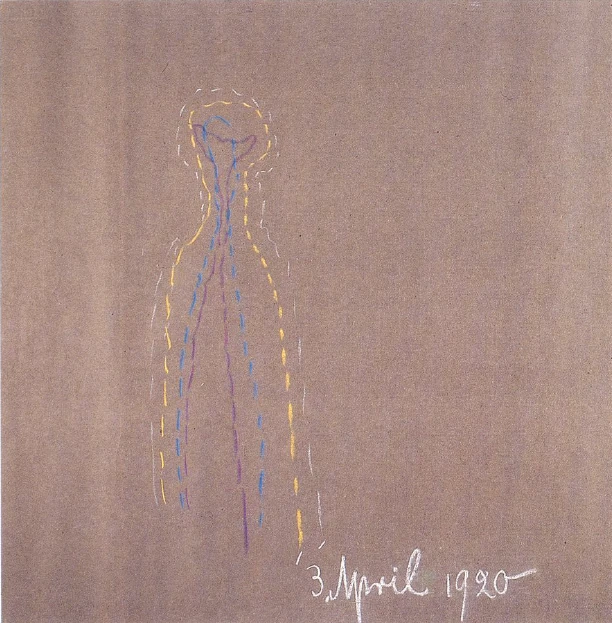
[ 8 ] Nun werden Sie sich dann von folgendem überzeugen. Dieser Prozeß, der zusammenhängt mit der Augenorganisation, der ist im Menschen immer vorhanden, und er ist etwas Normales für etwas, was abnorm auftreten kann. Er ist normal eben im gewöhnlichen Leben, und es tritt etwas ihm Ähnliches bei allen Entzündungen auf, bei allen entzündlichen Zuständen. So daß Sie wirklich davon sprechen können, daß das zu starke Entstehen dieses Gerüstes, das im physischen Leibe ähnlich ist dem Ätherleibe, zu Entzündungen den Anlaß gibt und zu all dem, was auch in der Folge von entzündlichen Zuständen auftritt. Sie können sich helfen, das, was da als Überzeugung in Ihnen aufdämmert, etwas zu verschärfen, indem Sie die aus dem Tierreich stammende Ameisensäure nehmen und versuchen, sie äußerlich anzuwenden. Sie werden diese Anwendung am besten studieren können, wenn Sie folgendes machen. Versuchen Sie die Ameisensäure in höchster Verdünnung zu haben, ich will also sagen, versuchen Sie die Ameisensäure in höchster Verdünnung durch Bäder an den Menschen heranzubringen. Wenn Sie das tun, die Ameisensäure in höchster Verdünnung durch Bäder an den Menschen heranbringen, so stehen Sie vor einer Konsolidierung dieses Gelben hier (siehe Zeichnung Seite 267), vor einer Konsolidierung dieses Gerüstes. Sie kommen also zu der Konsolidierung dieses Gerüstes, aber so, daß Sie an dieses Gerüste durch die so verwendete Ameisensäure das Ich heranbändigen, so daß dieses Gerüste von dem Ich durchdrungen ist. Dadurch kommen Sie, wenn der Mensch zu Entzündungen neigt, den Entzündungen bei, denn zum entzündlichen Zerfall hat dieses Gerüste nur dann die Neigung, wenn es nicht von dem Ich ordentlich durchdrungen ist, nicht ordentlich herangebändigt ist, denn das Ich und dieses Gerüste gehören zusammen. Man kann sie zusammenbringen durch die eben charakterisierte Anwendung der Ameisensäure durch das Bad, aber in sehr verdünntem Zustande, weil da die Kräfte der Ameisensäure erst recht in Anwendung gebracht werden.
[ 8 ] Now you will see for yourself what follows. This process, which is related to the structure of the eye, is always present in humans, and it is a normal phenomenon associated with something that can occur abnormally. It is normal in everyday life, and something similar occurs in all inflammations, in all inflammatory conditions. So you can truly say that the excessive formation of this structure—which in the physical body is similar to the etheric body—gives rise to inflammations and to everything else that occurs as a result of inflammatory conditions. You can help yourself by slightly intensifying what is dawning on you as a conviction by taking formic acid, which originates from the animal kingdom, and trying to apply it externally. You will be able to study this application best by doing the following. Try to obtain formic acid in the highest dilution; in other words, try to administer formic acid in the highest dilution to people through baths. If you do this—administering formic acid in the highest dilution to people through baths—you will be faced with a consolidation of this yellow substance here (see drawing on page 267), a consolidation of this framework. You will thus achieve the consolidation of this framework, but in such a way that, through the formic acid used in this manner, you bring the “I” into harmony with this framework, so that this framework is permeated by the “I.” In this way, if a person is prone to inflammation, you can counteract the inflammation, for this framework is only prone to inflammatory decay when it is not properly permeated by the “I,” not properly subdued by it, since the “I” and this framework belong together. You can bring them together through the application of formic acid in a bath, as just described, but in a highly diluted state, because that is when the powers of formic acid are most effectively brought into play.
[ 9 ] Nun müssen Sie ein wenig Symptomatologie treiben, wenn Sie sich auf solche Dinge einlassen. Sie müssen nämlich beobachten, ob Sie es zu tun haben mit Entzündungszuständen, die zu gleicher Zeit bei zur Fettleibigkeit neigenden Menschen auftreten. Denn nur dann, wenn die beiden Symptomenkomplexe vorliegen, auf der einen Seite die Neigung zur Entzündlichkeit, auf der anderen Seite zur Fettleibigkeit, was auf einen gewissen Symptomenkomplex zurückweist, werden Sie durch die äußere Behandlung, also durch die eben charakterisierte Behandlung mit tierischer Ameisensäure, wirklich etwas Gutes erreichen können. Sie werden immer etwas außerordentlich Gutes erreichen, wenn Sie begründete Vermutung haben, daß ein Zerfall dieses Gerüstes vorliegt, was Sie ja aus verschiedenen, noch zu besprechenden anderen Symptomen entnehmen können, und wenn Sie es zugleich mit etwas stark zur Fettleibigkeit neigenden Menschen zu tun haben. Das ist das, was dabei berücksichtigt werden muß.
[ 9 ] Now, if you’re going to get involved in this sort of thing, you’ll have to do a little symptomatology. Specifically, you’ll need to observe whether you’re dealing with inflammatory conditions that occur simultaneously in people prone to obesity. For only when both sets of symptoms are present—on the one hand, a tendency toward inflammation, and on the other, a tendency toward obesity, which points to a certain complex of symptoms—will you truly be able to achieve positive results through external treatment, that is, through the treatment with animal formic acid just described. You will always achieve exceptionally good results if you have reasonable grounds to suspect that this framework has broken down—which you can deduce from various other symptoms to be discussed later—and if, at the same time, you are dealing with a person who has a strong tendency toward obesity. This is what must be taken into account.
[ 10 ] Denn sehen Sie, Geisteswissenschaft weiß da etwas, was ausgesprochen eben einfach den gegenwärtigen Menschen sehr schokkiert, sie weiß, daß dasjenige, was vorgehen muß im menschlichen Organismus, damit sich die Augen so bilden, wie sie sich eben in der menschlichen Entwickelung bilden müssen — natürlich in einer langen Entwickelungsgeschichte des Menschen -—, eigentlich ein fortdauernd ins Normale hinübergezogener, also nicht bis zum Ausbruch gekommener Entzündungsprozeß ist. Denken Sie sich dieselben Vorgänge, die im Entzündungsprozeß wirken, aufgehalten, verlangsamt und zusammengeschoben, dann haben Sie den Bildungsprozeß des menschlichen Auges im menschlichen Organismus. So daß Sie sogar aus dem Anblick der Augen einen Eindruck bekommen können vom Menschen, ob er zu entzündlichen Zuständen neigt oder nicht. Sie werden das den Augen ansehen können, wenn Sie sich darauf einschulen. Wirklich, es hängen die Erfahrungen, die wir mit dem menschlichen Sehen machen können, innig zusammen mit den Beobachtungen des Ätherleibes des Menschen. Und wenn man spricht von dem Vorhandensein des Ätherleibes, von dem Wahrnehmen des Ätherleibes, so gibt es eben durchaus selbstverständlich jenen inneren Prozeß, der zum eigentlichen Hellsehen führt, der durch die Meditation führt. Aber es gibt auch einen Erziehungsprozeß von außen. Wenn wir uns bemühen, die Naturvorgänge in der richtigen Weise zu sehen, so kommen wir dazu, uns vom Urteil aus eine Anschauung von diesen Dingen zu verschaffen. Sehen Sie, die eigentlichen Hellseherorgane müssen ja von innen ausgebildet werden; aber das Urteil wird an der äußeren Welt ausgebildet. Bilden wir das Urteil intimer an der äußeren Welt aus, so kommt dieses Urteil dem sonst intimeren Prozeß beim Meditieren, dem von innen nach außen gehenden Prozeß entgegen.
[ 10 ] For you see, Spiritual Science knows something here that, quite simply, comes as a great shock to people today; it knows that what must take place in the human organism in order for the eyes to develop as they must in human evolution—naturally, over the course of humanity’s long evolutionary history— is actually an inflammatory process that is continuously pulled back toward the normal state—that is, one that has not reached the point of outbreak. Imagine the same processes at work in an inflammatory reaction, but held back, slowed down, and compressed—then you have the process of the human eye’s formation within the human organism. So that you can even gain an impression of a person—whether they are prone to inflammatory conditions or not—simply by looking at their eyes. You will be able to see this in their eyes if you train yourself to do so. Indeed, the experiences we can have with human vision are intimately connected with observations of the human etheric body. And when we speak of the existence of the etheric body, of perceiving the etheric body, there is, of course, that inner process which leads to true clairvoyance—a process that is achieved through meditation. But there is also an educational process from the outside. When we strive to see natural processes in the right way, we come to form a conception of these things based on our judgment. You see, the actual clairvoyant organs must, of course, be developed from within; but judgment is developed through the external world. If we develop our judgment more intimately through the external world, this judgment complements the otherwise more inward process of meditation—the process that moves from the inside out.
[ 11 ] Nun werden Sie vielleicht mit Recht die Frage aufwerfen können: Ja, kann man denn dann nicht auch all das, was sich so abspielt, bei der Tierheit betrachten? — Nun, die Sache ist gerade so, daß man auf das, um was es sich beim Menschen eigentlich handelt, nur sehr schlecht kommt, wenn man es bei der Tierheit betrachtet. Es ist von mir öfter bei öffentlichen Vorträgen betont worden das, was ich Ihnen jetzt hier, ich möchte sagen, genauer betonen möchte. Sehen Sie, die Menschen denken: Auge ist Auge, Organ ist Organ, Lunge ist Lunge, Leber ist Leber und so weiter. — Das ist aber nicht wahr. Das Auge des Menschen ist das Organ, das auch beim Tier vorkommt als Auge, aber es ist modifiziert dadurch, daß dem Menschen das Ich eingegliedert ist. Ebenso ist es bei allen übrigen Organen. Und das, was geschieht in dem Organ, was namentlich aber beim kranken Menschen die allergrößte Rolle spielt, dafür ist wichtiger diese Durchdringung mit dem Ich als dasjenige, was bei dem vom Ich undurchdrungenen Organe in der Tierheit auftritt. Das ist dasjenige, was immerzu viel zuwenig berücksichtigt wird, und die Menschen sind so, daß sie auf diesem Gebiete wirklich nicht ablassen, immer wieder und wiederum zu urteilen: Da habe ich ein Messer, Messer ist Messer, ich erkläre also das eine als Messer, erkläre das andere als Messer in seiner Entstehungsweise. — Ja aber wenn das eine Messer ein Tischmesser, das andere ein Rasiermesser ist, dann ist es doch unmöglich, sich auf das zu stellen, daß das Messer Messer ist. Ebenso ist es, wenn man herkommt und sagt: Das menschliche Auge und das tierische Auge erklärt man auf dieselbe Weise. — Es ist einfach ein Unding, aus dem bloßen äußeren Anblick das Erklärungsprinzip suchen zu wollen, und insbesondere führt es dann zu nichts, wenn man dann auf den bloßen äußeren Anblick ein Studium begründet. Dieses Studium, das man auf das Tierische begründet, das hindert einen dann, gewisse Verhältnisse beim Menschen ordentlich zu studieren, weil sie eben nur dadurch einem richtig vor das Seelenauge treten, daß man sich bewußt ist: beim Menschen sind gerade die an der Peripherie liegenden Organe am allermeisten von dem Ich durchdrungen und von dem Ich gestaltet.
[ 11 ] Now you might rightly ask: Well, can’t we then also observe all of this in the animal kingdom? — Well, the fact is that it is very difficult to grasp what human beings are really all about by observing the animal kingdom. I have often emphasized in public lectures what I would now like to emphasize here, I might say, more precisely. You see, people think: the eye is the eye, an organ is an organ, the lung is the lung, the liver is the liver, and so on. — But that is not true. The human eye is the organ that also occurs in animals as an eye, but it is modified by the fact that the “I” is integrated into it. The same is true of all the other organs. And what happens within the organ—which plays the most significant role, especially in sick people—is determined more by this interpenetration with the “I” than by what occurs in the animal kingdom in organs not permeated by the “I.” This is what is consistently given far too little consideration, and people are such that, in this area, they really cannot stop judging, over and over again: Here I have a knife; a knife is a knife, so I define one as a knife and the other as a knife in terms of how it came into being. — Yes, but if one knife is a table knife and the other a razor, then it is impossible to insist that a knife is simply a knife. The same applies when one comes along and says: The human eye and the animal eye are explained in the same way. — It is simply absurd to seek the explanatory principle in mere outward appearance, and in particular, it leads nowhere if one then bases a study on mere outward appearance. This line of study, based on the animal realm, then prevents one from properly studying certain conditions in humans, because they only truly appear before the eye of the soul when one is aware that, in humans, it is precisely the organs located at the periphery that are most deeply permeated by the “I” and shaped by the “I.”
[ 12 ] Nun, in ganz anderer Weise als das Auge ist das menschliche Ohr gestaltet. Dieses menschliche Ohr kann man auch erfassen, und man kann in einer ähnlichen Weise sich zu einer urteilsgemäßen Erfassung erziehen, wie man sich zu einer urteilsgemäßen Erfassung des Auges erziehen kann, wodurch man sich dann dem Hellsehen des Ätherleibes nähert. Man kann sich heranbändigen, die Tatsache in der richtigen Weise zu sehen, daß dem Menschen ein Ohr eingegliedert ist wie dem Tiere, dieses Ohr aber, diese Ohrbildung dann von der menschlichen Ich-Organisation durchzogen ist. Studiert man dann die Ohrbildung, dann kommt man darauf, daß diese Ohrbildung in einer ähnlichen Weise mit etwas mehr innerlich Gelegenem im menschlichen Organismus zusammenhängt, wie die Augenbildung des Ätherleibes mit etwas mehr nach der Peripherie hin Gelegenem zusammenhängt. Man kommt dahin, gewissermaßen die Anschauungskräfte auf die Ohrbildung hin zu orientieren, und gelangt dazu, sich zu sagen: es hat ja auch das Ich etwas mit dem Ohrbildungsprozeß zu tun, geradeso wie es mit dem Augenbildungsprozeß zu tun hat. Auch das Ich gliedert ein Gerüste in den Organismus ein, das ein etwas anderes Gerüste als das vorhin charakterisierte ist. Verwandt mit diesem Gerüste, das da eingegliedert wird, ist das Ganze im Organismus, was der Ohrenbildung zugrunde liegt. So daß ich hier ein weiteres Gerüste zeichnen kann, das ich blau zeichnen will, das mehr nach innen liegt als das gelbe, das weniger organisierend sich in die Glieder hineinerstreckt als das andere, das, ich möchte sagen, wenn man es herausnehmen würde aus dem Menschen, nicht Arme und Beine hätte, sondern nur Armstümpfe und Beinstümpfe. Es ist also ein, man möchte sagen, in seiner Bildung auf der Kindheitsstufe stehengebliebenes Gerüste. Es ist auch viel weniger nach dem Haupte hin differenziert als das andere Gerüste. Aber wieder findet man, daß diesem Gerüste dasjenige entspricht, was an organisierenden Kräften der Ohrbildung des Menschen und dem ganzen Hörvorgang zugrunde liegt. Das will ich entsprechend diesem Weißen hier (siehe Zeichnung Seite 267) durch ein Violettes andeuten. Auch dieses Gerüste hat eine gewisse Eigentümlichkeit im menschlichen Organismus. Dieses Gerüste kann gewissermaßen abnorm werden, wenn das Ich zu stark wirkt, aber wenn das Ich zu stark im Innern wirkt. Früher haben wir den Fall behandelt, wo es zu stark an der Oberfläche gewirkt hat.
[ 12 ] Well, the human ear is structured in a completely different way than the eye. This human ear can also be comprehended, and one can train oneself to perceive it with discernment in a similar way to how one can train oneself to perceive the eye with discernment, thereby drawing closer to the clairvoyance of the etheric body. One can train oneself to view the fact correctly that a human being is endowed with an ear just as an animal is, but that this ear—this structure of the ear—is then permeated by the human ego-organization. If one then studies the formation of the ear, one comes to realize that this formation is connected in a similar way to something located more toward the center of the human organism, just as the formation of the eyes in the etheric body is connected to something located more toward the periphery. One comes to direct one’s powers of observation, so to speak, toward the formation of the ear, and arrives at the conclusion that the “I” also has something to do with the process of ear formation, just as it has something to do with the process of eye formation. The “I,” too, integrates a framework into the organism that is somewhat different from the one characterized earlier. Related to this framework that is integrated there is the whole within the organism that underlies the formation of the ear. So that I can sketch another framework here, which I will draw in blue; it lies more inward than the yellow one, extends into the limbs with less organizing power than the other one—one that, I would say, if it were removed from the human being, would not have arms and legs, but only arm stumps and leg stumps. It is, so to speak, a framework that has remained at the childhood stage of development. It is also much less differentiated toward the head than the other framework. But again, we find that this framework corresponds to the organizing forces underlying the formation of the human ear and the entire process of hearing. I would like to indicate this, in relation to this white area here (see drawing on page 267), by using a violet color. This framework also has a certain peculiarity in the human organism. This framework can, in a sense, become abnormal if the ego exerts too strong an influence—but specifically when the ego exerts too strong an influence internally. Earlier, we discussed the case where it exerted too strong an influence on the surface.
[ 13 ] Nehmen Sie wiederum das Folgende zu Hilfe, um diese Sache ordentlich zu studieren. Treiben Sie wieder etwas Symptomatologie und nehmen Sie Menschen, welche zu außerordentlich starker Magerkeit oder auch wenig zur Magerkeit neigen, keine Neigung zur Fettbildung haben, und Sie haben dann solche Menschen vor sich, bei denen das Ich nach innen zu stark wirkt und dieses Gerüste verstärkt. Aber dieses Gerüste hat gegenüber dem früheren eine andere Eigentümlichkeit, es hat die Eigentümlichkeit, innerlich zu wuchern. Während das erste Gerüste die Neigung zum Zerfallen, zum Zersplittern hat, so hat dieses Gerüste die Neigung, innerlich zu wuchern. Es ist besonders in zweifacher Richtung hin auszubilden. Es ist auszubilden so, daß es dadurch nicht wuchert, daß das Ich gewissermaßen herausflimmert, denn das Wuchern oder das Zerfallen hängt ja immer damit zusammen, daß das Ich nicht ordentlich in diesem Gerüste drinnen ist, daß das Ich herausflimmert aus dem Gerüste. Wenn das Ich aus diesem Gerüste herausflimmert und dazu stark genug ist, um sich im Organismus zu erhalten, dann entstehen seelische und leibliche Folgen, die seelische Folge der Hypochondrie, die leibliche Folge der Stuhlverstopfung oder verwandter Erscheinungen.
[ 13 ] Again, use the following as a guide to study this topic thoroughly. Consider some symptomatology once more and look at people who tend toward extreme thinness—or even just a slight tendency toward thinness—and who have no tendency toward fat accumulation; you will then find that in such people, the ego exerts too strong an inward influence and reinforces this framework. But this framework has a different characteristic compared to the earlier one; it has the characteristic of proliferating inwardly. While the first framework has a tendency to disintegrate, to fragment, this framework has a tendency to proliferate inwardly. It must be developed in two specific directions. It must be developed in such a way that it does not proliferate—that the “I” does not, so to speak, seep out—for proliferation or disintegration is always connected to the fact that the “I” is not properly situated within this framework, that the “I” seeps out of the framework. If the ego flickers out of this framework and is strong enough to sustain itself within the organism, then psychological and physical consequences arise: the psychological consequence being hypochondria, and the physical consequence being constipation or related symptoms.
[ 14 ] Dieses ist die eine Seite. Aber es kann auch sein, daß das Ich zu schwach ist, um sich, wenn es da herausflimmert, zu halten, daß es gewissermaßen als Ich zerbricht, daß nicht sein Korrelat, das physische Gerüste, so sehr Anlaß gibt zum Zerbrechen, sondern daß es selbst Anlaß gibt zum Zerbrechen. Denken Sie, was man da für eine eigentümliche Erscheinung hat! Da hat man gewissermaßen die Erscheinung, daß das Ich so schwach ist, daß Trümmer von ihm im Organismus sich festsetzen. Es ist auch so, daß Trümmer sich festsetzen, weil das Ich schwach ist. Diese Trümmer setzen sich aus dem Grunde fest, weil, wenn der Mensch, der so organisiert ist, einschläft, er nicht imstande ist, das, was da herausflimmert, immer voll mitzunehmen. Es bleibt im Organismus und wuchert als seelisches Ich drinnen. Diese Organismen, die diese Wucherungen des seelischen Ich haben, die dann besonders stark im Schlafzustande auftreten, das sind die Menschen, die zu Geschwulstbildungen neigen. Das ist ein unendlich wichtiger Prozeß, auf den man da hinsieht. Die Menschen, die zu Geschwulstbildungen neigen, das sind solche, die aus dem Grunde nicht ordentlich schlafen, weil bei ihnen Trümmer des Ich zurückbleiben im Organismus, wenn sie einschlafen. Da steht man dann vor diesen IchTrümmern, die die eigentlichen Veranlasser der auch bösartigen Geschwülste sind und die mit dem ganzen Symptomenkomplex, den ich jetzt aufgezählt habe, zusammenhängen. Es ist wirklich so, wie wenn auf der einen Seite Hypochondrie und Stuhlverstopfung stünden und auf der anderen Seite, wenn der Organismus sich nicht dadurch helfen kann, daß der Mensch Hypochonder und verstopfter Mensch wird, dann der Organismus innerlich auswuchert und die bösartigsten Geschwülste auftreten. Wir werden darüber noch weiter zu sprechen haben, jetzt wollen wir nur das Prinzip ins Auge fassen.
[ 14 ] This is one side of the story. But it may also be that the ego is too weak to hold itself together when it flickers out of there, that it, so to speak, shatters as an ego—not because its correlate, the physical framework, gives such cause for shattering, but because it itself gives cause for shattering. Just think what a peculiar phenomenon we have here! In a sense, we have the phenomenon that the “I” is so weak that fragments of it become embedded in the organism. It is also the case that fragments become embedded because the “I” is weak. These fragments become embedded for the reason that when a person organized in this way falls asleep, they are unable to fully take with them what flickers out. It remains in the organism and proliferates as the soul-ego within. These organisms, which have these proliferations of the soul-ego—which then manifest particularly strongly during sleep—are the people who are prone to the formation of tumors. This is an infinitely important process that we are observing here. People who are prone to the formation of tumors are those who, for this reason, do not sleep properly, because fragments of the ego remain in their organism when they fall asleep. One is then confronted with these ego fragments, which are the actual causes of tumors—including malignant ones—and which are connected to the entire complex of symptoms I have just listed. It really is as if, on the one hand, there were hypochondria and constipation, and on the other hand, if the organism cannot help itself by the person becoming hypochondriacal and constipated, then the organism proliferates internally and the most malignant tumors arise. We will have to speak further about this; for now, let us simply consider the principle.
[ 15 ] Sie können sich auch äußerlich überzeugen, daß es sich mit diesen Dingen so verhält, indem Sie das, was ich Ihnen früher gesagt habe, in anderer Weise betrachten. Ich habe Ihnen früher gesagt, daß Sie dem ersten Bildungsprozesse beikommen, wenn Sie die tierische Ameisensäure fein zerstreut in Bädern äußerlich verwenden. Versuchen Sie es einmal mit derselben tierischen Ameisensäure in entsprechender Zubereitung verdünnt, innerlich, und beobachten Sie die Wirkung, die sie auf magere Menschen insbesondere haben wird, wie sie bei mageren Menschen vertreibend auf die Neigung zu Geschwulstbildungen wirkt, die Geschwulstbildungen beeinflußt.
[ 15 ] You can also see for yourself that this is indeed the case by considering what I told you earlier from a different perspective. I told you earlier that you can address the initial formation processes by applying animal formic acid, finely dispersed, externally in baths. Try taking the same animal formic acid, diluted in an appropriate preparation, internally, and observe the effect it will have, particularly on thin people—how it counteracts the tendency toward tumor formation in thin people and influences the tumors themselves.
[ 16 ] Das sind Dinge, die man durchaus im Makroskopischen beobachten muß, die aber auch so recht zeigen, wie man sich diesen Blick für das Makroskopische aneignen sollte, für ein Zusammenschauen der ganzen Statur des Menschen, alles dessen, was für die Organisation, für die Konstitution des Menschen in Betracht kommt und dessen, was dann im kranken Menschen zum Vorschein kommt. Dadurch bekommt man auch einen richtigen Blick, wie man die Einwirkung gliedern muß durch das Mittel von außen und die Einwirkung durch das Mittel von innen. Gerade wenn man dasselbe Mittel in seiner Wirksamkeit außen und innen verfolgt, bekommt man die interessantesten Aufschlüsse. Und wiederum weiß die Geisteswissenschaft eines, was ungeheuer aufschlußgebend ist in bezug auf diesen zweiten Teil der Organisation. Das ist, daß eigentlich alle unsere ohrbildenden Kräfte auf demselben Wege sind wie diejenigen Kräfte, die zuletzt, wenn sie zu weit losgelassen werden, wenn sie zu weit laufen, zu innerlichen Geschwulstbildungen führen. Denn daß wir eine Ohrenbildung in unserem Innern haben, das beruht auf einem Prozesse, der dadurch normalisiert ist, daß die geschwulstbildende Kraft auf der rechten Stelle aufgehalten ist. Das Ohr ist eine Geschwulst im Innern des Menschen, aber eben ins Normale hin ausgedehnt. Im Entwickelungsprozeß ist das Augenbildende verwandt mit dem Entzündungsprozeß, das Ohrbildende verwandt mit dem geschwulstbildenden Prozesse. Das ist ja eine wunderbare Beziehung beim Menschen zwischen dem Gesunden und Kranken, daß man es mit denselben Prozessen eigentlich zu tun hat im Gesunden und Kranken, mit denselben Prozessen, die nur das eine Mal in ihrer richtigen Geschwindigkeit und das andere Mal in ihrer unrichtigen Geschwindigkeit verlaufen. Schaffen Sie in der Natur den Entzündungsprozeß ab, so kann kein Wesen sehen. Die Wesen sehen einfach dadurch, daß in der ganzen Natur der Entzündungsprozeß eingeschaltet ist. Aber er hat eine gewisse Geschwindigkeit. Wird ihm eine falsche gegeben, dann wird er eben der krankhafte Entzündungsprozeß im Menschen. Ebenso hat der geschwulstbildende, der wuchernde Prozeß seine Bedeutung in der Natur mit der richtigen Geschwindigkeit. Schaffen Sie ihn ab, so kann kein Wesen in der Welt hören. Geben Sie ihm eine falsche Geschwindigkeit, so bekommen Sie all das, was in Myom-, Karzinom-, Sarkombildung vorgeht. Wir werden über diese Dinge noch sprechen.
[ 16 ] These are things that must certainly be observed on the macroscopic level, but they also clearly demonstrate how one should develop this macroscopic perspective—to view the entire human constitution as a whole, everything that is relevant to the organization and constitution of the human being, and what then becomes apparent in the sick person. This also gives one a proper understanding of how to distinguish between the effects of external remedies and those of internal remedies. It is precisely when one traces the same remedy’s effects both externally and internally that one gains the most interesting insights. And once again, Spiritual Science reveals something that is immensely illuminating with regard to this second part of the human constitution. This is that, in fact, all our ear-forming forces follow the same path as those forces which, ultimately, if they are allowed to run too far, if they go too far, lead to internal tumor formations. For the fact that we have an ear formation within us is based on a process that is normalized by the tumor-forming force being held back at the right place. The ear is a tumor within the human being, but one that has expanded toward the normal state. In the developmental process, the formation of the eye is related to the inflammatory process, while the formation of the ear is related to the tumor-forming process. This is indeed a marvelous relationship in human beings between health and illness: that we are actually dealing with the same processes in both health and illness—the same processes that proceed at their proper speed in one case and at an improper speed in the other. If you eliminate the inflammatory process in nature, no being can see. Beings see simply because the inflammatory process is active throughout nature. But it has a certain speed. If it is given the wrong speed, then it becomes the pathological inflammatory process in humans. Likewise, the tumor-forming, proliferative process has its significance in nature at the correct speed. If you eliminate it, no being in the world can hear. If you give it the wrong speed, you get everything that occurs in the formation of myomas, carcinomas, and sarcomas. We will discuss these matters further.
[ 17 ] Wer nicht eigentlich in der Lage ist, einen jeden Krankheitsprozeß gewissermaßen in seinem gesunden Gegenbild aufzusuchen, der kann ihn nicht richtig in die menschliche Organisation eingliedern. Denn diese menschliche Organisation beruht eben einfach darauf, daß gewisse Prozesse, die in der ganzen Natur peripherisch zerstreut sind, zentral verinnerlicht werden. Statt vieler Dinge, die in unserer Physiologie breitgetreten werden, sollte man gerade andere Dinge ins Auge fassen. Sie werden zwar ins Auge gefaßt, aber es wird ihnen nicht jene große Bedeutung beigelest, die sie haben. So zum Beispiel können Sie ja wiederum ganz makroskopisch, ich möchte sagen, trivial verfolgen, wie die Körperhaut über den Körper ausgebreitet ist, wie sie sich aber dann überall einstülpt und in ihren Fortsetzungen die nach innen gelegenen Teile auskleider. Das ist etwas, was von einer außerordentlich großen Bedeutung ist, diese Umkehr der Funktionen, wie sie zum Beispiel eintritt von den Wangen, von den äußeren Teilen des Gesichtes durch die Umkehrung über die Lippen nach innen. Da hat man ja in der Tat am äußeren Menschen noch die Rudimente desjenigen vor sich, was man nur einmal richtig verfolgen sollte in der Embryologie, wo auch alles auf Einsackungen und Umstülpungen eigentlich beruht. Und gerade durch die Verfolgung solcher Dinge, indem man einfach die Verschiedenheit der Reaktion studieren würde, wenn man, sagen wir, Ameisensäure außen auf die Haut verwendet und innen auf die Schleimhäute — wenn man die feine Verschiedenheit, die da auftritt, ins Auge fassen würde, würde das ungeheuer ausschlaggebend sein. Denn das Ganze, was ich Ihnen hier angegeben habe, ist im Grunde genommen nur das Ausführliche für dasjenige, was elementar auf diese Weise auftritt, wie ich es jetzt zuletzt charakterisiert habe. Dann, wenn man solche Studien macht, wird einem entgegentreten die ganze Verschiedenheit des nach außen einfach sich auch ätherisch Umstülpenden der menschlichen Organisation und des nach innen Zentralwerdens der menschlichen Organisation, was polarische Gegensätze sind.
[ 17 ] Anyone who is not actually able to trace every disease process, as it were, back to its healthy counterpart cannot properly integrate it into the human organism. For this human organism is based precisely on the fact that certain processes, which are scattered peripherally throughout nature, are internalized centrally. Instead of many things that are emphasized in our physiology, we should focus on other things. They are indeed considered, but they are not given the great significance they deserve. For example, you can observe quite macroscopically—I would even say trivially—how the skin is spread over the body, but how it then invaginates everywhere and, in its extensions, lines the inner parts. This is something of extraordinary significance—this reversal of functions, as it occurs, for example, from the cheeks, from the outer parts of the face, through the inversion over the lips toward the inside. Here, in fact, one still sees in the external human form the rudiments of what one ought to study properly in embryology, where everything is actually based on invaginations and inversions. And it is precisely by studying such things—by simply observing the difference in reaction when, say, formic acid is applied externally to the skin and internally to the mucous membranes—if one were to take note of the subtle difference that arises there, it would be immensely significant. For everything I have described to you here is, in essence, merely a detailed elaboration of what occurs in a fundamental way, as I have just characterized it. Then, when one conducts such studies, one encounters the entire diversity of the human organism’s outward, ethereal inversion and its inward centralization—which are polar opposites.
[ 18 ] Nun, das kommt bei folgendem in Betracht. Wenn Sie nun wiederum fragen: Wem entspricht denn das, was ich hier als das zweite Phantom angegeben habe? — so sage ich Ihnen: Dasjenige, was ich Ihnen als das blaue Phantom gezeichnet habe, ist physisches Gerüste im Organismus, das einfach die Neigung hat, zu wuchern (siehe Zeichnung Seite 267). Das Normale hängt mit der Ohrentwickelung zusammen. Erziehen Sie sich nun beim Menschen wiederum in einer solchen Art, daß Sie hinschauen lernen auf seine Ohrorganisation, daß Sie namentlich die ganze Verinnerlichung der Ohrorganisation ins Auge fassen und zu gleicher Zeit die Sehorganisation. Denn bedenken Sie, daß der Sehprozeß im Ätherischen verläuft, der Hörprozeß in der Luft. Das ist ein beträchtlicher Unterschied. Alles dasjenige, was mehr nach unten gelegen ist in der Reihe der Ponderabilien und Imponderabilien, hängt mit dem zusammen, was beim Menschen mehr zentralistisch ins Innere des Organismus verlegt wird. Alles dasjenige, was mehr mit dem Ätherischen zusammenhängt, hängt mit dem zusammen, was mehr nach außen, an die Peripherie des Menschen verlegt ist.
[ 18 ] Well, this comes into play in the following context. If you now ask again: To whom does what I have described here as the second phantom correspond? — I will tell you: What I have drawn for you as the blue phantom is a physical framework within the organism that simply has a tendency to proliferate (see drawing on page 267). The normal state is connected to the development of the ear. Now, when studying the human being, train yourself in such a way that you learn to observe the structure of the ear—specifically, to take in the entire internalization of the ear’s structure and, at the same time, the structure of vision. For consider that the process of seeing takes place in the etheric realm, while the process of hearing takes place in the air. This is a significant difference. Everything that is situated lower down in the series of ponderables and imponderables is connected to what, in human beings, is located more centrally within the organism. Everything that is more closely connected to the etheric is connected to what is situated more toward the outside, at the periphery of the human being.
[ 19 ] In dem, was ich hier violett gezeichnet habe (siehe Zeichnung Seite 267), ist nämlich nichts Geringeres vorhanden als die Andeutung von dem, was im menschlichen Astralleibe lebt. Sie bekommen, wenn Sie sich erziehen eben an der Ohrorganisation für die Beobachtung des Menschen in bezug auf ihre Beurteilungsfähigkeit, eine Art Stellvertreter für das Hellsehen des astralischen Leibes. Sehen beobachten lernen erzieht für die Beobachtung des ätherischen Leibes, Hören beobachten lernen erzieht für das Beobachten des astralischen Leibes.
[ 19 ] In what I have drawn here in purple (see drawing on page 267), there is, in fact, nothing less than a hint of what lives in the human astral body. If you train yourself—specifically through the structure of the ear—to observe human beings with regard to their capacity for judgment, you will acquire a kind of substitute for clairvoyance into the astral body. Learning to observe through sight trains you to observe the etheric body; learning to observe through hearing trains you to observe the astral body.
[ 20 ] Wiederum kann man da sehr interessante Beobachtungen machen, wenn man taubgewordene oder taubgeborene Menschen ins Auge faßt, und tiefere Zusammenhänge der Natur gehen dabei auf. Versuchen Sie nur einmal zu beobachten, wie taubgeborene Menschen, wenn sie nicht taub geboren wären, schon in ihrer Kindheit zu den fürchterlichsten Geschwulstbildungen neigen würden. Es sind ja das natürlich Hilfen, die die Natur schafft und die schon in das hinausführen, was dann nicht mehr in der einzelnen menschlichen Organisation zwischen Geburt und Tod begriffen werden muß, sondern was nun hineingreift in das, was in wiederholten Erdenleben begriffen werden muß, denn da findet es erst seinen Ausgleich. Die Erscheinungen, bis zu einem gewissen Grade verfolgt, führen eben an den Punkt, wo man da ankommt bei einem Erfassen der wiederholten Erdenleben.
[ 20 ] Once again, one can make very interesting observations when looking into the eyes of people who have become deaf or were born deaf, and deeper connections within nature are revealed in the process. Just try observing how people born deaf—if they had not been born deaf—would be prone to the most terrible tumors even in childhood. These are, of course, aids that nature creates, and they already point toward what need no longer be comprehended within the individual human organism between birth and death, but rather what now extends into what must be comprehended in repeated earthly lives, for it is there that it first finds its balance. These phenomena, when traced to a certain degree, lead precisely to the point where one arrives at an understanding of repeated earthly lives.
[ 21 ] Versuchen Sie nun den Menschen peripherisch anzuregen, so werden Sie immer dasjenige verstärken, was ich in der ersten Charakteristik dadurch gegeben habe, daß ich die Beziehungen des Ich zu seinem Gerüste dargelegt habe. Wenn Sie für nötig befinden, dieses Ich des Menschen zu verstärken, so können Sie entweder einen erzieherischen Weg oder einen therapeutischen Weg einschlagen. Sie werden immer finden, wenn Sie die Neigung zu Entzündlichkeiten beobachten können, daß Sie nötig haben, die Ich-Tätigkeit im Menschen zu verstärken, so daß sich diese Ich-Tätigkeit einfach richtig eingliedert in ihr Phantom, in ihr Gerüste, denn das Gerüste zerfällt ja nicht, wenn sich das Ich in der richtigen Weise eingliedert.
[ 21 ] If you now try to stimulate a person peripherally, you will always reinforce what I described in the first characterization by outlining the relationships between the “I” and its framework. If you deem it necessary to strengthen this “I” in a person, you can take either an educational or a therapeutic approach. You will always find—when you observe a tendency toward irritability—that you need to strengthen the ego activity in the person so that this ego activity simply integrates properly into their phantom, into their framework; for the framework does not disintegrate when the ego integrates in the proper way.
[ 22 ] Nun wird geradezu eine wesentliche Verstärkung dieser IchTätigkeit, die sich sehr gut eingliedert in dieses Gerüste, dadurch herbeigeführt, daß man zum Beispiel den Menschen Bäder nehmen läßt, in die man sehr fein verdünnten Rosmarinsaft gibt, den Saft aus den Blättern von Rosmarin. Diese Anregung, die da von der Peripherie her kommt durch den Rosmarinsaft, ist so, daß gewissermaßen das Ich in dem, was da an den Menschen herankommt durch den fein zerteilten Rosmarinsaft, arbeiten kann. Da treten nämlich ganz merkwürdige Dinge auf.
[ 22 ] Now, a significant strengthening of this “I” activity—which fits very well into this framework—is brought about, for example, by having people take baths to which very finely diluted rosemary juice is added—the juice extracted from rosemary leaves. This stimulation, which comes from the periphery through the rosemary juice, is such that, in a sense, the ego can work on what is approaching the person through the finely dispersed rosemary juice. For it is then that quite remarkable things occur.
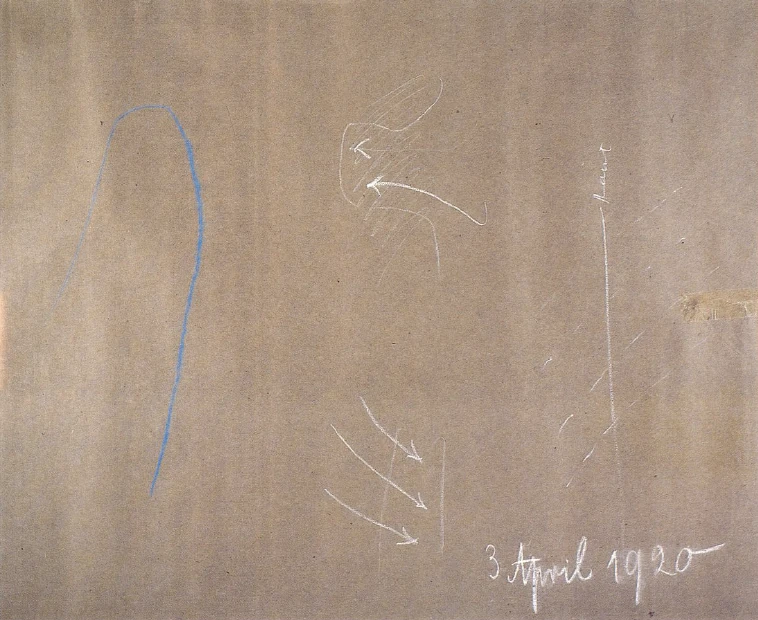
[ 23 ] Wenn Sie das menschliche Auge betrachten, wie es eingegliedert ist in den menschlichen Organismus, so beruht der Sehvorgang eigentlich darauf, daß das Ich dasjenige durchdringen kann, was da herausgeholt ist aus dem menschlichen Organismus. Im Auge ist Ja viel weniger tierischer Prozeß drinnen, es ist alles herunterversetzt ins Organische, und der Sehvorgang beruht darauf, daß der Mensch selber, der innerliche, der seelisch-geistige Mensch, das durchdringt, was nun nicht tierisch ist, daß er sich gewissermaßen mit dem, was außen ist, identifizieren kann, nicht bloß mit dem Innerlichen. Wenn Sie sich mit dem Muskel identifizieren, so identifizieren Sie sich von innen aus mit dem Menschenbildungsprozeß; wenn Sie sich mit dem Auge identifizieren, identifizieren Sie sich eigentlich mit der Außenwelt. Deshalb habe ich früher einmal solch ein Organ einen Golf genannt, den die Außenwelt hereinstreckt. Da ist ein Stück von der Außenwelt einfach hereingeschoben wie ein Golf in den Organismus, und es ist einfach wiederum ein fataler Irrtum, wenn solche Dinge von unserer Sinnesphysiologie gar nicht berücksichtigt werden, denn dadurch kommen gerade jene albernen Märchen zustande von der Subjektivität und so weiter. Daß, nicht wahr, die Objektivität hereingeschoben wird und man in der hereingeschobenen Objektivität ein Stück Außenweltprozeß mitmacht, das wird ja heute gar nicht berücksichtigt. Seit Jahrhunderten oder wenigstens eineinhalb Jahrhunderten baut man allerlei Sinnesphysiologie auf das Subjektive auf, weil man nicht daran denkt, daß die Außenwelt wie herein in ihren Golfen vorgeschoben wird und wir an ihr teilnehmen sinnenmäßig. Wenn Sie dieses richtig verstehen, so werden Sie auch das richtig verstehen, wenn von außen her so etwas wirkt in dieser feinen Zerteilung. Wenn das hier Haut ist mit ihren Poren und mit all den Prozessen, die sich im Anschluß an die Poren abspielen (siehe Zeichnung Seite 278), wenn da fein zerteilt sind Rosmarintröpfchen in einem Bade, dann werden Sie leicht einsehen, daß ja da eine Wechselwirkung entsteht zwischen der Haut und den fein zerteilten Rosmarintröpfelchen — wenn ich es so nennen darf —, da wird etwas hervorgerufen, was dem ähnlich ist, da wird eine Anregung des Sinnesprozesses hervorgerufen. Dieser anregende Sinnesprozeß wirkt auf das menschliche Ich, so daß es sich in sein Gerüste eingliedert. Und sogar so weit kann man schon gehen, wenn es richtig gemacht wird, daß zum Beispiel — nur zur rechten Zeit angewendet natürlich, nicht wenn es schon zu spät ist —, wenn die Kopfhaut unterstützt wird durch diesen anregenden Prozeß der fein verteilten Rosmarintröpfchen in der Flüssigkeit, sie den peripherischen Prozeß des Haarschwundes schon bekämpfen können. Das muß nur in der richtigen Weise gemacht werden. Nun, da wirkt also etwas an der Oberfläche, an der Peripherie der menschlichen Organisation.
[ 23 ] If you consider the human eye as it is integrated into the human organism, the process of vision actually rests on the fact that the “I” can penetrate that which has been drawn out of the human organism. There is, in fact, far less of an animal process within the eye; everything has been reduced to the organic level, and the process of seeing is based on the fact that the human being himself—the inner, soul-spiritual human being—penetrates that which is not animal in nature, so that he can, in a sense, identify with what is outside, not merely with what is within. If you identify with the muscle, you identify from within with the process of human formation; if you identify with the eye, you are actually identifying with the external world. That is why I once referred to such an organ as a “gulf” into which the external world reaches. A piece of the external world is simply pushed in like a gulf into the organism, and it is, once again, a fatal error when such things are not taken into account at all in our sensory physiology, for this is precisely what gives rise to those silly fairy tales about subjectivity and so on. The fact that—don’t you see—objectivity is pushed in, and that within this pushed-in objectivity we participate in a process of the external world—this is not taken into account at all today. For centuries—or at least one and a half centuries—all manner of sensory physiology has been built upon the subjective, because people do not consider that the external world is advanced inward in its “waves,” and that we participate in it through our senses. If you understand this correctly, you will also understand correctly how something from the outside can have an effect in this fine-grained process. If this here is the skin with its pores and all the processes that take place in connection with the pores (see drawing on page 278), if there are finely dispersed droplets of rosemary in a bath, then you will easily see that an interaction arises between the skin and the finely dispersed rosemary droplets—if I may call them that—something is brought about that is similar to this; a stimulation of the sensory process is brought about. This stimulating sensory process acts upon the human “I,” so that it integrates itself into its structure. And one can even go so far as to say—if done correctly—that, for example—applied at just the right time, of course, not when it is already too late—if the scalp is supported by this stimulating process of the finely dispersed rosemary droplets in the liquid, they can already combat the peripheral process of hair loss. It just has to be done the right way. So, something is at work on the surface, at the periphery of the human organism.

[ 24 ] Jetzt nehmen wir einmal an, es wird von außen durchbrochen dieses ordentliche Zusammenwirken des Ich mit der menschlichen Organisation. Das Ich ist ja wirklich nicht bloß ein Punkt, sondern es ist ein um sich wirkender Punkt. Und das Umsichwirken bedeutet eigentlich: die Gestaltungskraft der ganzen menschlichen Organisation, die ich-organisierende Kraft verbreitet sich in der ganzen menschlichen Organisation, durchdringt alles. Denken Sie nun, wenn an irgendeiner Stelle von außen ein Insult auftritt, so daß von außen dieses Ineinanderwirken von Ich und menschlicher Organisationskraft durchbrochen wird, dann wird man nötig haben, an die Stelle irgend etwas herzurufen, was aus der astralischen Organisation kommt, die um ein Stück niedriger ist als die IchOrganisation und was den menschlichen Organismus von der astralischen Organisation aus so durchdringt, daß es dem Ich leichter wird, seine Heilkräfte da zu entwickeln an einer Stelle, wo ein äußerer Insult auftritt. Wenn Sie sagen wollen dem astralischen Leib, der, wie ich charakterisiert habe — schon in seinem Phantom zeigt sich das —, mehr nach innen liegt: Du, komm mal her, da hast du was zu tun, da mußt du dem zu Hilfe kommen — dann machen Sie das so, daß Sie jetzt nicht ein Bad geben, sondern Arnika in einen Wollappen hineinmachen, einen richtigen Arnikaumschlag auflegen. Mit diesem Arnikaumschlag-Auflegen auf irgend etwas Verstauchtes oder dergleichen, wo eben der äußere Insult ist, wovon das Ich geschwächt wird in seiner Wirkungskraft, rufen Sie den astralischen Leib von innen her: Komm einmal her, helfe da dem Ich. Und dann haben Sie da etwas, was an der Oberfläche, an der Peripherie des Menschen ausgleichend wirkt.
[ 24 ] Now let us suppose that this orderly interaction between the “I” and the human organism is disrupted from the outside. The “I” is, after all, not merely a point, but a point that exerts an influence in all directions. And this influence actually means that the formative power of the entire human organism—the “I”-organizing power—spreads throughout the entire human organism and permeates everything. Now consider: if an external disturbance occurs at any point, such that this interplay between the “I” and the human organizing power is disrupted from the outside, then it will be necessary to summon to that spot something that comes from the astral organization—which is a level lower than the “I” organization—and which permeates the human organism from the astral organization in such a way that it becomes easier for the “I” to develop its healing powers at the very spot where an external insult occurs. If you wish to say to the astral body—which, as I have described, lies more inwardly, as is already evident in its phantom—‘Come here; you have work to do; you must come to its aid’—then do so not by giving a bath, but by applying arnica to a woolen cloth and placing a proper arnica compress on the affected area. By applying this arnica compress to something sprained or similar—where the external injury is located, which weakens the ego’s power of action—you call to the astral body from within: “Come here, help the ego.” And then you have something that exerts a balancing effect on the surface, on the periphery of the human being.
[ 25 ] Das aber gibt ja in der Tat eine Grundlage, um nun diese äußere Welt in ihren verschiedenen Substanzen zu vergleichen, inwiefern sie in ihren sehr leicht zur Ausbreitung neigenden Substanzen der Peripherie zu Hilfe kommt und man diese zur Ausbreitung neigenden Substanzen verwenden muß badmäßig, um das Ich zu unterstützen, und inwiefern man andere Substanzen, zu denen insbesondere Arnika gehört, verwenden muß, um den Astralleib herbeizutufen, der nun seinerseits wiederum also indirekt das Ich unterstützt. Auf die Wirkung solcher Substanzen kommt man eigentlich gar nicht anders, als daß man Ich und astralischen Leib zu Hilfe ruft. Sehen Sie, das ist etwas, was erst grundlegend für eine Theorie der äußeren und der inneren Behandlung der Krankheit sein kann.
[ 25 ] But this does, in fact, provide a basis for comparing this external world in its various substances—to what extent it assists the periphery with its substances that are highly prone to spreading, and how one must use these substances that tend to spread in a therapeutic manner to support the ego, and to what extent one must use other substances—including arnica in particular—to strengthen the astral body, which in turn indirectly supports the “I.” One can’t really understand the effect of such substances in any other way than by calling upon the “I” and the astral body for help. You see, this is something that can serve as the very foundation for a theory of the external and internal treatment of disease.