

Anthroposophical Foundations
for a Renewed Christian-religious Work
GA 342
14 June 1921, Stuttgart
Translate the original German text into any language:
Versions Available:
Anthroposophical Foundations for a Renewed Christian-religious Work, tr. SOL
Dritter Vortrag
Third Lecture
[ 1 ] Meine lieben Freunde! Wir wollen heute zuerst unsere gestrige Betrachtung etwas fortsetzen und dann sehen, wie wir heute zur weiteren Behandlung der gestern berührten Angelegenheiten kommen. Ich wollte Ihnen gestern namentlich über die innerliche Seite der Gemeinschaftsbildung auf religiösem Gebiet sprechen. Ich möchte jetzt übergehen zu dem zweiten Gebiet, das Sie ja selbst als für Sie besonders wichtig bezeichnet haben, zum Kultus.
[ 1 ] My dear friends! Today, let us first continue our discussion from yesterday and then see how we can proceed with further consideration of the matters we touched on yesterday. Yesterday, I wanted to speak to you specifically about the inner aspect of community-building in the religious sphere. I would now like to move on to the second area, which you yourselves have identified as particularly important to you: worship.
[ 2 ] Es ist durchaus wohl so, daß ohne die Inaugurierung eines gewissen Kultus mit seiner sogenannten Symbolik die religiöse Vertiefung der Menschheit nicht zustande gebracht werden kann, und ich möchte Ihnen dies mit einigen Worten begründen, weil man doch eben nur dann wirken kann innerhalb eines Gebietes, wenn man einsieht, um welche Bedingungen und um welche Kräfte es sich handelt.
[ 2 ] It is quite likely that without the establishment of a certain form of worship, with its so-called symbolism, the religious deepening of humanity cannot be achieved, and I would like to explain this to you briefly, because one can only be effective within a given field if one understands the conditions and forces involved.
[ 3 ] Sehen Sie, in der neueren Zeit hat im Grunde genommen die ganze Menschheitsbildung des zivilisierten Teiles der Menschheit eine intellektualistische Form angenommen, eine Form, die die bloßen Begriffe in ihrer Abstraktheit zum Bewußtseinsinhalt macht. Und es ist ein so, ich möchte sagen, gründliches Gefühl entstanden davon, daß man nur in dieser Abstraktheit wirkliche Erkenntnisse erringen kann, daß dieses Gefühl übergegangen ist dazu, in einer gewissen Weise eigentlich nur den abstrakten Bewußtseinsinhalt zu schätzen. Nun kann man begreifen, daß dieser abstrakte Bewußtseinsinhalt gerade in einer Zeit geschätzt werden mußte, wo die Geltendmachung des Individuellen aus dem ganzen Menschen heraus immer mehr als eine Menschheitsforderung auftrat. Der abstrakte Bewußtseinsinhalt stellt uns ja vor etwas ganz Universelles. Man hat das Gefühl, durch das abstrakte Weltbegreifen könne man in das einzelne menschliche Individuum alles Verständnis für die Welt hereinbringen.
[ 3 ] You see, in more recent times, the entire education of the civilized part of humanity has essentially taken on an intellectualistic form—a form that makes mere concepts, in their abstractness, the content of consciousness. And such a—I would say—deep-seated conviction has arisen that true knowledge can be attained only through this abstractness, that this conviction has led, in a certain sense, to valuing only the abstract content of consciousness. Now one can understand that this abstract content of consciousness had to be valued precisely at a time when the assertion of the individual, emerging from the whole human being, was increasingly seen as a demand of humanity. After all, the abstract content of consciousness presents us with something entirely universal. One has the feeling that through an abstract understanding of the world, one can instill in the individual human being a complete understanding of the world.
[ 4 ] Wohin sollen unsere Begriffe reichen? Sie sollen zunächst dazu ausreichen, dasjenige, was sich uns in der Sinneswelt darstellt als Wahrnehmung, in der verschiedensten Weise zu kommentieren und da Gesetze, die sogenannten Naturgesetze oder die historischen Gesetze, zu finden. Dann aber schickt sich dieser intellektuelle Inhalt auch an, über dasjenige, was nicht wahrgenommen wird, Hypothesen zu bilden, teilweise solche Hypothesen, die sich auf das erstrekken, was zeitlich und räumlich nicht wahrnehmbar ist, teilweise sich auf solches erstrecken, was aus prinzipiellen Gründen nicht wahrnehmbar ist. Zeitlich und räumlich nicht wahrnehmbar ist zum Beispiel Erdenanfang und Erdenende. Wir haben aus dem Intellektualismus der neueren Zeit Hypothesen bekommen über die Erdenentstehung und über das aus den physikalischen und geologischen Zusammenhängen hervorgehende Erdenende. Wir haben in bezug auf Räumliches Hypothesen, sagen wir, über die innere Wesenheit der Sonne oder anderer Weltenkörper, etwa der Weltennebel, wie man sie nennt, und so weiter. Man bedenkt gewöhnlich nicht, wenn man sagt, die Sonne sei so oder so beschaffen, daß das nicht mehr ist als eine Hypothese, und man glaubt sogar, man hat in dieser Hypothese ein physikalisches Ergebnis. Die Physiker würden sehr staunen, wenn sie wahrnehmen könnten, schauen könnten, was an derjenigen Stelle des Weltenraumes wirklich ist, wohin sie eine Art von sehr dünnem Gas als Sonnenball ins Weltenall hinausversetzen. Es ist eben an der Stelle in Wirklichkeit durchaus nicht etwas mit unseren Gasen, nicht einmal mit unserem Äther Vergleichbares, es ist an der Stelle nicht nur leerer Raum, sondern etwas, was wir im Vergleich zur Intensität unseres leeren Raumes als negativ bezeichnen, es ist eine Aussparung des Raumes an der Stelle, wo wir von der Sonne sprechen. Es ist nicht nur von der Materie entleerter Raum da, ja es ist nicht einmal jene Intensität der Leere da, welche man als Raum gewöhnlich bezeichnet in abstracto: Es ist weniger an der Stelle vorhanden als Raum, und man kommt auf diese Weise aus dem Physikalischen heraus ins Geistige. Man kann nur in geistiger Beziehung in Wirklichkeit von der Sonne sprechen.
[ 4 ] How far should our concepts extend? They should, to begin with, be sufficient to comment in a wide variety of ways on that which presents itself to us in the sensory world as perception, and to discover laws there—the so-called laws of nature or historical laws. But then this intellectual content also sets out to form hypotheses about that which is not perceived—in part, hypotheses that extend to what is not perceptible in time and space, and in part, to what is not perceptible for fundamental reasons. For example, the beginning and end of the Earth are not perceptible in time and space. From modern intellectualism, we have derived hypotheses about the origin of the Earth and about the end of the Earth as implied by physical and geological relationships. With regard to spatial matters, we have hypotheses, for example, about the inner nature of the Sun or other celestial bodies, such as the so-called nebulae, and so on. People usually do not consider, when they say that the Sun is of such-and-such a nature, that this is nothing more than a hypothesis; indeed, they even believe that this hypothesis constitutes a physical fact. Physicists would be very astonished if they could perceive, if they could see, what actually exists at that point in outer space where they project a kind of very thin gas—as a solar sphere—out into the cosmos. In reality, at that location there is absolutely nothing comparable to our gases—not even to our ether; it is not merely empty space, but something we would describe as “negative” in comparison to the intensity of our empty space—it is a void in space at the very spot where we speak of the sun. There is not merely space emptied of matter there; indeed, there is not even that intensity of emptiness which is usually referred to as “space” in the abstract: there is less of it present at that point than there is space, and in this way one moves from the physical into the spiritual. One can only speak of the sun in a spiritual sense.
[ 5 ] Das will ich heute nur anführen, um Sie darauf aufmerksam zu machen, in welcher Weise der Intellektualismus, der auf naturwissenschaftlichem Gebiet ja durchaus berechtigt ist, in der neueren Zeit alle Gebiete ergriffen hat. Er dehnt sich dann auch aus über das prinzipiell Nichtwahrnehmbare, über die Molekül- und Atomwelt, die prinzipiell nicht wahrnehmbar sein darf aus dem einfachen Grunde, weil die Wärme, das Licht, die Töne schon aus Bewegungsvorgängen dieses molekularistisch und atomistisch Konstituierten hervorgehen sollen, so daß in die Atomwelt nichts Wahrnehmbares hineinversetzt wird. Man hypothetisiert irgend etwas hinein, was vorhanden sein soll.
[ 5 ] I mention this today simply to draw your attention to the way in which intellectualism—which is, of course, entirely justified in the field of the natural sciences—has come to dominate all areas in recent times. It then extends even to what is, in principle, imperceptible—to the world of molecules and atoms, which, in principle, must be imperceptible for the simple reason that heat, light, and sound are supposed to arise from the motion of these molecular and atomic constituents, so that nothing perceptible is introduced into the atomic world. One hypothesizes the existence of something that is supposed to be present.
[ 6 ] Also es hat sich der Intellektualismus über das Zeitliche und das Räumliche der äußeren Raum- und Zeitwelt und über das prinzipiell Unwahrnehmbare ergossen; er hat sich aber auch ergossen über alles dasjenige, was historisch ist und über alles, was religionshistorisch ist. Wenn Sie die ganze Evangelien-Literatur und EvangelienWissenschaft verfolgen, überhaupt die biblische Wissenschaft des 19. Jahrhunderts, so wird Ihnen dabei aufgehen, wie diese ganze biblische Wissenschaft allmählich übergleitet von einer ganz anderen Art des Seeleninhalts in ein intellektualistisches Ergreifen der Bibel, der Evangelien. Man kann sagen: Am Ende des 19. Jahrhunderts war die Sache so weit, daß eigentlich vom Evangelium durch den Intellektualismus selbst für die Theologen nichts mehr übriggeblieben ist. Charakteristisch muß durchaus sein, daß dieser Intellektualismus jene Formen angenommen hat, die er zum Beispiel bei dem Theologen Schmiedel zeigt, wo wir sehen, daß über die Persönlichkeit des Christus nicht mehr geschlossen wird aus dem, was in den Evangelien steht, sondern es werden aufgesucht eine Anzahl von Stellen im Evangelium, wo etwas Abträgliches über den Christus Jesus gesagt wird, wo zum Beispiel gesagt wird, er kümmerte sich um seine Mutter und seine Geschwister nicht. Und aus dieser geringen Anzahl von Verunglimpfungen, die über die Persönlichkeit des Christus Jesus in den Evangelien zusammengestellt werden, wird geschlossen, daß sie sich auf etwas Wahres beziehen müssen, denn man würde nicht, wenn man etwas erfinden wollte, eine solche Verunglimpfung beifügen, sondern man würde Lobeshymnen erfunden haben.
[ 6 ] Thus, intellectualism has spread to encompass the temporal and spatial aspects of the external world of space and time, as well as that which is, in principle, imperceptible; but it has also spread to encompass everything that is historical and everything pertaining to the history of religion. If you follow the entire body of Gospel literature and Gospel scholarship—indeed, 19th-century biblical scholarship as a whole—you will come to realize how this entire field of biblical scholarship gradually shifted from a completely different kind of spiritual content to an intellectualist approach to the Bible and the Gospels. One might say: By the end of the 19th century, things had reached the point where, due to intellectualism, nothing of the Gospel remained—not even for theologians. It is certainly characteristic that this intellectualism took on the forms evident, for example, in the work of the theologian Schmiedel, where we see that conclusions about the personality of Christ are no longer drawn from what is written in the Gospels; rather, a number of passages in the Gospel are sought out where something derogatory is said about Jesus Christ—where, for example, it is stated that he did not care for his mother and his siblings. And from this small number of disparaging remarks about the personality of Jesus Christ compiled from the Gospels, it is concluded that they must refer to something true, for if one wanted to invent something, one would not include such disparaging remarks, but would have invented hymns of praise.
[ 7 ] Nun, Sie sehen, in welche Schlupfwinkel hinein sich dasjenige begeben hat, was aus Intellektualismus heraus sich geltend gemacht hat, um an die Evangelien überhaupt noch heranzukommen. Ich führe dies an aus dem Grunde, weil es ja von theologischer Seite hervorgegangen ist, denn dasjenige, was von nicht-theologischer Seite an Verstiegenem geleistet worden ist, das ist ja, nicht wahr, bis ins Ungeheuerliche gekommen. Sie brauchen nur daran zu denken, daß es heute eine ausgebreitete psychiatrische Forschung über die Evangelien gibt, daß wir heute Literaturwerke haben, die deutlich zum Ausdruck bringen, daß man nicht begreifen kann, was in den Evangelien eigentlich steckt und die Mitteilungen [in den Evangelien] als abnorme Dinge bezeichnen, wie man eben Dinge vom psychiatrischen Standpunkt aus betrachtet. Es ist sogar so, daß man für den Ursprung des Christentums eine Krankheit des Christus Jesus annimmt, die infizierend gewirkt hat auf alle Christen. Man leitet also den Ursprung des Christentums her aus der geistigen Krankheit des Christus Jesus, der er verfallen sei.
[ 7 ] Well, you can see the nooks and crannies into which that which has asserted itself out of intellectualism has retreated in order to even approach the Gospels at all. I mention this because it originated from the theological side; for the extravagant things that have been done from the non-theological side—well, they’ve reached monstrous proportions, haven’t they? You need only consider that there is now widespread psychiatric research on the Gospels, and that we now have works of literature that clearly state that one cannot comprehend what the Gospels actually contain, and that they describe the accounts [in the Gospels] as abnormal phenomena, as one views such things from a psychiatric standpoint. In fact, the origin of Christianity is even attributed to a mental illness of Jesus Christ that had a contagious effect on all Christians. Thus, the origin of Christianity is traced back to the mental illness of Jesus Christ, to which he is said to have succumbed.
[ 8 ] Man wird kaum sagen können, daß irgendeine Bezeichnung zu stark ist, wenn man darauf hinweisen will, daß das gesamte sogenannte Geistesleben der Gegenwart, das in Intellektualismen sich bewegt, eigentlich zum Abgraben gerade des christlich-religiösen Elementes führen muß, und zwar mit der größten Geschwindigkeit. Daß man auf diese Tatsache nicht genügend hinschaut, ist einer der großen Schäden unserer Zeit. Würde man darauf hinschauen, so würde man dazu kommen, sich zu sagen: vor allen Dingen ist von seiten derjenigen, die es mit dem religiösen Leben ernst nehmen, darauf zu sehen, daß dieses religiöse Leben wiederum dem Intellektualismus entrissen wird.
[ 8 ] One can hardly say that any description is too strong when pointing out that the entire so-called spiritual life of the present, which is steeped in intellectualism, must in fact lead to the erosion of the Christian-religious element itself—and at the greatest possible speed. The fact that this reality is not given sufficient attention is one of the great tragedies of our time. If one were to give it due consideration, one would come to the conclusion that, above all, those who take religious life seriously must ensure that this religious life is, in turn, rescued from intellectualism.
[ 9 ] Ich will ja nicht etwa kritisch mich ergehen darüber, daß in den letzten vier Jahrhunderten durch den Protestantismus selbst sehr viel getan worden ist, um auch auf religiösem Gebiet zu diesem Intellektualismus zu kommen. Man findet immer mehr und mehr, vielleicht sogar unbewußt, ein heidnisches Element in dem Kultus und der Symbolik. Nun, dasjenige, was aber davon abgehalten hat, mehr an den Kultus und an die Symbolik sich zu halten, das liegt nicht in der Empfindung, daß man darin etwas Heidnisches hat, sondern das liegt darin, daß man keinen Sinn mehr hat für jene Ausdrucksformen, die im Kultus und in der Symbolik durchaus liegen. Bedenken Sie nur, dem Menschen wird durch das intellektuelle Begreifen der Welt vorgetäuscht, er könne sich mit seinem Seeleninhalt über die ganze Welt klar werden, er bringe in intellektuelle Begriffe alles herein. Daher fühlt sich der intellektuelle Mensch im Besitz der ganzen Welt, wenn er seine intellektuellen Begriffe hat. Gerade dadurch, daß der Mensch sich vortäuscht, daß er den gesamten Weltinhalt erfaßt hat, gerade durch dieses universelle Element fühlt sich der Mensch intellektuell befriedigt und glaubt, keines anderen Elementes mehr zu bedürfen zum Weltbegreifen, zum Weltempfinden. Man kann verstehen, daß gerade in unserer Zeit der Intellektualismus überhand nehmen konnte, weil der Mensch eben glaubt, die Welt in intellektuelle Begriffe hereinzubekommen. Aber weil der Mensch auf diese Weise selbst befriedigt wird, dadurch, daß er in sein Ego scheinbar die ganze Welt hereinbekommt, verliert er den sozialen Zusammenhang mit der übrigen Welt, und dasjenige, was als Soziales leben soll, wird atomisiert, atomisiert bis in die einzelnen Individuen hinein. Wir haben schon durchaus in der Jugendbewegung in der neueren Zeit dieses, daß einfach durch das Überhandnehmen des Intellektualistischen die Menschen in einzelne Atome auseinanderfallen, so daß jeder nur sein eigenes Religionsbekenntnis haben will. Man geht auf darin, daß man sagt, Religion ist überhaupt eine Sache, die nicht über die menschliche Haut hinausgehen kann. Das ist es, was die Gründe anzeigt dafür, daß gerade das universalistische intellektuelle Leben das religiöse Leben zersplittert, atomisiert, daß man also durch die besondere Form der modernen Wissenschaft zur Untergrabung des religiösen Lebens kommen muß. Und es ist eigentlich die stärkste Kraft zum Untergang des religiösen Lebens vorhanden in denjenigen Universitäts- und sonstigen Bildungstheologen, welche das wissenschaftliche Denken unserer Zeit angenommen haben, um das Religiöse, die Religionstatsachen als solche zu begreifen.
[ 9 ] I certainly do not wish to be critical of the fact that, over the past four centuries, Protestantism itself has done a great deal to foster this intellectualism even in the religious sphere. One finds more and more—perhaps even unconsciously—a pagan element in worship and symbolism. Well, what has prevented people from clinging more to worship and symbolism, however, does not lie in the feeling that there is something pagan in them, but rather in the fact that people no longer have a sense for those forms of expression that are inherent in worship and symbolism. Just consider this: through the intellectual comprehension of the world, people are led to believe that they can make sense of the entire world through the contents of their souls, that they can bring everything into intellectual concepts. Therefore, the intellectual person feels in possession of the whole world when they have their intellectual concepts. Precisely because human beings delude themselves into believing that they have grasped the entire content of the world—precisely through this universal element—they feel intellectually satisfied and believe they no longer need any other element to understand or perceive the world. It is understandable that intellectualism has been able to run rampant especially in our time, precisely because people believe they can encompass the world within intellectual concepts. But because people are satisfied in this way—by seemingly bringing the whole world into their ego—they lose their social connection with the rest of the world, and that which is meant to live as a social entity becomes atomized, atomized right down to the individual level. We have certainly seen this in the youth movement in recent times: simply because intellectualism has gained the upper hand, people are breaking apart into individual atoms, so that each person wants only to have their own religious creed. People go so far as to say that religion is, by its very nature, something that cannot extend beyond the human skin. This is what reveals the reasons why universalist intellectual life, in particular, fragments and atomizes religious life—why, in other words, the specific form of modern science inevitably leads to the undermining of religious life. And the strongest force leading to the downfall of religious life is actually found among those university and other educated theologians who have adopted the scientific thinking of our time in order to understand the religious and the facts of religion as such.
[ 10 ] Es wird nicht einmal so viel getan zur Untergrabung des religiösen Lebens durch das Laienhafte der heutigen Zeit, wie durch die moderne Theologie; und es ist eigentlich schade, daß solche Bestrebungen nicht einen kräftigeren Fortgang gefunden haben wie die von Overbeck, die eingeschlagen waren in dem außerordentlich bedeutsamen Buch «Über die Christlichkeit unserer heutigen Theologie», in dem der Beweis angetreten ist, daß der moderne Theologe unchristlich ist. Overbeck, der Basler Kirchenhistoriker, der mit Nietzsche befreundet war und der auf ihn einen sehr tiefen Eindruck gemacht hat, wollte den Beweis erbringen, daß die moderne Theologie das Unchristlichste ist, ganz und gar das Christentum von sich abgeworfen hat und am meisten zur Untergrabung des Christentums beiträgt, weil sie rein intellektualistisch geworden ist durch die universelle Suggestion, die der Intellektualismus auf die moderne Bildungswelt ausgeübt hat. Ohne daß Sie einsehen, daß die moderne Theologie, wie sie an den modernen Fakultäten getrieben wird, zur Untergrabung des Christentums führt, werden Sie nicht den richtigen Impuls in Ihre Bestrebungen hineinbekommen.
[ 10 ] Religious life is not even as much undermined by the secularism of our times as it is by modern theology; and it is actually a pity that such efforts have not gained stronger momentum, such as those of Overbeck, which were set forth in the extraordinarily significant book On the Christian Character of Our Contemporary Theology, in which the argument is made that the modern theologian is unchristian. Overbeck, the Basel church historian who was friends with Nietzsche and who made a very deep impression on him, sought to prove that modern theology is the most unchristian, has completely cast Christianity aside, and contributes most to the undermining of Christianity, because it has become purely intellectualistic due to the universal influence that intellectualism has exerted on the modern educated world. Unless you realize that modern theology, as it is practiced in modern faculties, leads to the undermining of Christianity, you will not find the right impetus for your endeavors.
[ 11 ] Nun, dasjenige, um das es sich unbedingt handelt, ist, daß wir wieder lernen fortzuschreiten zu der anderen Form des Welterlebens als es die bloß intellektuelle ist, und die andere Form besteht eben in dem Bildhaften, in demjenigen, was übergehen kann in den Kultus und was übergehen kann in die Symbolik.
[ 11 ] Well, what is absolutely essential is that we learn once again to move toward a form of experiencing the world other than the purely intellectual one, and that other form consists precisely in the pictorial—in that which can give rise to ritual and symbolism.
[ 12 ] Sehen Sie, als wir hier die Waldorfschule errichtet haben — ich möchte Ihnen gewissermaßen aus dem unmittelbar gegenwärtigen Leben heraus die Dinge zeigen —, als wir hier die Waldorfschule errichtet haben, da handelte es sich darum zunächst, daß das mehr aus dem Zeitbewußtsein heraus geschehen mußte und der Welt klarzumachen, daß wir nicht das Bestreben haben, mit dieser Waldorfschule eine Weltanschauungsschule zu begründen. Es ist die schlimmste Verleumdung der Waldorfschule, wenn in der Außenwelt immer wieder gesagt wird — und die Dinge pflanzen sich schon bis nach Amerika hinüber fort —, sie sei dazu da, um den Kindern Anthroposophie beizubringen. Dazu ist sie nicht da! Sie ist keine Weltanschauungsschule. In die Pädagogik und Didaktik kann dasjenige einfließen, was man durch Anthroposophie gewinnen kann. Es soll nur in der pädagogischen Behandlung selber dasjenige liegen, was die Anthroposophie ergründen kann. Daher haben wir von Anfang an — weil das noch nicht anders sein kann, solange Sie noch nicht gewirkt haben — den katholischen Kindern den Religionsunterricht von einem katholischen Pfarrer und den evangelischen Kindern den Religionsunterricht von einem evangelischen Pfarrer geben lassen. Nun ist ja die Waldorfschule zunächst entstanden für die Kinder der Waldorf-Astoria-Arbeiter; die waren der Grundstock. Es kamen sehr viele Sozialdemokraten- und Dissidentenkinder heran. Man stand vor der Frage: Sollen diese Kinder nun ganz religionslos aufwachsen? Nicht war, es war eine gewisse Art Sorge. Aber es haben sich auch Stimmen innerhalb der Eltern erhoben, daß sie ihre Kinder nicht religionslos aufwachsen lassen wollten. So waren wir genötigt, so wie wir den katholischen Kindern katholischen Unterricht erteilen ließen, den evangelischen Kindern evangelischen Unterricht erteilen ließen, auch eine Art anthroposophischen Religionsunterricht zu geben, — und der hat ja wohl die meisten Kinder, ich glaube wenigstens, nicht wahr, es ist doch so?
[ 12 ] You see, when we established the Waldorf School here—I’d like to show you things, so to speak, from the perspective of our immediate, present-day life—when we established the Waldorf School here, the primary concern was that this had to be done more out of a sense of the times and to make it clear to the world that our aim is not to establish a school based on a particular worldview with this Waldorf School. It is the worst slander against the Waldorf School when people in the outside world keep saying—and these ideas are already spreading as far as America—that it exists to teach children anthroposophy. That is not what it is for! It is not an ideological school. What can be gained through anthroposophy may flow into pedagogy and didactics. It is only in the pedagogical approach itself that what anthroposophy can explore should be found. That is why, from the very beginning—because it cannot be any other way as long as you have not yet taken up your duties—we have had Catholic children receive religious instruction from a Catholic priest and Protestant children from a Protestant pastor. Now, the Waldorf School was originally established for the children of Waldorf-Astoria workers; they formed the foundation. A great many children of Social Democrats and dissidents joined the school. We were faced with the question: Should these children grow up entirely without religion? No, that was not the case—it was a certain kind of concern. But there were also voices among the parents who said they did not want their children to grow up without any religious upbringing. So we were compelled—just as we had Catholic children receive Catholic instruction and Protestant children receive Protestant instruction—to also provide a kind of anthroposophical religious education—and that has probably been the case for most children, at least I believe so, isn’t that right?
[ 13 ] Ernst Uehli: Weitaus die meisten.
[ 13 ] Ernst Uehli: By far the majority.
[ 14 ] Rudolf Steiner: Also, weitaus die meisten Kinder. Dagegen sind katholisch unterrichtete Kinder auch relativ viele, und die evangelisch unterrichteten Kinder sind in der Minderzahl. Nun, wir konnten nichts dafür, wir haben durchaus nicht dem evangelischen Religionslehrer den Rang ablaufen wollen und haben es sogar zunächst noch für unsere Schule bedauerlich gefunden, als einmal der evangelische Religionslehrer sagte, er könne doch nicht recht weiterkommen, weil die Kinder nach und nach in den anthroposophischen Religionsunterricht hinüberlaufen. Es war doch an ihm gelegen, sie zu halten. Wir konnten ja nichts dafür, daß sie hinüberliefen. Wir haben Anthroposophie nicht als irgendeinen Gegenstand im Lehrplan der Schule, sondern geradeso wie der katholische und der evangelische wird der anthroposophische Religionsunterricht von außen herangetragen. Wir haben versucht, eine Methodik dafür zu bekommen und so weiter. Das alles ist natürlich im Anfang, denn Dinge, die mit der Realität arbeiten, die können nicht von heute auf morgen entstehen; das ist etwas, was aus dem Praktischen, nur aus reichlicher Erfahrung kommen kann, aber es muß damit der Anfang gemacht werden. Es hat sich — und das ist für unsere gestrige Betrachtung wichtig — aus einer unbefangenen Wahrnehmung das Bedürfnis ergeben, zu der religiösen Unterweisung einen Kultus hinzuzufügen, unsere Sonntagshandlung nämlich, die zwei Ihrer Kollegen sich angesehen haben am letzten Sonntag. Natürlich ist das auch etwas, was durchaus im Anfange steht. Es sind bis jetzt vorhanden ein Ritual für eine solche Sonntagshandlung — an jedem Sonntag — und ein Ritual für die Kinder, welche das vierzehnte Jahr, die Vollendung der Volksschule erreicht haben und die in diesem Ritual zunächst das erleben, von dem man sich denkt, daß es erlebt werden soll durch die Konfirmation oder die Firmung. Sie müssen das aber alles so betrachten, daß es am Anfange steht, aber die Notwendigkeit, überzugehen zu einer Art von Kultus, zu einer Art von Wirken durch das Ritual, die hat sich ganz aus der Sache heraus ergeben. Und Sie werden, wenn Sie Ihre Sache mit wirklicher innerer Teilnahme verfolgen, auch nicht anders können, als sich zu sagen: Der Kultus, das Ritual, die Symbolik müssen dazukommen.
[ 14 ] Rudolf Steiner: Well, by far the majority of children. On the other hand, there are also relatively many children receiving Catholic instruction, and those receiving Protestant instruction are in the minority. Well, it wasn’t our fault; we certainly didn’t want to upstage the Protestant religion teacher, and at first we even found it regrettable for our school when the Protestant religion teacher once said he couldn’t really make any progress because the children were gradually switching over to anthroposophical religious education. It was up to him to keep them. It wasn’t our fault that they were switching over. We do not have anthroposophy as just another subject in the school curriculum; rather, just like Catholic and Protestant religious education, anthroposophical religious education is brought in from outside. We have tried to develop a methodology for it and so on. All of this is, of course, in its early stages, because things that work with reality cannot come about overnight; this is something that can come only from practical experience, from abundant experience, but a start must be made. It has emerged—and this is important for our discussion yesterday—from an unbiased observation: the need to add a ritual to religious instruction, namely our Sunday service, which two of your colleagues observed last Sunday. Of course, this, too, is something that is very much in its infancy. So far, there is a ritual for such a Sunday service—held every Sunday—and a ritual for children who have reached the age of fourteen, the completion of elementary school, and who, in this ritual, first experience what is thought to be the experience intended for confirmation or firment. However, you must view all of this as being in its early stages; yet the necessity of transitioning to a form of worship, to a form of action through ritual, has arisen entirely from the nature of the matter itself. And if you pursue your work with genuine inner participation, you will not be able to help but say to yourself: Worship, ritual, and symbolism must be added.
[ 15 ] Denn sehen Sie, es ist schon einmal so, daß alles religiöse Leben verschwinden muß, wenn es keine Realität darstellen kann, wenn das religiöse Leben nur etwas sein soll, von dem so gesprochen werden kann, daß alles in Gedanken intellektualistisch ausgedrückt werden kann. Dann kann dieses religiöse Leben so überhaupt nicht gepflegt werden. Es muß durch das religiöse Erleben etwas geschehen können, es müssen Vorgänge existieren, die gewissermaßen als solche, als Vorgänge, nicht nur [für den Menschen] eine ewige Bedeutung haben, sondern im Weltgeschehen etwas sind.
[ 15 ] For you see, the fact is that all religious life must disappear if it cannot represent reality, if religious life is to be merely something that can be discussed in such a way that everything can be expressed intellectually in thought. Then this religious life cannot be cultivated at all. Something must be able to happen through religious experience; there must be processes that, in a sense, as such—as processes—not only have eternal significance [for human beings] but are also a reality in world events.
[ 16 ] Und da müssen wir uns eben sagen: Alles dasjenige, was wir intellektualistisch in unsere Seele hereinversetzen, alles dasjenige, was die moderne Wissenschaft als wissenschaftliche Errungenschaft anerkennt — nicht dasjenige, was wir in unserer Seele als lebendige Begriffe formen, das eignen wir uns allmählich an während unserer Kindeslebenszeit, das verwandelt sich dann im Laufe unserer Lebenszeit —, aber der intellektualistische Inhalt, auch wenn er sich über die noch so verzweigten Naturgesetze erstreckt, er ist mit uns sterblich.
[ 16 ] And that is where we must tell ourselves: Everything that we intellectually instill into our souls, everything that modern science recognizes as a scientific achievement—not what we form in our souls as living concepts, which we gradually acquire during our childhood and which then transforms over the course of our lives— but the intellectual content—even if it extends across the most intricate laws of nature—is mortal.
[ 17 ] Nehmen Sie diesen Satz nicht leicht. Dasjenige, was intellektualistischer Seeleninhalt ist, ist im besten Falle nur Bild des Geistigen, es ist sterblich wie der menschliche Leib. Denn gerade das Intellektualistische wird restlos durch den Leib vermittelt. Alles Seelenieben, das intellektualistisch vermittelt wird, entsteht nach der Geburt und geht mit dem Tode zugrunde. Dasjenige, was in der Seele ewig ist, ist erst hinter dem Intellektualistischen. Also, kein abstrakter Begriff geht durch die Todespforte mit uns, sondern nur dasjenige, was wir über abstrakte Begriffe hinaus im Leben erlebt haben. Daher ist es auch so, daß aus der jetzigen Bevölkerung heraus viele Seelen nach dem Tode ein langes Schlafleben führen müssen, weil sie nur eingespannt waren in Intellektualität und weil die Intellektualität abdämmert nach dem Tode und der Mensch sich dann erst in langer Zeit einen überintellektualistischen Inhalt erobern muß, den er wiederum verarbeiten kann für das nächste Erdenleben. Es ist tatsächlich so, daß vieles von der jetzigen Lebenszeit durch das intellektuelle Leben für die Menschen in ihrer Gesamtentwickelung verlorengeht.
[ 17 ] Do not take this statement lightly. That which constitutes the intellectual content of the soul is, at best, merely an image of the spiritual; it is mortal, just like the human body. For it is precisely the intellectual that is conveyed entirely through the body. All soul life that is conveyed through intellectualism arises after birth and perishes with death. That which is eternal in the soul lies beyond the intellectual. Thus, no abstract concept passes through the gate of death with us—only that which we have experienced in life beyond abstract concepts. This is also why, among the current population, many souls must lead a long life of slumber after death—because they were engaged solely in intellectual activity, and because intellectual activity fades after death, leaving the human being to spend a long time acquiring a content that transcends the intellectual, which they can then process for their next earthly life. It is indeed the case that much of the present lifetime is lost to human beings in their overall development due to their intellectual life.
[ 18 ] Das wird heute als eine Narretei angesehen bei unseren Zeitgenossen, jedenfalls auch von unseren Theologen; es ist aber ein gesichertes geisteswissenschaftliches Resultat. Dadurch, daß unsere gesamte Bildung heute nur auf Intellektualismus gebaut ist, dadurch, daß wir so stolz sind auf diesen Intellektualismus, entziehen wir dem Menschen in demselben Maße unsterblichen Inhalt, wie wir ihm diesen sterblichen Intellektualismus einimpfen von den verschiedensten Standpunkten aus. Das müssen Sie durchaus in Ihre Seelen aufnehmen.
[ 18 ] This is regarded today as folly by our contemporaries—and certainly by our theologians as well—but it is a well-established finding in the humanities. Because our entire education today is based solely on intellectualism, and because we are so proud of this intellectualism, we deprive human beings of immortal content to the very same extent that we instill this mortal intellectualism in them from a wide variety of perspectives. You must take this deeply to heart.
[ 19 ] Meine lieben Freunde, es ist durchaus richtig, statistisch zu zählen, wieviel von einer Bevölkerung Nichtanalphabeten sind, wieviele lesen und schreiben können in verhältnismäßig früher Kinderzeit. Aber wenn die Erziehung nur gebaut wird auf Intellektualismus, wie es an den heutigen Schulen geschieht, so bedeutet dies das Ertöten des Seelisch-Geistigen und nicht die Erweckung des Seelisch-Geistigen. Für die Erde muß es so sein. Aber auf der anderen Seite muß auch für das Gegengewicht gesorgt werden. Daher haben wir in unserer Pädagogik und Didaktik in der Waldorfschule nicht das Intellektualistische in der Anleitung des Lese- und Schreibunterrichtes. Das Kind lernt auch hier aus dem Bildlichen, aus dem Künstlerischen heraus, um eben nicht alles Unsterbliche zu ertöten. Es lernt, indem es aus dem Bildlichen heraus den Buchstaben bekommt, aus dem konkret Bildhaften das Abstrakte, das heute unser Buchstabe ist, um wenigstens dem Kinde das nicht zu nehmen, was noch ein wirkliches Seelenleben ist. Diese Pädagogik und Didaktik der Waldorfschule geht immer aus dem anthroposophischen Erfassen des ganzen menschlichen Lebens hervor. Und an dem starken Haß, den man dem entgegenbringt, zeigt sich schon, wie sehr man fühlt, daß hier wiederum an etwas gegangen wird, das in den letzten drei bis vier Jahrhunderten — allerdings zum [Unheil] des Lebens der modernen Menschheit — in der Außenwelt ausgelöscht worden ist. Wir brauchen uns auch kaum zu wundern, daß das religiöse Leben abgedämpft worden ist, denn wir haben eine Wissenschaft, die einfach von dem Unsterblichen gar nicht mehr reden kann. Und die weitere Kultur, die heraufgekommen ist, die zeigt das noch viel mehr, daß die Wissenschaft nur ein Flitter geworden ist; ein Flitterschaum vom Denken hat sich in der allgemeinen Menschheitskultur gezeigt.
[ 19 ] My dear friends, it is certainly appropriate to calculate, statistically, what percentage of a population is literate—that is, how many can read and write at a relatively early age. But if education is based solely on intellectualism, as is the case in today’s schools, this means the suppression of the soul-spiritual rather than its awakening. This is how it must be for the Earth. But on the other hand, a counterbalance must also be provided. That is why, in our pedagogy and didactics at the Waldorf School, we do not rely on intellectualism in the instruction of reading and writing. Here, too, the child learns through the visual and the artistic, precisely so as not to kill off everything that is immortal. The child learns by deriving the letter from the pictorial, the abstract—which today is our letter—from the concrete pictorial, so as not to deprive the child, at least, of what is still a genuine soul life. This pedagogy and didactics of the Waldorf School always spring from the anthroposophical understanding of the whole of human life. And the intense hatred directed against it already reveals how deeply people feel that here, once again, something is being addressed that has been eradicated from the outer world over the last three to four centuries—albeit to the [detriment] of modern humanity’s life. Nor should we be surprised that religious life has been stifled, for we have a science that is simply no longer capable of speaking of the immortal. And the broader culture that has emerged demonstrates this even more clearly: science has become nothing more than tinsel; a frothy tinsel of thought has come to the fore in the general culture of humanity.
[ 20 ] Wir haben in den neueren Sprachen wohl ein Wort für «unsterblich»; das hat der Mensch aber nur aus seinem Egoismus heraus, aus seinem Sich-ewig-haben-Wollen. Wir haben ein Wort für «unsterblich», aber wir haben kein Wort für «ungeboren-sein»; ein gangbares Wort für «ungeboren-sein» haben wir nicht. Das müßten wir aber haben, ebenso wie das Wort «unsterblich». Wir sehen nur an das eine Ende des Lebens, wenn wir vom Ewigen in der Seele sprechen. Und mit diesem parallel geht eben die Atomisierung, die Zersplitterung, das Hineinverweben des Intellektuellen in das einzelne Leben, wo es heute sogar aufgesucht wird im Unterbewußten, wie in der JamesSchule in Amerika und so weiter. Dem muß gegenübertreten, wenn man es ernst mit der Pflege des Religiösen meint, das Wirken durch das Bild, durch die Handlung, durch das Ritual im besten Sinne des Wortes. Bedenken Sie nur — ich will es an einem Beispiel zeigen —, was eben doch dieses Ritual als solches bedeutet.
[ 20 ] In modern languages, we do indeed have a word for “immortal”; but humans have this word only out of their own selfishness, out of their desire to exist eternally. We have a word for “immortal,” but we have no word for “being unborn”; we do not have a common word for “being unborn.” Yet we ought to have one, just as we have the word “immortal.” We look only at one end of life when we speak of the eternal in the soul. And parallel to this is precisely the atomization, the fragmentation, the weaving of the intellectual into individual lives—where today it is even sought out in the subconscious, as in the James School in America and so on. If one is serious about nurturing the religious, this must be countered by working through the image, through action, and through ritual in the best sense of the word. Just consider—I’ll illustrate this with an example—what this ritual, as such, actually means.
[ 21 ] Ich will ganz gewiß nicht, wie es Bilderstürmer gegeben hat, die die Bilder ausrotten wollten, und wie es Kultusstürmer gegeben hat, [die den Kultus ausrotten wollten,] so will ich nicht etwa das Gegenteil vor Ihnen heute entfalten. Ich möchte aber doch an einem Beispiel zeigen, was der Kultus bedeutet.
[ 21 ] I certainly do not wish—just as there have been iconoclasts who sought to eradicate images, and just as there have been those who sought to eradicate religious practices—to present the exact opposite to you today. However, I would like to use an example to illustrate what religious practice means.
[ 22 ] Nehmen Sie das Meßopfer. Das Meßopfer kann ja im Grunde genommen nicht als römisch-katholisch betrachtet werden. Das darf es gar nicht, denn das Meßopfer führt zurück auf uralte, vorchristliche Zeiten. Man kann sagen allerdings, daß das Meßopfer gehüllt war in die Geheimnisse der alten Kulthandlungen in den Mysterien, daß es sehr umgewandelt worden ist im Laufe der Zeit; aber so, wie wir das Meßopfer heute im römischen Katholizismus vor uns haben, so ist es eben doch nur etwas, was zum Teil umgewandelt ist aus den ägyptischen und vorderasiatischen Mysterien.
[ 22 ] Consider the Mass. Strictly speaking, the Mass cannot be regarded as Roman Catholic. In fact, it must not be, for the Mass traces its origins back to ancient, pre-Christian times. One can say, however, that the Mass was shrouded in the mysteries of the ancient ritual practices of the Mysteries, and that it has been greatly transformed over the course of time; but as we have the Mass before us today in Roman Catholicism, it is, after all, merely something that has been partially transformed from the Egyptian and Near Eastern Mysteries.
[ 23 ] Und was war es denn da? Was war denn da jene Kulthandlung, die schließlich in das Meßopfer übergegangen ist, dessen Bedeutung im Grunde genommen nur die eingeweihtesten Katholiken noch kennen, während es von der breiten Masse der Katholiken angeschaut wird im Bilde? Was war denn dasjenige, das dem Meßopfer zugrunde liegt?
[ 23 ] And what was it, then? What was that ritual act that eventually evolved into the Mass, the meaning of which, strictly speaking, is known only to the most devout Catholics, while the vast majority of Catholics view it merely as a symbol? What, then, was the foundation of the Mass?
[ 24 ] Das war ein äußeres Bild für das, was man Initiation oder Einweihung nennt. Es ist durchaus so. Wenn man das Meßopfer verfolgt und absieht von demjenigen, was — zum Teil voll berechtigt, zum Teil auch durch Mißverständnis — sich an die Grundbestandteile angeschlossen hat, wenn man nur auf diese Grundbestandteile hinschaut, dann ist das Meßopfer ein äußerer bildhafter Ausdruck für die Initiation oder Einweihung.
[ 24 ] That was an outward representation of what is called initiation. This is certainly the case. If one traces the Mass sacrifice and sets aside those elements that—partly with good reason, partly due to misunderstanding—have become attached to its fundamental components, and if one looks only at these fundamental components, then the Mass sacrifice is an external, symbolic expression of initiation.
[ 25 ] Die vier Teile sind: Das Evangelien-Vorlesen, das Offertorium, die Wandlung — die Transsubstantiation — und die Kommunion. In diesen vier Grundteilen liegt das Wesen des Meßopfers.
[ 25 ] The four parts are: the reading of the Gospel, the Offertory, the Consecration—the Transubstantiation—and Communion. The essence of the Mass lies in these four fundamental parts.
[ 26 ] Evangelien-Vorlesen, was bedeutet das? Es bedeutet das Hereinklingen, die Offenbarung des Wortes in die Gemeinde. Dem liegt deutlich das Bewußtsein zugrunde, daß einen wirklichen Inhalt das Wort nur hat, wenn es nicht vom Menschen erkundet wird durch intellektuelle Arbeit, sondern wenn der Mensch das inspirierte Wort, das aus der geistigen Welt hereinklingt, erfährt. Ohne das Bewußtsein, daß die übersinnliche Welt im Worte sich verkörpert, ohne dieses Bewußtsein wäre das Evangelien-Vorlesen nicht ein wirkliches Vorlesen. Wir haben also das göttlich verklärte Verkünden des Lehrgutes im ersten Teile des Meßopfers vor uns. Dasjenige, was die übersinnliche Welt den in der sinnlichen Welt befindlichen Menschen gibt, das haben wir zunächst in der Evangelien-Vorlesung.
[ 26 ] Reading from the Gospels—what does that mean? It means the resounding of the Word, its revelation to the congregation. This is clearly based on the awareness that the Word has true meaning only when it is not explored by human beings through intellectual effort, but rather when human beings experience the inspired Word that resounds from the spiritual world. Without the awareness that the supersensible world is embodied in the Word—without this awareness—the reading of the Gospel would not be a true reading. We thus have before us the divinely transfigured proclamation of the teachings in the first part of the Mass. What the supersensible world gives to human beings living in the sensible world—this is what we first encounter in the reading of the Gospel.
[ 27 ] Dasjenige dagegen, was der Mensch von sich aus an die übersinnliche Welt geben kann, das, was von ihm versucht wird in der Darbringung des Opfers, gewissermaßen als Gegengabe, das reale Gebet, das tritt bildlich vor uns im Offertorium. Das Offertorium, die Opferung, bringt symbolisch dasjenige zum Ausdruck, was der Mensch in seiner Seele empfinden kann als Weihegefühl zum Übersinnlichen. Das wird durch die symbolische Handlung des Offertoriums gewissermaßen als Antwort zur Evangelien-Vorlesung gesagt. Das ist der zweite Teil.
[ 27 ] What, on the other hand, a person can offer of their own accord to the supersensible world—that which they attempt to give in the offering of a sacrifice, as it were, in return; true prayer—is symbolically presented to us in the Offertory. The Offertory, the act of offering, symbolically expresses what a person can feel in their soul as a sense of consecration to the supernatural. This is expressed, as it were, through the symbolic act of the Offertory as a response to the reading of the Gospel. This is the second part.
[ 28 ] Der dritte Teil, die Transsubstantiation, die Wandlung, besteht darin, daß symbolisch dargestellt wird jenes Bewußtsein, das sich im Menschen entwickelt, wenn in ihm gefühlt wird die göttliche Substanz, wenn er in seiner eigenen Seele erfühlt die göttliche Substanz. Für den Christen ist diese Wandlung nichts anderes als der Ausdruck des paulinischen Wortes: Nicht ich, sondern der Christus in mir. — Er opfert sich nicht nur, er wird sich bewußt, daß das Übersinnliche in ihm selber lebt. Das ist dasjenige, was im Bilde der Transsubstantiation einem entgegentritt. Und es bleibt immer eine schöne, eine bedeutsame Begleiterscheinung der Transsubstantiation, daß, während das Sanktissimum erhoben wird, über den Kelch hinaufgehoben wird, die Gläubigen eigentlich ihre Augen zu schließen haben, also in sich zu kehren haben das Bewußtsein, so daß sie miterleben die Transsubstantiation nicht durch äußerliches Anschauen, sondern im innersten Bewußtsein. Es ist ja auch bedeutsam, daß das Sanktissimum eigentlich besteht aus dem Brot und dem Brothalter, der mondförmige Gestalt hat, so daß in der Tat im Sakraments-Symbolum, das ja das Sanktissimum umhüllt (siehe Zeichnung S.100), Sonne und Mond im Bilde vorhanden sind, was ja deutlich darauf hinweist, daß in den Zeiten, in denen das Meßopfer ausgestaltet worden ist in seiner Urform, ein Bewußtsein vorhanden war von dem Zusammenhange des Christus mit der Sonne und des Jahve mit dem Monde. Dasjenige, was die Welt empfangen hat in dem Christentum und was sich auferbaut hat auf der Mondreligion des Jahve, das drückt sich in diesem Aufsitzen der Hostie auf der Mondform durchaus aus, und es ist wirklich ein Symbolum für das Zusammenfließen des Sterblichen im Menschen mit dem Unsterblichen.
[ 28 ] The third part, transubstantiation—the transformation—consists in the symbolic representation of that consciousness which develops within a person when the divine substance is felt within them, when they sense the divine substance in their own soul. For the Christian, this transformation is nothing other than the expression of Paul’s words: “Not I, but Christ in me.” — He does not merely sacrifice himself; he becomes aware that the supernatural lives within him. This is what confronts us in the image of transubstantiation. And it always remains a beautiful, significant aspect of transubstantiation that, while the Most Holy is raised—lifted above the chalice—the faithful are actually to close their eyes, that is, to turn their awareness inward, so that they experience transubstantiation not through outward observation but in their innermost consciousness. It is also significant that the Most Holy actually consists of the bread and the bread holder, which has a crescent shape, so that in fact, in the sacramental symbol that envelops the Most Holy (see drawing $.100), the sun and the moon are present in the image, which clearly indicates that in the times when the Mass sacrifice was developed in its original form, there was an awareness of the connection between Christ and the sun and between Yahweh and the moon. That which the world has received through Christianity—and which is built upon the lunar religion of Yahweh—is fully expressed in this placement of the Host upon the lunar form, and it is truly a symbol of the convergence of the mortal in human beings with the immortal.
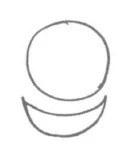
[ 29 ] Und der vierte Teil des Meßopfers ist dann die Kommunion, die ja nichts anderes als dieses ausdrücken soll: Nachdem der Mensch mit diesem Übersinnlichen zusammengewachsen ist, läßt er seine ganze irdische Wesenheit sich hineinergießen in die Vereinigung mit dem Übersinnlichen. Dieser vierte Teil stellt bildhaft dar, was der zu Initiierende, der Einzuweihende, auch in den älteren und neueren Mysterien zu erleben hatte.
[ 29 ] And the fourth part of the Mass is Communion, which is meant to express nothing other than this: After the human being has become one with the supersensible, he allows his entire earthly being to pour itself into union with the supersensible. This fourth part symbolically represents what the initiate, the one to be initiated, was also to experience in both the ancient and modern mysteries.
[ 30 ] Das erste Hauptstück besteht darin, daß man lernt, dasjenige, was man empfängt als Welterkenntnis und Weltempfindung in abstracto, umzuwandeln, so daß man mit innerer Ehrlichkeit sagen kann: Im Urbeginne war das Wort, und aus dem Wort ist alles Entstandene geworden. — Ich bitte Sie, meine lieben Freunde, doch einmal zu betrachten, wie sehr die moderne Christenheit abgekommen ist von dem Verständnis gerade des Johannes-Evangeliums. Bedenken Sie, daß heute allgemein eigentlich nur das Bewußtsein vorhanden ist, man hat in dem Vatergott den Schöpfer der Welt. Der Vatergott, den man noch dazu mit dem Jahvegott — der der jüdische Volksgott ist — verwechselt, wird als der Schöpfergott angesehen, während doch im Evangelium steht: Im Urbeginne war das Wort, und alles ist durch dasselbe geworden, und außer durch dieses Wort ist nichts von dem Entstandenen geworden. — Dasjenige, was wir als Entstandenes in uns haben, ist das Schöpferische, das Wort in ganz rechtgläubigem Sinn, und von dem Vatergott müßte man eigentlich die Vorstellung haben, er subsistiert allem, und in dem Gottessohn hat er der Welt dasjenige gegeben, was das Schöpferische der Welt bedeutet.
[ 30 ] The first essential step is to learn to transform what one receives as knowledge of and perception of the world in the abstract, so that one can say with inner honesty: In the very beginning was the Word, and out of the Word all things came into being. — I ask you, my dear friends, to consider just how far modern Christianity has strayed from an understanding of the Gospel of John in particular. Bear in mind that today, the general perception is really only that God the Father is the Creator of the world. God the Father—who, moreover, is confused with the God of Yahweh, the God of the Jewish people—is regarded as the Creator God, whereas the Gospel states: “In the beginning was the Word, and all things came into being through it, and without this Word nothing that has come into being would have come into being.” — That which we possess within ourselves as what has come into being is the Creative Principle, the Word in the most orthodox sense, and one should actually conceive of the Father God as subsisting above all things; and in the Son of God, He has given the world that which constitutes the Creative Principle of the world.
[ 31 ] Ich will das nur deshalb sagen, weil das Verständnis des Einzuweihenden aufzurücken hat dazu, daß dasjenige Wort, das verkündet wird, durchaus aus dem Übersinnlichen ertönt, während unser heutiges gangbares Wort aus dem Intellektuellen, aus dem Vergänglichen heraus tönt. Das ist der erste Akt der Initiation, daß man den Inhalt der Seele sich zum Wort gestaltet als eine übersinnliche Offenbarung, als ein wirkliches Ereignis, ein Ereignis, das hervorgeht aus dem Angelion-All, aus der Summe der geistigen Welt. Was sich heraushebt aus der geistigen Welt, in uns die Form des Wortes annimmt, das ist der erste Akt des Meßopfers. In dem bewußten Durchsprechen selber sollte man sich dessen bewußt werden, daß das eine Verkündigung des Übersinnlichen ist, und daß das nicht eine Verkündigung von der Sinneswelt darstellt.
[ 31 ] I say this only because the initiate’s understanding must be raised to such a level that the word that is proclaimed resounds entirely from the supersensible, whereas our common language today resounds from the intellectual, from the transitory. This is the first act of initiation: that one shapes the content of the soul into the Word as a supersensible revelation, as a real event—an event that emerges from the Angelion-All, from the sum total of the spiritual world. What emerges from the spiritual world and takes on the form of the Word within us—that is the first act of the Eucharistic sacrifice. In the very act of consciously speaking it aloud, one should become aware that this is a proclamation of the supersensible, and that it does not constitute a proclamation from the sensory world.
[ 32 ] Das zweite ist, daß der Mensch in ein reales Verhältnis zu dem Übersinnlichen tritt durch das Opfer. Finden wir die Möglichkeit, das Opfer anzudeuten, also gewissermaßen die Gegengabe gegenüber dem Göttlichen anzudeuten, dann haben wir eigentlich erst das in der Vielseitigkeit vor uns, was doch da sein muß. Sehen Sie, der Katholizismus der neueren Zeit hat ja dieses sich verdunkeln lassen. Der Katholizismus der neueren Zeit möchte eigentlich alles von der Gottheit haben und nichts der Gottheit wiedergeben.
[ 32 ] The second point is that human beings enter into a real relationship with the supernatural through sacrifice. If we find a way to allude to sacrifice—that is, to allude, in a sense, to the reciprocal offering to the Divine—then we actually have before us, in all its diversity, that which must surely be there. You see, modern Catholicism has allowed this to be obscured. Modern Catholicism actually wants to take everything from the Divine and give nothing back to the Divine.
[ 33 ] Nun, wir wollten in unserem Ritual [der Sonntagshandlung in der Waldorfschule] nicht gar zu sehr gegen das Vorurteil der heutigen Zeit verstoßen. Aber wir waren doch genötigt, einfach in der Frage desjenigen, der die Opferhandlung vollbringt, an das Kind, ob es streben will nach dem Gottesgeist, und in der Antwort: «Ja, ich will ihn suchen, ich werde suchen nach dem Gottesgeist», wenigstens im Worte eine Andeutung zu geben von dem realen Verhältnis. Es soll etwas vorgehen, es soll etwas geschehen dadurch, daß jedes Kind gefragt wird, ob es den Gottesgeist suchen will. Wir mußten wenigstens die Andeutung des Abendmahles [in unserer Sonntagshandlung haben], und das andere muß sich eben später ergeben.
[ 33 ] Well, in our ritual [the Sunday ceremony at the Waldorf School], we didn’t want to go too far against the prevailing prejudices of our time. But we were nevertheless compelled, simply in the question posed to the child—who performs the sacrificial act—as to whether they wish to strive for the Spirit of God, and in the answer: “Yes, I want to seek it; I will seek the Spirit of God,” at least in words, to give a hint of the real relationship. Something is to take place; something is to happen through the fact that each child is asked whether they want to seek the Spirit of God. We had to include at least a hint of the Lord’s Supper [in our Sunday service], and the rest will simply have to emerge later.
[ 34 ] Nun, sehen Sie, in dem dritten Akte wird dann bewußt, daß das Übersinnliche nicht bloß präsent ist, sondern daß die menschliche Seele sich mit ihm verbinden kann. Und in dem vierten Akt des Meßopfers, in der Kommunion, wird dann der vierte Akt der Initiation dargestellt, der darin besteht, daß der Mensch sich ganz durchdringt mit dem Übersinnlichen, so daß er sich selber nur mehr fühlt als ein äußeres Zeichen, ein äußeres Weltsymbolum, daß er das Wort wahr macht: Der Mensch ist das Ebenbild der Gottheit.
[ 34 ] Well, you see, in the third act it becomes clear that the supersensible is not merely present, but that the human soul can connect with it. And in the fourth act of the Mass, during Communion, the fourth act of initiation is then represented, which consists in the human being becoming completely imbued with the supersensible, so that he feels himself to be nothing more than an outward sign, an outward symbol of the world, thereby fulfilling the saying: “Man is the image of the Deity.”
[ 35 ] Es ist ja so sehr das Bewußtsein abhanden gekommen von diesen Zusammenhängen, daß man heute eben nur mit gewissen Schwierigkeiten auf sie hinweisen kann. Man kann also sagen, man hat in dem Meßopfer — das natürlich nicht einfach vom Katholizismus übernommen werden kann, sondern im Sinn unserer heutigen Zeit ausgestaltet werden muß — dasjenige vor sich, was so und so oft dem Menschen im Bilde vorstellt den zutiefst bedeutsamen geistigen Weg des Menschen. Und so sollte es auch schon sein, daß wir begleiten mit solchen ritualhaften Handlungen wichtige Lebenspunkte, wie zum Beispiel den Hinausgang aus der Schule in das Leben, daß wir aber auch bei den Erwachsenen durch den Kultus, das heißt durch das Bild wirken, denn das Bild wirkt eben nicht nur auf das Intellektuelle, das Bild wirkt auf den ganzen Menschen. Soll ich irgend etwas Intellektuelles begreifen, dann begreife ich es ganz in mir allein. Stehe ich einem Bilde gegenüber, so geht das in viel tiefere Schichten meines Menschenwesens hinein als das Intellektuelle. Und wenn dasjenige, was durch das Ritual geschieht, in die Mitglieder einer Gemeinde hineingeht, so erleben sie ein Übersinnliches gemeinsam, und dasjenige, was atomisiert wird durch das Lehrgut, wird ja synthetisiert in der Kultushandlung. Was im Lehrgut, wenn man es abstrakt ausspricht, nachgebildet ist aus intellektualistischen Ideenformen, was da zur Zersplitterung, zur Analyse im einzelnen Menschen führt, das wird wieder vereinigt, wird synthetisiert, wenn man versucht im Bilde zu sprechen.
[ 35 ] In fact, awareness of these connections has been lost to such an extent that it is difficult to point them out today. One can therefore say that in the Mass—which, of course, cannot simply be adopted from Catholicism but must be shaped in a way that is appropriate for our time—we have before us that which so often presents to us, in symbolic form, the profoundly significant spiritual path of humankind. And so it should indeed be that we mark important milestones in life—such as the transition from school to life—with such ritual acts; but we should also work through the image in the lives of adults as well, for the image does not act merely on the intellectual; the image acts upon the whole human being. If I am to grasp anything intellectual, I grasp it entirely within myself alone. When I stand before a picture, it penetrates much deeper layers of my being than the intellectual realm. And when what takes place through the ritual enters the members of a community, they experience the supersensible together, and what is atomized by the body of teaching is synthesized in the ritual act. What is reproduced in the teachings—when expressed abstractly—through intellectualistic forms of thought, and what leads to fragmentation and analysis within the individual, is reunited and synthesized when one attempts to speak in images.
[ 36 ] Sehen Sie, in der neueren Zeit hat eigentlich nur eine Gemeinschaft gelernt im Bilde zu sprechen, doch das ist eine Gemeinschaft, die dieses Symbolische, das imaginativ beseelte Sprechen mißbraucht, nämlich das Jesuitentum. Und sehen Sie, ich muß immer wieder und wiederum hinweisen darauf, wie in den Jesuitenbildungsanstalten, aber eben zum Unheil der Menschheit, ganz methodisch gelehrt wird, das auch immer im Bilde zusammenzufassen, wenn man irgend etwas [den Menschen] beigebracht hat.
[ 36 ] You see, in more recent times, only one community has actually learned to speak in images, but it is a community that abuses this symbolic, imaginatively inspired speech—namely, the Jesuits. And you see, I must point out again and again how, in Jesuit educational institutions—but to the detriment of humanity—it is taught quite methodically to always summarize things in imagery once something has been taught to [people].
[ 37 ] Ich will Ihnen ein recht anschauliches Beispiel geben, weil ich selbst einmal die ungeheure Bedeutung, theoretisch möchte ich sagen, erlebt habe, da ich mir ansehen wollte, wie die Sache wirkt. Es handelte sich um einen berühmten jesuitischen Kanzelredner — es ist jetzt schon zehn Jahre her —, er predigte über die Einsetzung der österlichen Beichte. Er wollte ad absurdum führen dasjenige, was die Gegner des Katholizismus sagen: die österliche Beichte, die Forderung nach der österlichen Beichte wäre eine päpstliche und nicht eine übersinnliche Institution. Das also wollte er vor seinen Gläubigen ad absurdum führen. Ich habe mir das auch angesehen. Wenn Klinckowström, so hieß der Jesuitenprediger, in der abstrakten Form, in der man sonst predigt, das seiner damaligen Zuhörerschar hätte beibringen wollen in dieser Weise, wie man gewöhnlich auf evangelischem Gebiet zu predigen gewöhnt ist, hätte er gar nichts erreicht; er hätte nicht das geringste erreicht. Er hat es auf folgende Weise gemacht, indem er zusammenfassend sagte: «Ja, meine lieben Christen, seht ihr, wenn man sagt, der Papst hat die österliche Beichte eingesetzt, so ist das wirklich so, wie wenn man folgendes sagen würde: Denkt euch eine Kanone, und an der Kanone steht der Kanonier; der Kanonier hält die Zündschnur in der Hand, und dann steht der Offizier etwas weiter davon. Was geschieht? Der Kanonier hält die Zündschnur, der Offizier gibt das Kommando; und in dem Augenblick, wo der Offizier das Kommando gibt, wo das Kommandowort ertönt, da zieht der Kanonier an der Zündschnur, die Kanone geht los, und durch das Pulver, das in der Kanone ist, wird alles hervorgebracht, was durch den Kanonenschuß geschieht.» — Wie eine einzige Seele war diese ganze Gemeinde, als dieses Bild anschaulich vor sie hingestellt wurde. — «Nun», fuhr er fort, «denkt euch, es käme jemand und würde etwa sagen, der Kanonier habe alles gemacht, durch ihn sei eigentlich alles geschehen. Aber er hat doch nur auf den Befehl des Offiziers an der Zündschnur gezogen, und der Offizier hätte ohne das Pulver auch nicht den Schuß befehlen können. Diejenigen, die sagen, der Papst habe die österliche Beichte eingesetzt, die gehen noch viel weiter, denn das wäre dasselbe, als wenn jemand behaupten würde, der Kanonier, wenn er nur auf den Befehl des Offiziers an der Zündschnur zieht, habe das Pulver erfunden! Ebenso grundfalsch ist es, wenn die Leute sagen, der Papst hätte die österliche Beichte eingesetzt. Er war nur dabei, er hat als Vertreter der übersinnlichen Welt an der Zündschnur gezogen.»
[ 37 ] I’d like to give you a very vivid example, because I myself once experienced—theoretically, I might say—the immense significance of this, since I wanted to see how it worked. It involved a famous Jesuit preacher—this was ten years ago now—who was preaching about the institution of Easter confession. He wanted to reduce to absurdity what the opponents of Catholicism say: that Easter confession, the requirement for Easter confession, is a papal institution rather than a supernatural one. So that is what he wanted to reduce to absurdity before his congregation. I observed this as well. If Klinckowström—that was the name of the Jesuit preacher—had tried to convey this to his congregation at the time in the abstract manner in which sermons are usually delivered, in the way one is accustomed to preaching in Protestant circles, he would have achieved absolutely nothing; he would not have achieved the slightest thing. He did it in the following way, summarizing as he said: “Yes, my dear Christians, you see, when people say that the Pope instituted Easter confession, it is really just as if one were to say the following: Imagine a cannon, and standing by the cannon is the gunner; the gunner holds the fuse in his hand, and then the officer stands a little further away. What happens? The gunner holds the fuse, the officer gives the command; and the moment the officer gives the command—the moment the command is sounded—the gunner pulls the fuse, the cannon fires, and the gunpowder inside the cannon brings about everything that happens as a result of the cannon shot.” — The entire congregation was as one when this image was vividly presented to them. — “Now,” he continued, “imagine if someone were to come along and say, for example, that the gunner did everything, that everything actually happened because of him. But he merely pulled the fuse at the officer’s command, and the officer could not have ordered the shot without the gunpowder either. Those who say that the Pope instituted Easter confession go even further, for that would be the same as if someone were to claim that the gunner—merely by pulling the fuse at the officer’s command—had invented the gunpowder! It is just as fundamentally wrong when people say that the Pope instituted Easter confession. He was merely present; as a representative of the supernatural world, he pulled the fuse.”
[ 38 ] Alles war selbstverständlich durchdrungen von der Wahrheit desjenigen, was der Pater Klinckowström da verkündet hat. Es ist nicht so, daß das durch eine besonders glückliche Veranlagung dieses Paters so war. Sie können sich überzeugen, daß es durchaus zum methodischen Unterricht der Jesuiten gehört, alles auszugestalten in solche Bilder. Es gibt heute sogar schon ein Literaturwerk — warum es erschienen ist? Ich habe es nicht geprüft; die katholische Kirche wird auch da irgendeine Absicht haben, denn sie hat ja immer Absichten —, worin bis in die Einzelheiten hinein beschrieben wird, wie man den Zeigefinger zu bewegen hat, wenn man dieses oder jenes Wort spricht, wie man die Hand zu bewegen hat, wenn man dieses oder jenes sagt. Darüber gibt es sogar Zeichnungen, es ist da eine bis ins kleinste Detail hineingehende methodische Arbeit vorhanden, eine Arbeit, die hineinarbeitet in das Bild. Und man muß eben sagen: Warum wird nicht der Versuch gemacht, dasjenige, was zum Unheil der Menschen ausgebildet wird auf der einen Seite, auch zum Heile der Menschen auszubilden? Denn es kann auch zum Heil ausgebildet werden, es kann und muß auch zum Heil ausgebildet werden, es muß aus den ernsten seelischen Absichten heraus die Kraft kommen, das Abstrakte umzuformen in das Bildhafte, und dieses Bildhafte muß erlebt werden mit der Gemeinde. Dadurch wird eine Gemeinde seelisch herangehoben, dadurch wird erst der Gemeindesinn wirklich begründet, und der Kultus ist dasjenige, was Ihnen die Gemeinde zusammenhalten wird; ohne den Kultus können Sie die Gemeinde nur atomisieren. Wenn man dies aus theoretischen Gründen bekämpft, dann geht man von Vorurteilen aus.
[ 38 ] Everything was, of course, permeated by the truth of what Father Klinckowström proclaimed there. It is not the case that this was due to some particularly fortunate disposition on the part of this priest. You can see for yourselves that it is very much part of the Jesuits’ methodical teaching to present everything in such imagery. There is even a book available today—why was it published? I haven’t examined it; the Catholic Church must have some purpose in mind there as well, for it always has purposes—in which it is described down to the finest details how one is to move one’s index finger when speaking this or that word, how one is to move one’s hand when saying this or that. There are even drawings of this; it is a methodical work that goes down to the smallest detail, a work that is woven into the image. And one simply has to ask: Why isn’t an attempt made to transform what is being shaped for the ruin of humanity, on the one hand, into something that brings salvation to humanity as well? For it can also be shaped for the good; it can and must be shaped for the good. The power to transform the abstract into the pictorial must spring from serious spiritual intentions, and this pictorial element must be experienced together with the congregation. This is what spiritually elevates a congregation; this is what truly establishes a sense of community, and worship is what will hold the congregation together; without worship, you can only fragment the congregation. If one opposes this on theoretical grounds, then one is acting out of prejudice.
[ 39 ] Ich möchte Sie darauf aufmerksam machen, daß ein Freund unserer Sache, ein altkatholischer Pfarrer — als solcher liest er ja die Messe in deutscher Sprache, in der Landessprache überhaupt, bringt auch andere Ritualien in der Landessprache vor —, die Ritualien nicht in der sonderbaren Übersetzung bringen wollte, in der man sie heute vielfach liest. Er hat mich dazu veranlaßt, einiges aus den gangbaren katholischen Ritualien in die Form zu bringen, die eigentlich ursprünglich darin lag. Dadurch sieht man erst, wie die geistige Welt in diesen Dingen vielfach auflebt, und man sieht, was entstellt worden ist seit der Hieronymuszeit.
[ 39 ] I would like to draw your attention to the fact that a friend of our cause, an Old Catholic priest—as such, he celebrates Mass in German, in the local language in general, and also performs other rituals in the local language—did not want to conduct the rituals in the peculiar translation in which they are often read today. He prompted me to restore some of the standard Catholic rituals to the form in which they originally existed. Only then can one see how the spiritual world comes alive in these matters, and one can see what has been distorted since the time of Jerome.
[ 40 ] Sie brauchen nun nicht zu glauben, daß ich, wie vielfach gesagt worden ist, irgendwie katholisch angekränkelt wäre, wenn ich so über den Kultus der katholischen Kirche rede. Ich will die Dinge nur aus dem Objektiven heraus sehen und Sie aufmerksam darauf machen, daß es ganz unmöglich ist, ohne den Übergang zu finden zum Kultus, zum Sprechen im Symbolum, wirklich das religiöse Leben zu pflegen. Sie mögen noch so gut zu überzeugen verstehen, zu wirken durch intellektuelle Darstellung — auf religiösem Gebiet erreichen Sie nur etwas, wenn Sie an geeigneten Orten das in Ihrer Rede theoretisch Dargestellte in das Symbolum ausklingen lassen können. Das Symbolum müssen Sie selber als eine Wahrheit erleben, daher sollen Sie auch nur denken an solche symbolische Darstellungen, die wirklich zusammenhängen mit demjenigen, was real ist in der Welt.
[ 40 ] You need not think, as has often been said, that I am in any way “tainted” by Catholicism when I speak this way about the worship of the Catholic Church. I merely wish to view matters objectively and draw your attention to the fact that it is quite impossible to truly cultivate religious life without making the transition to worship, to speaking in symbols. No matter how skilled you may be at persuading others or at making an impact through intellectual exposition—in the religious realm, you will achieve something only if, in appropriate settings, you can allow what you have presented theoretically in your speech to find its culmination in the symbolic. You must experience the symbolic as a truth yourself; therefore, you should consider only those symbolic representations that are truly connected to what is real in the world.
[ 41 ] Aber dem stehen noch mancherlei Schwierigkeiten gegenüber, und ich will Sie durchaus darauf aufmerksam machen. Nehmen Sie zum Beispiel folgenden Fall an: Es soll sich heute jemand vorstellen das Physischwerden des Menschen auf der Erde. Ja, wenn Sie sich heute an die Naturwissenschaft wenden mit all den Dingen, die sie Ihnen gibt über weibliche Eizelle, männliche Befruchtungszelle, die sie Ihnen gibt über das Herauswachsen, das Hereinwachsen der befruchteten Eizelle und so weiter, so bekommen Sie trotz der naturwissenschaftlichen Errungenschaften, trotzdem man bewundern muß, was aus rein naturwissenschaftlicher Denkweise über solche Sachen errungen worden ist, nicht etwa Vorstellungen, die Sie auf den Weg bringen, die Wesenheit zu erfassen, sondern Sie bekommen solche Vorstellungen, die Ihnen direkt die Wahrheit stückweise zudecken. Sehen Sie, der hauptsächlichste Bestandteil des Menschlichen, des Tierischen, des Organischen überhaupt, ist das Eiweiß. Vergleichen Sie die Konstitution des Eiweißes mit der Konstitution irgendeiner mineralischen Substanz in der Welt. Sie ist so verschieden, daß heute natürlich der Forscher sagt — und das sagt er mit Recht —, die Konstitution des Eiweißes ist eine außerordentlich komplizierte, man kommt dem nicht bei, und man kann keine Brücke finden zwischen irgendeiner kristallisierten, unorganisch konstituierten Materie und dem, was im Eiweiß als Konstitution vorhanden ist. Aber, sehen Sie, das weiß die heutige Wissenschaft nicht, daß, wenn wir irgendeine — ich will es symbolisch zeichnen — unorganische Form haben, die wir gewissermaßen dergestalt einfach verfolgen können (a), und wir vergleichen sie mit der Eiweißkonstitution (b), so haben wir zunächst scheinbar etwas ungeheuer Kompliziertes; in allen Stoffen unserer Nahrungsmittel, überall im Organischen fügt sich diese scheinbar komplizierte Konstitution ein. Man sagt dann: Das Unorganische wird im Organischen komplizierter konstituiert und dann erst baut sich aus diesem kompliziert Konstituierten zum Beispiel auch der menschliche Leib auf; das geschieht durch Zellteilung, durch eine bestimmte Konfiguration des Gewebes und so weiter. Aber das Ganze ist ja, nicht wahr, weiter nichts als ein Unsinn. Denn das, was wirklich geschieht, ist die völlige Vernichtung aller unorganischen Formen. Die Kompliziertheit des Eiweißes besteht darin, daß alles Unorganische ins Chaos kommt. Das Eiweiß ist immer auf dem Weg ins Chaotische, um die dem Unorganischen entsprechende Form aufzulösen und die Materie ins Chaos überzuführen; und am stärksten ins Chaos übergeführt ist diejenige Materie, die in der befruchteten Eizelle vorliegt. Das ist einfach ins Chaotische getriebene Materie. Mit diesem Chaos kann überhaupt die gesamte irdische Naturgesetzlichkeit nichts mehr anfangen, die ist ausgeschaltet. Eiweiß geworden sein auf irgendeiner Stufe bedeutet: ausgeschaltet sein von der irdischen Naturgesetzlichkeit. Und was ist die Folge? Daß die außerirdische Naturgesetzlichkeit, die Konstellation der Planeten, die ganze außerirdische Welt anfängt, auf dieses Chaos zu wirken, um diesem Chaos nun eine Konstitution erst wiederum zu geben. Dadurch, daß in der Überführung in Eiweiß die Materie ins Chaos kommt, wird die Materie wiederum bereit zu empfangen; nicht nur vom Irdischen zu empfangen, sondern aus dem ganzen Weltall, vom Kosmischen herein ihre Konstitution zu empfangen. Und darin besteht die Nachbildung des menschlichen Hauptes, das ja das Himmelsgewölbe nachbildet.
[ 41 ] But there are still many difficulties involved, and I certainly want to draw your attention to them. Consider, for example, the following scenario: Let someone today try to imagine how human beings came into being on Earth. Yes, if you turn to the natural sciences today with all the information they provide about the female egg cell, the male sperm cell, the growth of the fertilized egg, and so on, then, despite the achievements of natural science—and one must certainly admire what has been accomplished regarding such matters through a purely scientific way of thinking—you will not receive concepts that set you on the path to grasping the essence; rather, you will receive concepts that directly obscure the truth bit by bit. You see, the primary component of the human, the animal, and the organic in general is protein. Compare the structure of protein with that of any mineral substance in the world. It is so different that today, of course, the researcher says—and he is right to say so—that the structure of protein is extraordinarily complex; one cannot fathom it, and one cannot find a bridge between any crystallized, inorganic matter and the structure present in protein. But, you see, modern science does not realize that if we have any—let me illustrate this symbolically—inorganic form that we can, so to speak, simply trace in this way (a), and we compare it with the structure of protein (b), then at first glance we seem to have something immensely complex; in all the substances of our food, everywhere in the organic realm, this seemingly complicated constitution is integrated. People then say: The inorganic is constituted in a more complex way within the organic, and only then is the human body, for example, built up from this complexly constituted substance; this happens through cell division, through a specific configuration of the tissue, and so on. But the whole thing is, isn’t it, nothing but nonsense. For what really happens is the complete annihilation of all inorganic forms. The complexity of protein consists in the fact that everything inorganic descends into chaos. Protein is always on its way toward chaos, in order to dissolve the form corresponding to the inorganic and to transform matter into chaos; and the matter that is most thoroughly transformed into chaos is that which is present in the fertilized egg cell. This is simply matter driven into chaos. The entire system of earthly natural laws can no longer do anything with this chaos—it is rendered inoperative. To have become protein at any stage means: to be excluded from earthly natural laws. And what is the consequence? That extraterrestrial natural laws—the constellation of the planets, the entire extraterrestrial world—begin to act upon this chaos in order to give this chaos a constitution once again. Because matter enters a state of chaos during its transformation into protein, it becomes ready once more to receive—not only from the earthly realm, but from the entire universe, receiving its constitution from the cosmic realm. And therein lies the likeness of the human head, which, after all, mirrors the vault of heaven.
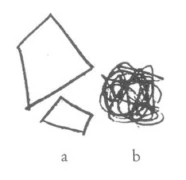
[ 42 ] Eine richtige Naturwissenschaft wird man natürlich erst bekommen, wenn man aus diesen irdischen Dingen hinausgeht. Die ganze Naturwissenschaft hat sich daran gewöhnt, alles rein aus dem Unorganischen herzuleiten. Man hat ja in der Naturwissenschaft heute etwas vor sich, was alles ins Absterben führt, weil die Naturwissenschaft nur das für den Intellekt als berechtigt gelten läßt, was man in abstracto durchforschen kann. In dem Augenblick, wo Sie zu denken haben den Übergang, wo dasjenige, was nur in intellektueller Form erforscht werden kann, ins Chaos übergeht, da müssen Sie aufhören zu denken, da müssen Sie anfangen zu schauen und müssen übergehen zu einer andersartigen Erkenntnis. Und da liegt die Schwierigkeit. Denn sehen Sie, der Intellektualismus macht uns nicht nur zu Leuten, die das Bildliche ablehnen, er verhindert uns sogar, aus dem Intellekt herauszukommen und selber Bilder zu formen. Man kriegt es nicht mehr fertig, wenn man einmal ganz intellektualistisch abstrakt geworden ist; man kriegt es einfach nicht fertig!
[ 42 ] Of course, true natural science will only be achieved once we move beyond these earthly things. The entire field of natural science has become accustomed to deriving everything purely from the inorganic. After all, what we face in natural science today is a process that leads to the withering away of everything, because natural science considers valid for the intellect only that which can be investigated in the abstract. The moment you have to contemplate the transition where that which can only be investigated in intellectual form gives way to chaos—that is when you must stop thinking, begin to look, and move on to a different kind of knowledge. And therein lies the difficulty. For you see, intellectualism not only turns us into people who reject the pictorial, it even prevents us from stepping outside the intellect and forming images ourselves. Once you have become completely intellectualistic and abstract, you can no longer manage it; you simply cannot manage it!
[ 43 ] Es ist so, daß diese intellektualistische Kultur der neueren Zeit über die Menschen so große Macht hat, daß sie alle einem erscheinen wie irgend jemand, der als kleines Mädchen oder auch als kleiner Knabe in der Waldorfschule sticken lernen will und es nur dahin bringt, die verschiedenartigen Fäden von oben nach unten und von unten nach oben laufen zu lassen; er kann sticken, aber er bringt nicht wirkliche Bilder zustande. Das kann er nicht. Die ganze Seelentätigkeit unserer modernen Kultur, in welche man sich eingespannt hat, drückt so, daß keiner den Geist hat, beweglich genug zu sein, um einzusehen, daß im Eiweiß einfach alles ausgelöscht ist von diesen naturwissenschaftlichen Ergebnissen und dadurch die Materie geöffnet wird der Empfängnis von seiten des Kosmos. Das ist dasjenige, was dann auf die Notwendigkeit hinweist, gerade durch Anthroposophie auch die Religionserneuerung zu suchen. Deshalb betonte ich gestern: Selbstverständlich ist es so, daß wir heranziehen müssen auch diejenigen aus dem heutigen Predigerstand, die mit ehrlichem Herzen als sogenannte Protestanten herankommen, und die daher ablehnen dasjenige, was ich gerade heute besprochen habe. Aber der wirksame Kern, auf den sich alles aufbauen soll, das müssen eigentlich doch Anthroposophen sein. Denn Anthroposophie will eben dasjenige, was man überall vergebens sucht: sie will in ein wirkliches Erfassen der Realitäten hineinführen. Ohne daß wir das durchgemacht haben, dieses Herauskommen aus dem naturwissenschaftlichen Ergreifen der Welt, das heute schon die Theologen ergriffen hat, kommen wir nicht zu der Fähigkeit, symbolische Bilder zu finden, so daß man sich auch wirklich in solchen Bildern aussprechen kann vor der gläubigen Gemeinde. Und kommt man an dieses anthroposophische Erfassen der Welt heran — Sie können es überall in meinen Zyklen verfolgen —, an bestimmten Stellen muß man es einfach auslaufen lassen ins Bild. Und wenn Sie meine «Geheimwissenschaft» lesen, in der ich ja die Vorstufen der Erde als Sonne und Mond bezeichnet habe, so habe ich damit nur in Bildern gesprochen. Wenn ich sage, es sieht etwas so aus, wie wenn einem eine Geschmacksempfindung entgegenkommt, dann kann es ein ganzes Dutzend von Naturwissenschaftern wie Dessoir, Oesterreich und so weiter nicht verstehen, nichts damit anfangen.
[ 43 ] The fact is that this intellectualistic culture of modern times exerts such a powerful hold over people that they all seem to me like someone who, as a little girl or even a little boy at a Waldorf school, wants to learn to embroider but manages only to run the various threads from top to bottom and from bottom to top; they can embroider, but they cannot produce real images. They are incapable of doing so. The entire spiritual activity of our modern culture, into which we have become entangled, exerts such pressure that no one has the spirit to be flexible enough to realize that, in the egg white, everything has simply been erased by these scientific findings, and thereby matter is opened up to conception on the part of the cosmos. This is precisely what points to the necessity of seeking religious renewal through anthroposophy. That is why I emphasized yesterday: It goes without saying that we must also draw upon those among today’s clergy who approach us with honest hearts as so-called Protestants and who therefore reject what I have just discussed today. But the active core upon which everything is to be built must, in fact, be the anthroposophists. For anthroposophy seeks precisely what one searches for in vain everywhere else: it seeks to lead us into a true grasp of reality. Unless we have gone through this process—this moving beyond the scientific grasp of the world, which has already taken hold of theologians today—we will not attain the ability to find symbolic images, so that we can truly express ourselves through such images before the believing congregation. And when one approaches this anthroposophical understanding of the world—you can follow it throughout my lecture cycles—at certain points one simply has to let it flow into an image. And if you read my Occult Science, in which I described the preliminary stages of the Earth as the Sun and the Moon, I was speaking only in images. When I say it looks a bit like a sensation of taste coming toward you, then a whole dozen natural scientists like Dessoir, Oesterreich, and so on cannot understand it; they don’t know what to make of it.
[ 44 ] In der praktischen Ausübung des Predigeramtes, da ist Anthroposophie das, was das Inspirierende bedeuten soll, damit man überhaupt erst in die Handhabung des Symbolischen, des Rituellen und des Kultusmäßigen hineinkommt und dadurch tatsächlich die Möglichkeit der Gemeindebildung hat. Sonst wird man nur die Möglichkeit haben, zu einzelnen Menschen zu reden. Gemeindebildung wird durch das Abstrakte im Leben eben niemals erreicht werden können.
[ 44 ] In the practical exercise of the ministry, anthroposophy is what is meant to serve as the source of inspiration, so that one can even begin to engage with the symbolic, the ritual, and the liturgical—and thereby actually have the possibility of building a congregation. Otherwise, one will only be able to speak to individual people. Community-building can simply never be achieved through the abstract in life.
[ 45 ] Soweit möchte ich die Sache jetzt darstellen und werde sie morgen dann weiter darstellen und übergehen zum eigentlichen Predigtinhalt. Wir werden morgen um 11 Uhr wieder da sein, und ich schlage vor, daß wir unsere heutige Diskussion auch über die anderen Gebiete heute um 7 Uhr [abends] fortsetzen.
[ 45 ] I would like to present the matter up to this point for now, and I will continue presenting it tomorrow before moving on to the actual content of the sermon. We will be back tomorrow at 11 a.m., and I suggest that we continue today’s discussion on the other topics at 7 p.m. tonight.
[ 46 ] Jetzt möchte ich nur noch sagen: Ich habe also gestern den Herren vom «Kommenden Tag» den Vorschlag gemacht, daß durch den «Kommenden Tag» eine Art von Brücke geschaffen werden sollte zu dem, was in dem Kreise von Ihnen hier sich vollziehen will. Nicht wahr, ich habe als das Wichtigste hingestellt, daß diese Sache gewissermaßen finanziert wird. Wie wir uns auch diese unsere Sache denken, finanziert werden muß sie ja. Es muß gleich zu freier Gemeindebildung führen, wenn dies auch vorzugsweise aus der gegenwärtigen Kirche gewonnen werden muß. Ich muß schon sagen: Ich glaube, wenn wirklich sachgemäß gearbeitet wird, daß es möglich sein könnte, in drei Monaten schon so weit zu sein, daß sich dann auch die Finanzierarbeit selber trägt. Also, ich meine, daß dann mindestens so viel da sein wird, daß die Finanzierarbeit sich tragen kann, und daß eine Stelle voll besetzt werden kann mit jemandem, der diese Arbeit beginnt. «Der Kommende Tag» wird sich bereit erklären, für diese drei Monate zu sorgen; und ich glaube ja, Sie sind übereingekommen, Herrn Dr. Heisler zu ersuchen, diese Finanzierarbeit zu übernehmen. Zunächst wird ja vielleicht die Sache auf realem Boden stehen, wenn sie Herr Heisler übernimmt. Ich bin durchaus der Meinung, daß wenn man mit einer solchen Sache soweit ist, daß man angefangen hat, soweit eben wie wir jetzt sind, so kann man es sich nicht gestatten, lange zuzuwarten, denn die Verhältnisse drängen, und man bemerkt oftmals nicht, wie stark heute die niederziehenden Kräfte sind, und wie leicht es der Fall sein kann, daß man ganz einfach den Anschluß versäumt, wenn man zu lange zuwartet.
[ 46 ] Now I would just like to say this: Yesterday I made a proposal to the gentlemen from Kommender Tag that Kommender Tag should serve as a kind of bridge to what is taking shape among you here. Isn’t that right? I emphasized that the most important thing is that this endeavor be financed, so to speak. However we conceive of our endeavor, it must, of course, be financed. It must lead directly to the formation of free communities, even if this must primarily be drawn from the existing church. I must say: I believe that if the work is carried out properly, it could be possible to reach a point within three months where the funding efforts will sustain themselves. So, I mean that there will then be at least enough to cover the costs of the funding efforts, and that a position can be fully staffed with someone to begin this work. “Der Kommende Tag” will agree to cover the costs for these three months; and I believe you have agreed to ask Dr. Heisler to take on this fundraising work. For starters, the project will perhaps be on solid ground once Dr. Heisler takes it on. I am firmly of the opinion that once one has reached the stage with such a project where one has begun—as far as we have now—one cannot afford to wait too long, for circumstances are pressing, and one often fails to realize how strong the forces of decline are today, and how easily one might simply miss the boat if one waits too long.
[ 47 ] Wir würden heute mit der Dreigliederung viel weiter sein, wenn man damals im Frühling 1919 die Sache richtig erfaßt hätte. Es wurde dazumal auf Grundlage meines Kultur-Aufrufes ein Kulturrat begründet. Man hatte sich mit Recht vorgestellt, daß auch Leute in Amt und Würden die Sache zu der ihrigen machen würden. Man hat sogar Rücksicht genommen auf die Leute in Amt und Würden, man hat die Sache so abgefaßt, daß sie nicht gar zu starke Gänsehaut bekommen haben, weil man real wirken wollte, aber die Leute waren natürlich nicht bei der Stange zu halten. Es ist schon so, daß sie nicht bei der Stange zu halten waren und daß alles nichts nützte. Sie werden darum doch in die Notwendigkeit versetzt werden, sich an die Jugend halten zu müssen, an die jüngeren Leute, die empfunden haben, daß die Alten eben alt geworden sind und nicht mehr können. Man muß versuchen, keine Zeit zu verlieren. Deshalb möchte ich Ihnen auch dieses sagen, daß wir versuchen sollten, die Brücke hinüber zu schlagen, denn ich glaube, es ist ein berechtigtes Gefühl, daß für dieses gerade die Finanzierung, wenn sie richtig betrieben wird, nicht allzuschwer werden kann. Man wird Leute finden, die gerade für dieses Verständnis haben, und ich glaube, die Beredsamkeit des Herrn Dr. Heisler wird schon offene Türen finden, wenn er sich gerade jetzt in den nächsten Monaten darauf beschränkt, die individuellen Menschen zu bereden, daß sie die Börse aufmachen oder die Scheine schreiben. Natürlich, mit Vorträgen kann man die Leute nicht gewinnen. Da rücken die Leute nichts heraus. Man muß zu den einzelnen gehen. Er wird seine Aufgabe darin sehen müssen, die gesamte Zeit dazu zu verwenden, um zu den einzelnen zu gehen. Das einzig Unangenehme ist, daß man mit Worten — doch bloß mit Worten, andere Fälle sind noch nicht passiert — hinauskomplimentiert wird. Das geht schon nicht anders, das muß man schon hinnehmen, und die Mehrzahl der Fälle ist es doch nicht, daß man mit Worten hinauskomplimentiert wird. Ich habe zum Beispiel bei der Sammlung der Schweizer «Futurum AG.» von allen Herren gehört, die mit der Sammlung beauftragt waren, daß ein einziges Mal ein Hinauswerfen mit Worten stattgefunden hat, sonst beschränkten sich die Leute darauf, außerordentlich freundlich und liebenswürdig zu sein und die Sache außerordentlich interessant zu finden, aber eben die Börse nicht aufzumachen. Manche schreiben dann hinterher einen Brief; den braucht man natürlich nicht zu beantworten. Man muß natürlich wissen, daß man nur in einem geringen Prozentsatz etwas erreicht, aber man muß es eben versuchen. Es ist schon nicht anders, als daß man nur auf Selektionen hinarbeiten muß, daß man viel versuchen muß, um in wenigen Fällen Erfolg zu haben.
[ 47 ] We would be much further along with the threefold social order today if the matter had been properly understood back in the spring of 1919. At that time, a Cultural Council was established on the basis of my “Call for Culture.” It was rightly assumed that people in positions of authority would also make the cause their own. They even took people in positions of authority into consideration; they framed the matter in such a way that it wouldn’t give them too much of a chill, because they wanted to have a real impact, but of course those people couldn’t be kept on track. It’s true that they couldn’t be kept on board and that none of it amounted to anything. You will therefore be forced to rely on the youth, on the younger people who have sensed that the older generation has simply grown old and can no longer keep up. We must try not to waste any time. That is why I would also like to say this to you: we should try to bridge the gap, because I believe it is a justified feeling that, for this very purpose, the financing—if handled properly—cannot be too burdensome. We will find people who are open to this idea, and I believe that Dr. Heisler’s eloquence will find a receptive audience if, especially now in the coming months, he focuses on persuading individuals to open their wallets or write checks. Of course, you can’t win people over with lectures. That won’t get anything out of them. You have to approach individuals directly. He will have to see his task as devoting all his time to approaching individuals. The only unpleasant thing is that you might be shown the door with words—but only with words; other cases haven’t happened yet. There’s simply no other way; you have to accept that, and in the majority of cases, you aren’t actually shown the door with words. For example, regarding the fundraising campaign for the Swiss “Futurum AG,” I heard from all the gentlemen who were in charge of the campaign that there was only one instance where someone was turned away with words; otherwise, people limited themselves to being exceptionally friendly and gracious and finding the matter extremely interesting—but simply refusing to open their wallets. Some people write a letter afterward; of course, you don’t need to reply to that. You have to realize, of course, that you’ll only achieve something in a small percentage of cases, but you simply have to try. It’s just the way it is—you have to focus on making selections, and you have to try many times to succeed in just a few cases.
[ 48 ] Wäre vielleicht noch etwas anderes zu besprechen, oder dieses weiter zu verfolgen? — Vielleicht haben noch einige darüber etwas zu sagen. Wir wollen dann heute abend die Diskussion auf alle drei Hauptstücke ausdehnen, die Sie gestern genannt haben.
[ 48 ] Is there perhaps anything else we should discuss, or should we continue with this? — Maybe some of you have something to add. Tonight, we’ll expand the discussion to cover all three main points you mentioned yesterday.
[ 49 ] Gottfried Husemann: Ich glaube, wir möchten darüber sprechen, wie weit wir uns jetzt vorzubereiten haben auf einen Predigerberuf, auf das Sprechen in bildhafter Weise. Von der Universität können wir diese Vorbereitung nicht erwarten.
[ 49 ] Gottfried Husemann: I think we would like to discuss the extent to which we need to prepare ourselves now for a career in preaching, for speaking in a figurative manner. We cannot expect this preparation from the university.
[ 50 ] Rudolf Steiner: Sind Sie da eben der Meinung, daß nach dieser Richtung etwas getan werden kann? Positives, nicht wahr? In diesen Stunden kann ich nur die Richtlinien angeben; es kann natürlich nicht auf Einzelnes eingegangen werden. Auf Details einzugehen, das erfordert doch mindestens einen vierzehntägigen Kurs. Also man könnte natürlich nach dieser Richtung durchaus daran denken, daß, wenn unser Kreis in den nächsten paar Monaten noch größer geworden ist, wir dann einen solchen Kurs veranstalten wollen, der dann in vierzehn Tagen in der Form das gibt, was man an den Lehranstalten zwar unter dem Titel «Symbolik» hat, was aber eigentlich nichts ist. Nur in der katholischen Kirchenfakultät bedeutet Symbolik noch etwas. Sie sehen vielleicht ihr inneres Gefüge noch nicht ganz richtig.
[ 50 ] Rudolf Steiner: Do you think, then, that something can be done along these lines? Something positive, right? In these sessions, I can only outline the general guidelines; of course, I can’t go into specific details. To go into details would require at least a two-week course. So, of course, one could certainly consider, along these lines, that if our circle has grown even larger over the next few months, we might then organize such a course, which would, over the course of two weeks, provide what is offered at educational institutions under the title “Symbolism”—though that is actually nothing. Only in the Catholic Faculty of Theology does “symbolism” still mean anything. Perhaps you do not yet fully grasp its inner structure.
[ 51 ] Sehen Sie, dieses innere Gefüge können Sie an den Tatsachen am besten sehen. Ich habe es erlebt, daß eine große Anzahl von katholischen Priestern, die eine Stelle als Gymnasiallehrer innehatten — was in Österreich in der damaligen Zeit noch ganz häufig war —, oder die als Universitätslehrer nicht bloß an der theologischen Fakultät, sondern auch an der philosophischen und anderen Fakultäten gelesen hatten, daß solche katholischen Priester — es waren zum großen Teil Ordensgeistliche, die man später Modernisten genannt hat — gerüffelt worden sind von Rom. Nun sprach ich einmal mit einem Mann, der in der Exegese ungeheuer bedeutsam war, wie er dazu käme, von Rom aus gerüffelt zu werden wegen des Inhaltes seiner Rede, die eigentlich im Grunde genommen einen Rüffel gar nicht herausforderte, während — wenn man von dem Gesichtspunkt ausgeht, von dem aus der Rüffel erteilt wurde — man sagen mußte, daß der Professor Bickell, der den Jesuiten angehörte, ungeheuer viel weiterging als gerade ein extremer Liberalist, in Rom aber persona grata war. Ich sagte ihm das, und er antwortete mir: Ich bin Zisterzienser, und von den Zisterziensern erwartet man [in Rom], daß sie in dem Augenblick, wo sie nicht mehr das sagen, was der von Rom festgelegte Inhalt ist, dann ihrer Überzeugung folgen und allmählich vom Katholizismus abkommen könnten. — Das setzt man bei Zisterziensern voraus. Bei den Jesuiten wie bei dem Professor Bickell weiß man, daß sie, wenn sie noch so liberal sprechen, treue Söhne Roms sind; sie lassen nicht [von Rom] ab; deren ist man ganz gewiß, denen gestattet man Liberalismus, sie dürfen ihre Unterlage auf ganz andere Dinge setzen als auf das Lehrgut.
[ 51 ] You see, this inner structure is best seen in the facts. I have observed that a large number of Catholic priests who held positions as high school teachers—which was still quite common in Austria at that time— or who, as university professors, had taught not only in the theology department but also in the philosophy and other departments—that such Catholic priests—most of whom were members of religious orders and were later called “modernists”—were reprimanded by Rome. Now, I once spoke with a man who was immensely significant in the field of exegesis, asking how he came to be reprimanded by Rome for the content of his speech, which, strictly speaking, did not at all warrant a reprimand, whereas — if one considers the perspective from which the rebuke was issued — one had to conclude that Professor Bickell, who belonged to the Jesuits, went far beyond what even an extreme liberal would do, yet was persona grata in Rome. I told him this, and he replied: “I am a Cistercian, and [in Rome] it is expected of the Cistercians that, the moment they no longer speak in accordance with the doctrine established by Rome, they will follow their convictions and could gradually stray from Catholicism.” — That is what is assumed of the Cistercians. With the Jesuits, as with Professor Bickell, one knows that no matter how liberal they may sound, they are faithful sons of Rome; they do not stray [from Rome]; one can be entirely certain of them; they are permitted liberalism; they are allowed to base their views on things entirely different from the body of doctrine.
[ 52 ] Diesen Mangel [an Beweglichkeit] hat die katholische Kirche nicht, daher ist sie viel lebensfähiger in ihrer Auffassung. Ich kam zum Beispiel einmal — es ist jetzt ungefähr 40 Jahre her — mit einem katholischen Theologen ins Gespräch, der Professor war an der Wiener theologischen Fakultät und der so gelehrt war, daß man von ihm sagte, er kenne die ganze Welt und noch drei Dörfer dazu. Er war ein grundgelehrter Zisterzienser. Selbst ein Zisterzienser war fähig, in der folgenden Weise über das Lehrgut zu sprechen. Wir kamen im Laufe des Gesprächs darauf, über [das Dogma] der conceptio immaculata zu sprechen und ich sagte zu ihm: Ja, sehen Sie, man kann, wenn man innerhalb der katholischen Logik stehenbleibt, die unbefleckte Empfängnis, die conceptio immaculata Mariae zugeben. — Das ist nicht das Dogma der conceptio immaculata des Jesus, das ja immer da war in der Kirche. Aber die unbefleckte Empfängnis, wie sie von seiten der Katholiken von der heiligen Anna behauptet wird, also das Hinaufsteigen von der conceptio immaculata der Maria zur unbefleckten Empfängnis der heiligen Anna — ? Wenn man da dieselbe Logik benützt, muß man weitergehen über alle folgenden Generationen hinauf. — Ja, sagte er, das gibt es nicht, das können wir nicht, die Logik fordert das nicht. Wir müssen stehenbleiben bei der heiligen Anna; wenn wir da weitergingen, da kämen wir bis zum «Davidl», und beim Davidl ginge es uns schlecht mit der conceptio immaculata. —
[ 52 ] The Catholic Church does not suffer from this lack [of flexibility]; therefore, its approach is much more viable. For example, about 40 years ago, I once struck up a conversation with a Catholic theologian who was a professor at the Faculty of Theology in Vienna and was so learned that people said he knew the whole world and three villages to boot. He was a highly erudite Cistercian. Even a Cistercian was capable of speaking about doctrine in the following manner. In the course of our conversation, we came to discuss [the dogma] of the Immaculate Conception, and I said to him: “Yes, you see, if one remains within Catholic logic, one can acknowledge the Immaculate Conception, the conceptio immaculata Mariae.” — That is not the dogma of the Immaculate Conception of Jesus, which has, after all, always been present in the Church. But the Immaculate Conception, as claimed by Catholics regarding Saint Anne—that is, the progression from the Immaculate Conception of Mary to the Immaculate Conception of Saint Anne—? If one applies the same logic there, one must continue all the way back through all subsequent generations. — “Yes,” he said, “that doesn’t exist; we can’t do that; logic doesn’t require it.” We must stop at Saint Anne; if we were to go further, we’d end up at “Davidl,” and with Davidl, we’d run into trouble with the conceptio immaculata.—
[ 53 ] Aus solchen Worten spricht gar nicht reiner Wahrheitssinn. Wenn der Mann außerhalb der Kirche spricht, da spricht eine ganz andere Formulierung des Wahrheitsimpulses, und das ist [in der katholischen Kirche] überall vorhanden. Es werden die Begriffe so geformt, daß sie sich einleben können in die breite Masse — nicht nach irgendeiner Logik werden sie geformt —, das macht den Katholizismus so groß. Das kann auf keinen Fall irgendwie gutgeheißen werden, aber man muß es kennen. Man muß wissen, mit wem man es zu tun hat.
[ 53 ] Such words do not at all reflect a pure sense of truth. When a man speaks from outside the Church, a completely different expression of the impulse toward truth comes through, and this is present everywhere [in the Catholic Church]. The concepts are shaped in such a way that they can take root among the masses—they are not shaped according to any kind of logic—and that is what makes Catholicism so great. This cannot under any circumstances be condoned, but one must be aware of it. One must know who one is dealing with.
[ 54 ] Es ist zum Beispiel so, daß das reale Drinnenstehen in der Welt — so daß man mit dem Denken, insofern es nicht nur intellektualistisch ist, sondern insofern es reines Denken ist, in der Welt drinnensteht — manchmal bei katholischen Priestern in einer gewissen Weise vorhanden ist. Ich habe gerade durch mein Lebensschicksal viele katholische Priester kennengelernt. Unter diesen war auch der Kirchenhistoriker an der Wiener Universität. Der Mann war ein außerordentlich interessanter Mensch, aber ganz urkatholisch, bis zum äußersten Grad so katholisch, daß er selbst zugab, er gehe nicht mehr auf die Straße, wenn es abends finster geworden ist und die Laternen noch nicht voll brennen. Als ich ihn fragte, warum er nicht mehr auf die Straße gehe, sagte er: Da sieht man die Menschen nur in unbestimmten Umrissen, und in Wien begegnen einem auch Freimaurer, und einen Freimaurer, den darf man nur in scharfen Umrissen sehen, weil man an ihm nur vorbeigehen kann, wenn man sich scharf von ihm unterscheiden kann. — Sie sehen, man kann absolut gelehrt sein und in der ganzen Theologie drinnenstecken und kann dennoch die Meinung haben, daß es in der realen Welt etwas bedeutet, wenn man an einem Freimaurer vorbeigeht, ohne ihn abzuweisen durch die scharfe Kontur. Die Auren gehen ineinander über, und es geht nicht, daß man da solch ein Mischmasch von katholischem Priester und Freimaurer bewirken läßt.
[ 54 ] For example, it is the case that a genuine immersion in the world—such that one is immersed in the world through thought, not merely in an intellectualistic sense but insofar as it is pure thought—is sometimes present in a certain way among Catholic priests. Through the course of my life, I have come to know many Catholic priests. Among them was the church historian at the University of Vienna. The man was an extraordinarily interesting person, but thoroughly traditional Catholic—so Catholic to the extreme that he himself admitted he no longer went out on the street once it had grown dark in the evening and the streetlights were not yet fully lit. When I asked him why he no longer went out on the street, he said: “Out there, you only see people as vague silhouettes, and in Vienna you also come across Freemasons—and a Freemason must be seen only in sharp relief, because you can only pass him by if you can clearly distinguish yourself from him.” — You see, one can be highly educated and deeply versed in all of theology and yet still hold the opinion that, in the real world, it means something when one passes a Freemason without rejecting him through sharp contours. The auras blend into one another, and one cannot allow such a hodgepodge of Catholic priest and Freemason to come about.
[ 55 ] Ernst Uehli: Die katholische Kirche hat doch sehr stark mit Legenden gearbeitet; und ich denke, es ist so, daß die katholische Bewegung sehr durch die Legende gestützt worden ist. Es läßt sich wohl denken, daß es in einer künftigen Kirchengemeinschaft zu einer neuen Legendenbildung kommen könnte.
[ 55 ] Ernst Uehli: The Catholic Church has indeed relied heavily on legends; and I think it is true that the Catholic movement has been greatly sustained by legend. It is quite conceivable that a new body of legends could emerge in a future church community.
[ 56 ] Rudolf Steiner: So ist es. Und wenn Sie besonders einzelne meiner Vorträge, die ich in Dornach gehalten habe, lesen, so werden Sie sogar den Versuch finden, gewisse Dinge, die jetzt ausgesprochen werden können, in Legendenform auszusprechen. Ich habe ganze Vorträge in Legendenform gehalten; und ich mache Sie auf eines aufmerksam. Ich versuchte einmal das Wesen der Künste zu charakterisieren. Man kommt mit Begriffen nicht hinein in das Wesen der Künste, es bleibt alles äußerlich, was man abstrakt aufbaut. Da muß man, wenn man solches darstellen will, zum Bilde greifen. Das Büchlein «Das Wesen der Künste» ist ganz bildlich dargestellt. Da wird man gleich wieder mißverstanden. Als ich diese Sache ganz aus der Imagination heraus hingesprochen hatte, trat ein ganz alter Theosoph vor mich hin, der nichts anderes zu sagen wußte als: Ja, da haben Sie ja die neun Musen umgewandelt. — Nicht wahr, es lag mir so fern wie nur irgend etwas, an die neun Musen zu denken, es hat sich alles aus der Notwendigkeit der Sache ergeben. Es lag mir fern, alte Geschichten aufzuwärmen, aber man konnte sich nichts anderes vorstellen, als daß das ein abstraktes Vorgehen war.
[ 56 ] Rudolf Steiner: That is correct. And if you read, in particular, some of the lectures I gave in Dornach, you will even find that I attempted to express certain things—which can now be spoken of openly—in the form of legends. I have given entire lectures in the form of legends; and I would like to draw your attention to one thing. I once attempted to characterize the essence of the arts. One cannot penetrate the essence of the arts through concepts; everything one constructs abstractly remains external. If one wishes to depict such things, one must resort to imagery. The little book The Essence of the Arts is presented entirely through imagery. And there, one is immediately misunderstood again. When I had spoken about this matter entirely from the realm of imagination, a very old theosophist stepped forward and had nothing else to say but: “Yes, you’ve transformed the nine Muses.” — Isn’t that right? It was the furthest thing from my mind to think of the nine Muses; it all arose from the necessity of the matter. It was far from my intention to rehash old stories, but people could not imagine anything other than that this was an abstract approach.
[ 57 ] So muß man sagen, die Notwendigkeit, zum Bilde zu greifen, ist durchaus wieder gegeben. Wir haben zum Beispiel noch nicht ein Bild für eine sehr wichtige Sache. Bedenken Sie die Fülle der StierLegenden, Stier-Erzählungen im Beginne des 3. Jahrtausends bei dem Übergange des Frühlingspunktes in das Sternbild des Stieres. Bedenken Sie die Legenden von dem Argonautenzuge, als im vorchristlichen 8. Jahrhundert die Sonne eingetreten ist in das Sternbild des Lammes. Jetzt ist sie im Sternbild der Fische. Diese Legende muß noch nachgeholt werden. Wir brauchen eine bildhafte Legendenbildung. Obwohl die Sache schon lebt, haben wir dafür noch keine Legende. Dieses Imaginative, das muß noch ausgebildet werden. Und so sind zahlreiche andere Dinge, die heute wirklich nur abstrakt leben, die heute aus dem Weltgeschehen heraus in Bildhaftes übergehen sollen. Daran muß gearbeitet werden. Wir müssen dadurch wiederum den Anschluß an die Welt finden. Heute ist die Welt eigentlich nur dasjenige, was nur intellektuell erfaßt werden kann. Was ist die Welt für den heutigen Menschen? Man könnte geradezu sagen: Für den intellektuellen Menschen der Gegenwart ist der ganze Kosmos nichts anderes als erstarrte Mathematik und Mechanik. Und wir müssen wiederum dazu kommen, über die bloße Mathematik und Mechanik hinauszugehen, wir müssen zum Imaginativen, zum Bildhaften kommen und auch zur Legende.
[ 57 ] So it must be said that the need to resort to imagery is certainly present once again. For example, we still do not have an image for a very important concept. Consider the abundance of Taurus legends and tales at the beginning of the third millennium, when the vernal equinox entered the constellation of Taurus. Consider the legends of the Argonauts’ expedition, when, in the 8th century B.C., the sun entered the constellation of Aries. Now it is in the constellation of Pisces. This legend still needs to be created. We need to develop a visual legend. Although the subject is already alive, we do not yet have a legend for it. This imaginative aspect still needs to be developed. And so there are numerous other things that today exist only in the abstract, which should now be transformed from world events into visual imagery. We must work on this. Through this, we must once again find our connection to the world. Today, the world is, in fact, nothing more than what can be grasped intellectually. What is the world to people today? One could even say: For the intellectual person of the present, the entire cosmos is nothing more than frozen mathematics and mechanics. And we must once again learn to go beyond mere mathematics and mechanics; we must arrive at the imaginative, the pictorial, and also at legend.
[ 58 ] Wir müssen uns nur klar werden, daß solche Forschungen, wie sie mein verstorbener Freund Ludwig Laistner über Sagen, Mythen und Legendenbildung in dem Buche «Das Rätsel der Sphinx» dargestellt hat, sehr viel helfen können. Ich betone ausdrücklich, Ludwig Laistner hat nichts verstanden von Geisteswissenschaft. Ich möchte nur sagen, daß das Buch bei der Forschung helfen kann, obgleich Laistner alle Mythen und Sagen auf Geträumtes zurückführt. Aber es ist interessant, dem nachzugehen, wie er die Legendenbildung nicht auf dem wahnsinnigen Wege sucht, auf dem sie die heutigen evangelischen und katholischen Forscher suchen, indem sie sich sagen: Die Urvölker haben gedichtet, sie haben ins Gewitter hinein die Götter versetzt, ebenso beim Kampf des Winters mit dem Sommer. — Als ob die Leute nie ein Bauerngemüt kennengelernt hätten; das Bauerngemüt dichtet nie. Diese Menschen, denen da das Dichten zugeschrieben wird, die sind soweit weg vom Dichten wie die Bauern. Es war alles imaginativ. Ludwig Laistner führt alles auf Träume zurück; dennoch ist es interessant [zu lesen, wie er einen Zusammenhang der inneren Erlebnisse des Menschen sieht in der slawischen Sage von der Mittagsfrau und der Sage von der] Sphinx in Griechenland. Deshalb heißt das Buch «Das Rätsel der Sphinx». Legenden müssen aus dem Leben heraus fließen, jetzt im vollen Bewußtsein. Das ist ungeheuer wichtig.
[ 58 ] We simply need to realize that research such as that presented by my late friend Ludwig Laistner on myths, legends, and the formation of legends in the book The Riddle of the Sphinx can be of great help. I want to emphasize explicitly that Ludwig Laistner understood nothing about the spiritual sciences. I simply wish to say that the book can aid research, even though Laistner attributes all myths and legends to dreams. But it is interesting to explore how he does not seek the origins of legends along the delusional path taken by today’s Protestant and Catholic researchers, who tell themselves: “The indigenous peoples composed poetry; they placed the gods in thunderstorms, just as they did in the struggle between winter and summer.” — As if people had never encountered a peasant’s mindset; a peasant’s mindset never composes poetry. These people, to whom such poetic composition is attributed, are as far removed from poetry as peasants are. It was all a product of the imagination. Ludwig Laistner attributes everything to dreams; nevertheless, it is interesting [to read how he sees a connection between human inner experiences in the Slavic legend of the Noon Woman and the legend of the] Sphinx in Greece. That is why the book is titled The Riddle of the Sphinx. Legends must flow from life itself, now in full consciousness. This is immensely important.