Anthroposophy as Cosmosophy I
GA 208
6 November 1921, Dornach
Translate the original German text into any language:
Versions Available:
Anthroposophy as Cosmosophy II, tr. SOL
Zwanzigster Vortrag
Twentieth Lecture
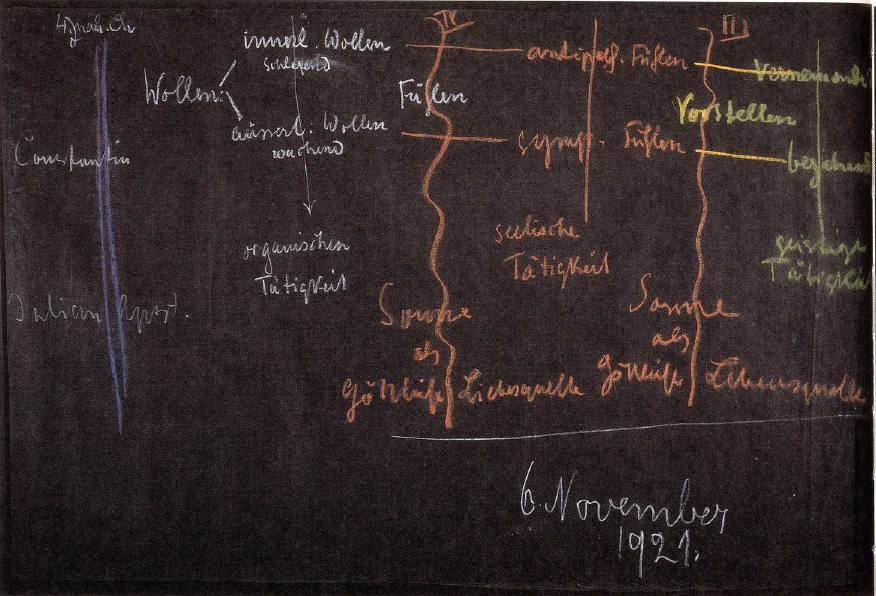
[ 1 ] Wir haben verfolgt, wie sich die Gestaltung des Menschen, wie sich die Lebensgestaltung, das Seelische und das Geistige zum Kosmos verhalten. Und wenn wir zurückblicken auf die verschiedenen Teile der Betrachtungen der letzten Zeit, so können wir gewissermaßen als eine Art Extrakt aus alldem heute etwa uns folgendes vor unsere Seele stellen. Wir können sagen: In den tiefen Untergründen der menschlichen Wesenheit ruht zunächst das Wollen. Das Wollen (siehe Schema Seite 166) ist ja in mehrfacher Beziehung — wenn ich mich so ausdrükken darf — das geheimnisvollste Element der menschlichen Wesenheit. Wenn wir das Moralische betrachten, so muß uns auffallen, wie aus dem Moralischen herauf, aber wie aus unergründlichen Tiefen, unsere Lebensverirrungen stammen, unsere Neigungen, die oftmals durchaus weltenfeindlich sind; wie alles das, was in Gewissensbissen oder in Selbstvorwürfen vorstellungsgemäß vor unsere Seele treten kann, aus dem Untergrunde des Wollens heraufströmt.
[ 1 ] We have traced how the human constitution—how the structure of life, the soul, and the spirit—relates to the cosmos. And when we look back on the various parts of our recent reflections, we can, in a sense, present the following to our souls today as a kind of distillation of it all. We can say: In the deepest recesses of the human being lies, first and foremost, the will. The will (see diagram on page 166) is, in many respects—if I may put it that way—the most mysterious element of the human being. When we consider morality, we cannot help but notice how our life’s missteps—our inclinations, which are often thoroughly hostile to the world—arise from morality, yet as if from unfathomable depths; how everything that can appear before our soul in the form of pangs of conscience or self-reproach flows up from the depths of volition.
[ 2 ] Wir wissen ja auch, daß dieses Wollen aus dem Grunde geheimnisvoll ist, weil in vieler Beziehung in unserem Wollen ein höchst unbestimmtes Element lebt, das wir wenig in unserer Gewalt haben, ein instinktives Element, ein Element, das uns hin- und hertreibt auf den Wogen des Lebens, ohne daß wir immer sagen können, wir seien mit unseren bewußten Impulsen bei diesem Hinundhertreiben auch dabei. In anderer Beziehung, in der Beziehung auf die Erkenntnis, haben wir ja immer betonen müssen, wie das eigentliche Wesen des Willensimpulses im Grunde so außerhalb des menschlichen Bewußtseins liegt wie das, was der Mensch im Tiefschlaf erlebt, im traumlosen Schlaf. So daß auch in dieser Beziehung das Wollen als ein unbestimmtes, geheimnisvolles Element in unsere menschliche Wesenheit einergossen ist.
[ 2 ] We also know that this volition is fundamentally mysterious because, in many respects, there is a highly indeterminate element at work in our volition over which we have little control—an instinctive element, an element that drives us back and forth on the waves of life, without us always being able to say that our conscious impulses are also involved in this back-and-forth drift. In another respect—that of cognition—we have always had to emphasize how the very essence of the impulse of will essentially lies as far outside human consciousness as what a person experiences in deep, dreamless sleep. Thus, in this respect as well, the will is infused into our human being as an indeterminate, mysterious element.
[ 3 ] Aber wenn wir den Menschen in bezug auf seine Geistigkeit betrachten, so können wir ja nicht diese Geistigkeit etwa so auffassen, daß der Mensch ihrer nur teilhaftig sei etwa im Wachen oder im bewußten Vorstellen, sondern er ist ihrer auch teilhaftig, der Geistigkeit, im Schlafe und auch in jenem Teile seines Wesens, in dem das Wollen einergossen ist, wo es also, wenn ich so sagen darf, ebenso zugeht wie in bezug auf die Erlebnisse des Tiefschlafes. Wir können uns daher vorstellen, daß der Geist eben auch im schlafenden Wesen gegenwärtig ist.
[ 3 ] But when we consider human beings in terms of their spirituality, we cannot, of course, understand this spirituality as something in which human beings participate only while awake or in conscious imagination; rather, they also participate in it spirituality, during sleep and also in that part of their being into which the will is infused—where, if I may put it that way, things proceed just as they do with regard to the experiences of deep sleep. We can therefore imagine that the spirit is present even in the sleeping being.
[ 4 ] Und gerade mit Bezug auf das Wollen können wir ja ein Zweifaches unterscheiden. Wir können zunächst dasjenige Wollen vor unsere Seele hinstellen, das uns zum Betätigen anleitet, impulsiert vom Aufwachen bis zum Einschlafen, wenn wir nicht gerade Faulpelze sind. Wir können gewiß in das Wesen dieses Wollens nicht hineinschauen, aber die Wirkungen dieses Wollens, sie treten uns, weil wir sie ja vorstellen können, in unser Bewußtsein ein. Wir wissen nicht, wie unser Willensimpuls wirkt, wenn wir gehen, aber wir sehen uns im Gehen vorwärtsschreiten. Wir stellen die Wirkung unseres Wollens vor und haben daher wachend ein vorstellungsgemäßes Bewußtsein von den Wirkungen unseres Wollens. Das ist die eine Seite des Wollens.
[ 4 ] And precisely with regard to volition, we can distinguish between two aspects. First, we can consider the kind of volition that drives us to act, propelling us from the moment we wake up until we fall asleep—unless, of course, we are simply lazy. We certainly cannot look into the nature of this volition, but its effects enter our consciousness because we can imagine them. We do not know how our volitional impulse works when we walk, but we see ourselves moving forward as we walk. We imagine the effect of our volition and therefore, while awake, have a consciousness of the effects of our volition that corresponds to our imagination. This is one aspect of volition.
[ 5 ] Es gibt eine andere Seite des Wollens. Das Wollen ist auch in uns tätig, während wir schlafen. Während wir schlafen, finden innere Vorgänge ja auch statt, und diese inneren Vorgänge sind durchaus auch eine Wirkung des Willens, nur nehmen wir sie nicht wahr, weil wir eben im schlafenden Zustand sind. Aber es wird immerhin, geradeso wie während der Nacht auch die Sonne scheint, nämlich für die andere Hälfte der Erde, die wir nicht bewohnen, so wird auch unsere menschliche Wesenheit während unseres Schlafens vom Wollen durchströmt, nur daß dieses Wollen sich unserem Bewußtsein entzieht.
[ 5 ] There is another side to volition. Volition is also at work within us while we sleep. After all, inner processes do take place while we sleep, and these inner processes are certainly also an effect of the will; we simply do not perceive them because we are in a state of sleep. But just as the sun shines during the night—namely, for the other half of the Earth that we do not inhabit—so, too, is our human being permeated by the will while we sleep, only that this will eludes our consciousness.
[ 6 ] So daß wir unterscheiden können in unserem menschlichen Sein zwischen zwei Arten des Wollens, einem innerlichen Wollen und einem äußerlichen Wollen. Und wir können sagen: Das äußerliche Wollen, es erscheint uns in seinen Wirkungen, wenn wir wachend sind. Das innerliche Wollen erscheint in seinen Wirkungen, wenn wir schlafend sind. — Es erscheint uns eigentlich nicht, aber wir können eben doch sagen: Es offenbart sich, oder es erscheint uns nachher, wenn wir zurückblicken, für den schlafenden Zustand.
[ 6 ] So that we can distinguish, in our human existence, between two kinds of will: an inner will and an outer will. And we can say: The outer will manifests itself to us through its effects when we are awake. The inner will manifests itself through its effects when we are asleep. — It does not actually appear to us, but we can still say: It reveals itself, or it appears to us afterward, when we look back, in relation to the sleeping state.
[ 7 ] Nun ist gewissermaßen in den Meerestiefen der Seele das Wollen vorhanden. Es schlägt in Wellen herauf. Aber schon dadurch, daß wir das Wollen konstatieren müssen für den Schlafzustand, also für denjenigen Zustand, in dem unser Körperlich-Leibliches in der bloßen organischen Tätigkeit ist, weder seelisch durchströmt ist, noch geistig durchleuchtet ist, müssen wir sagen: Das Wollen als solches hat es zu tun mit der organischen Tätigkeit. Das schlafende Wollen hat es zu tun mit der organischen Tätigkeit, indem organische, also Lebensprozesse in uns stattfinden, die im wesentlichen mit dem Wollen zusammenhängen. Aber auch wenn wir wachend tätig sind, also unser Wollen im Fluß ist, finden solche Lebensprozesse statt. Das Wollen äußert sich ja in innerlichen Stoffwechselprozessen, so daß wir auch da verweisen können auf die organische Tätigkeit.
[ 7 ] Now, in a sense, the will exists in the oceanic depths of the soul. It surges upward in waves. But simply because we must acknowledge the presence of volition during sleep—that is, during the state in which our physical body is engaged in mere organic activity, neither permeated by the soul nor illuminated by the spirit—we must say: Volition as such is connected to organic activity. Sleeping volition is connected to organic activity in that organic—that is, life processes—take place within us that are essentially related to volition. But even when we are awake and active—that is, when our volition is in flux—such life processes take place. Volition manifests itself, after all, in internal metabolic processes, so that we can point to organic activity there as well.
[ 8 ] Nun schlägt herauf, ich möchte sagen, aus dieser Wollensmeerestiefe des menschlichen Wesens, schlägt herauf wellenartig das, was sich im Fühlen offenbart. Wir wissen ja, daß das Fühlen (siehe Schema Seite 166) zwar noch immer eine sehr dumpfe Betätigung des menschlichen Wesens ist, daß das Fühlen in einer gewissen Beziehung für das Bewußtsein nur diejenige Intensität hat, die der Traum hat. Aber immerhin, es ist heller als das Wollen. Es schlägt in die Helligkeit herauf, was in den Meerestiefen des menschlichen Wesens ist. Der Mensch erhellt sich in seinem Fühlen. Und indem er sich erhellt, steigen die zwei Pole des Wollens herauf in das intensivere Bewußtsein, und es äußert sich sowohl das innerliche Wollen wie das äußerliche Wollen, indem beide heraufschlagen können in das Bewußtsein.
[ 8 ] Now, I would say, from this oceanic depth of human will, what reveals itself in feeling surges up in waves. We know, of course, that feeling (see diagram on page 166) is still a very dull activity of the human being, that in a certain sense feeling has for consciousness only the intensity of a dream. But still, it is brighter than volition. What lies in the oceanic depths of the human being surges up into the light. Human beings illuminate themselves through their feeling. And as they illuminate themselves, the two poles of volition rise into a more intense consciousness, and both inner volition and outer volition express themselves, as both are able to surge up into consciousness.
[ 9 ] Und so unterscheiden wir auch zweierlei Arten des Fühlens. Wie wir zweierlei Arten des Wollens, ein innerliches Wollen im schlafenden Zustand, ein äußerliches Wollen im wachenden Zustand unterscheiden, so unterscheiden wir ein Fühlen, das heraufschlägt aus dem Wollen und das verwandt ist dem schlafenden Zustande des Menschen. Das ist dasjenige Fühlen, das sich vorzugsweise in den Antipathien auslebt, die der Mensch im weitesten Umfange entwickelt; also in den Antipathien, im Antipathischen äußert sich das zur Antipathie neigende Fühlen (siehe Schema Seite 166), währenddem dasjenige Wollen, das sich äußerlich betätigt, das den Menschen also in die äußere Welt führt, wenn es heraufschlägt in das Fühlen, uns in sympathischer Weise zusammenbringt mit der äußeren Welt, sich in all den Gefühlserlebnissen äußert, die die sympathischen sind: das sympathisierende Fühlen, das mit der Welt sympathisierende Fühlen (siehe Schema Seite 166). Und indem wir uns diese Region vor die Seele stellen, haben wir in diesem traumhaften Erleben des Fühlens, das sich in Sympathie und Antipathie äußert, in jenen Sympathien und Antipathien, die bis zum Schönen heraufdringen, bis zu den Sympathien und Antipathien, die wir mit den Formen des Lebens haben, mit den Kunstformen oder auch mit den Naturformen, von diesen Sympathien und Antipathien bis zu den Sympathien und Antipathien, die wir in mehr organischer Weise, sagen wir, durch unser Geruchs- oder Geschmacksorgan beim Geruchs- oder Geschmacksekel oder beim Geruchs- oder Geschmackswahrnehmen, -wohlbefinden, -wohlempfinden haben — in allem diesem Weben haben wir nun die eigentliche seelische Tätigkeit. Das Wollen also offenbart sich in der organischen Tätigkeit, das Fühlen offenbart sich in der seelischen Tätigkeit (siehe Schema Seite 166).
[ 9 ] And so we also distinguish between two kinds of feeling. Just as we distinguish between two kinds of volition—an inner volition in the sleeping state and an outer volition in the waking state—so we distinguish a feeling that arises from volition and is akin to the human sleeping state. This is the kind of feeling that finds its primary expression in the antipathies that human beings develop to the greatest extent; thus, it is in antipathies—in the antipathetic—that the feeling inclined toward antipathy manifests itself (see diagram on page 166), whereas the will that acts outwardly—that is, the will that leads the human being into the external world—when it surges up into feeling, brings us together with the external world in a sympathetic way, expressing itself in all those emotional experiences that are sympathetic: the sympathizing feeling, the feeling that sympathizes with the world (see diagram on page 166). And as we bring this realm before our soul, we find, in this dreamlike experience of feeling—which expresses itself in sympathy and antipathy—in those sympathies and antipathies that rise up to the beautiful, up to the sympathies and antipathies we have toward the forms of life, toward artistic forms, or even toward natural forms, from these sympathies and antipathies to the sympathies and antipathies we experience in a more organic way—say, through our sense of smell or taste, in the form of olfactory or gustatory aversion, or in the perception, well-being, and pleasure derived from smell or taste—in all this interplay we now find the actual activity of the soul. Will, then, reveals itself in organic activity; feeling reveals itself in mental activity (see diagram on page 166).
[ 10 ] Wir können das Seelenleben von diesem Gesichtspunkte aus studieren und bekommen außerordentlich Aufschlußreiches. Wir sehen, daß das Wachen uns aufruft zur Sympathie mit der Umwelt. Unsere Antipathien kommen eigentlich aus unbewußteren Zuständen. Sie dringen herauf aus dem schlafenden Wollen. Es ist so, wie wenn unsere Sympathien mehr an der Oberfläche wären und als wenn sie aus unbestimmten Tiefen durchdrungen würden von den Antipathien. Die Antipathien sind abweisend. Durch die Antipathien entfernen wir uns die Umwelt, machen uns einsam, schließen uns in uns ab. Der Egoismus, den der Mensch entwickelt, hat namentlich innerlich aufsteigende Antipathien zur Voraussetzung. Je egoistischer ein Mensch ist, desto mehr ist das Element des Antipathischen in ihm wirksam. Er will sich abschließen. Er will sich möglichst in sich fühlen.
[ 10 ] We can study the life of the soul from this perspective and gain extraordinarily insightful knowledge. We see that wakefulness calls us to feel sympathy for our surroundings. Our antipathies actually stem from more unconscious states. They well up from the sleeping will. It is as if our sympathies were closer to the surface, while our antipathies penetrate them from indeterminate depths. Antipathies are repellent. Through antipathies, we distance ourselves from our surroundings, isolate ourselves, and shut ourselves off within. The egoism that a person develops is based, in particular, on antipathies rising from within. The more egoistic a person is, the more the element of antipathy is at work within them. They want to shut themselves off. They want to feel as much as possible within themselves.
[ 11 ] Im normalen Leben merken wir nicht, wie Sympathien und Antipathien ineinanderspielen im eigentlich seelischen Leben. Wir merken aber dieses Ineinanderspielen von Sympathien und Antipathien, wenn die Verbindung mit der Außenwelt anormal wird und wenn wir das Abwehren, das Antipathisieren, das aus dem Schlafe stammt, ebenfalls anormal entwickeln. Das ist dann der Fall, wenn zum Beispiel das Atmen sich nicht in richtiger Weise einstellt beim Schlafe und wir unter Alpdruck leiden. Dieser Alpdruck wird seelisch im wesentlichen erlebt als ein antipathisierendes Abwehren dessen, was in uns hereindringen will, was uns nur in mangelhafter Weise unsere Egoität erleben läßt.
[ 11 ] In everyday life, we do not notice how sympathies and antipathies interact in our inner psychological life. However, we do notice this interplay of sympathies and antipathies when our connection to the outside world becomes abnormal and when we also develop an abnormal form of defense—antipathy—that originates in sleep. This is the case, for example, when breathing does not adjust properly during sleep and we suffer from nightmares. Psychologically, this nightmare pressure is essentially experienced as a repulsive defense against whatever seeks to penetrate us, which allows us to experience our sense of self only in a deficient way.
[ 12 ] Wir sehen da in tiefe Geheimnisse des menschlichen Erlebens hinein. Wenn der Mensch die antipathischen Gefühle, das antipathische Wesen ganz besonders stark ausbildet, so daß es auch in sein Wachleben hereinspielt, dann geschieht es, daß er sich ganz mit Antipathie durchdringt und daß dann dieses antipathisierende Wesen seinen astralischen Leib ergreift. Dann wird sein astralischer Leib vom antipathisierenden Wesen durchströmt. Er strömt sie vor sich selber aus, ich möchte sagen, wie eine anormale Aura strömt er vor sich selber hin die Antipathie. Und da kann es ihm passieren, daß er Menschen, zu denen er sich sonst neutral verhält, ja sogar Menschen, die er sonst liebt, antipathisch empfindet, Menschen, mit denen er im Leben bekannt war, antipathisch empfindet. Alle Arten des Verfolgungswahnes treten durch diese Verhältnisse auf. Wenn man antipathische Empfindungen erlebt, die nicht durch die äußeren Verhältnisse erklärbar sind, so rührt das von den überquellenden Antipathien in der Seele her, das heißt von einer abnormen Ausbildung des einen Poles im seelischen Leben, der aus dem Schlafe heraufstößt.
[ 12 ] Here we are looking into the deep mysteries of human experience. When a person develops feelings of antipathy—that antipathetic nature—with particular intensity, to the point that it also influences their waking life, it happens that they become completely permeated with antipathy, and that this antipathetic nature then takes hold of their astral body. Then their astral body is permeated by this antipathetic nature. It radiates outward from them—I would say, like an abnormal aura, the antipathy radiates outward from them. And then it can happen that they feel antipathy toward people toward whom they would otherwise be neutral, indeed even toward people they would otherwise love—people with whom they were acquainted in life. All kinds of persecutory delusions arise from these conditions. When one experiences feelings of antipathy that cannot be explained by external circumstances, this stems from the overflowing antipathies in the soul—that is, from an abnormal development of one pole in the soul’s life that surges up from sleep.
[ 13 ] Wenn also dieses antipathisierende Wesen überhand nimmt, dann wird der Mensch ein Weltenhasser. Dieser Weltenhaß kann sich sehr, sehr steigern. Alle Erziehung und alles soziale Zusammenwirken sollte darauf hingehen, die Menschen nicht zu solchen Menschenhassern werden zu lassen. Aber denken Sie sich, wenn schon das, was da heraufschlägt aus den Meerestiefen des menschlichen Wesens, den Menschen, wenn es überhand nimmt, in eine starke Egoität bringen kann — und alle Arten des Verfolgungswahnes sind ja eine übersprudelnde Egoität, ein übersprudelnder Egoismus —, wenn schon das, was da heraufschlägt, so sein kann: wie muß erst das innerliche schlafende Wollen sein, dasjenige Wollen, das uns eine gütige Schöpfung zudeckt durch den Schlaf! Wir lernen ja gar nicht erkennen, wie unser ganzer Organismus, wie unsere Glieder durchzogen sind von diesem innerlichen schlafenden Wollen. Höchstens daß bei manchen Menschen einmal durch ganz absonderliche Träume etwas heraufdringt in das Bewußtsein von dem, was in jenem Wollen lebt, das unseren Organismus herstellt, wenn wir im schlafenden Zustande sind. Was da in diesem Wollen lebt — ich habe es schon von einer anderen Seite her bei früheren Vorträgen charakterisiert —, das ist etwas, was mit Recht für das gewöhnliche Bewußtsein jenseits der Schwelle liegt. Wer es kennenlernt, lernt alles das im Menschen kennen, was im äußersten Maß den Menschen zur Schlechtigkeit bringen kann. Und es ist das tiefe Geheimnis des Lebens, daß wir den Ausgleich unserer organischen Tätigkeit haben durch diejenigen Kräfte, die, wenn sie den Menschen im bewußten Leben beherrschen würden, ihn zum Verbrecher und Bösewicht machen würden.
[ 13 ] So when this antagonistic nature gets out of hand, a person becomes a hater of the world. This hatred of the world can intensify greatly, very greatly. All education and social interaction should be aimed at preventing people from becoming such misanthropes. But just imagine: if even that which surges up from the ocean depths of the human being—when it gets out of hand—can lead a person into intense egotism—and all forms of persecution mania are, after all, an overflowing egotism, an overflowing selfishness—if even that which surges up can be like that: how much more so must the inner, dormant will be—that very will which a benevolent creation conceals from us through sleep! We do not even learn to recognize how our entire organism, how our limbs, are permeated by this inner, sleeping will. At most, in some people, something of what lives in that will—which shapes our organism when we are asleep—occasionally breaks through into consciousness through very peculiar dreams. What lives within this will—I have already characterized it from another perspective in earlier lectures—is something that rightly lies beyond the threshold of ordinary consciousness. Whoever comes to know it comes to know everything in the human being that can, to the utmost degree, lead the human being to wickedness. And it is the deep mystery of life that our organic activity is balanced by those forces which, if they were to dominate the human being in conscious life, would turn him into a criminal and a villain.
[ 14 ] Nichts in der Welt ist an sich böse oder gut. Das, was, wenn es ins bewußte Leben hereinstößt, radikal böse ist, das ist, am richtigen Orte verwendet, nämlich während unseres schlafenden Zustandes als die organische Tätigkeit regulierend verwendet, das ist ja der Ausgleich für die verbrauchten Lebenskräfte. Fragen Sie nach dem Wesen jener Kräfte, die ausgleichend wirken für die verbrauchten Lebenskräfte, dann müssen Sie sagen: Es ist das Böse. Das Böse hat seine Aufgabe. Hier hat es seine Aufgabe. Und wenn die Menschen durch eine geistige Schulung dieses ansichtig werden — ich habe es, wie gesagt, schon von einer anderen Seite vor kurzem auch hier einmal charakterisiert —, dann ist es das, dem gegenüber auch ältere Geistesforscher gesagt haben: In seiner eigentlichen Wesenheit darf es nicht charakterisiert werden, denn sündhaft ist der Mund, der es ausspricht, sündhaft ist das Ohr, das es hört. — Aber der Mensch muß wissen, daß das Leben ein gefährlicher Prozeß ist für den Menschen, und daß in den Untergründen des Lebens als eine Kraft, die notwendig gebraucht wird, eben durchaus das Böse vorhanden ist.
[ 14 ] Nothing in the world is inherently evil or good. That which, when it enters conscious life, is radically evil—when used in the right place, namely during our sleeping state to regulate organic activity—is, in fact, the compensation for the expended life forces. If you ask about the nature of those forces that act to compensate for the expended life forces, then you must say: It is evil. Evil has its purpose. Here it has its purpose. And when people come to see this through spiritual training—I have, as I said, already characterized it from another perspective here recently—then it is that which even earlier spiritual researchers have said: It must not be described in its true essence, for sinful is the mouth that utters it, sinful is the ear that hears it.—But human beings must know that life is a dangerous process for them, and that in the depths of life, as a force that is absolutely necessary, evil is indeed present.
[ 15 ] Nun schlagen die Wellen aber weiter herauf auch in das Vorstellen (siehe Schema Seite 166). Und wenn das innerlich schlafende Wollen aufhellt im Fühlen, heraufschlägt in das Vorstellen, dann wird es zwar hell, aber es wird zu gleicher Zeit qualitativ abgestumpft, es wird verabstrahiert. Das antipathische Fühlen hat noch eine gewisse lebendige Intensität im menschlichen Erleben. Wenn es heraufschlägt in das Vorstellen, dann lebt es in alledem, was im Menschen verneinende Urteile sind, abweisende, verneinende Urteile (siehe Schema Seite 166). Alles das, was wir im Leben urteilsgemäß negieren, alles, was der Logiker verneinende Urteile nennt, das ist das Heraufschlagen des antipathischen Fühlens beziehungsweise des schlafenden Wollens in das Vorstellungsleben.
[ 15 ] But now the waves continue to surge upward into the realm of imagination as well (see diagram on page 166). And when the will, which lies dormant within, brightens in feeling and surges upward into the realm of imagination, it does indeed become bright, but at the same time it becomes qualitatively dulled; it is abstracted. Antipathic feeling still possesses a certain vivid intensity in human experience. When it surges up into the imagination, it lives on in everything that constitutes negative judgments in human beings—rejecting, negative judgments (see diagram on page 166). Everything we negate in life through judgment—everything the logician calls negative judgments—is the emergence of antipathetic feeling, or rather of the dormant will, into the life of the imagination.
[ 16 ] Und wenn das sympathische Fühlen, das urständet im äußerlichen Wollen, im wachenden Wollen, wenn das sympathische Fühlen heraufschlägt in das Vorstellen, bekommen wir die bejahenden Urteile. Wir kommen zu dem, was, wie Sie sehen, nur in abstrakter Bildhaftigkeit im Menschen lebt. Im Fühlen haben wir noch etwas, indem wir Antipathien und Sympathien entwickeln, was intensives Leben ist. Im Urteilen, das im Vorstellen abläuft, sind wir gewissermaßen stillstehende, ruhige Betrachter der Welt. Wir bejahen und verneinen. Wir bringen es nicht bis zur intensiven Antipathie, wir verneinen bloß. Es ist ein abstrakter Vorgang. Wir echauffieren uns nicht bis zur Antipathie, wir sagen bloß: Nein. — Ebenso echauffieren wir uns nicht bis zur Sympathie, wir sagen: Ja. — Was bleibt, ist in kontemplativer Ruhe. Wir sind erhaben über unser Verhältnis zur Außenwelt, bis zum abstrakten Urteil erhaben.
[ 16 ] And when sympathetic feeling—which arises from external volition, from active volition—when this sympathetic feeling surges into the imagination, we arrive at affirmative judgments. We arrive at what, as you can see, exists in human beings only as abstract imagery. In feeling, we still have something—in that we develop antipathies and sympathies—that is intense life. In judgment, which takes place in the imagination, we are, so to speak, stationary, calm observers of the world. We affirm and deny. We do not go as far as intense antipathy; we merely deny. It is an abstract process. We do not get worked up to the point of antipathy; we merely say: No. — Likewise, we do not get worked up to the point of sympathy; we say: Yes. — What remains is in contemplative calm. We are elevated above our relationship to the outside world, elevated to the level of abstract judgment.
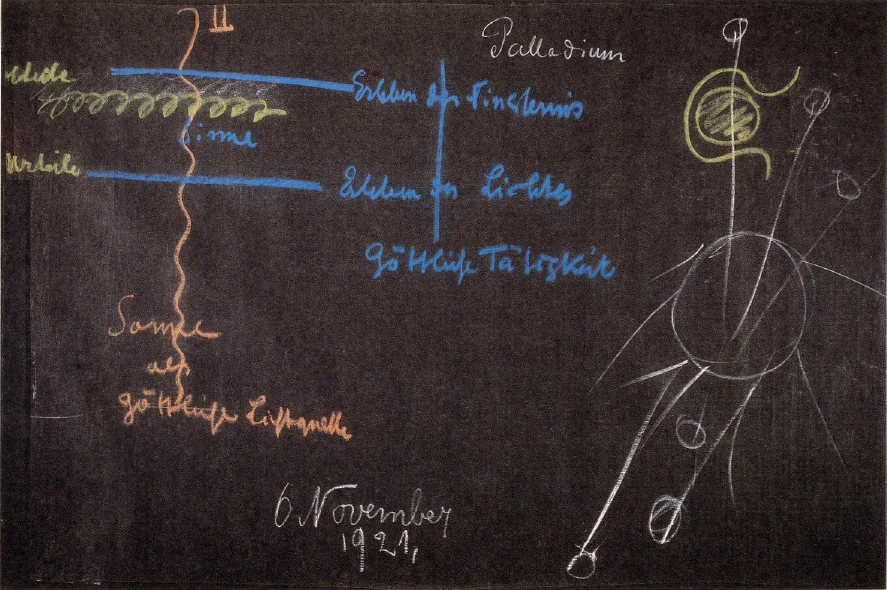
[ 17 ] Das ist also nur eine bildhafte Tätigkeit. Wir können sagen, gerade in dem Sinne dessen, was wir gestern kennengelernt haben: Hier (siehe Schema Seite 166) ist unsere geistige Tätigkeit, aber es schlägt Wollen, Fühlen und Urteilen oder Vorstellen weiter herauf bis in die Sinnessphäre. Und indem dies in die Sinnessphäre heraufschlägt, bis in die Sinne also heraufschlägt das verneinende Urteil, was wird es denn da? Es wird das, wo man nichts wahrnimmt, also — wenn wir es uns durch das auffälligste Wahrnehmen, das Sehen, repräsentieren, können wir sagen, wo wir nichts sehen, wo wir die Finsternis erleben —: Erleben der Finsternis. Das bejahende Urteil dagegen ist das Erleben des Lichtes (siehe Schema). Natürlich könnten wir ebenso von dem Erleben der Stummbheit, von dem Erleben des Tones oder des Lautes sprechen. Für alle zwölf Sinne könnten wir das aussprechen, was wir hier durch Licht und Finsternis charakterisieren.
[ 17 ] So this is merely a figurative activity. We can say, precisely in the sense of what we learned yesterday: Here (see diagram on page 166) is our mental activity, but it extends further upward—into the sphere of the senses—as will, feeling, judgment, and imagination. And as this extends into the sensory sphere—that is, as the negative judgment extends all the way up into the senses—what does it become there? It becomes that state where one perceives nothing; thus—if we represent it through the most striking form of perception, namely seeing—we can say that where we see nothing, where we experience darkness—it becomes the experience of darkness. The affirmative judgment, on the other hand, is the experience of light (see diagram). Of course, we could just as easily speak of the experience of silence, of the experience of tone, or of sound. For all twelve senses, we could express what we characterize here through light and darkness.
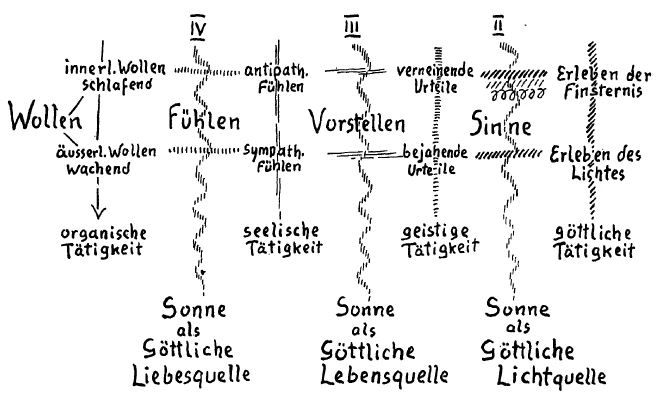
[ 18 ] Und wenn wir uns jetzt fragen: Was ist denn das für eine Tätigkeit, die entspricht dieser Sinnessphäre? Wir haben gefunden die Organtätigkeit, seelische Tätigkeit, die geistige Tätigkeit. Die geistige Tätigkeit ist schon eine ganz bildhafte Tätigkeit nur, aber sie ist in der Bildhaftigkeit noch unsere Tätigkeit. Was sich dagegen zwischen den Sinnen und der Außenwelt abspielt, das ist eigentlich nicht mehr unsere Tätigkeit, da spielt die Welt in uns herein. Wir können ja wirklich schematisch das Auge so zeichnen, daß wir es in einer gewissen Weise als ein selbständiges Wesen haben, und was sich im Auge abspielt, das ist das Hereindringen der Außenwelt wie durch einen Golf in den Organismus herein. Da sind wir nicht mehr mit unserer eigenen Tätigkeit in der Welt drinnenstehend, da stehen wir in der Welt drinnen so, daß wir sagen können: Es ist die göttliche Tätigkeit. Diese göttliche Tätigkeit, sie durchwebt unsere Umwelt, welche als Finsternis hinneigt zum verneinenden Urteil, als Licht hinneigt zum bejahenden Urteil. Diese göttliche Tätigkeit in ihrem Wirken auf den Menschen in seinem Verhältnis zur Welt, die empfand besonders die Weisheit des zweiten nachatlantischen Zeitraumes sehr stark, erlebte sie sehr stark: Gott im Lichte, Gott in der Finsternis. Gott im Lichte: das Göttliche mit luziferischer Färbung; Gott in der Finsternis: das Göttliche mit ahrimanischer Färbung. So erlebte die persische Kultur die Außenwelt. Und die Sonne war der Repräsentant dieser Außenwelt — Sonne als göttliche Lichtquelle: zweite nachatlantische Zeit.
[ 18 ] And if we now ask ourselves: What kind of activity corresponds to this sphere of the senses? We have identified the activity of the organs, the activity of the soul, and the activity of the spirit. The activity of the spirit is already an entirely pictorial activity, but within that pictorial nature, it is still our own activity. What takes place, on the other hand, between the senses and the external world is, in fact, no longer our own activity; there, the world plays a role within us. We can, in fact, schematically draw the eye in such a way that we conceive of it, in a certain sense, as an independent entity, and what takes place within the eye is the penetration of the external world into the organism, as if through a gulf. There we are no longer standing within the world through our own activity; rather, we stand within the world in such a way that we can say: It is divine activity. This divine activity permeates our environment, which, as darkness, tends toward a negative judgment, and as light, tends toward an affirmative judgment. This divine activity, in its effect on human beings in their relationship to the world, was felt particularly strongly by the wisdom of the second post-Atlantean epoch; it was experienced very intensely: God in the light, God in the darkness. God in the light: the divine with a Luciferic hue; God in the darkness: the divine with an Ahrimanic hue. This is how Persian culture experienced the outer world. And the sun was the representative of this outer world—the sun as the divine source of light: the second post-Atlantean epoch.
[ 19 ] Dagegen erlebte man mehr diejenige Sphäre, die zwischen dem Urteilen und Fühlen ist, in der dritten nachatlantischen Kultur, der ägyptisch-chaldäischen. Da hatte man nicht so das Erleben, daß man das Göttliche draußen erlebte in Licht und Finsternis; da hatte man das Erleben, daß man das Göttliche erlebte im Zusammenstoßen des Vorstellens mit dem Fühlen. So sind nämlich eigentlich die Götterwirkungen bei den Ägyptern und Chaldäern, daß der Mensch hineingoß in sein Urteil: in die Verneinung etwas von seinen Antipathien, in das Bejahen etwas von seinen Sympathien. Und nur wenn wir lesen können, was an bildhaften oder sonstigen Dokumenten aus der ägyptisch-chaldäischen Zeit vorhanden ist, so kommen wir darauf, wie ja alles herausgestaltet worden ist aus sympathisierender Bejahung, antipathisierender Verneinung. Sie können es noch den ägyptischen Grab- und anderen Figuren anfühlen, daß in ihnen etwas liegt, das künstlerisch gebildet worden ist mit dem sympathisierenden Bejahen und dem antipathisierenden Verneinen. Man kann keine Sphinxe schaffen, ohne daß man hereinbringt, was sympathisierendes und antipathisierendes Ideenleben hat. Da empfand man nicht bloß Licht und Finsternis, da empfand man etwas, was etwas hat von dem Lebendigen, was man im Sympathisieren und Antipathisieren hat. Man empfand die Sonne als göttliche Lebensquelle.
[ 19 ] In contrast, the third post-Atlantean culture—the Egyptian-Chaldean culture—was characterized by an experience of the sphere that lies between judgment and feeling. There, people did not experience the divine as something external, manifested in light and darkness; rather, they experienced the divine in the clash between imagination and feeling. For this is precisely how the gods’ influence worked among the Egyptians and Chaldeans: people poured into their judgments—into negation, something of their antipathies; into affirmation, something of their sympathies. And only when we can interpret the pictorial and other documents from the Egyptian-Chaldean period do we come to understand how everything was shaped by sympathetic affirmation and antipathetic negation. You can still sense in the Egyptian tomb figures and other sculptures that there is something within them that has been artistically shaped through sympathetic affirmation and antipathetic negation. One cannot create sphinxes without incorporating what constitutes a life of sympathetic and antipathetic ideas. There, people perceived not merely light and darkness; they perceived something that has something of the living quality found in sympathy and antipathy. They perceived the sun as a divine source of life.
[ 19 ] Und kommen wir in die griechisch-lateinische Zeit, da war dem Menschen das unmittelbare Zusammensein mit der Außenwelt schon in hohem Grade abhandengekommen. Ich habe in meinen «Rätseln der Philosophie» dargestellt, wie der Mensch zwar noch die Gedanken so fühlte, wie wir heute die Sinnesempfindungen fühlen, aber er näherte sich doch schon demjenigen Zustand, in dem wir heute leben, wo wir im Grunde genommen durch die Ausbildung des Ich keinen rechten Zusammenhang mehr mit der Außenwelt haben, wo wir mit dem Ich eigentlich schon im Leibe schlafen, wo wir uns hinüberneigen zum Schlafenden. Noch nicht so stark war es beim Griechen, aber es war schon in einer gewissen Weise vorhanden. Das griechische Wesen kann nur verstanden werden, wenn man sich klar darüber ist, daß der Griechesich schon sehr stark in seine Leibhaftigkeit eingelebthatte, noch nicht so stark wie wir, aber schon sehr stark sich eingelebt hatte. Die alten Perser hatten sich nicht sehr stark in ihre Leiblichkeit eingelebt. Sie glaubten eigentlich nicht, daß sie so richtig in ihrer Leiblichkeit innerhalb ihrer Haut lebten, namentlich wenn sie Weise waren, sondern sie glaubten, daß sie auf den Wellen des Lichtes eigentlich das ganze Universum durchwoben, durchwellten. Der Grieche war schon ganz so, daß er eigentlich in seinem Leibe drinnen mit diesem Weltenwesen schlief. Wenn wir im wirklichen Schlafe sind, sind wir mit unserem Ich und mit unserem astralischen Leib draußen; aber unser Wachen ist gegenüber dem persischen Wachen wiederum ein Schlafen. Das persische Wachen, sagen wir das persische Erwachen — das urpersische natürlich, das ich in meiner «Geheimwissenschaft im Umriß» charakterisiere —, das war wie ein Hereintreten in die menschlichen Sinne, aber zu gleicher Zeit wie ein Hereindringen des Lichtes selber.
[ 19 ] And when we come to the Greco-Roman period, human beings had already lost, to a great extent, their direct connection with the outside world. In my Riddles of Philosophy, I have described how human beings still felt their thoughts in the same way that we today feel our sensory perceptions, but were already approaching the state in which we live today—where, due to the development of the “I,” we essentially no longer have a true connection with the external world; where, with the “I,” we are actually already sleeping within our bodies; where we are leaning toward the sleeping state. This was not yet so pronounced among the Greeks, but it was already present to a certain extent. The Greek nature can only be understood if one is clear about the fact that the Greeks had already become very deeply attuned to their physicality—not yet as strongly as we have, but they had already become very deeply attuned to it. The ancient Persians had not become deeply rooted in their physicality. They did not really believe that they lived fully within their physicality, within their skin—especially if they were sages—but rather they believed that, riding the waves of light, they actually interwove and permeated the entire universe. The Greek, on the other hand, was such that he actually slept within his body, united with this cosmic being. When we are in actual sleep, our ego and our astral body are outside; but our waking state is, in comparison to the Persian state of waking, a form of sleep. Persian wakefulness—let us call it Persian awakening—the primordial Persian state, of course, which I characterize in my Outline of Esoteric Science—was like a stepping into the human senses, but at the same time like a penetration of light itself.
[ 21 ] Wir fühlen nichts mehr davon, daß wir das Licht mit dem Erwachen in unsere Augen hereinbringen. Für uns ist das Licht schattenhaft draußen. Das alles bewirkte, daß die Griechen die Sonne auch nicht mehr als eigentlichen Lebensquell wahrnehmen konnten, sondern daß die Griechen die Sonne wahrnahmen wie etwas, was sie innerlich durchdringt. Und sie fühlten dasjenige Element, wo die Sonne innerlich lebt im Menschen, das fühlten sie als das Element des Eros, als das Element der Liebe. Eros, das Sonnenhafte im Menschen, das war es, was in dem eigentlichen griechischen inneren Erleben war; darum: die Sonne als göttliche Liebesquelle.
[ 21 ] We no longer feel that we bring the light into our eyes when we awaken. For us, the light is a shadowy presence outside. All of this meant that the Greeks could no longer perceive the sun as the actual source of life, but rather perceived it as something that permeates them from within. And they sensed that element within which the sun lives inwardly in human beings; they sensed it as the element of Eros, as the element of love. Eros, the solar aspect within human beings—that was what lay at the heart of the true Greek inner experience; hence: the sun as the divine source of love.
[ 22 ] Und dann trat etwa vom 4. nachchristlichen Jahrhundert ab, das ich überhaupt in seinem eigentümlichen Charakter nach den verschiedensten Seiten charakterisiert habe, das Zeitalter ein, wo die Sonne überhaupt nicht mehr anders empfunden wird denn als eine physische Nebelkugel draußen im Raume, wo die Sonne eigentlich für den Menschen verfinstert ist. Der Perser empfand die Sonne wirklich als den Reflektor des den Raum durchwogenden und durchwuchtenden Lichtes. Der Ägypter und Chaldäer empfand die Sonne als das das Universum durchwellende und durchpulsende Leben. Der Grieche empfand die Sonne als das, was dem organischen Wesen Liebe einträufelte, was den Eros durch die Wellen des Empfindens leitet. Indem es immer weiter und weiter in den Menschen hineinstieg, dieses Sonnenerleben, verschwand es in seinen Untergründen, in die Meerestiefe der Seele hinein. In den Meerestiefen der Seele trägt heute der Mensch das Sonnenhafte. Er soll es nicht erreichen, weil der Hüter der Schwelle davorsteht, weil es unten ist in jenen Untergründen, von denen die alten Mysterienlehren gesagt haben, man soll es nicht aussprechen, weil gerade sündhaft ist der Mund, der es ausspricht, wie das Ohr sündhaft ist, das es hört. Und da gab es denn im 4. Jahrhundert Schulen, welche hauptsächlich lehrten für die weitere Verbreitung des Christentums: Das Sonnengeheimnis darf nicht ausgesprochen werden; es muß eine Zivilisation kommen, welche das Sonnengeheimnis nicht kennt.
[ 22 ] And then, beginning around the 4th century A.D.—which I have characterized in its unique nature from a wide variety of perspectives—the era dawned in which the sun is no longer perceived in any other way than as a physical ball of mist out there in space, an era in which the sun is, in a sense, eclipsed for human beings. The Persians truly perceived the sun as the reflector of the light that rippled and pulsed through space. The Egyptians and Chaldeans perceived the sun as the life that rippled and pulsed through the universe. The Greeks perceived the sun as that which instilled love into the organic being, that which guides Eros through the waves of feeling. As this experience of the sun penetrated ever deeper and deeper into human beings, it vanished into their depths, into the oceanic depths of the soul. Today, human beings carry the solar essence within the oceanic depths of the soul. They are not to reach it, because the Guardian of the Threshold stands in the way, because it lies down below in those depths of which the ancient mystery teachings said one must not speak—for the very mouth that utters it is sinful, just as the ear that hears it is sinful. And so, in the 4th century, there were schools that taught primarily for the further spread of Christianity: The mystery of the Sun must not be spoken of; a civilization must arise that does not know the mystery of the Sun.
[ 23 ] Hinter alldem, was äußerlich in der Welt geschieht, stehen ja die innerlichen, ich möchte sagen, aus dem Universum heraus lehrenden Kräfte. Ein Werkzeug solcher lehrenden Kräfte war der römische Kaiser Konstantin. Unter ihm hat das Christentum diejenige Form angenommen, die die Sonne verleugnet.
[ 23 ] Behind everything that happens outwardly in the world lie the inner forces—I would say, the forces that teach from within the universe. The Roman Emperor Constantine was an instrument of such teaching forces. Under him, Christianity took on the form that denies the sun.
[ 24 ] Dann war noch einer da, der allerdings die Entwickelung der Zeit weniger in Betracht gezogen hat als seinen Enthusiasmus für das, was er noch von seinen Mysterienlehrern gelernt hat als den letzten Überrest der alten, instinktiven Weisheit: das war Julian Apostata. Und Julian Apostata ist aus dem Grunde von Mörderhand gefallen, weil er bestrebt war, das dreifache Sonnengeheimnis als alte Tradition zu überliefern. Die Welt wollte mit dem nicht mitgehen.
[ 24 ] Then there was another who, however, took less account of the course of history than of his enthusiasm for what he had learned from his mystery teachers as the last remnant of the ancient, instinctive wisdom: that was Julian the Apostate. And Julian the Apostate fell at the hands of a murderer precisely because he sought to pass on the triple mystery of the sun as an ancient tradition. The world was not willing to go along with that.
[ 25 ] Heute muß man allerdings erkennen, daß die alte instinktive Weisheit ein Wiederaufleben haben muß in der bewußten Weisheit, daß alles das aus dem Bewußten wieder heraufgehoben werden muß, was sich hinuntergesenkt hat in das Unterbewußte, in die bloße organische Tätigkeit oder auch in die unterorganische Tätigkeit. Wir müssen wiederum das Sonnengeheimnis finden.
[ 25 ] Today, however, we must recognize that the old instinctive wisdom must be revived in conscious wisdom; that everything which has sunk down into the subconscious, into mere organic activity, or even into sub-organic activity, must be brought back up from the conscious. We must rediscover the mystery of the sun.
[ 26 ] Aber so wie beim Abhandenkommen des Sonnengeheimnisses demjenigen, der es noch der Welt verkünden wollte, dem Julian Apostata, die furchtbarsten Feinde erwachsen sind, die ihn dann ja auch getötet haben, so sind diese Feinde wiederum gegenüber dem neuen Sonnengeheimnis da, das eben durch die Geisteswissenschaft in die Welt treten muß. Wir leben jetzt im anderen Pol der geschichtlichen Entwickelung. Damals, im 4. nachchristlichen Jahrhundert, war der Niedergang. Jetzt brauchen wir den Aufgang.
[ 26 ] But just as the loss of the mystery of the Sun brought about the most terrible enemies for Julian the Apostate—who still wanted to proclaim it to the world—enemies who ultimately killed him, so too are these enemies now present in relation to the new mystery of the Sun, which must now enter the world through spiritual science. We are now living at the other pole of historical development. Back then, in the 4th century A.D., there was decline. Now we need a new dawn.
[ 27 ] In dieser Beziehung sind das schon zwei Symbole der geschichtlichen Entwickelung, Konstantin und Julian Apostata. Julian Apostata, der steht gewissermaßen auf den Trümmern der alten Zeit, möchte aber noch aus diesen Trümmern die Formen der alten Weisheit wiederum aufbauen. Julian Apostata möchte jene alten Denkmäler der Menschheit dalassen, die das zunächst materialistische Form annehmende, in der Konstantinischen Zeit materialistische Form annehmende Christentum zerstört hat. Unzähliges wurde zerstört, Unzähliges an Kunstdenkmälern, Unzähliges an Weisheitsdenkmälern, an Schrifttum. Gerade das wurde alles zerstört, was in irgendeiner Weise geeignet war, den Menschen erraten zu lassen das alte Sonnengeheimnis.
[ 27 ] In this regard, Constantine and Julian the Apostate are two symbols of historical development. Julian the Apostate stands, as it were, on the ruins of the ancient world, yet he wishes to rebuild the forms of ancient wisdom from these very ruins. Julian the Apostate wishes to preserve those ancient monuments of humanity that were destroyed by Christianity—which initially took on a materialistic form and, during the Constantinian era, assumed a materialistic form. Countless things were destroyed—countless works of art, countless monuments to wisdom, and countless writings. It was precisely everything that was in any way capable of allowing people to discern the ancient mystery of the sun that was destroyed.
[ 28 ] Es ist wahr, die Menschen mußten durchgehen, um zur Freiheit zu kommen, durch den Glauben, daß da draußen ein Gasball durch die Welt wandle, während die Physiker sehr erstaunt sein würden, wenn sie dorthin wandern könnten und gar keinen Gasball, sondern im Gegenteil einen Hohlraum, ja weniger als einen Raum finden würden, und entdecken würden, was die Sonne ist: daß die Sonne nicht da draußen ein leuchtender Gasball ist, der Licht ausstrahlt — Unsinn ist das! —, sondern daß das zunächst ein bloßer Reflektor ist, der nicht Licht ausstrahlen kann, höchstens zurückwerfen kann. Dann aber haben wir in Wirklichkeit geistig Licht ausstrahlend Saturn, Jupiter, Mars, Merkur, Venus, Mond. Und während es physisch so erscheint, als ob die Sonne denen allen Licht gäbe, strahlen die eigentlich alle gegen die Sonne das Licht, und die Sonne ist der Reflektor. So ist es physisch. So haben es aus instinktivem Erkennen die Alten, die Urperser noch erkannt und haben in diesem Sinne die Sonne als die irdische Lichtquelle anerkannt, aber eigentlich nicht als die Lichtquelle, sondern als den Lichtreflektor. Dann wurde sie der zurückstrahlende Lebensreflektor und der zurückstrahlende Liebesreflektor.
[ 28 ] It is true that people had to go through this to attain freedom—through the belief that a ball of gas was wandering through the world out there—while physicists would be very astonished if they could travel there and find not a ball of gas at all, but on the contrary a void, indeed less than a void, and would discover what the Sun really is: that the Sun is not a luminous ball of gas out there that emits light—that’s nonsense!—but that it is, first and foremost, merely a reflector that cannot emit light, but at most reflect it. But then, in reality, we have Saturn, Jupiter, Mars, Mercury, Venus, and the Moon, all radiating spiritual light. And while physically it appears as if the Sun were giving light to all of them, in reality they are all radiating light toward the Sun, and the Sun is the reflector. That is how it is physically. Through instinctive insight, the ancients—the ancient Persians—had already recognized this and, in this sense, acknowledged the Sun as the earthly source of light, though not actually as the source of light itself, but as the reflector of light. Then it became the reflecting mirror of life and the reflecting mirror of love.
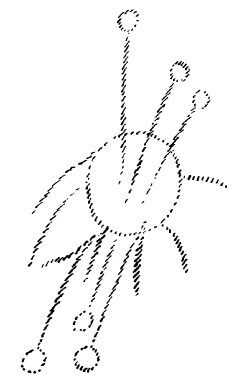
[ 29 ] Diese Anschauung wollte Julian Apostata geltend machen, und er ist aus dem Wege geräumt worden. Die Menschen mußten eben durchgehen, um zur Freiheit zu kommen, durch den Aberglauben von dem im Raum vorhandenen Gasball, der Licht ausstrahlt, welchen Aberglauben wir ja heute in allen Physikbüchern als eine absolute Wahrheit hingestellt finden. Wir müssen wiederum durchdringen zu dem, was wahr ist in dieser Sache.
[ 29 ] Julian the Apostate sought to assert this view, and he was removed from the picture. People simply had to go through this process to attain freedom—through the superstition about a ball of gas in space that emits light, a superstition that we find presented today in all physics textbooks as an absolute truth. We must once again penetrate to the heart of what is true in this matter.
[ 30 ] In dieser Beziehung sind eben durchaus Konstantin und Julian Apostata wie zwei Symbole. Julian Apostata möchte die alten Denkmäler der Welt erhalten, aus denen gewissermaßen noch das wirkliche Sonnengeheimnis an den Menschen herandringen könnte. Eine Apollo-, eine Sonnengestalt war der Christus in den ersten Jahrhunderten noch.
[ 30 ] In this regard, Constantine and Julian the Apostate are indeed like two symbols. Julian the Apostate wished to preserve the ancient monuments of the world, through which, in a sense, the true mystery of the sun could still reach humanity. In the early centuries, Christ was still an Apollo-like, sun-like figure.
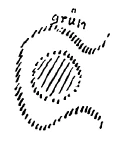
[ 31 ] Dieses Sonnengeheimnis, es wurde empfunden als das größte geistige Kleinod der Menschheit. Und es wurde symbolisiert durch dasjenige, was man das Palladium nannte. In Troja soll es einst gewesen sein, und die Mysterienpriester in Troja drüben sollen in diesem Palladium dasjenige gesehen haben, an dem sie gewissermaßen sakramental kulturell, kultusartig den Leuten enthüllt haben, was das Sonnenwesen ist. Dann wurde es nach Rom gebracht, und es war ein Geheimnis der in Rom Eingeweihten, daß Rom das Palladium bewahrt. Rom bewahrte das Palladium. Und im Grunde genommen haben die eingeweihten Priester der Römer und noch die ersten Kaiser der Römer, namentlich noch Augustus, durchaus aus dem Bewußtsein heraus gearbeitet in der Welt, gewirkt in der Welt, daß in Rom das größte Kleinod der Welt repräsentiert ist, wenigstens äußerlich-symbolisch, indem in dem geschätztesten römischen Tempel unter der Grundmauer das Palladium war, das nur diejenigen kannten, die von den größten Geheimnissen des römischen Daseins wußten. Aber auf geistige Art war es denen bekanntgeworden, die das Christentum der Welt zu bringen hatten. Und aus der Erkenntnis, daß Rom den Palladiumschatz bewahrt, ging der Zug der ersten Christen nach Rom. Es war durchaus etwas Spirituelles darinnen.
[ 31 ] This mystery of the sun was regarded as humanity’s greatest spiritual treasure. And it was symbolized by what was called the Palladium. It is said to have once been in Troy, and the mystery priests in Troy are said to have seen in this Palladium that through which they revealed to the people—in a sacramental, cultural, and ritualistic sense—what the solar being is. Then it was brought to Rome, and it was a secret known only to the initiates in Rome that Rome preserved the Palladium. Rome preserved the Palladium. And essentially, the initiated priests of Rome—and even the first Roman emperors, notably Augustus—acted in the world, working from this consciousness, to ensure that Rome represented the greatest treasure in the world, at least outwardly and symbolically, in that the Palladium lay beneath the foundation of the most revered Roman temple—a fact known only to those who were privy to the greatest mysteries of Roman existence. But in a spiritual sense, it had become known to those who were to bring Christianity to the world. And it was from the realization that Rome safeguarded the treasure of the Palladium that the first Christians made their way to Rome. There was certainly something spiritual in it.
[ 32 ] Aber als unter Konstantin das Christentum verweltlicht ist, wurde von Rom das Palladium weggenommen. Konstantin gründete Konstantinopel, und unter derjenigen Säule, die er dort sich selber errichten ließ, ließ er in den Boden hineinsenken das Palladium. Und das römische Christentum hat sich ferner so entwickelt, daß ihm das Wissen vom Sonnengeheimnis gerade durch denjenigen Kaiser weggenommen worden war, welcher das Christentum äußerlich in seinen Formen, in seinem starren Mechanismus in Rom festgelegt hatte. In der äußerlichen, weltlichen Befestigung des Christentums durch Konstantin ist dem Christentum die Weisheit von der Welt verlorengegangen, was auch äußerlich zum Ausdrucke kommt in dem Überführen des Palladiums nach Konstantinopel.
[ 32 ] But when Christianity became secularized under Constantine, the Palladium was taken from Rome. Constantine founded Constantinople, and beneath the column he had erected there for himself, he had the Palladium sunk into the ground. And Roman Christianity developed in such a way that knowledge of the mystery of the sun was taken away from it precisely by the very emperor who had externally established Christianity in Rome in its forms and rigid mechanisms. In the outward, worldly consolidation of Christianity by Constantine, Christianity lost the wisdom of the world, which is also outwardly expressed in the transfer of the Palladium to Constantinople.
[ 33 ] Namentlich in gewissen Teilen der slawischen Welt — die Leute deuten sich das ja alles in ihrem Sinne — herrscht, herrschte bis in den Beginn des 20. Jahrhunderts herein der Glaube, daß das Palladium von Konstantinopel in nicht zu ferner Zukunft nach einer anderen, und wie man glaubte in der slawischen Welt, nach einer slawischen Stadt verbracht werden wird.
[ 33 ] Particularly in certain parts of the Slavic world—where people tend to interpret everything in their own way—the belief prevailed, right up until the beginning of the 20th century, that the Palladium of Constantinople would be moved in the not-too-distant future to another city—and, as was believed in the Slavic world, to a Slavic city.
[ 34 ] Jedenfalls wartet das Palladium darauf — nehmen Sie jetzt den Vorgang symbolisch äußerlich, aber das Wichtigere ist das Innere dabei —, daß aus dem schon auf dieses Palladium verfinsternd wirkenden Konstantinopel hervorgeht diejenige Lokalität, oder daß das Palladium wandert nach derjenigen Lokalität, die durch sich dieses Palladium völlig verfinstern würde. Ja, das Palladium wird nach dem Osten gebracht, wo die Dekadenz der alten Weisheit lebt, aber eben der Verfinsterung entgegenlebt. Und alles hängt in der weiteren Weltenentwickelung davon ab, daß ebenso, wie die Sonne ein Reflektor ist von dem Lichte, das ihr aus dem Universum gegeben wird, das Palladiumkleinod beleuchtet werde von einer Weisheit, die aus dem Schatze der Erkenntnis des Westens gefunden wird. Das Palladium, das alte Erbstück, das aus Troja nach Rom, von Rom nach Konstantinopel gebracht worden ist, das noch weiter in die Finsternis des Ostens gebracht werden soll, das Palladium, das Sonnenkleinod, es muß warten, bis man es geistig im Westen aus dem dunklen, finsteren Schatze der bloßen Naturerkenntnis heraus erlöst. So hängt mit den heiligsten Traditionen eigentlich der europäischen Entwickelung zusammen, was als Aufgabe für die Zukunft dasteht.
[ 34 ] In any case, the Palladium is waiting—consider the process symbolically from an external perspective for now, though what is more important is the inner aspect—for the location to emerge from Constantinople, which is already having an eclipsing effect on this Palladium, or for the Palladium to migrate to the location that would completely eclipse it. Yes, the Palladium is being taken to the East, where the decadence of ancient wisdom lives on, yet lives in opposition to this eclipse. And everything in the further development of the world depends on the fact that, just as the sun is a reflector of the light given to it from the universe, the Palladium treasure will be illuminated by a wisdom found in the West’s storehouse of knowledge. The Palladium, the ancient heirloom that was brought from Troy to Rome, from Rome to Constantinople, and is to be carried even further into the darkness of the East—the Palladium, the sun-like gem—must wait until it is spiritually redeemed in the West from the dark, gloomy treasure of mere knowledge of nature. Thus, what stands as a task for the future is actually connected to the most sacred traditions of European development.
[ 35 ] So berühren sich heute noch lebendige Sagen, die man finden kann bei denjenigen, die in solche Dinge eingeweiht sind — und das sind zuweilen recht einfache, schlichte Menschen, die in der Welt herumgehen —, so berühren sich solche Sagen wie diese von der Überführung des trojanischen Palladiums noch Rom, von der Überführung des Palladiums, des Kleinodes der Weisheit, als das römische Christentum äußerlich, verweltlicht wurde, nach Konstantinopel, und von der zukünftigen Überführung nach dem Osten, wenn der Osten völlig entblößt sein wird von der alten Weisheit, völlig in die Dekadenz übergegangen sein wird, und von der Notwendigkeit, daß dieses Sonnenkleinod aus dem Westen ein neues Licht empfangen könne.
[ 35 ] Thus, legends that are still alive today—and which can be found among those initiated into such matters (who are sometimes quite simple, unassuming people going about their lives in the world)—thus, legends such as this one about the transfer of the Trojan Palladium to Rome, of the transfer of the Palladium, the jewel of wisdom, to Constantinople at the time when Roman Christianity became outwardly secularized, and of its future transfer to the East, when the East will have been completely stripped of the ancient wisdom, will have fallen entirely into decadence, and when it will be necessary for this jewel of the sun to receive a new light from the West.
[ 36 ] Die Sonne ist verschwunden in die Untergründe der Menschheit. Wir müssen durch geisteswissenschaftliche Entwickelung die Sonne wieder finden. Die Menschheit muß diese Sonne wieder finden, sonst verschwindet das Palladium in der Finsternis des Ostens. Heute ist es Sünde, wenn so etwas, was unrichtig ist, ausgesprochen wird, Sünde ist es, das Wort auszusprechen: Ex oriente lux. — Nicht mehr kann das Licht aus dem Osten kommen. Der Osten ist in der Dekadenz. Aber er wartet — denn er wird das Kleinod, das Sonnenkleinod, wenn auch in der Finsternis, haben —, er wartet auf das Licht des Westens. Heute wandern die Menschen noch tief in der Finsternis, arrangieren Zusammenkünfte in der Finsternis, schauen hin — nach Washington. Aber erst diejenigen Washingtons werden Heil bringen, die aus dem Tone der geistigen Welt heraus so sprechen, daß sie nicht bloß die freien Wirtschaftstore für China, nicht bloß die Finsternis suchen, die das Palladium umgibt. Erst diejenigen Konferenzen werden Heil bringen, die im Westen so gehalten werden, daß man von dort will Licht hintragen, damit das Palladium wieder aufglänze. Denn wie ein fluoreszierender Körper ist das Palladium finster an sich; wird es von Licht durchströmt, dann leuchtet es auf. So wird es mit der Weisheit des Ostens sein: finster an sich, aufleuchten wird sie, fluoreszieren wird sie, wenn sie von der Weisheit des Westens, von dem geistigen Lichte des Westens durchdrungen wird.
[ 36 ] The sun has vanished into the depths of humanity. We must rediscover the sun through spiritual scientific development. Humanity must rediscover this sun; otherwise, the Palladium will vanish into the darkness of the East. Today it is a sin to utter something so untrue; it is a sin to speak the words: Ex oriente lux. — The light can no longer come from the East. The East is in decline. But it waits—for it will possess the treasure, the treasure of the sun, even if in darkness—it waits for the light of the West. Today, people still wander deep in darkness, arrange gatherings in darkness, and look—toward Washington. But only those in Washington who speak from the tone of the spiritual world in such a way that they seek not merely the open doors of the free market for China, nor merely the darkness that surrounds the palladium, will bring salvation. Only those conferences held in the West that aim to carry light from there, so that the palladium may shine again, will bring salvation. For like a fluorescent body, the Palladium is dark in itself; when light flows through it, it glows. So it will be with the wisdom of the East: dark in itself, it will glow, it will fluoresce, when it is permeated by the wisdom of the West, by the spiritual light of the West.
[ 37 ] Heute aber sieht man das im Westen noch nicht ein. Erst wenn man ins helle Licht des Bewußtseins die Palladiumsage rücken wird, erst wenn man wiederum das richtige Mitleiden empfinden wird mit so jemandem wie Julian Apostata, der übersehen wollte das Zeitalter, in dem in Finsternis das Licht der Freiheit keimen konnte, der die alte instinktive Weisheit bewahren wollte und deshalb zugrunde gehen mußte, erst wenn man einsehen wird, daß Konstantin, indem er den Römern das äußerliche Christentum gegeben hat, ihnen die Weisheit, das Licht genommen hat und das Christentum in die Finsternis geschickt hat, erst wenn man einsieht, daß aus der modernen Naturerkenntnis heraus das Licht gesucht werden muß, das das Palladium wiederum zum Erglänzen bringt, erst dann wird ein wichtiges Stück Weltgeschichte erfüllt. Erst dann wird dasjenige, was westlich geworden ist in dem Momente, wo die Griechen 'Troja verbrannt haben, das Palladium, in dem heute noch vorhanden ist das Licht, das aus Troja geflammt hat, wiederum west-östlich werden. Aber es ist in der Finsternis. Es muß hervorgeholt werden. Das Palladium muß beleuchtet werden.
[ 37 ] But today, the West still fails to recognize this. Only when the legend of the Palladium is brought into the bright light of consciousness, only when we once again feel true compassion for someone like Julian the Apostate—who sought to overlook the age in which the light of freedom could sprout in darkness, who wanted to preserve the ancient instinctive wisdom and therefore had to perish— only when people come to realize that Constantine, by giving the Romans outward Christianity, took away their wisdom and their light and cast Christianity into darkness; only when people realize that the light that will make the Palladium shine once more must be sought through modern scientific understanding of nature—only then will an important chapter of world history be fulfilled. Only then will that which became Western at the moment the Greeks “burned Troy”—the Palladium, in which the light that blazed from Troy still exists today—once again become both Western and Eastern. But it is in darkness. It must be brought forth. The Palladium must be illuminated.
[ 38 ] Wir können Enthusiasmus herausholen aus dem geschichtlichen Werden, wenn wir das Herz auf dem rechten Flecke haben. Und wenn wir dieses Herz auf dem rechten Flecke haben in dem Sinne, wie ich das heute ausgesprochen habe, dann werden wir auch die richtigen Empfindungen gegenüber jenen Impulsen finden können, die die rechten Impulse der Geisteswissenschaft sein sollen.
[ 38 ] We can draw enthusiasm from the course of history if we have our hearts in the right place. And if we have our hearts in the right place in the sense I have described today, then we will also be able to find the right feelings toward those impulses that are meant to be the true impulses of spiritual science.
[ 39 ] Freitag werde ich dann hier den nächsten Vortrag halten, von solchen Dingen weiter sprechen.
[ 39 ] On Friday, I'll give the next lecture here and continue talking about these kinds of things.